Best Time of Year to Snag Paddlefish on the Ohio River
If you've ever stood on the banks of the mighty Ohio River, imagining the incredible, ancient fish lurking below, then paddlefish are probably high on your list. But figuring out when to best target these magnificent creatures, especially if you're hoping to snag one, can feel like a complete mystery. It's not just about showing up; it's about understanding their habits and hitting the water when conditions align perfectly. This guide is here to demystify the prime time for snagging paddlefish on the Ohio River, helping you plan a more successful and memorable fishing trip.
Understanding Paddlefish Behavior and Migration
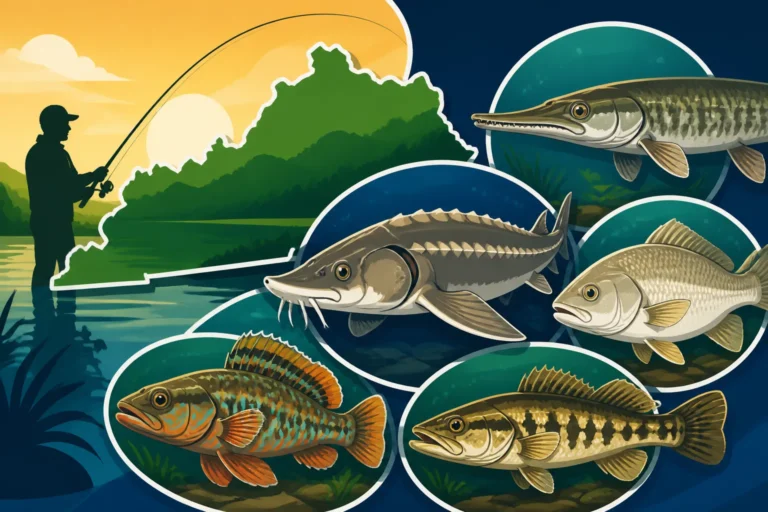
Paddlefish are truly unique, often called "living fossils" because their lineage dates back millions of years. They're filter feeders, not predatory, which is why traditional hook-and-line fishing doesn't work for them. Instead, anglers rely on snagging – a technique that involves dragging a weighted, treble hook through the water to hook the fish externally. To be successful at snagging, you need to be where the paddlefish are, and they have very specific times and reasons for congregating.
These fish are driven by ancient instincts, primarily related to reproduction. Their movements are largely dictated by the calendar and the river's conditions. Think of them like salmon making their annual run, though paddlefish don't die after spawning. They're just very particular about their timing and environment. Understanding these underlying behaviors is the first step to knowing when to grab your heavy-duty gear.
The Spring Spawning Migration
Without a doubt, the most productive time for snagging paddlefish on the Ohio River is during their annual spring spawning migration. As the days lengthen and the winter chill finally loosens its grip, paddlefish begin to stir from their deeper wintering holes. They start moving upstream, often gathering in large schools in specific areas as they prepare to spawn. This is when they become most vulnerable to snagging, simply because there are more of them concentrated in predictable locations.
This migration isn't a sudden rush; it's a gradual movement that builds to a peak. They're looking for areas with certain characteristics – specific flow rates, gravel bars, and other structural features where they feel secure to broadcast their eggs and milt. Anglers who pay close attention to these patterns and understand where these fish typically stage can drastically increase their chances of success. It's a window of opportunity that seasoned paddlefish anglers eagerly await each year.
How Water Temperature Influences Movement
While spring is the general season, water temperature is the real trigger that kickstarts and sustains the paddlefish migration and spawning activity. Paddlefish in the Ohio River typically begin their serious upstream movements when water temperatures consistently reach the upper 40s to low 50s Fahrenheit. The prime spawning activity, and thus the peak snagging window, often occurs when temperatures hit the mid-50s to low 60s.
If the water is too cold, they'll remain lethargic and dispersed in deeper pools, making them hard to find and even harder to snag. If the water warms too quickly, they might spawn and disperse faster than you can get your boat in the water. So, staying abreast of river conditions and local water temperature readings is paramount. Many dedicated anglers use specialized thermometers or check online resources to track these critical numbers, knowing that a few degrees can make all the difference between a bust and a banner day.
Prime Paddlefish Snagging Season on the Ohio River
So, when exactly does this magical window open on the Ohio River? Generally, the prime snagging season for paddlefish in Kentucky's portion of the Ohio River falls between late March and mid-May. This period encapsulates the bulk of their spawning migration. However, this isn't a hard-and-fast rule that applies uniformly every single year. Mother Nature always has the final say, and weather patterns can shift this window slightly earlier or later.
In a mild spring, you might see fish moving well by mid-March, especially in shallower upstream sections. In a colder, wetter spring, the peak might not occur until late April or even early May. Consistency is key here; you want a period of stable warm weather and rising water temperatures, not just a single warm day followed by a cold snap. That stable warmth gets the fish moving with purpose.
Key Factors for Success: Flow and Clarity
Beyond temperature, two other critical factors heavily influence paddlefish snagging success: river flow and water clarity. Paddlefish prefer specific flow conditions for their migration and spawning. During periods of heavy rain and high water, the river can become turbulent and muddy. While paddlefish are robust fish, extremely high, fast currents can make it difficult for them to navigate and congregate in their usual staging areas, and it can certainly make it challenging for anglers to effectively snag.
Conversely, if the river is too low and stagnant, it might not trigger the necessary migration. The ideal conditions usually involve moderate to slightly elevated flow after a period of stable weather, allowing for good current but not overwhelming velocity. Water clarity is also important; while they don't see in the same way predatory fish do, extremely muddy water can disperse them or make it harder for anglers to feel their hooks dragging effectively along the bottom where the fish are often concentrated. Many anglers consider a slightly stained, rather than chocolate milk, color to be optimal.
When the Kentucky Regulations Allow Snagging
It's absolutely crucial to remember that paddlefish snagging is not a year-round activity, nor is it permitted in all waters. The Kentucky Department of Fish and Wildlife Resources (KDFWR) has specific regulations for paddlefish, including designated snagging seasons and limits. For the Ohio River, the snagging season typically runs from February 1 to May 10, with specific daily limits and size restrictions.
It's your responsibility as an angler to check the most current Kentucky fishing regulations before heading out. These rules are in place to ensure the sustainability of the paddlefish population. Fishing outside of the legal season or violating limits can lead to significant penalties, including fines and equipment confiscation. You can usually find the updated regulations on the KDFWR website or pick up a printed guide wherever you purchase your Kentucky Fishing License Guide. Always double-check, because rules can occasionally be adjusted.
Gear and Techniques for Ohio River Paddlefish Snagging
Successfully snagging paddlefish, especially big ones, requires specific gear that can stand up to the challenge. These are large, powerful fish, and a standard bass rod simply won't cut it. You need robust equipment that can handle heavy weights, strong currents, and the sheer power of a hooked paddlefish. Don't skimp on your setup; a broken line or rod can mean losing the fish of a lifetime.
When looking for gear, think durability and strength. Many anglers find excellent heavy-duty rods and reels on platforms like Amazon, where you can compare different brands and read reviews to find equipment that’s proven for this kind of rigorous fishing. Having the right tools won't just improve your chances of success, it will also make the entire experience more enjoyable and less prone to equipment failure.
Essential Rods, Reels, and Line
For paddlefish snagging, you'll want a heavy to extra-heavy action rod, typically between 7 to 9 feet in length. Look for a rod with a strong backbone that can handle casting heavy weights (often 8-16 ounces or more) and has enough leverage to set a large treble hook. Paired with this, you'll need a robust conventional reel, like those used for saltwater bottom fishing or heavy catfishing. It needs a high line capacity and a powerful drag system. Many anglers prefer baitcasting reels with a thumb bar for easy line release.
Line choice is critical. Most seasoned paddlefish snagglers opt for heavy braided line, usually in the 80 to 120-pound test range. Braided line offers superior strength, minimal stretch (which helps with feeling bites and setting hooks), and excellent abrasion resistance against river debris. You'll want to ensure your knots are tied meticulously – a weak knot is often the first point of failure when battling a strong paddlefish. For more on getting your license and preparing, check out How to Buy a Kentucky Fishing License Online.
Snagging Hooks and Weights
The business end of your paddlefish rig consists of large, heavy treble hooks and equally heavy weights. Treble hooks are preferred due to their increased chance of snagging the fish. These are usually 8/0 to 12/0 in size, made from stout wire to prevent bending or breaking. Some anglers will even sharpen them further for better penetration. These hooks need to be legal for paddlefish snagging according to KDFWR regulations, which often specify hook size and configuration.
Weights typically range from 8 to 16 ounces, though even heavier weights might be needed in strong currents. The goal is to get the hook to the bottom quickly and keep it there as you sweep it through the water column. Bell sinkers or pyramid sinkers are common choices. Many anglers create a three-way swivel rig, with the weight on a dropper line below the main line, and the hook on a shorter leader. This setup helps keep the hook free to swing and snag. Remember, the Kentucky Fishing Regulations Explained will cover specifics on legal gear.
Seasonal Considerations and Other Times of Year
While spring is undeniably the prime time, it's natural to wonder about the rest of the year. Can you still find paddlefish in the Ohio River during summer, fall, or even winter? The short answer is yes, they're always there. However, their behavior and distribution change dramatically, making snagging them significantly more challenging, to the point where it's often not worth the effort or even legal.
If you miss the spring window, don't despair entirely, but adjust your expectations. Most experienced anglers will tell you that dedicating your time to the spring run is where you'll find the most consistent action. Thinking about other species during these off-paddlefish times is often a better use of your fishing energy. For instance, Kentucky Catfish Fishing: Ohio River and Kentucky Lake Guide offers great alternative ideas.
Summer and Fall: A Different Challenge
As the water warms significantly through summer, paddlefish disperse from their spawning grounds and spread out across larger areas of the Ohio River. They tend to move into deeper, cooler pools or channels, often suspending in the water column as they filter feed. This dispersal makes it incredibly difficult to locate them in concentrations suitable for snagging. You're essentially looking for a needle in a haystack across a vast river system.
In the fall, as temperatures begin to drop, they might start to congregate again as they move towards their wintering areas, but typically not in the same numbers or predictability as the spring spawn. The legal snagging season in Kentucky usually closes before the fall truly sets in, further limiting these opportunities. Even if it were legal, the effort-to-reward ratio for summer and fall snagging is generally very low compared to the spring.
Winter: Limited Opportunities
Winter on the Ohio River can be harsh, and the paddlefish, like many other fish species, become much less active. They typically retreat to deep, stable pools or slower sections of the river, conserving energy. Their metabolism slows down considerably, and their movements are minimal. Finding and snagging them under these conditions becomes an extreme challenge.
While the Kentucky snagging season does open in February, the first few weeks of this can still feel very much like winter, especially in terms of water temperature. Anglers trying to snag paddlefish in early February often face freezing temperatures, difficult river conditions, and fish that are still quite lethargic and dispersed. The bite (or rather, the snag) often doesn't pick up until later in March when the true spring warming begins. So, while technically legal for part of the winter, practical success remains largely tied to the warming trends of spring.
Here's a quick look at the paddlefish snagging outlook by season:
| Season | Typical Water Temperature Range (F) | Paddlefish Behavior | Snagging Outlook (Ohio River) |
|---|---|---|---|
| Spring | 50-65 | Active spawning migration, congregated | Excellent |
| Summer | 70-85 | Dispersed, deeper water, less active | Poor |
| Fall | 60-45 | Moving towards wintering grounds, dispersed | Poor |
| Winter | 35-45 | Deep, stable pools, lethargic, dispersed (early Feb can be very slow) | Very Poor to Poor (early season is tough) |
This table clearly illustrates why spring is your best bet for a successful paddlefish snagging trip on the Ohio River.
In summary, if you're looking to experience the thrill of snagging a paddlefish from the Ohio River, mark your calendar for late March through mid-May. Keep a close eye on water temperatures and river flow, and always consult the most current KDFWR regulations before you cast a line. Armed with the right knowledge and gear, you'll be ready for an unforgettable adventure. You might even find some useful heavy-duty lines and hooks on Amazon to get ready!
Disclaimer
This article is for general informational purposes only and does not constitute professional advice. Laws, prices and regulations vary by location and change over time. Consult a qualified professional for guidance on your specific situation.