Is Tiger Muskie Stocked in Kentucky Lakes?
It can be incredibly confusing trying to keep up with all the different fish species, especially when you start hearing about hybrids like the Tiger Muskie. Many anglers, myself included, have wondered if this distinctive-looking fish can be found in Kentucky's waters, hoping to add a new challenge to their fishing adventures. This guide is here to clear up that confusion and dive deep into whether Tiger Muskie are stocked in Kentucky lakes and what that means for your next fishing trip.
Understanding Muskie in Kentucky Waters
When you talk about muskie fishing in Kentucky, most folks are thinking about the purebred muskellunge, which is a fantastic sport fish in its own right. But the world of esocids (the pike family) can get a little complicated, and it's easy to wonder if other, similar species or hybrids are out there.
Native Muskie vs. Stocked Species
Kentucky actually boasts a healthy population of purebred muskellunge, both native to certain river systems and extensively stocked in several of our larger lakes. These are the true "fish of 10,000 casts," renowned for their size, power, and elusive nature. When we talk about native populations, we're usually thinking of streams like the Licking River, where muskie have always called home. Our state fish and wildlife agencies also work tirelessly to maintain and enhance these populations through careful stocking programs in designated trophy fisheries.
The distinction between native and stocked fish is crucial. Native fish are those that naturally reproduce and have established populations in a water body, often over centuries. Stocked fish, on the other hand, are raised in hatcheries and then released into specific lakes or rivers to either create a new fishery, supplement a struggling native population, or support a trophy program. Anglers often hear about stocking efforts and naturally wonder if that includes exciting new species or hybrids from other regions.
What Exactly is a Tiger Muskie?
A Tiger Muskie isn't just a catchy name; it's a specific hybrid fish, the result of crossing a Northern Pike ( Esox lucius ) with a Muskellunge ( Esox masquinongy ). Think of it like a mule in the fish world – a cross between two different species. They're often sterile, meaning they can't reproduce on their own, which has its own implications for fisheries management.
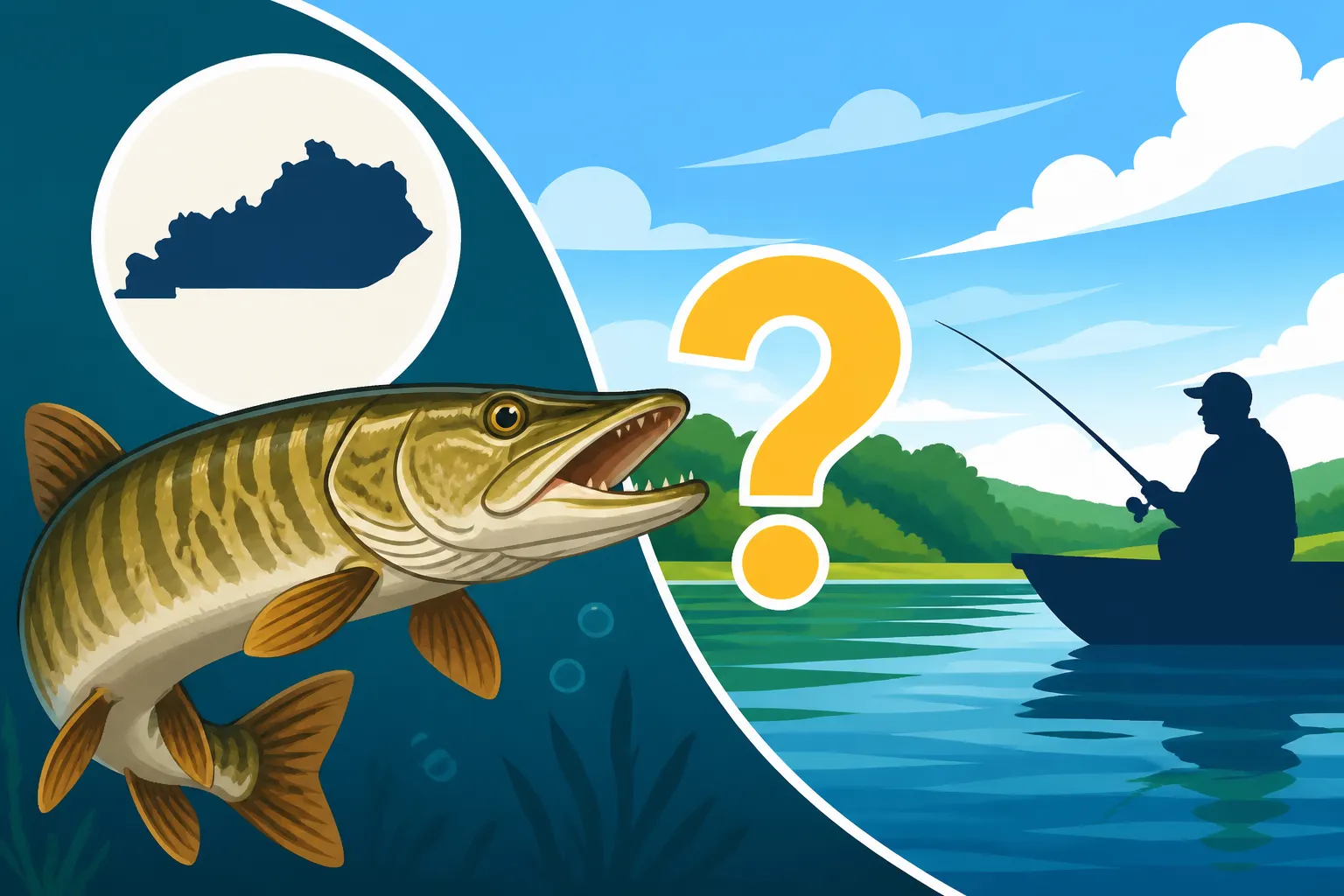
Visually, they are quite striking, which is where they get their "tiger" name. They typically have a more elongated body shape than a purebred muskie, but their most distinguishing feature is their dark, irregular, vertical bars or spots over a lighter background, giving them a striped or "tiger" pattern. Purebred muskie usually have spots or blotches that are more horizontal or chain-like, while northern pike have light spots on a dark background.
Anglers are often drawn to tiger muskie because they are known for their rapid growth and aggressive feeding habits. They can grow quite large, and because they're a hybrid, some believe they are hardier and easier to raise in hatcheries than purebred muskie. This combination of size, fight, and potential ease of stocking makes them an appealing prospect for some fisheries managers, but it's a decision with a lot of thought behind it.
Kentucky's Muskie Management Program
When it comes to managing our incredible fisheries, the Kentucky Department of Fish and Wildlife Resources (KDFWR) has a very clear vision, especially for our muskie populations. Their focus is strategic, aiming to provide unique and high-quality fishing opportunities while protecting the integrity of our aquatic ecosystems.
Focus on Purebred Muskie Stocking
Kentucky's primary focus for muskie fishing has always been on the purebred muskellunge. We are incredibly fortunate to have some of the best muskie fisheries in the country right here in the Commonwealth! Lakes like Cave Run Lake, often dubbed the "Muskie Capital of the South," are renowned for their trophy-sized fish, drawing anglers from all over. Other significant muskie waters include Green River Lake, Bucks Lake, and the aforementioned Licking River.
The KDFWR invests considerable resources into rearing and stocking purebred muskie. This isn't just about putting fish in the water; it's a dedicated program focused on genetics, disease prevention, and ensuring the fish have the best chance to grow into the giants anglers dream of catching. The goal is to sustain healthy, self-reproducing native populations where possible, and to create or enhance trophy fisheries through stocking where conditions are suitable. This consistent effort ensures that Kentucky remains a premier destination for muskie enthusiasts, offering a truly challenging and rewarding angling experience. If you're looking for where to find these elusive fish, start with places like Cave Run Lake's Best Muskie Fishing Spots or exploring the deeper sections of Green River Lake's Best Bass Fishing Coves.
Why Not Tiger Muskie?
Now, to answer the burning question directly: No, Tiger Muskie are generally not stocked in Kentucky lakes. The KDFWR has historically chosen not to incorporate tiger muskie into its stocking programs. This isn't a random decision; it's rooted in a thoughtful approach to fisheries management.
There are several reasons for this deliberate choice. One major factor is the commitment to maintaining the genetic purity of our existing purebred muskie populations. Introducing a hybrid could potentially lead to genetic dilution or competition with the established species. While tiger muskie are often sterile, there's always a concern about unintended consequences when introducing non-native or hybrid species into an ecosystem.
Another reason is resource allocation. Raising and stocking fish is an expensive and labor-intensive process. The KDFWR has chosen to focus its limited resources on supporting the purebred muskie program, which has proven highly successful in creating nationally recognized fisheries. This dedication ensures that the waters where muskie are present offer the best possible experience for anglers targeting that specific species. Essentially, Kentucky has chosen to specialize in creating world-class purebred muskie fishing, rather than diversifying into hybrid programs that might dilute those efforts.
Where Anglers Might Encounter Hybrid Fish
While the official stance in Kentucky is a resounding "no" to stocking tiger muskie, the natural world can sometimes throw curveballs. It’s always good to understand the broader context of how different fish might end up in certain waters.
Accidental Introductions or Private Stocking
The idea of accidental introductions for a specific hybrid like a tiger muskie in public waters is exceedingly rare. It would typically involve an angler illegally transporting and releasing fish from another state, which is a big no-no for many ecological and regulatory reasons. Our state agencies work hard to monitor and prevent such introductions to protect our native species and existing managed fisheries.
Private ponds and lakes, on the other hand, operate under different rules. Landowners often have more leeway to stock specific species for their personal use, as long as they comply with state regulations. However, even in private waters, stocking large, predatory hybrids like tiger muskie would likely require permits and careful consideration, as there could be risks of them escaping into public waterways during floods. For the average angler planning a trip to a public Kentucky lake, the likelihood of encountering a tiger muskie from private stocking is virtually zero.
The Importance of Species Identification
Given that Kentucky focuses on purebred muskie, knowing how to properly identify your catch is paramount, especially for trophy fish. It's easy to mistake a young muskie for a northern pike, or to wonder if you've caught a hybrid, particularly if you're new to muskie fishing. Paying close attention to physical characteristics is key.
Muskie typically have dark markings (spots or bars) on a lighter body, with a pointed tail fin and 6-9 sensory pores on the underside of their jaw. Northern pike, if they were present, would have light, bean-shaped spots on a dark body and generally 5 or fewer pores. Tiger muskie, as mentioned, have very distinct, irregular vertical bars. It’s a subtle but important difference that seasoned anglers learn to spot immediately. Always confirm your catch's identity, especially before making any claims or if you're unsure about regulations. This ensures you're following proper catch-and-release practices and adhering to any Statewide Bag and Size Limits by Fish Species that might apply.
Here’s a quick comparison to help you tell the difference:
| Feature | Purebred Muskellunge | Tiger Muskie (Hybrid) | Northern Pike (Not Native to KY) |
|---|---|---|---|
| Body Pattern | Dark spots or bars on a light background; often chain-like or wavy | Distinct, irregular vertical dark bars on a lighter background | Light, bean-shaped spots on a dark background |
| Tail Fin | Pointed lobes | Often rounded lobes | Rounded lobes |
| Cheek/Opercle | Both cheek and opercle (gill cover) typically scaled on upper half only | Both cheek and opercle scaled fully | Cheek fully scaled, opercle scaled on upper half only |
| Sensory Pores | 6-9 pores on each side of lower jaw | 6-9 pores on each side of lower jaw | 5 or fewer pores on each side of lower jaw |
| Body Shape | Elongated, cylindrical | More robust, often stockier | Elongated, slender |
Note: While Northern Pike are not native to Kentucky, they are present in some surrounding states, making knowledge of their identification useful for anglers who might travel or fish border waters.
Fishing for Muskie in Kentucky (Purebred Focus)
So, while the thrill of a tiger muskie chase isn't a reality in Kentucky, the pursuit of our magnificent purebred muskellunge offers an unparalleled challenge. These fish are true apex predators, requiring patience, skill, and the right approach.
Top Lakes for Muskie Fishing
If you're ready to dive into the world of muskie fishing, Kentucky has some truly phenomenal destinations dedicated to these giants. The undisputed champion is Cave Run Lake, located in Eastern Kentucky. It's not just a beautiful body of water; it's a fishery managed specifically for trophy muskie, drawing anglers nationally. The lake's abundant forage, diverse structure, and dedicated stocking program make it a prime location.
Another fantastic option is Green River Lake in central Kentucky. This lake also consistently produces large muskie and offers a different fishing experience with its deeper, clearer waters. Both lakes have excellent facilities, ample access, and a community of passionate muskie anglers. Other waters like Bucks Lake and the Licking River offer unique opportunities, often with less pressure. Remember, finding muskie is often about understanding their habits, so checking Kentucky Fishing Rules by Lake and Water can provide lake-specific insights that are incredibly valuable.
Essential Gear and Techniques
Muskie fishing isn't for the faint of heart, or for light tackle! These fish are powerful, and hooking into one requires specialized gear designed to handle their brute strength and sharp teeth. You'll want to arm yourself with heavy-action casting rods, often 7 to 9 feet long, paired with baitcasting reels capable of holding heavy braided line (think 50-100 pound test). A stout leader, usually made of heavy fluorocarbon or wire, is absolutely non-negotiable to prevent their razor-sharp teeth from cutting your line.
Lures for muskie are also on another level. We're talking about large bucktails, oversized crankbaits, huge jerkbaits, and big soft plastics. Trolling these massive lures behind a boat or casting them to suspected ambush points near submerged timber, weed lines, or rocky points are common techniques. It takes endurance to cast these heavy baits all day, but the payoff can be immense. Don't forget a large landing net – a muskie-specific net with a wide hoop and deep, rubberized mesh is critical for safely landing and releasing these magnificent fish. A good pair of long-nosed pliers and jaw spreaders for hook removal are also essential. You can find a wide array of these specialized muskie fishing products on Amazon, making it easy to gear up for your next adventure. Many anglers also find that studying Best Lures for Fall Bass Fishing (which often includes some crossover with smaller muskie baits) or even Best Fishing Rods for Largemouth Bass can provide foundational knowledge before upgrading to dedicated muskie gear.
Disclaimer
This article is for general informational purposes only and does not constitute professional advice. Laws, prices and regulations vary by location and change over time. Consult a qualified professional for guidance on your specific situation.