How to Plan a Trip for Kentucky Free Fishing Weekend
Getting ready for a fishing trip, especially if you're bringing the family or are new to the sport, can feel like a daunting task. You might be wondering about licenses, where to go, or what gear you even need. But what if there was a perfect opportunity to dip your toes into Kentucky's incredible fishing scene without the initial hurdle of buying a license? Well, that's exactly what Kentucky's Free Fishing Weekend is all about, and this guide is here to help you plan an unforgettable, hassle-free trip.
Understanding Kentucky's Free Fishing Weekend
Kentucky's Free Fishing Weekend is a fantastic initiative designed to encourage everyone, from seasoned anglers to complete novices, to experience the joy of fishing without the need for a state fishing license. It's a couple of days each year where the usual requirements are waived, making it incredibly accessible for families, friends, and individuals to get out on the water.
What is Free Fishing Weekend?
Imagine a weekend where the only thing you need to worry about is baiting your hook and enjoying the peaceful serenity of Kentucky's waterways. That’s the essence of Free Fishing Weekend. It's a designated period, typically held annually, where the Kentucky Department of Fish and Wildlife Resources (KDFWR) waives the requirement for a fishing license. This means you can cast a line into any public waters across the Commonwealth of Kentucky without having to purchase an annual or short-term license. It’s an open invitation, a welcoming gesture to anyone curious about fishing but perhaps hesitant to invest in a license right away. For instance, the upcoming weekend to mark on your calendar is the Kentucky Free Fishing Weekend Falls on June 6-7, 2026. These dates are always a highlight for our community, offering a chance for folks who might not fish regularly to rediscover the magic of a tug on the line.
This special weekend truly levels the playing field, making it an ideal time for beginners to try fishing for the first time. There’s no pressure to commit to a full year of licensing, and it removes one of the common barriers that might prevent someone from picking up a rod. For families, it's a budget-friendly way to introduce children to the outdoors, teaching them patience, observation, and the thrill of the catch. Think of it as a trial run, a chance to see if fishing sparks a lifelong passion without any upfront costs beyond your basic gear. It’s a moment to connect with nature, create memories, and perhaps even discover a new favorite hobby right here in the Bluegrass State.
Who Can Participate?
One of the most beautiful aspects of Kentucky's Free Fishing Weekend is its inclusivity. It's not just for residents; it truly opens up the state's abundant fishing opportunities to absolutely everyone. Whether you're a long-time Kentucky resident, a visitor from a neighboring state like Ohio or Tennessee, or just passing through, you can participate. This broad eligibility means that if you have friends or family visiting from out of state, they can join in the fun without needing to purchase a Kentucky Nonresident Fishing License Guide for those specific days. This is a common question, and yes, Can Nonresidents Fish Free During Kentucky's Free Fishing Weekend? is answered with a resounding yes!
Age is also not a barrier. There are no special requirements for kids or seniors during this weekend beyond what normally applies (and even those are generally waived for the free weekend). So, whether you're bringing a toddler for their very first fishing experience or a grandparent who hasn't cast a line in decades, everyone can enjoy the sport. It's a fantastic opportunity for multi-generational outings, fostering shared experiences and passing down a love for the outdoors. The goal is to make fishing as accessible as possible for the duration of the event, ensuring that the greatest number of people can take part.
What Regulations Still Apply?
Now, while the license requirement is temporarily set aside, it's absolutely crucial to remember that this isn't a free-for-all. All other existing Kentucky fishing regulations remain fully in effect during the Free Fishing Weekend. This includes important rules like size limits, which dictate the minimum or maximum length a fish must be to be legally kept, and daily creel (or bag) limits, which specify the maximum number of fish of a certain species you can keep in a single day. You might be wondering, Do Bag Limits Still Apply on Kentucky's Free Fishing Weekend?, and the answer is an undeniable yes. Similarly, Does Free Fishing Weekend Waive Size and Bag Limits? is also answered with a no.
It's vital for every angler, regardless of their experience level, to familiarize themselves with these regulations before heading out. These rules are in place for a very important reason: to protect Kentucky's fish populations and ensure sustainable fishing for future generations. Ignoring them can lead to hefty fines and penalties, even during Free Fishing Weekend. The KDFWR website is your best friend here, providing detailed, up-to-date information on statewide and site-specific rules. Always check the regulations for the specific body of water you plan to fish, as rules can vary from one lake or river to another, especially for popular game fish like bass, crappie, and catfish. Proper adherence to these rules shows respect for the resource and fellow anglers.
Choosing Your Perfect Fishing Destination
Kentucky is blessed with an incredible variety of fishing waters, from sprawling reservoirs to winding rivers and serene farm ponds. Deciding where to go for your Free Fishing Weekend trip can be half the fun, but also a little overwhelming. The key is to match your destination to your group's experience level, what kind of fish you hope to catch, and whether you prefer to fish from shore or a boat.
Family-Friendly Lakes and Ponds
When planning a trip with family, especially if little ones are involved or if it's everyone's first time, the ideal spot often prioritizes accessibility, safety, and a good chance of catching something. There’s nothing quite like a child's excitement at reeling in their first bluegill! State park lakes are often fantastic choices because they typically offer well-maintained facilities like restrooms, picnic areas, and accessible fishing piers. Many of these parks also have designated "Best State Park Fishing Spots in Kentucky" that are regularly stocked with panfish like bluegill and sometimes even trout, increasing the chances of a successful outing. Smaller urban ponds, sometimes found in city or county parks, can also be perfect, providing a calm, contained environment away from heavy boat traffic.
Consider lakes with abundant panfish populations, as these species are generally easier to catch and provide consistent action, which is great for keeping enthusiasm high. Barren River Lake, for instance, has areas known for excellent bluegill fishing, making it a great family destination, as detailed in "Best Bluegill Fishing Spots on Barren River Lake, Kentucky". These spots often feature gently sloping banks or designated fishing platforms, making it easy for kids to cast and retrieve without much difficulty. Remember, the goal for a family-friendly trip isn't necessarily a trophy catch, but rather a positive and memorable experience that might just spark a lifelong love for fishing.
Top Lakes for Specific Species
For those with a bit more experience, or if you're aiming for a particular type of fish, Kentucky truly shines. The state boasts some world-class fisheries for various species. If you're after the thrill of a hard-fighting bass, look no further than the legendary Kentucky Lake, often hailed as "Kentucky Lake: The State's Top Bass Fishing Destination". While it's a huge body of water, focusing on specific coves or areas with cover can yield great results. For crappie enthusiasts, many of Kentucky's larger reservoirs offer fantastic opportunities. Lakes like Lake Barkley are renowned for their crappie populations, especially during the spring spawn or when fish move shallow.
Catfish anglers will find plenty to love, particularly on the majestic Ohio River, which is well-known for producing trophy-sized channel, blue, and flathead catfish. You can learn more about these spots in "Best Catfish Fishing Spots on Kentucky's Ohio River". It's crucial to research the specific habits of your target species for the time of year Free Fishing Weekend falls, as their locations and preferred baits can change dramatically with water temperature and season. Always consult the KDFWR's "Statewide Bag and Size Limits by Fish Species" to ensure you're compliant with all regulations for your chosen species and location. Every body of water in Kentucky offers something unique, so diving into the specifics of "Best Fishing Spots in Kentucky" will guide you to your preferred adventure.
Bank vs. Boat Fishing Considerations
The decision between bank fishing and boat fishing largely depends on your resources, comfort level, and the specific location you choose for Free Fishing Weekend. Bank fishing is, by far, the most accessible option, requiring minimal equipment and no boat. It’s perfect for families and beginners, allowing you to easily set up chairs, picnic, and have a relaxed day. Many state parks and local lakes offer excellent "Best Shore and Bank Fishing Spots in Kentucky" with cleared access, piers, or designated fishing areas. The downside is that your range is limited to where you can cast from shore, and some of the best fishing holes might be out of reach.
Boat fishing, on the other hand, opens up a whole new world of possibilities. It allows you to explore vast expanses of water, reach offshore structures, and target fish in deeper, less pressured areas. If you have access to a boat, whether it's a small jon boat, a kayak, or a full-fledged bass boat, it can significantly enhance your fishing experience. However, it also comes with more responsibility, including understanding boat safety rules, having the right life jackets (especially if you're bringing kids, as covered in "Life Jacket Rules for Boats in Kentucky"), and knowing how to navigate specific waters. For instance, fishing a massive lake like Kentucky Lake from a boat requires a different approach than bank fishing a small pond. Always prioritize safety if you choose to go by boat, and ensure all required safety gear is onboard and in good working order.
Essential Gear for Your Free Fishing Weekend Trip
One of the great things about Free Fishing Weekend is that you don't need a huge investment in gear to have a successful and enjoyable time. While serious anglers might have specialized equipment for every scenario, beginners can get by with some very basic, affordable items. The goal is to keep it simple, functional, and easy to manage, especially if you're introducing new people to the sport.
Beginner-Friendly Rods, Reels, and Line
For someone just starting out, or for a casual Free Fishing Weekend outing, a simple spinning rod and reel combo is your best bet. These are incredibly versatile, easy to use, and won't break the bank. You can find decent quality combos for around $30-60, sometimes even less if you catch a sale. Look for a rod in the 6 to 7-foot range with a medium-light or medium action, which will be suitable for catching a variety of fish from panfish to smaller bass and catfish. Many sporting goods stores or even online retailers like Amazon offer great starter kits that include a pre-spooled reel and sometimes even a basic tackle assortment. A good example might be an Ugly Stik GX2 spinning combo, which is renowned for its durability and versatility, perfect for a beginner.
Pair your rod and reel with 6 to 10-pound test monofilament fishing line. Monofilament is forgiving, easy to tie knots with, and offers a good balance of strength and castability for general-purpose fishing. You don't need anything fancy or super specialized for this type of trip. The key is comfort and ease of use. A comfortable grip and a reel that's easy for even a novice to operate (like a simple front-drag spinning reel) will make the experience much more enjoyable. Remember, the focus here is on ease of entry, not on setting new state records with ultra-sensitive gear. If you're looking for more guidance, check out our guide on "Best Rod and Reel Combo for Beginners".
Basic Tackle Box Essentials
You don't need a huge, overflowing tackle box for Free Fishing Weekend. In fact, a small, organized box or even a bag with a few key items is usually more than enough. Here's a breakdown of what to include:
- Hooks: A variety of small to medium-sized hooks (sizes 6, 4, 2, and 1) will cover most panfish, crappie, and smaller catfish. Look for Aberdeen or baitholder hooks.
- Sinkers/Weights: A selection of split shot sinkers (small ones that crimp onto your line) and perhaps a few small egg sinkers will allow you to get your bait down to where the fish are.
- Bobbers: Simple clip-on bobbers or slip bobbers are fantastic for visible strike indication, especially when fishing with kids. They make it easy to see when a fish is biting.
- Swivels and Snaps: These aren't strictly necessary but can be helpful for preventing line twist and making it easier to change lures quickly.
- Pliers/Forceps: Essential for safely removing hooks from fish (and sometimes from fingers!).
- Line Clippers: A small pair of nail clippers works perfectly for trimming excess line.
You can often find pre-assembled beginner tackle kits online or at a local bait shop that include many of these items. Amazon, for example, has numerous options for beginner tackle boxes that are often quite affordable and provide a good starting point. Having a compact, well-organized setup means less time fumbling for gear and more time fishing. For a deeper dive, consider browsing our insights on "Best Tackle Box Setup for Bass and Crappie".
Comfort and Safety Items
Beyond your fishing gear, a few essential comfort and safety items can make all the difference for an enjoyable Free Fishing Weekend. Remember, you'll likely be outdoors for several hours, exposed to the elements.
- Sun Protection: Sunscreen (SPF 30+), a wide-brimmed hat, and sunglasses are non-negotiable. Even on cloudy days, UV rays can be strong, especially when reflected off the water.
- Insect Repellent: Depending on the time of year and location, mosquitoes, gnats, and ticks can be an annoyance. A good bug spray will save you a lot of discomfort.
- First Aid Kit: A basic kit with bandages, antiseptic wipes, pain relievers, and any personal medications is always a smart idea for minor scrapes, cuts, or bug bites.
- Life Jackets: If you're fishing from a boat, or even just near deep water with children, having Coast Guard-approved life jackets for everyone is critical. While adults might not always be required to wear them, kids under a certain age (typically 12 in Kentucky) must wear one while a boat is underway. Learn more about "Kentucky Boating Safety Gear Checklist". Even when bank fishing, if you're near a river with current, it's a good safety measure, especially for non-swimmers.
- Cooler: A cooler filled with plenty of water, juice, and snacks is vital for staying hydrated and energized throughout the day. If you plan to keep fish, a separate cooler with ice is essential for proper storage. Brands like Coleman or Igloo offer reliable and affordable cooler options available on Amazon.
- Trash Bag: Always practice Leave No Trace principles. Bring a small trash bag to pack out everything you pack in, including discarded fishing line and bait containers.
These items ensure that your focus remains on the fun of fishing, rather than on discomfort or unforeseen emergencies.
Best Baits and Techniques for Free Fishing Weekend Success
You've got your gear and your spot picked out; now it's time to talk about how to actually catch some fish! For Free Fishing Weekend, the emphasis is on simple, effective baits and techniques that are easy for anyone to learn, regardless of their prior fishing experience.
Live Bait vs. Artificial Lures
This is often the first big decision an angler makes, and both options have their merits, especially for a casual fishing outing.
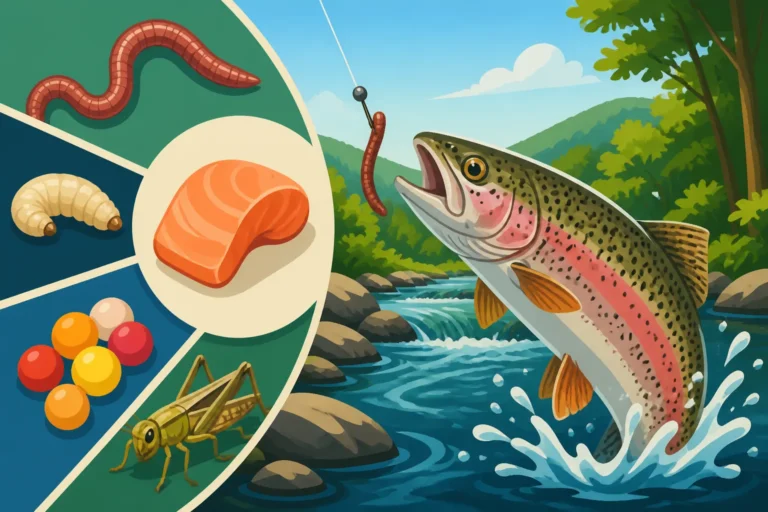
Live Bait: For beginners and families, live bait is almost always the easiest and most effective way to catch fish. There's a primal appeal to using what fish naturally eat, and it often leads to more consistent bites, which is fantastic for keeping interest levels high.
- Worms: The king of live baits! Nightcrawlers or red wigglers are irresistible to a huge variety of fish, including bluegill, crappie, catfish, and even bass. They're readily available at bait shops, many gas stations, or you can even dig them up in your backyard after a rain. Hook them once or twice through the middle, letting the ends wiggle to entice fish.
- Minnows: Excellent for crappie, bass, and larger panfish. They can be rigged under a bobber or on a small jig head. Keep them lively in a bait bucket with an aerator.
- Crickets/Grasshoppers: A summertime favorite for panfish. Their erratic movements on the surface or just below are often irresistible.
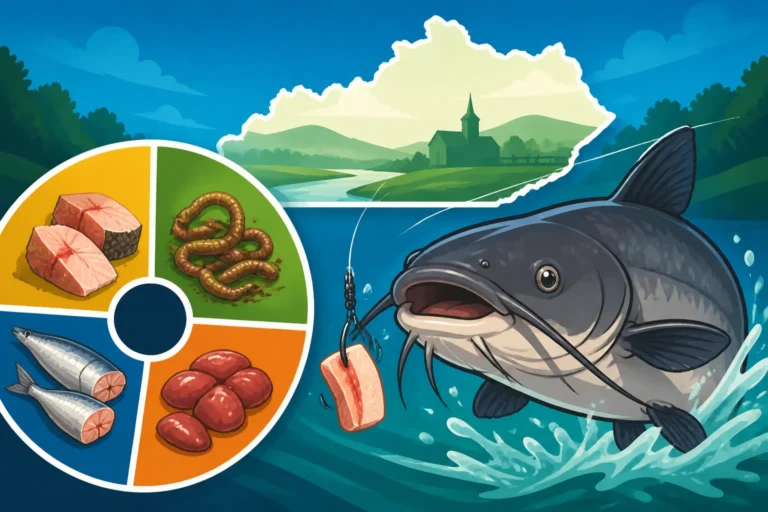
- Prepared Baits: Stink baits or chicken liver are fantastic for catfish, though they can be a bit messy.
The beauty of live bait is that the fish do most of the work for you; they follow their natural instincts to feed. You just present it to them! Check out our guide on "Best Live Bait for Beginner Anglers" for more detailed advice.
Artificial Lures: While live bait often provides more action for beginners, artificial lures can be incredibly effective and offer a different kind of challenge. For Free Fishing Weekend, stick to simple, easy-to-use lures.
- Spinners: Small inline spinners (like Mepps or Rooster Tail) are fantastic for panfish, trout, and small bass. Just cast them out and retrieve them steadily. The blade spins, creating flash and vibration that attracts fish.
- Small Jigs: A small lead head jig (1/16 to 1/8 ounce) paired with a small soft plastic grub or tube can be deadly for crappie and panfish. You can simply cast and retrieve, or gently "jig" it up and down.
- Plastic Worms: For bass, a Texas-rigged plastic worm is a classic. While requiring a bit more technique to rig and fish, it's a fundamental bass fishing method that can be very productive.
Artificials require you to impart the action, making them a bit more skill-intensive, but also very rewarding when you figure out the retrieve that triggers a strike.
Simple Techniques for Common Species
You don't need to be a professional angler to catch fish on Free Fishing Weekend. Focusing on a few basic, proven techniques will put you in a great position for success.
- Bobber Fishing (for Panfish & Crappie): This is the quintessential beginner technique. Attach a bobber a foot or two above a small hook, bait it with a worm or minnow, and cast it out. The bobber floats, and when a fish bites, it pulls the bobber under or causes it to dance. It’s incredibly visual and exciting, especially for kids. This method is perfect for bluegill, sunfish, and even crappie, especially in shallower water. To learn more, check out "Bluegill Fishing Tips for Beginners". Look for areas with submerged structure like logs or weeds, or shaded spots under trees.
- Bottom Fishing (for Catfish): Catfish are often found on the bottom, so a simple bottom rig is highly effective. Tie a small egg sinker above a swivel, then a 12-18 inch leader (a separate piece of line) with a hook on the end. Bait with a piece of worm, chicken liver, or prepared stink bait. Cast it out and let it sink to the bottom. Keep your line tight enough to feel bites, but loose enough for the fish to take the bait without feeling too much resistance. This technique works well in rivers and larger lakes, often near deeper channels or drop-offs.
- Basic Cast and Retrieve (for Bass & Panfish): If you're using artificial lures like spinners or soft plastics, a simple cast-and-retrieve method is your go-to. Cast your lure out and reel it back in at a steady pace. Vary your retrieve speed and depth until you find what the fish are responding to. For bass, try casting near any visible cover like fallen trees, lily pads, or boat docks. For panfish, lighter, smaller lures work best. This method allows you to cover more water and actively search for fish.
These techniques are easy to learn, require minimal specialized knowledge, and are proven fish catchers across Kentucky's waters.
Understanding Prime Fishing Times
Knowing when to fish can be almost as important as where and how. Fish activity is heavily influenced by factors like light levels, temperature, and food availability.
- Dawn and Dusk: These are almost universally considered the best times to fish for most species, especially bass and crappie. As the sun rises or sets, light levels are lower, making fish feel more comfortable moving into shallower water to feed. The water temperature is often more stable and comfortable for them too. The early morning bite, in particular, can be phenomenal. Learn more in "Best Time of Day to Catch Bass".
- Overcast Days: Cloudy days are often excellent for fishing. The reduced light penetration keeps fish more active throughout the day, similar to dawn and dusk conditions. They might stay shallower and feed longer.
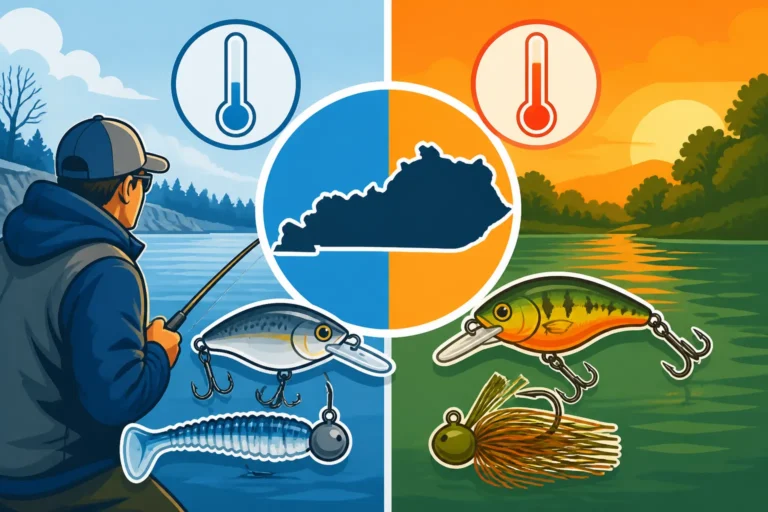
- Water Temperature: This is a huge factor. Different species prefer different temperature ranges. For example, crappie become very active and move to shallow spawning areas when water temperatures hit the mid-50s to low-60s in spring. Free Fishing Weekend often falls in early June, which means many fish will be post-spawn or in their summer patterns, meaning they might be deeper during the day and shallower in the mornings and evenings.
- Weather Changes: A stable weather pattern is generally better than rapidly changing conditions. However, sometimes fishing can be surprisingly good just before a storm front moves in, or immediately after a light rain shower that oxygenates the water and washes food into the lake. Avoid fishing during severe weather, especially thunderstorms.
Paying attention to these simple indicators can significantly increase your chances of success during your Free Fishing Weekend outing. Observe your surroundings, and if you're not getting bites, try adjusting your depth, bait, or even moving to a different spot.
Planning Your Trip Logistics and What to Expect
A successful fishing trip, especially with family or new anglers, often comes down to good planning. It’s not just about the fishing itself, but also about making sure everyone is comfortable, safe, and has a good time from start to finish.
Packing a Cooler and Snacks
Spending a day outdoors fishing can be surprisingly energy-intensive, and nothing sours an outing faster than being hungry or thirsty. A well-packed cooler is your best friend. Start with plenty of water – hydration is absolutely critical, especially during warmer months when Free Fishing Weekend often occurs. Electrolyte drinks can also be a good idea. Beyond drinks, pack an assortment of easy-to-eat snacks that provide sustained energy: trail mix, granola bars, fruit (apples, oranges, grapes), sandwiches, and maybe some cheese sticks. Avoid overly sugary snacks that lead to a quick crash.
If you plan on making a whole day of it, consider packing a picnic lunch. Sandwiches, wraps, or even pre-made salads are great options. Remember to bring napkins, wet wipes, and a small cutting board if you need to prepare anything. If you're bringing a separate cooler for fish you intend to keep, make sure it's packed with plenty of ice. The sooner you get your catch on ice, the better it will preserve the quality of the meat. Having a designated "food cooler" and "fish cooler" is often the cleanest and most efficient approach.
What to Wear and Prepare For
Dressing appropriately for a day of fishing in Kentucky means being prepared for a range of conditions, even on what seems like a perfectly clear day. Layers are always a wise choice. Start with a moisture-wicking base layer, especially if it’s going to be warm, and add a long-sleeved shirt for sun protection. Even if it's hot, a light, long-sleeved shirt can protect you from the sun's harsh UV rays, which are amplified by water reflection. A lightweight jacket or rain shell is also a must-have, as Kentucky weather can be unpredictable, with pop-up showers occurring frequently.
Comfortable, closed-toe shoes with good grip are essential, whether you're navigating slippery banks or walking around a boat. Avoid flip-flops, which offer little protection or traction. Don't forget that hat for sun protection and sunglasses to reduce glare on the water, allowing you to see submerged structure and potentially even fish. A small towel can also be incredibly useful for wiping hands, drying gear, or handling fish. Thinking through these small details can significantly enhance your comfort and enjoyment throughout the day.
Respecting the Environment and Other Anglers
Being a responsible angler goes beyond just following the rules; it's about respecting the beautiful natural resources Kentucky offers and being considerate of others enjoying the outdoors. The principle of "Leave No Trace" is paramount. Whatever you bring with you to the lake or river, make sure it leaves with you. This includes all trash, discarded fishing line (which can be deadly to wildlife), and bait containers. Consider bringing a small trash bag specifically for your refuse.
Proper fish handling is another key aspect. If you intend to release fish, handle them gently with wet hands, minimize their time out of water, and support their body weight. If you're keeping fish, dispatch them quickly and humanely, and get them on ice immediately. Be mindful of other anglers on the water or bank. Avoid casting too close to others, keep noise levels down, and generally give people their space. If you're boating, observe all boating safety rules and operate your vessel responsibly. Sharing the water means ensuring everyone has a pleasant and safe experience. It's about preserving the privilege of fishing for everyone, today and in the future.
Maximizing Your Free Fishing Weekend Experience
Free Fishing Weekend isn't just about catching fish; it's about creating memories, fostering a connection to nature, and perhaps even sparking a lifelong passion for angling. There are many ways to make the most of this special opportunity, regardless of how many fish end up in your cooler.
Involving the Whole Family
If you're bringing kids along, this is a prime opportunity to turn a fishing trip into an educational and bonding experience. Don't just hand them a rod; involve them in the whole process. Teach them how to bait a hook (if they're willing!), explain how to cast safely, and show them how to reel in. Talk about the different types of fish you might catch, how to identify them, and why regulations like size and bag limits are important for healthy fish populations. Even if the fish aren't biting, explore the shoreline, look for interesting insects, or skip rocks. The goal is to make it fun, engaging, and patient.
For younger children, focus on easy-to-catch species like bluegill or other panfish. The quick action and frequent bites will keep them entertained and excited. These "kid-friendly" fish are often plentiful in Kentucky's waters, providing a great chance for a successful catch. Encourage them to ask questions and explore. You're not just teaching them to fish; you're teaching them about the environment, patience, and the joy of outdoor recreation. A successful family fishing trip is measured not just by the weight of the fish, but by the laughter, learning, and shared moments.
Documenting Your Day
In our digital age, documenting your Free Fishing Weekend can add another layer of enjoyment to the experience. It's not always about landing a trophy fish; sometimes the best memories are of a stunning sunrise over the lake, a funny moment with a tangled line, or the pure joy on a child's face as they reel in a small bluegill. Snap some photos or take short videos throughout the day. Capture the scenic beauty of Kentucky's waterways, the camaraderie of your fishing companions, and the excitement of a successful catch (or even the humor of a missed one!).
These photos and videos become cherished memories, allowing you to relive the day long after the hooks are put away. They're also a great way to share your experience with friends and family who couldn't make it, and perhaps even inspire them to join next year. Just remember to be respectful and safe with your electronics around water. A waterproof phone case or a dedicated action camera can be a wise investment if you plan on capturing a lot of on-the-water action.
Considering Your Next Steps
Hopefully, your Free Fishing Weekend experience will be so positive that it sparks a genuine interest in continuing to fish in Kentucky! If you find yourself thinking, "Wow, I really enjoyed that," then the next logical step is to consider purchasing a Kentucky Fishing License Guide. Kentucky offers a variety of license types, including annual licenses for residents (for example, a Kentucky Resident Annual Fishing License Costs $24.31 as of recent figures), short-term licenses for those who only fish occasionally, and even specialty permits like a Kentucky Trout Permit Guide if you get hooked on trout fishing.
The process of getting a license is straightforward, whether you do it online through the KDFWR website, at a county clerk's office, or at many sporting goods retailers. By purchasing a license, you're not only gaining the legal right to continue fishing, but you're also directly contributing to the conservation efforts that make Kentucky's fishing opportunities so fantastic. The funds from license sales go towards fish stocking, habitat management, research, and law enforcement, all of which benefit the resource. So, if Free Fishing Weekend was a success, embrace the adventure and become a licensed Kentucky angler!
| Species | Common Baits / Lures | Simple Technique | Where to Find |
|---|---|---|---|
| Bluegill/Panfish | Worms, Crickets, Small Jigs | Bobber Fishing | Shallow, weedy areas, near docks/piers |
| Crappie | Minnows, Small Jigs, Spider Rigging | Bobber Fishing, Jigging | Brush piles, submerged trees, deep water |
| Catfish | Worms, Chicken Liver, Stink Bait | Bottom Fishing | Deeper holes, river channels, near dams |
| Largemouth Bass | Worms, Spinners, Small Crankbaits | Cast & Retrieve, Texas Rig | Structure like logs, weeds, boat docks |
Disclaimer
The information provided in this guide is for general informational purposes only and is subject to change. While we strive to offer accurate and up-to-date advice, fishing regulations, dates, and conditions can vary. Always consult the official Kentucky Department of Fish and Wildlife Resources (KDFWR) website or publications for the most current and specific regulations before planning and embarking on your fishing trip. Adherence to all local, state, and federal laws is the responsibility of the individual angler.