Where to Find Public Fishing Access on Kentucky’s Small Ponds
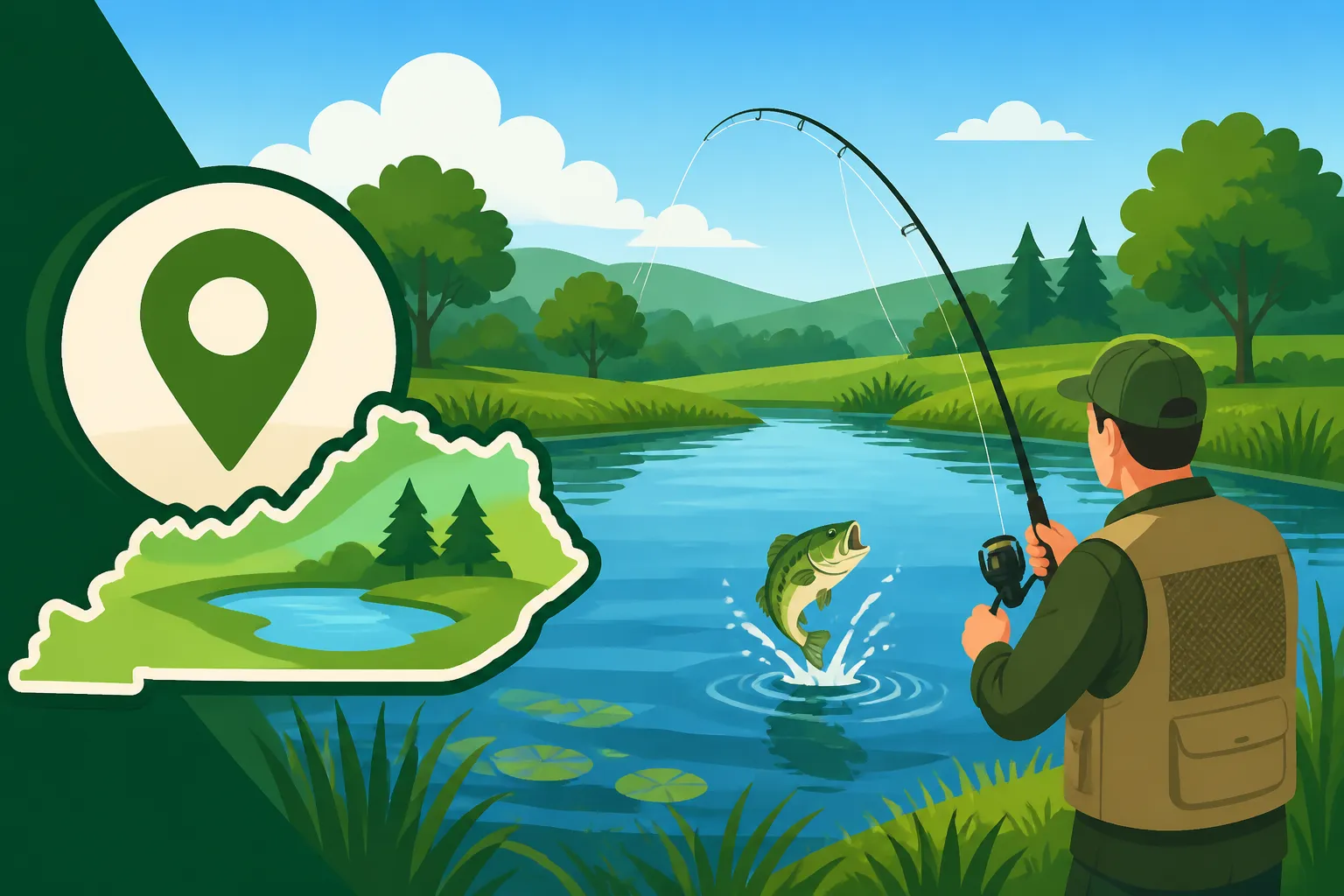
It’s a common frustration, isn't it? You're driving through Kentucky, see a beautiful small pond shimmering in the sunlight, and your angler's heart immediately starts dreaming of a quiet afternoon of fishing. But then reality hits: "Is it private? Can I even fish there?" The truth is, while Kentucky boasts incredible large lakes, many anglers overlook the fantastic, often less pressured, opportunities that lie within its numerous small public ponds. This guide is all about helping you uncover those hidden gems, providing the know-how to find them and fish them successfully.
The Underrated Appeal of Kentucky's Small Public Ponds
When most folks think about fishing in Kentucky, their minds immediately go to the vast expanses of Kentucky Lake, Lake Barkley, or Lake Cumberland. And for good reason – these are world-class fisheries! But honestly, there's a whole different kind of magic to be found in the smaller, more intimate waters scattered across the Commonwealth. They offer a unique experience that's often overlooked, and once you start exploring them, you might just find your new favorite spot.
Why Small Ponds Offer Unique Fishing Experiences
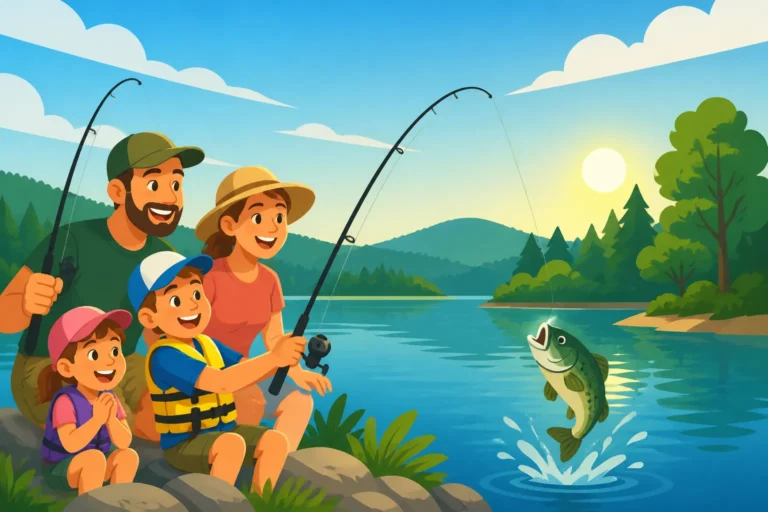
Think about it: smaller ponds mean less boat traffic, fewer crowds, and a generally more peaceful atmosphere. This can be a huge blessing, especially if you're trying to escape the hustle and bustle of everyday life or introduce someone new to the joys of fishing. For beginners, or particularly for families with young children, these calmer waters are far less intimidating. There's no worrying about navigating big waves or getting tangled up with dozens of other anglers.
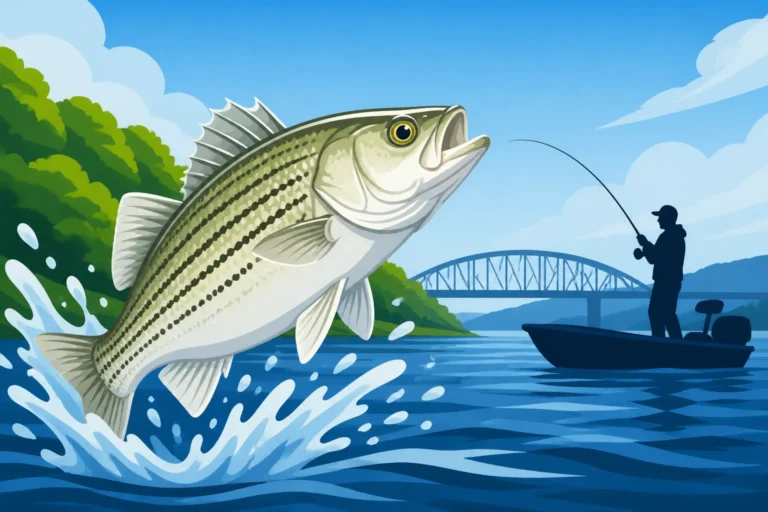
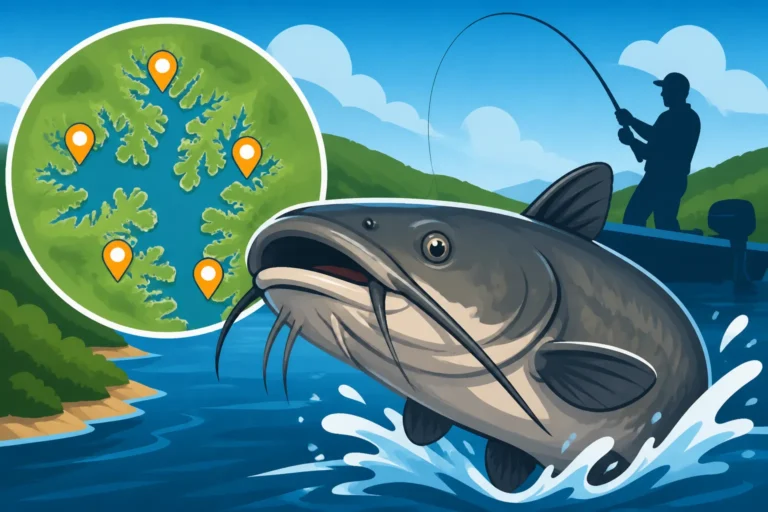
These ponds are often brimming with eager panfish like bluegill and redear sunfish, which are fantastic for consistent action and building confidence. You'll also frequently find healthy populations of largemouth bass and various catfish species, all thriving in these more confined, nutrient-rich environments. The intimacy of a small pond allows you to really observe the water, spot structure, and learn how fish react in a contained setting, which can dramatically improve your overall angling skills. It's a fantastic way to develop your skills before venturing out to bigger waters, or even exploring guided trips for specific species on larger lakes through services like FishingBooker.
Common Misconceptions About Pond Access
The biggest hurdle for many anglers when it comes to small ponds is the pervasive belief that they are all private property. And yes, a great many ponds in Kentucky are indeed privately owned, and you absolutely must respect "No Trespassing" signs and property boundaries. Fishing a private pond without permission is not only illegal but also harms the reputation of all anglers. This misconception, however, often leads people to dismiss the idea of pond fishing entirely, missing out on perfectly legitimate public access points.
It's easy to look at a pond nestled in a field or behind a few houses and assume it's off-limits. But the truth is, many of these smaller water bodies are managed by state agencies, local governments, or are part of public park systems explicitly for recreational use, including fishing. The key is knowing where to look and understanding the programs designed to provide these opportunities. You might be surprised to learn how many fantastic, publicly accessible small ponds are right under your nose, waiting to be discovered.
Unearthing Public Access: Your Guide to Finding Ponds
So, how do you cut through the confusion and find these welcoming public ponds? It starts with knowing the right resources and understanding the programs that Kentucky has in place to promote angling. You don't have to knock on random doors asking for permission; there are official channels designed to guide you to legal, accessible fishing spots.
Leveraging the KDFWR's Fishing in Neighborhoods FINs Program
The Kentucky Department of Fish and Wildlife Resources (KDFWR) is your absolute best friend when it comes to finding public fishing access, especially on smaller waters. Their "Fishing in Neighborhoods" (FINs) program is a shining example of public access done right. This initiative specifically manages and stocks small lakes and ponds in urban and suburban areas, making fishing incredibly convenient for local communities.
These FINs lakes are regularly stocked with catchable-size rainbow trout in colder months, and often channel catfish, bluegill, and largemouth bass throughout the warmer seasons. They are designed to be easily accessible, often featuring fishing piers, paved paths, and good bank access. This is particularly great for families or those with mobility challenges. You'll find FINs ponds in major cities like Louisville, Lexington, and Bowling Green, but also in many smaller towns across the state. Remember, you'll still need a valid Kentucky fishing license to fish these waters, and if you're targeting trout, you'll also need a Kentucky Trout Permit.
Here's a quick look at some notable FINs lakes and what you can expect:
| FINs Lake Name | Location | Primary Fish Species Stocked | Key Features/Notes |
|---|---|---|---|
| Tom Sawyer State Park Pond | Louisville (Jefferson Co.) | Trout, Catfish, Bluegill, Bass | Excellent bank access, accessible pier, popular for families. |
| Jacobson Park Lake | Lexington (Fayette Co.) | Trout, Catfish, Bluegill, Bass | Large urban park, good facilities, easy access. |
| Benjy Kinman Lake | Frankfort (Franklin Co.) | Trout, Catfish, Bluegill, Bass | Capital city lake, often less crowded than urban counterparts. |
| Lake Reba | Richmond (Madison Co.) | Trout, Catfish, Bluegill, Bass, Crappie | Large FINs lake with a variety of species and good amenities. |
| Carpenter Lake | Bowling Green (Warren Co.) | Trout, Catfish, Bluegill, Bass | City park lake, convenient for local anglers. |
| Yellow Creek Park Lake | Owensboro (Daviess Co.) | Trout, Catfish, Bluegill, Bass | Family-friendly park with good fishing opportunities. |
This table represents just a handful of the many FINs locations available, so be sure to check the official KDFWR website for a comprehensive, up-to-date list and specific stocking schedules. For a more detailed look at the statewide rules, check out our guide on Kentucky Fishing Regulations Explained.
Exploring Local Parks and Recreation Department Offerings
Beyond the KDFWR's statewide programs, many individual cities and counties in Kentucky maintain their own public parks that feature small fishing ponds. These are often managed by the local parks and recreation department and might not always be explicitly listed under state programs. The best way to find these local gems is to do a bit of digital detective work.
Start by visiting the official websites of your city or county government. Look for sections dedicated to parks, recreation, or community services. Many of these sites will have maps or lists of parks, often detailing amenities like fishing access. A quick search for "fishing pond [your city/county]" on their website can often yield surprising results. These local ponds can be fantastic, as they're usually well-maintained and serve as convenient, close-to-home options for a quick fishing trip. They're often quieter than the more publicized FINs lakes and can offer a truly serene fishing experience.
Discovering Ponds in State Parks and Wildlife Management Areas
While many state parks in Kentucky feature larger lakes, some also host smaller ponds that are open to public fishing. These might not be as heavily promoted as the main lake attractions, but they can offer fantastic, often less-pressured angling opportunities. For instance, a state park known for its hiking trails might have a small pond nestled away that sees very little fishing pressure, but it's still publicly accessible. Checking the individual state park websites or calling their offices can give you the inside scoop on these overlooked spots.
Similarly, Kentucky's numerous Wildlife Management Areas (WMAs) are primarily managed for hunting, but many also contain smaller lakes, ponds, or even creek access that is open for fishing. These can be a bit more "wild" and less developed than urban parks, offering a more rugged and secluded fishing experience. Access might require a bit more walking or off-road navigation, but the solitude and potential for unpressured fish can be well worth the effort. Always consult the KDFWR maps and regulations for specific WMAs, as rules can vary regarding access and activities. For those curious about general license requirements, our Kentucky Fishing License Guide is a great resource.
Mastering Small Pond Etiquette and Techniques
Once you've successfully located a promising public pond, understanding how to approach these smaller waters is crucial. It’s not just about what gear you bring; it’s about respect for the environment, other anglers, and the fish themselves. Small ponds, by their very nature, require a slightly different mindset than vast reservoirs.
Respecting the Environment and Fellow Anglers
Because small ponds are often nestled within parks or residential areas, practicing excellent angling etiquette is paramount. Always "leave no trace" – pack out everything you pack in, including discarded fishing line, bait containers, and any other trash. This preserves the beauty of the spot and ensures continued public access. Parking should always be in designated areas, and avoid blocking access points or driveways. Keep noise levels down, especially if you're fishing near homes or other park users.
If other anglers are present, give them plenty of space. A small pond can feel crowded quickly if everyone casts on top of each other. A friendly nod or greeting goes a long way. Also, be mindful of the KDFWR's Kentucky Crappie Daily Limit Rules and other species-specific regulations, even on these smaller bodies of water. Some ponds might have special regulations for size or creel limits to help maintain a healthy fish population. Always check the signage at the pond or the KDFWR guide for specific rules. Responsible angling ensures that these precious public spots remain available and enjoyable for everyone, for years to come.
Simple Gear for Productive Small Pond Fishing
One of the great joys of fishing small ponds is that you don't need a boatload of fancy, expensive gear. In fact, keeping it simple is often the most effective approach. An ultralight spinning rod and reel combo, spooled with 4-6 pound test line, is perfect for most small pond scenarios. This lighter tackle allows for longer casts with small baits and offers a more exciting fight from even modest-sized fish. It's a fantastic setup, especially for beginners or kids learning the ropes. For more on getting started, check out our piece on the Best Rod and Reel Combo for Beginners.
When it comes to bait, live bait is often king in these environments. A tub of earthworms, a container of crickets, or a few small minnows (where legal) can be incredibly effective for panfish, bass, and catfish alike. Rigging is straightforward: a small hook (size 6-10), a split shot or two a few inches above the hook, and a small bobber to suspend your bait. For artificial lures, small inline spinners, tiny jigs, and micro crankbaits are excellent choices for targeting aggressive bluegill or small bass. Remember, the goal is often to match the small prey items available in these ponds.
Essential Tips for Success on Smaller Waters
Fishing small ponds isn't just about showing up; it's about observation and adaptation. First, pay close attention to any visible structure. This includes downed trees, submerged brush piles, weed beds, docks, or even changes in bottom contour. Fish, especially bass and crappie, love to relate to structure for ambush points and cover. Casting your bait or lure around these areas will significantly increase your chances of a bite. You can also learn a lot by checking out our guide on How to Read Water for Fish Location.
Timing can also play a huge role. Early mornings and late evenings, or even overcast days, often provide the best fishing conditions when the water is cooler and fish are more actively feeding. During the heat of the day, fish might retreat to deeper, cooler water or dense cover. Don't be afraid to move around the pond. If one spot isn't producing, try another. Small ponds are typically easy to navigate, so covering different areas can help you find where the fish are holding on any given day. Remember, patience is a virtue in fishing, but persistence in exploring different spots often pays off big. For specific advice on targeting these feisty little fighters, our Best Bluegill Fishing Tips for Beginners can be very helpful. And for parents looking to introduce their kids, these ponds are perfect for Kid-Friendly Fish to Catch in Kentucky.
Finally, always have your valid How to Get a Fishing License in Kentucky readily available, whether it's a physical copy or on your phone. Game wardens frequently patrol these public access areas to ensure compliance and help educate anglers. Being prepared makes any encounter smooth and hassle-free.
Disclaimer
Please be aware that fishing regulations, stocking schedules, and public access points can change. While every effort has been made to provide accurate and up-to-date information, it is always your responsibility to verify current rules and conditions with the Kentucky Department of Fish and Wildlife Resources (KDFWR) before heading out on your fishing trip. Ensure you have the proper licenses and permits for your age and target species.