Best Spots to Catch a Trophy Paddlefish
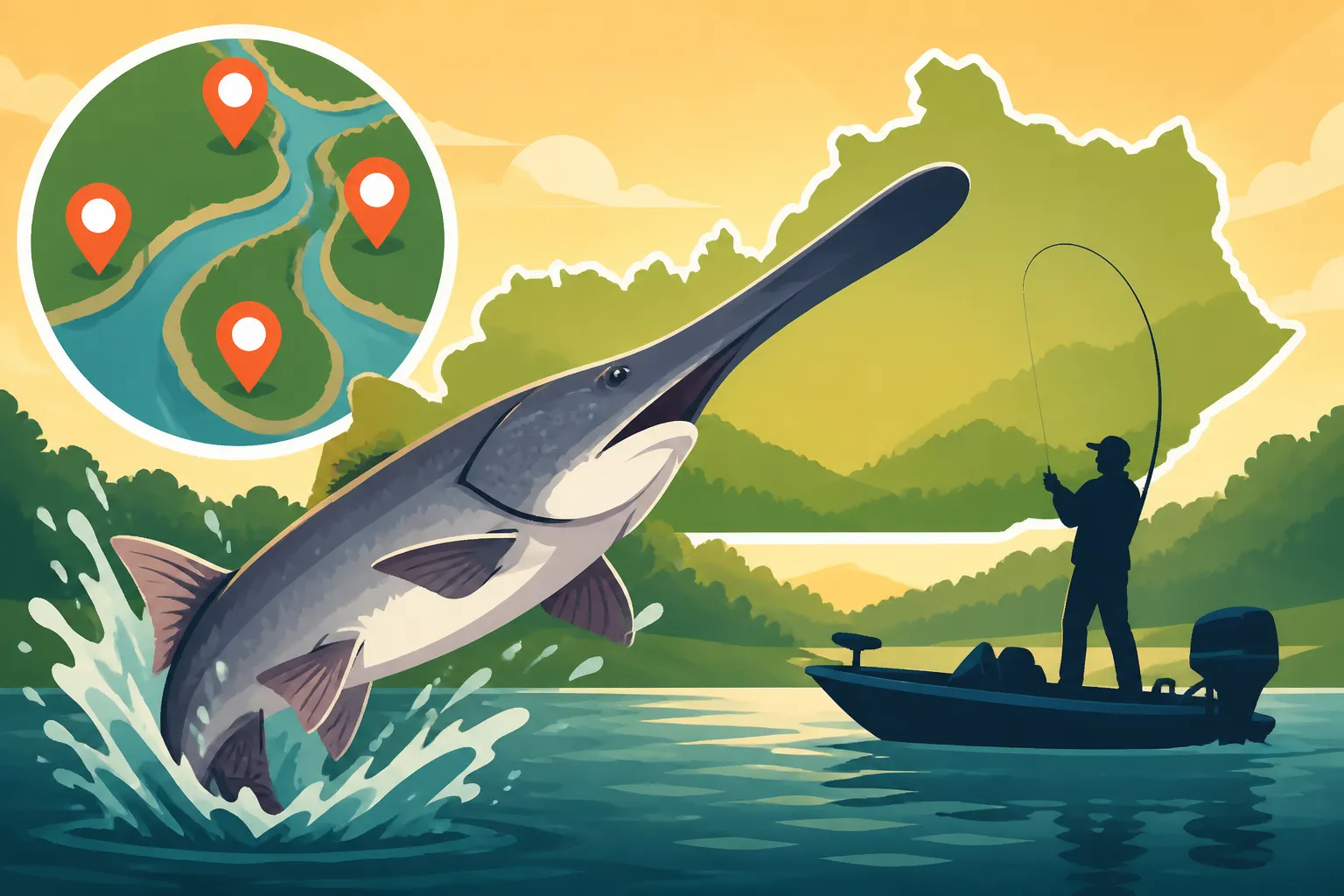
Catching a trophy paddlefish in Kentucky is a dream for many anglers, but let's be real, these prehistoric giants aren't just lurking in every puddle. They're elusive, powerful, and often require specific knowledge and a hefty dose of patience to even locate, let alone reel in a true behemoth. This guide is dedicated to helping you unravel the mysteries of landing a truly massive paddlefish, pinpointing the best waters in Kentucky, and sharing the tried-and-true tactics to make that trophy dream a reality.
Understanding the Elusive World of Kentucky Paddlefish
Before we dive into the "where," it's crucial to grasp a little about what makes paddlefish tick. These incredible fish are ancient, often called "spoonbill cats" due to their long, paddle-like snout. Unlike most fish we target, paddlefish are filter feeders, swimming with their mouths open, sifting plankton from the water. This unique feeding habit means you can't just throw out a worm or a crankbait and expect a bite. They're typically caught by snagging, which is why understanding their migratory patterns and schooling behavior is absolutely paramount. If you're not in the right place at the right time, you're pretty much just casting into empty water.
Paddlefish Habitat and Behavior Explained
Paddlefish are predominantly found in large, slow-moving rivers and their impoundments, preferring areas with deep pools and moderate current. They're highly migratory, moving upstream to spawn in the spring when water temperatures rise and river levels swell. This upstream migration is often the best window for anglers to intercept them, as they congregate in predictable areas. Outside of spawning, they tend to hang out in deeper sections of major rivers, often suspended in the water column as they filter feed. Finding these schools requires good sonar or local knowledge, because if you're not over them, you're not catching them. It’s a game of hide-and-seek with a fish that doesn't "bite" in the traditional sense.
Why the Ohio River is Prime Paddlefish Territory
When it comes to Kentucky fishing, especially for species that prefer expansive river systems, the Ohio River is almost always the answer. For paddlefish, it's not just an answer, it's the answer. The sheer volume of water, the depths, and the migratory nature of the Ohio River system create the perfect conditions for paddlefish to thrive and, importantly, grow to trophy sizes. While other smaller tributaries might hold a few, the Ohio is where the giants reside. It's connected to vast reservoirs upstream and downstream, providing ample habitat and food sources that allow these fish to reach impressive lengths and weights. The river’s lock and dam systems also play a critical role, often concentrating fish as they move through, creating predictable hotspots for anglers.
The Ohio River: Kentucky's Premier Trophy Paddlefish Destination
If your goal is a true trophy paddlefish, one that will test your tackle and your resolve, then you absolutely must set your sights on the Ohio River. This isn't just about catching a paddlefish; it's about connecting with the kind of fish that makes headlines and sets personal bests. The Ohio River, specifically the stretches bordering Kentucky, offers some of the most consistent opportunities for truly massive paddlefish in the entire region.
Key Stretches and Hotspots Along the Ohio
While the entire Kentucky stretch of the Ohio River holds paddlefish, certain areas are renowned for producing trophy-sized specimens, especially during their spring migrations. These areas are typically associated with deeper water, strong current breaks, and most notably, the pools below the various dams.
- Below Dams (e.g., Markland, Meldahl, Cannelton, Newburgh, John T. Myers, Smithland, Mound City): The tailwaters below these navigation dams are absolute magnets for paddlefish, especially in late winter and early spring. As paddlefish migrate upstream to spawn, they encounter these structures and often congregate in massive schools just below the dam gates. The churning water provides high oxygen levels and a buffet of plankton. Anglers specifically target the deep scour holes and current seams that form directly downstream from the dam, sometimes even venturing into the discharge areas of power plants that use river water. These spots are often crowded, and for good reason – the fish are there. If you're looking for where to catch paddlefish on the Ohio River, these areas are top-tier.
- Large Tributary Confluences: Where major tributaries like the Kentucky River, Salt River, or Green River meet the Ohio, the currents can create unique hydrological features that attract paddlefish. These areas often have changes in depth, current speed, and water temperature that can hold schools of fish. Look for deep holes or ledges where the riverbed drops off sharply.
- Deep River Channels and Bends: Throughout the non-spawning seasons, trophy paddlefish will often hold in the deepest parts of the river, especially in major bends where the current has carved out significant depths. These areas require good sonar to locate schools, as the fish can be anywhere from mid-depth to near the bottom.
When planning your trip, consider checking out services like FishingBooker, which can sometimes connect you with local Ohio River guides who specialize in paddlefish and know these precise hotspots like the back of their hand. A good guide can be invaluable in saving you time and getting you on the fish quickly.
Public Access and Boat Ramps for Anglers
Accessing the Ohio River with a boat, especially one large enough to handle the river's conditions, is crucial for serious paddlefishing. Fortunately, there are numerous public boat ramps along Kentucky's Ohio River corridor, managed by state parks, local municipalities, and the Army Corps of Engineers.
Table: Select Ohio River Boat Ramps & Access Points in Kentucky
| Ramp Name | Location (Nearest City) | Notes |
|---|---|---|
| Public Boat Ramp | Louisville | Several ramps in the Louisville metropolitan area provide access to the upper pool of the Ohio River, often busy but well-maintained. |
| New Albany Ramp | Louisville (Across from) | Easily accessible from the Kentucky side, offering access to the McAlpine Lock & Dam tailwaters. |
| Brandenburg Boat Ramp | Brandenburg | Provides access to a good stretch of the river with varying depths and potential paddlefish holding areas. |
| Owensboro Riverfront | Owensboro | Excellent facilities, offering access to the Newburgh Dam pool and downstream stretches known for productive fishing. |
| Henderson Slough Boat Ramp | Henderson | Access to a quieter section of the river, but still connected to the main channel where paddlefish migrate. |
| Paducah Riverfront | Paducah | Located near the confluence with the Tennessee River, offering access to the lower Ohio River and the Smithland Dam tailwaters, often cited for trophy catfish and paddlefish. |
| Wickliffe Boat Ramp | Wickliffe | Close to the confluence with the Mississippi River, this area can be very productive for large river species including paddlefish, particularly around the Mound City Dam (further downstream in IL/MO but influences local fish movements). |
Always verify current ramp conditions and water levels before heading out, as large river systems can fluctuate rapidly. Also, ensure your boat trailer and vehicle are up to the task of launching in potentially muddy or steep conditions. For more information on accessing the river, check out resources on Best Catfish Fishing Spots on Kentucky's Ohio River, which often share similar access points. Remember, a bigger boat might be needed for comfort and safety on the expansive Ohio River, so research Best Boats for Ohio River Catfishing in Kentucky as a starting point.
Tactics for Targeting Trophy Paddlefish
Since paddlefish are filter feeders, traditional hook-and-line fishing with bait isn't effective. The primary method for catching paddlefish in Kentucky is snagging, which involves using heavy tackle to hook the fish externally as they swim by. This method is legal in designated areas and seasons, and it's exhilarating when you connect with a large fish.
Snagging Techniques for Success
Successful paddlefish snagging is less about finesse and more about brute force and persistence, combined with strategic positioning.
- Heavy Duty Gear is a Must: You're not going for panfish here. You need a stout, heavy-action rod, typically 7-9 feet long, paired with a large, heavy-duty spinning or conventional reel spooled with strong braided line – think 80-100 lb test. A strong leader (monofilament or fluorocarbon, 50-80 lb) is also crucial.
- The Snagging Rig: This usually consists of a heavy lead weight (8-16 ounces, sometimes more depending on current) attached to the main line, with two or three large, unbaited treble hooks (size 8/0 to 12/0) tied directly to the main line above the weight, or on short, heavy leaders. Some anglers prefer to tie the hooks to a three-way swivel above the weight.
- The "Sweep" Method: Once you've located a school of fish on your sonar (or you're in a known hotspot below a dam), cast your heavy rig downstream and across the current. Let it sink to the bottom, then aggressively sweep your rod upwards and forward, reeling in slack as you lower the rod. This sweeping motion is designed to "snag" any paddlefish in the water column. It's a physically demanding technique, often repeated hundreds of times.
- Feel for the "Thump": When you snag a paddlefish, it often feels like hitting a log or a sudden, heavy thump. Set the hook hard and prepare for a serious fight. These fish are incredibly powerful, and a large one will make your reel scream. Don't be surprised if your first few "hooks" are actually just snagging the bottom or debris – it takes practice to distinguish.
- Boat Positioning: Below dams, boat positioning is key. You want to be in the zone where fish are concentrated but still able to manage your drifts and casts without interfering with other anglers. A good trolling motor with GPS Spot-Lock can be invaluable for holding your position in strong currents.
For a deeper dive into the specific equipment, you should definitely read up on Best Paddlefish Snagging Gear for the Ohio River. It will provide detailed insights into rod, reel, line, and hook choices that can make or break your trip.
Essential Gear for Landing a Trophy
Beyond the rod, reel, and hooks, a few other items are non-negotiable for a successful and safe trophy paddlefish trip:
- Powerful Sonar/Fish Finder: Since paddlefish are suspended filter feeders, a good fish finder is your eyes underwater. Look for large, distinct arches or schools of fish in the water column. You'll need to know you're casting where the fish are.
- Net or Gaff: A truly large paddlefish cannot be simply lifted into the boat by the line. A heavy-duty, large-hoop net (like a muskie or salmon net) or a strong gaff is essential for safely bringing the fish aboard. Many serious paddlefish anglers prefer a gaff for larger specimens as it offers more control.
- Gloves: Handling large braided line and a massive fish can be tough on the hands. Stout gloves are highly recommended.
- Measuring Tape and Scale: If you're after a trophy, you'll want to document its size and weight. A large, reliable scale (100+ lb capacity) and a flexible measuring tape are crucial for bragging rights and potential state records. Just imagine if you caught one that rivals Kentucky's record paddlefish, which weighed 106 pounds!
- Cooler and Ice: If you plan on keeping your catch, a very large cooler filled with ice is necessary. A paddlefish can easily fill a standard cooler. Be prepared to bleed the fish immediately upon landing to ensure good meat quality.
- Safety Gear: On the Ohio River, safety is paramount. Ensure you have all required safety equipment, including properly fitting life jackets for everyone on board.
Always consider using a reputable guide service, especially for your first few trips. A local guide found through platforms like FishingBooker will not only have all the necessary gear but also possess the invaluable local knowledge of current hotspots and techniques.
Important Considerations and Regulations
Fishing for trophy paddlefish in Kentucky isn't just about showing up with big tackle. There are strict regulations, seasons, and ethical considerations to keep in mind. Respecting these rules ensures the sustainability of this incredible fishery and keeps you out of trouble with Kentucky Fish and Wildlife officials.
Kentucky Paddlefish Regulations and Seasons
Kentucky has specific rules governing paddlefish harvest to protect the population. These regulations can change, so always consult the most current Kentucky Fishing and Boating Guide before your trip.
- Season and Limits: Typically, the paddlefish snagging season in Kentucky is open from February 1 through May 31, and then again from September 1 through December 31. The daily limit is usually 2 paddlefish per person, and the possession limit is also 2. However, there's often a strict size limit, for example, a minimum length of 32 inches from the eye to the fork of the tail. Always double-check these dates and sizes annually.
- Legal Methods: As mentioned, snagging is the primary legal method. It's important to understand what constitutes a legal snagging hook and how many hooks are allowed per line.
- License Requirements: Absolutely. You need a valid Kentucky fishing license. If you're a resident, you'll need a Kentucky Resident Annual Fishing License. Non-residents will need a Kentucky Nonresident Annual Fishing License or a shorter-term option if you're just visiting. Be aware of the Kentucky Fishing License Year and Renewal Dates to ensure your license is always current. Failing to have one can result in Penalties for Fishing Without a License in Kentucky.
- Permits: While not always required for general paddlefish snagging, if you plan to fish for species like trout in specific waters, you'd need additional permits like a Kentucky Trout Permit Guide. It's good practice to understand all permits needed for your target species and waters.
- Measuring and Release: If you catch a paddlefish that doesn't meet the minimum size limit, or if you simply choose to release a fish, it's crucial to handle it carefully to ensure its survival. Minimize out-of-water time, support its body horizontally, and use appropriate release techniques.
A very critical point: Do You Need a Special Permit to Snag Paddlefish in Kentucky? No, typically a standard Kentucky fishing license is sufficient for snagging paddlefish during the open season. However, you absolutely must adhere to the specific paddlefish seasons, daily limits, and length restrictions outlined in the current Kentucky Fishing and Boating Guide. These rules are in place for conservation, so make sure you're compliant. For a comprehensive overview of general fishing rules, refer to Kentucky Fishing Regulations Explained.
Optimal Timing and Environmental Conditions
Timing is perhaps the single most important factor when targeting trophy paddlefish on the Ohio River. These fish are highly dependent on water conditions and seasonal migrations.
- Spring Run (February – May): This is hands down the prime time for trophy paddlefish. As water temperatures begin to rise into the 40s and 50s Fahrenheit, and river levels are often elevated from spring rains, paddlefish embark on their upstream spawning migration. They congregate in massive numbers below the Ohio River dams, making them much more accessible to snagging anglers. Look for periods of stable weather and rising or stable water levels after a rain event – these can trigger intense feeding and migratory activity. The period around Best Time of Year to Snag Paddlefish on the Ohio River is usually highlighted as prime.
- Fall (September – December): While not as concentrated as the spring run, the fall season can also be productive, particularly as water temperatures cool. Paddlefish will again move and feed actively before the deepest parts of winter set in. They tend to be more scattered in the main river channel during this time, often requiring more extensive searching with sonar.
- Water Levels and Current: Paddlefish prefer strong but manageable currents. Below dams, moderate current often holds fish, but extreme high water (flooding) can make fishing dangerous and unproductive. Conversely, very low water might spread them out more. Pay close attention to river gauges and reports before heading out. The Army Corps of Engineers websites often provide real-time data for locks and dams.
- Moon Phase and Weather: While less critical than water temperature and migration, some anglers believe moon phases or stable weather patterns can influence paddlefish activity. A few days of stable, sunny weather after a cold front can often get fish moving. For more general advice on how conditions affect fishing, check out How Weather Fronts Affect Fishing Times or How Rain Affects Fishing and What to Do About It.
Preparing thoroughly, understanding the fish's behavior, and adhering to all regulations are the cornerstones of a successful and ethical trophy paddlefish hunt in Kentucky. Good luck, and may your next cast connect you with a true Ohio River giant!
Disclaimer
Fishing conditions and regulations in Kentucky are subject to change. Always consult the latest Kentucky Department of Fish and Wildlife Resources regulations before planning any fishing trip. This guide provides general information and should not be considered legal advice. Stay safe on the water and always prioritize ethical angling practices.