Paddlefish Fishing on the Ohio River: A Complete Guide
Fishing for paddlefish on the mighty Ohio River is an adventure unlike any other, often shrouded in a bit of mystery for many anglers. It's easy to feel intimidated by the sheer size of the river and the unique nature of this prehistoric fish, especially when you're trying to figure out the specific regulations and techniques. This guide is here to cut through the confusion and provide you with a comprehensive, step-by-step look at everything you need to know for a successful and legal paddlefish fishing experience on Kentucky's stretch of the Ohio.
Understanding the Elusive Paddlefish of the Ohio River
Before you even think about dropping a line, it's crucial to understand the magnificent creature you're targeting. Paddlefish are truly unique, and knowing their biology and behavior will greatly enhance your appreciation and your chances of success. They are a significant part of Kentucky's aquatic heritage, and targeting them requires a respectful and informed approach.
What Exactly is a Paddlefish?
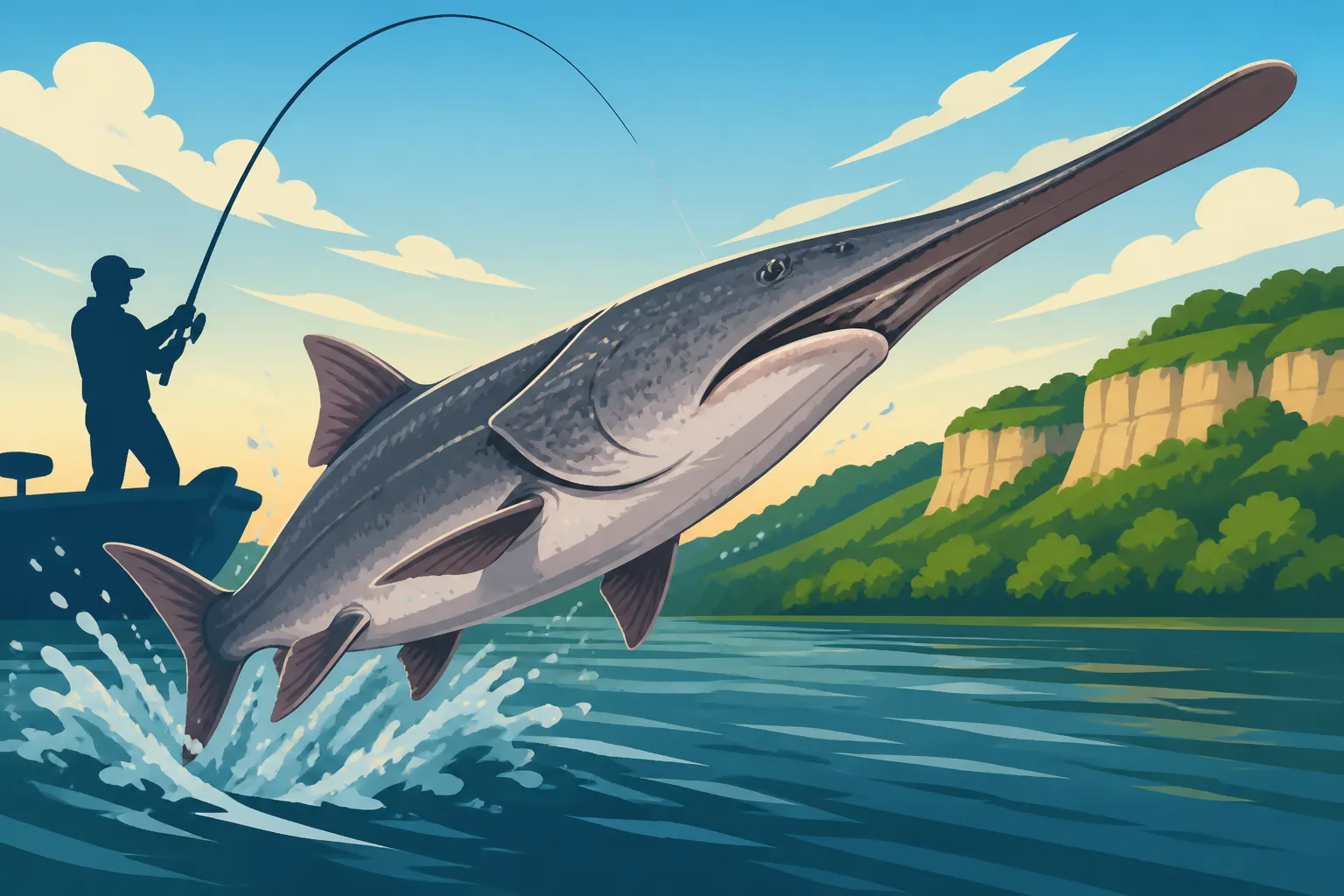
Imagine a fish that looks like it swam straight out of the Jurassic period – that's the paddlefish. These incredible creatures are often referred to as "living fossils" because their lineage dates back millions of years. Their most distinctive feature, and the one that gives them their name, is the long, paddle-shaped snout or rostrum, which can make up nearly a third of their total body length. This isn't just for looks; it's a sensory organ packed with electroreceptors that help them detect zooplankton, their primary food source.
Unlike most fish we target, paddlefish are filter feeders, meaning they swim with their mouths open, sifting tiny organisms from the water column. They don't strike at traditional baits or lures because they simply aren't predatory in that sense. This unique feeding strategy is why snagging is the primary, and often only, legal method for catching them. They can grow to impressive sizes, often reaching five to six feet in length and weighing well over 100 pounds, making them one of the largest freshwater fish in North America.
Their smooth, scaleless skin, which feels almost like a shark's, and their cartilaginous skeletons further emphasize their ancient roots, distinguishing them from more common bony fish species. Catching one is truly like encountering a piece of living history, and their sheer power on the line is something every angler remembers.
Paddlefish Habitat and Behavior in the Ohio River
The Ohio River provides an ideal environment for paddlefish, especially its deeper, slower-moving sections. These fish prefer large, turbid rivers and reservoirs, and the Ohio fits that bill perfectly. They typically inhabit deep pools and channels, often staying close to the river bottom where they can efficiently filter feed. During certain times of the year, particularly in spring, they undertake significant migrations.
These migrations are driven by their spawning instincts, as they move upstream into tributaries or shallower, flowing river sections with gravel bars to lay their eggs. Understanding these migratory patterns is key to locating them, as they tend to congregate in these areas. While they spend much of their lives in the main river channel, searching for them in the vicinity of dams or the mouths of larger creeks and rivers can be highly productive during these seasonal movements. They are also known to school up, so where you find one, there's a good chance others are nearby.
The Ohio River's diverse depths, currents, and nutrient-rich waters contribute to a healthy zooplankton population, which directly supports the large paddlefish populations found here. Knowing these general habits—deep water preference, migratory routes, and schooling—is foundational to putting yourself in the right place at the right time.
The Importance of Paddlefish to Kentucky's Ecosystem
Paddlefish are more than just a trophy catch; they play a vital role in the ecological balance of the Ohio River and other large river systems in Kentucky. As primary consumers, they help control zooplankton populations, which in turn influences the broader food web. They are a native species, representing a unique and ancient component of the region's biodiversity.
Historically, paddlefish populations faced significant declines due to overfishing (especially for their roe, or "black gold"), habitat degradation, and dam construction which blocked their migratory routes. Thankfully, Kentucky, along with other states, has implemented robust conservation and management strategies to help these populations recover. These efforts include strict regulations on harvest, stocking programs, and habitat protection.
Anglers play a crucial role in these conservation efforts by adhering to all Kentucky Fishing Regulations Explained, reporting catches as required, and practicing responsible catch-and-entice techniques. The health of the paddlefish population is an indicator of the overall ecological health of the Ohio River, making their continued presence a testament to successful wildlife management and the ongoing efforts to preserve Kentucky's natural resources.
Kentucky Regulations for Paddlefish Fishing on the Ohio River
Before you even think about heading out to snag a paddlefish, you absolutely must be intimately familiar with Kentucky's specific regulations. Fishing for such a unique and sensitive species means the rules are often more stringent and specialized than for other fish. Getting it wrong can lead to fines, confiscation of your catch, and even loss of fishing privileges, which nobody wants.
Licensing and Permits You'll Need
First and foremost, any angler aged 16 and older needs a valid Kentucky fishing license to fish any public waters in the Commonwealth, and the Ohio River is no exception. This isn't just a suggestion; it's the law. You can't fish without it, period. You can easily purchase your license online, at a county clerk's office, or at many sporting goods stores throughout the state. For a detailed breakdown of options, check out our Kentucky Fishing License Guide.
Beyond the general fishing license, paddlefish often fall under specific regulations due to their conservation status and the specialized method of capture (snagging). While a separate "paddlefish permit" isn't always explicitly required in the same way a trout permit is for specific waters, the act of snagging for paddlefish is often confined to specific seasons and waters, effectively making it a regulated activity that your general license covers if you're following all other specific rules. It's also important to remember reciprocity rules if you're fishing border waters like the Ohio River. While generally a Kentucky license covers you on the Kentucky side, anglers from neighboring states might have specific agreements for shared waters. Always check the current fishing guide for the latest information on shared water agreements.
Understanding these foundational license requirements is your first step to a legal and enjoyable day on the water. Don't let a simple oversight ruin your trip.
Legal Snagging Seasons and Daily Limits
This is perhaps the most critical section for paddlefish anglers. Unlike many other species you can target year-round, paddlefish snagging seasons are typically very short and specific, often limited to a few weeks in the spring. These seasons are carefully set by wildlife agencies to coincide with the paddlefish's natural spawning migrations, allowing for harvest while protecting the overall population. You absolutely cannot snag paddlefish outside of these designated seasons. Doing so is a serious violation.
In addition to the season, there will be strict size and daily limits. For example, Kentucky often has specific length requirements (e.g., a minimum or maximum length, or a slot limit) for paddlefish to ensure that smaller, immature fish can grow and reproduce, and larger, trophy-sized breeders are protected. You might be allowed to keep only one or two paddlefish per day, and there will be a possession limit (the total number of fish you can have on hand) which is typically twice the daily limit. For comparison, species like catfish have different limits, such as Kentucky Catfish Limit: 15 Fish, Only 1 Over 25 Inches, highlighting how paddlefish rules are often much stricter.
Always consult the official Kentucky fishing guide for the exact dates of the snagging season, the precise size limits (which are usually measured from eye to fork of the tail), and the daily and possession limits for paddlefish on the Ohio River. These regulations can change year to year based on population assessments, so never rely on old information. Knowing these limits is not just about avoiding trouble; it's about being a responsible steward of the resource.
Permitted Fishing Methods and Gear Restrictions
When it comes to paddlefish, "snagging" isn't just a technique; it's practically the only legal method allowed in most places, including the Ohio River in Kentucky. This means you are essentially hooking the fish anywhere on its body, rather than enticing it to bite a bait. This method is permitted because paddlefish are filter feeders and don't typically bite hooks.
However, even snagging has its rules. You can't just use any old hook. Regulations often specify the type and size of hooks permitted, and many jurisdictions require the use of barbless treble hooks or even single barbless hooks to minimize injury to fish that are inadvertently hooked or must be released. You'll typically be limited to a certain number of hooks per line. Furthermore, traditional fishing methods like trotlines, jug lines, or casting with bait are generally prohibited when specifically targeting paddlefish, as they are ineffective and could lead to unnecessary mortality of other species or illegal paddlefish harvest.
Ensure your gear conforms to these restrictions. Using an illegal hook setup could invalidate your catch and lead to penalties. The intent of these regulations is clear: to allow for a managed harvest of a unique species while preventing harm to fish outside the legal limits or season. Always double-check the current regulations for specific hook types and methods allowed for paddlefish on the Ohio River.
Essential Gear for Successful Paddlefish Snagging
Paddlefish are powerful, large, and can put up an incredible fight. This isn't light tackle fishing; you need gear that can withstand serious abuse and handle a fish that can easily weigh as much as a small person. Skimping on your equipment will likely lead to frustration and lost fish. Investing in the right tools is paramount for a successful paddlefish outing.
Heavy-Duty Rods and Reels
When you're trying to haul in a paddlefish that could be over 60 pounds in a strong river current, your typical bass or catfish setup simply won't cut it. You need a rod and reel combination built for brute strength. Look for heavy-action rods, often rated for saltwater or muskie fishing, typically between 7 and 9 feet long. These rods need a sturdy backbone to provide the leverage necessary for sweeping and fighting large fish. A medium-heavy or heavy power rod with a fast or moderate-fast action will give you the sensitivity to feel the snag and the power to set the hook and muscle the fish.
For reels, think big and strong. A large conventional reel (like a saltwater trolling reel) or a heavy-duty spinning reel in the 6000-10000 series is appropriate. These reels need excellent drag systems that can be cranked down without failing under pressure, and they must hold a substantial amount of heavy line. Spool them up with braided line, as its lack of stretch is crucial for feeling the "snag" and delivering a powerful hookset. Most experienced paddlefish anglers opt for 80 to 100-pound test braided line. You can find a good selection of Best Rods and Reels for Kentucky Fishing suitable for heavy applications on platforms like Amazon, where many anglers compare brands and reviews before making a purchase.
Remember, this is not a finesse game; it's a test of strength and durability, both for you and your gear. Underpowered equipment will quickly lead to disappointment and potentially harm the fish if you can't land it efficiently.
Specialized Hooks and Weights
Given that paddlefish don't bite bait, your hook setup is designed for snagging. This means using large, strong treble hooks. However, always refer to the current regulations, as many areas, including parts of the Ohio River, might mandate barbless hooks or even single hooks to reduce injury, particularly to undersized fish that need to be released. If not explicitly stated as barbless, many anglers will crimp down the barbs on their treble hooks as a personal conservation effort. Hook sizes typically range from 8/0 to 12/0, depending on personal preference and local regulations.
The weight you use is just as critical as your hooks. To get your hooks down to where the paddlefish are often suspended and to keep them there in the strong Ohio River current, you'll need heavy sinkers. Pyramid or bank sinkers ranging from 8 ounces all the way up to 16 ounces (or even more in extremely strong currents) are common. The heavier weight helps ensure your rig stays near the bottom and allows for the necessary sweeping action to snag the fish. A strong leader material, often 100-150lb monofilament or fluorocarbon, is usually tied to your main braided line to withstand abrasion from the fish and the river bottom. Many anglers pre-rig several of these setups to quickly replace them after a snag, and you can often buy bulk packs of appropriate weights and hooks on Amazon, saving time and money.
The combination of heavy hooks and substantial weight is what makes paddlefish snagging possible. It’s a very specialized setup, designed specifically for the unique challenge this fish presents.
Safety and Landing Equipment
Landing a large, powerful paddlefish, especially from a boat on a moving river, can be a challenge and even dangerous if you're not prepared. Safety should always be your top priority. First, ensure you and everyone on board are wearing appropriate Life Jacket Rules for Boats in Kentucky. Even experienced anglers can be caught off guard by a sudden lunge from a large fish or an unexpected river condition.
For landing the fish, a very large, heavy-duty landing net is almost essential. Think muskie or salmon-sized nets with sturdy handles and strong netting. Some anglers prefer a gaff, but these can cause significant injury to the fish, so if you plan to release any fish, a net is always the preferred option. Heavy-duty gloves are also a must. The paddlefish's skin, while scaleless, can be abrasive, and the powerful thrashing can easily cause rope burns or cuts from the line.
Finally, consider a large cooler filled with ice if you plan to keep your legal catch. A paddlefish is a large animal, and keeping the meat fresh requires immediate and effective cooling. Having all this equipment readily accessible before you hook into a fish will make the landing process safer, smoother, and less stressful for both you and the fish. For a more general overview of crucial safety items, check out Essential Safety Gear for Every Boat in Kentucky.
Where and When to Find Paddlefish on the Ohio River
The Ohio River is a vast body of water, and while it's known for its paddlefish, they're not just lurking everywhere. Successfully targeting them requires understanding their preferred locations and how those locations change with the seasons and river conditions. It's like a puzzle, and knowing the pieces will help you put it together.
Prime Paddlefish Hotspots Along the Ohio River
Paddlefish have specific preferences when it comes to habitat, even within a large river system like the Ohio. Generally, they favor deeper sections, particularly large, slow-moving pools and the main river channel. However, some of the most productive spots are often found near significant structural changes. Areas immediately below major dams, such as the McAlpine Dam near Louisville, the Markland Dam, or other locks and dams along the Ohio, are classic paddlefish hotspots. The turbulent waters and concentrated currents below these structures often attract and hold large numbers of fish, including paddlefish, as they migrate or feed.
Confluence areas, where major tributaries like the Kentucky River, Salt River, or Green River flow into the Ohio, also create excellent fishing opportunities. These areas often have deeper channels, varying current speeds, and a good supply of zooplankton, making them attractive to filter feeders. Look for deep holes, bends in the river where current slows, or submerged structures that create current breaks. These are the places where paddlefish are most likely to congregate, especially during their migratory phases. Just as you might seek out Best Catfish Fishing Spots on Kentucky's Ohio River in deep, structured areas, paddlefish will often be found in similar locales, though typically suspended rather than right on the bottom.
Many seasoned anglers also pay attention to historical catch data and local reports, as paddlefish tend to return to the same areas year after year during their spawning runs. Don't be afraid to explore different deepwater sections, but focus your efforts on these proven zones first.
Seasonal Patterns and Migration
Timing is everything when it comes to paddlefish, largely because their legal snagging season is tied directly to their natural lifecycle. The prime time for paddlefish fishing on the Ohio River is typically during their spring spawning migration. This usually occurs in late winter and early spring, often from late February through April, depending heavily on water temperature and flow conditions. As river temperatures begin to rise, usually into the 40s and 50s Fahrenheit, paddlefish are triggered to move upstream from deeper overwintering areas towards their spawning grounds.
Heavy rains can also play a significant role. Increased water flow and turbidity often encourage these migrations, as the fish are instinctively drawn to the increased current and potential for higher water levels in their spawning tributaries. This is when they are most concentrated and accessible to anglers, both from boats and sometimes from the bank in specific locations. Outside of this narrow window, finding paddlefish can be considerably more challenging, and in many areas, illegal.
It's crucial to consult the official Kentucky fishing regulations annually for the exact dates of the paddlefish snagging season. These dates are set with careful consideration for the fish's reproductive cycle and can vary slightly from year to year. Missing this window means missing your best (and likely only legal) opportunity to target them.
Reading the River: Key Indicators for Paddlefish
Successfully finding paddlefish on the vast Ohio River isn't just about knowing general hotspots; it's about learning to "read" the river itself. Paddlefish are primarily found in the main river channel, often suspended in the water column rather than hugging the bottom like catfish. Therefore, understanding depth, current, and structure is paramount.
Look for areas with significant depth changes, particularly deep channels and scour holes. Current breaks, where faster water meets slower water (like behind large wing dams or river islands), are also excellent places as they can concentrate zooplankton. Using a good fish finder and GPS unit, like those discussed for Fish Finders and Electronics for Kentucky Lake and Lake Barkley, can be incredibly valuable. These electronics will help you identify deep channels, submerged structure, and, crucially, display arcs or marks that indicate large fish suspended in the water column—often paddlefish. You'll want to focus on areas where your sonar shows these large fish, especially if they are congregated.
Understanding the current is also vital. Paddlefish will often orient themselves into the current as they filter feed, making them easier to snag if you can position your boat or cast your rig effectively. Watch for eddies, boils, and current seams. While the Ohio River is typically turbid, observing the surface can still give clues about what's happening beneath. Learning to interpret these visual cues, combined with your electronic readings, will drastically improve your efficiency in locating these elusive giants.
Mastering the Art of Paddlefish Snagging Techniques
Snagging is a technique that can sometimes get a bad rap, but when applied legally and ethically to a species like the paddlefish – which doesn't feed conventionally on bait or lures – it's a legitimate and often thrilling method. It requires a specific approach and a bit of finesse, despite the heavy tackle.
The Basic Snagging Rig Setup
Putting together an effective paddlefish snagging rig is straightforward but demands robust components. Start with your heavy braided mainline (80-100lb test). To this, you'll tie a heavy leader, usually 100-150lb monofilament or fluorocarbon, about 2-3 feet long. This leader provides abrasion resistance against the fish and the river bottom.
At the very end of your leader, tie on your heavy sinker, typically a pyramid or bank sinker weighing 8-16 ounces. The weight is crucial for getting your hooks down quickly and staying in the strong current. Above the sinker, you'll attach your large treble hooks. Most anglers use a dropper loop or snell knot to create a loop or tie a swivel for each hook. You'll typically have two to three large treble hooks (8/0 to 12/0, barbless or barbs crimped if permitted) spaced about 12-18 inches apart, with the lowest hook positioned just above your sinker. The idea is to have your hooks suspended in the water column directly above the heavy weight, ready to snag a passing paddlefish.
Ensure all your knots are strong and secure, as they will be under immense pressure when you snag a large fish. Many anglers prepare several of these rigs in advance, as snags on the river bottom are common, and you'll want to be able to re-rig quickly. This simple yet powerful setup is your weapon in the paddlefish hunt. You can often find all the necessary components, from line to hooks and weights, through online retailers like Amazon.
Effective Snagging Techniques from Boat and Bank
Whether you're fishing from a boat or the bank, the core principle of snagging remains the same: get your rig into a paddlefish-holding area and then execute a sweeping or jerking motion to try and hook the fish.
From a boat, positioning is key. You'll typically want to anchor upstream of a known hotspot, allowing the current to carry your rig down into the target zone. Cast your rig upstream and slightly out to the side, letting it sink to the desired depth. Once it's down, the technique involves a series of deliberate, powerful sweeps of your rod. With your rod tip pointed towards the water, make a long, upward sweep, reeling in slack as you lower the rod back down. This motion helps cover more water and increases the chances of snagging a fish. Repeat this rhythmically. Some anglers prefer to drift downstream slowly, using a trolling motor to maintain speed, which allows them to cover more water and find active fish.
Bank fishing for paddlefish on the Ohio River is more challenging but certainly possible in specific areas, especially below dams or at the mouths of tributaries where fish congregate close to shore. The technique is similar: cast out as far as you can, let your rig sink, and then use those powerful, sweeping rod motions to try and snag a fish. The longer your rod, the more sweep you can achieve, which is why longer, heavy-action rods are preferred. Be prepared for strong current and to fight the fish from a fixed position, which can be quite a workout!
Fighting and Landing a Big Paddlefish
When you feel that distinct "thump" or sudden weight on your line, it's not a bite – you've snagged a paddlefish! The initial feeling can often be mistaken for a snag on the bottom, but then the "bottom" starts to pull back, hard. Paddlefish are incredibly strong, and their broad tails allow them to generate immense power, especially in current.
Your first move after feeling the snag is to set the hook with a mighty sweep. Then, prepare for a long, hard fight. These fish will make powerful runs, testing your drag and your endurance. Keep your rod tip up, apply steady pressure, and pump the fish towards you, reeling down to take up slack. Don't try to muscle it in too quickly, or you risk breaking your line or pulling the hook. If you're in a boat, be prepared to follow the fish with your trolling motor if it makes a long run downstream.
As you bring the fish close, it will likely make another surge of power. This is where your heavy landing gear comes into play. Use your large net or gaff (if permitted and you intend to keep the fish) to secure it. If releasing, try to keep the fish in the water as much as possible, using the net to cradle it, quickly measure it, and then gently release it. The thrill of landing one of these prehistoric giants is an unforgettable experience, but it demands respect for its power. For an idea of the sheer size these fish can reach, check out Kentucky's Record Paddlefish Weighed 106 Pounds.
Handling Your Catch and Conservation Efforts
Bringing a paddlefish to the boat or bank is a memorable achievement, but what you do next is just as important as the catch itself. Proper handling ensures the fish's welfare if released and maintains the quality of the meat if kept. Beyond individual actions, being a responsible angler contributes directly to the long-term health of the paddlefish population.
Measuring and Releasing Undersized Fish
Once you've managed to get that powerful paddlefish alongside your boat or on the bank, the first thing you need to do is measure it accurately. Kentucky's regulations for paddlefish often include specific size limits, sometimes a slot limit, which means only fish within a certain length range can be harvested. The measurement is typically taken from the eye to the fork of the tail. Have a reliable tape measure ready and visible.
If your paddlefish falls outside the legal harvest limits, immediate and gentle release is paramount. Minimize the time the fish spends out of the water; these are large, delicate creatures that can be easily stressed. Support the fish horizontally, especially around its belly, and avoid holding it vertically by the head or tail. If possible, keep it in the net in the water while measuring. Once measured, gently guide it back into the river, holding it facing into the current until it regains its strength and swims away on its own. Proper release techniques are crucial for conservation, especially for a species like paddlefish, which can be vulnerable to stress and injury.
Processing Your Legal Catch
If you've successfully snagged a paddlefish that meets all the legal requirements for harvest, congratulations! Paddlefish meat is often compared to swordfish or sturgeon – firm, white, and delicious. Proper processing starts immediately after the catch. It is vital to bleed the fish as soon as possible by cutting a gill arch. This improves the quality of the meat significantly.
Due to their large size, you'll need a big cooler packed with ice to keep the fish cold. The meat will spoil quickly if not properly chilled. When cleaning, remember that paddlefish have a cartilaginous skeleton, which means no bones to contend with, making filleting relatively easy. Many anglers prize the roe (eggs) of the female paddlefish, which is considered a delicacy, but be aware that specific regulations may apply to the harvest and possession of roe. Always check the current Kentucky fishing guide for any special rules regarding roe, as well as general Paddlefish Size and Growth on the Ohio River information that might influence your decision to keep or release.
Treating your legal harvest with respect and care ensures that none of the valuable resource goes to waste. It’s an integral part of the responsible angling experience.
Supporting Paddlefish Conservation in Kentucky
As anglers, we have a direct stake in the health of Kentucky's paddlefish populations. Adhering to all regulations isn't just about avoiding penalties; it's about being an active participant in conservation. The specific seasons, size limits, and gear restrictions are all designed to protect the species and ensure sustainable fishing opportunities for future generations.
You can further support paddlefish conservation by reporting any suspected illegal activities to the Kentucky Department of Fish and Wildlife Resources. Participating in angler surveys, if available, by reporting your catches and efforts, also provides valuable data to wildlife biologists who manage these fisheries. Your individual choices – whether to keep a legal fish, or to practice catch-and-release even when legal to keep – directly impact the future of this unique species.
The Kentucky Department of Fish and Wildlife Resources actively monitors and manages the Kentucky Fish Species Guide: 265 Types You Can Catch, including paddlefish. By respecting the rules and contributing to conservation efforts, we ensure that the thrilling experience of paddlefish fishing on the Ohio River remains a vibrant part of Kentucky's angling heritage. For more specific licensing rules, you might find information like Do You Need a Special Permit to Snag Paddlefish in Kentucky? particularly useful.
Common Challenges and Tips for Ohio River Paddlefish Anglers
Paddlefish fishing on the Ohio River, while incredibly rewarding, isn't always easy. It presents its own set of unique challenges that can frustrate even seasoned anglers. Knowing what to expect and having a few tricks up your sleeve can make all the difference between a tough day and a triumphant one.
Dealing with Strong River Currents
The Ohio River is a massive waterway, and its currents can be deceptively powerful, especially during spring flows or after heavy rains. These strong currents are a double-edged sword: they often coincide with prime paddlefish migration, but they also make fishing significantly more difficult. Trying to hold your boat in place or keep your rig in the strike zone against a ripping current is a constant battle.
To combat this, you'll need robust anchoring systems. If fishing from a boat, having two anchors (one off the bow and one off the stern) is often necessary to keep your boat from swinging or drifting too quickly. Heavy-duty river anchors, often coated or specifically designed for strong currents, are a must. A reliable trolling motor with plenty of thrust can also be invaluable for making subtle position adjustments or for following a snagged fish downstream during a fight. Bank anglers face the challenge of needing exceptionally heavy weights to keep their rig on the bottom and prevent it from being swept downstream too quickly. Without proper boat control or enough weight, your rig will simply blow out of the productive zones, making snagging nearly impossible.
Remember, safety in strong currents is paramount. Always be aware of your surroundings, other river traffic, and potential hazards.
Snags and Lost Gear
Let's be realistic: when you're casting heavy weights and large treble hooks into a deep river with strong currents and plenty of submerged structure, snags are inevitable. The Ohio River bottom is littered with rocks, logs, debris, and other obstacles that love to grab your rig. Losing expensive hooks, weights, and even entire rigs is just part of the game when paddlefish snagging.
To minimize frustration and maximize fishing time, come prepared. Bring plenty of extra rigs – pre-tied leaders with hooks and weights are a lifesaver. Many anglers purchase bulk quantities of hooks and sinkers to cut down on costs. Buying a large pack of pyramid sinkers or treble hooks on Amazon, for instance, is a smart move. When you do get snagged, try changing your angle of pull, sometimes moving the boat directly over the snag can help free it. However, if it's truly stuck, don't waste too much time or risk damaging your rod and reel. Sometimes, cutting your losses and re-tying is the most efficient option.
Embrace the fact that you will lose gear, and don't let it ruin your day. It's the price of admission for targeting these powerful river giants in their challenging environment.
Patience and Persistence: The Keys to Success
Paddlefish fishing on the Ohio River is not for the faint of heart or the easily discouraged. It requires a significant amount of patience and persistence. You might spend hours making countless casts and sweeps without so much as a bump. The fish are often scattered, and even when they are concentrated, snagging them is a game of chance and timing.
Don't get discouraged if the bite isn't immediate. Keep moving, trying different depths, and varying your casting angles. If one spot isn't producing, carefully move your boat or relocate along the bank to try another promising area. Learning the nuances of paddlefish behavior and the river itself takes time and experience. Talk to local anglers, observe what others are doing, and pay attention to river conditions like water temperature and clarity, as these can influence fish movement.
The reward of finally feeling that powerful thump and battling a magnificent paddlefish makes all the effort, the snags, and the quiet hours worthwhile. It's a test of wills, and those who persevere are often the ones who find success. Take it all in, enjoy the experience of being on the historic Ohio River, and know that every cast brings you closer to that incredible catch.
Paddlefish Regulations at a Glance for the Ohio River
To help keep all this vital information straight, here's a quick overview of key regulations for paddlefish fishing on the Ohio River in Kentucky. Always remember to consult the most current Kentucky Department of Fish and Wildlife Resources fishing guide for precise, up-to-date details, as regulations can change.
| Category | Detail | Important Considerations |
|---|---|---|
| License | Kentucky Fishing License (age 16+) | Check reciprocity agreements for shared waters with neighboring states. |
| Season | Typically a specific short spring window (e.g., March/April) | Absolutely crucial to check current KDFWR guide for exact dates annually. |
| Method | Snagging Only | No traditional bait fishing is permitted when targeting paddlefish. |
| Gear | Heavy-duty rod/reel, strong braided line (80-100lb), heavy sinkers | Hooks must comply (e.g., large treble hooks, sometimes barbless required). |
| Size Limit | Often a minimum and/or maximum length (e.g., eye to fork of tail) | Varies; release all fish outside legal slot. |
| Daily Limit | Usually 1 or 2 fish per person per day | Strictly enforced; check current guide for exact number. |
| Possession Limit | Typically twice the daily limit | Total number of fish you can have at any one time. |
| Location | Ohio River (Kentucky side and shared waters) | Focus on deep channels, dam tailwaters, tributary confluences. |
| Safety | Life jackets required on boats, proper landing gear, gloves | Be aware of strong currents and river traffic. |
| Conservation | Adhere to all rules, practice gentle release, report illegal activity | Responsible angling ensures future opportunities for this unique species. |
Disclaimer
This article is for general informational purposes only and does not constitute professional advice. Laws, prices and regulations vary by location and change over time. Consult a qualified professional for guidance on your specific situation.