Kentucky Lake’s Largemouth Bass Fishery Explained
Navigating a legendary fishery like Kentucky Lake can feel like trying to solve a complex puzzle, especially when you're specifically targeting largemouth bass. Many anglers arrive eager to land that trophy fish, only to find themselves overwhelmed by the sheer size of the lake and the diverse patterns bass can follow throughout the year. This comprehensive guide is designed to peel back the layers of Kentucky Lake's incredible largemouth bass fishery, helping you understand its unique characteristics, seasonal nuances, and proven tactics to increase your success on the water.
Understanding Kentucky Lake as a Bass Powerhouse
Kentucky Lake isn't just a body of water; it's an icon in the bass fishing world. For decades, it has consistently ranked among the top destinations for largemouth bass, drawing anglers from all corners of the country. But what makes this immense reservoir so special, and why does it continue to produce such phenomenal fishing year after year? It’s a combination of its unique geography, rich history, and the dynamic environmental factors that shape its aquatic ecosystem.
Its Unique Geography and Structure
Spanning over 160,000 acres and stretching a staggering 184 miles, Kentucky Lake is one of the largest man-made lakes in the eastern United States. It's an impoundment of the Tennessee River, and its sheer size is just the beginning of its appeal. The lake boasts an incredible amount of diverse habitat, from vast shallow flats dotted with stumps and submerged timber to deep, winding creek channels and countless ledges that drop off into the abyss. This varied topography provides an abundance of cover and structure for largemouth bass, offering them endless places to ambush prey, hide from predators, and find comfortable water temperatures.
Imagine a submerged forest, and you're getting close to understanding the complexity of Kentucky Lake's bottom. Old river channels, roadbeds, foundations of former homes, and vast timber stands create intricate underwater highways and neighborhoods for bass. The lake's irregular shoreline is also a major player, featuring numerous coves, bays, and points that provide crucial staging areas during different seasons. This intricate underwater landscape means that while the lake is massive, breaking it down into smaller, manageable sections based on these geographical features is key to finding success.
Historical Significance and Reputation
Kentucky Lake's reputation as a bass fishing paradise isn't accidental; it's a legacy built over many years. Since its impoundment in the 1940s, it quickly established itself as a premier destination, often hosting major professional bass tournaments that further cemented its status. Legends of the sport have honed their skills here, and countless anglers have personal bests that trace back to its productive waters. This history means there’s a wealth of knowledge and experience surrounding the lake, passed down through generations of local anglers and guides.
The consistent presence of robust largemouth populations, coupled with the opportunity to catch truly large fish, has been a magnetic draw. When you're fishing Kentucky Lake, you're not just casting a line; you're participating in a rich tradition. The stories of massive bass pulled from its depths aren't just folklore; they're a testament to the lake's incredible capacity to grow and sustain healthy fisheries. This historical significance influences everything from local tackle shop inventories to the strategies employed by even the most casual weekend warrior.
Challenges and Environmental Factors
While Kentucky Lake is undeniably fantastic, it's not without its challenges. The dynamic nature of a large reservoir means that environmental factors play a significant role in fishing success. Water levels, for instance, can fluctuate dramatically, especially with the Tennessee Valley Authority (TVA) managing the flow for flood control and power generation. These fluctuations can alter shoreline cover, expose or submerge structure, and shift bass patterns overnight. Anglers need to be adaptable and check current water conditions before heading out.
Turbidity, or water clarity, can also vary greatly, particularly after heavy rains or in areas influenced by tributary inflows. This directly impacts lure choice and presentation. Understanding how these factors influence bass behavior is crucial. For example, a sudden drop in water temperature or a drastic change in current can shut down a bite faster than you can say "backlash." Learning to read the lake's moods and adapt your approach to its ever-changing conditions is part of the allure and the challenge of fishing this magnificent body of water.
Key Characteristics of Kentucky Lake's Largemouth Bass
The largemouth bass that call Kentucky Lake home are generally healthy, robust fish, a testament to the lake's rich ecosystem. Understanding their typical size, growth rates, preferred forage, and spawning habits can give you a significant advantage when planning your next trip. It's all about thinking like a bass, and Kentucky Lake bass have some particular tendencies.
Size and Growth Rates
Kentucky Lake is famous for producing impressive largemouth bass, with fish regularly caught in the 3-5 pound range, and plenty of opportunities for much larger "hawgs" pushing 7-10 pounds or more. The abundant food sources and diverse habitat allow these fish to grow quickly and reach substantial sizes. While every angler dreams of a double-digit bass, the consistent action with solid keepers is what keeps many coming back.
The growth rate of bass here is influenced by a number of factors, including genetics, water temperature, and the availability of their primary food sources. A healthy forage base means the bass don't have to work too hard to fill their bellies, allowing more energy to be directed towards growth. Knowing that Kentucky Lake largemouth often exhibit strong, aggressive fights, even the average-sized fish provides a thrilling experience.
Typical Forage and Diet
What's on the menu for a Kentucky Lake largemouth? Shad, particularly gizzard and threadfin shad, are king here. These baitfish form the cornerstone of the bass's diet, and understanding their movements is paramount to locating active bass. When you find the shad, you'll often find the bass. Crappie, bluegill, and various other panfish also contribute significantly to the bass's diet, especially in shallow, cover-rich areas.
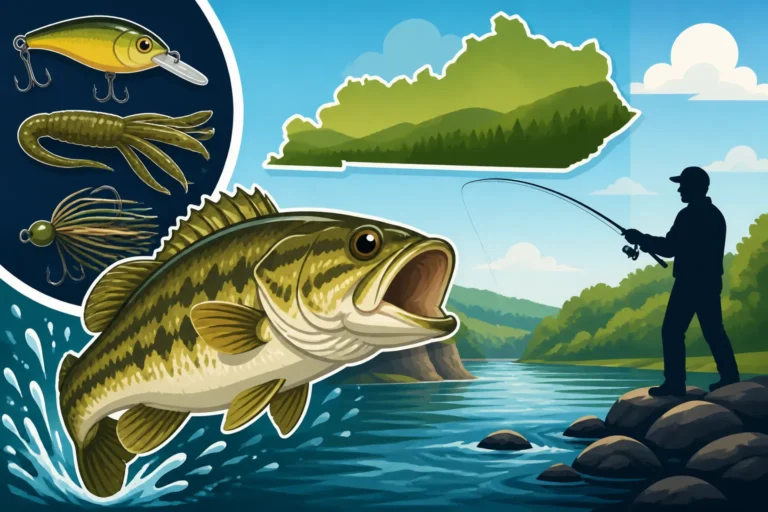
Beyond baitfish, crayfish are a critical food source, particularly in rocky areas or on gravel points. Many successful anglers on Kentucky Lake will tell you that matching the hatch, whether it's a crankbait mimicking a shad or a jig designed to imitate a craw, is a fundamental strategy. Think about the season: in spring, bass might be gorging on newly hatched baitfish, while in fall, they're chasing larger, mature shad in a feeding frenzy before winter.
Spawning Habits and Nursery Areas
Like all largemouth bass, the fish in Kentucky Lake follow a distinct spawning cycle, typically occurring from mid-April through May, depending on water temperatures. This is a critical time for the fishery's reproduction and a prime opportunity for anglers to target bass moving into shallower waters. The males build nests in protected coves, bays, and shallow flats, guarding the eggs and fry aggressively.
Understanding these Kentucky Bass Fishing: The April-May Peak Season patterns is essential. Key nursery areas often include sheltered coves with ample submerged brush, stumps, or aquatic vegetation. These areas provide protection for the young fry from predators. While it's tempting to target bedding bass, many ethical anglers practice catch and release during this sensitive period to ensure the health of future generations. Post-spawn, bass will move to nearby deeper cover to recuperate before scattering to their summer haunts.
Seasonal Patterns and How They Affect the Bite
Kentucky Lake's largemouth bass fishery isn't a static entity; it changes dramatically with the seasons. What works in spring will likely fail in winter. Understanding these distinct seasonal patterns is key to unlocking consistent success and helps you prepare for the specific challenges and opportunities each time of year presents.
Spring: The Spawn and Post-Spawn Blitz
Spring on Kentucky Lake is a period of transition and high anticipation. As water temperatures climb into the 50s and 60s, bass begin their migration from deeper wintering holes to shallower staging areas, preparing for the spawn. This pre-spawn period can offer some of the most explosive fishing of the year, as bass feed heavily to build energy for reproduction. They'll stage on points, creek channel bends, and submerged roadbeds adjacent to spawning flats.
Once the water hits the mid-60s, the largemouth move onto their beds. This is when sight fishing can be effective, though many anglers opt to target fish that are staging or moving between deeper water and beds. After the spawn, the post-spawn bite can be a bit tougher as fish recover, but they quickly transition to patrolling shallow cover for easy meals. Look for them around submerged brush, docks, and lily pad fields. Remember that in Kentucky, the official Kentucky Fishing License Year Runs March 1 to February 28, so make sure your paperwork is in order before the spring rush!
Summer: Deep Water and Early Morning Bites
As the scorching Kentucky summer sun beats down and water temperatures rise into the 80s, largemouth bass typically retreat to deeper, cooler waters. This doesn't mean the fishing shuts down; it just means you need to adjust your tactics. Ledge fishing becomes dominant during this period. Bass will congregate in schools along the deep edges of creek channels, river ledges, and submerged humps, often suspended over timber or rock.
The early morning and late evening hours often provide opportunities for bass to move shallower, chasing schools of shad. Topwater baits can be incredibly effective during these low-light periods. Once the sun is high, however, it's time to break out the deep-diving crankbaits, Carolina rigs, and heavy jigs. Identifying key areas where bass can ambush baitfish coming over a ledge is paramount. Sonar and fish finders become indispensable tools for locating these deep-water schools. You might find a great selection of these on Amazon, if you're looking to upgrade your electronics.
Fall: The Shad Run and Feeding Frenzy
Fall on Kentucky Lake is often considered by many to be a second spring for bass fishing, and for good reason. As water temperatures begin to cool, the entire lake's ecosystem awakens. Shad begin to school up in massive numbers, moving into coves, creek arms, and shallow flats, triggering an aggressive feeding frenzy among the largemouth bass. This is a time when bass are actively trying to fatten up before the leaner winter months.
You'll find bass busting bait on the surface, pushing schools of shad against banks, and generally being very active. Crankbaits, spinnerbaits, and topwater lures can be incredibly effective during this period. Focus on major creek arm entrances, main lake points, and areas with schooling baitfish. The bass often follow the bait into shallower water, making for some exciting, fast-paced action. It's truly one of the Best Times of Day to Catch Bass if you can time it right with the baitfish activity.
Winter: Deep Structure and Finesse
Winter fishing on Kentucky Lake is not for the faint of heart, but it can be incredibly rewarding for those who brave the cold. With water temperatures plummeting, largemouth bass become much less active, their metabolism slowing down significantly. They typically retreat to deep, stable water, often suspending over deep creek channels, main lake humps, and major drops.
During this time, finesse tactics are usually the most productive. Slow presentations with jigs, shaky heads, or drop shots are key. Vertical jigging spoons can also entice lethargic bass positioned over deep structure. The bites will be subtle, and you'll need patience, but the fish you catch are often healthy, chunky bass. Locating those deep schools of dormant baitfish can be the secret to finding the bass in winter. Kentucky Fishing Regulations Explained still apply, so always be mindful of limits, even in the colder months.
Top Techniques and Lures for Kentucky Lake Bass
When you're out on Kentucky Lake, you'll find that a diverse tackle box is your best friend. From power fishing to finesse, adapting your technique to the conditions and the specific behavior of the largemouth bass is crucial.
Shallow Water Power Fishing
When bass are shallow and active, particularly during spring and fall, power fishing techniques can be incredibly productive. This involves covering a lot of water quickly with aggressive presentations to trigger reaction strikes. Spinnerbaits, chatterbaits, and squarebill crankbaits are staples for fishing around shallow cover like stumps, laydowns, and docks. These lures are designed to deflect off cover, creating erratic movements that mimic fleeing baitfish.
Imagine pitching a bright colored spinnerbait right into a flooded brush pile or ripping a chartreuse squarebill through a shallow stump field. The key is to make confident casts and retrieves, not being afraid to get your lure hung up occasionally – that's often where the fish are. The largemouth in Kentucky Lake are aggressive predators, and a properly presented power bait can elicit a violent strike. This style of fishing is often exciting and can yield multiple fish in short order if you hit a productive area. Many anglers find great deals on these types of lures on Amazon before their trips.
Deep Water Ledge Fishing
As mentioned, summer on Kentucky Lake is synonymous with ledge fishing. This technique requires good electronics and a keen eye for subtle changes in bottom contour. Bass will school up on the thermocline along deep creek channel ledges, river bends, and submerged humps. Heavy jigs, deep-diving crankbaits (some that dive 20 feet or more), and Carolina rigs are primary weapons for this game.
The strategy often involves idling over a potential ledge, locating schools of baitfish and bass on your sonar, and then positioning your boat to make repeated casts along that contour. The bite can be tricky – sometimes it's a solid thump, other times it's just added weight on your line. Understanding the specific depth the bass are holding is crucial, and adjusting your lure's running depth or the length of your Carolina rig leader can make all the difference. This is where a good Best Rods and Reels for Kentucky Fishing setup for heavy line and strong hooks truly shines.
Finesse Tactics for Tough Bites
There will inevitably be days on Kentucky Lake when the bass are finicky, or conditions (like clear, calm water or post-cold front weather) make them lethargic. This is when finesse tactics come into play. Lighter lines, smaller baits, and subtle presentations are the order of the day. Shaky head jigs, drop shots, and Neko rigs are excellent choices. These rigs present soft plastic worms and creature baits in a natural, enticing way that can coax bites from inactive bass.
Finesse fishing is often about patience and feel. You're not looking for a bone-jarring strike; instead, you might feel a slight tick, a spongy sensation, or simply notice your line moving. It requires focus and a good understanding of your tackle. While not as flashy as power fishing, finesse techniques are often the secret to salvaging a tough day and can lead to some surprisingly large catches when nothing else is working. This is particularly true during those colder winter months or after a significant weather change.
Here’s a quick overview of some popular lure types and when they shine:
| Lure Type | Best Season | Target Depth | Presentation | Primary Forage Imitated |
|---|---|---|---|---|
| Squarebill Crankbaits | Spring, Fall | Shallow (2-6 ft) | Erratic deflections off cover | Shad, Crawfish |
| Deep-Diving Crankbaits | Summer, Fall | Deep (10-25+ ft) | Consistent retrieve, deflecting off ledges | Shad |
| Spinnerbaits | Spring, Fall | Shallow/Mid (2-10 ft) | Steady retrieve, stop-and-go around cover | Shad, Minnows |
| Chatterbaits | Spring, Fall | Shallow/Mid (2-12 ft) | Erratic retrieve, often near vegetation | Shad, Panfish |
| Jigs (Flipping/Pitching) | All Seasons | Varied | Punching into cover, dragging on bottom | Crawfish, Bluegill |
| Jigs (Football/Structure) | Summer, Winter | Deep | Dragging along ledges, humps | Crawfish, bottom feeders |
| Soft Plastic Worms | All Seasons | Varied | Shaky head, Texas rig, Carolina rig, Drop shot | Worms, Lizards, Baitfish |
| Topwater Lures | Spring, Summer, Fall | Surface | Walking the dog, popping, buzzing | Shad, Frogs, Insects |
Conservation Efforts and Future Outlook for the Fishery
Kentucky Lake's largemouth bass fishery didn't become legendary by accident, and it won't remain that way without diligent effort. State agencies, local organizations, and responsible anglers all play a vital role in protecting and enhancing this valuable natural resource. Understanding these efforts and challenges is part of being a responsible steward of the environment.
Regulation and Management Strategies
The Kentucky Department of Fish and Wildlife Resources (KDFWR) is instrumental in managing Kentucky Lake's fishery. They implement specific Kentucky Statewide Bass Size and Daily Limit Rules designed to promote healthy populations, allowing fish to reach maturity and spawn multiple times before being harvested. These regulations, which often include minimum size limits and daily creel limits, are based on extensive scientific research and population assessments. Anglers must always consult the most current KDFWR fishing guide for specific rules, as they can change periodically.
Stocking programs are also sometimes employed to supplement natural reproduction, especially after challenging environmental conditions. Habitat improvement projects, such as placing artificial brush piles or restoring shoreline vegetation, also contribute to providing more cover and spawning grounds for bass. These proactive management strategies are vital for ensuring that Kentucky Lake continues to be a world-class fishery for future generations.
Impact of Fishing Pressure and Environmental Changes
A popular fishery like Kentucky Lake inevitably experiences significant fishing pressure. While recreational fishing is a cornerstone of the lake's culture and economy, it also necessitates careful management to prevent overharvesting. Tournament fishing, in particular, can concentrate effort in certain areas, requiring stringent rules regarding livewell care and prompt release of fish. The sheer volume of anglers requires everyone to be mindful of their impact.
Beyond fishing pressure, environmental changes pose ongoing challenges. Climate fluctuations, invasive species, and water quality issues from runoff can all affect the delicate balance of the ecosystem. For instance, prolonged periods of drought can lead to low water levels, impacting shoreline vegetation and spawning success. Conversely, excessive rainfall can increase turbidity and flush pollutants into the lake. Monitoring these changes and adapting management plans accordingly is an ongoing process.
Ensuring a Sustainable Future
The future of Kentucky Lake's largemouth bass fishery rests on a foundation of continued scientific management, responsible angler practices, and broad conservation efforts. Anglers can contribute significantly by adhering strictly to regulations, practicing catch and release for larger breeding fish, and minimizing their environmental footprint. Proper handling of fish, especially during warmer months, ensures higher survival rates for released bass.
Participating in local conservation groups or supporting fishing license purchases (which fund KDFWR's efforts) are other ways to help. Education is also key; the more anglers understand the biology of the bass and the ecology of the lake, the better equipped they are to make responsible choices. With everyone doing their part, Kentucky Lake will undoubtedly continue to thrill bass anglers for many years to come, offering opportunities for both a fun day on the water and the chance at a truly magnificent catch. Don't forget to check out the Best Fishing Spots in Kentucky when planning your next adventure!
Disclaimer
This article is for general informational purposes only and does not constitute professional advice. Laws, prices and regulations vary by location and change over time. Consult a qualified professional for guidance on your specific situation.