Yellow Perch Size and Season in Kentucky
It’s easy to get excited about chasing big bass or a monster catfish in Kentucky, but sometimes, the real joy comes from discovering a smaller, often overlooked species that provides fantastic table fare and a spirited fight. For many anglers, the yellow perch can be a bit of a mystery in Kentucky waters – you might hear whispers of them in certain lakes, but actually finding reliable information on their size and when to catch them can feel like searching for a hidden treasure map. This guide is here to unravel that mystery, giving you a comprehensive look at what to expect from yellow perch fishing in the Bluegrass State.
Unraveling the Enigma of Yellow Perch in Kentucky
Yellow perch, with their distinctive tiger stripes and vibrant golden hue, are a favorite panfish across many northern states. In Kentucky, however, they occupy a more niche role, often surprising anglers who aren't specifically targeting them. Don't let their less common status fool you; when you find them, yellow perch can offer consistent action and a delicious reward.
Why Yellow Perch Are a Niche Catch in Kentucky
Unlike states further north where yellow perch populations thrive in vast numbers, Kentucky's warmer climate and different aquatic ecosystems mean that yellow perch are not as widespread or abundant in every lake and river. They tend to prefer cooler, clearer waters, often found in deeper reservoirs or spring-fed lakes, rather than the vast, warmer, and sometimes murkier waters that dominate much of our state. This makes them a more specialized target, often requiring a bit of local knowledge or research to pinpoint their strongholds. You won't just stumble upon massive schools everywhere you cast a line, which can be frustrating if you're used to catching them easily elsewhere. But for those willing to do a little homework, the reward of a stringer full of these beautiful fish is well worth the effort.
Identifying Yellow Perch: What to Look For
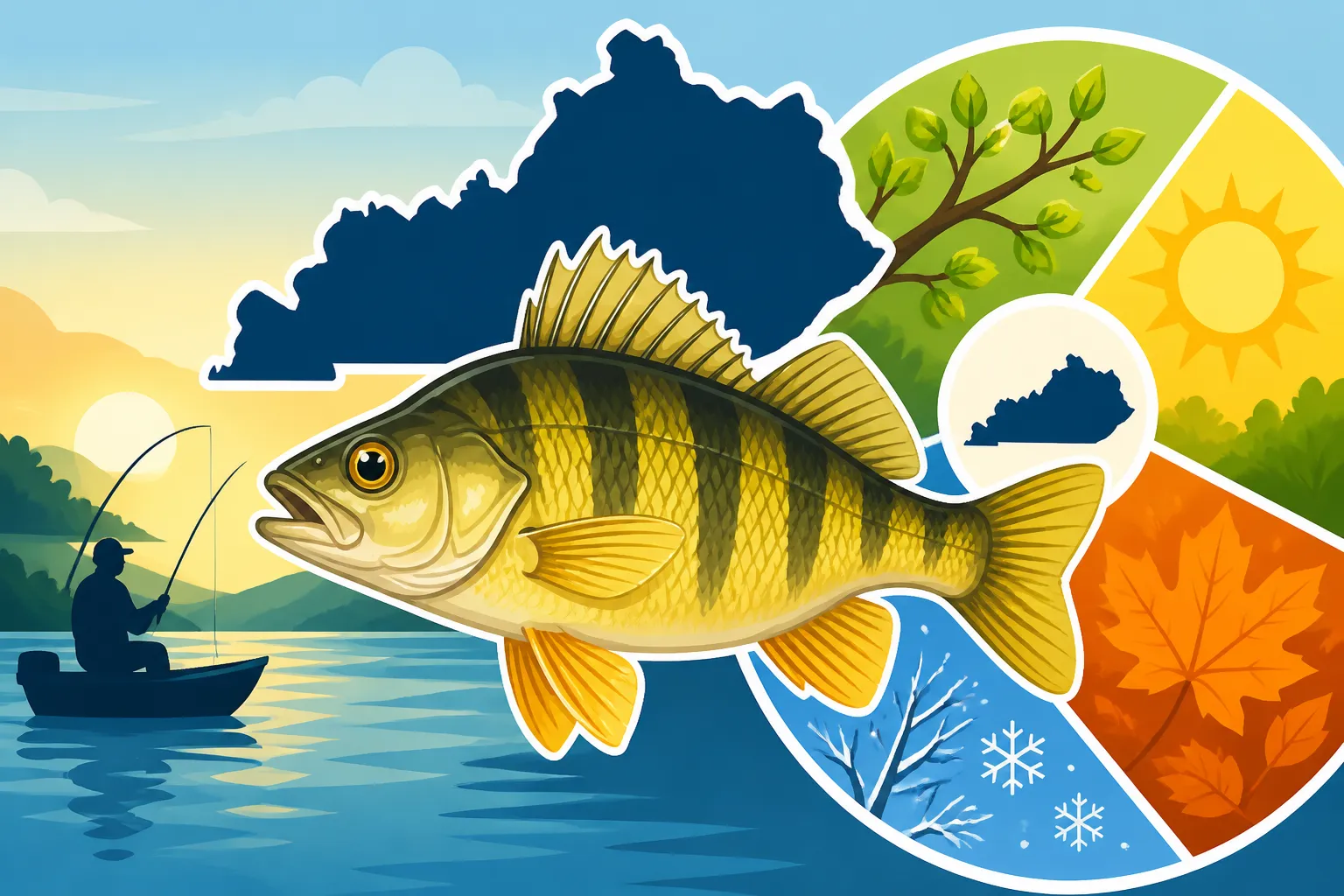
Before you can target them, you need to know what a yellow perch looks like. They are truly distinctive! The most prominent features are their vertical dark bars, usually 6 to 8 of them, along their golden-yellow to brassy-green sides. Their dorsal fin is split into two sections: a spiny front dorsal and a soft-rayed rear dorsal. The fins, especially the anal and pelvic fins, often have a reddish-orange tint, which becomes more pronounced during spawning season. They have a fairly elongated, somewhat compressed body shape, and their mouth is terminal, meaning it's located at the very front of their head. They aren't easily confused with other common Kentucky panfish like bluegill or crappie once you've seen one. If you're out there and you pull up a fish with those unmistakable vertical stripes and reddish fins, you've likely found yourself a yellow perch. They're quite a handsome fish, actually! You can learn more about Panfish and Sunfish Species Found in Kentucky to compare them to other common catches.
Preferred Habitats and Behavior
Yellow perch are true structure-loving fish. They aren't just swimming around aimlessly in open water. They tend to congregate around submerged brush piles, weed beds, rock piles, drop-offs, and other underwater features that provide cover from predators and ambush points for their prey. They're often found in relatively deeper water, especially as temperatures rise, seeking cooler oxygenated zones. You'll frequently find them schooled up, so where you catch one, there are likely many more. Their diet primarily consists of insects, small crustaceans, and other small fish, making them opportunistic feeders. Understanding this behavior is key to locating them. If you're fishing a large lake, focus your efforts on areas with distinct underwater structure, rather than just casting into featureless expanses. They're also quite active, always on the hunt for a meal, which makes them a fun fish to target once you dial in their location.
Understanding Yellow Perch Size and Growth in Kentucky
When you're chasing yellow perch, size is often on an angler's mind – especially if you're planning a fish fry! While Kentucky might not produce the behemoth perch seen in some northern fisheries, our waters can still yield respectable catches.
Average Size Expectations for Kentucky Anglers
For most Kentucky anglers, a typical yellow perch will fall in the 6- to 9-inch range. These are great eating size fish, perfect for filleting. It’s certainly not uncommon to pull out a few in the 10- to 12-inch class, which are considered excellent catches and a real thrill on light tackle. Anything over 12 inches is often considered a trophy in Kentucky and a testament to good habitat and a bit of angler luck. While you might occasionally hear tales of larger specimens, don't go into a trip expecting a cooler full of pound-plus perch every time. Setting realistic expectations will help you enjoy the pursuit much more. The joy comes from the consistent action and the delicious reward, even if they aren't all giants.
Factors Influencing Perch Size: Food, Water, and Genetics
The size a yellow perch achieves isn't just random; it's a complex interplay of environmental factors. Abundant food sources, like insect larvae, minnows, and small crustaceans, are crucial for rapid growth. Lakes with a healthy forage base will generally produce larger, fatter perch. Water quality also plays a significant role; clear, well-oxygenated water helps fish thrive. Genetic factors within a specific population can also influence the maximum size potential. Some lakes simply have strains of perch that grow larger due to their lineage. Additionally, population density can impact size – if a lake is overcrowded with perch, competition for food can lead to stunted growth, resulting in many smaller fish. Conversely, a healthy, balanced population with fewer fish can allow individuals to grow larger and faster. It's a delicate balance that fishery managers constantly monitor.
The Elusive Trophy Perch
While most yellow perch caught in Kentucky will be pan-sized, the dream of a "trophy perch" is what keeps many anglers coming back. A trophy perch in Kentucky would typically be over 12 inches, sometimes even pushing 14 or 15 inches in exceptional circumstances. These larger fish are usually older, wiser, and often found in specific areas where they have access to plentiful food and excellent cover. Targeting these larger fish often requires more patience, a keen understanding of their deep-water habits, and sometimes heavier tackle to handle their size. For many, a 12-inch perch is a brag-worthy catch, and definitely something to photograph before it ends up in the frying pan! You'll often find these larger specimens during the colder months when they've had a chance to put on weight throughout the year.
The Best Seasons for Yellow Perch Fishing in Kentucky
Timing is everything when it comes to fishing, and yellow perch are no exception. Knowing their seasonal movements and habits can significantly improve your chances of success.
Spring: Pre-Spawn and Spawning Frenzy
Spring, particularly late March through April when water temperatures begin to rise into the 40s and 50s Fahrenheit, is prime time for yellow perch. Like many fish, they move shallower to spawn, making them more accessible to anglers. During the pre-spawn, they are actively feeding, bulking up before the rigors of spawning. They'll often be found in relatively shallow bays, around submerged vegetation, or near rocky points. The actual spawn involves females laying long, gelatinous strings of eggs over submerged brush, weeds, or fallen timber. While spawning, they can be less aggressive feeders, but the sheer number of fish concentrated in shallow areas can still lead to incredible action. It's a fantastic time to hit the water, especially if you're bank fishing or using a kayak. Just remember to check for Kentucky Fishing Regulations Explained specific to certain bodies of water, as rules can sometimes vary.
Summer: Deep Water and Early Morning Bites
As Kentucky's summer temperatures soar, yellow perch tend to retreat to cooler, deeper waters. They'll seek out thermoclines – layers of water where the temperature changes rapidly – or areas with deeper structure like humps, ledges, or channel edges. This doesn't mean they're impossible to catch; it just means you'll need to adjust your tactics. Early mornings and late evenings often provide the best bite during summer, as the sun is less intense and the perch might move slightly shallower to feed. Vertical jigging or drop-shotting small baits directly over deep-water structure can be very effective. This is where a good fish finder becomes invaluable, helping you locate those elusive deep schools. Many anglers find success using a sensitive ultralight rod from brands like Ugly Stik or St. Croix, which you can easily find on Amazon, paired with a small spinning reel for these finesse techniques.
Fall and Winter: The Cooler Water Advantage
Don't hang up your fishing gear just because summer is over! Fall can be an excellent time for yellow perch, as water temperatures cool and they become more active feeders, fattening up for winter. They might spread out a bit more than in spring but will still relate to structure. As winter sets in, and if conditions allow for safe ice fishing in northern Kentucky (which isn't always a guarantee, but happens), yellow perch can offer some of the best hard-water action. They often school tightly under the ice, and a properly drilled hole over a known perch haunt can lead to non-stop fun. Even without ice, in open water, they remain active, often found in moderately deep water (15-30 feet) near structure. Understanding How Falling Water Temperature Changes Fish Behavior is crucial for consistent catches during these colder months. They don't just disappear; they simply adjust their location, making them predictable if you know what to look for.
Where to Locate Yellow Perch Hotspots in Kentucky
Finding yellow perch in Kentucky isn't like finding bass – they aren't in every farm pond or creek. But certain bodies of water are known to hold good populations.
Key Lakes and Reservoirs with Perch Populations
While not as prevalent as in some northern states, Kentucky does have several key lakes and reservoirs where yellow perch populations are established and can provide good fishing. Often, these are larger, deeper impoundments. For example, some of the larger reservoirs might occasionally surprise anglers with decent perch catches, particularly in their deeper, clearer sections. Check local reports or the Kentucky Department of Fish and Wildlife Resources (KDFWR) surveys; they often list which species are present in specific bodies of water. Don't be afraid to explore some of the lesser-known lakes too, as sometimes the best fishing is found where there's less pressure. If you're planning a trip to one of the major fishing destinations, always check site-specific regulations, as some lakes might have unique rules beyond the Statewide Bag and Size Limits by Fish Species.
River Systems and Smaller Water Bodies
While lakes and reservoirs are the primary focus for yellow perch, some larger river systems, particularly those with slower currents and clearer backwaters, might hold populations. Tributaries or oxbow lakes connected to these rivers, especially if they have plenty of submerged cover and decent depth, can also be overlooked hotspots. Smaller, cooler water bodies, including some private ponds or larger public ponds that are regularly stocked or managed, could also harbor yellow perch. It's always worth asking local bait shops or fishing guides about specific, localized knowledge, as they often have the most up-to-date information on smaller, productive waters for species like perch.
Using Structure and Depth to Your Advantage
As mentioned, yellow perch are absolutely obsessed with structure. When you're on the water, whether from a boat or bank, look for visual cues or use your electronics. On the surface, think about fallen trees, docks, bridge pilings, or even large weed lines. Underwater, your fish finder is your best friend for locating submerged brush piles, rock formations, humps, or sharp drop-offs. Perch will hold tightly to these features, using them for protection and as ambush points. The depth at which you find them will vary significantly by season and time of day, but typically, they’ll be deeper than many other panfish. Don't be afraid to experiment with different depths until you locate the school. Once you find them, mark the spot on your GPS or with a buoy, because where there's one perch, there are usually many. You can find excellent fish finders and GPS units from brands like Garmin or Humminbird on Amazon, which can significantly enhance your ability to pinpoint these structures.
Kentucky Regulations for Yellow Perch: What You Need to Know
Fishing responsibly means knowing and following the rules. While yellow perch aren't typically a species with complex, hyper-specific regulations in Kentucky, it's vital to be informed.
Statewide Daily Limits and Possessions
For most panfish species in Kentucky, including yellow perch, the statewide daily creel limit is generous. Generally, anglers can keep a combined total of 20 panfish per day. This "combined" limit means you can mix and match species like yellow perch, bluegill, and various sunfish until you reach that 20-fish total. This regulation is in place to ensure healthy fish populations for everyone to enjoy for years to come. It’s always a good idea to double-check the current Kentucky Fishing Guide, which is updated annually, for the most precise and up-to-date information. Fishing regulations are dynamic, and staying informed is part of being a good steward of our natural resources.
Any Size Restrictions to Be Aware Of?
One of the great things about targeting yellow perch is that, unlike many other game fish, there are typically no statewide size limits in Kentucky. This means that any yellow perch you catch, regardless of its length, can be kept as long as you adhere to the daily creel limit. This freedom allows anglers to keep even the smaller, pan-sized fish for eating, which are often the most delicious. However, just because there isn't a statewide size limit doesn't mean there might not be site-specific regulations. It’s a rare occurrence for yellow perch, but always confirm with the KDFWR specific lake or river regulations before your trip. For example, while unlikely for perch, some lakes might have a minimum size for Kentucky Crappie Daily Limit Rules, and it's always worth a quick check. Being prepared means you won't get caught off guard by any unexpected rules.
The Importance of a Valid Fishing License
This really can't be stressed enough: if you're going to fish for yellow perch, or any fish in public waters in Kentucky, you absolutely need a valid Kentucky fishing license. It's not just a formality; it's the law, and it helps fund critical conservation efforts, fish stocking programs, and habitat restoration that ensure we have healthy fisheries to enjoy. Getting caught without one can result in fines and legal trouble, which will definitely ruin a relaxing day on the water. Licenses are easy to obtain online, at most sporting goods stores, or from county clerks. Make sure you understand the Kentucky Fishing License Year and Renewal Dates to ensure your license is always current. Children typically have different requirements, so if you're taking youngsters, verify Kentucky Fishing License Requirements for Kids. Don't risk it; get your license before you cast your first line!
Effective Techniques and Baits for Kentucky Yellow Perch
You've found the perch, now how do you catch them? Yellow perch are not overly finicky, but a few tried-and-true techniques will definitely boost your success rate.
Light Tackle and Simple Rigs for Success
Yellow perch have relatively small mouths and are not usually tackle-busters, so light tackle is key. An ultralight or light action spinning rod, around 5 to 6 feet in length, paired with a small spinning reel spooled with 4 to 6-pound test monofilament or fluorocarbon line, is perfect. This setup allows for sensitive feel, detecting those subtle perch bites, and makes even a small perch feel like a trophy. Simple rigs are often the most effective. A basic slip bobber rig, with a small split shot weight and a tiny hook (size 6 or 8), is deadly when perch are shallower. For deeper water, a simple dropshot rig or a small jig (1/16 to 1/8 ounce) fished vertically will work wonders. The goal is finesse and presentation, not brute force. You can find a wide array of ultralight rods and reels on Amazon that are perfectly suited for perch fishing. If you're still building out your kit, consider reading Best Tackle Box Setup by Species for more ideas.
Best Baits: Live, Artificial, and Everything In Between
Yellow perch are opportunistic feeders, so they'll hit a variety of baits. Live bait is often the most productive, especially during colder water periods.
- Live Baits: Small minnows (shiners or fatheads), wax worms, red worms, and nightcrawlers (pinched in half for a smaller presentation) are all incredibly effective. The natural scent and action of live bait are hard to beat.
- Artificial Lures: Tiny jigs, especially those tipped with a small plastic grub or tube bait, are excellent. Colors like chartreuse, white, orange, or black often work well. Small spoons, blade baits, or even tiny crankbaits can also entice a strike. Experiment with colors and retrieve speeds to see what the perch are keying in on that day. A small soft plastic lure on a tiny jig head, fished slowly, can be particularly deadly.
Consider this table for a quick bait overview:
| Bait Type | Description | Best Use (Season/Depth) | Tip |
|---|---|---|---|
| Small Minnows | Live shiners, fatheads, or even crappie minnows | All seasons, especially cold | Hook lightly through the back or lips for best action |
| Wax Worms | Small, wiggling larvae | All seasons, great for jigs | Thread onto a small jig or hook; irresistible to panfish |
| Red Worms | Garden worms | All seasons | Pinch off a piece for a smaller profile; potent scent |
| Nightcrawlers | Larger earthworms | All seasons, can attract bigger | Cut into 1/2 or 1/3 pieces; good on a small hook |
| Micro Jigs | 1/32 – 1/8 oz jigs with plastic bodies | All seasons, deep or shallow | Tip with a wax worm or minnow for added attraction |
| Small Spoons | Tiny casting or jigging spoons | Cooler water, vertical jigging | Flash and flutter can provoke aggressive strikes |
Reading the Water and Adjusting Your Approach
Yellow perch are often found in schools, so active searching and adjusting your technique are paramount. If you're not getting bites after 10-15 minutes in one spot, move! Try different depths, different structures, or even a different type of bait. Pay attention to what the fish tell you. Are they hitting a fast retrieve or a slow one? Are they suspended off the bottom or buried in the brush? Wind, current, and light conditions can all affect their behavior. On a sunny day, they might be deeper and more tightly schooled, while on an overcast day, they might spread out or move shallower. Don't be afraid to change your tactics if your initial approach isn't working. That's the beauty of fishing: every day is a new puzzle to solve. Sometimes, a slight change in jig color or the addition of a scent can make all the difference. Also, remember that Fishing Techniques After a Cold Front might need a different approach compared to stable weather.
Disclaimer
This article is for general informational purposes only and does not constitute professional advice. Laws, prices and regulations vary by location and change over time. Consult a qualified professional for guidance on your specific situation.