Rainbow Trout Fishing on Kentucky’s Lake Cumberland
If you've ever dreamt of battling a vibrant, hard-fighting rainbow trout, but feel overwhelmed by the sheer size of Kentucky's massive reservoirs, you're not alone. Lake Cumberland, with its vast waters and deep channels, can seem like a puzzle to unlock for trout anglers. This guide is here to demystify rainbow trout fishing on this legendary lake, giving you the insights and strategies you need to find success and enjoy the thrilling experience of reeling in these beautiful fish.
Why Lake Cumberland is Kentucky's Premier Rainbow Trout Fishery
Lake Cumberland isn't just a big lake; it's a cold-water haven that supports a thriving population of rainbow trout, making it a true gem for anglers across the region. Unlike many other lakes in Kentucky that might have transient trout populations, Cumberland boasts conditions uniquely suited for these cold-water species. It's a prime destination, often hailed as Kentucky's Lake Cumberland: The State's Best All-Around Fishing Lake, and a significant part of that reputation comes from its exceptional trout fishery.
A Deep, Cold, Oxygenated Habitat
The sheer depth of Lake Cumberland is its secret weapon. As a large reservoir, it maintains deep, cold pockets of water even during the peak of summer, which is absolutely critical for rainbow trout survival. These fish require water temperatures that rarely exceed the mid-60s Fahrenheit, and the lower reaches of Lake Cumberland provide exactly that. Below the summer thermocline, you'll find stable, cool water with ample dissolved oxygen, creating an ideal environment where rainbow trout can thrive year-round. This is particularly important when considering other fish species like bass, which prefer warmer surface waters. The distinct thermal layers ensure that trout have their own dedicated habitat, separate from many of the lake's warm-water residents. This unique characteristic is what makes it possible to fish for trout even when the air temperature is scorching.
Consistent Stocking Programs
While Lake Cumberland offers a fantastic natural environment, the sustained success of its rainbow trout fishery relies heavily on a robust and consistent stocking program. The Kentucky Department of Fish and Wildlife Resources regularly stocks catchable-sized rainbow trout into the lake, ensuring that anglers always have a healthy population to target. These stockings typically occur throughout the cooler months, with a focus on specific access points to allow for dispersion. Knowing the general timing and locations of these stockings can give you a significant advantage, as recently stocked fish often remain clustered and actively feeding as they acclimate to their new surroundings. It's a fantastic example of fisheries management working hand-in-hand with natural resources to create exceptional angling opportunities. You can often find information about the Kentucky Trout Stocking Schedule Explained by checking the state's official wildlife resources website.
Understanding Rainbow Trout Behavior in Lake Cumberland
To consistently catch rainbow trout, you need to think like a trout. These fish are creatures of habit, driven by water temperature, available food sources, and their natural instincts for survival. Lake Cumberland presents a unique challenge because of its size and diverse ecosystem, but understanding a few key behavioral patterns can dramatically increase your success.
Forage and Diet
Rainbow trout in Lake Cumberland have a varied diet, adapting to what's available in their environment. When first stocked, many have been raised on fish pellets, and while they quickly transition to natural foods, some anglers find success initially using baits that mimic these pellets. More broadly, their diet includes a mix of small baitfish like shad and minnows, various aquatic insects (larvae, nymphs), and even small crustaceans. During certain times of the year, particularly after heavy rains, terrestrial insects that fall into the water can also become a temporary food source. Focusing your bait and lure selection on mimicking these natural food items will always give you an edge. Many anglers swear by lures that imitate small shad, especially in colors like silver, white, or chartreuse. Knowing what the trout are actively feeding on can sometimes be discovered by checking the stomach contents of your first catch, offering valuable clues for the rest of your day.
Preferred Depths and Structure
As cold-water fish, rainbow trout in Lake Cumberland will spend the majority of their time in specific depth zones where the water temperature and oxygen levels are optimal. This often means they'll be found in deeper water, especially as surface temperatures rise in late spring and summer. During these warmer months, they tend to congregate below the thermocline, which is a distinct layer of water where the temperature changes rapidly. You'll typically find them suspended over creek channels, along sharp breaks, or near points that drop off into deeper water. In the cooler months of fall, winter, and early spring, trout may move shallower, even to the surface, particularly during overcast days or early mornings when baitfish are active in the upper water column. Locating structure like submerged timber, rock piles, or old roadbeds in these preferred depth zones can be incredibly productive, as these areas provide both cover and ambush points for feeding trout. Using a good fish finder is invaluable for identifying these structures and the thermocline.
Essential Gear for Lake Cumberland Rainbow Trout Fishing
Equipping yourself correctly is half the battle when targeting rainbow trout on a large reservoir like Lake Cumberland. While you don't need a boatload of specialized equipment, having the right rods, reels, lines, and terminal tackle will make your experience more enjoyable and significantly improve your catch rates. After all, you wouldn't bring a bass rod to catch panfish, right?
Rods, Reels, and Line Selection
For rainbow trout on Lake Cumberland, a light to medium-light action spinning rod, typically 6 to 7 feet in length, is ideal. This type of rod offers the sensitivity needed to detect subtle bites and enough backbone to handle a spirited fight from a larger trout. Pair this with a small to medium-sized spinning reel (e.g., a 1000 or 2000 series) spooled with 4 to 8-pound test monofilament or fluorocarbon line. Monofilament offers good stretch and knot strength, which can be forgiving for trout's soft mouths, while fluorocarbon is virtually invisible underwater and has less stretch for increased sensitivity. Many anglers opt for a main line of mono or braid with a fluorocarbon leader for the best of both worlds. A good quality leader, about 2-4 feet long, of slightly lighter test than your main line (e.g., 6lb main, 4lb leader), can make a big difference in clear lake waters. You can find a fantastic selection of these setups, from beginner-friendly combos to more advanced options, on platforms like Amazon, ensuring you have the right tools for the job.
Tackle Box Essentials
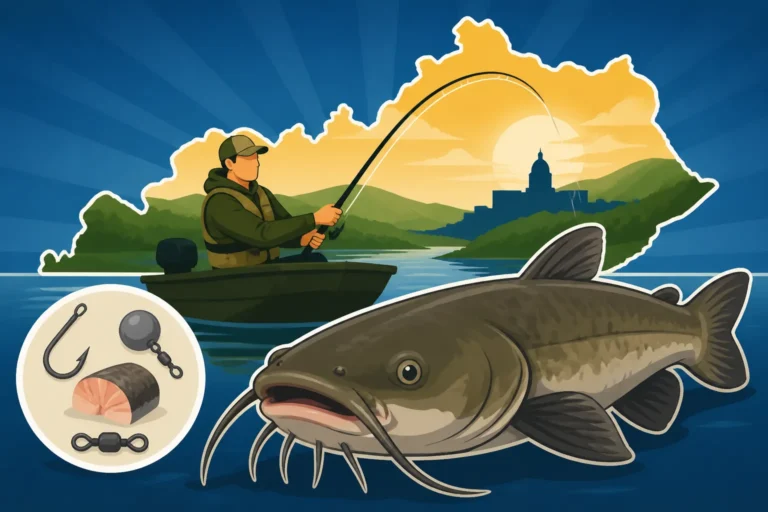
Your tackle box for Lake Cumberland rainbow trout should be well-stocked with a variety of offerings to adapt to changing conditions and trout preferences. Here’s a rundown of what you’ll want to have on hand:
- Baits: PowerBait (in various colors like rainbow, white, chartreuse, or even garlic-scented varieties) is a classic choice. Live baits like small minnows or corn can also be effective. Some anglers swear by nightcrawlers or salmon eggs.
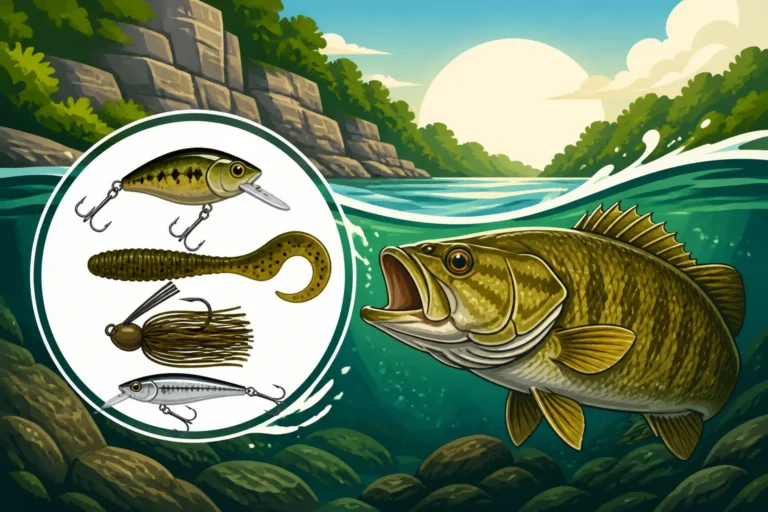
- Lures: Small inline spinners (e.g., Mepps, Rooster Tail) in sizes #0 to #2 are deadly, especially in silver, gold, or brass. Small spoons (like Kastmasters or Little Cleos) that imitate baitfish are also excellent, particularly when trolling. Tiny jerkbaits or crankbaits in shad patterns can also provoke strikes.
- Hooks: A selection of small, sharp treble hooks (size 10-14) for PowerBait, and small single hooks (size 8-12) for live bait.
- Weights: Split shots, small egg sinkers, or bullet weights to get your bait down to the desired depth. A variety of sizes will allow you to adjust to current and depth.
- Swivels: Small barrel swivels or snap swivels to prevent line twist, especially when using spinners.
- Bobbers: Slip bobbers are incredibly versatile for presenting bait at specific depths when still fishing.
- Tools: Pliers for hook removal, nail clippers for line cutting, and a small net for landing fish safely.
Having a diverse array of these items, readily available through retailers like Amazon, allows you to experiment and find what the trout are biting on any given day. A well-organized tackle box, specific to trout, will save you time and frustration on the water. Check out our guide on Best Tackle Box Setup by Species for more detailed advice on organizing your gear.
Best Techniques and Baits for Catching Rainbow Trout
Successfully catching rainbow trout in Lake Cumberland is all about matching your technique to the conditions and understanding how these fish react to different presentations. There are several tried-and-true methods that consistently produce results on this expansive water.
Trolling for Cruising Trout
Trolling is arguably one of the most effective ways to cover a lot of water and locate scattered trout in Lake Cumberland, especially when they're suspended in open water. This technique involves slowly moving your boat while dragging lures or baits behind it at varying depths. You can use planer boards to spread out your lines and cover a wider area, or employ downriggers to precisely control the depth of your offering, getting it right into the thermocline where trout often hold during warmer months.
Key to successful trolling is maintaining a slow, consistent speed (typically 1.5 to 2.5 mph) and experimenting with different lures until you find what works. Small spoons, crankbaits, or even rigged minnows behind a dodger or flasher are popular choices. Pay close attention to your fish finder to identify baitfish schools or arches that indicate trout, and then adjust your trolling depth and path accordingly. Sometimes, simply making a slight turn or varying your speed can trigger a strike from a hesitant fish. Trolling is also an excellent way to locate active feeding zones before switching to a more stationary method.
Still Fishing and Drifting with Bait
For anglers who prefer a more relaxed approach or don't have a boat equipped for trolling, still fishing and drifting with bait can be incredibly productive. This method is particularly effective around points, creek channels, or submerged humps where trout are known to congregate.
When still fishing from a anchored boat or the bank, a classic setup involves a slip bobber rig. This allows you to suspend your bait (PowerBait, corn, or live minnows) at a precise depth, from just a few feet below the surface to 20 feet or more, without the need for heavy weights on your main line. The bobber signals bites, and the bait remains enticingly suspended. Drifting, on the other hand, allows your boat to move slowly with the wind or subtle currents, presenting your bait or lure naturally as you cover a stretch of water. A simple bottom rig with an egg sinker, swivel, and a leader with PowerBait or a worm can be drifted along contours, ticking the bottom and attracting curious trout. The key is to let the bait do the work, moving as naturally as possible.
Fly Fishing Opportunities
While Lake Cumberland is primarily known for conventional tackle, serious fly anglers shouldn't overlook the potential, especially in certain areas or during cooler months. While casting large flies into the main body of the lake might be a challenge, the tailwaters below Wolf Creek Dam, where the Cumberland River flows out, offer exceptional Fly Fishing Techniques for Trout opportunities. Here, the water is consistently cold and rich with aquatic insects, providing an ideal environment for trout to feed on flies.
Even on the lake itself, during early spring or late fall, when trout move shallower, sight fishing with streamers or nymphs near visible structure can be productive. For this, a 5 or 6-weight fly rod with a floating or intermediate line is usually sufficient. Focus on imitating smaller baitfish or insect hatches. While it requires a different skill set, the reward of landing a Lake Cumberland rainbow on a fly rod is a truly unique and memorable experience.
Navigating Regulations and Conservation
Fishing responsibly is just as important as fishing successfully. Understanding and adhering to Kentucky's fishing regulations, especially concerning trout, ensures that Lake Cumberland remains a fantastic fishery for generations to come. It's not just about avoiding penalties; it's about respecting the resource.
Kentucky Trout Permit and License Requirements
Before you even cast a line for rainbow trout in Lake Cumberland, you absolutely must ensure you have the proper licensing. In Kentucky, simply having a general fishing license isn't enough to target trout. You also need to purchase a specific Kentucky Trout Permit Guide, often referred to as a trout stamp. This permit is required for anyone fishing for trout, regardless of whether you're a resident or non-resident, and it applies to all waters where trout are managed. The revenue from these permits directly supports the trout stocking programs and conservation efforts that make fisheries like Lake Cumberland so vibrant. It's easy to add this permit when you purchase your main Kentucky Fishing License Guide, either online, from a local vendor, or at a Kentucky Department of Fish and Wildlife Resources office. Ignoring this crucial step could lead to fines and legal trouble if you encounter a game warden during a routine check.
Size and Creel Limits
Beyond having the correct license and permit, you must also be aware of the specific size and creel (daily bag) limits for rainbow trout on Lake Cumberland. These regulations are put in place to manage the trout population, prevent overfishing, and promote healthy fish sizes. While statewide regulations often apply, it's always wise to double-check for any lake-specific exceptions, as certain bodies of water may have unique rules based on their management goals. Generally, rainbow trout often have a daily creel limit, meaning you can only keep a certain number of fish per day, and there might be a minimum size limit. This means any trout you catch that doesn't meet the minimum size must be immediately released unharmed.
It's your responsibility as an angler to know these rules. Keep a copy of the current Kentucky Fishing Regulations Explained on hand, either digitally on your phone or a printed version, and review it before each trip. Being informed helps protect the fishery and ensures you have a compliant and enjoyable fishing experience.
Seasonal Strategies for Success
Rainbow trout behavior in Lake Cumberland is highly influenced by the seasons, primarily due to changes in water temperature and oxygen levels. What works in spring might not work in summer, so understanding these seasonal shifts is crucial for consistent success.
Spring: Shallow Opportunities
Spring is a fantastic time for rainbow trout fishing on Lake Cumberland. As the lake begins to warm from its winter lows, trout often move shallower, particularly in the upper reaches of the lake and around inflowing creeks. Baitfish like shad also become more active in these warmer, shallower zones, drawing trout with them. You'll often find trout within the first 10-20 feet of the surface during this time. This is when trolling shallow-running crankbaits or inline spinners can be incredibly effective. Even still fishing with PowerBait or worms under a slip bobber in coves or along points can yield great results. The water is often clearer in spring, so using lighter line and fluorocarbon leaders is a good idea. Many anglers find the period from March through May to be particularly productive.
Summer: Go Deep and Stay Cool
Once summer sets in and the surface waters of Lake Cumberland heat up, rainbow trout retreat to the cooler, oxygenated depths below the thermocline. This means you'll need to adjust your tactics significantly. Expect to find trout holding anywhere from 30 to 80 feet deep, often suspended over old creek channels or deep points. Trolling with downriggers becomes the go-to method, allowing you to present spoons, deep-diving crankbaits, or bait rigs at precise depths. A good fish finder is indispensable for identifying the thermocline and locating schools of baitfish, which trout will follow. Early mornings and late evenings can sometimes see trout venture a bit shallower to feed, but for consistent action during the day, focus your efforts on the deeper, cooler water. Night fishing for trout, though less common, can also be productive during the warmest months as fish feel safer moving into slightly shallower water.
Fall: Transition and Feeding Frenzy
Fall is another prime time for Lake Cumberland rainbow trout fishing. As the lake water cools, the thermocline begins to break down, and trout will disperse throughout the water column, often moving much shallower than they did in summer. This period sees trout actively feeding, bulking up for the colder months ahead. You might find them chasing shad near the surface, or holding around submerged structure at moderate depths. Trolling remains effective, but you can scale back the depth of your lures. Casting inline spinners or spoons from the bank or a boat into shallower coves and along main lake points can also be highly productive, especially on overcast days. The fish are aggressive and opportunistic, making it a truly exciting time to be on the water. Many consider late fall to offer some of the Best Time of Year to Catch Rainbow Trout on Kentucky's Lake Cumberland.
Winter: Slow and Steady
Winter fishing for rainbow trout on Lake Cumberland requires patience and a slower presentation, but it can be incredibly rewarding. The entire water column is generally cold, meaning trout can be found at a wide range of depths, though they often concentrate in deeper basins or around major channels where baitfish seek refuge. Trout metabolism slows down in cold water, so they are less likely to chase fast-moving lures. Focus on slow trolling with spoons or crankbaits, or still fishing with PowerBait or live minnows presented just off the bottom. Vertical jigging with small spoons or blade baits directly over suspected fish can also entice strikes. Fish can be lethargic, so pay close attention to subtle bites. On sunny days, trout might even bask in slightly shallower, warmer water, offering a brief opportunity for a different approach.
Here's a quick reference for seasonal trout behavior and popular tactics:
| Season | Typical Depth (approx.) | Common Forage | Recommended Techniques | Popular Baits/Lures |
|---|---|---|---|---|
| Spring | 10-30 feet | Shad, Insects, Minnows | Trolling, Still Fishing, Casting | Inline Spinners, PowerBait, Small Crankbaits, Minnows |
| Summer | 30-80+ feet (below thermocline) | Shad, Deeper Invertebrates | Deep Trolling (Downriggers), Vertical Jigging | Spoons, Deep-diving Crankbaits, Rigged Minnows |
| Fall | 15-50 feet | Shad, Insects | Trolling, Casting, Drifting | Inline Spinners, Spoons, PowerBait, Jerkbaits |
| Winter | 20-60 feet | Minnows, Deeper Baitfish | Slow Trolling, Still Fishing (bottom), Vertical Jigging | PowerBait, Live Minnows, Small Spoons, Blade Baits |
Remember, these are general guidelines, and the best strategy will always involve adapting to the specific conditions you encounter on any given day. Lake Cumberland offers a fantastic challenge and incredible rewards for those willing to learn its trout secrets!
Disclaimer
This article is for general informational purposes only and does not constitute professional advice. Laws, prices and regulations vary by location and change over time. Consult a qualified professional for guidance on your specific situation.