Kentucky Fishing Regulations Explained
Alright, let's face it: trying to figure out all the ins and outs of fishing regulations in Kentucky can feel like you need a law degree just to cast a line. It's easy to get overwhelmed by the different license types, statewide limits, and then those pesky lake-specific exceptions that seem to change all the time. But don't you fret! This comprehensive guide is here to untangle the complexities, offering clear, empathetic, and practical advice so you can spend less time scratching your head and more time enjoying Kentucky's incredible waters, all while staying on the right side of the law.
Why Kentucky's Fishing Regulations Matter to Every Angler
When you're out on the water, whether it's the vast expanse of Kentucky Lake or a quiet stream tucked away in the Appalachian foothills, it's easy to forget that all the fish we enjoy catching are part of a delicate ecosystem. The regulations aren't just arbitrary rules designed to make your life harder; they're the bedrock of conservation, ensuring that our grandchildren, and their grandchildren, can enjoy the same fantastic fishing experiences we do today. Ignoring them, even accidentally, can have real consequences for both the fish populations and your wallet.
The Core Purpose of Fishing Regulations
At its heart, the Kentucky Department of Fish and Wildlife Resources (KDFWR) establishes regulations with one primary goal: sustainable management. This means preventing overfishing, protecting vulnerable species, and ensuring healthy fish populations across the Commonwealth. Think about it: without limits on how many bass you can keep, or minimum sizes, some of our most prized fisheries could be depleted surprisingly quickly. These rules allow fish to reach maturity, reproduce, and contribute to the next generation of anglers' catches. It's a long-term investment in our aquatic future.
Moreover, regulations often account for the unique characteristics of different species. Some fish, like crappie, reproduce prolifically and can sustain higher harvest rates, while others, such as muskie, have slower growth and reproduction cycles, requiring more stringent protections. The rules aren't one-size-fits-all because our fish populations aren't either. They reflect careful scientific research and biological understanding, aiming for a balance between angler opportunity and ecological health.
How Regulations Protect Kentucky's Waters
Beyond just fish populations, regulations also extend to protecting the aquatic habitats themselves. Rules about bait, gear types, and even how you handle fish (like catch-and-release practices for certain species or during specific times) all contribute to a healthier environment. For instance, prohibiting certain types of nets or traps prevents indiscriminate harvesting that could harm non-target species or damage sensitive aquatic vegetation. These measures are critical for maintaining the overall health and biodiversity of Kentucky’s precious waterways.
Consider invasive species, too. While not always directly covered under standard fishing limits, rules about transporting baitfish or cleaning your boat are crucial. Introducing non-native species, whether plants or fish, can devastate local ecosystems, outcompeting native species and altering habitats beyond repair. The regulations, therefore, serve as a protective shield, safeguarding the natural heritage of Kentucky's rivers, lakes, and streams, ensuring they remain vibrant and teeming with life for all of us.
Decoding Kentucky's Statewide Fishing License Requirements
Before you even think about wetting a line, understanding Kentucky's fishing license requirements is absolutely crucial. This is often the first hurdle for many anglers, especially those new to the state or those who haven't fished in a while. Getting caught without the proper licensure is not a fun experience and can lead to fines, so it’s always best to be prepared.
Who Needs a License and Who Doesn't
Generally speaking, anyone aged 16 and over must possess a valid Kentucky fishing license to fish in public waters. This isn't just a suggestion; it's the law. This requirement applies whether you're fishing from the bank, from a boat, or even from a dock at a public access point. The revenue generated from these licenses goes directly back into conservation efforts, including fish stocking, habitat improvement, and enforcement, so your license fee directly supports the sport you love.
However, there are a few exceptions. Kids under 16 years old are usually exempt from needing a license, which is fantastic for introducing youngsters to the joys of fishing without an extra hurdle. Also, if you're fishing on private waters that you own or lease, and those waters are entirely contained within your property and don't connect to other public waters, you might not need a license. But be careful here—this exception is narrower than many people realize. If that pond eventually drains into a stream or river, then standard license requirements will likely apply. It's always safest to check the specific details, and if in doubt, grab a license. For a deeper dive into who needs to buy one, check out our guide on Kentucky Fishing License Requirements for Kids.
Understanding Resident vs. Non-Resident Licenses
Kentucky offers different license types and fees based on your residency status. If you've been a bona fide resident of Kentucky for at least 30 days, you're eligible for a resident license, which is typically more affordable. This includes military personnel stationed in Kentucky and full-time students enrolled in a Kentucky institution. Non-residents, on the other hand, will need to purchase a non-resident license. These are generally more expensive, reflecting the fact that non-residents don't contribute to the state's tax base in the same way residents do, yet they still benefit from Kentucky's managed fisheries.
The good news is that both residents and non-residents have options. You can opt for an annual license if you plan on fishing frequently throughout the year, or choose a shorter-term license, like a 1-day or 7-day option, perfect for a weekend trip or a vacation. For instance, a Kentucky Resident Annual Fishing License Costs $24.31, while a Nonresident Annual Fishing License Cost in Kentucky is typically higher. Knowing which one you need upfront can save you both money and hassle. You can easily purchase these online through the KDFWR website, or from various retailers like Walmart or sporting goods stores. Even on Amazon, you might find physical copies of the annual regulations booklet that detail these differences, though the license itself is always purchased directly from the state or an authorized agent.
Special Permits You Might Need (Like Trout Permits)
Just having a basic fishing license isn't always enough, especially if you're targeting specific species or fishing in certain designated waters. The most common additional permit anglers need in Kentucky is a trout permit. If you plan on fishing for trout in any designated trout water, or if you keep trout you've caught, you'll need this permit in addition to your annual or short-term fishing license. Kentucky actively stocks trout in many streams and lakes, like Lake Cumberland, creating fantastic opportunities for anglers, but requiring that extra stamp to support those programs. Our detailed Kentucky Trout Permit Guide covers all the specifics.
Other situations might also require special considerations, though less common for the average angler. For instance, if you're participating in certain commercial fishing activities or using specific gear like trotlines or jug lines for catfish, additional permits or registrations might be necessary. It's always wise to consult the latest KDFWR fishing guide or their website if you're venturing beyond standard hook-and-line fishing with a regular license. Better safe than sorry when it comes to being fully compliant.
Navigating Statewide Bag and Size Limits for Popular Species
Once your license is sorted, the next big hurdle is understanding the bag and size limits for the fish you're hoping to catch. These limits are designed to maintain healthy populations by controlling the number and size of fish that anglers can harvest. Think of them as guardrails for sustainable fishing. Failing to adhere to these can lead to penalties, even if you genuinely "didn't know."
Bass Largemouth, Smallmouth, Spotted Limits
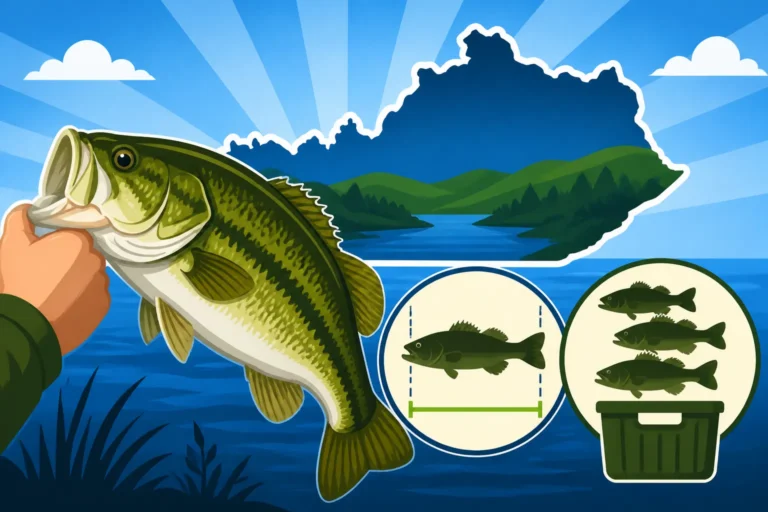
Bass fishing is incredibly popular in Kentucky, and rightly so—we have some world-class fisheries! However, each of the primary bass species (largemouth, smallmouth, and spotted bass) can have specific statewide regulations, though they are often bundled together for convenience. Currently, the statewide regulation for black bass (which includes largemouth, smallmouth, and spotted bass) is a daily creel limit of six fish in aggregate, meaning you can keep a total of six bass of any of these species combined. Furthermore, there's a minimum size limit of 12 inches for black bass. This means any bass shorter than 12 inches must be immediately released unharmed.
These limits are designed to allow bass to grow to a reproductive size and contribute to the population before being harvested. Catching a 10-inch largemouth might be exciting, but you absolutely must release it. It's a fundamental part of responsible angling and ensures future generations of big bass. Always double-check the current KDFWR regulations for any changes, as these can be updated periodically based on fishery assessments. You can find more specific details in our Kentucky Statewide Bass Size and Daily Limit Rules article.
Crappie Black and White Limits
Crappie, both black and white varieties, are another angler favorite, especially during their spring spawn. The statewide crappie regulation is typically a daily creel limit of 20 fish in aggregate. What’s nice for many Kentucky waters is that there often isn't a statewide minimum size limit for crappie, meaning you can keep fish of any length as long as you adhere to the 20-fish daily bag limit. This allows anglers to keep smaller panfish, which are often excellent table fare.
However, as we'll discuss in the next section, exceptions exist. Some specific lakes might have a minimum size limit to protect certain fisheries or to help grow larger crappie. So, while the statewide rule is fairly permissive regarding size, it's never a bad idea to verify local regulations for your chosen fishing spot. For example, Kentucky Crappie Daily Limit Rules outlines the general rules, but pay attention to any local variations.
Catfish Channel, Blue, Flathead Limits
Kentucky offers incredible catfishing opportunities, especially on its larger rivers and reservoirs. The statewide regulations for catfish (including channel, blue, and flathead catfish) allow for a combined daily creel limit of 15 fish. This means you can keep 15 catfish of any of these species in total. However, there's a unique trophy fish rule: among your 15 catfish, only one can be 25 inches or longer. This specific rule helps protect the larger, more mature breeding stock of catfish, particularly the prized blue and flathead catfish that can grow to impressive sizes.
Imagine you've landed a monster 30-inch blue catfish and a 26-inch channel catfish. You'd be able to keep one of them, but not both if they're both over 25 inches, unless you've caught fewer than 15 total catfish. This regulation encourages anglers to harvest smaller, more abundant catfish while allowing the larger specimens to remain in the fishery, growing and reproducing. It’s a smart way to manage these powerful, long-lived species. For more on this, consult our article on Kentucky Catfish Daily Limit and Trophy Fish Rule.
Here's a quick reference table for statewide limits, but remember to always check for lake-specific exceptions!
| Species | Statewide Daily Creel Limit | Statewide Size Limit | Notes |
|---|---|---|---|
| Black Bass | 6 fish (aggregate) | 12 inches minimum | Largemouth, Smallmouth, Spotted Bass |
| Crappie | 20 fish (aggregate) | None (usually) | Black and White Crappie. Check local rules! |
| Catfish | 15 fish (aggregate) | Only 1 over 25 inches | Channel, Blue, Flathead Catfish |
| Trout | 8 fish | None (usually) | Requires a Trout Permit. |
| White Bass | 30 fish | None | |
| Striped Bass | 5 fish (aggregate) | 15 inches minimum | Includes Hybrid Striped Bass |
Disclaimer: These are general statewide limits. Always refer to the current KDFWR Fishing & Boating Guide for the most up-to-date and specific regulations, including any lake-specific exceptions.
The Critical Role of Lake-Specific and River-Specific Regulations
This is where things can get a little tricky, and it's also where many anglers, even seasoned ones, can inadvertently make mistakes. While statewide regulations provide a baseline, many of Kentucky's most popular fishing destinations have their own unique rules that supersede the general guidelines. Ignoring these local variations can land you in hot water faster than a runaway boat.
Why Local Rules Can Override Statewide Rules
The reason for these site-specific regulations is simple: not all bodies of water are created equal. A lake might have a particularly high growth rate for a certain species, or perhaps it's experiencing pressure from too many anglers. Conversely, a fishery might be struggling due to environmental factors, and stricter limits are needed to help it recover. These localized rules are developed by KDFWR biologists who regularly monitor fish populations, growth rates, and angler harvest data for specific lakes and rivers. They are tailored to maintain the health and balance of that particular fishery, often aiming to create specific management goals, like producing more trophy-sized fish or enhancing opportunities for panfish.
For example, a lake might have an experimental slot limit for bass, meaning you can only keep fish between certain sizes, or you might be allowed to keep a greater number of smaller fish but only one large one. These detailed management plans are crucial for fine-tuning conservation efforts and optimizing fishing opportunities on a more granular level. It's a dynamic approach to fishery management that benefits everyone in the long run.
Key Examples: Lake Barkley and Barren River Lake
Let's look at a couple of prime examples. While the statewide bass limit is six fish with a 12-inch minimum, a major exception exists at Lake Barkley. On Lake Barkley, the minimum size limit for largemouth bass is 15 inches, not 12. This significantly stricter limit is in place to allow bass in this particular fishery to grow larger, helping to produce the trophy-sized fish that Lake Barkley is renowned for. So, if you're pulling a 13-inch bass out of Lake Barkley, even though it's legal statewide, it's definitely illegal there. Our Lake Barkley Bass Size Limit Exception in Kentucky article dives into this specific rule.
Another great example is Barren River Lake. While the statewide crappie limit has no minimum size, Barren River Lake has a 10-inch minimum size limit for crappie, along with a daily creel limit of 20 fish. This rule aims to protect smaller crappie, giving them a chance to grow into larger, more desirable sizes, improving the quality of the crappie fishery on Barren River Lake. As you can see, these local rules are not trivial; they are critical differentiators that can easily trip up an angler who relies solely on statewide knowledge. Learn more about it in our Barren River Lake Crappie Size Limit in Kentucky article.
Checking Before You Go: Your Responsibility
Given these crucial differences, it is absolutely, 100% your responsibility as an angler to check the specific regulations for the body of water you plan to fish before you go. You can't claim ignorance as an excuse if a game warden checks your cooler and finds undersized bass from Lake Barkley. The Kentucky Department of Fish and Wildlife Resources publishes an annual Fishing and Boating Guide, which is available in print at bait shops, KDFWR offices, and even for download as a PDF on their website. You can even buy some handy laminated fish identification and regulation guides on Amazon that you can keep in your tackle box or boat.
Many anglers also use fishing apps that update with local regulations, but nothing beats verifying with the official KDFWR sources. A quick search on the KDFWR website for "Kentucky fishing regulations [Name of Lake]" will typically bring up a current summary of site-specific rules. Make this a habit for every new body of water you visit, or even if it's been a while since you last fished a particular spot, as regulations can change from year to year. Our Statewide Bag and Size Limits by Fish Species guide offers a good starting point, but always verify for your specific location.
Understanding Specific Gear and Method Restrictions
Beyond licenses and bag limits, Kentucky also has rules about how you can actually catch fish. These regulations are in place to promote fair chase, prevent illegal harvesting, and ensure sustainable fishing practices. It's not just about what you catch, but how you catch it.
Legal Fishing Methods in Kentucky
For most recreational anglers, standard hook-and-line fishing (rod and reel, cane pole) is the primary and most commonly permitted method. You're typically allowed to use up to two lines in most public waters, though exceptions can apply, especially in areas managed for children's fishing or specific tournament rules. When it comes to bait, both live bait (like minnows, worms, crickets) and artificial lures (crankbaits, spinnerbaits, soft plastics) are generally allowed. However, rules exist regarding the collection of live bait, with restrictions on where you can collect certain species or how many you can possess.
Some other legal methods for certain species or in specific areas include:
- Trotlines and Jug Lines: These are common for catfish fishing, but they require a special identification tag (purchased with your fishing license) and have specific rules regarding the number of hooks, length, and placement.
- Gigging: This method, using a long pole with a multi-pronged spear, is legal for non-game fish (like rough fish such as carp and gar) during certain seasons and in designated waters.
- Bowfishing: Using a bow and arrow to harvest rough fish is also permitted in specific areas and times.
Each of these methods has its own set of rules and limitations designed to prevent misuse and ensure target species are harvested ethically. Always refer to the KDFWR guide for the full details on legal methods and their associated requirements.
Prohibited Gear and Practices
Just as important as knowing what you can use is knowing what you cannot use. Kentucky has strict prohibitions on certain gear and practices to prevent illegal and unsustainable fishing. These include:
- Commercial Fishing Gear (for recreational anglers): You cannot use commercial gear like gill nets, trammel nets, seines (over a certain size), or commercial traps for recreational purposes. These are highly efficient at catching large numbers of fish indiscriminately and are strictly regulated for commercial operations only.
- Explosives, Poisons, or Electrical Devices: Using any substance or device that can indiscriminately kill fish, such as explosives, poisons, or electrical shocking devices, is absolutely illegal and carries severe penalties. These methods are destructive to the fishery and the environment.
- Snagging: While paddlefish snagging is allowed during specific seasons on the Ohio River, snagging other game fish (like bass or crappie) is generally prohibited outside of those specific regulations.
- Spearfishing for Game Fish: While gigging for rough fish is allowed, spearfishing for game fish (like bass or walleye) is typically prohibited in Kentucky waters.
- Possession of Prohibited Species: It's illegal to possess certain invasive or endangered species. While unlikely to be caught by accident, it's good to be aware.
The penalties for using prohibited gear or engaging in illegal practices can range from hefty fines to confiscation of equipment, and even jail time in serious cases. Ignorance of these rules is not a defense, so always be diligent in understanding what is allowed and what is strictly forbidden.
Reciprocity Agreements and Fishing Across State Lines
Kentucky shares significant water boundaries with several neighboring states, including Tennessee, Ohio, Indiana, Illinois, Missouri, Virginia, and West Virginia. This proximity often leads to questions about fishing licenses: "Can I fish in Kentucky with my Tennessee license?" or "Do I need two licenses if I'm on the Ohio River?" The answer is, as often is the case with regulations, "it depends."
Navigating Shared Waters with Neighboring States
Kentucky has specific reciprocal agreements with some neighboring states for certain shared waters. A reciprocal agreement means that under specific conditions, a valid fishing license from one state might be honored in designated portions of shared waters by the other state. These agreements are designed to make it easier for anglers who live near or frequently fish on these border waterways.
For example, Kentucky and Tennessee have an agreement regarding Kentucky Lake and Lake Barkley. If you possess a valid Kentucky fishing license, you can fish the Kentucky portions of these lakes, and under the reciprocity agreement, you can also fish in the Tennessee portions without a separate Tennessee license, provided you do not land your boat or fish on Tennessee soil. Similar agreements exist for portions of the Ohio River shared with Ohio, Indiana, and Illinois. However, these agreements usually have very specific boundaries and conditions. It's critical to know exactly where these reciprocal zones begin and end and what the limitations are. Our article on Tennessee-Kentucky Fishing License Reciprocity Rules can provide more clarity here.
What to Know When Fishing Border Waters
Even with reciprocity agreements, there are crucial details to keep in mind:
- Landing on Shore: Most reciprocity agreements only cover fishing from a boat on the shared water. If you plan to dock your boat, fish from the bank, or launch from the shore of the neighboring state, you generally will need a license from that state. For example, if you fish the Ohio River with a Kentucky license under a reciprocity agreement but decide to tie up at an Indiana dock for lunch, you might technically need an Indiana license for that specific action.
- Specific Waters Only: Reciprocity agreements are almost always limited to the specific shared body of water (e.g., the Ohio River, Kentucky Lake). They do not extend to inland waters of the neighboring state. Your Kentucky license won't let you fish a private pond in Tennessee.
- State-Specific Regulations: Even if your license is honored, you must often adhere to the fishing regulations (bag limits, size limits, gear restrictions) of the state whose waters you are currently fishing in. This can be confusing, especially on a large body of water like the Ohio River where state lines can be hard to discern.
The safest bet, especially if you plan to explore beyond the immediate shared water or are unsure about the exact terms of an agreement, is often to simply purchase a non-resident license for the neighboring state. While it's an added cost, it guarantees peace of mind and full compliance. Always check the KDFWR guide and the fishing regulations of the adjacent state for the most up-to-date and precise information on these agreements.
Kentucky's Free Fishing Weekend: What You Need to Know
Every year, the Kentucky Department of Fish and Wildlife Resources offers a fantastic opportunity for everyone, residents and non-residents alike, to enjoy fishing without needing a license. This is known as Kentucky's Free Fishing Weekend, and it's a brilliant initiative to introduce new people to the sport, encourage families to get outdoors, and give seasoned anglers a couple of days to fish without the usual license requirements.
Eligibility and Dates for Free Fishing
The Free Fishing Weekend typically occurs during the first full weekend in June each year. For 2026, for example, the Kentucky Free Fishing Weekend Falls on June 6-7, 2026. During these two designated days, anyone, regardless of age or residency, can fish Kentucky's public waters without purchasing a fishing license or a trout permit. This means kids, adults, seniors, and non-residents can all participate equally. It’s truly a no-strings-attached opportunity to experience fishing in Kentucky.
This initiative is a wonderful gateway for beginners. Maybe you've always wanted to try fishing but weren't ready to commit to buying a license. This weekend is your chance! It's also perfect for families to bring along relatives or friends who don't normally fish. Just grab some basic gear – a simple rod and reel, some hooks, bobbers, and worms – and you’re good to go. The KDFWR often stocks certain community lakes and ponds specifically for this weekend, making it even easier for new anglers to find success. You can check the KDFWR website for specific events or stocked locations around the free fishing dates. Learn more in our Kentucky Free Fishing Weekend Guide.
Rules That Still Apply During Free Fishing
While the license requirement is waived, it's incredibly important to understand that all other fishing regulations still apply during the Free Fishing Weekend. This is a common misconception, and it can lead to unfortunate encounters with game wardens. You still must adhere to:
- Statewide and Lake-Specific Bag and Size Limits: If Lake Barkley has a 15-inch minimum for bass, that rule still applies. If the statewide crappie limit is 20 fish, that limit still applies. You cannot keep more fish or undersized fish just because it's a free weekend.
- Legal Gear and Methods: All restrictions on prohibited gear (like commercial nets or explosives) remain in effect. You must use legal fishing methods.
- Permitted Waters: You can only fish in waters where fishing is generally permitted. Private ponds or restricted areas still have their own rules.
So, while you save a few dollars on a license, you still need to do your homework regarding the specific rules for the water you plan to fish. It's an excellent opportunity, but it's not a free-for-all on regulations. Always consult the current KDFWR Fishing and Boating Guide to ensure full compliance with bag and size limits, even during this special weekend.
Enforcement and Consequences: What Happens if You Break the Rules
No one ever wants to imagine a game warden pulling up to their boat or approaching them on the bank, especially if they suspect you're not in compliance. However, these dedicated officers are a vital part of protecting Kentucky's natural resources. Understanding their role and the potential consequences of violating fishing regulations is essential for every angler.
Game Warden Checks and What to Expect
Game wardens, officially known as Conservation Officers in Kentucky, are state law enforcement officers with specific training in wildlife and fisheries laws. Their job is to enforce fishing, hunting, and boating regulations, ensuring that everyone plays by the rules and that fish and wildlife populations are managed sustainably. When a game warden approaches you, whether on the water or on shore, it’s usually for a routine check. They are simply verifying that you have a valid fishing license, that your catch is within legal limits, and that you are using legal gear.
When a warden approaches, stay calm, be polite, and cooperate fully. Have your fishing license (physical or digital copy on your phone) readily available. If you have fish, be prepared for them to inspect your cooler or livewell. They might also ask to see your fishing gear. Just like any law enforcement interaction, honesty and respect go a long way. They are simply doing their job to protect the resources we all enjoy. It's good practice to always have your license on your person or easily accessible on a device. Learn more about What Wardens Check When They Stop an Angler?.
Penalties for Violations
The consequences for violating Kentucky's fishing regulations can vary widely depending on the severity of the offense. Minor infractions, like forgetting to sign your license, might result in a warning, especially if you can quickly rectify the issue. However, more serious violations can lead to significant penalties.
Common violations and their potential consequences include:
- Fishing Without a License: This is one of the most common violations. The penalty for fishing without a license can include a fine, court costs, and potentially the confiscation of your fishing gear. The exact fine amount can vary by county, but it's often a substantial amount that far exceeds the cost of an annual license. Our article on Penalties for Fishing Without a License in Kentucky goes into more detail.
- Exceeding Bag Limits or Keeping Undersized Fish: If you're found with more fish than allowed or fish that are under the minimum size limit, you can face fines for each illegal fish. This often leads to a higher penalty than a simple license violation, as it directly impacts the fishery.
- Using Prohibited Gear: As mentioned earlier, using illegal gear can result in severe fines, confiscation of the equipment (which can include expensive boats and motors), and potentially even jail time for egregious offenses.
- Repeated Offenses: If you are a repeat offender, the penalties become much steeper, potentially including suspension of your fishing privileges for a period of time.
It's clear that understanding and adhering to the regulations isn't just a suggestion; it's a legal obligation with tangible repercussions. A small investment in a license and a few minutes to review the regulations can save you a lot of headache, heartache, and money in the long run.
Disclaimer
The information provided in this guide is intended for general informational purposes only and does not constitute legal advice. Fishing regulations are subject to change by the Kentucky Department of Fish and Wildlife Resources (KDFWR). While every effort has been made to ensure accuracy, anglers are solely responsible for consulting the most current official KDFWR Fishing and Boating Guide or their website for the precise and up-to-date regulations before engaging in any fishing activities.