White Catfish Vs Channel Catfish: What’s the Difference?
It's easy to look at a catfish you just hauled out of a Kentucky lake or river and wonder exactly what kind you've got. The whiskered grin, the sleek body – it's definitely a catfish! But when you start to really think about it, trying to tell a white catfish from a channel catfish can be a real head-scratcher, especially for newer anglers or when you're just not seeing those tell-tale spots. This guide is here to walk you through the distinct features and habits of both species, so you can confidently identify your catch every time you're on the water.
Understanding Kentucky's Catfish Diversity
Kentucky is blessed with an incredible variety of fish, and our waterways, from the mighty Ohio River to countless smaller lakes and ponds, are teeming with different species of catfish. Anglers here often target channel catfish, blue catfish, and flathead catfish, each offering a unique challenge and a delicious reward. But nestled in there, sometimes causing a bit of confusion, is the white catfish. While not as universally widespread or as large as some of its cousins, it's still a prized catch for many.
When we talk about identifying fish, it's not just about bragging rights (though that's certainly part of the fun!). Knowing what you've caught is crucial for understanding regulations, like Kentucky Catfish Limit: 15 Fish, Only 1 Over 25 Inches, and for knowing which techniques and baits are most effective. You don't want to be caught off guard by a game warden because you misidentified your catch and went over a specific lake's limit. It also helps you appreciate the biodiversity right here in our backyard.
The Catfish Family Tree in Kentucky Waters
Our state's waters are home to several distinct species of catfish, and each has its own preferred haunts and habits. The most commonly targeted are:
- Channel Catfish: The most widespread and often the first catfish species an angler encounters. Known for their fork-shaped tail and often, but not always, dark spots.
- Blue Catfish: The giants of the family, particularly abundant in larger rivers like the Ohio and big reservoirs. They have a deeply forked tail, a humped back, and typically no spots.
- Flathead Catfish: A predatory species, easily identified by its flattened head, protruding lower jaw, and rounded, unforked tail. They prefer live bait and ambush tactics.
- White Catfish: The smallest of the four primary species, often mistaken for a channel cat. This is the one we're really digging into today.
Each of these species plays a vital role in our aquatic ecosystems, and understanding their individual characteristics not only makes you a more informed angler but also helps ensure sustainable fishing practices. If you're looking for an overview of all the whiskered wonders in our state, check out Catfish Species in Kentucky: Channel, Blue, Flathead and White.
White Catfish: The Often Overlooked Angling Gem
The white catfish (Ameiurus catus) is a fascinating species that often gets overshadowed by its larger, more famous relatives in Kentucky. It's a bit more subtle in its presence, but for those who know where to look and what to look for, it offers excellent fishing opportunities and a tasty meal. They're often found in slightly different environments than channel catfish, preferring slower, warmer waters with plenty of vegetation.
You might encounter white catfish in smaller ponds, sluggish rivers, and the backwaters of larger reservoirs. They're not usually found in the fast currents of major rivers like the Ohio, where blue and channel cats thrive. This preference for quieter, often murkier waters means they can be a bit more elusive, but once you find them, they can provide steady action.
Key Characteristics of a White Catfish
Alright, let's get down to brass tacks. How do you tell if that fish on your line is a white catfish? Here are the defining features:
- Tail Shape: This is probably the most crucial identifier. White catfish have a moderately forked tail, but it's noticeably less deeply forked than a channel catfish. Think of it as a U-shape rather than a sharp V.
- Head Shape: Their head is broad and somewhat flattened, with a noticeable bulge between the eyes. It almost looks a bit squatter than a channel catfish's head.
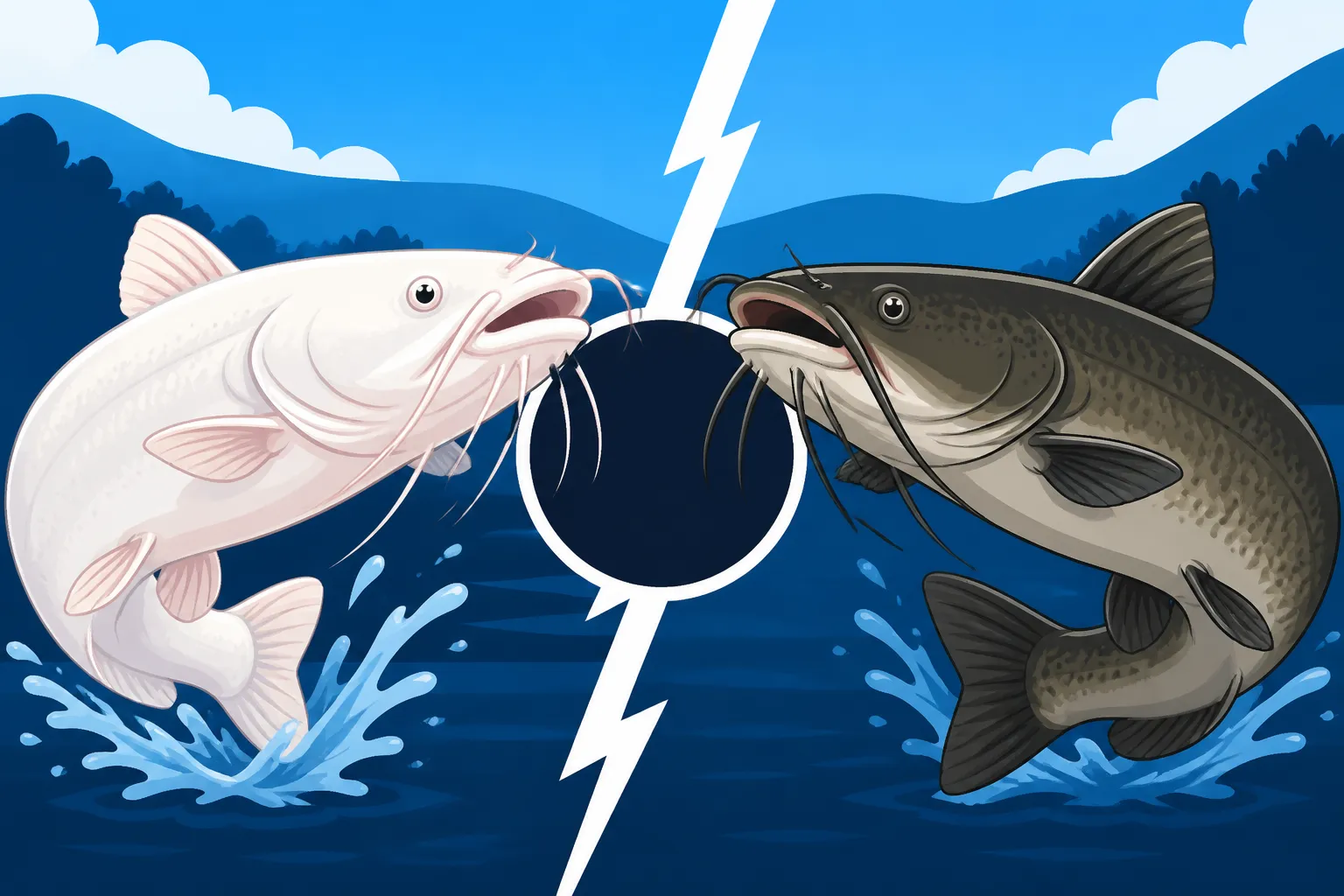
- Coloration: They tend to be olive or bluish-gray on top, fading to silvery-white on their sides and belly. They typically do not have spots, though juveniles might occasionally show very faint markings that can confuse new anglers.
- Anal Fin: Look closely at their anal fin (the fin on the underside near the tail). It's typically shorter and has fewer rays than a channel catfish's.
- Whiskers (Barbels): The barbels (whiskers) under their chin are often lighter in color, sometimes even white or yellowish, which contributes to their "white" namesake.
When you're out there fishing, a good pair of polarized sunglasses can make a world of difference for spotting these details if you're catching them in clearer water, and you can easily find various options on Amazon.
Where and How to Catch White Catfish
If you're specifically targeting white catfish in Kentucky, focus your efforts on areas with slower currents and plenty of cover. Think coves, oxbows, and shallower sections of lakes and larger ponds that have submerged vegetation, fallen trees, or brush piles. They're opportunistic feeders and will go for a wide variety of baits.
- Baits: Worms (nightcrawlers, redworms), small pieces of cut bait (shad, sunfish), chicken livers, and even dough balls or prepared stink baits can be effective. They tend to have smaller mouths than blue or flathead catfish, so keep your bait size reasonable. You'll find a good selection of various prepared baits and fishing tools on Amazon that are perfect for this.
- Techniques: Bottom fishing with a simple Carolina rig or a slip sinker rig is a common and effective method. You can also try fishing under a bobber in shallower, vegetated areas. They're not usually as aggressive as channel catfish, so a patient approach works best.
- Size: White catfish typically range from under a pound to a few pounds, with larger specimens reaching 5-8 pounds. They rarely exceed 10 pounds in Kentucky, which is considerably smaller than the average channel cat.
Channel Catfish: Kentucky's Angler Favorite
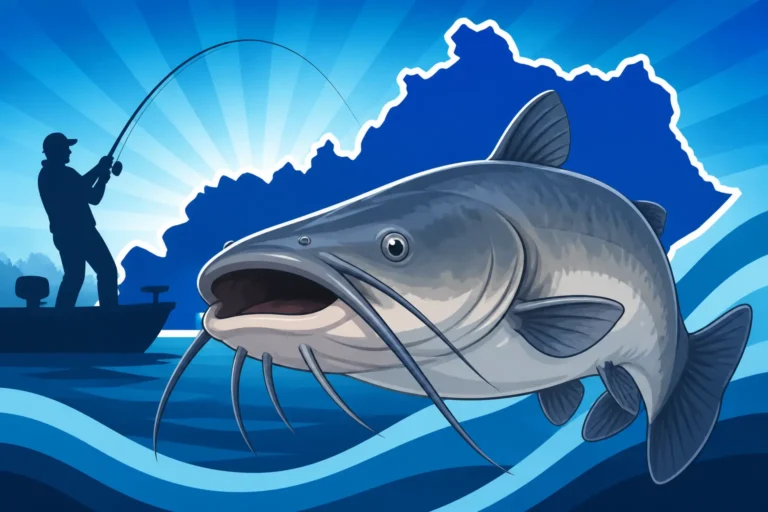
The channel catfish (Ictalurus punctatus) is, without a doubt, Kentucky's most popular and widely distributed catfish species. You'd be hard-pressed to find a public body of water in the state that doesn't hold a healthy population of channel cats. From the major rivers and sprawling reservoirs like Kentucky Lake and the Ohio River to farm ponds and creeks, they are truly ubiquitous. Their abundance, willingness to bite, and excellent table fare make them a consistent favorite among anglers of all skill levels.
Channel catfish are often more tolerant of varying water conditions than white catfish, thriving in everything from murky river channels to clearer lake environments, as long as there's a good food supply and some form of cover. They're highly adaptable, which is a big reason for their success across the state.
Identifying Features of the Channel Catfish
So, what are the clear signs you've got a channel cat on your line?
- Tail Shape: This is the most defining characteristic: a deeply forked tail, often described as V-shaped. The two lobes of the tail will be distinctly separated. This is generally the easiest way to differentiate it from a white catfish.
- Coloration: Their color can vary quite a bit depending on water clarity and diet, but they typically range from olive-green to bluish-gray on their back and sides, fading to white or silver on the belly.
- Spots: This is where things get tricky. While channel catfish are known for their distinct dark spots, especially on younger fish, these spots often fade or disappear entirely as the fish ages. A large, old channel cat might be completely spotless, making identification challenging, especially when comparing it to a white catfish.
- Anal Fin: The anal fin is long and curved, with a greater number of rays (usually 25-29) compared to a white catfish.
- Head Shape: Their head is typically narrower and more conical than a white catfish's, appearing more streamlined.
- Whiskers (Barbels): The barbels are usually dark, often matching the color of their back.
Remember, while spots are a classic channel cat feature, don't rely solely on them for identification, especially with larger fish!
Popular Methods for Catching Channel Catfish
Channel catfish are aggressive feeders and can be caught using a variety of baits and techniques throughout the year. They are a staple of Kentucky Catfish Fishing: Ohio River and Kentucky Lake Guide.
- Baits: They're not picky! Live bait like shad, minnows, or worms works wonders. Cut bait, chicken livers, shrimp, hot dogs, corn, and a wide array of prepared "stink baits" are also incredibly effective. For specific recommendations, check out Best Bait for Channel Catfish Fishing.
- Techniques:
- Bottom Fishing: A classic for a reason. Use a Carolina rig or a three-way swivel rig to present your bait on the bottom, where channel cats often feed.
- Drifting/Trolling: On larger bodies of water, drifting with current or slow-trolling with cut bait can cover more ground and find active fish.
- Jug Fishing/Trotlines: These passive methods are highly effective for catching multiple channel cats, especially on big lakes and rivers. Learn more about active methods like How to Jug Fish for Catfish Step by Step.
- Habitat: Look for them in deeper holes, channels, and around submerged structures like brush piles, rock formations, and bridge pilings. They often congregate near areas of current that deliver food. On the Ohio River, they’ll often be found in the main channel or larger tributaries.
- Size: Channel catfish typically range from 1-10 pounds, but trophy-sized fish exceeding 20-30 pounds are regularly caught in Kentucky, particularly in large reservoirs and the Ohio River. If you're wondering about the big boys, you might be interested in How Big Do Blue Catfish Get in Kentucky?, as they are often confused with large channel cats too.
Key Differences: White Catfish vs. Channel Catfish
Now that we've covered the individual traits of both species, let's put them side-by-side to highlight the crucial differences that will help you tell them apart when you're on the water. This comparison is vital, not just for identification, but also for understanding their unique ecological roles and how to fish for them most effectively.
Think about it: if you're targeting fish on the bottom of a fast-flowing river, and you're getting small bites, knowing whether it's more likely a white catfish or a channel catfish could inform your bait choice, hook size, or even where you decide to drop anchor next.
Visual Comparison Table
| Feature | White Catfish (Ameiurus catus) | Channel Catfish (Ictalurus punctatus) |
|---|---|---|
| Tail Shape | Moderately forked (U-shaped, less distinct lobes) | Deeply forked (V-shaped, distinct, pointed lobes) |
| Coloration | Olive/bluish-gray, silvery sides. Generally no spots. | Olive-green/bluish-gray. Young fish often have dark spots that fade with age. |
| Head Shape | Broad and somewhat flattened, often appears squatter | Narrower, more conical or streamlined |
| Anal Fin | Shorter, 19-22 rays (fewer) | Longer, 25-29 rays (more) |
| Barbels (Whiskers) | Often light-colored, sometimes white/yellowish | Typically dark, matching body coloration |
| Typical Size | Smaller (1-8 lbs, rarely over 10 lbs) | Larger (1-10 lbs common, often over 20 lbs) |
| Preferred Habitat | Slower currents, warm, vegetated waters, smaller ponds | Wide variety of habitats, including strong currents, deeper channels, large lakes |
When you're comparing fish, always look at multiple characteristics. Sometimes one feature might be ambiguous, but a combination of traits will provide a clear identification. Keep a small fishing guide or a phone with photos of both species on hand for quick reference while you're fishing. Many anglers keep a small, waterproof field guide in their tackle box, which you can easily grab on Amazon before your next trip.
Habitat Preferences and Angling Implications
The differences in their preferred habitats are significant. If you're fishing a small, muddy farm pond with lots of lily pads and fallen timber, you're much more likely to pull out white catfish than you would in the main channel of the Tennessee River. Conversely, if you're targeting big catfish in the deep holes of the Ohio River, you'll be primarily dealing with channel and blue catfish, with white catfish being a rare catch. Knowing this can help you pick the right spot and even the right bait.
For instance, when Night Fishing Techniques for Catfish are employed in slow-moving backwaters, you might find yourself with more white catfish on the line, whereas the same technique on a major river system could yield channel or blue cats. Pay attention to the water you're fishing – is it clear or turbid? Fast or slow-moving? Full of cover or open? These environmental clues often tell you a lot about what species are likely present. And always remember to consult Kentucky Fishing License Guide to ensure you're fishing legally, no matter the species!
Wrapping Up Your Catfish Knowledge
By now, you should feel a lot more confident about distinguishing between a white catfish and a channel catfish here in Kentucky. It truly comes down to those key visual cues, especially the tail shape and the number of anal fin rays. While the presence or absence of spots can be a good hint, it's not always definitive, so look at the whole picture.
Understanding these differences not only makes you a more knowledgeable angler but also helps you target specific species more effectively and respect the diverse regulations that apply to different fish. So, the next time you feel a tug on your line, take a moment to observe your catch closely. You'll be able to identify it correctly and perhaps even refine your techniques based on whether it's the widespread channel cat or its slightly smaller, unique cousin, the white catfish. Now go out there and enjoy the amazing catfish fishing Kentucky has to offer!
Disclaimer
This article is for general informational purposes only and does not constitute professional advice. Laws, prices and regulations vary by location and change over time. Consult a qualified professional for guidance on your specific situation.