Best Time of Year for Walleye Fishing in Kentucky
If you've spent any time chasing those elusive, golden-eyed walleye in Kentucky, you know they can be as challenging as they are rewarding. It often feels like you're playing a perpetual game of hide-and-seek, constantly wondering if you're even on the water at the right time. This guide is dedicated to pulling back the curtain on walleye behavior, helping you pinpoint the absolute best times of year to target these incredible game fish across Kentucky's diverse waters, giving you a much better chance of putting a few in the cooler.
Understanding Walleye Behavior Through the Seasons
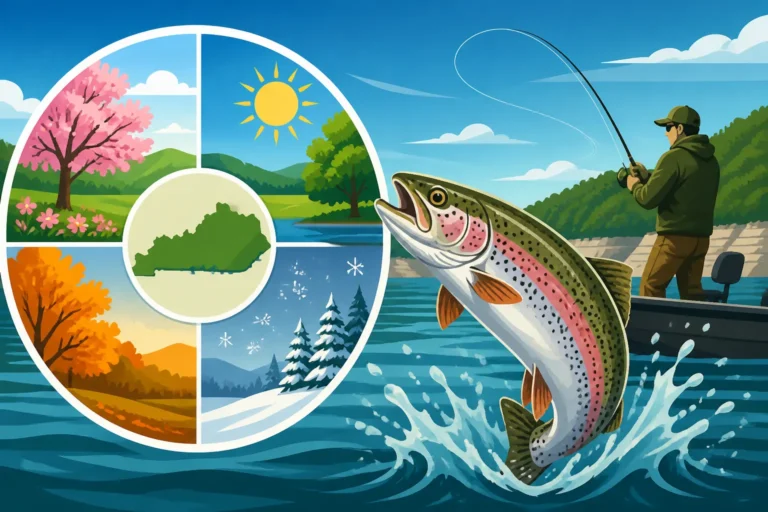
Walleye are incredibly sensitive to changes in water temperature, light, and food availability, which means their behavior shifts dramatically throughout the year. Knowing these patterns is your secret weapon, turning frustrating fishing trips into successful ones. Instead of just guessing, we can anticipate their movements and feeding moods, tailoring our approach to what the fish are most likely to be doing.
Spring: The Spawning Run and Post-Spawn Feast
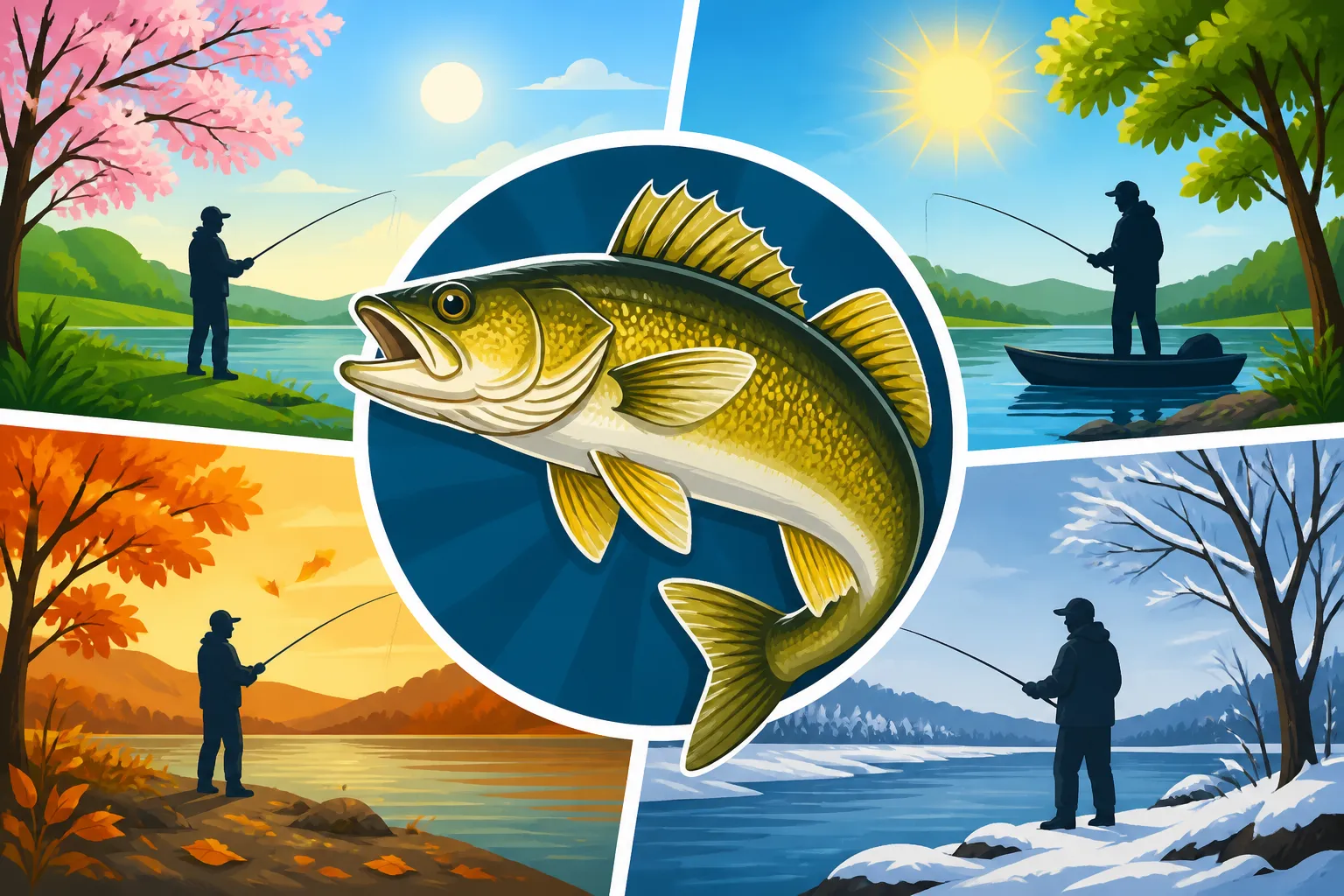
Spring is, without a doubt, a prime time for many walleye anglers in Kentucky, and it’s often touted as the best window. It all revolves around the spawn. As the frigid grip of winter loosens and water temperatures begin to climb, walleye get a singular focus: reproduction. This makes them predictable, which is a rare gift in fishing!
Initially, as soon as the ice melts (if you're far enough north to even see ice), walleye start moving from their deeper wintering holes toward shallower, rocky areas or river gravel bars where they’ll eventually spawn. This pre-spawn period is characterized by fish staging and becoming more aggressive as they prepare for the rigors of spawning. They're feeding up, looking for easy meals. Once water temperatures hit the low to mid-40s Fahrenheit, usually around late March or early April in Kentucky, the actual spawn kicks into high gear. They prefer hard-bottom areas like gravel, rock, or even riprap, often in current-swept areas of rivers or wind-blown points in lakes. After the spawn, typically in late April through May, the walleye are often exhausted but ravenous. This post-spawn phase sees them recuperating and feeding aggressively to regain energy. They'll often spread out into shallower feeding flats or suspend near structure close to their spawning grounds. This is a fantastic time for both numbers and quality fish, as they are less concentrated but still very active. Learning about this seasonal shift can make a huge difference, especially if you also target the closely related sauger, whose behavior is similar in some ways. For a broader overview, take a look at Kentucky Fishing Seasons: What to Catch Each Month.
Summer: Deep Water Retreat and Night Bites
As Kentucky's summer sun beats down and water temperatures soar into the 70s and 80s, walleye become a bit more challenging to locate consistently. They are cool-water fish by nature, and while they can tolerate warmer temperatures, they prefer to retreat to cooler, deeper water where they'll find a more comfortable thermal zone, often below the thermocline in stratified lakes. This means you'll typically find them congregated around deep main lake points, ledges, humps, and submerged timber. Fishing these deeper structures often requires different tactics than spring, such as slow-trolling deep-diving crankbaits or presenting jigs and live bait vertically.
However, summer also brings phenomenal night fishing opportunities. When the sun sets and the surface waters cool, walleye will often move shallower to feed under the cover of darkness. They use their superior low-light vision to ambush baitfish that have also migrated shallower. Casting shallow-running crankbaits, throwing jigs, or even using slip bobbers with live bait near lighted docks, shallow flats, or channel swing banks can be incredibly effective after sunset. This is also when some of the biggest walleye might be cruising for an easy meal. Many anglers find the peace and quiet of night fishing to be an added bonus, far from the daytime boat traffic. Just remember to have your fishing license and proper lighting on your boat if you're out past dusk.
Prime Locations and Their Seasonal Nuances
Kentucky might not be nationally renowned as a walleye mecca, but we have some truly excellent fisheries, particularly for the species and its close cousin, the saugeye. Understanding the distinct characteristics of these waters is key to success.
Lake Cumberland's Walleye Window
When you talk walleye in Kentucky, Lake Cumberland: Kentucky's Best All-Around Fishing Lake is usually the first place that comes to mind for many anglers. This massive, deep, and clear reservoir in south-central Kentucky holds a strong population of walleye, along with its hybrid cousin, the saugeye, which is a cross between a walleye and a sauger. Lake Cumberland's sheer size and depth mean walleye behavior here can be a bit different than in a shallower river system. In spring, as mentioned, they'll move towards rocky points and gravelly areas to spawn, often in the major creek arms or up the main lake. As summer progresses, they'll follow the cooler water to greater depths, often holding along the vast ledges and humps that define the lake's topography. Trolling with downriggers or lead core line is a popular and effective method here to present lures at specific depths where the fish are holding.
Fall brings a resurgence of activity as the water cools and the thermocline breaks up, allowing fish to roam more freely throughout the water column. They'll actively chase baitfish, and casting crankbaits or jigging spoons near bait schools can be highly productive. Winter can be tough, but dedicated anglers who understand how to fish deep, slow, and patiently can still find success by targeting major channel bends and deep holes with vertical jigging presentations. Lake Cumberland offers some fantastic opportunities, but it requires patience and often sophisticated electronics to locate the fish in its expansive waters. You might even find some excellent trout fishing on Lake Cumberland if walleye aren't biting, as it's also a renowned trout fishery.
Ohio River Walleye and Saugeye Opportunities
The Ohio River, particularly its tailwaters below dams, provides another excellent, albeit different, walleye and saugeye fishery. Unlike the clear, deep waters of Lake Cumberland, the Ohio River is a massive, often turbid, current-driven system. Walleye and saugeye thrive in these environments, often congregating in eddies, current seams, and deeper scour holes created by the river's flow, especially downstream from locks and dams. Spring brings a major push of fish upriver to spawn, making the tailwater sections incredibly productive. Vertical jigging with heavy jigs and soft plastics, or slowly dragging three-way rigs with live bait, are classic river techniques.
Throughout summer and fall, these fish will relate heavily to current breaks, submerged rock piles, and tributary mouths. Night fishing on the Ohio can be particularly good, especially around bridge pilings and lighted areas where baitfish gather. You'll often hear anglers talking about saugeye when discussing the Ohio River, as these hybrids are frequently stocked and grow large in the river system. They behave very similarly to walleye and are often caught using the same techniques. If you're looking for more general river fishing advice, you might find some crossover tips in Best Catfish Fishing Spots on Kentucky's Ohio River, as many of the principles of current and structure apply. Also, don't miss out on Walleye, Sauger and Saugeye Fishing in Kentucky for a deeper dive into these species.
Essential Gear and Techniques for Walleye Success
Catching walleye, especially trophy-sized ones, often comes down to matching your gear and technique to the specific conditions and the fish's mood. While they can be finicky, having the right tools for the job can dramatically improve your odds.
Seasonal Lure and Bait Choices
The best lure or bait for walleye varies significantly by season and location. In spring, especially during the spawn and post-spawn, jigs tipped with minnows, soft plastic grubs, or paddle tails are incredibly effective. Small to medium-sized crankbaits, particularly those that dive to the depth where fish are staging, also shine. Look for colors that mimic natural baitfish or bright, contrasting patterns in stained water. As summer rolls around and walleye move deeper, larger deep-diving crankbaits that can be trolled at speed become productive. Spoons, presented vertically over deep structure, can also entice bites. For the nocturnal summer bite, stick with shallow-running crankbaits or topwater plugs if fish are extremely active, or live bait under a slip bobber.
Fall is a transition period, and a wide array of lures can work. Jerkbaits, crankbaits, spinnerbaits, and blade baits can all be effective as walleye aggressively feed before winter. Live bait, such as shiners, large minnows, or even nightcrawlers, remains a consistent producer year-round, often presented on a slip bobber, a Lindy Rig, or a simple bottom rig. Finding a good assortment of these lures and baits is key, and many anglers find great deals and variety on sites like Amazon. Don't forget to explore Best Lures for Sauger Fishing Below Dams, as many of those techniques and lures will cross over for walleye as well.
Rods, Reels, and Lines for Walleye Anglers
Walleye fishing demands a balance of sensitivity, strength, and finesse. You need to feel those subtle bites, especially when fish are lethargic, but also have enough backbone to handle a strong walleye in current or pull them from deep water. For jigging and casting applications, a sensitive, medium-light to medium-power spinning rod, typically 6'6" to 7'6" in length, is ideal. The fast action tip allows you to feel delicate bites, while the rod's power provides the leverage needed. Pair this with a lightweight spinning reel in the 2000-3000 size range, spooled with 6-10 pound test braided line. The no-stretch nature of braid enhances sensitivity and hook sets, and a fluorocarbon leader of similar pound test is crucial for invisibility and abrasion resistance.
For trolling, especially with heavier baits or in deep water, a medium to medium-heavy power casting rod, often 7 to 8 feet long with a moderate to fast action, is preferred. These rods are built to handle the constant drag of trolling and absorb the shock of a strike. A baitcasting reel with a line counter is a huge asset for trolling, allowing you to consistently reproduce successful lure depths. Again, braided line, perhaps a bit heavier (15-20lb), is a good choice for trolling due to its lack of stretch and thin diameter, though monofilament is still popular for its shock absorption. Remember, investing in quality gear isn't just about catching more fish; it's about making the experience more enjoyable and reliable. You can find a vast selection of options to fit any budget, from reputable brands, often with detailed reviews from other anglers, especially through retailers like Amazon. For more general advice on what gear to pick up, check out Best Rods and Reels for Kentucky Fishing.
Beyond the Peak: Finding Walleye Year-Round
While spring is often considered the peak, and summer nights offer excellent opportunities, dedicated anglers know that with the right approach, you can find walleye throughout the year in Kentucky. Their behavior simply adapts to the changing conditions.
Fall: Transition and Feeding Frenzies
As autumn arrives and water temperatures steadily drop from their summer highs, walleye become incredibly active. This is a period of transition where the fish begin to put on weight for the upcoming winter. They'll often move out of their deep summer haunts and scatter more across the lake, following schools of baitfish that are also on the move. Look for them on main lake points, secondary points, humps, and even shallower flats adjacent to deep water. They can be very aggressive, making fall one of the most exciting times to fish.
Crankbaits, jerkbaits, and spinner rigs tipped with nightcrawlers or minnows are all excellent choices. Trolling these baits at various depths and speeds is a fantastic way to cover water and locate active fish. Don't be afraid to experiment with different presentations until you find what triggers a bite. The cooler water also means they might stay active for longer periods throughout the day, not just at dawn and dusk. This season offers a more relaxed pace of fishing compared to the intensity of the spring spawn, but with equally rewarding results.
Winter: Challenging but Rewarding
Winter walleye fishing in Kentucky might not involve ice fishing for most of the state, but it still presents a unique challenge and reward for open-water anglers. Once water temperatures drop into the 30s and low 40s, walleye become much less active, but they still need to feed. They'll typically retreat to their deepest wintering holes, often congregating in channel bends, deep scour holes in rivers, or the deepest sections of large reservoirs like Lake Cumberland.
The key to winter success is a slow, methodical approach. Vertical jigging with small, heavy jigs tipped with live minnows or a piece of plastic is often the most effective technique. Keep your presentation subtle and your movements minimal, as cold-water fish are less likely to chase aggressively. Electronics become even more critical in winter to pinpoint these deep aggregations of fish. While you might not catch as many fish as in spring, the ones you do catch are often larger, well-conditioned walleye. For some related cold-water strategies, check out How to Fish for Sauger in Cold Water, as the behavior of sauger in winter is very similar to walleye. It's a true test of patience and skill, but landing a winter walleye is a badge of honor for many Kentucky anglers.
| Season | General Best Time | Key Techniques | Typical Lure/Bait Types | Walleye Depth Tendency |
|---|---|---|---|---|
| Spring | Late March – Early May | Jigging, Casting, Slow Trolling | Jigs (tipped w/minnows/plastics), Crankbaits | Shallow (pre/spawn) |
| Summer | Early Summer, Night Fishing | Deep Trolling, Vertical Jigging, Night Casting | Deep Crankbaits, Spoons, Live Bait (night) | Deep (day), Shallow (night) |
| Fall | September – November | Trolling, Casting, Jigging | Crankbaits, Jerkbaits, Spinner Rigs, Live Bait | Mid-to-Deep |
| Winter | December – February | Slow Vertical Jigging | Small Jigs (tipped w/minnows), Blade Baits | Deep |
So, there you have it – a comprehensive look at how walleye move and feed throughout the year in Kentucky. While spring certainly offers that iconic spawning run and post-spawn feeding frenzy, don't discount the summer night bite, the aggressive feeding of fall, or the challenge of a winter trophy. Understanding these seasonal shifts and adapting your strategies accordingly will put you in a much better position to intercept these fantastic game fish, no matter when you hit the water. Always remember to check current regulations for specific lakes or river sections, as limits and sizes can vary. Now get out there and chase those golden ghosts!
Disclaimer
This article is for general informational purposes only and does not constitute professional advice. Laws, prices and regulations vary by location and change over time. Consult a qualified professional for guidance on your specific situation.