Walleye, Sauger and Saugeye Fishing in Kentucky
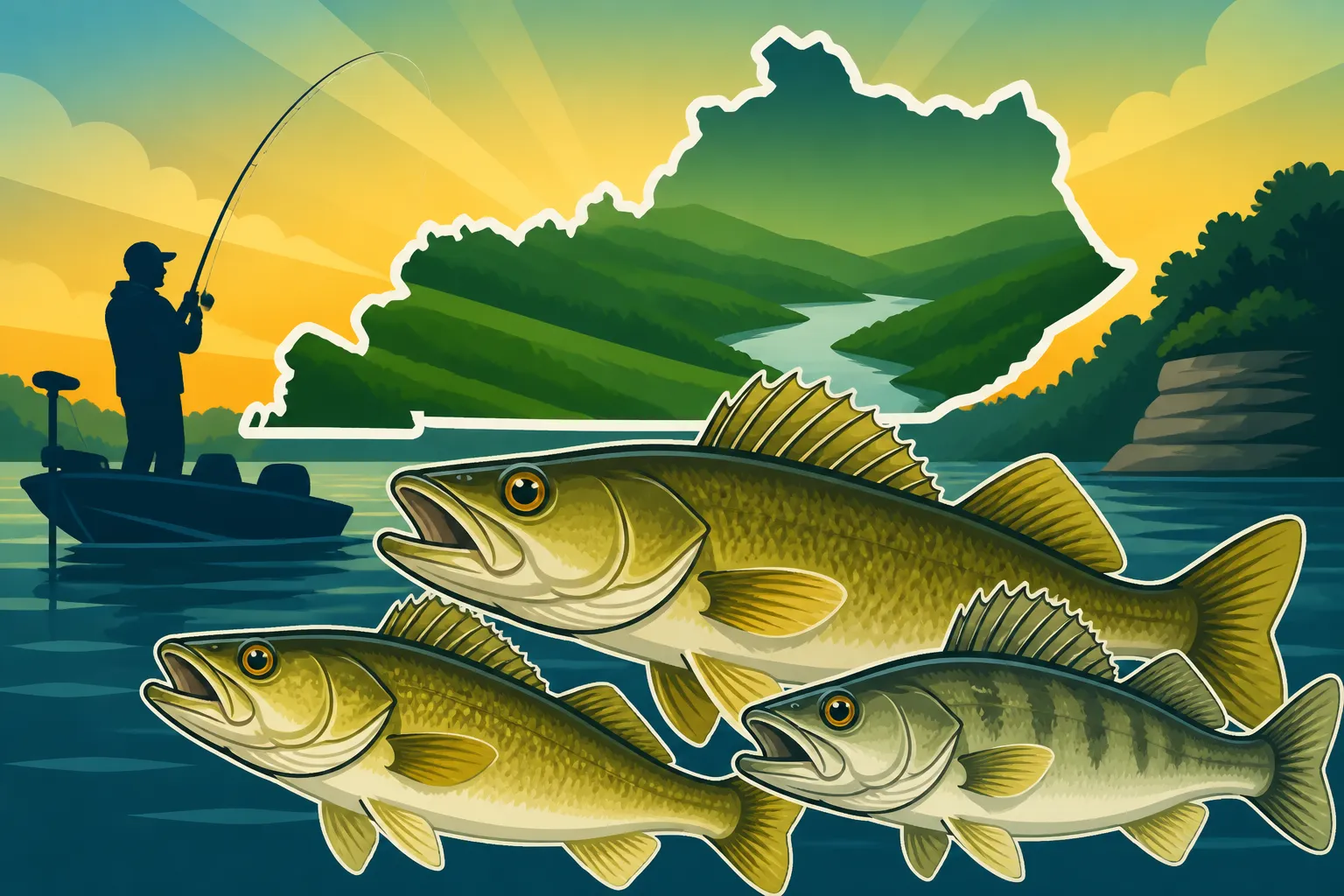
Few things are more frustrating in Kentucky fishing than seeing a picture of a magnificent walleye or sauger, heading out to your favorite spot, and then coming home empty-handed because you didn't quite understand where they like to hide or what they're biting on. It's a real head-scratcher when you know these toothy critters are out there, but they feel like ghosts. This comprehensive guide will peel back the layers of mystery surrounding walleye, sauger, and their hybrid cousin, saugeye, in Kentucky waters, helping you crack the code to finding and catching these prized game fish.
Understanding the Trio: Walleye, Sauger, and Saugeye Identification
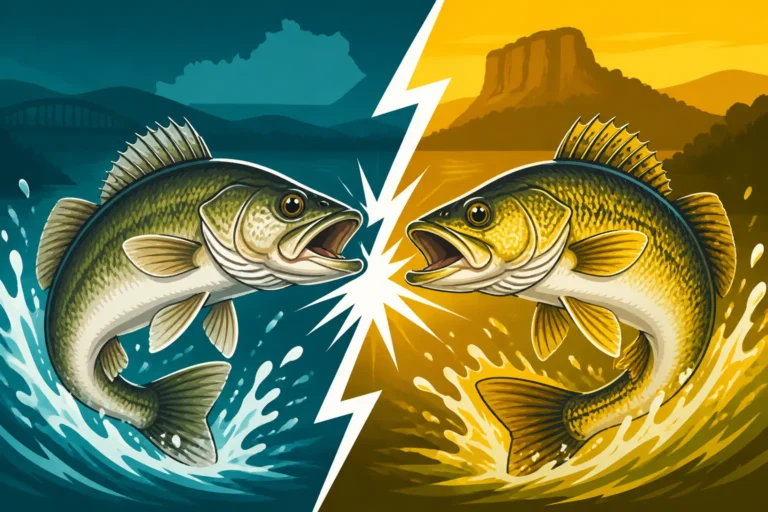
Let's face it, sometimes it feels like you need a biology degree just to tell these fish apart! Many anglers, myself included, have spent a moment or two scratching their heads, wondering if that fish in the livewell is a sauger or a small walleye. But understanding the key differences isn't just for bragging rights; it's crucial for understanding their habitat preferences, feeding behaviors, and even navigating specific regulations that might vary by species. Getting to know their distinctive features will make you a more informed and successful angler, and ensure you're always on the right side of the law.
Walleye: The Golden Ghost of Kentucky's Deep Waters
The walleye is often considered the trophy of this trio, known for its delectable white flesh and challenging fight. These fish are true sight feeders, hence their large, reflective eyes, which are perfectly adapted for low-light conditions. You'll typically find them in the deeper, clearer sections of large lakes, especially around structure like submerged humps, rock piles, or deep ledges, where they can ambush prey. They're often associated with cooler water temperatures, which is why they can be a bit more elusive in some of Kentucky's warmer reservoirs.
Visually, a key identifier for a walleye is its dorsal fin. Unlike its spotted relatives, the walleye's first dorsal fin usually has no spots or very faint ones. More importantly, check the lower lobe of its caudal (tail) fin; you'll almost always find a distinct white tip there. Their bodies tend to be more elongated and golden-olive in color, often with faint vertical bars. Catching a true Kentucky walleye, especially a bigger one, is a moment to savor, a testament to patience and persistence in some of our most challenging waters.
These fish are highly prized and can be tricky to consistently locate. Many anglers spend years trying to master the walleye bite, especially in a state like Kentucky where they might not be as widespread as other species. They prefer cooler, oxygen-rich waters and tend to be nocturnal or crepuscular feeders, meaning dawn, dusk, and night are often your best bets. Their preference for deep, clear water means you'll often be using electronics to find them, relying on subtle changes in bottom contours and baitfish schools.
Sauger: The Spotted River Dweller
Sauger, on the other hand, are much more at home in the turbulent, often murkier waters of Kentucky's rivers and large reservoirs, particularly where there's current. They thrive in places like the Ohio River, where they can be found congregating below dams, in deeper scour holes, or along current breaks. While they share a similar torpedo-like body shape with walleye, sauger tend to be a bit smaller on average, making them a common and exciting catch for many river anglers.
The easiest way to identify a sauger is by its heavily spotted first dorsal fin. Seriously, if you see distinct dark spots all over that first fin, you've got a sauger. Another clue: sauger usually lack the prominent white tip on the lower caudal fin that walleye have. Their coloration is typically more brownish or brassy, with darker blotches or saddles along their sides, which helps them camouflage in the stained waters they prefer. If you're fishing a river with good current, chances are high that any "walleye-like" fish you catch will be a sauger.
Sauger are fantastic sportfish, especially during their spring and fall runs. They're known for their aggressive strikes, particularly when you're jigging in a current seam. Many anglers specifically target sauger in the colder months, as they become quite active. They're also often found in greater numbers than walleye in many of Kentucky's larger rivers, making them a more accessible and frequent target. They can tolerate more turbid water than walleye, which means you don't always need crystal clear conditions for a good sauger bite.
Saugeye: A Hybrid Angler's Delight
Now, the saugeye is where things get really interesting – and sometimes confusing! This fish is a hybrid, a cross between a female walleye and a male sauger, and it often exhibits characteristics of both parents. Kentucky has a successful Kentucky's Saugeye Stocking Program Explained in several lakes, providing anglers with a unique and fast-growing game fish that combines the best traits of its predecessors. They're often stocked in waters that might not be ideal for pure walleye but can still support a thriving population of these hard-fighting hybrids.
Identifying a saugeye can be a bit like solving a riddle. You'll often see distinct spots on the dorsal fin, much like a sauger, but they might also have a hint of that white tip on the lower caudal fin, characteristic of a walleye. Sometimes, the spots on the dorsal fin will appear as distinct bars or streaks rather than uniform spots. Their body shape is usually intermediate between the two, and their coloration can vary, often a mottled golden-brown with dark blotches. When you're unsure, look for that combination of dorsal fin spotting and a potential white tail tip. If you're fishing a lake known for saugeye, that's a pretty strong indicator as well. You can learn more about differentiating these fish by checking out Walleye Vs Sauger Vs Saugeye: How to Tell Them Apart.
Saugeye are generally hardier than pure walleye, tolerating a wider range of water clarity and temperature. This makes them a great option for lakes that might not sustain a strong walleye population naturally. They grow quickly and are known for their aggressive strikes and strong fighting ability. For many anglers, saugeye offer a fantastic opportunity to catch a fish with the eating quality of a walleye and the fighting spirit of a sauger, all while being a bit more predictable in their behavior. They're an excellent target if you're looking for a challenging but rewarding fishing experience in Kentucky.
Here’s a quick reference table to help keep these three distinct species straight in your mind:
| Feature | Walleye | Sauger | Saugeye |
|---|---|---|---|
| Dorsal Fin | Mostly clear or faintly mottled | Distinct dark spots | Spotted, sometimes appearing as bars/streaks |
| Caudal Fin | White tip on lower lobe (most common) | No white tip | Often a white tip, but can be faint |
| Typical Habitat | Deep, clear, large lakes | Turbid rivers, impoundments with current | Stocked lakes, tolerant of varying clarity |
| Body Coloration | Golden-olive, faint vertical bars | Brownish/brassy, dark blotches/saddles | Mottled golden-brown, dark blotches |
| Average Size | Largest of the three | Smallest of the three | Intermediate to large |
Where to Find Them: Top Kentucky Waters for Walleye, Sauger, and Saugeye
Knowing how to identify these fish is one thing, but knowing where to find them is the real treasure map for anglers. Kentucky offers a diverse range of aquatic habitats, and while some are renowned for producing trophy-class specimens, others might surprise you with consistent action. It's often a case of matching the fish's natural preferences to the environment, and understanding which waters are regularly stocked or naturally support healthy populations of walleye, sauger, and saugeye.
Lake Cumberland: Walleye Wonderland
When serious walleye anglers talk about Kentucky, Lake Cumberland almost always comes up first. This massive reservoir, with its deep, clear waters and abundant forage, provides an ideal habitat for walleye to thrive and grow to impressive sizes. It's not uncommon to hear tales of anglers pulling out walleye in the 5-10 pound range, with true trophies exceeding that mark. The lake's vastness can be intimidating, but focusing on key features like submerged points, deep creek channels, and bluff walls can significantly increase your chances.
During the cooler months, walleye in Lake Cumberland often hold to deeper breaks and structure, frequently congregating around the thermocline during warmer periods. They can be found in the main lake basin, but don't overlook the upstream sections of the rivers feeding into the lake, especially during their spawning runs. Trolling deep-diving crankbaits or presenting live bait rigs are popular and effective methods here. The challenge is immense, but the reward of a big Lake Cumberland walleye makes it all worthwhile. If you're serious about targeting them, you'll want to explore Where to Catch Walleye in Kentucky for more specific insights on this lake.
Anglers often utilize modern fish finders and GPS to pinpoint subtle changes in depth and contour, which can be prime walleye holding areas. The sheer size of Lake Cumberland means you could spend a lifetime exploring its depths, but persistent effort and a willingness to adapt to changing conditions are key. Night fishing can also be incredibly productive here, especially for larger walleye that move shallower under the cover of darkness to feed.
Ohio River: Sauger Central
For sauger enthusiasts, the Ohio River is undoubtedly the undisputed king in Kentucky. This mighty waterway, flowing along the state's northern border, offers miles of excellent sauger habitat, especially in the tailwaters below its numerous dams. The constant current, abundant baitfish, and varied bottom structure create a perfect environment for sauger to feed and congregate. Anglers flock to spots like the Louisville pools, Markland Dam, and other major dams during peak season, knowing that a hot sauger bite can provide non-stop action.
The key to sauger fishing on the Ohio River is understanding current and structure. Sauger love to hold in eddies, current seams, and behind obstructions like wing dams or rock piles, waiting to ambush baitfish being swept downstream. Vertical jigging with heavy jigs and soft plastics or blade baits is a classic and highly effective technique here. As you move downstream from major dams, look for deeper channels, tributary mouths, and any significant changes in the river bottom. Lake Barkley Sauger Fishing in Kentucky offers further insights into riverine sauger behavior, which can be applied to other current-rich environments like the Ohio.
Fishing the Ohio River for sauger can be incredibly productive, but it also demands attention to safety due to barge traffic and strong currents. Anglers often employ robust boat anchoring systems to hold their position in the current. Many successful days are had by simply drifting downstream with the current, vertical jigging as you go, covering different depths and structures until you find the fish. The consistent action and good eating quality of Ohio River sauger make them a favorite target for many Kentucky anglers throughout the colder months.
Other Notable Waters for Saugeye and Occasional Catches
While Lake Cumberland and the Ohio River stand out, Kentucky has several other fantastic waters that offer opportunities for walleye, sauger, and especially saugeye. Many of Kentucky's smaller to mid-sized lakes, particularly those with good forage bases and a history of stocking, can hold thriving saugeye populations. These hybrids are often more adaptable, making them a good fit for a wider variety of environments.
Lakes like Taylorsville Lake, Cave Run Lake, and Barren River Lake are often mentioned for their saugeye programs. These lakes provide a more diverse fishing experience, where you might target bass or crappie, and then suddenly hook into a hard-fighting saugeye. Fishing these waters often involves a mix of tactics, from trolling crankbaits along main lake channels to jigging around submerged timber or humps. Always check the Kentucky Department of Fish and Wildlife Resources (KDFWR) stocking reports and specific lake regulations for the most up-to-date information on where saugeye are most prevalent.
Beyond the major hotspots, you might encounter an occasional walleye in some of Kentucky's other large reservoirs, especially those with cooler, deeper sections. Sauger can also be found in the lower reaches of major river tributaries, particularly where they merge with the Ohio River or other large systems. It's a testament to Kentucky's diverse fishing opportunities that these exciting game fish are present in so many different corners of the state, rewarding anglers who are willing to explore and adapt their techniques.
Prime Times to Target Walleye, Sauger, and Saugeye in Kentucky
Understanding when to fish for walleye, sauger, and saugeye is just as critical as knowing where to find them. These species are creatures of habit, heavily influenced by seasonal changes, daily light levels, and even subtle shifts in weather and water conditions. Getting this timing right can be the difference between a slow day on the water and one where your arms are tired from reeling in fish. It's about recognizing the patterns and adapting your approach to maximize your chances.
Seasonal Patterns: Spring Spawn to Winter Depths
Each species has its peak activity periods throughout the year. For walleye, the spring spawn is a major event. As water temperatures climb into the low 40s to low 50s Fahrenheit, walleye move from deeper wintering holes into shallower, rocky areas of lakes or into tributary rivers to reproduce. This can lead to incredible fishing, especially at night or during low light conditions, as fish are concentrated and actively feeding. After the spawn, they'll retreat to deeper main lake structures, often suspending over baitfish schools in summer before moving shallower again in the fall as water temperatures drop. The fall bite can be particularly strong as they feed aggressively to prepare for winter. You can learn more about specific timing by checking out Best Time of Year for Walleye Fishing in Kentucky.
Sauger also have strong seasonal movements, particularly in river systems. Their most famous period is often the late fall through early spring, when large numbers migrate upstream to spawn below dams or in shallow gravel beds. During these colder months, they concentrate in deep holes and current breaks, making them highly accessible to anglers vertical jigging. As spring progresses, they disperse throughout the river system. Summer sauger can still be caught, often by targeting deeper current breaks or cooler water pockets, but the numbers might not be as high as in colder seasons.
Saugeye, being a hybrid, often combines the seasonal patterns of both parents, with a bit more flexibility. They can be found actively feeding during the spring spawn in tributary rivers or rocky lake areas, similar to walleye. They also tend to remain active into the colder months, much like sauger, making them a fantastic winter target in stocked lakes. Summer saugeye can be found suspended over deep structure or feeding on schools of baitfish in open water. Their robust nature means they can provide good action throughout the year, making them a consistent target for many anglers.
Daily Rhythms: Dawn, Dusk, and Night Bites
Walleye, sauger, and saugeye are all primarily low-light feeders, a characteristic largely due to their large, light-sensitive eyes. This means that dawn, dusk, and even complete darkness are often the most productive times to target them. During these periods, they'll move shallower and become more aggressive as they gain a visual advantage over their prey.
For walleye, especially in clear lakes like Lake Cumberland, night fishing can be incredibly effective. They'll venture onto shallow flats, points, and humps that they wouldn't dare approach during bright daylight. Trolling shallow-running crankbaits or casting stickbaits in the dark can be a thrilling experience. During the day, they'll be much deeper, requiring precise presentations directly on their holding areas.
Sauger in rivers also show a strong preference for low light. While they can be caught throughout the day in murky river systems, the early morning, late evening, and overcast days often produce the best bites. Night fishing for sauger is also a popular and productive method, especially below dams where they're actively feeding on displaced baitfish. Their preference for current means they're always looking for an easy meal, and low light provides that extra advantage.
Saugeye are no different. In stocked lakes, they will also actively feed during dawn and dusk. Night fishing for saugeye is a growing trend, as these fish often respond well to glow jigs and slow-moving presentations after dark. Even during the day, choosing overcast conditions or targeting deeper water can help improve your catch rates. Don't underestimate the power of fishing during those magical hours when the sun is just coming up or going down.
Weather and Water Conditions
Beyond the time of day and season, weather and water conditions play a huge role in the success of your walleye, sauger, and saugeye fishing trips. These fish are sensitive to changes in pressure, temperature, and water clarity, and understanding how these factors influence their behavior can give you a significant edge.
For walleye, stable weather patterns and slightly cloudy conditions are often ideal. Bright, sunny days can push them deep and make them lethargic, requiring even more precise presentations. A gentle chop on the water, often called a "walleye chop," can actually improve fishing by breaking up light penetration and making the fish feel more secure in shallower water. Sudden cold fronts can shut down the bite, while warming trends can spur activity.
Sauger tend to be more tolerant of variable conditions, especially in turbid river environments. They can be quite active during and after periods of rain, as rising water levels and increased current can dislodge baitfish and create new feeding opportunities. However, extremely muddy water or rapidly changing water levels can temporarily disrupt their patterns. Consistent current and moderate water temperatures are generally good for sauger.
Saugeye, with their hybrid vigor, also show good resilience. They can handle a range of water clarities and temperatures better than pure walleye. Overcast days or periods of light rain can often trigger strong bites. Similar to walleye, extreme weather shifts or very bright, calm conditions might make them a bit pickier, but they generally offer a more forgiving fishing experience when it comes to weather. Always remember to check recent weather patterns and water temperatures before heading out, as these will heavily influence where the fish are and what they're willing to bite.
Essential Gear and Tackle for Success
Stepping onto the boat or the bank without the right gear for walleye, sauger, and saugeye is like trying to bake a cake without flour – you're just not going to have much success! These species, while similar, often require specific rod and reel setups, particular lures, and sometimes even specialized electronics to consistently put them in the net. The good news is, with a few key pieces of equipment, you can be well-equipped to tackle any of them, and much of it can be found conveniently.
Rods, Reels, and Lines for Each Species
When it comes to rods and reels, versatility is key, but some fine-tuning can make a big difference. For walleye in deep, clear lakes, you'll generally want a sensitive medium-light to medium power spinning rod, around 6'6" to 7' long, with a fast action tip. This allows for detecting subtle bites in deep water and making precise presentations. Pair this with a smooth spinning reel in the 2500-3000 size range, spooled with 6-10 pound test braided line and a fluorocarbon leader. The braid offers incredible sensitivity and hook-setting power, while the fluorocarbon leader provides invisibility in clear water.
For sauger in rivers, a slightly heavier setup might be preferred, especially if you're vertical jigging in strong current or dealing with snags. A medium power, fast action spinning or baitcasting rod (6' to 6'6") is a solid choice. Baitcasting gear can offer more control for dropping heavy jigs vertically. Use 8-12 pound test braided line with a fluorocarbon leader of similar strength. The braid helps you feel those quick "thunks" in the current, and the fluorocarbon still offers that crucial stealth. You can explore a broader range of options for your general fishing needs by checking out Best Rods and Reels for Kentucky Fishing.
Saugeye fishing often falls somewhere in between, and a good all-around medium power, fast action spinning rod of about 6'6" to 7' is a great starting point. The same braided line and fluorocarbon leader setup works perfectly here. The sensitivity allows you to feel the bite, and the backbone provides the power to handle a spirited fight from these fast-growing hybrids. When selecting your gear, prioritize sensitivity, as these fish often have very subtle bites.
Lures and Baits: Matching the Hatch
This is where the fun begins! Walleye, sauger, and saugeye can be incredibly picky, but they also respond enthusiastically to certain presentations.
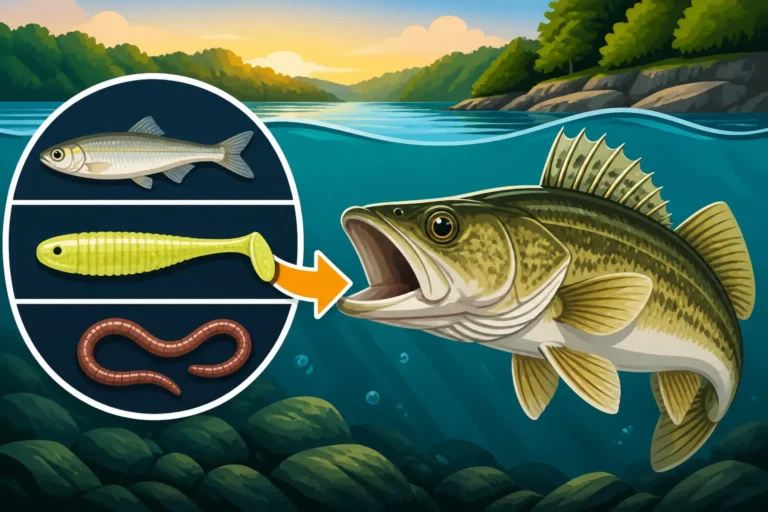
For walleye, deep-diving crankbaits are a staple, especially when trolling. Look for models that can reach depths of 15-30 feet or more. Blade baits, jigging spoons, and hair jigs are also highly effective, particularly when vertical jigging over deep structure. Live bait, especially minnows or nightcrawlers on a bottom bouncer or slip bobber rig, can be absolutely deadly. Colors often depend on water clarity, but natural patterns, chrome, and brighter colors like chartreuse or orange can all be productive.
Sauger absolutely love jigs. Vertical jigging with a 1/4 to 3/4 ounce jig head (depending on current and depth), tipped with a soft plastic grub, curly tail, or a minnow, is a classic sauger killer. Blade baits are also excellent, especially in current. Don't be afraid to experiment with jig colors; chartreuse, orange, and white are perennial favorites. Small crankbaits that mimic shad or minnows can also entice sauger, especially when trolled or cast around current breaks. For more specific advice, take a look at Best Bait for Sauger on Lake Barkley. You can find a wide array of these effective jigs and plastics on Amazon, making it easy to stock your tackle box.
Saugeye are often receptive to a combination of walleye and sauger tactics. Trolling crankbaits, casting jigs with soft plastics, or using live bait rigs are all excellent options. Because they're often stocked in lakes with varied forage, being open to different presentations is key. Spinnerbaits, swimbaits, and even some bass lures can occasionally entice a saugeye. Just like their parents, minnows and nightcrawlers are highly effective as live bait. Having a good variety of baits and lures, easily sourced from retailers like Amazon, will prepare you for any situation.
Electronics and Boat Setup
While not strictly "tackle," good electronics can be the angler's best friend when pursuing these elusive fish, especially walleye and saugeye in larger lakes. A quality fish finder with GPS and mapping capabilities is almost a necessity for identifying submerged structure, tracking contour lines, and locating baitfish schools. Side imaging and down imaging technologies can reveal hidden humps, rock piles, and even individual fish that traditional sonar might miss.
For walleye and saugeye on large lakes, a properly equipped boat setup often includes a powerful trolling motor (sometimes with GPS Spot-Lock features) for precise boat control, a large livewell for keeping your catch fresh, and rod holders for trolling multiple lines. Many serious anglers also invest in temperature gauges to find those ideal water temperatures.
For sauger in rivers, a good anchor system is crucial for holding your position in strong currents. A quality depth finder is still important for locating those deeper holes and current breaks. While side imaging is less critical in murky river water, a reliable 2D sonar will help you see fish holding close to the bottom. Safety gear, including a solid throwable device and life jackets for everyone, is paramount when fishing powerful river systems. Always prioritize safety on the water, no matter what species you're targeting. For those looking to upgrade their boat electronics, Amazon has a vast selection with customer reviews to help guide your choice.
Effective Techniques for Landing These Elusive Fish
You've got the gear, you know where they live, and you understand their seasonal and daily habits. Now comes the moment of truth: putting those pieces together with the right fishing techniques to actually get a bite and land that fish. Walleye, sauger, and saugeye can be finicky, but mastering a few key presentations will dramatically increase your success rate.
Jigging Strategies for Deep and Shallow Water
Jigging is perhaps the most versatile and effective technique for all three species, especially sauger and saugeye. The core idea is to present a jig (a weighted head with a hook, often dressed with soft plastic or hair) vertically or with short casts, mimicking a wounded baitfish.
For deepwater jigging, which is common for walleye and sauger in rivers or deep lake basins, the key is maintaining constant bottom contact. Use a heavier jig (1/2 to 1 ounce or more, depending on depth and current) and let it fall to the bottom. Then, use short, sharp lifts of your rod tip (6-12 inches), letting the jig fall back on a semi-slack line. Most bites occur on the fall, so watching your line for subtle "ticks" or a sudden pause in its descent is crucial. This is where sensitive braided line with a fluorocarbon leader really shines. How to Jig for Sauger in Deep Water provides excellent detail on this specific application. This technique works wonders when fish are concentrated on specific humps, ledges, or below dams.
Shallow water jigging is more often employed during the spring spawn or low-light periods when fish move up to feed. Here, lighter jigs (1/8 to 1/4 ounce) are usually more appropriate. You can cast them out and retrieve them with a slow, rhythmic lift-and-drop motion, or use a slip bobber rig to suspend the jig at a specific depth over submerged cover. In rivers, casting jigs to current breaks and slowly swimming them back can be incredibly effective for sauger. The goal is a subtle, natural presentation that doesn't spook the fish in shallower, sometimes clearer, water.
Trolling Tactics for Covering Water
Trolling is an incredibly effective way to cover large expanses of water and locate scattered fish, particularly when targeting walleye and saugeye in big lakes. It allows you to present multiple baits at different depths and speeds simultaneously, increasing your chances of finding what the fish want.
When trolling for walleye, deep-diving crankbaits are a go-to. Use planer boards to spread your lines out and cover a wider path, or lead core line to get your baits down to specific depths without heavy weights. Speed is critical; typically, a slow troll of 1.0 to 2.5 miles per hour is effective, but always experiment to see what triggers bites on a given day. Focus your trolling passes along contour lines, over submerged humps, or through creek channels where walleye are likely to be staging. The vibrations and flash of the crankbaits can draw fish in from a distance, making them attack.
Saugeye also respond very well to trolling. In stocked lakes, they can often be found suspended in open water, feeding on baitfish. Trolling medium to deep-diving crankbaits, sometimes tipped with a piece of nightcrawler for added scent, can be deadly. Experiment with colors and sizes, matching your lure to the primary forage in the lake. Trolling speed for saugeye is similar to walleye, emphasizing a slow, methodical approach. This technique is fantastic for finding active fish when they aren't concentrated in a specific area.
For sauger, trolling can be effective in broader river sections or larger lake-like impoundments where they are more dispersed. Smaller crankbaits, or even jigs trolled slowly upstream or downstream, can entice a bite. The key with trolling any of these species is patience and persistence, constantly adjusting your depth, speed, and lure choice until you hit on a winning combination.
Live Bait Presentations and Still Fishing
Sometimes, the most natural presentation is simply the best. Live bait can often tempt fish that are hesitant to strike artificial lures, and it's a fundamental technique for walleye, sauger, and saugeye.
For walleye, the classic live bait setup involves a minnow or nightcrawler presented on a bottom bouncer rig, a slip bobber, or a simple jig head. Bottom bouncers are excellent for slowly dragging bait along the bottom, keeping it just above snags. Slip bobbers allow you to precisely suspend a minnow or a piece of nightcrawler at a specific depth, which is great when fish are suspended over structure or cover. In spring, a simple jig and minnow combo can be irresistible to spawning walleye.
Sauger also have a strong preference for live minnows, especially during colder water periods. A simple jig head tipped with a minnow, fished vertically in current, is incredibly effective. Another popular method is using a three-way rig with a heavy weight to hold bottom in current, and a snelled hook with a minnow or piece of cut bait drifting just above the bottom. Still fishing with minnows under a bobber in a current break can also yield excellent results.
Saugeye will readily take live bait as well. Minnows and nightcrawlers are top choices, presented on jig heads, slip bobbers, or even slow-trolled on spinner rigs. The scent and natural action of live bait can be a game-changer when the bite is tough. Always ensure your live bait is fresh and lively, as this makes a significant difference in its attractiveness to these predatory fish. The subtle movements of a live minnow or the tempting wiggle of a nightcrawler are often enough to trigger an aggressive strike when artificials fail.
Navigating Regulations and Conservation Efforts
Fishing without knowing the rules isn't just a recipe for a bad day; it can lead to hefty fines and impact the fish populations we all cherish. Kentucky has specific regulations for walleye, sauger, and saugeye, and these can vary not only by species but also by the specific body of water. Staying informed is a crucial part of being a responsible angler and ensuring healthy fisheries for generations to come. Before you even think about casting a line, a quick check of the current regulations is a must. Don't forget, you'll also need a valid fishing license, and you can get started by reviewing the Kentucky Fishing License Guide.
Size and Daily Limits Across Kentucky Waters
Understanding statewide and special lake-specific regulations is paramount. Generally, walleye, sauger, and saugeye often fall under similar, but sometimes distinct, daily creel and size limits. For instance, there might be a statewide daily limit of six fish for a combination of walleye, sauger, and saugeye, but then a specific lake could have a minimum size limit that differs from the statewide rule. It's truly easy to make a mistake if you're not paying close attention.
The frustration of catching a beautiful fish, only to realize it's an inch too short to keep, is something many anglers have experienced. Always carry a measuring device on your boat or in your tackle box. For example, some lakes might have a 15-inch minimum size limit for walleye, while others may have a different regulation or even a slot limit, where you can only keep fish within a certain size range. The statewide limits for various fish species are a great starting point, and you can find general information on Statewide Bag and Size Limits by Fish Species, but remember to dig deeper for your specific fishing destination.
It's also worth noting that hybrids like saugeye are usually managed under specific guidelines that account for their faster growth rates and unique biology. These regulations are put in place by the Kentucky Department of Fish and Wildlife Resources (KDFWR) to ensure sustainable populations and quality fishing experiences. Ignoring these rules not only puts you at risk of a penalty but also undermines the hard work done to maintain healthy fisheries for everyone.
Understanding Specific Lake and River Rules
This is where things can get tricky, and it's a common source of confusion for anglers, even seasoned ones. While there might be general statewide rules, many of Kentucky's popular fishing spots have their own unique regulations tailored to that specific body of water's ecosystem and fish management goals. For example, a river section might have one set of rules for sauger, while a lake just a few miles away has entirely different rules for walleye or saugeye.
Imagine you're fishing the Ohio River for sauger, where there's one set of rules, and then you head to Lake Cumberland for walleye, and the limits are completely different. Without checking, you could easily be in violation. These site-specific rules are often due to stocking efforts, specific habitat conditions, or conservation goals for a particular fishery. Always consult the current KDFWR Fishing and Boating Guide, available online or at most license vendors, before you head out. This guide will clearly outline any special regulations for specific lakes, rivers, or sections of waterways.
It's not just about size and bag limits either. Sometimes, there are regulations regarding specific bait use, restricted areas, or seasonal closures, especially around spawning grounds. A prime example is the varying regulations around trophy fish management zones. The KDFWR website is an invaluable resource, and a quick search for "Kentucky fishing regulations [name of lake/river]" can save you a lot of grief. Make it a habit to review these rules every season, as they can and do change. For a comprehensive overview, read Kentucky Fishing Regulations Explained.
Supporting Conservation for Future Generations
The regulations aren't just there to make your life difficult; they are the backbone of conservation efforts designed to protect and enhance Kentucky's fishing resources. Every time you respect a size limit, adhere to a creel limit, or release a fish gently, you're contributing to the health of the fishery. These regulations are based on scientific data, population studies, and careful management plans to ensure that walleye, sauger, and saugeye continue to thrive.
Beyond simply following the rules, there are other ways to support conservation. Many anglers choose to practice catch-and-release, especially for larger breeding fish, even when they're legally allowed to keep them. Using proper fish handling techniques, such as wet hands, de-hooking tools, and minimizing air exposure, dramatically increases a fish's survival rate upon release. Avoiding unnecessary stress on the fish is key, particularly for fragile species or during warmer water temperatures.
Purchasing your fishing license, even if you only go out a few times a year, directly contributes to funding these conservation programs, habitat improvements, and stocking efforts. Organizations like the KDFWR are constantly working to improve fishing opportunities across the state, and our participation and support are vital. By being mindful of the rules and adopting good conservation practices, we ensure that the thrill of catching a Kentucky walleye, sauger, or saugeye is something future generations can also enjoy. Before any trip, make sure to read Checking Current Regulations Before a Fishing Trip to stay prepared.
Cooking and Enjoying Your Catch
So, you've put in the time, navigated the regulations, battled the elements, and finally landed some beautiful walleye, sauger, or saugeye. Congratulations! Now comes one of the best parts of the entire fishing experience: preparing and enjoying your hard-earned catch. These species are renowned for their flaky, white, mild-flavored flesh, making them highly sought after by culinary enthusiasts. There's nothing quite like sharing a fresh fish meal with friends and family, knowing you caught it yourself.
Preparing Your Walleye, Sauger, or Saugeye
The first step after a successful trip is proper preparation, and it's essential for preserving that pristine flavor. The good news is that walleye, sauger, and saugeye are all very similar in terms of their flesh and how you prepare them.
Filleting: The most common approach is to fillet the fish. You'll want a sharp, flexible filleting knife. Start by making a cut behind the gills, down to the backbone. Then, turn the knife flat and run it along the backbone towards the tail, separating the fillet from the rib cage. Once one side is done, flip the fish and repeat. Many anglers also remove the "rib bones" by cutting a V-shape around them, or by simply slicing them off after the main fillet is removed. Skinning is usually done by laying the fillet skin-side down, holding the tail end, and running the knife between the skin and the flesh at a shallow angle. The goal is to get clean, boneless, skinless fillets that are ready for cooking.
Cleaning for whole fish: If you plan to cook smaller fish whole or pan-dressed, you'll need to gut them. Make a cut from the vent to the gills, carefully remove all the internal organs, and scrape out any bloodline along the backbone. Rinse the cavity thoroughly. You can leave the scales on or scale them, depending on your preferred cooking method. For these species, most people prefer to fillet them, as it yields a more refined, boneless portion.
Storing your catch: Proper storage is crucial if you're not cooking them immediately. Rinse the fillets thoroughly under cold water, pat them dry, and store them in an airtight bag or container in the coldest part of your refrigerator. They're best eaten within a day or two, but can be frozen for several months. When freezing, wrap them tightly in plastic wrap, then foil, and then place them in a freezer bag to prevent freezer burn. Defrost slowly in the refrigerator for best results.
Popular Recipes and Serving Suggestions
The beauty of walleye, sauger, and saugeye is their versatility in the kitchen. Their mild, sweet flavor and firm, flaky texture make them a fantastic canvas for a wide array of recipes. You really can't go wrong, but a few methods consistently stand out.
Pan-Fried Perfection: This is arguably the most classic and beloved way to prepare these fish. Dip your fillets in a simple egg wash, then dredge them in a seasoned flour or cornmeal mixture (salt, pepper, garlic powder, paprika are great starts). Fry them in a hot skillet with a shallow amount of oil or butter until golden brown and cooked through, usually just a few minutes per side depending on thickness. Serve with lemon wedges, tartar sauce, and a side of hushpuppies or coleslaw for a true Kentucky fish fry experience. The delicate flavor of the fish really shines through with this method.
Baking or Broiling: For a healthier option, baking or broiling is excellent. Place the fillets on a baking sheet, brush with olive oil or melted butter, season with your favorite herbs (dill, parsley, chives work well), and bake at 375-400°F (190-200°C) for 10-15 minutes, or until the fish flakes easily with a fork. Broiling takes even less time, typically 5-7 minutes, so keep a close eye on it to prevent overcooking. A squeeze of fresh lemon juice after cooking brightens the flavor.
Grilling: If you enjoy grilling, these fillets can be fantastic. For delicate fillets, it's often best to use a fish basket or lay them on foil to prevent them from sticking or breaking apart. Brush with oil, season simply, and grill over medium-high heat for a few minutes per side. The smoky char from the grill adds another layer of flavor that complements the fish beautifully. A simple marinade of olive oil, lemon juice, garlic, and fresh herbs works wonders.
No matter how you prepare them, the fresh taste of a Kentucky-caught walleye, sauger, or saugeye is a reward in itself. It's the culmination of your efforts on the water, bringing the bounty of Kentucky's rich fisheries directly to your table. Enjoy every delicious bite!
Disclaimer
This article is for general informational purposes only and does not constitute professional advice. Laws, prices and regulations vary by location and change over time. Consult a qualified professional for guidance on your specific situation.