Best Time of Year for Muskie Fishing in Trophy Lakes
If you've ever dreamt of battling a true freshwater apex predator, a muskie is probably at the top of your list. These magnificent fish, often called "the fish of 10,000 casts," are notoriously elusive, demanding patience, skill, and, perhaps most importantly, impeccable timing. Anglers often struggle with where to even begin when hunting these giants, but knowing the best time of year to target muskie in Kentucky's trophy lakes can dramatically improve your odds. This guide will walk you through the seasonal behaviors and prime windows to help you land that toothy grin.
Understanding Muskie Behavior Through the Seasons
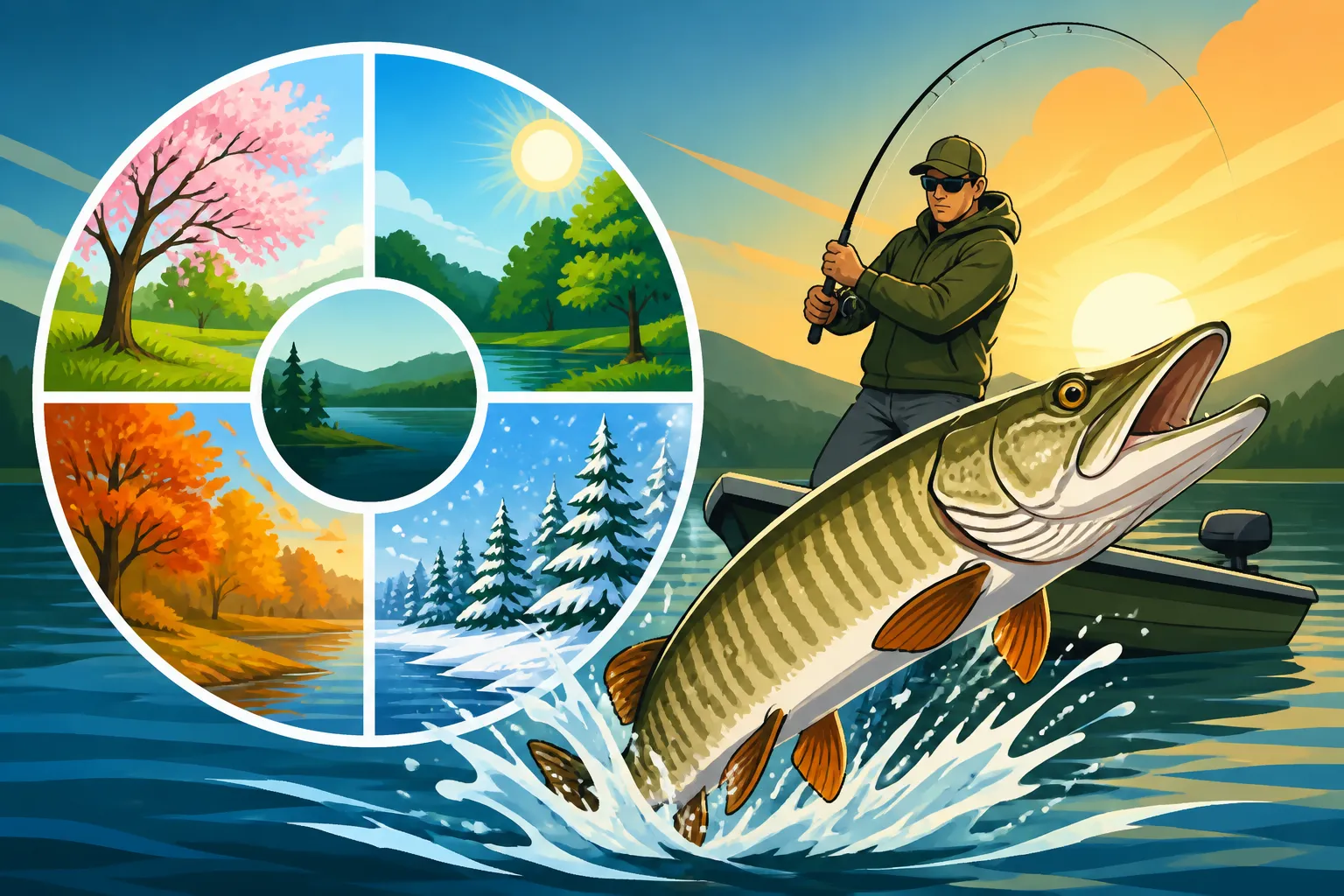
Muskie are creatures of habit, driven largely by water temperature and the availability of their preferred forage. Their metabolism dictates when and how aggressively they feed, making seasonal changes critical to understand. When the water is cold, they're sluggish; when it's just right, they're pure aggression. It's a dance between the environment and their instincts, and once you learn the rhythm, you're one step closer to success.
Early Spring: Post-Spawn Recovery and Awakening
As winter's icy grip finally loosens and the first whispers of spring warm the shallow bays and flats, muskie begin to stir. Early spring, typically late March through April, sees water temperatures climbing from the low 40s into the low 50s Fahrenheit. This is often the time when muskie are recovering from the strenuous act of spawning, which usually occurs when water temperatures hit the mid-to-high 40s. They're not always eager to chase a bait right after spawning, but they need to feed to regain their strength.
During this period, muskie can be found lingering in shallower, warmer areas where baitfish are also starting to become active. Think about sun-drenched coves, creek arms, and weed beds that are just beginning to show life. They're looking for an easy meal, something they don't have to expend a lot of energy to catch. Slow-moving baits and presentations that linger in the strike zone can be incredibly effective. Don't expect explosive strikes every time; sometimes it's a subtle take, but the fish are there, and they are hungry, even if they're still shaking off the winter lethargy.
Late Spring to Early Summer: The Prime Feeding Window
This is arguably the absolute sweet spot for muskie fishing in Kentucky's trophy lakes. From late April through June, as water temperatures steadily climb into the 60s and even low 70s, muskie metabolism kicks into high gear. They become incredibly active, aggressive, and willing to chase down a variety of baits. This period sees them moving between shallow spawning grounds and deeper summer haunts, often staging in predictable transition areas.
The key during this time is that muskie are actively putting on weight after the spawn and before the heat of summer. They are hunting with a purpose, and their increased activity means they're covering more water and are more likely to react to a well-presented lure. Think about the edge of weed lines, submerged points, rock humps, and structural elements near deep water. This is when you can expect those heart-stopping, boat-side follows and explosive strikes that muskie anglers dream about. If you can only pick one time of year to chase these giants, this late spring to early summer window should be it.
Mid-Summer: Deep Water and Nocturnal Habits
When the dog days of summer arrive in July and August, and water temperatures can soar into the high 70s or even 80s, muskie fishing becomes more challenging. These fish, especially the larger ones, often seek refuge in deeper, cooler waters where oxygen levels are more stable. They might relate to thermoclines, deep humps, main lake points, or timbered creek channels. Their activity often shifts to dawn, dusk, and even nighttime hours when surface temperatures cool slightly, and baitfish move shallower.
While it's tougher, it's not impossible. You'll need to adjust your tactics dramatically. Long periods of inactivity might be punctuated by short, intense feeding windows. Focusing on low-light conditions can be incredibly productive, as can targeting deep structure with slower, methodical presentations. Some anglers swear by night fishing during the summer, as the muskie move up from the depths to feed under the cover of darkness. Don't be afraid to experiment with big baits that imitate the larger forage they prefer, even if you're working them slowly in deep water.
Fall: The "Fall Turnover" and Pre-Winter Feast
Many experienced muskie anglers consider fall to be just as productive, if not more so, than late spring. As air temperatures drop and the water begins to cool, usually from September through November, muskie enter a crucial "feedbag" period. They are instinctively trying to pack on as much weight as possible before the lean months of winter arrive. This is often referred to as the "fall turnover" period, where the lake water layers mix, redistributing oxygen and nutrients, which can initially scatter fish. However, once the turnover settles, muskie become very active.
During this time, as water temperatures dip from the 60s into the 40s, muskie can be found shallower and more aggressive than during the summer. They're often chasing schools of baitfish that are also moving shallower as the deep water cools. Big baits, retrieved aggressively, can trigger violent strikes. Focus on main lake points, large flats, channel swings, and areas with abundant baitfish. This is a fantastic time for trophy muskie, as they are at their heaviest and most robust, preparing for the long winter ahead. You can find more specific advice on this period in our guide to Muskie, Pike and Pickerel Fishing in Kentucky.
Key Factors Influencing Muskie Activity in Kentucky's Trophy Lakes
Beyond just the calendar months, several other environmental factors play a huge role in determining muskie activity. Understanding these nuances can help you pinpoint those brief, high-activity windows even within a less-than-ideal season. It's about being observant and adaptable on the water.
Water Temperature: The Ultimate Driver
We've touched on it, but it bears repeating: water temperature is paramount for muskie. Their cold-blooded nature means their metabolism, and therefore their feeding drive, is directly tied to the temperature of the water around them.
- Ideal Range (60-72°F): This is when muskie are generally most active and aggressive. They can digest food efficiently and are willing to chase fast-moving baits. Late spring and early fall often fall into this range.
- Cooler Water (45-59°F): Muskie are still feeding, but their movements are slower. They might prefer larger, slower-moving meals that require less energy to pursue. This is typical of early spring and late fall.
- Warmer Water (73°F+): In the heat of summer, muskie become lethargic and seek cooler, deeper water. Their feeding windows are shorter, often concentrated around dawn, dusk, or at night. They might strike out of irritation rather than pure hunger. Always carry a reliable thermometer to monitor conditions, it can be a game changer for understanding fish behavior.
Knowing the water temperature helps you select the right depth, retrieve speed, and even lure type. A sudden cold front in summer or a rapid warming trend in spring can drastically alter muskie behavior, so staying aware of daily conditions is crucial.
Forage Availability and Movement
Muskie are opportunistic predators, and their location is almost always dictated by where their food source is. In Kentucky's trophy lakes, this often means shad, suckers, larger panfish, and even smaller game fish. If you can locate the baitfish, you're usually close to the muskie.
- Spring: Baitfish are often shallow, seeking warmer water and spawning grounds. Muskie follow them into these areas.
- Summer: As baitfish school up and move to deeper, cooler water or to main lake structure, muskie will be in pursuit. Look for large schools of shad on your sonar.
- Fall: Baitfish again move shallower as the lake cools, feeding heavily before winter. Muskie will gorge on these accessible schools. This is why fall can be such a productive time, with muskie often "herding" bait into bays and coves.
Pay attention to visual cues like baitfish flickering on the surface or active bird life, which can indicate the presence of bait. Using your electronics to locate schools of shad or other forage is a critical skill for muskie success.
Weather Patterns and Barometric Pressure
Muskie, like many apex predators, are sensitive to changes in weather and barometric pressure.
- Stable High Pressure: Often leads to clear skies and calm conditions. This can make muskie fishing tough, as the fish can be lethargic and less willing to chase. Sometimes, slower presentations or targeting low-light periods can help.
- Falling Barometric Pressure (Pre-Frontal): This is often a fantastic time to fish! Just before a cold front or storm system moves in, muskie often go on a feeding frenzy. The dropping pressure seems to signal a need to feed before conditions worsen. This can be one of the best windows for aggressive strikes.
- Rising Barometric Pressure (Post-Frontal): After a strong front passes and pressure stabilizes high, muskie can shut down for a day or two. The shock of the weather change can make them inactive. It's not impossible to catch them, but you'll likely need to work much harder and employ more subtle tactics.
Keeping an eye on weather forecasts and investing in a good barometer can help you anticipate these key feeding windows. Don't be afraid to hit the water just before a storm rolls in – that could be your best chance at a trophy fish.
Targeting Muskie in Kentucky: Best Seasonal Strategies
Knowing when the muskie are active is only half the battle; knowing how to target them effectively during those periods is the other. Each season demands a slightly different approach to maximize your chances in Kentucky's challenging waters. You might even consult resources like Kentucky Fishing Seasons: What to Catch Each Month to get a broader perspective on species activity.
Spring Strategies: Slow and Steady Wins the Race
In the early spring, when muskie are recovering from the spawn and water temperatures are still on the cooler side, your approach needs to be more deliberate.
- Presentation: Think slow-rolling bucktails, glide baits, or even large soft plastics worked with a pause-and-go retrieve. Jerkbaits, twitched slowly, can also be deadly. You want to keep the bait in the strike zone for as long as possible. Muskie might not chase far, so drawing their attention and keeping it is key.
- Location: Focus on shallow bays, coves, and the developing weed lines or submerged timber in 3-10 feet of water. These areas warm up fastest and attract baitfish. Don't overlook the sunny side of the lake or areas protected from cold winds. Check out specific areas mentioned in guides like Kentucky's Best Lakes for Muskie Fishing for starting points.
- Patience: Strikes can be subtle, and follows might not be aggressive. Be prepared for a light tap rather than a violent strike. Always complete your retrieve with a figure-eight or sudden turn at the boat to entice a hesitant follower.
Summer Strategies: Go Deep or Go Home (or Go Early/Late)
Summer muskie fishing requires adapting to the heat and the muskie's preference for deeper, cooler water or low-light feeding.
- Presentation: Deep-diving crankbaits, heavy jigging baits, and large soft plastic swimbaits fished on heavy jig heads are good choices for getting down to the fish. Trolling can also be very effective for covering vast expanses of deep water and finding scattered fish. For low-light periods, surface baits or noisy topwaters can draw explosive strikes when fish are shallower.
- Location: Focus on main lake points, offshore humps, deep rock piles, and submerged timber, often in 15-30 feet of water or deeper. Look for areas with access to the thermocline if your lake develops one. During low light, check shallower flats or weed edges adjacent to deep water.
- Time of Day: Prioritize early mornings, late evenings, and especially nighttime fishing. These are the periods when muskie are most likely to move up from the depths to feed actively.
- Hydration: Don't forget your own well-being in the summer heat! Keep plenty of water on board.
Fall Strategies: Aggressive Presentations for Hungry Fish
Fall is a time of urgency for muskie, and your tactics should reflect that. They're trying to pack on calories, so they're often more forgiving and willing to chase.
- Presentation: This is the time for big, flashy bucktails, large spinnerbaits, and oversized crankbaits. Muskie are less shy about hitting substantial meals. Focus on faster retrieves, burning bucktails, and aggressive jerkbait action. Topwater baits can still be effective in early fall, especially during stable weather.
- Location: Target main lake points, large rock flats, bluff ends, and areas with significant structure or cover that hold baitfish. As the water cools further into late fall, don't be afraid to probe deep weed edges and outside turns of creek channels where baitfish might congregate. Look for areas where the muskie can ambush their prey.
- Weather: Capitalize on those pre-frontal conditions. The cooler temperatures make for more comfortable fishing, and the fish are often on the prowl. Don't be deterred by overcast or windy days; these can actually improve muskie activity.
Gear Up for Muskie: Essential Tackle for Every Season
Muskie fishing isn't for the faint of heart, and neither is the gear required. These are powerful fish, and your tackle needs to be up to the task. Skimping on quality here will only lead to heartbreak. Many anglers source their specialized muskie tackle from online retailers for convenience, and you can often find a great selection of muskie-specific rods, reels, and lures on popular platforms like Amazon.
Rods, Reels, and Line: Built for Battle
- Rods: You'll need heavy-duty casting rods, typically 7'6" to 9'0" in length, with a heavy power and fast action. This length helps you cast large baits and gives you leverage to fight powerful fish. A good muskie rod can handle the stress of casting heavy lures all day and the violent head shakes of a large muskie.
- Reels: High-quality baitcasting reels with a strong drag system and a fast retrieve ratio are essential. Look for models designed for heavy-duty applications. Smooth gears and a durable construction are non-negotiable when battling a muskie. Brands known for robust baitcasters are popular choices among muskie enthusiasts.
- Line: Braided line is the standard for muskie fishing due to its incredible strength, lack of stretch, and abrasion resistance. Opt for 80-100 lb test. A strong fluorocarbon leader (100-150 lb test) or a steel leader is absolutely necessary to prevent bite-offs from those razor-sharp teeth. Don't forget to tie strong knots! For more general advice on fishing gear, check out Best Rods and Reels for Kentucky Fishing.
Lure Selection: Matching the Hatch and Mood
Your lure arsenal for muskie fishing needs to be diverse to cover various conditions and fish moods.
- Bucktails: These are probably the most iconic muskie lures. They create flash and vibration, triggering aggressive strikes. Have a range of sizes and colors for different seasons and water clarities. Larger bucktails are excellent in fall.
- Jerkbaits/Glide Baits: Excellent for mimicking wounded baitfish. These are worked with a stop-and-go retrieve and can be incredibly effective when muskie are finicky or in cooler water.
- Crankbaits: Deep-diving crankbaits are essential for summer and targeting deeper structure. Smaller, shallow-running crankbaits can work in spring and fall.
- Topwater Lures: Think large poppers, walk-the-dog baits, and prop baits. These are thrilling to use during low-light conditions in summer and early fall when muskie are shallower and willing to attack the surface.
- Soft Plastics: Big soft plastic swimbaits or creatures on heavy jig heads can be worked slowly along the bottom or through cover, appealing to muskie looking for an easy meal.
- Spinnerbaits: Large spinnerbaits with tandem blades offer lots of flash and vibration, good for covering water quickly, especially in stained conditions.
- Amazon is a great place to explore different muskie lure brands and styles, allowing you to build a versatile tackle box for all seasons and conditions. When searching, look for lures specifically designed for muskie to ensure they can withstand the abuse.
Safety and Handling: Protecting Yourself and the Fish
Muskie fishing isn't just about catching; it's also about proper handling to ensure the fish's survival and your own safety. These fish have serious teeth!
- Long-Nose Pliers: Absolutely essential for removing hooks safely. Get a pair with a long reach.
- Bolt Cutters: Keep these handy for quickly cutting hooks if they're deeply embedded or to save a thrashing fish from further injury. This is a muskie angler's emergency tool.
- Large Landing Net: A net specifically designed for muskie, with a wide hoop and rubberized mesh, is critical. It cradles the fish, minimizes scale damage, and helps control a powerful fish boat-side.
- Fish Grips/Boga Grips: These can help you securely hold the fish by the jaw for measurements and photos, reducing direct contact with teeth and gill plates.
- Gloves: Heavy-duty gloves can protect your hands from scrapes and teeth.
- Release Tools: Learn how to revive a muskie properly before releasing it. They are powerful, but sometimes need a moment to regain their strength.
- All of these essential safety items are readily available online. For instance, you can easily find various sizes of muskie nets and long-handled hook removers on Amazon, often with reviews from fellow anglers to guide your purchase. Remember, healthy muskie populations rely on responsible catch and release practices, so knowing how to safely handle and release these magnificent fish is paramount.
Ultimately, while late spring to early summer and the fall months generally offer the "best" opportunities for muskie fishing in Kentucky's trophy lakes, a dedicated angler can find success in every season by understanding muskie behavior and adapting their strategies. The "fish of 10,000 casts" rewards patience, persistence, and a deep understanding of its environment.
Disclaimer
This article is for general informational purposes only and does not constitute professional advice. Laws, prices and regulations vary by location and change over time. Consult a qualified professional for guidance on your specific situation.