Best Life Jackets for Fishing on Big Water
There's nothing quite like the thrill of chasing a trophy fish on a vast expanse of water, but big lakes and mighty rivers can turn dangerous in a blink. Many anglers overlook the critical importance of a proper life jacket for these conditions, mistakenly thinking any old vest will do. This guide is here to cut through that confusion, helping you understand exactly what to look for in the best life jackets to keep you safe and comfortable when fishing Kentucky's big waters.
Why Big Water Demands Specialized Life Jackets
Fishing on sprawling reservoirs like Kentucky Lake, Lake Barkley, or even the mighty Ohio River isn't the same as dangling a line in a quiet farm pond. These larger bodies of water come with their own unique set of challenges and hazards that necessitate a more robust approach to personal safety gear, especially your life jacket. The conditions can change rapidly, and being prepared means having the right equipment for the environment.
Understanding Big Water Hazards for Anglers
When you're out on a large body of water, several factors can quickly escalate a minor issue into a serious emergency. Wind can whip up waves that are surprisingly powerful, even on an otherwise calm day. Think about those sudden summer thunderstorms that roll in over Lake Cumberland—they can turn placid waters into a choppy nightmare in minutes. Strong currents, especially near dams or river confluences on the Ohio River, can pull you away from your boat or the bank faster than you might expect. These aren't just inconveniences; they are genuine threats to your safety.
Moreover, the sheer size of these lakes means help might be further away. If you find yourself in the water, whether it's from an unexpected capsize, slipping on a wet deck, or falling overboard while fighting a big fish, you could be a long way from shore or another boat. The water temperature, even in warmer months, can induce shock or hypothermia if you're immersed for too long. A well-designed life jacket gives you invaluable time and buoyancy to recover, signal for help, or simply stay afloat until rescue arrives. It's not just about staying above water; it's about conserving energy and increasing your visibility. For general guidance on staying safe on the water, you can check out Life Jacket Rules for Boats in Kentucky.
The Role of Personal Flotation Devices PFDs in Fishing Safety
A Personal Flotation Device, or PFD, isn't just a legal requirement for most boating activities; it's your primary piece of safety equipment. For anglers, though, a PFD needs to do more than just float you. It needs to allow for a full range of motion so you can cast, reel, and maneuver around your boat without feeling constricted. Nobody wants to miss a bite because their life jacket is getting in the way. It also needs to be comfortable enough to wear for hours on end, otherwise, it might end up stowed away in a compartment, defeating its entire purpose.
On big water, visibility is also key. If you're in the water, you want to be seen by other boaters, search and rescue, or even your fishing buddy. Many PFDs designed for big water will incorporate bright colors or reflective strips for this very reason. Beyond the obvious safety aspect, a good fishing PFD can also offer practical benefits like extra pockets for small tackle, pliers, or even a whistle. It integrates safety with functionality, making it a natural part of your fishing gear setup. It's an investment in both your well-being and your ability to enjoy your time on the water without unnecessary worry.
Types of Life Jackets for Serious Anglers
When you're out on Kentucky's vast waterways, whether you're targeting bass on Lake Barkley or catfish on the Ohio River, you need a life jacket that's up to the task. Not all PFDs are created equal, and understanding the different types and their specific advantages for fishing can make a huge difference in your comfort and safety. Let's break down the main categories you'll encounter.
Inflatable PFDs: Freedom and Functionality
Inflatable PFDs have become incredibly popular with anglers, and for good reason. Their biggest advantage is their low profile and non-restrictive design. Imagine trying to make a long cast with a bulky foam vest hindering your arm swing—it’s not ideal. Inflatables, when uninflated, feel much like a lightweight vest or a fanny pack. This allows for maximum freedom of movement, which is crucial for active fishing techniques like casting and retrieving all day long. Many anglers find them so comfortable they often forget they're even wearing one, which means they're less likely to take it off, and that's the ultimate goal for safety.
These PFDs typically come in two main types: automatically inflatable and manually inflatable. Automatic models deploy when submerged in water, making them ideal if you're knocked unconscious or fall in unexpectedly. Manual inflatables require you to pull a cord to activate the CO2 cartridge, giving you control over when it deploys. Both types offer excellent buoyancy once inflated, often more than traditional foam vests. However, they do require more maintenance; you need to periodically check the CO2 cartridge and ensure everything is in working order. Brands like Mustang Survival and Onyx offer a wide range of reliable inflatable PFDs that are well-regarded by anglers. You can often find a good selection at fishing supply stores like Bass Pro Shops or online retailers like Amazon.
Foam Vest PFDs: Durability and Reliability
Traditional foam vest PFDs, often referred to as inherently buoyant vests, are the workhorses of personal flotation. They rely on closed-cell foam to provide constant buoyancy, meaning they are always floating you the moment you hit the water—no inflation mechanism to worry about. This makes them incredibly reliable and low-maintenance. They're excellent for anglers who might be in and out of the water frequently, or those who prefer a "set it and forget it" approach to their safety gear. For kids, foam vests are almost always the go-to choice, as they provide instant flotation without any action required from the wearer. You can learn more about requirements for younger anglers in Kentucky Life Jacket Law for Kids Under 12.
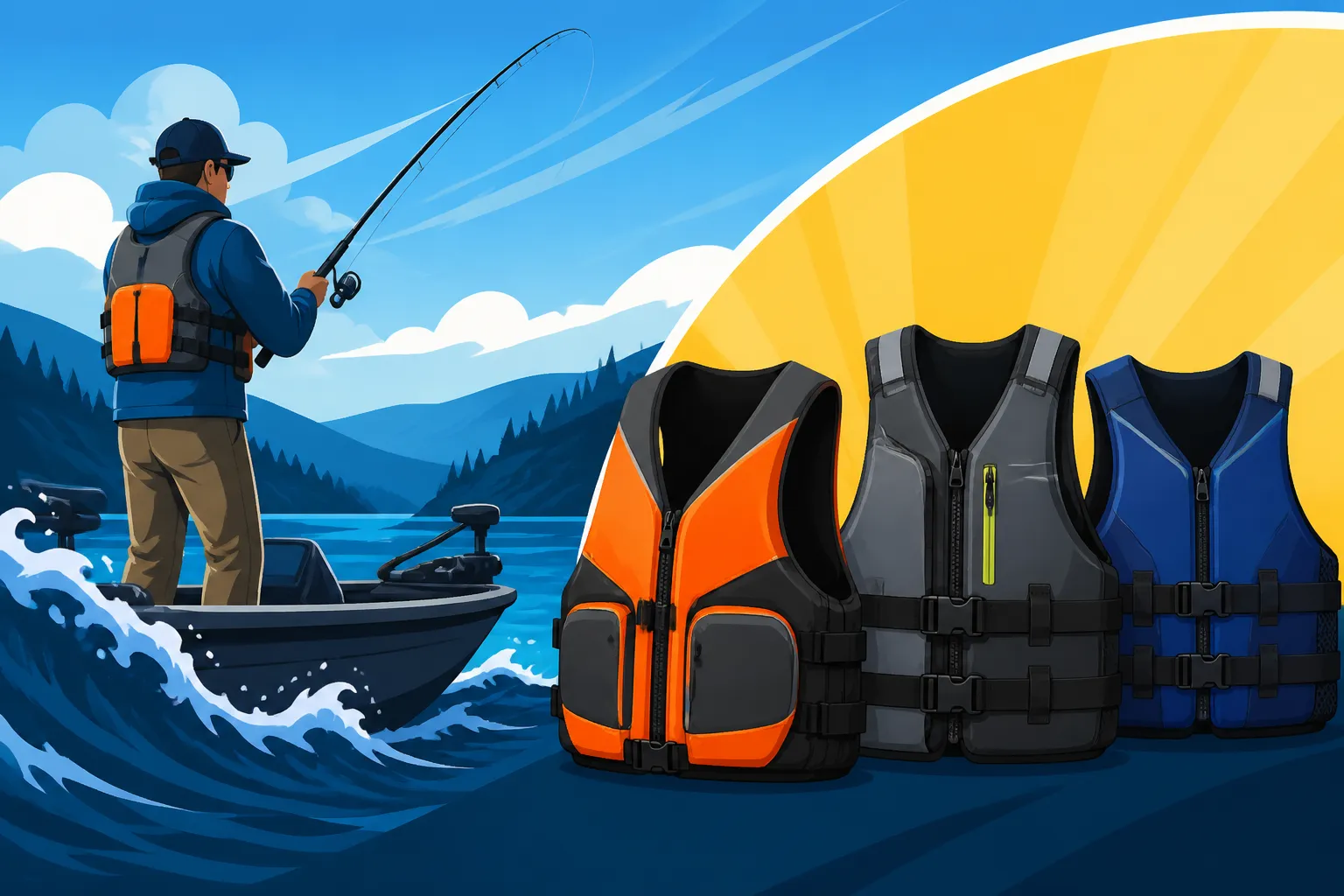
While they can be bulkier than inflatables, many modern foam vests are designed with fishing in mind. They feature multiple pockets for tackle, pliers, and other essentials, effectively doubling as a fishing vest. Some even include tool attachment points and D-rings. These vests are typically very durable, standing up to years of sun, water, and general abuse that comes with fishing. They are also generally more affordable upfront than inflatables. For conditions where you might be splashed often, or if you simply prefer the peace of mind of constant buoyancy, a well-fitting foam vest is an excellent choice for fishing Kentucky's big waters.
Hybrid PFDs: The Best of Both Worlds
If you're torn between the freedom of an inflatable and the reliability of a foam vest, a hybrid PFD might be your perfect solution. These innovative designs combine a smaller amount of inherent foam buoyancy with an inflatable chamber. This means that even if the inflatable component fails or isn't deployed, you still have some baseline flotation from the foam. The foam component is usually minimal, often just enough to keep your head above water or assist in self-righting, but it's a critical safety net.
The inflatable chamber then provides the additional buoyancy needed for full flotation, which you can activate manually or, in some models, automatically. This design strikes a balance, offering more freedom of movement than a full foam vest while providing an extra layer of reassurance compared to a purely inflatable model. For anglers who face unpredictable conditions or just want that added peace of mind, hybrid PFDs are a fantastic option. They are a bit of a niche product but gaining popularity for their versatility and enhanced safety features, especially on vast, unforgiving waters.
Here's a quick comparison of common PFD types relevant to big water fishing:
| PFD Type | Buoyancy Source | Angler Comfort / Mobility | Maintenance | Primary Use Case for Anglers | Pros | Cons |
|---|---|---|---|---|---|---|
| Inflatable (Auto) | CO2 Cartridge | Very High | Moderate | Active casting, hot weather, minimal bulk | High mobility, high buoyancy, cool | Requires rearming, puncture risk, higher cost |
| Inflatable (Manual) | CO2 Cartridge | Very High | Moderate | Active casting, hot weather, conscious control | High mobility, high buoyancy, cool | Requires conscious action, puncture risk, higher cost |
| Foam Vest (Type III) | Inherent Foam | Moderate | Low | Constant wear, cold weather, utility, high reliability | Always buoyant, durable, often has pockets | Bulkier, can be hot, restricts movement |
| Hybrid | Foam + CO2 Cartridge | High | Moderate | Enhanced safety, balance of comfort and reliability | Good mobility, inherent backup buoyancy | More complex, mid-range bulk |
Key Features for Fishing on Large Kentucky Lakes
Fishing on large bodies of water like Kentucky Lake or Lake Cumberland isn't just about finding the fish; it's about being prepared for anything the water throws at you. The right life jacket isn't just a legal necessity; it's an indispensable tool that needs specific features to truly serve an angler in these environments. You want a PFD that works with you, not against you, from the first cast to the last.
Comfort and Fit for Long Days on the Water
Imagine spending eight, ten, or even twelve hours on the water, focused on the bite. If your life jacket is chafing, riding up, or simply feels too bulky, you're going to be uncomfortable, distracted, and more likely to take it off. That's why comfort and fit are paramount. Look for PFDs with multiple adjustment points—think adjustable shoulder straps, side straps, and waist belts. These allow you to customize the fit to your body shape and layering choices throughout the day. A well-fitted PFD should feel snug but not constricting, allowing a full range of motion, especially for your arms and shoulders for casting.
Ventilation is another crucial comfort factor, particularly during Kentucky's hot summers. Mesh backs, open sides, or breathable fabrics can prevent you from overheating, which is often a reason anglers shed their PFDs. Some fishing-specific PFDs even come with high-back designs to prevent bunching when seated in a boat seat or kayak. Investing in a comfortably fitting PFD means you'll actually wear it, and that's the most important safety feature of all. Don't compromise on comfort, especially if you plan on long days exploring spots like Lake Barkley Fishing Guide for Kentucky Anglers or Lake Cumberland: Kentucky's Best All-Around Fishing Lake.
Storage and Utility for Anglers
For a dedicated angler, a life jacket can be more than just flotation; it can be an extension of your tackle box. Many fishing-specific PFDs are designed with utility in mind, offering a surprising amount of storage and convenient attachment points. Think about those times you've fumbled for pliers, a line cutter, or your phone. With smart PFD design, these essentials can be right at your fingertips. Look for large, zippered pockets that can hold small tackle boxes, soft plastics, or a GPS unit. Some vests even include smaller, specialized pockets for things like a whistle (often a legal requirement), a small first-aid kit, or your fishing license.
Beyond pockets, attachment points are incredibly useful. D-rings are perfect for securing a tethered set of pliers, clippers, or a net release. Some PFDs feature loops or magnetic patches for holding forceps or flies. Integrated rod holders can be a godsend when you need both hands free to tie a knot or handle a fish. These features allow you to streamline your gear, keeping essential tools accessible and preventing them from falling overboard. This blend of safety and practicality makes fishing a smoother, more enjoyable experience.
Durability and Visibility for Marine Environments
Big water environments can be harsh on gear. Sun, saltwater (if you venture to coastal areas, though mostly freshwater in Kentucky), abrasions from boat surfaces, and general wear and tear demand a durable PFD. Look for materials like heavy-duty nylon or Cordura fabric, which are resistant to tears and punctures. Reinforced stitching at stress points will also add to the longevity of the vest. A quality PFD is an investment, and you want it to last for many seasons.
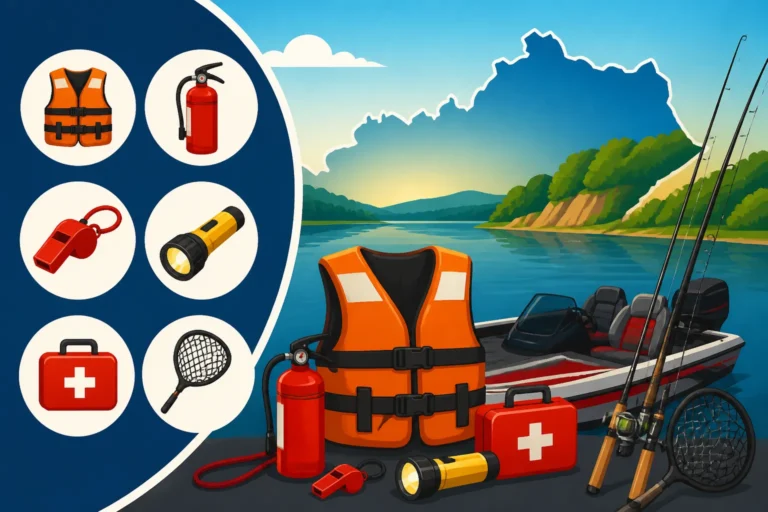
Visibility is a non-negotiable safety feature, especially on busy lakes or in adverse weather conditions. If you go overboard, you need to be easily spotted. Bright, fluorescent colors like yellow, orange, or lime green are excellent for daytime visibility. Many PFDs also incorporate reflective tape or piping, which catches light from boat headlights or searchlights, making you visible in low-light conditions or at night. Some even have attachment points for emergency lights or strobes. Coupled with a signaling whistle, high visibility dramatically increases your chances of being found quickly if an emergency arises on vast waters. Remember to check out Essential Safety Gear for Every Boat in Kentucky to ensure you're fully equipped.
Maintenance and Care for Your PFD
You’ve invested in a quality life jacket for your big water fishing adventures on Kentucky’s lakes and rivers. That’s fantastic! But just like your rods, reels, and boat, your PFD needs regular care and maintenance to ensure it performs when you need it most. Neglecting your life jacket can compromise its effectiveness, putting your safety at risk. Proper care isn't just about extending its lifespan; it's about making sure it's always ready to save your life.
Regular Inspection and Cleaning
After every few trips, or at least at the beginning and end of each fishing season, take the time to thoroughly inspect your PFD. For foam vests, check the fabric for any tears, punctures, or excessive fraying. Look closely at the seams and zippers to ensure they are intact and functioning smoothly. Pay attention to the straps and buckles; make sure they aren't cracked, bent, or worn thin. Sun exposure is a major culprit for degrading PFD materials over time, so if you see significant fading or stiffness in the fabric, it might be time to consider a replacement.
For inflatable PFDs, the inspection process is a bit more involved. You need to check the outer shell for any damage, just like a foam vest. Then, open it up and inspect the inflatable bladder for any signs of leaks or deterioration. Crucially, verify that the CO2 cylinder is properly armed and hasn't been discharged. There's usually a visual indicator for this, often a green cap or tab. Check the inflation mechanism itself for any corrosion or blockages. It’s also wise to perform an inflation test periodically by manually inflating the bladder and letting it sit overnight to ensure it holds air. Cleaning is simple: most PFDs can be hand-washed with mild soap and water, then thoroughly rinsed. Avoid harsh chemicals or machine washing, as these can damage the materials and buoyancy.
Proper Storage to Extend PFD Life
How you store your life jacket between trips can have a huge impact on its longevity and performance. The worst thing you can do is just toss it into a damp, dark compartment in your boat or garage. Moisture and lack of airflow are breeding grounds for mold and mildew, which can degrade fabrics and stitching. Always ensure your PFD is completely dry before storing it. Hang it up in a well-ventilated area, out of direct sunlight. If you use your PFD frequently, hanging it on a breathable hanger in your garage or a climate-controlled space is ideal.
Protect your PFD from extreme temperatures. Leaving it baking in the sun for extended periods, or conversely, letting it freeze solid, can damage the foam and fabric components. Store it away from sharp objects or chemicals that could puncture or degrade the material. For inflatable PFDs, storing them in a protective bag can prevent accidental inflation or damage to the CO2 cartridge. Proper storage might seem like a small detail, but it’s a critical part of maintaining your PFD’s readiness and extending its usable life, ensuring it's always ready for your next outing on Kentucky Lake: The State's Top Bass Fishing Destination.
Understanding Re-Arming Kits for Inflatable PFDs
If you own an inflatable PFD, understanding re-arming kits is essential. These kits contain a new CO2 cylinder and a bobbin or pill that activates the inflation mechanism (for automatic models). After an inflatable PFD has been deployed, or if you've performed a manual inflation test, you must replace these components with a manufacturer-approved re-arming kit. Using the wrong kit or trying to improvise can lead to a PFD that won't inflate when you need it.
Always check your specific PFD model’s manual to determine the exact re-arming kit required. These kits are readily available at major fishing retailers like Bass Pro Shops or online at Amazon. It's a good practice to keep at least one spare re-arming kit on hand, especially for long trips or if you fish frequently. Knowing how to properly re-arm your PFD is a simple process, but it’s a non-negotiable part of maintaining this type of life jacket. It ensures that your inflatable PFD is always ready to perform its vital function, providing you with the confidence to safely explore all of Kentucky's fantastic fishing spots.
Disclaimer
This article is for general informational purposes only and does not constitute professional advice. Laws, prices and regulations vary by location and change over time. Consult a qualified professional for guidance on your specific situation.