Best Gear for Bank Fishing on Kentucky Lake
It can feel a bit overwhelming, can't it? You're standing on the bank of a massive body of water like Kentucky Lake, watching boats zip by with all their fancy electronics and rod holders, and you wonder if you even stand a chance with just a rod and a tackle box. But trust me, bank fishing on Kentucky Lake is not only possible, it can be incredibly rewarding. You just need the right gear and a solid plan to make the most of your time on shore. This guide is all about simplifying that process, helping you pick the essential, practical equipment that will set you up for success, whether you're chasing bass, crappie, or a hefty catfish from the land.
The Essential Rod and Reel Combo for Kentucky Lake Banks
When you're bank fishing, you don't have the luxury of switching between half a dozen different rod and reel setups for every specific technique or fish species. You need versatility, something that can handle a range of conditions and still give you a fighting chance against whatever decides to bite. Investing in one solid, adaptable combo is key, and it’ll save you a lot of frustration.
Choosing the Right Rod Power and Action
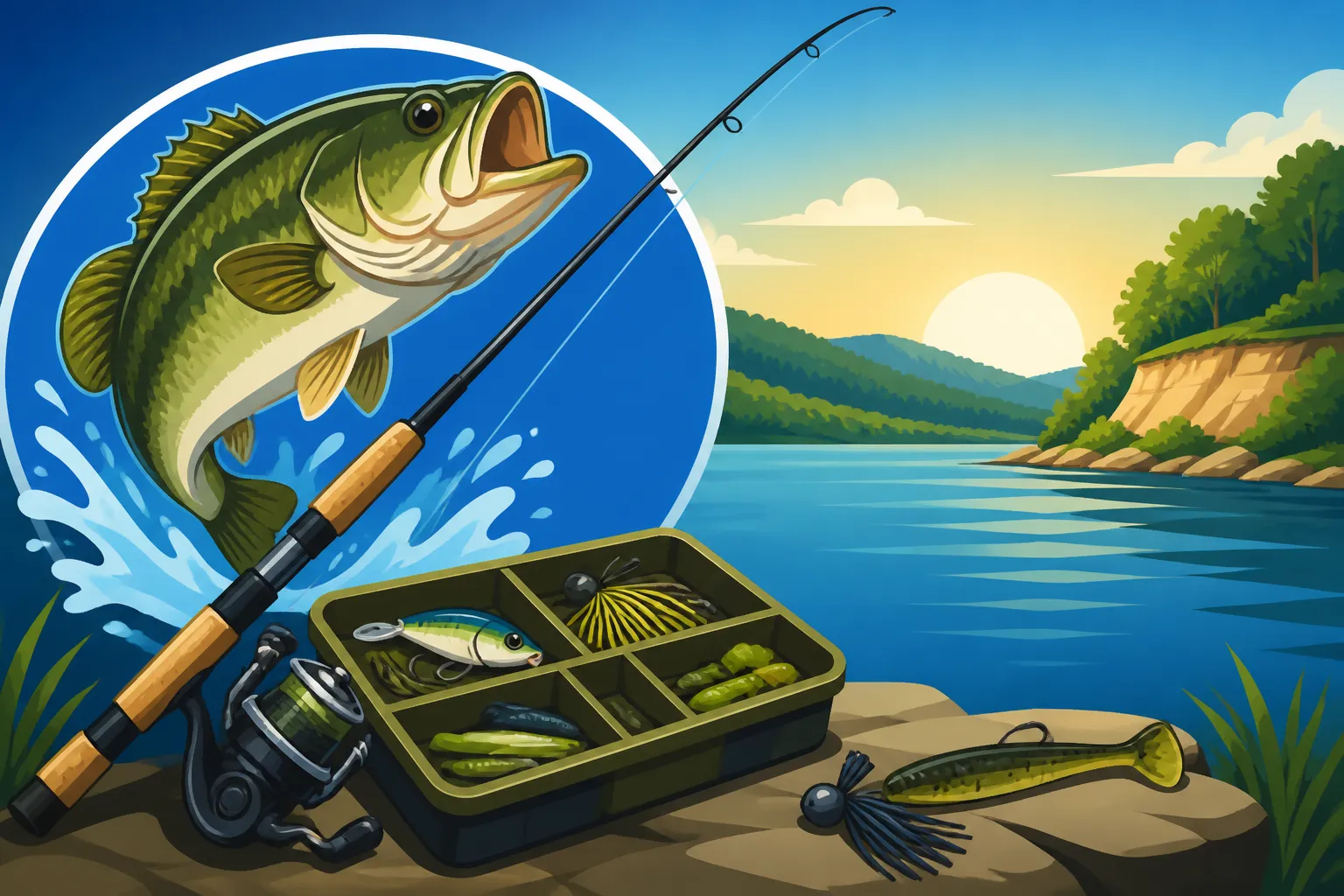
For Kentucky Lake bank fishing, you'll want a rod that strikes a balance between casting distance, sensitivity, and fighting power. A medium-heavy power rod, typically in the 7 to 7.5-foot range, is often your best bet. This power rating means the rod has enough backbone to cast heavier lures, set the hook firmly, and battle larger fish like substantial largemouth bass or even a decent channel catfish without feeling completely outmatched. Imagine hooking into a feisty three-pound bass from the bank – a flimsy rod would make it a real struggle to bring it in through any shoreline cover, but a medium-heavy rod gives you the control you need.
Paired with that power, a moderate-fast or fast action is usually ideal. "Action" refers to where the rod bends when pressure is applied. A moderate-fast action rod bends mostly in the top half, offering enough flexibility for good casting distance, especially with a variety of lure weights, while still providing plenty of power in the lower section to control a fish. This kind of rod also gives you the sensitivity to feel subtle bites, which is crucial when fishing from shore where visual cues can be limited. You don't want a broomstick that won't cast, but you also don't want a noodle that can't pull a fish out of a brush pile. This middle-ground gives you the best of both worlds.
Selecting a Reliable Spinning Reel
Once you've got your rod picked out, it's time to match it with a dependable spinning reel. For the type of fishing you'll be doing on Kentucky Lake's banks, a reel in the 2500 to 4000 series size is generally perfect. This size range offers a good balance of line capacity, retrieve speed, and overall power. A 3000-series reel, for example, is a fantastic all-around choice. It holds enough line to make long casts out to deeper water or across coves, and it has the gearing to retrieve lures efficiently and bring in fish with authority.
Look for a reel with a smooth, reliable drag system. This is non-negotiable. A good drag allows line to be pulled out smoothly under pressure, preventing your line from breaking when a big fish makes a strong run. You'll also appreciate a reel that feels balanced on your chosen rod and operates without much play or wobble. While there are countless options out there, even mid-range reels from well-known brands can offer excellent performance and durability, which is important for gear that might get knocked around a bit while you're scrambling over rocks or walking along the shoreline. Many reputable brands found at stores like Bass Pro Shops offer excellent value.
Line, Lures, and Tackle: What to Pack for the Shoreline
Now that you've got your primary setup, let's talk about the consumables and small but mighty pieces of gear that can make or break your bank fishing trip. You're not looking to carry a full boat's worth of tackle, so choosing versatile and effective options is key to keeping your load light and your success rate high.
The All-Purpose Fishing Line
Choosing the right fishing line can feel like a deep dive into science, but for bank fishing on Kentucky Lake, simplicity and strength are your friends. Many experienced anglers find a braided main line with a fluorocarbon leader to be the most versatile setup. Braided line offers incredible strength for its diameter, meaning you can use a lighter test (say, 15-20 lb) for better casting distance while still having the power to yank lures free from snags and control larger fish. Its low stretch also provides excellent sensitivity, helping you feel even the lightest taps.
The fluorocarbon leader, typically 8-12 lb test, is attached to the end of your braided line. Fluorocarbon is nearly invisible underwater, which can be a huge advantage in clear water, and it offers excellent abrasion resistance against rocks, stumps, and mussels – all common hazards on Kentucky Lake's shoreline. If you prefer a simpler setup, a good quality monofilament line (10-14 lb test) can also work well, especially for beginners. It's more forgiving with knots and stretches a bit, which can absorb some of the shock from a powerful strike. Whatever you choose, make sure it's fresh and regularly checked for nicks and abrasions, as a bad line can ruin your day faster than anything else. You might want to pick up a spool or two when you're stocking up your tackle at Bass Pro Shops.
Versatile Lures and Baits for Kentucky Lake
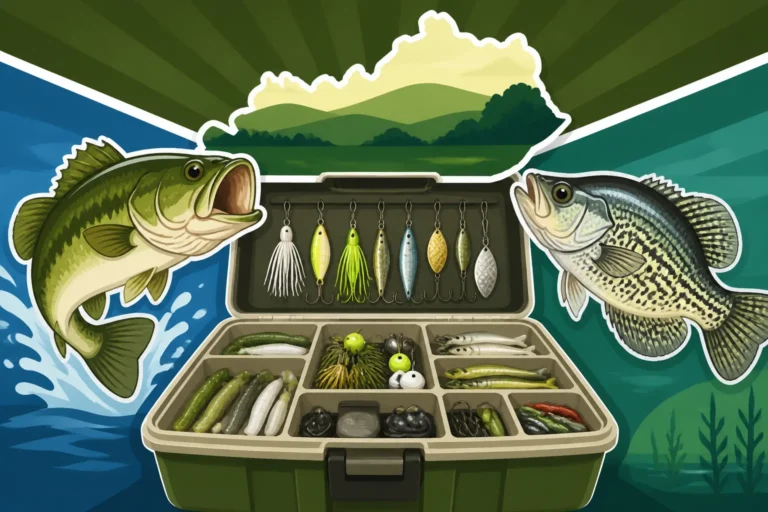
When you're limited to what you can carry, every lure counts. For Kentucky Lake's diverse fishery, you'll want a selection of lures that can entice bass, crappie, and even catfish. Soft plastics are a must-have. Think Texas-rigged worms, Senko-style sticks, and creature baits in natural colors like green pumpkin or junebug. These are incredibly versatile for bass, can be fished slowly along the bottom, and are relatively snag-resistant. Jigs, especially football or swim jigs, are another excellent choice for probing different depths and cover.
For crappie, small tube jigs, curly tail grubs, or tiny hair jigs on a light jig head (1/16 to 1/8 oz) under a bobber can be incredibly effective, especially in spring. If you're targeting catfish from the bank, don't forget the power of live bait like nightcrawlers or cut bait, fished on the bottom with a simple slip-sinker rig. Spinnerbaits and medium-diving crankbaits are also great search baits for covering water and finding active fish, particularly bass, around submerged cover. You can find a huge variety of these options easily on sites like Amazon, making it simple to get just what you need delivered right to your door. For more specific insights, check out our guide on Best Lures for Largemouth Bass on Big Water.
Essential Terminal Tackle and Tools
Beyond your rod, reel, and lures, a small but well-organized selection of terminal tackle and tools is critical. You'll need an assortment of hooks – offset worm hooks for soft plastics, small j-hooks for live bait, and maybe some treble hooks for replacing dull ones on your hard baits. A variety of sinkers, from bullet weights for Texas rigs to split shots and egg sinkers for bottom fishing, will help you adjust to different depths and currents. Bobbers, both fixed and slip bobbers, are invaluable for presenting baits at specific depths for crappie or bluegill. Swivels and snaps can simplify changing lures and prevent line twist.
Don't forget the essential tools! A good pair of multi-purpose fishing pliers is probably the most important non-fishing tool you'll carry. They're perfect for removing hooks, cutting line, and crimping weights. Line clippers, a measuring tape for checking length limits, and a small net (collapsible for portability) are also incredibly useful. Keep all of this organized in a compact tackle box or a small, comfortable tackle bag that's easy to carry along the shoreline. Learning how to properly set up a tackle box is half the battle; take a look at our article on Best Tackle Box Setup for Bass and Crappie for more tips.
Comfort and Convenience: Beyond the Rod and Reel
Successful bank fishing isn't just about what's on the end of your line; it's also about how comfortable and prepared you are for a long day on the water. When you're not on a boat, you're more exposed to the elements and often farther from conveniences. Thinking about these creature comforts ahead of time can make your trip much more enjoyable and productive.
Comfortable Seating and Shelter Options
Standing for hours on end, especially on uneven terrain, can quickly sap your energy and your enthusiasm. A lightweight, portable fishing chair or even a sturdy five-gallon bucket with a padded lid can be a game-changer. It provides a place to rest, eat a snack, or simply sit back and enjoy the scenery while waiting for a bite. Trust me, your back and feet will thank you, especially after a couple of hours.
Protection from the elements is another big one. Kentucky Lake can get intensely sunny, and a wide-brimmed hat, sunglasses, and a good quality fishing shirt with UV protection are essentials. If you plan on long sessions, especially during the summer, a portable fishing umbrella that can be staked into the ground can provide much-needed shade. Nobody wants to end their fishing trip with a nasty sunburn or heat exhaustion, so plan for personal shelter.
Keeping Your Catch Fresh and Hydrated
If you're planning to keep some of your catch, you absolutely need a way to keep fish fresh. A small, insulated cooler filled with ice is indispensable. Nothing is worse than catching some beautiful crappie or a nice channel cat, only to have them spoil in the sun. Place your fish directly on ice immediately after catching them to preserve their quality for the dinner table.
Staying hydrated yourself is equally important. Always carry plenty of water, especially during warmer months. A reusable water bottle is a great option, easily refilled if you have access to a potable water source nearby. Snacks like granola bars, fruit, or sandwiches are also smart additions to your bag, keeping your energy levels up so you can focus on fishing. Being comfortable and well-fed means you can concentrate on the action, rather than being distracted by thirst or hunger.
Safety and Practical Additions
Beyond the basics, a few extra items can significantly enhance your safety and overall experience. A small, well-stocked first-aid kit is a must for any outdoor activity. Minor cuts from hooks, scrapes from rocks, or insect bites are common, and being able to treat them quickly makes a huge difference. Bug spray, especially during dawn, dusk, or in vegetated areas, will save you from constant irritation. Kentucky is known for its mosquitoes and ticks, so don't underestimate this one!
If you plan to fish early in the morning or stay until after dark – which are often prime fishing times – a reliable headlamp or small flashlight is essential for navigating the shoreline safely and tying knots. A multi-tool that combines pliers, cutters, and other small tools can be incredibly handy for unexpected repairs or adjustments. Always remember that conditions can change quickly, so being prepared for minor emergencies will give you peace of mind. For those fishing around the clock, our guide to Best Spots for Night Fishing for Catfish might be of interest.
Maximizing Your Bank Fishing Experience on Kentucky Lake
Having the right gear is a fantastic start, but truly maximizing your bank fishing experience on Kentucky Lake involves a bit of homework and understanding the nuances of fishing from shore. It’s about more than just casting a line; it’s about strategic thinking and respecting the environment.
Scouting and Selecting Your Spot
One of the biggest challenges for bank anglers on a vast lake like Kentucky Lake is finding productive spots. You can't just drop your trolling motor and go. Instead, you'll need to use observation and a bit of digital reconnaissance. Look for visible structure from shore: old docks, fallen trees, rock piles, or points that extend into the main lake or a creek channel. These are natural fish magnets. Areas where creeks flow into the main lake can also be hotspots, especially after rain, as they wash in food.
Before you even leave home, use online mapping tools to scout potential access points and identify areas with promising contours or cover. Look for public access points, parks, or undeveloped stretches of shoreline. Pay attention to how the bottom drops off; steep banks often mean deeper water close to shore, while gently sloping banks might offer shallower flats where fish spawn or feed. Understanding how to Read Water for Fish Location can truly transform your bank fishing success.
Understanding Local Regulations and Etiquette
Knowing the rules isn't just about avoiding a fine; it's about being a responsible angler and contributing to the health of the fishery. Before every trip, double-check the current Kentucky Fishing Regulations Explained. These rules cover everything from fish size and daily limits to specific restrictions that might apply to certain species or even specific sections of Kentucky Lake. For instance, Kentucky Statewide Bass Limit: 12 Inches, 6 Fish a Day is a general rule, but always confirm for any lake-specific exceptions.
Beyond the formal regulations, good etiquette is important. Be mindful of other anglers; give them space, avoid casting over their lines, and keep noise to a minimum. Pack out everything you pack in, leaving no trash behind. Being a respectful user of the resource ensures that these beautiful spots remain accessible and enjoyable for everyone. Remember that Game Warden Enforcement and License Checks While Fishing are a routine part of fishing, so always have your Kentucky Fishing License Guide and any necessary permits (like a Kentucky Trout Permit Guide if you're venturing to other waters for trout) readily available.
Recommended Bank Fishing Gear for Kentucky Lake
Here's a quick rundown of the essential gear you'll want to have on hand for a successful bank fishing adventure on Kentucky Lake:
| Category | Item | Key Features for Bank Fishing |
|---|---|---|
| Rod & Reel | Medium-Heavy Spinning Combo | 7-7.5 ft rod, moderate-fast action; 2500-4000 series reel |
| Line | Braided Main Line w/ Fluorocarbon Leader | 15-20 lb braid, 8-12 lb fluoro; high strength, low visibility |
| Lures/Bait | Soft Plastics | Texas-rigged worms, Senkos, creature baits (bass) |
| Small Jigs/Grubs | Tube jigs, curly tails (crappie) | |
| Live/Cut Bait | Worms, minnows, chicken liver (catfish) | |
| Terminal Tackle | Assorted Hooks | Worm hooks, j-hooks, treble hooks |
| Various Sinkers | Bullet weights, egg sinkers, split shots | |
| Bobbers | Fixed and slip bobbers | |
| Swivels & Snaps | For quick lure changes, line twist prevention | |
| Tools | Fishing Pliers | Hook removal, line cutting, crimping |
| Line Clippers | Precise line trimming | |
| Measuring Tape | Verify fish size against regulations | |
| Small Net (collapsible) | Secure your catch, especially larger fish | |
| Comfort/Safety | Portable Chair/Bucket | For resting and comfort during long sessions |
| Wide-Brimmed Hat & Sunglasses | Sun protection for eyes and face | |
| Cooler w/ Ice | Keep catch fresh and drinks cold | |
| Water Bottle & Snacks | Stay hydrated and energized | |
| First-Aid Kit | Handle minor injuries | |
| Bug Spray | Protect against insects | |
| Headlamp/Flashlight | For early morning or night fishing |
Disclaimer
This article is for general informational purposes only and does not constitute professional advice. Laws, prices and regulations vary by location and change over time. Consult a qualified professional for guidance on your specific situation.