Best First Aid Kits for Boaters
There’s nothing quite like a day out on Kentucky’s beautiful lakes and rivers, whether you’re chasing a trophy bass on Kentucky Lake, enjoying a quiet afternoon crappie fishing on Lake Barkley, or exploring the serene depths of Lake Cumberland. But let's be real: sometimes, even the most perfect day can take an unexpected turn. A misplaced hook, a scraped knee from a slippery deck, or even just a nasty bug bite can quickly dampen spirits and, more importantly, create a genuine safety concern when you’re far from shore. This guide is all about making sure you’re truly prepared for those little (and not-so-little) emergencies, helping you assemble or choose the best first aid kit to keep your boating adventures safe and enjoyable.
Why a Dedicated Marine First Aid Kit Isn't Just a Good Idea, It's Essential
It’s easy to think a basic first aid kit from your medicine cabinet will do the trick for your boat, but the reality of being out on the water, often miles from immediate help, demands something far more robust and specifically designed for the marine environment. The unique challenges of sun, water, and isolation mean that a simple box of bandages just won't cut it when you need it most.
Understanding the Unique Risks on Kentucky Waters
When you're out on the vast expanse of Kentucky Lake, the fast current of the Ohio River, or even a smaller, more remote reservoir, you're not just a few minutes from an emergency room. Help can be an hour or more away, even with a quick call. Think about it: a seemingly minor cut from a treble hook, a nasty prop burn, a twisted ankle from stepping off the bow onto an uneven bank, or even severe sunburn and dehydration can escalate quickly. Insects like mosquitoes and gnats are abundant, especially in coves and marshy areas, leading to irritating bites that can sometimes trigger allergic reactions. Being prepared for these specific scenarios, which are far more common in a boating context than in your living room, is paramount. The elements themselves—intense sun exposure, heat, and moisture—create an environment where a minor issue can become a major ordeal if not addressed promptly and properly.
Beyond the Basic Band-Aid Box
Your average home first aid kit is fantastic for boo-boos in the comfort of your house, but it typically lacks the specialized items and durability required for a marine setting. For starters, most household kits aren't designed to withstand constant exposure to humidity, splashes, or even direct rain. The contents can quickly become damp, sterile packaging compromised, and adhesive bandages lose their stickiness. What you need for a boat is a kit housed in a genuinely waterproof or highly water-resistant container that can keep everything inside dry and functional. Beyond that, the types of injuries and ailments you're likely to encounter are different. While a band-aid is good for a small cut, you might need heavy-duty gauze and medical tape for a deeper laceration from a fishing hook, or rehydration salts for someone suffering from heat exhaustion. Specialized burn care for severe sunburns is also a common necessity that often gets overlooked in generic kits.
What to Look for in a Quality Boating First Aid Kit
Building or buying the right first aid kit for your boat involves thinking about both common minor incidents and those rarer, but potentially more serious, emergencies. It’s about having a comprehensive collection of supplies that can tackle anything from a pesky splinter to a significant injury that requires immediate, temporary stabilization.
Essential Supplies for Minor Injuries and Ailments
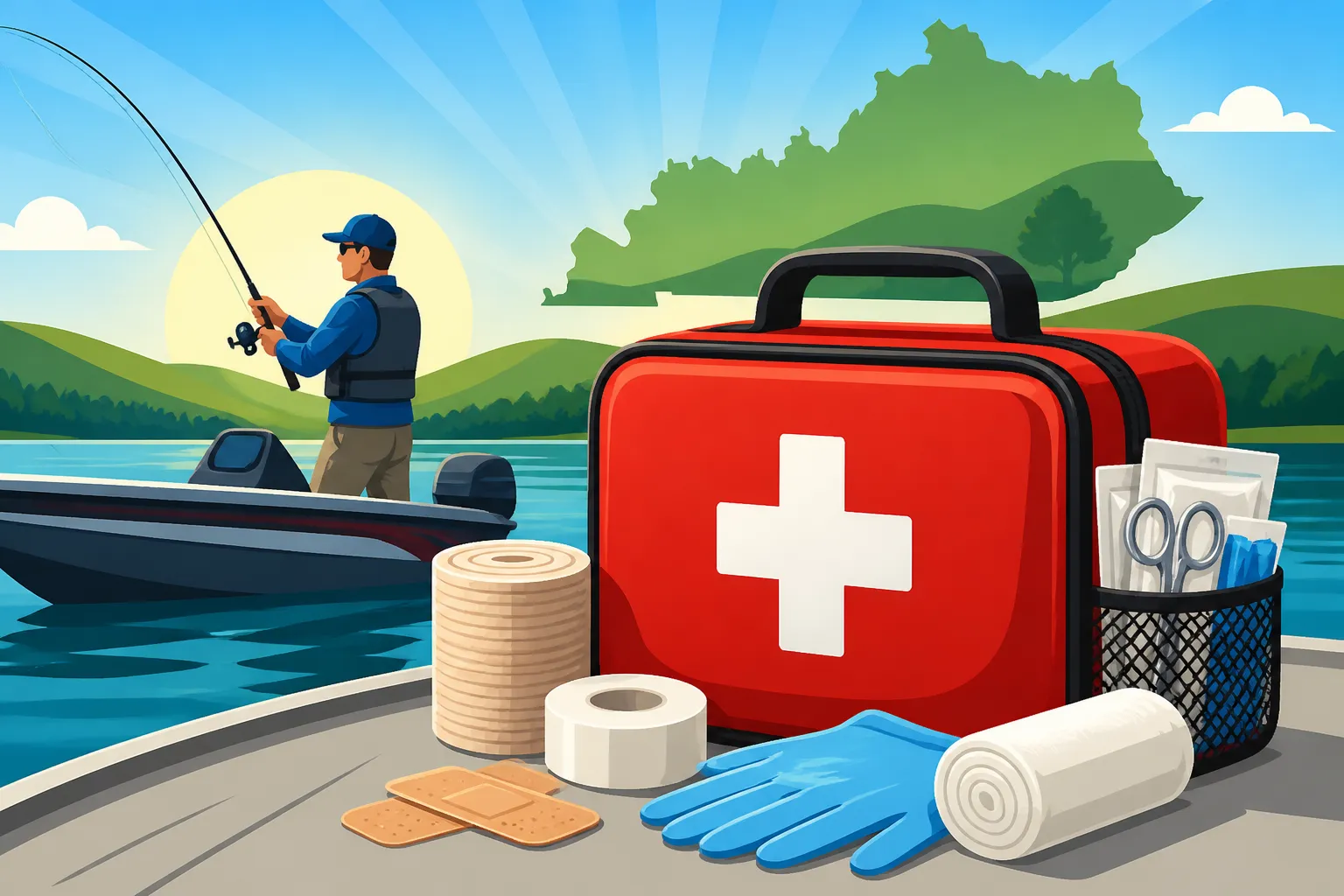
Let's start with the basics – the items you'll reach for most often. A robust boating first aid kit should have an ample supply of various bandages: adhesive strips in multiple sizes, waterproof versions for wet conditions, and butterfly closures for closing small wounds. Antiseptic wipes or a small bottle of antiseptic solution are crucial for cleaning wounds to prevent infection, especially important when dealing with murky lake water. Gauze pads of different sizes, along with medical tape, are indispensable for covering larger wounds or securing dressings.
Don't forget the over-the-counter medications. Pain relievers like ibuprofen or acetaminophen are a must for headaches, minor sprains, or general aches. Antihistamines are incredibly important for allergic reactions to insect stings or plants like poison ivy, which you might encounter when bank fishing or exploring shorelines. A good quality burn cream or gel can provide immediate relief for sunburns or minor cooking burns if you have a grill on board. And for those choppy days on larger bodies of water, motion sickness medication can be a lifesaver, preventing a miserable trip. Consider packing a small tube of antibiotic ointment as well, to apply to cleaned cuts and scrapes before bandaging. These items, while seemingly simple, form the backbone of your quick-response capabilities.
Preparedness for More Serious Situations
While we all hope to never need them, some items in your kit are there for those moments when things go really wrong. This is where a marine kit truly distinguishes itself. Think about adding a tourniquet – a critical tool for controlling severe, life-threatening bleeding from deep cuts or limb injuries. It's a skill to use one correctly, but having it available means you have an option. Splints, whether flexible or rigid, are vital for stabilizing suspected fractures or sprains until professional medical help can be reached. An emergency blanket, often a Mylar thermal blanket, can help prevent hypothermia, which can set in even on warm days if someone is wet and goes into shock. Electrolyte packets or oral rehydration salts are crucial for combating severe dehydration or heat exhaustion, especially during those scorching Kentucky summers. Trauma dressings, which are larger and more absorbent than regular gauze, are designed for significant wounds. Remember, having these items is only half the battle; knowing how to use them through basic first aid training is just as important. Kentucky Boating Safety Gear Checklist can help you round out your preparedness.
Storage and Accessibility on Your Boat
Where and how you store your first aid kit is almost as important as what's inside it. On a boat, space can be limited, and exposure to the elements is constant. Your kit should be housed in a durable, waterproof or highly water-resistant container. Many specialized marine first aid kits come in hard cases or dry bags designed for this purpose. It should be stored in an easily accessible location, not buried under tackle boxes or spare life jackets. Imagine a sudden emergency – you don’t want to be fumbling around trying to find it. Many anglers choose to keep it in a designated, visible compartment or even strapped to a console in a bass boat. For smaller vessels like kayaks, a dry bag that clips to the deck or seat might be the best option. A clearly marked kit, perhaps with a bright red cross, ensures that anyone on board can quickly identify it, especially if you’re incapacitated. Regularly check that its location is still optimal and hasn't become cluttered with other gear.
Assembling Your Own Kit Versus Buying Pre-Made
When it comes to outfitting your boat with a first aid kit, you essentially have two main paths: building it yourself from scratch or investing in a pre-made, commercially available option. Both have their advantages, and the best choice often depends on your comfort level, budget, and specific needs.
The DIY Approach: Customization and Cost-Effectiveness
Building your own first aid kit offers unparalleled customization. You know your specific fishing spots, the types of trips you take, and who you usually have on board. If you often fish remote streams for trout and are prone to scrapes from brush, you might emphasize wound care. If you're frequently on big, open water like Kentucky Lake with family, motion sickness and severe sunburn might be higher priorities. This allows you to tailor the contents precisely to the risks you anticipate.
Another significant advantage is cost-effectiveness. By purchasing individual items from your local pharmacy or big-box stores, you can often save money compared to buying a pre-packaged kit. You also get to ensure the freshness of all supplies, checking expiration dates on medicines and sterile items before adding them to your kit. You can find excellent quality components from online retailers like Amazon, allowing you to compare brands and prices easily. This hands-on approach also familiarizes you intimately with every item in your kit, which can be invaluable when an emergency strikes. Just remember to use a quality waterproof container to house your carefully selected supplies.
The Convenience of Pre-Packaged Marine Kits
For many busy anglers, the convenience of a pre-packaged marine first aid kit is hard to beat. These kits are specifically designed with the unique challenges of boating in mind, often featuring durable, water-resistant cases and contents curated for typical marine injuries and ailments. They save you the time and effort of sourcing each individual item and ensure you haven't overlooked any critical components. Many reputable outdoor and marine suppliers offer excellent options. Stores like Bass Pro Shops often carry a range of pre-made kits, from compact versions perfect for a kayak to comprehensive trauma kits suitable for larger vessels.
While they might come at a slightly higher initial cost than a DIY kit, the peace of mind that comes from knowing a professional has considered the contents for marine use is often worth it. Just be sure to check the contents list to ensure it meets your personal needs and that the expiration dates on any medications or sterile items are clearly visible and far enough in the future. Consider how they stack up against your boat's other Essential Safety Gear for Every Boat in Kentucky.
Maintaining and Restocking Your Kit
Whether you build your own or buy one off the shelf, a first aid kit is only effective if it's well-maintained and fully stocked. This isn't a "set it and forget it" item. You should establish a regular schedule to check your kit, perhaps at the beginning of each fishing season or before any major boating trip.
Here’s a simple maintenance checklist:
- Check Expiration Dates: All medications, antiseptic wipes, and even some sterile dressings have expiration dates. Discard anything expired and replace it promptly.
- Replenish Used Supplies: Even if it was just a small bandage for a minor scrape, replace anything you've used. You never know when you'll need that item again.
- Inspect Packaging: Ensure all sterile packaging is intact. Any tears or punctures can compromise sterility.
- Verify Waterproofing: Check the seals and latches on your kit's container. Make sure it's still watertight and hasn't cracked or degraded from sun exposure.
- Review Contents Annually: As your boating habits change or as new, more effective products become available, you might want to adjust the contents of your kit.
- Clean and Organize: Keep the kit tidy. A disorganized kit can waste precious time in an emergency.
By regularly maintaining your first aid kit, you ensure that when the unexpected happens, you're ready with fresh, effective supplies.
Beyond the Kit: Training and Supplemental Safety Gear
A well-stocked first aid kit is undoubtedly a cornerstone of boating safety, but it's only one piece of the puzzle. True preparedness extends beyond having the right supplies; it encompasses knowledge, skill, and a holistic approach to safety on the water.
Basic First Aid and CPR Training for Boaters
Having a tourniquet, an emergency blanket, or specialized wound dressings in your kit is excellent, but they're only as useful as your ability to properly apply them. This is where basic first aid and CPR training become absolutely critical. Imagine a scenario where someone on your boat suffers a severe laceration or experiences a sudden medical emergency. Knowing how to assess the situation, administer immediate care, and effectively use the items in your first aid kit can literally mean the difference between life and death.
Organizations like the American Red Cross and local community centers often offer courses specifically tailored for outdoor and marine environments. These classes teach you not just what to do, but how to do it confidently and efficiently. Learning CPR, how to stop severe bleeding, how to treat shock, and how to stabilize a fracture are invaluable skills for anyone spending time on Kentucky's waterways. Even a simple online refresher course can go a long way in boosting your confidence and competence. Many boaters, especially those born after a certain date, are required to complete a Kentucky Safe Boating Certificate Requirements course, which often includes some basic safety and first aid principles.
Integrating with Other Safety Equipment
Your first aid kit is part of a larger safety ecosystem on your boat. It complements other crucial gear that every boater should have on board. For instance, Life Jacket Rules for Boats in Kentucky are in place for a reason; a properly fitting life jacket can prevent drowning, allowing you time to administer first aid if someone has fallen overboard. Communication devices, such as a marine radio or a fully charged cell phone (in a waterproof case), are essential for calling for help if an injury is beyond your immediate capabilities.
Furthermore, consider where your first aid kit fits within your overall boat layout, especially if you have a larger vessel. Is it easily accessible, or is it stowed away in a locker that's hard to get to? Think about the fire extinguisher requirements for Kentucky boats, navigation lights for night fishing, and even simple things like anchor and rope. All these components work together to create a safe environment. A comprehensive approach means not just reacting to emergencies but actively trying to prevent them, and when they do occur, being ready with both the tools and the knowledge to handle them effectively. Don't forget to regularly consult official sources for Kentucky Fishing Regulations Explained to ensure you're always in compliance.
| Feature | Basic Home First Aid Kit | Recommended Boating First Aid Kit |
|---|---|---|
| Container | Cardboard box, soft fabric bag, or plastic case | Durable, waterproof/water-resistant hard case or dry bag |
| Bandages | Assorted adhesive strips, some gauze | Waterproof adhesive strips, various sizes, heavy-duty gauze, medical tape, trauma dressings |
| Antiseptics | Alcohol wipes, small antiseptic spray | Ample antiseptic wipes, hydrogen peroxide, antibiotic ointment |
| Medications | Pain relievers, maybe allergy meds | Pain relievers, antihistamines, motion sickness pills, burn cream, electrolyte packets, anti-diarrhea |
| Serious Injuries | Minimal (maybe a large bandage) | Tourniquet, splint, emergency blanket, trauma shears, instant cold packs |
| Specialty Items | Often none | Fishing hook removers, rehydration salts, sunscreen, insect repellent, waterproof matches |
| Durability | Low resistance to moisture and wear | High resistance to water, UV, and impact |
| Cost | Lower | Potentially higher due to specialized contents and casing |
This article is for general informational purposes only and does not constitute professional advice. Laws, prices and regulations vary by location and change over time. Consult a qualified professional for guidance on your specific situation.