What Happens If You Fish Without a License in Kentucky?
There's nothing quite like the feeling of anticipation before a fishing trip – the gear is packed, the cooler is ready, and your favorite spot is calling. But what happens if, in all that excitement, you completely forget one crucial item: your fishing license? Or maybe you thought you didn't need one, or decided to risk it just this once. The truth is, fishing without a valid license in Kentucky can turn a relaxing day into a stressful, and costly, ordeal. This guide will walk you through exactly what can happen if you find yourself in this situation, from the immediate encounter with a game warden to the long-term impacts, and why it's always best to be prepared.
The Immediate Encounter: What Happens on the Water
Imagine you're out on Kentucky Lake, the sun is shining, and the bass are biting. You've just reeled in a nice largemouth, feeling great, when suddenly you see a boat approaching. It's a Kentucky Department of Fish and Wildlife Resources (KDFWR) game warden, and they're pulling up for a routine check. This is where many anglers realize they might be in trouble.
Game Warden Interaction and Verification
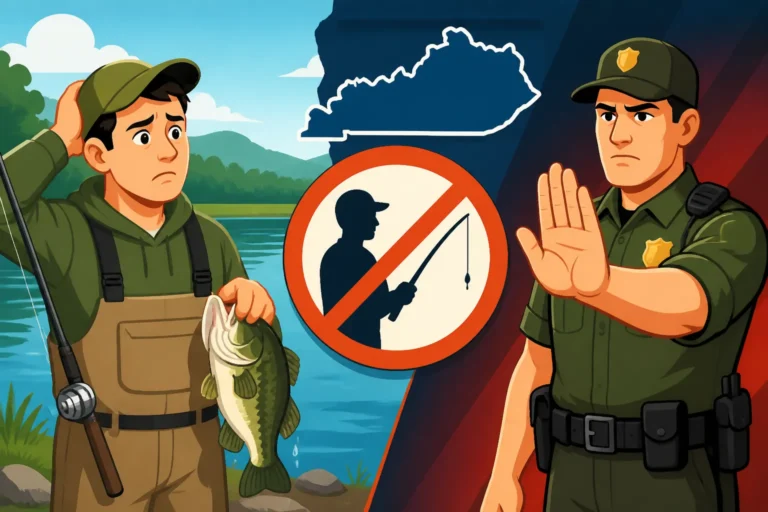
First things first, game wardens in Kentucky are peace officers, and they have the authority to stop and inspect anyone engaged in fishing activities. They're usually very professional and polite, but they're also serious about enforcing regulations. When they stop you, they'll typically ask to see your fishing license, proof of identification, and if you're on a boat, your boat registration and safety equipment.
If you can't produce a valid Kentucky fishing license, either a physical copy or a digital one on your phone, that's when the situation changes. They'll likely ask you some questions about why you don't have one. Be honest and cooperative. Trying to mislead a game warden can lead to additional, more serious charges. They have ways of verifying your licensing status on the spot, so claiming you bought it last week when you didn't will only make things worse. They can look up your record right from their vehicle or boat.
Citations, Fines, and Court Dates
Getting caught without a fishing license in Kentucky is considered a misdemeanor offense. It's not just a slap on the wrist; it comes with a formal citation. The fine amount can vary depending on several factors, including whether it's your first offense, if you were also violating other regulations (like bag limits or using illegal gear), or if you were uncooperative.
While specific fine amounts can change, you can generally expect a base fine that could be around $100-$300 for a first offense. But it doesn't stop there. You'll also likely incur court costs and fees, which can add significantly to the total. This means that failing to spend the modest amount on a license, like the current Kentucky Resident Annual Fishing License Costs $24.31, can easily cost you several hundred dollars or more. It's truly a costly oversight. The officer will issue you a ticket, much like a traffic ticket, and it will have a scheduled court date that you are legally obligated to attend. Ignoring this could lead to a warrant for your arrest, escalating a minor infraction into a much bigger legal issue.
Potential Loss of Gear and Catch
While not always the immediate outcome for a first-time offense of just fishing without a license, it's important to know that Kentucky game wardens do have the authority to seize any fish caught and, in some cases, even your fishing equipment. This usually happens in more severe situations, such as repeated offenses, using illegal methods, or catching protected species.
For example, if you're caught fishing without a license and also found to be over the daily limit for crappie, or using an unauthorized trotline, the chances of your gear and catch being confiscated increase dramatically. The KDFWR's goal is to protect the state's natural resources, and confiscation acts as a deterrent against serious violations. So, while simply forgetting your license might not lead to your favorite fishing rod being taken, combined with other infractions, it's definitely a real possibility.
Beyond the Water: Long-Term Repercussions
The impact of being caught without a license doesn't necessarily end when the game warden leaves. There can be lingering consequences that affect your ability to enjoy fishing in Kentucky for years to come.
Court Appearances and Legal Ramifications
As mentioned, a citation for fishing without a license often comes with a mandatory court appearance. This means taking time off work or other obligations to show up in court, which can be a significant inconvenience and additional cost, especially if you have to travel a long distance.
During your court appearance, a judge will review your case. Depending on the circumstances, they might issue a stern warning, levy the standard fines and court costs, or impose additional penalties. If you have a history of fish and wildlife violations, the judge might take a harsher stance. This legal record, even for a misdemeanor, can show up on background checks, which could potentially impact certain job opportunities or other situations where a clean record is essential. It's a hassle nobody wants, all for trying to save a few dollars on a license.
Suspension of Fishing and Hunting Privileges
Perhaps one of the most disheartening consequences for a passionate angler is the potential suspension of your fishing and hunting privileges. The KDFWR has the authority to revoke your right to fish (and often hunt) in Kentucky for a specified period. This isn't just about not being able to buy a license; it means any attempt to fish during your suspension period could lead to even more severe charges and extended suspensions.
The length of the suspension can vary greatly. For a first-time, simple license violation, it might be relatively short, perhaps a year or less. However, for repeat offenders or those who commit more serious wildlife crimes, suspensions can last for several years, making it impossible to participate in a beloved pastime. This also often extends to other states that are part of the Interstate Wildlife Violator Compact, meaning a suspension in Kentucky could mean you can't fish in neighboring states like Tennessee, Ohio, Indiana, or others that are part of the compact.
Impact on Future License Purchases
While a single, minor infraction might not permanently bar you from getting a license again, it can definitely complicate the process. When you apply for a new license, your past violations are on record. The KDFWR, through its system, tracks all prior offenses. This means that if you're a repeat offender, you might face increased scrutiny or have difficulty purchasing certain types of licenses or permits in the future.
For example, if you're thinking about adding a trout permit later on, or perhaps a special permit for a unique fishing opportunity, a history of violations might make you ineligible or require additional steps to prove your compliance. It’s an administrative headache that can easily be avoided by simply purchasing your license in the first place. You can learn more about specific costs and types of licenses in our comprehensive guide, Kentucky Fishing License Costs and Types.
Why It's Just Not Worth the Risk
Considering all the potential headaches and financial penalties, risking it by fishing without a license truly isn't worth it. The cost of a Kentucky fishing license is a tiny fraction of what you could end up paying in fines, court costs, and lost fishing opportunities.
Supporting Conservation Efforts and Wildlife Management
Every dollar spent on a Kentucky fishing license goes directly back into the state's fish and wildlife conservation programs. These funds are crucial for:
- Stocking fish: Ensuring healthy populations of popular species like bass, crappie, and trout in lakes and rivers across the state.
- Habitat restoration: Improving and protecting aquatic environments so fish can thrive.
- Research and monitoring: Studying fish populations to set appropriate Statewide Bag and Size Limits by Fish Species and ensure sustainable fishing for future generations.
- Enforcement: Funding the game wardens who protect our resources from poaching and other illegal activities.
When you buy a license, you're not just getting permission to fish; you're actively contributing to the health and future of Kentucky's incredible fishing resources. It's an investment in the sport you love.
The Ease and Affordability of Getting Licensed
The process of obtaining a Kentucky fishing license is incredibly straightforward and affordable, especially compared to the alternative. You have several convenient options:
- Online: The easiest way is often through the KDFWR's official website. You can purchase and print your license from the comfort of your home, or save a digital copy to your phone. This makes it simple to ensure you're covered, even last minute. Our guide on How to Buy a Kentucky Fishing License Online provides a step-by-step walkthrough.
- In-person: Many sporting goods stores, bait shops, and county clerk offices throughout Kentucky sell fishing licenses. Just walk in, provide some basic information, and you're good to go. This is particularly handy if you prefer a physical card or want to pick up some last-minute bait. Even big box retailers like Walmart often have KDFWR license vendors available.
- Retailers: Local businesses benefit too, as many of them serve as vendors. You can grab a new fishing reel or a new fishing line from a sporting goods store, and then pick up your license all in one go. You can even find essential fishing gear and tackle on Amazon to complete your setup before heading out.
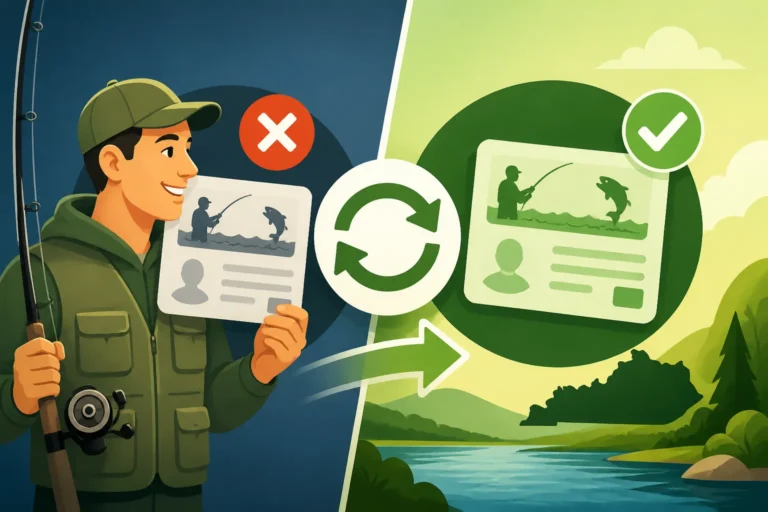
Whether you're planning a full season of fishing or just a quick weekend trip, Kentucky offers various license types to fit your needs, including annual licenses, 1-day licenses, and even combined fishing and hunting licenses. For example, a Kentucky Resident 1-Day Fishing License Costs $7.40, which is a steal compared to the fines you'd face without it. Always remember to check the Kentucky Fishing License Year and Renewal Dates to ensure your license is current. It typically runs from March 1st to the last day of February.
Here’s a quick overview contrasting the cost of compliance versus the risk:
| Scenario | Cost of License (Example) | Potential Fine (First Offense) | Additional Costs (Court Fees, etc.) | Total Risk Estimate |
|---|---|---|---|---|
| Resident Annual License | $24.31 | $100 – $300 | $50 – $150 | $150 – $450+ |
| Resident 1-Day License | $7.40 | $100 – $300 | $50 – $150 | $150 – $450+ |
| Nonresident Annual License | $58.14 | $100 – $300 | $50 – $150 | $150 – $450+ |
| Nonresident 7-Day License | $37.00 | $100 – $300 | $50 – $150 | $150 – $450+ |
As you can see, the cost of a license is minimal when compared to the potential financial hit. Not to mention the stress and time lost dealing with legal issues and the potential for losing your fishing privileges. Remember, even if you’re fishing a private pond, there are specific rules. You might be interested in knowing about License-Required Waters Versus Private Ponds. It’s always best to be sure. You can even find great fishing accessories like tackle boxes, lures, and waders on Amazon to get fully prepared for your licensed fishing adventure.
Understanding Specific Kentucky Regulations
Beyond just having a license, it's crucial to understand the specific rules that apply to Kentucky fishing. These rules are in place to ensure fair chase, protect fish populations, and maintain healthy ecosystems. Ignoring them can lead to additional penalties on top of not having a license.
Bag and Size Limits
Kentucky has statewide regulations for most popular fish species, but many lakes and rivers also have site-specific rules that supersede the general ones. For instance, while the statewide bass limit might be a certain size and number, a specific lake like Lake Barkley could have a stricter Lake Barkley Bass Size Limit Exception in Kentucky to protect its unique fishery.
Always check the current KDFWR Fishing & Boating Guide before you head out, or consult their website for specific regulations for the body of water you plan to fish. This includes knowing the daily limit for species like crappie (typically Kentucky Crappie Daily Limit: 20 Fish Statewide) or catfish, and any size restrictions. Accidentally keeping an undersized fish or going over the bag limit can result in further citations. You can often find useful guides and regulation summaries on Amazon for quick reference on your phone or in print for easy access in your tackle box.
Gear and Methods
Kentucky also has rules about the types of gear and methods you can use. This includes restrictions on:
- Number of poles: How many lines you can actively fish at one time.
- Live bait rules: Restrictions on certain types of live bait or where you can collect them.
- Illegal gear: Methods like snagging (except for specific seasons/species like paddlefish) or the use of illegal nets are strictly prohibited.
Using unauthorized gear can lead to immediate confiscation and much heavier fines than a simple license violation. It's a good idea to refresh your knowledge of Kentucky Fishing Regulations Explained regularly, as rules can occasionally change. Being aware of these rules is part of being a responsible angler.
Conclusion: Fish Smart, Fish Legal
Ultimately, the best way to enjoy fishing in Kentucky is to do it legally and responsibly. The consequences of fishing without a license, or ignoring other regulations, far outweigh the minor cost and effort of getting properly licensed. From immediate fines and court appearances to potential loss of privileges and supporting vital conservation efforts, there's every reason to ensure you're squared away before casting your line.
So, before your next adventure, take a moment to double-check your wallet or phone for that current fishing license. It's a small step that ensures your focus can remain where it belongs: on the joy of the catch, the beauty of Kentucky's waters, and the memories you're making. And hey, while you're at it, maybe browse Amazon for some new lures to celebrate being a responsible angler!
Disclaimer
Please remember that fishing regulations and penalties can change. Always consult the official Kentucky Department of Fish and Wildlife Resources (KDFWR) website or current regulations guide for the most up-to-date and accurate information before heading out to fish. This guide is for informational purposes only and should not be considered legal advice.