Herrington Lake Fishing Guide, Kentucky’s Deep Water Bass Lake
Herrington Lake, with its stunning bluffs and deep, clear waters, often feels like a puzzle to even seasoned anglers. Many arrive eager to test their skills against its legendary bass, only to find its challenging depths and steep drop-offs intimidating. This comprehensive guide is designed to unlock the secrets of Herrington Lake, providing you with the knowledge and strategies to confidently navigate its waters and consistently find success, no matter your target species or the time of year.
Understanding Herrington Lake's Unique Characteristics
Herrington Lake isn't just another body of water in Kentucky; it's a true anomaly, a deep gorge lake created by the impoundment of the Dix River. Its unique geology and hydrological features dictate everything from fish behavior to effective fishing strategies. Understanding these foundational aspects is key to mastering fishing on this remarkable lake.
Deep Waters and Steep Drop-Offs
Perhaps the most defining characteristic of Herrington Lake is its incredible depth and the sheer steepness of its underwater topography. Unlike many other Kentucky reservoirs with gradual sloping banks and expansive flats, Herrington plunges quickly. You can be casting near the shore and find yourself over 50 feet of water within a short distance. This dramatic depth change creates numerous ledges, shelves, and vertical drops that are crucial for fish. Many anglers, especially those new to deep-water fishing, get frustrated by this. They might cast into what looks like promising shallow cover, only to have their lures fall into the abyss without a bite.
Fish in Herrington Lake, particularly bass, often relate directly to these sharp breaks, using them as ambush points or highways between deep sanctuary and shallower feeding grounds. Imagine a school of baitfish cruising along a submerged ledge; a waiting bass is just a few feet away, ready to strike. The Dix River channel, which snakes through the entire lake, acts as a superhighway for fish, providing constant deep water access. Understanding how to interpret your sonar and identify these structures is far more critical here than in shallower, flatter lakes. It's not uncommon to find bass holding on a 45-degree break at 30 feet, or suspended over 80 feet of water, chasing schools of bait.
Clear Water Challenges and Advantages
Another major factor on Herrington Lake is its exceptional water clarity. While this offers breathtaking views of the underwater world, it also presents a significant challenge for anglers. Fish in clear water have a much wider field of vision and are generally more wary. They can see your boat, your line, and even subtle movements from a greater distance, making them more easily spooked. This can be especially frustrating on bright, sunny days when the light penetrates deep into the water column. Many anglers experience the disheartening feeling of seeing fish but being unable to coax a bite.
However, this clarity also brings advantages. It allows for longer leaders with lighter fluorocarbon lines, which are practically invisible underwater, giving you a stealth advantage. Furthermore, sight fishing can be incredibly effective during certain times of the year, particularly during the spring spawn when bass are on beds in clearer, shallower areas. The challenge becomes a game of finesse and stealth: using natural-colored baits, quieter approaches, and longer casts to avoid detection. On the flip side, dirty water, often caused by heavy rains, can actually make fishing easier on Herrington by reducing visibility and making fish less skittish.
The Lake's Size and Geographic Layout
Herrington Lake spans about 2,330 acres and boasts an impressive 325 miles of shoreline, winding its way through Mercer, Garrard, and Boyle counties. It’s a long, narrow lake, stretching approximately 35 miles from its headwaters near Danville to the Dix Dam. This linear layout means that while it doesn't have the vast open expanses of lakes like Kentucky Lake, it offers a continuous, riverine feel with countless coves, pockets, and feeder creeks. The upper sections of the lake tend to be narrower and shallower, with more current influence, while the lower sections near the dam are much deeper and wider.
This geographical variation is important for understanding fish distribution and behavior throughout the year. In spring, the shallower coves and creek arms in the upper lake warm up faster, drawing bass and crappie to spawn. As summer progresses, fish in the lower lake often retreat to deeper, cooler water, relating to the main river channel and vertical bluffs. Fall sees fish spreading out across the lake, feeding aggressively in both shallow and deep zones. Different sections of the lake will fish differently depending on the season, water temperature, and recent weather patterns. A good strategy often involves exploring various parts of the lake to see what's working best, whether you're looking for Herrington Lake's Best Bass Fishing Coves in Kentucky or trying to find where the catfish are holding.
Prime Fish Species to Target in Herrington Lake
While Herrington Lake holds a diverse array of fish, certain species truly stand out, offering exciting opportunities for anglers. Knowing what to target and where to find them is the first step toward a successful outing.
Largemouth and Smallmouth Bass Dominance
Herrington Lake is widely celebrated as a premier bass fishing destination, with both largemouth and smallmouth bass thriving in its unique environment. The largemouth bass tend to favor the lake's abundant rocky cover, laydowns, and submerged brush, particularly in the many coves and feeder creeks. They are often found in areas with slightly stained water, especially during the warmer months, where they can ambush prey from cover. During the spring, you'll find them moving into the shallower protected pockets to spawn, making them vulnerable to sight fishing.
Smallmouth bass, true to their nature, prefer the deeper, clearer, rocky structures of the main lake and its tributaries. They're often found around bluffs, points, ledges, and rocky reefs, especially in the cooler months. Their powerful fights and acrobatic leaps make them a favorite among many anglers. The convergence of deep, clear water and rocky habitat makes Herrington Lake ideal for smallmouth, and catching a "brown fish" over five pounds is a real possibility here. Anglers often target both species on the same outing, as their habitats can overlap significantly, especially on steep, rocky banks that quickly drop into deep water. You might find a largemouth tucked under a fallen tree on a steep bank and a smallmouth patrolling the rocks just a few feet deeper.
Thriving Catfish Populations
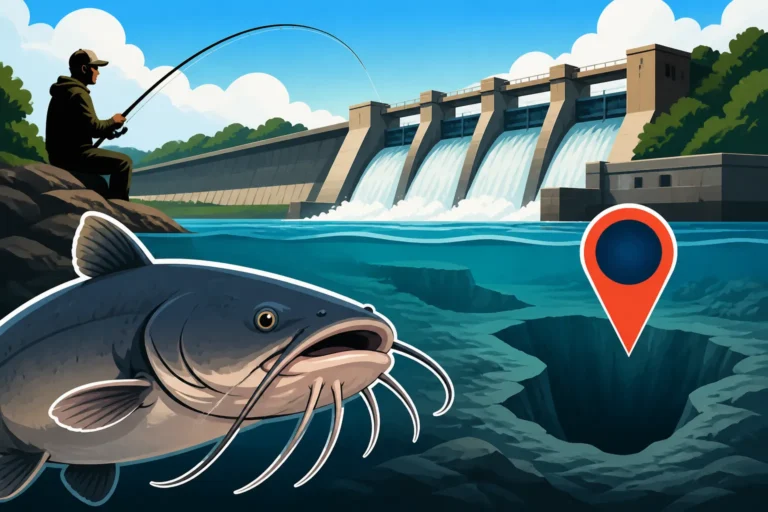
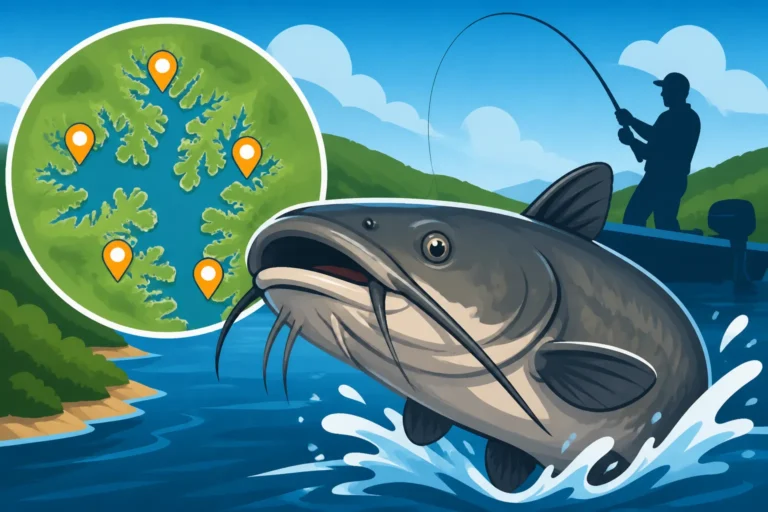
Beyond bass, Herrington Lake is home to a robust population of catfish, including channel, blue, and flathead cats. These whiskered bottom dwellers offer a fantastic alternative for anglers seeking a different kind of fight, especially during the warmer months when the bass bite might slow down in the heat of the day. The lake's deep channels and abundant forage make it an excellent habitat for trophy-sized catfish. Many local anglers specifically target these giants, and for good reason—they can grow to impressive sizes.
You'll often find channel and blue catfish in the deeper holes of the Dix River channel, around submerged timber, and near the mouths of creeks. They are scavengers and opportunistic feeders, making them susceptible to a variety of baits. Flatheads, on the other hand, are ambush predators that prefer live bait and often hide in heavy cover like log jams and rock crevices in the main river channel. For specific tips on how to find these powerful fish, checking out a guide on Where to Catch Catfish on Herrington Lake can be incredibly helpful. Night fishing for catfish is particularly popular and productive on Herrington, as they become more active after dark, cruising the shallows and main lake points in search of food.
Panfish Opportunities (Bluegill, Crappie)
While not as renowned for panfish as some other Kentucky lakes, Herrington Lake still offers excellent opportunities for catching bluegill and crappie, especially for those looking for a more relaxed fishing experience or an easy catch for the dinner table. Bluegill are abundant throughout the lake, particularly in areas with submerged vegetation, docks, and fallen trees. They are eager biters and a perfect target for kids or beginner anglers. Their strong pull for their size makes them a fun fight on light tackle.
Crappie, both black and white, can be found around submerged brush piles, standing timber, and bridge pilings. They tend to congregate in schools, so once you find one, you're likely to find more. The spring crappie spawn sees them move into shallower coves, making them easier to target. During other seasons, they often hold in deeper water, suspending over brush or around deep structure. While they might not be the primary target for every angler, a day spent chasing panfish on Herrington can be incredibly rewarding, especially if you're looking to fill a cooler with delicious fillets. Many local anglers carefully guard their crappie brush pile locations, knowing how productive they can be.
Essential Fishing Techniques for Herrington Lake
Herrington Lake demands a versatile approach, given its deep, clear waters and varied structure. Relying on a single technique here is a recipe for frustration. Instead, a successful angler is one who can adapt, employing a range of strategies from deep-water presentations to stealthy shallow-water tactics.
Deep Water Jigging and Carolina Rigs
Given Herrington Lake's profound depths, mastering deep-water techniques is absolutely non-negotiable for consistent success, especially when targeting bass and even some crappie and catfish. Vertical jigging is a prime example. This involves dropping a jig straight down to the bottom or suspending it at a specific depth where fish are holding, often indicated by your electronics. Heavy jigs, spoons, and blade baits are excellent choices for this. The trick is to feel the bottom, then impart a subtle jigging action to entice bites from lethargic fish that might not chase a fast-moving lure. This technique is especially effective in winter and summer when fish are grouped up in deep thermal refuges. Learning How to Fish a Jig for Bass in Cold Water can provide valuable insights for Herrington's deep winter bite.
The Carolina Rig is another staple for deep-water fishing on Herrington. This rig, consisting of a heavy weight, a swivel, a bead, and a long leader to your hook, allows your bait to float enticingly above the bottom while the weight drags across structure. It's incredibly effective for covering expansive deep flats, ledges, and points, presenting a subtle offering to wary bass. The separation between the weight and the bait gives the bait a natural, uninhibited action that often triggers bites from pressured fish in clear water. Anglers often pair this rig with soft plastic worms, lizards, or creature baits in natural colors to mimic the lake's forage. This method is slow and methodical, but it can be incredibly rewarding when fish are holding tight to the bottom in deep water.
Topwater and Spinnerbait Strategies for Shallower Zones
While deep water gets a lot of attention, don't overlook the shallower zones of Herrington Lake, especially during specific times of the year and low-light conditions. Topwater lures can provide some of the most exhilarating strikes in fishing. Early mornings, late evenings, and overcast days, particularly in spring and fall, are prime times to throw walking baits, poppers, or prop baits near rocky banks, submerged timber, and brush piles in coves. The clear water here means fish can see a topwater offering from a distance, and the explosive strike can be unforgettable. However, stealth is paramount; long casts and a quiet approach are necessary to avoid spooking fish.
Spinnerbaits and bladed jigs (like the Chatterbait) are fantastic for covering water quickly and targeting active bass in stained water or around shallower cover. They excel when fished along grass lines, riprap banks, and around docks. The flash and vibration can draw fish from a distance, making them an excellent search bait. In clear water, opt for more natural blade colors (silver, gold) and skirt patterns that mimic baitfish. These lures are particularly effective during windy conditions or when water clarity is slightly reduced, as the commotion they create helps fish locate them. Don't be afraid to experiment with retrieve speeds; sometimes a fast, erratic retrieve triggers strikes, while other times a slow roll is more effective.
Live Bait Tactics for Finicky Fish
When the bite gets tough, or for targeting specific species like catfish, live bait is often the most reliable option on Herrington Lake. For bass, live shiners or shad can be incredibly effective, especially when fished on a slip bobber near submerged cover or around deep structure. The natural movement of live bait is often irresistible to finicky bass that might ignore artificial presentations. For smallmouth, a lively crawfish on a dropshot rig can be deadly around rocky points and ledges.
For catfish, a variety of live and cut baits prove successful. Live bluegill or shad are excellent for targeting larger flatheads, while cut bait, chicken livers, or commercial stink baits work wonders for channel and blue catfish. You can fish these on the bottom using a slip sinker rig, either from the bank or from a boat anchored over a promising hole. Even for crappie, small minnows fished under a bobber or on a jig head can out-produce artificials, especially during colder months. The key to successful live bait fishing is fresh bait and presenting it naturally. Having a livewell or a good bait bucket is essential to keep your offerings frisky.
Seasonal Fishing Strategies for Herrington Lake
Fishing Herrington Lake is a year-round affair, but success hinges on understanding how fish behavior changes with the seasons. Each quarter presents its own set of challenges and opportunities, demanding specific tactics and a willingness to adapt. Knowing Kentucky Fishing Seasons: What to Catch Each Month will give you a significant edge.
Spring Spawn Excitement
Spring is arguably the most anticipated season for bass anglers on Herrington Lake. As water temperatures begin to climb into the 50s and 60s, both largemouth and smallmouth bass move from their deeper wintering grounds into shallower coves and creek arms to spawn. This pre-spawn period is characterized by aggressive feeding as fish gorge themselves in preparation for the rigors of spawning. You'll find them cruising shallow flats, around docks, and on points leading into spawning pockets. Lipless crankbaits, spinnerbaits, and jerkbaits are excellent for covering water and locating these active fish.
Once the water hits the mid-60s, the spawn is in full swing. Bass will be on beds, particularly in the clearest, calmest water available. Sight fishing with soft plastics (tubes, creature baits, Senkos) becomes highly effective, though it requires a patient and precise approach. While largemouth will gravitate towards visible cover like stumps and laydowns, smallmouth often prefer more open, rocky areas for their beds. The post-spawn period sees bass recuperating, often moving to slightly deeper edges near their spawning grounds before returning to more consistent feeding patterns. Don't forget crappie during this time either, as they also move shallow to spawn, congregating around brush and wood cover.
Summer Deep Water Action
When the scorching Kentucky summer arrives, Herrington Lake transforms into a deep-water fishery. The clear water means that the sun's rays penetrate deeply, forcing most fish to seek refuge in cooler, oxygen-rich depths. Bass will relate heavily to the main river channel, deep points, ledges, and submerged humps, often holding at depths of 20-50 feet or even more. This is when your electronics become your best friend, helping you locate schools of baitfish and the predators beneath them.
Techniques like drop-shotting, deep cranking, football jigs, and the aforementioned Carolina rigs truly shine in summer. Target areas where deep water meets structure – think offshore humps, channel swings, and deep bluff ends. Early mornings and late evenings might offer a brief window for topwater action in shaded areas or over deep water where baitfish are busting, but for the majority of the day, you'll be focused on deep presentations. Catfish are also highly active in summer, often found in the deepest holes during the day and moving shallower at night. Finding thermoclines, which show up on many modern fish finders, can also be key, as fish will often congregate just above or within this temperature barrier.
Fall Turnover and Feeding Frenzies
Fall on Herrington Lake is a period of transition and often, fantastic fishing. As surface water temperatures cool, the lake undergoes its annual "turnover," where the cooler, oxygenated surface water mixes with the deeper, deoxygenated water. This can temporarily disrupt fish patterns and make fishing challenging. However, once the lake stabilizes, typically as temperatures drop into the 60s and 50s, a strong feeding frenzy begins. Fish, sensing the approaching winter, will actively chase baitfish to fatten up.
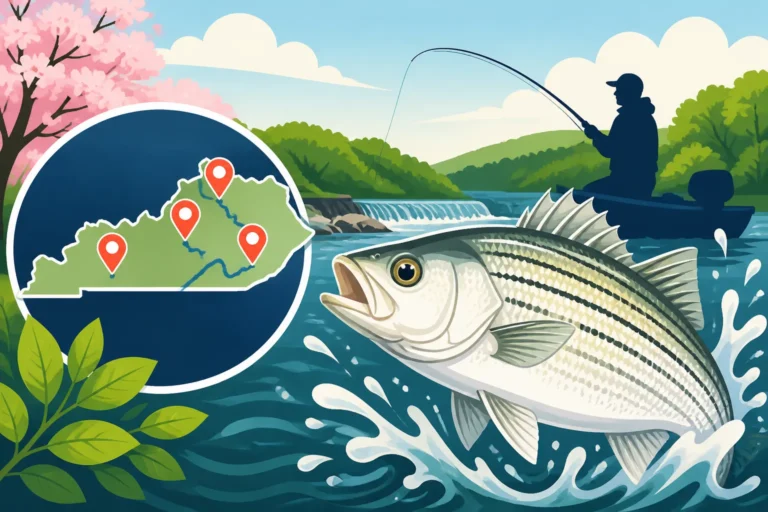
During fall, fish tend to spread out across the lake, making both shallow and deep patterns productive. Bass will often be found chasing shad on main lake points, creek mouths, and along bluffs. Crankbaits, spinnerbaits, jerkbaits, and swimbaits are excellent choices for covering water and mimicking baitfish. You might find schools of stripers or hybrid stripers busting bait on the surface in the mornings, offering exciting topwater opportunities. As the water continues to cool, bass will start moving back to deeper wintering areas, but will still make forays into the shallows for feeding. Crappie also become more active, often schooling up around deep brush piles.
Winter Patience and Precision
Winter fishing on Herrington Lake requires a good deal of patience and precision, but it can yield some of the biggest fish of the year. With water temperatures at their coldest, fish metabolism slows down, making them less active. However, they still need to eat. Fish will typically congregate in deep, stable water, often suspended over the main river channel or tucked into deep pockets and bluff ends. Locating these schools with your electronics is critical.
Vertical presentations are key in winter. Spoons, blade baits, and heavy jigs fished slowly and subtly are often the most effective. Look for areas with a slightly warmer water temperature, which can be just a few degrees different but makes a huge difference to cold fish. Fishing on sunny days, particularly during the warmest part of the afternoon, can increase your chances of a bite as fish may move up slightly in the water column or to sun-exposed rocks. Remember, in winter, a bite might feel like nothing more than a subtle "thump" or added weight on your line, so pay close attention. Catfish can still be caught in winter, often in the deepest holes, but their bite will be much more subdued.
Navigating Herrington Lake: Boat Ramps and Access Points
Getting onto Herrington Lake can be a bit different than other Kentucky reservoirs. Its steep banks and often narrow coves mean not every spot is easily accessible. Planning your launch and understanding access points is crucial for a smooth fishing trip.
Public Boat Ramps and Their Amenities
Herrington Lake offers several public boat ramps, which are your primary means of accessing the water if you're bringing your own vessel. These ramps are generally well-maintained by the Kentucky Department of Fish and Wildlife Resources or local entities. Popular ramps include Gwinn Island, Kennedy Bridge, Chimney Rock, and Bryants Camp. Gwinn Island, for example, is a well-known launch point, offering good parking and easy access to some of the lake's deeper sections. Each ramp might offer different amenities, such as courtesy docks, restrooms, and ample parking, so it's always a good idea to check before you go.
Be aware that during peak seasons, especially weekends and holidays, these ramps can get very busy. The steepness of some of the ramps can also be a consideration for larger boats or inexperienced trailer drivers. Always exercise caution and courtesy when launching and retrieving your boat. Some ramps, particularly in the narrower, upper sections of the lake, might be better suited for smaller boats or kayaks. For a detailed list and specific directions to these launch points, consulting a guide on Best Boat Ramps on Herrington Lake, Kentucky can be invaluable for planning your trip.
Bank Fishing Spots and Shoreline Access
While Herrington Lake is primarily known as a boat-fishing lake due to its steep terrain, there are still some opportunities for bank anglers, though they require a bit more searching. Public access points for bank fishing are less common than on lakes with more gradual shorelines, but they do exist. Areas around the public boat ramps often provide some limited shoreline access, allowing anglers to cast from the bank or a courtesy dock. Additionally, a few designated fishing piers or accessible spots might be found in certain parks or along specific stretches of the lake.
For those willing to do a bit of hiking, some areas within parks adjacent to the lake might offer more secluded bank fishing opportunities. However, always respect private property and be mindful of "No Trespassing" signs. A good pair of sturdy boots and the willingness to explore can sometimes lead to hidden gems for bank fishing. While you might not reach the deepest holes from shore, targeting panfish or catfish in shallower coves can still be productive. In particular, some of the bridge crossings over the lake also offer limited bank access, providing unique opportunities to fish structure that might otherwise be difficult to reach.
Navigational Tips and Hazards
Navigating Herrington Lake, especially for the first-timer, requires attention. The lake is relatively narrow in many places, and the winding nature of the old river channel can present blind turns. Always operate your boat at a safe speed, especially in unfamiliar territory or when approaching bends. Submerged timber, particularly in the upper sections of the lake, can be a hazard, so stay vigilant and consult your depth finder.
The steep bluffs and rock walls that line much of the lake are beautiful but also mean that strong winds can create rough conditions quickly, especially in the wider, lower sections. Always check the weather forecast before heading out. Keep a keen eye out for other boaters, particularly during summer weekends when recreational traffic can be heavy. Having up-to-date navigational charts or a good GPS unit is highly recommended. Pay attention to buoys and markers, as they indicate navigation channels and potential hazards. The lake's clear water means that sometimes you can see hazards below the surface, but don't rely on sight alone.
Essential Gear and Tackle for Herrington Lake
To conquer Herrington Lake's unique challenges, having the right gear is paramount. It's not just about having a rod and reel; it's about selecting equipment that can handle deep water, clear conditions, and the powerful fish that reside within.
Rods, Reels, and Line for Deep Water
For deep-water fishing on Herrington, your choice of rod, reel, and line can make all the difference. For jigging spoons, blade baits, and heavy jigs, a medium-heavy to heavy power spinning or casting rod, typically 6'6" to 7'6" in length, is ideal. This provides the backbone needed for solid hooksets in deep water and the power to control larger fish. A fast action tip is beneficial for detecting subtle bites and imparting precise lure movements. Pair this with a high-quality baitcasting reel with a fast retrieve ratio for quick line pickup or a spinning reel with a smooth drag system.
Line selection is critical in Herrington's clear water. Fluorocarbon line, known for its low visibility and minimal stretch, is often the preferred choice for main lines in the 10-15 lb test range, or as a leader material paired with braid. Braid, in the 20-30 lb test range, offers superior sensitivity and casting distance, making it an excellent main line for deep-water presentations, especially when paired with a fluorocarbon leader of 8-12 feet. Lighter fluorocarbon leaders are essential for finesse techniques like drop-shotting, where fish can be extremely line-shy. For those looking to upgrade their arsenal, checking out guides on Best Rods and Reels for Kentucky Fishing can offer some fantastic options.
Lure and Bait Selection for Clear Water
When fishing clear water like Herrington Lake, realism and natural presentation are key. For bass, soft plastics in natural colors like green pumpkin, watermelon, and various shades of brown or clear are highly effective. Stick baits, creature baits, worms, and tubes, fished on drop-shot rigs, shaky heads, or Carolina rigs, are staples. For hard baits, consider crankbaits with realistic baitfish patterns, jerkbaits that suspend naturally, and finesse swimbaits. The size of your lure should often match the prevalent baitfish in the lake, such as shad or bluegill.
For catfish, fresh cut bait (shad or skipjack herring, if available), chicken livers, and nightcrawlers are perennial favorites. Live bluegill or smaller carp can entice larger flatheads. For crappie, small jigs (1/16 to 1/8 ounce) in natural colors like chartreuse, white, or black, tipped with a minnow or crappie nibbler, are usually irresistible. Pay attention to the conditions; on overcast days or in slightly stained water, you might get away with brighter colors, but generally, muted tones are best. Experimentation is always important, but starting with subtle, realistic presentations will give you the best chance of success.
Electronics and Safety Equipment
In a deep, clear lake like Herrington, modern electronics are more than just a luxury; they are a necessity. A good fish finder with down-imaging and side-imaging capabilities will allow you to quickly identify bottom contours, locate ledges, humps, and submerged timber, and even spot schools of baitfish and individual fish. GPS mapping is also crucial for marking productive spots, navigating safely, and returning to your favorite fishing grounds. Knowing your depth and what lies beneath the surface gives you a massive advantage.
Beyond fishing electronics, safety should always be your top priority. Ensure you have all the required safety equipment on board, including life jackets for every occupant, a throwable flotation device, a whistle or horn, and navigation lights for low-light conditions. A first aid kit, a fire extinguisher, and a charged cell phone are also essential. Because of Herrington's steep banks, getting out of the water if you fall in can be difficult, so always wear your Life Jacket Requirements for Kids Under 12 in Kentucky and adults should consider wearing one too, especially when operating a boat. Always let someone know your float plan – where you're going and when you expect to return. A well-prepared angler is a safe angler.
Regulations and Licenses for Herrington Lake Fishing
Before you even cast a line in Herrington Lake, it’s absolutely crucial to understand the rules of engagement. Kentucky, like all states, has specific regulations designed to protect its fisheries and ensure sustainable fishing for everyone. Getting caught unaware can lead to fines and a ruined day on the water.
Kentucky Fishing License Requirements
The very first thing any angler needs to secure before fishing Herrington Lake, or any public water in the Commonwealth, is a valid Kentucky fishing license. This isn't just a suggestion; it's a legal requirement for most individuals aged 16 and older. Residents and non-residents alike must purchase a license, though the costs and types of licenses available will differ. You can choose from annual licenses, which are great for frequent anglers, or shorter-term options like a 1-day or 7-day license if you're just visiting or planning a quick trip.
It’s easy enough to get one: you can buy your license online through the Kentucky Department of Fish and Wildlife Resources (KDFWR) website, at most bait and tackle shops, or at county clerk offices. Make sure you understand the specific dates your license is valid; for example, the Kentucky Fishing License Year Runs March 1 to February 28. Always carry proof of your license while fishing, either a physical copy or a digital one on your phone. Ignoring this fundamental rule is a quick way to experience the penalties for fishing without a license in Kentucky, which no one wants. Also, remember that while most kids don't need a license, there are specific Kentucky Fishing License Requirements for Kids that depend on their age.
Herrington Lake Specific Size and Creel Limits
While many regulations are statewide, some lakes, including Herrington, may have site-specific rules that supersede general statewide limits. This is particularly true for popular game species like bass, crappie, and catfish. Always check the current KDFWR Fishing and Boating Guide before your trip, specifically looking for any special regulations pertaining to Herrington Lake. For example, while the statewide bass limit might be one thing, Herrington could have a slot limit or a different daily creel limit to manage its specific fish populations.
For crappie, there's usually a statewide daily limit, but some lakes have minimum size limits. Catfish often have generous daily limits, but sometimes a restriction on the number of trophy-sized fish you can keep. These site-specific rules are put in place by fisheries biologists to ensure healthy fish populations and quality fishing for years to come. It’s incredibly frustrating to catch a beautiful fish only to realize it's out of compliance. Double-checking these regulations is a small effort that can prevent a big headache and ensure you're fishing responsibly.
Understanding Statewide Fishing Regulations
Beyond licenses and specific lake limits, there's a broader set of Kentucky Fishing Regulations Explained that apply across the state. These cover everything from legal fishing methods and tackle restrictions to prohibitions on certain types of bait or activities. For instance, knowing the statewide bass limit, or the Statewide Bag and Size Limits by Fish Species for crappie and catfish, is crucial. You also need to be aware of what constitutes legal fishing gear and methods. Are trotlines allowed? What about jug fishing? Are there restrictions on the number of rods you can use? These are all questions addressed in the regulations.
Another often overlooked aspect is the proper handling and release of fish, especially if you're practicing catch and release. Understanding how to minimize stress on the fish, particularly during warmer months, ensures they have the best chance of survival. Regulations also cover invasive species, preventing their spread, and proper disposal of trash. Being a responsible angler means not just following the letter of the law but also understanding the spirit behind the regulations: conservation and preserving Kentucky's incredible natural resources for future generations.
Maximizing Your Herrington Lake Fishing Experience
Fishing Herrington Lake can be a truly unforgettable experience, but a little extra planning and an open mind can elevate your trip from good to extraordinary. Beyond just catching fish, it's about enjoying the breathtaking scenery and challenging yourself on these unique waters.
Hiring a Local Fishing Guide
If you're new to Herrington Lake, or if you simply want to maximize your chances of success and learn the nuances of this challenging fishery quickly, hiring a local fishing guide is one of the best investments you can make. A good guide isn't just someone who puts you on fish; they're educators who understand the lake's ever-changing patterns, know the hot spots for each season, and can teach you specific techniques that work best here. They have spent countless hours on the water, mapping out structure, understanding bait movements, and dialing in the bite.
A guide can save you days, even weeks, of trial and error. They'll have all the right gear, up-to-date electronics, and a boat perfectly suited for the lake. More importantly, they offer invaluable insights into fish behavior, lure selection, and presentation specific to Herrington's clear, deep waters. You can find experienced local guides through reputable services like FishingBooker, which connects anglers with professional charters and guides for tailored experiences. Whether you're targeting trophy bass or looking to fill a cooler with crappie, a guide can provide a masterclass on Herrington Lake fishing.
Planning Your Trip for Success
Careful planning is the bedrock of a successful Herrington Lake adventure. Start by considering the time of year you want to fish and match your target species and techniques accordingly. Consult weather forecasts closely, as wind and sudden temperature changes can significantly impact fishing conditions on this deep, clear lake. Don't forget to secure your Kentucky Fishing License Guide well in advance. If you're bringing your own boat, familiarize yourself with the available boat ramps and their suitability for your vessel.
Beyond the fishing itself, consider logistics like accommodations. There are several lodging options around the lake, from rustic cabins to more modern facilities. Pack appropriate clothing layers, as conditions can change rapidly. Bring plenty of water and snacks, and be prepared for a full day on the water. Having a clear plan for what species you'll target, what techniques you'll use, and where you'll launch will reduce stress and allow you to focus on the fishing. And don't be afraid to adjust your plan if conditions or fish behavior aren't what you expected – flexibility is a key trait of a successful angler.
Respecting the Lake and Its Environment
Herrington Lake is a natural treasure, and it's our collective responsibility to treat it with respect. This means practicing ethical angling, adhering to all fishing regulations, and leaving no trace behind. Pack out everything you pack in, including all trash, discarded fishing line, and bait containers. Never discard monofilament or braid into the water, as it can be deadly to wildlife. Dispose of fish waste properly, not by tossing it back into shallow water near popular areas.
If you're practicing catch and release, handle fish gently, minimize their time out of the water, and ensure they are revived properly before letting them go. Avoid disturbing nesting birds or other wildlife. By being mindful of your impact, you contribute to the health and beauty of Herrington Lake, ensuring that it remains a vibrant fishery and a beautiful recreational spot for generations to come. Every angler plays a role in conservation, and appreciating the lake's unique ecosystem means more than just catching fish; it means preserving its delicate balance.
Disclaimer
The information provided in this guide is for general informational purposes only. Fishing regulations, conditions, and fish behavior can change rapidly. Always consult the official Kentucky Department of Fish and Wildlife Resources (KDFWR) website or their current Fishing and Boating Guide for the most up-to-date and accurate regulations before embarking on any fishing trip. The author and publisher are not responsible for any incidents, accidents, or regulatory violations that may occur as a result of using this information. Fish responsibly and safely.