Herrington Lake’s Best Bass Fishing Coves in Kentucky
Finding those prime bass fishing coves on a deep, expansive lake like Herrington can feel like searching for a needle in a haystack, especially when you're up against its unique structure and clear waters. Many anglers arrive eager to tackle Kentucky's deep-water bass challenge only to get frustrated by unproductive hours. This comprehensive guide is here to unravel the mysteries of Herrington Lake's best bass coves, helping you understand where and how to target those elusive largemouth and smallmouth.
Understanding Herrington Lake's Unique Bass Fishery
Herrington Lake isn't your typical shallow, stained-water bass factory. This is a deep, clear impoundment carved out of the Dix River canyon, presenting a distinct set of challenges and opportunities for bass anglers. Its unique characteristics dictate how bass behave and where they choose to stage, making local knowledge absolutely critical for success.
The Lake's Deep, Steep Characteristics
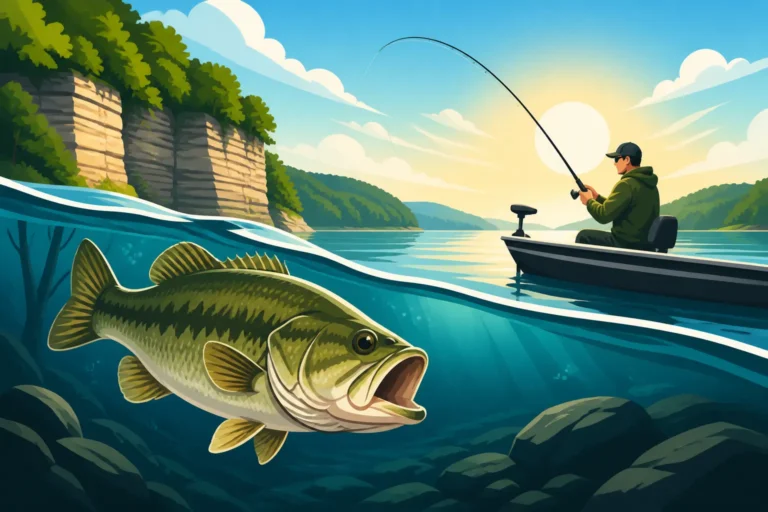
Imagine fishing along sheer rock walls that plunge hundreds of feet into the water, or navigating incredibly clear water where bass can see your line from a mile away. That's Herrington Lake in a nutshell. The lake's average depth is around 75 feet, but many areas drop well over 100 feet, especially near the dam. This deep, relatively infertile water means that bass often relate to vertical structure like bluff walls, ledges, and submerged timber on steep banks. Unlike shallower lakes where bass might roam vast flats, here they tend to hug contours and cover that offer quick access to different depths.
This constant vertical movement is a key factor. Bass on Herrington will move up and down the water column throughout the day, following baitfish or adjusting to light and temperature changes. A cove might be productive in the morning with bass holding near the surface, only for them to drop to 30-40 feet by midday. It demands a versatile approach and a keen understanding of their depth preferences based on conditions. The clear water also means a more stealthy approach is often required, with longer casts and lighter lines sometimes making a significant difference.
Seasonal Bass Movements in Herrington's Coves
Bass utilize Herrington's many coves differently depending on the time of year, driven by spawning instincts, feeding patterns, and comfort. Understanding these seasonal shifts is crucial for pinpointing the most productive areas.
- Spring (Pre-spawn & Spawn): This is when Herrington's coves truly shine. As water temperatures rise into the 50s and 60s, bass move into the shallower pockets and protected backs of coves to stage for the spawn. Look for coves with gradual sloping banks, submerged wood, and gravel beds – these offer ideal nesting sites. The bass will be active and aggressive, feeding heavily before and during the spawn. You might find them cruising in water as shallow as 2-5 feet.
- Summer (Post-spawn & Deep Water): After the spawn, many bass retreat to deeper water to escape the heat and bright sunlight. However, they don't abandon the coves entirely. They'll often relate to the deeper sections of coves, especially those with creek channels, standing timber, or brush piles that offer shade and access to cooler water. You'll find them suspended over humps, along deep ledges, or tucked under thick canopy. Early morning and late evening can bring them shallower to feed, but during the day, they'll likely be much deeper, often in the 20-50 foot range.
- Fall (Feeding Frenzy): As water temperatures begin to cool in the fall, baitfish school up, and bass go on a major feeding binge to prepare for winter. Coves with ample baitfish activity become hotspots. Bass will chase shad and other forage, often pushing them against bluff walls or into the backs of coves. This is a fantastic time for aggressive techniques, as bass are actively hunting. They might be found at a wider range of depths, moving with the bait.
- Winter (Deep & Dormant): Winter fishing on Herrington can be tough, but rewarding. Bass will move to the deepest, most stable parts of coves, often congregating in large schools on main lake points, channel swings, or deep breaks within coves. They become much more lethargic, requiring slower presentations and smaller baits. Look for them holding tight to vertical cover or deep bottom structure in 40-80 feet of water.
Top Bass Fishing Coves on Herrington Lake
Herrington Lake boasts an intricate shoreline with countless coves, pockets, and creek arms. While "the best" can change daily with conditions, certain areas consistently hold bass due to their structure, cover, and access to deeper water.
Dix River Arm Coves
The Dix River Arm, which extends upstream from the Dix River Dam, features some truly fantastic bass habitat. These coves often have a mix of steep bluffs and slightly more gradual banks, offering diverse cover options.
One thing you'll notice in these coves is the presence of submerged timber, especially in the upper stretches. Old standing timber, often reaching from the bottom to just below the surface, acts as magnets for bass, offering ambush points and shade. Look for coves that have distinct creek channels winding through them, even if those channels are submerged. Bass will often relate to the edges of these channels. Pockets with rock slides, where chunks of shale and limestone have fallen into the water, also create excellent irregular bottom structure that holds crawfish and baitfish, attracting bass. A good strategy is to focus on where the creek channel swings close to a bluff wall within a cove, creating a perfect vertical ambush point.
Main Lake Coves Near the Dam
Closer to the dam, the lake becomes even deeper and often clearer. The coves here tend to be characterized by sheer rock walls, deep points, and underwater ledges. Bass in these areas are often oriented vertically, moving up and down the water column with incredible speed.
When targeting these coves, pay close attention to primary and secondary points that extend into the main lake. These points act as highways for bass, allowing them to move from deep main lake structure into the more protected confines of the coves. Look for areas with significant depth changes close to the bank – a sheer rock wall that suddenly gives way to a small bench or ledge at 20 feet, before plunging again. These subtle irregularities are often key. Brush piles sunk by anglers can also be goldmines here, providing crucial cover in an otherwise stark environment. Don't be afraid to fish vertical jigging spoons or dropshots right up against the bluff walls.
Upper Lake Coves
As you move further up the lake, away from the Dix River Dam and towards the main river channel confluence, the water can become slightly more stained, and the banks might be a bit less dramatic. However, these coves still offer excellent bass fishing, particularly during the warmer months and the spawn.
These coves often feature more gradual slopes and can hold a higher concentration of submerged vegetation or laydowns (fallen trees). In spring, the backs of these coves, especially those with gravel or small rock bottoms, become prime spawning grounds. In summer, the laydowns and isolated brush piles offer much-needed shade and cover. Target areas where small feeder creeks enter the lake, as these can bring in nutrients and baitfish. While not as deep as the main lake coves, the bass here still relate strongly to available cover and contour changes. FishingBooker can connect you with local guides who specialize in these varied Herrington Lake environments, ensuring you hit the right spots.
Essential Techniques and Tackle for Herrington Lake Bass
Success on Herrington Lake, especially within its diverse coves, hinges on using the right techniques and having a versatile tackle setup. Given the clear water and vertical nature, precision and a stealthy approach are often paramount.
Lure Choices for Deep Water and Cover
Herrington's clear water often calls for more natural colors and subtle presentations, but its deep structure also requires baits that can reach depth efficiently.
- Jigs: A tried-and-true choice. Football jigs (1/2 to 1 oz) or arkie jigs in green pumpkin, black and blue, or brown work wonders when hopped along deep ledges, around submerged timber, or pitched into brush piles in coves. Pair them with craw or creature bait trailers. A heavy jig gets down quickly and helps you maintain bottom contact in wind or current.
- Drop Shots: For those finicky bass suspended over deep structure or clinging to vertical walls, the drop shot rig is almost unbeatable. It allows you to present a small, soft plastic bait (like a finesse worm or small shad imitation) precisely at the depth where fish are holding, keeping it in the strike zone longer without constant retrieval. This technique is especially effective in the clear, deep coves where bass can be highly visible on your electronics.
- Deep Diving Crankbaits: When bass are actively feeding, especially during fall or summer mornings, a deep-diving crankbait can be incredibly effective. Look for baits that can reach depths of 15-25 feet or more. Crawfish patterns or shad imitations are excellent choices. Concentrate on cranking these along main lake points that extend into coves, or parallel to steep rock walls.
- Swimbaits: Both boot-tail and finesse swimbaits, rigged on weighted hooks or jig heads, are fantastic for mimicking shad, a primary forage species. They can be slow-rolled along ledges, cast over brush piles, or even fished vertically near bluffs.
- Topwater (Spring/Fall): Don't overlook topwater in the early morning or late evening, especially in spring and fall. Poppers, walking baits, and prop baits can draw explosive strikes when bass are feeding shallow in the backs of coves or around visible cover.
- Vertical Spoons: Especially deadly in winter or when bass are schooled up deep. A heavy slab spoon or jigging spoon dropped directly onto a school of fish can trigger bites from even the most lethargic bass.
If you're looking for more guidance on specific presentations, check out our guide on Drop Shot Rig Technique for Bass Fishing. And for selecting the perfect rod, our article on Best Fishing Rods for Largemouth Bass offers some great insights.
Boat Positioning and Electronics for Cove Fishing
Given Herrington Lake's steep contours and deep water, your boat positioning and understanding of your electronics are paramount. This isn't a lake where you can just randomly cast into a cove and expect consistent results.
- Trolling Motor Control: A good quality trolling motor with GPS Spot-Lock is invaluable. It allows you to hold your position precisely along a bluff wall, over a submerged brush pile, or on a deep point in windy conditions, freeing you up to focus on fishing. You’ll spend a lot of time pitching and casting to specific targets.
- Fish Finders and Sonar: Your fish finder is your best friend on Herrington. Side imaging and down imaging are critical for locating submerged timber, brush piles, ledges, and even baitfish schools that attract bass. You need to be able to "read" the bottom composition and identify subtle changes in depth and structure that indicate potential bass holding areas. Pay attention to how bass are relating to baitfish on your screen – are they above, below, or within the schools? This dictates your presentation. Our guide on Fish Finders and Electronics for Kentucky Lake Fishing can provide a good foundation, though the principles apply universally to deep, clear lakes like Herrington.
- Mapping: Utilize detailed lake maps (either on your graph or a separate GPS unit) that show contour lines. This will help you identify creek channels, humps, and ledges within coves, even before you get there. Mark key structures like brush piles or productive spots for future reference.
| Season | Typical Cove Location | Recommended Lures (Primary) | Recommended Lures (Secondary) |
|---|---|---|---|
| Spring | Shallow backs of coves, gravel beds, laydowns | Spinnerbaits, Jigs, Shallow Crankbaits | Wacky Worms, Buzzbaits, Topwater |
| Summer | Deep coves with channels, shaded brush, main lake pts | Deep Crankbaits, Drop Shots, Swimbaits (weighted) | Football Jigs, Carolina Rigs, Texas Rigs (heavy) |
| Fall | Any cove with baitfish, bluff walls, points | Crankbaits, Jerkbaits, Spinnerbaits | Topwater, Jigs, Swimbaits |
| Winter | Deepest sections of coves, channel swings, bluffs | Vertical Jigs/Spoons, Drop Shots, Blade Baits | Finesse Jigs, Small Grubs |
Planning Your Herrington Lake Bass Trip
A successful fishing trip to Herrington Lake requires a bit of planning, beyond just packing your rods and reels. Knowing when to go, what conditions to expect, and how to leverage local resources can make a huge difference in your catch rates.
Best Times to Visit Specific Coves
While bass can be caught year-round, certain seasons offer peak opportunities for different cove types.
- Spring (March-May): This is arguably the best time for overall bass fishing in Herrington coves. The fish are moving up to spawn, making them more predictable and aggressive. Focus on the shallow, protected backs of coves, especially in the Dix River Arm or upper lake areas. Pay attention to our guide on Kentucky Bass Fishing: The April-May Peak Season for more detailed insights into this prime time.
- Early Summer (June): Bass are often in a post-spawn recovery mode but are still catchable. They'll start to transition to deeper water, but can still be found chasing bait in the coves during low-light conditions. Focus on the first major drop-offs and submerged cover within coves.
- Mid-Summer (July-August): This can be a challenging time, but rewarding if you adapt. Mornings and evenings offer bites in the deeper parts of coves, especially those with good shade. During the day, you'll need to go deep, targeting ledges and brush piles. The main lake coves near the dam, with their deep access, often hold better numbers of summer bass.
- Fall (September-November): The "fall turnover" can make fishing tricky for a bit, but once the water stabilizes, bass go on a feeding spree. This is a fantastic time for power fishing techniques in many coves, as bass chase schools of baitfish. Look for them to be more spread out but actively hunting.
- Winter (December-February): Patience is key. Bass will be congregated in deep, stable areas. Targeting specific channel swings or bluff-end coves with vertical presentations can yield some big fish.
Local Expertise and Resources
Don't underestimate the power of local knowledge. The subtleties of Herrington Lake often take years to master.
- Bait Shops: Stopping by a local bait shop like Herrington Lake Dock & Tackle or other lakeside stores is always a smart move. The folks behind the counter often have up-to-the-minute information on what's biting, what lures are working, and even specific areas that have been productive. They live and breathe this lake, and their advice is gold.
- Fishing Guides: If you're serious about quickly learning Herrington Lake or targeting a trophy bass, consider hiring a local fishing guide. They know the lake's ever-changing patterns, the secret spots, and the techniques that work best. Platforms like FishingBooker make it incredibly easy to find and book experienced Kentucky fishing guides who specialize in Herrington Lake bass. A good guide can shave years off your learning curve.
- Online Reports & Forums: Many Kentucky fishing forums and social media groups dedicated to Herrington Lake offer valuable insights and current fishing reports. While some anglers might be tight-lipped about their secret spots, you can often glean general patterns and effective techniques.
- Kentucky Department of Fish and Wildlife Resources (KDFWR): The KDFWR website is a fantastic resource for fishing forecasts, stocking reports, and detailed information about Herrington Lake's fishery. They often conduct surveys that provide crucial data on bass populations and health.
Whether you're planning a full week of fishing or just a quick weekend getaway, considering a charter through FishingBooker can elevate your experience by putting you on the fish faster and helping you understand the lake's intricacies. Remember, every trip to Herrington Lake is an opportunity to learn something new about this magnificent and challenging bass fishery. For those interested in alternative access, you might also find our guide on Best Kayaks for Herrington Lake Fishing helpful for navigating some of the tighter coves.
Disclaimer
Please remember that fishing conditions, regulations, and fish behavior can change rapidly. Always consult the latest Kentucky Department of Fish and Wildlife Resources (KDFWR) regulations before your trip. This guide is for informational purposes only and does not guarantee fishing success. Practice responsible catch-and-release, respect private property, and always prioritize safety on the water.