Where to Catch Catfish on Herrington Lake
It can be incredibly frustrating to head out to a beautiful lake like Herrington, rods and bait in tow, only to struggle finding where the catfish are hiding. Herrington Lake is known for its incredible depth and often clear water, which means the catfish here aren't always found in the same shallow, muddy spots you might target in other Kentucky waterways. This guide is going to dive deep into where you can find those elusive Herrington Lake catfish, the best times to target them, and the techniques that will put more fish on your line.
Understanding Herrington Lake's Catfish Population
Herrington Lake is a unique fishery in Kentucky, carved out by the Dix River and known for its deep, clear waters and steep drop-offs. This isn't your typical shallow, murky catfish haven, which means understanding the species present and how the lake's environment influences their behavior is crucial for success.
Species of Catfish in Herrington Lake
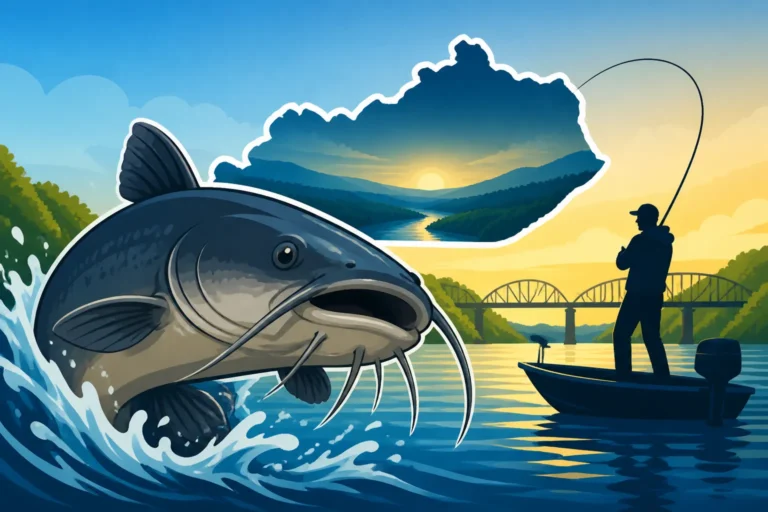
When you're fishing Herrington Lake, you'll primarily be targeting two main species of catfish: Channel Catfish and Flathead Catfish. While blue catfish are present in some Kentucky waters, they are less common in Herrington.
Channel catfish are by far the most abundant and are what most anglers will encounter. They're often found in a variety of habitats, from deeper channels to shallower flats, and are known for biting on a wide range of baits. They typically range from a pound or two up to 10-15 pounds, with larger ones being a real trophy for the lake. Flathead catfish, on the other hand, are a different beast entirely. These powerful predators prefer live bait and often lurk in very specific ambush points, like submerged timber, rock piles, or deep holes along the old river channel. They grow much larger than channel cats, with legitimate monsters over 40 pounds being pulled from Herrington Lake. Targeting flatheads requires a bit more patience and specialized tactics, but the reward is certainly worth the effort.
How Herrington's Depth and Clarity Affect Catfish
Herrington Lake's profound depth and often gin-clear water play a significant role in where catfish decide to hang out. Unlike some of the murkier, shallower rivers where catfish might be more spread out or stick to mud flats, Herrington's catfish tend to gravitate towards specific structural elements that offer cover, food, and suitable oxygen levels.
During the warmer months, the lake can stratify, meaning the water forms distinct layers with different temperatures and oxygen levels. Catfish, particularly the larger ones, will often seek out the cooler, oxygenated water found in the deeper sections or along the thermocline. This means you can't just cast out anywhere; you need to target specific depths and structures. The clear water also makes them more wary of bright sunlight, pushing them into deeper water or shaded areas during the day. As such, understanding the lake's contour, finding those hidden humps, ledges, and channels, and knowing how to fish them effectively are paramount. This isn't just about finding fish; it's about understanding their environment to predict their movements, which is a key part of any successful fishing trip. For deeper insights into other species, you might want to check out our guide on Kentucky Fish Species Guide: 265 Types You Can Catch.
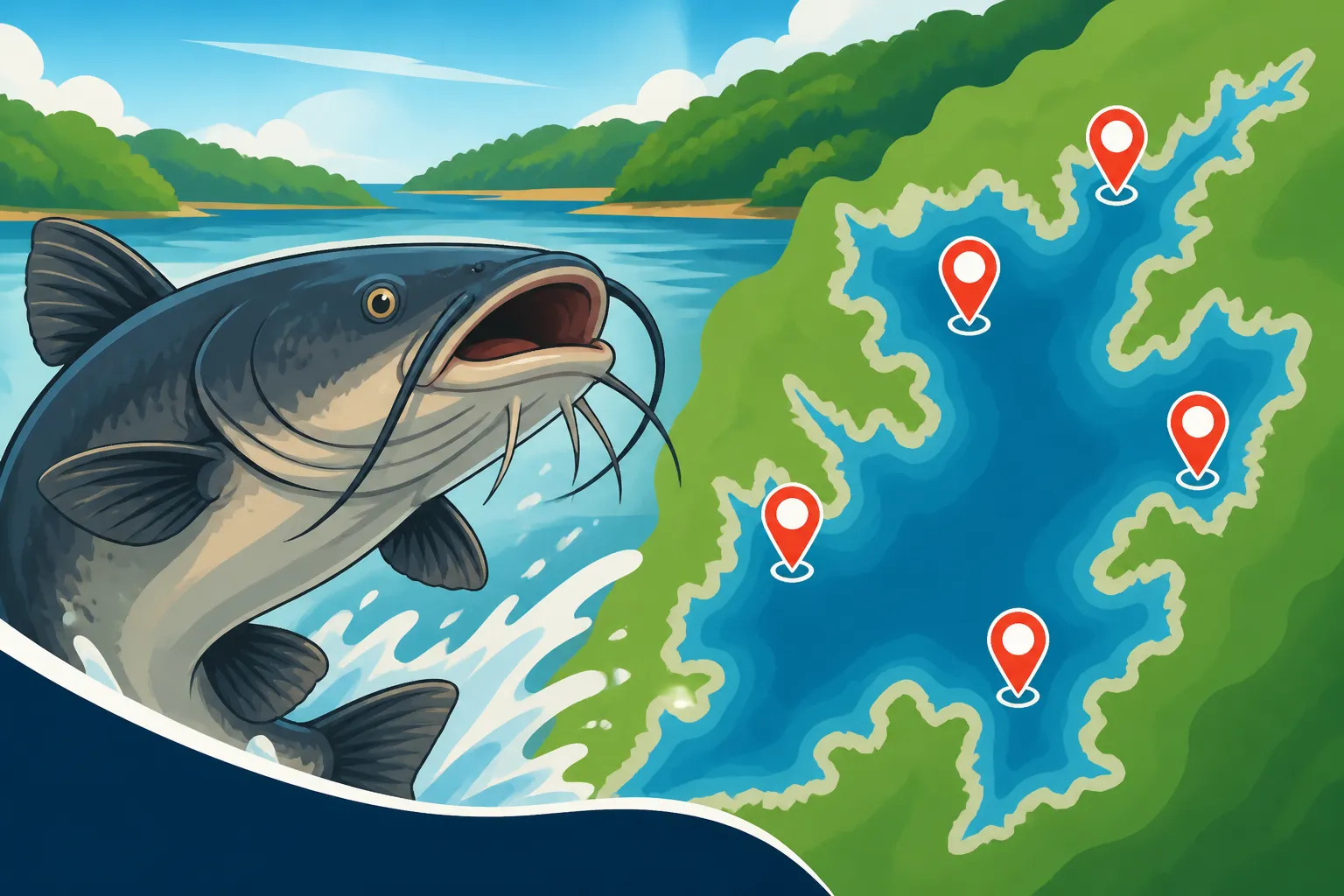
Prime Catfish Hotspots on Herrington Lake
Finding the right spot is half the battle when it comes to catfishing on Herrington Lake. Because of its unique structure and depth, certain areas consistently produce more and bigger catfish than others. It's about thinking like a fish and understanding where they'd find food, cover, and comfort.
The Dix River Arm and Its Tributaries
The Dix River arm is arguably one of the most productive areas for catfish on Herrington Lake. This section is where the primary inflow of water enters the lake, bringing with it a steady supply of nutrients, baitfish, and often slightly murkier water, especially after a good rain. Catfish, particularly channel cats, are drawn to these areas for the abundant food sources.
Focus your efforts around the mouth of the Dix River and its various smaller tributaries and coves. Look for areas where the incoming water creates current breaks, depositing food for opportunistic catfish. The shallower flats near these inflows can be excellent during the spring and fall, especially when the water warms up just enough to get baitfish active. As the seasons progress into summer, the catfish might move a bit deeper, but they'll still be nearby, following the food chain. Don't overlook the points and submerged timber in these tributary arms; these provide perfect ambush points for larger flatheads. Many anglers find great success by anchoring up near these points and presenting baits directly into the current breaks.
Main Lake Channel and Deep Water Structure
The original Dix River channel, which now lies submerged beneath Herrington Lake, is an absolute magnet for catfish, especially the trophy-sized flatheads. This deep channel snakes its way through the lake, providing a natural highway and deep-water sanctuary for larger fish.
To effectively fish the main lake channel, you'll need a good fish finder to identify key structural elements like ledges, drop-offs, humps, and submerged trees or rock piles that line the channel. Catfish will often sit right on the edge of these drop-offs, waiting for baitfish to swim by. Look for areas where the channel narrows or takes a sharp bend, as these can concentrate fish. Deep humps rising from the channel floor are also prime spots, acting as underwater islands where catfish can rest and feed. These areas provide vertical relief in an otherwise deep, featureless expanse, making them perfect holding spots. Drifting along the channel edges or anchoring on a specific piece of structure can be incredibly productive. Remember, the deeper you go, the cooler the water, which can be crucial during the scorching summer months. You might even find it helpful to compare this to another major fishing spot, by reading up on Best Catfish Holes on Kentucky Lake.
Bridges and Submerged Cover
Bridges crossing Herrington Lake are not just architectural marvels; they are also fantastic catfish attractors. The bridge pilings create current breaks, attract baitfish, and provide vertical structure that catfish love to relate to. Furthermore, any submerged cover, such as old roadbeds, timber, or rock slides, can be a hidden gem for big cats.
When fishing around bridges, target the areas immediately upstream and downstream of the pilings. The current creates eddies where baitfish congregate, and catfish will position themselves in these slack water areas, conserving energy while waiting for an easy meal. The shadows cast by bridges also offer crucial cover from direct sunlight, especially on bright days. Beyond bridges, scour the lake maps for any indication of old roadbeds or submerged creek channels. These often have associated timber or rock that has fallen over time, creating perfect habitat. A good fish finder is essential for locating these hidden treasures. Dropping baits directly into these submerged cover areas, or drifting nearby, can yield impressive results. Sometimes, finding a knowledgeable local guide through a service like FishingBooker can help you pinpoint these lesser-known, yet highly productive, hidden cover spots.
Here's a quick summary of potential hotspots:
| Hotspot Type | Key Features | Target Species | Best Conditions |
|---|---|---|---|
| Dix River Arm & Tributaries | Inflow, current breaks, shallower flats, submerged timber | Channel, Flathead | Spring/Fall, after rain, warmer water |
| Main Lake Channel Edges | Deep drop-offs, humps, ledges, old riverbed | Flathead, Channel | Summer (deep), anytime with good electronics |
| Bridges & Pilings | Current breaks, shade, vertical structure, baitfish congregation | Channel, Flathead | Sunny days, active current, night fishing |
| Submerged Cover (Timber/Rocks) | Old roadbeds, fallen trees, rock slides, brush piles | Flathead, Channel | Any time fish are seeking shelter, especially after cold fronts |
Best Times and Techniques for Herrington Lake Catfish
Catching catfish on Herrington Lake isn't just about finding the right spot; it's also about knowing when to go and how to present your bait effectively. Catfish behavior changes with the seasons and even the time of day, so adapting your approach is key to consistent success.
Seasonal Catfish Patterns
Understanding the seasonal movements of catfish on Herrington Lake will dramatically improve your chances.
- Spring (March-May): This is often a fantastic time for both channel and flathead catfish. As water temperatures rise into the 60s, catfish become much more active. Channel cats will move into shallower coves and tributary arms, especially those in the Dix River arm, looking for food and preparing to spawn. Flatheads will also start to become active, moving from their deep wintering holes to feed more aggressively before their spawn. Target shallow flats and points with cut bait or live bait. During this period, you might find it beneficial to understand Kentucky Fishing Seasons: What to Catch Each Month.
- Summer (June-August): As the lake warms up considerably, catfish, particularly larger flatheads, will often retreat to deeper, cooler, and more oxygenated waters. The main lake channel, deep humps, and the cool water around bridge pilings become prime targets. Night fishing becomes incredibly productive during the summer, as catfish move shallower under the cover of darkness to feed. Drifting cut bait or live bait along the deep channel edges is a popular and effective technique.
- Fall (September-November): The cooling water temperatures in the fall signal a feeding frenzy for catfish as they prepare for winter. They will move shallower again, similar to spring, and become very active. Both species will be aggressively looking for food. This is an excellent time to target various depths, from the shallower flats to the deeper channel edges, with a variety of baits.
- Winter (December-February): Catfish activity slows significantly in winter. They will typically move to their deepest wintering holes, often in the main lake channel, and become more lethargic. While not impossible to catch, it requires a very slow presentation and a lot of patience. This is typically not the prime time for Herrington Lake catfishing.
Go-To Techniques and Baits
For Herrington Lake's diverse catfish population, a variety of techniques and baits will be your best friend.
- Bottom Fishing with Cut Bait: This is a classic and highly effective method for channel catfish and can also entice flatheads. Use a Carolina rig or a three-way swivel rig with a heavy enough weight to hold your bait on the bottom, especially in current or deep water. Popular cut baits include shad, skipjack, bluegill, or even chicken liver. Fresh cut bait is always best. Cast to ledges, humps, or in current breaks, and let the scent do the work. Remember the Kentucky Catfish Limit: 15 Fish, Only 1 Over 25 Inches rules for what you can keep.
- Live Bait for Flatheads: If you're serious about targeting trophy flatheads, live bait is almost non-negotiable. Small bluegill, shad, or even larger minnows are excellent choices. Hook them through the back or lips and present them near submerged timber, rock piles, or deep structure where flatheads are known to ambush prey. These big cats are predators, and they prefer a struggling, live meal.
- Drifting: On larger, open sections of the lake, especially over the main channel or deep flats, drifting can be very effective. Use a drift sock to control your speed and present multiple baits at varying depths as you slowly cover water. This is a great way to locate active fish when they might be spread out.
- Jug Fishing/Trotlines (Check Regulations!): While jug fishing and trotlines are popular catfishing methods in some Kentucky waters, it's absolutely crucial to verify the specific regulations for Herrington Lake with the Kentucky Department of Fish and Wildlife Resources before deploying them. Some lakes have restrictions or outright bans on these methods. If allowed, these can be highly effective, especially for channel cats, but always prioritize legality and ethical angling. A good resource is the Kentucky Fishing Regulations Explained guide.
Night Fishing for Herrington Lake Catfish
Night fishing is a secret weapon for Herrington Lake catfish, especially during the warmer summer months. As the sun dips below the horizon, catfish become bolder, moving out of their deep-water sanctuaries and into shallower feeding grounds.
The cover of darkness provides security, and the cooler night air often means more comfortable fishing conditions. Catfish, particularly channel cats, use their keen sense of smell and barbels to locate food in low light. This makes stink baits, cut bait, and even worms incredibly effective. Focus your night fishing efforts on shallower flats adjacent to deep water, points, and around lighted docks or bridges, which often attract baitfish. Bring plenty of lights for your boat or bank setup, mosquito repellent, and a good headlamp. Pay attention to safety, as navigating on the water at night requires extra caution. Many anglers swear by setting out multiple rods with different baits and patiently waiting for the tell-tale tug. If you're looking for an experienced hand to show you the ropes, a charter listed on FishingBooker could offer a guided night fishing experience.
Essential Gear for Herrington Lake Catfishing
Having the right equipment can make all the difference between a frustrating outing and a successful day of landing Herrington Lake catfish. Given the potential for large fish and the lake's challenging structure, investing in appropriate gear is a smart move.
Rods, Reels, and Line Choices
Your rod, reel, and line setup need to be robust enough to handle the powerful fights of Herrington Lake's catfish, especially those large flatheads.
- Rods: For channel catfish, a medium-heavy to heavy action rod, typically 7-8 feet long, will give you plenty of leverage for casting heavier weights and fighting fish. Look for rods with a strong backbone but a sensitive tip to detect subtle bites. For serious flathead hunting, stepping up to a heavy or even extra-heavy action rod is advisable. A longer rod also helps with casting distance from the bank and controlling fish around boat motors or heavy cover.
- Reels: A sturdy baitcasting reel is often preferred for catfishing due to its power, line capacity, and ability to handle heavy lines and weights. Look for models with a smooth, reliable drag system, as this is crucial when fighting a powerful fish that makes strong runs. Spinning reels can work for smaller channel cats, but for anything substantial, a baitcaster is the way to go. Ensure your reel has enough line capacity for longer casts and deep runs.
- Line: Monofilament line in the 20-30 pound test range is a popular choice for its shock absorption and abrasion resistance. However, many experienced catfishermen opt for braided line (30-65 pound test) due to its incredible strength, zero stretch for better bite detection, and smaller diameter for its given breaking strength. If using braid, a fluorocarbon or heavy monofilament leader (50-80 pound test) is highly recommended for abrasion resistance around sharp rocks and timber, and to prevent fish from seeing the main line.
Terminal Tackle Essentials
Having the right hooks, weights, and swivels is just as important as your rod and reel. These small components connect you directly to the fish.
- Hooks: For channel catfish, strong, sharp circle hooks in sizes from 3/0 to 8/0 are excellent choices. Circle hooks are designed to hook the fish in the corner of the mouth, minimizing deep hooking and making catch and release easier. For flatheads, you'll want to go even bigger, often 8/0 to 12/0, to accommodate larger live baits and handle their powerful jaws. Choose hooks made from robust, high-carbon steel that won't straighten under pressure.
- Weights: You'll need an assortment of weights to match the conditions. Pyramid sinkers or no-roll sinkers in 1-4 ounce sizes are great for holding bottom in current. Egg sinkers are perfect for Carolina rigs, allowing the line to slide freely. Always carry a variety of sizes, as current, depth, and wind can dictate how heavy you need to go to keep your bait in the strike zone.
- Swivels: High-quality barrel swivels or ball-bearing swivels (size 1/0 to 3/0) are essential for preventing line twist, especially when using cut bait or drifting. They also help connect your main line to your leader and keep your rig from tangling. If you're unsure about different rigging methods, our guide on How to Rig a Trotline for Catfish offers a lot of useful information on similar setups.
Importance of a Good Fish Finder
In a deep, structured lake like Herrington, a quality fish finder is not just a luxury; it's practically a necessity. It’s your eyes underwater, helping you pinpoint exactly where those catfish are hiding.
A good fish finder allows you to identify the main lake channel, ledges, humps, and most importantly, submerged cover like timber or rock piles that are invisible from the surface. It will also show you baitfish schools and often the large arches that indicate catfish sitting on or near structure. Look for units with Down Imaging or Side Imaging capabilities, which provide a photographic view of the bottom structure and allow you to scan wider areas for hidden hotspots. Mark waypoints on your GPS for productive spots so you can return to them later. Without a fish finder, you'd be fishing blind, casting randomly and hoping to stumble upon fish. With one, you can precisely present your bait to where the fish are actively holding, dramatically increasing your efficiency and success rate. For those considering buying a boat, our article on Best Boats for Herrington Lake Fishing in Kentucky goes into detail about suitable vessels and their electronics.
Remember to always consult the Kentucky Department of Fish and Wildlife Resources for the most current regulations, bag limits, and licensing requirements before heading out. Fishing without a proper license can lead to serious penalties, so make sure you read up on Penalties for Fishing Without a License in Kentucky. With the right knowledge and gear, you're well on your way to a memorable catfishing experience on beautiful Herrington Lake!
Disclaimer
Fishing conditions and regulations in Kentucky can change. While this guide provides comprehensive information, always consult the official Kentucky Department of Fish and Wildlife Resources (KDFWR) website or publications for the most current rules, regulations, and license requirements before planning your trip. Fish behavior can also vary based on specific weather patterns, water levels, and other environmental factors. Exercise caution and practice responsible angling at all times.