Best Catfish Spots on the Ohio River in Kentucky
Finding those elusive monster catfish on the Ohio River can feel like a daunting task, especially with its immense size and ever-changing currents. Many anglers struggle to pinpoint the best spots, often wasting precious time in unproductive waters. This comprehensive guide is here to unravel the mysteries of Ohio River catfishing, sharing proven locations, essential techniques, and crucial insights to significantly increase your chances of landing that trophy blue, channel, or flathead catfish.
Understanding Ohio River Catfish: Species, Behavior, and Habitat
The Ohio River is a powerhouse for catfishing, home to several species that grow to impressive sizes. Understanding which species you’re targeting and their specific preferences is key to success. You wouldn't fish for a flathead the same way you'd target a channel cat, and knowing their habits will give you a significant edge.
Blue, Channel, and Flathead: Identifying Your Target
Kentucky's stretch of the Ohio River is teeming with three primary species of catfish: the blue catfish, channel catfish, and flathead catfish. Each has distinct characteristics and preferred diets, which dictate the best fishing strategies.
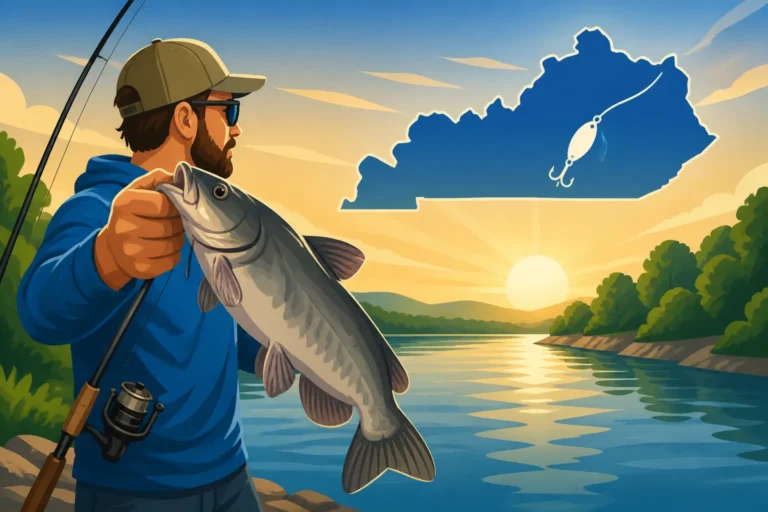
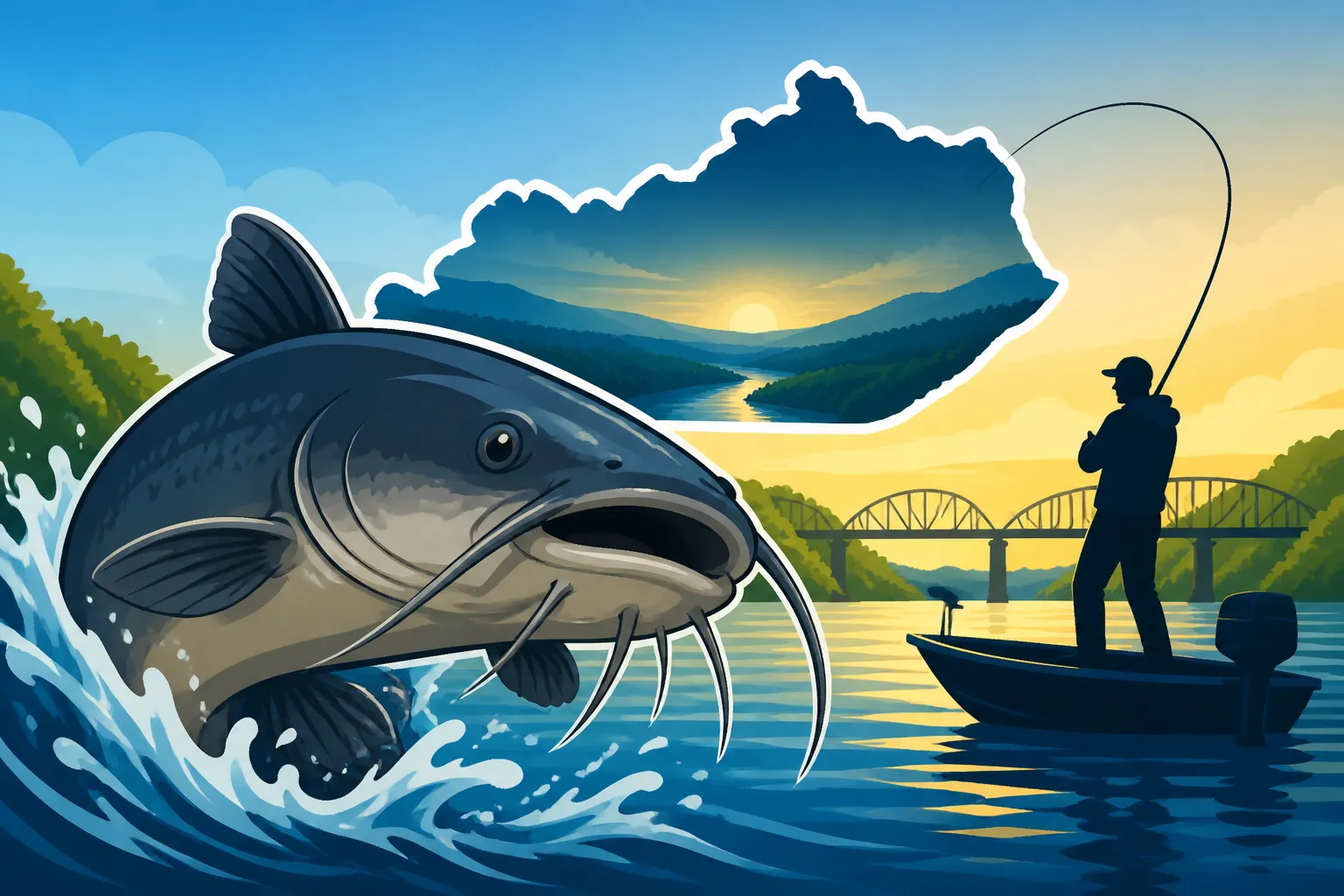
Blue catfish are often considered the kings of the Ohio, known for their massive size. They are typically silver-blue to slate gray, with a deeply forked tail. These giants are primarily piscivores, meaning they prefer to eat other fish, both live and cut bait. If you're dreaming of a true trophy, blues are your target. They tend to congregate in deep holes, channel swings, and areas with strong current, especially near underwater structures like rock piles or old bridge pilings. You'll often find them lurking near the bottom in these turbulent areas, waiting for an easy meal to be swept their way.
Channel catfish are the most widespread and perhaps the most adaptable catfish species. They have a spotted, slender body, a moderately forked tail, and are typically olive-brown to slate gray. While they don't reach the colossal sizes of blues, channels can still get quite large, with 10-20 pounders being common. They are opportunistic feeders, willing to eat almost anything from cut bait and chicken livers to worms, shrimp, and even prepared "stink baits." Channels are less particular about current and can be found in a wider variety of habitats, including slower moving sections, backwaters, and even relatively shallow flats, though they still favor areas with some cover or structure.
Flathead catfish are the true ambush predators of the Ohio. Easily identified by their broad, flattened heads, small eyes, and mottled brown or yellowish bodies, they have a slightly rounded tail, unlike the forked tails of blues and channels. Flatheads are almost exclusively piscivores and prefer live bait—small sunfish, shad, or even smaller suckers are prime offerings. They are masters of camouflage, positioning themselves in dense cover, such as log jams, root wads, or rock crevices, waiting to ambush unsuspecting prey. Targeting flatheads requires patience and precise bait placement directly into their lairs.
Preferred Habitats and Feeding Patterns
Each catfish species on the Ohio River has its own niche, influencing where and when you'll find them feeding. Understanding these preferences is paramount for a successful outing. For instance, you wouldn't typically target a flathead in the middle of a swift channel with cut bait; instead, you'd be looking for downed trees and using live bait.
Blue catfish, being current-oriented, thrive in the main river channel where the flow is strong. They prefer deeper water, often holding at the base of drops, in deep scour holes carved out by the current, or along ledges and humps. They're particularly active during periods of strong current, such as after heavy rains or when dams release water. Their feeding tends to be more consistent throughout the day and night, though they can have definite peak times, especially around dawn and dusk. They rely heavily on their sense of smell and lateral line to detect prey in the murky depths and strong currents. Knowing where the current creates a natural food funnel is half the battle when chasing blues.
Channel catfish are more versatile and can be found in a broader range of environments. While they appreciate some current, they're just as happy in slower pools, eddies, and the mouths of tributary creeks. They often patrol shallow flats and banks during low-light conditions or after dark, searching for food. During the day, they might retreat to slightly deeper water or find cover under fallen trees or bridge pilings. Their feeding patterns are heavily influenced by water temperature and light levels, often becoming most active during twilight hours and at night. They are also known to move into shallow water during their spawn, which typically occurs in late spring to early summer when water temperatures hit the mid-70s.
Flathead catfish are creatures of structure and ambush. They are less about actively chasing and more about hiding and pouncing. Their preferred habitats are dense, woody cover like log jams, submerged trees, or large rock formations, often in slower, deeper sections of the river or along the edges of the main channel. They are primarily nocturnal hunters, becoming most active from dusk till dawn. During the day, they'll often stay tucked away in their hideouts, conserving energy. If you're going after flatheads, identifying these specific types of submerged structures and placing live bait directly in or adjacent to them is crucial. They are far less likely to chase a bait drifting in open water.
Key Factors for Finding Catfish Hotspots on the Ohio River
The Ohio River is a vast body of water, and simply dropping a line anywhere isn't going to cut it. You need to think like a catfish and understand what environmental factors draw them in. Current, structure, and the presence of food are the holy trinity of successful catfishing on this mighty river.
Current Breaks and Structure
Current breaks are arguably the most important feature to locate when targeting Ohio River catfish, especially blue and channel cats. These are areas where the flow of water is interrupted or slowed, creating a refuge for fish and an accumulation point for food. Think about how much energy a fish would expend constantly fighting a strong current; a current break allows them to rest and ambush prey with minimal effort.
Common current breaks include the downstream sides of islands, large rock formations, bridge pilings, and bends in the river. The eddy lines created by these obstructions are goldmines. On one side of the line, you have fast-moving water, and on the other, a calmer zone. Catfish will often position themselves right on this transition line, darting out into the current to grab food that drifts by, then retreating to the slack water. Dams are also incredible current break factories, with the turbulent tailwaters below them being perennial hotspots for all three species, especially blue catfish. The sheer volume of water moving through the dam creates immense current, and the fish concentrate in the seams and calmer pockets just out of the main flow.
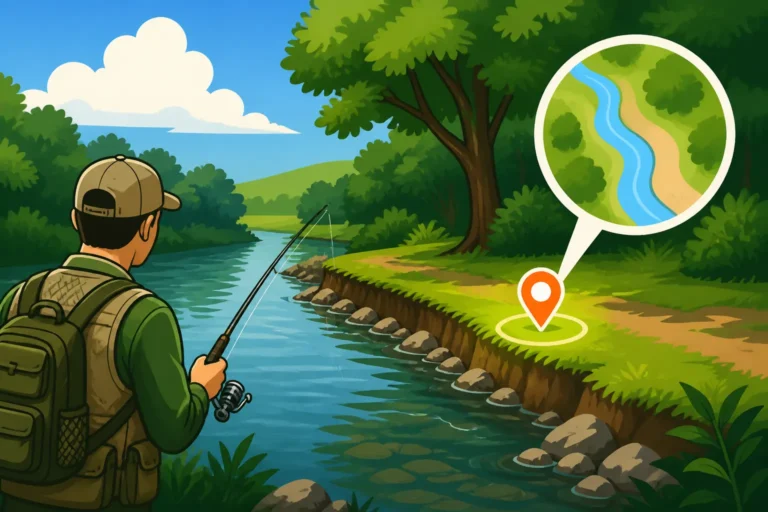
Structure goes hand-in-hand with current breaks. Any submerged object that provides cover, food, or a break from the current can hold catfish. This includes natural structures like fallen trees, log jams, rock piles, and submerged root wads. Man-made structures are equally important: old bridge pilings, derelict barges, sunken boats, and rip-rap shorelines (rocky banks designed to prevent erosion) are all prime real estate. Flatheads, in particular, will embed themselves deep within log jams, while blues and channels will patrol the edges and associated deep holes. Using a good fish finder can help identify these hidden underwater features, allowing you to present your bait precisely where the fish are hiding. Many anglers even mark these spots on their GPS for future trips, a tactic that can be particularly useful when planning a trip with a guide through services like FishingBooker.
Depth Changes and Bottom Composition
While current and structure are vital, understanding the nuances of depth changes and the river bottom is equally critical for consistently finding catfish. The Ohio River isn't a uniform depth; it's a dynamic system with deep holes, shallow flats, ledges, and channels.
Deep holes, often carved out by powerful currents or dredging operations, are magnets for larger blue and flathead catfish, especially during periods of extreme heat or cold when fish seek stable water temperatures. These depressions offer sanctuary and often accumulate food washed in by the current. Look for these deep pockets near bridge abutments, dam tailwaters, or on the outside bends of the river, where the current naturally scours the bottom. Fishing a bait directly into these holes can be incredibly productive. However, it's not just about the deepest spot; it's about the transition from shallower to deeper water. Ledges and drop-offs provide convenient travel corridors and ambush points for catfish moving between feeding grounds and resting areas.
The composition of the river bottom also plays a significant role. Catfish generally prefer a harder bottom—rock, gravel, or firm clay—over soft, silty bottoms. Hard bottoms often hold baitfish more effectively and are less prone to stirring up sediment, which can reduce visibility and oxygen levels. Flatheads, in particular, prefer hard, clean bottoms adjacent to their woody cover. A soft, muddy bottom can indicate areas with low oxygen or little current, which are generally less desirable for active feeding catfish. Anglers often use heavy sinkers to "feel" the bottom composition with their rods, identifying those subtle changes that could indicate a prime holding area. Drifting with a Carolina rig can allow you to cover more bottom and get a better sense of what lies beneath.
Baitfish Concentrations and Cover
You can have all the perfect current breaks and deep holes in the world, but if there's no food, the catfish won't be there. Catfish, especially blues and flatheads, follow their food source. Understanding where and when baitfish concentrate is a huge piece of the puzzle.
Shad, skipjack herring, and various minnows are the primary forage for larger Ohio River catfish. These baitfish often congregate in specific areas, such as the mouths of tributary creeks, protected coves, or around submerged vegetation (though heavy vegetation is less common in the main Ohio River). During certain times of the year, particularly late summer and fall, massive schools of baitfish can be found in open water, and where the bait goes, the catfish will follow. Pay attention to signs of baitfish activity on your sonar, or even visual cues like birds diving or baitfish rippling the surface. Often, where you find a school of shad, you'll find bigger game fish lurking beneath. Catching your own fresh cut bait or live bait from these concentrations is often the most effective approach for targeting big catfish.
Beyond baitfish, cover refers to anything that provides catfish a place to hide, rest, or ambush prey. For flatheads, this is almost always dense woody cover like log jams, fallen trees, and root wads. These complex structures offer perfect camouflage and a secluded spot to wait for prey. For blue and channel catfish, cover can also include rip-rap banks, bridge pilings, submerged brush piles, or even large rocks. The key is that these areas offer protection from strong currents, bright sunlight, and predators, while also often holding a higher concentration of smaller fish or invertebrates that serve as food. When fishing around these types of cover, precision casting and robust tackle are essential to avoid snags and to muscle big fish out of thick structure.
Top Catfish Fishing Locations Along the Kentucky Ohio River Border
The Kentucky side of the Ohio River boasts numerous productive catfish spots. From urban stretches to more rural, secluded areas, understanding the unique features of each region can significantly improve your chances of a successful outing.
Louisville Area: Below the Falls of the Ohio
The Louisville area offers some of the most consistent and exciting catfishing opportunities on the entire Ohio River, largely due to the unique aquatic features found there. The Falls of the Ohio, though now mostly tamed by locks and dams, still create powerful currents and distinct habitat zones that attract and hold vast numbers of catfish.
Below the McAlpine Locks and Dam, the powerful discharges create incredibly turbulent waters known as the tailwaters. These turbulent areas are absolute magnets for blue catfish and large channel catfish. The churning water disorients baitfish and washes food downriver, creating a buffet for opportunistic predators. Anglers frequently anchor upstream and present baits directly in the current seams and deep holes scoured out by the falling water. It's a challenging environment to fish due to the strong current, but the rewards can be immense, with numerous trophy-sized blue catfish pulled from these waters each year. Many anglers specifically target Where to Catch Trophy Blue Catfish on the Ohio River in Kentucky in this stretch.
Further downstream from the immediate dam area, towards the city of Louisville itself, the river features numerous bridge pilings from the various bridges crossing into Indiana. These massive concrete structures create excellent current breaks and scour holes that hold catfish. The I-64, I-65, and Second Street Bridge pilings are well-known spots. Anglers often drift baits around these pilings or anchor on the downstream side to fish the eddy lines. Additionally, the rip-rap banks along the Louisville waterfront offer good bank fishing access, especially at night. These rocky banks provide cover and attract baitfish, making them productive for channel cats and smaller blues. When launching a boat in this area, you'll find plenty of public ramps, but traffic can be heavy, so exercising caution is always advised.
Paducah Area: Confluence with the Tennessee River
Moving further west along Kentucky's Ohio River border, the Paducah area offers a distinct and incredibly productive catfishing experience, primarily due to the confluence of the Ohio River with the mighty Tennessee River.
This confluence creates a dynamic environment where two large river systems meet, resulting in swirling currents, significant depth changes, and a concentrated food supply. The Tennessee River brings its own ecosystem and flush of baitfish into the Ohio, making this junction a prime feeding ground. Blue catfish, in particular, thrive in these conditions, often gathering in the deep channels and scour holes formed where the two rivers merge. Anglers often focus on the main river channel near the confluence, drifting or anchoring with heavy cut bait. The sheer volume of water and the constant influx of nutrients make this a highly productive area for trophy fish.
Beyond the immediate confluence, the Ohio River around Paducah features numerous barge mooring cells, old dock structures, and a generally deeper channel. These man-made structures provide abundant cover and current breaks. Barge mooring cells, in particular, are essentially large, submerged concrete or steel structures that create substantial current breaks and deep pockets. Catfish will hold tight to these structures, especially flatheads seeking ambush points. The area also has extensive rip-rap banks and scattered log jams, particularly in less urbanized stretches, offering varied habitat for all three catfish species. Given the commercial traffic in this region, always be mindful of barges and other vessels, and utilize navigation maps or even services like FishingBooker to help identify ideal spots and gauge fishing conditions safely.
Maysville to Ashland Area: Upstream Opportunities
While the lower Ohio River near Louisville and Paducah often gets the most attention for its colossal catfish, the upstream stretches from Maysville to Ashland in Eastern Kentucky offer fantastic and often less-pressured opportunities, particularly for those seeking a different kind of challenge.
This stretch of the Ohio is generally narrower and often features more pronounced bends and varied shoreline characteristics compared to the wider, more expansive lower sections. The river here can have more pronounced current seams along its many bends, creating excellent holding spots for catfish. Look for areas where the main current sweeps against a bluff or a hard bank, creating deeper scour holes. These spots are prime for blue and channel catfish, especially when presenting cut bait or live shad near the bottom. The mouths of various smaller tributaries that enter the Ohio in this region, such as the Licking River near Covington, or smaller creeks throughout Mason, Lewis, Greenup, and Boyd counties, are also excellent. These creeks often bring in nutrient-rich water and baitfish, especially after rainfall, attracting hungry catfish to their junctures with the main river.
The shoreline in this upstream section can offer more natural cover, with more prevalent rock outcroppings, submerged trees, and occasional log jams. While perhaps not as dramatic as the Falls of the Ohio, the numerous small rapids and riffles created by changes in the riverbed can also concentrate bait and create excellent feeding lanes. Flathead catfish will often gravitate towards these submerged woody structures, making them prime targets for live bait presentations. Bank fishing access can be a bit more challenging in some areas, but public access points and boat ramps are available in towns like Maysville, Augusta, Ripley (Ohio side, but easily accessible), Vanceburg, Greenup, and Ashland. Utilizing a smaller boat, perhaps even a Best Jon Boats for Catfishing on the Ohio River, might allow you to access more secluded, productive pockets in these upstream reaches.
Dam Tailwaters and Tributary Confluences
Beyond specific cities, two types of locations consistently produce excellent catfishing results across the entire Kentucky stretch of the Ohio River: the tailwaters below its numerous locks and dams, and the confluences of its major tributaries. These areas are ecological hotspots, concentrating both food and fish.
The Ohio River is punctuated by a series of locks and dams, from the McAlpine Dam at Louisville to others like the Markland, Meldahl, Greenup, and Robert C. Byrd Dams. Below each of these structures lies a tailwater section that acts as a magnet for catfish. The massive discharge from the dam creates intense current, deep scour holes, and an abundance of disoriented baitfish and other food sources. Blue catfish, in particular, thrive in these highly oxygenated, turbulent environments. Anglers often fish these areas by anchoring just outside the strongest current and drifting large cut baits or live baits into the eddies and current seams. The sheer volume of fish here, combined with the potential for truly enormous specimens, makes tailwaters irresistible to serious catfishermen. Always exercise extreme caution when fishing near dams; the currents are powerful, and water levels can change rapidly. Remember to follow Life Jacket Rules for Boats in Kentucky.
Tributary confluences—where smaller rivers and creeks flow into the Ohio—are equally important. Rivers like the Kentucky River, Licking River, Green River, Cumberland River, and the Tennessee River (as mentioned near Paducah) all empty into the Ohio along Kentucky's border. Each of these confluences creates a unique fishing situation. The incoming water from the tributary often carries different temperatures, clarity, and, crucially, a fresh supply of baitfish and nutrients. Catfish will stage at these junctions, waiting for food to be flushed into the main river. The current breaks and deeper pockets formed at these confluences are ideal holding spots. Fishing the seam where the tributary water meets the Ohio River water is often highly productive. Targeting these areas can be effective year-round, but they are particularly good during periods of rising water or after heavy rains, when the tributaries are actively flushing.
| Location Feature | Primary Catfish Species Targeted | Best Fishing Methods | Key Characteristics |
|---|---|---|---|
| Dam Tailwaters | Blue, Channel | Anchoring, Drifting Cut Bait | Strong current, deep scour holes, abundant baitfish |
| Bridge Pilings | Blue, Channel, Flathead | Drifting, Anchoring Cut/Live Bait | Current breaks, scour holes, vertical structure |
| Tributary Confluences | Blue, Channel | Drifting, Anchoring Cut/Live Bait | Mixing currents, nutrient flow, baitfish concentrations |
| Log Jams/Woody Debris | Flathead, Channel | Live Bait Presentation, Finesse Rigs | Dense cover, ambush points, slower current |
| Rip-Rap Banks | Channel, Smaller Blue | Bottom Fishing, Bank Fishing | Rocky cover, baitfish habitat, current breaks |
| Deep Channel Bends | Blue, Flathead | Drifting, Bottom Fishing | Scour holes, current flow, stable depths |
Essential Gear and Techniques for Ohio River Catfishing
Successfully taming the powerful catfish of the Ohio River requires more than just knowing where to go; you need the right tools and the right approach. From robust rods and reels to specialized rigs and baits, having your gear dialed in is critical.
Heavy-Duty Rods, Reels, and Line
When you're battling a monster blue cat that can easily exceed 50 pounds in the strong currents of the Ohio River, you'll quickly realize that standard freshwater tackle just won't cut it. You need a setup that can withstand immense pressure.
For rods, think heavy power and a moderate-fast action. A rod in the 7 to 9-foot range is ideal. The extra length helps with casting heavier weights, managing long drifts, and provides better leverage when fighting a big fish, especially from a boat. Look for rods rated for 8-24 ounces of weight and lines from 30-80 pounds. Brands like Ugly Stik, Catfish Sumo, or Rippin Lips offer excellent, durable options designed specifically for trophy catfishing. The heavy power ensures you can put maximum pressure on a fish trying to burrow into a log jam or swim away with the current, while the moderate-fast action provides enough tip sensitivity to detect subtle bites and enough backbone to absorb powerful runs.
Reels need to be equally robust. For serious Ohio River catfishing, baitcasting reels with a strong drag system and high line capacity are the preferred choice. Look for reels with at least 25-30 pounds of drag pressure and the ability to hold 200-300 yards of 60-80 pound braided line. Reels from Penn, Abu Garcia, or Daiwa are popular choices known for their durability and smooth performance under heavy loads. The larger gears and robust construction of these reels are designed to handle the torque and stress of fighting huge catfish. For those who prefer spinning gear, heavy-duty saltwater-grade spinning reels are your best bet, again focusing on drag power and line capacity.
Line choice is critical. Braided line is almost universally recommended for Ohio River catfishing due to its incredible strength-to-diameter ratio, zero stretch, and abrasion resistance. A 50-80 pound test braided mainline is standard. The lack of stretch provides unparalleled sensitivity, allowing you to feel even the lightest taps in deep water and strong current, and ensures powerful hooksets. For a leader material, a heavy monofilament or fluorocarbon (80-150 pound test, typically 18-36 inches long) is often used, especially when fishing around abrasive structures. This provides an extra layer of protection against sharp teeth and rough snags, and can be easily replaced if frayed. Don't skimp on line; it's your direct connection to that trophy fish.
Effective Rigs and Baits for Each Species
The Ohio River is a diverse fishery, and the best rig and bait will depend heavily on the specific catfish species you're targeting and the conditions you're fishing. Having a versatile tackle box is a must.
For blue and channel catfish, the most popular and effective rigs are variations of the Carolina rig or a slip-sinker rig. These rigs allow the fish to take the bait without immediately feeling the weight of the sinker. A typical setup involves a heavy egg sinker (3-8 ounces, sometimes more in strong current) on the mainline, followed by a bead (to protect the knot), a heavy barrel swivel, and a leader (18-36 inches of 50-100 lb mono/fluorocarbon). The hook choice is crucial: 8/0 to 12/0 circle hooks are preferred for their effectiveness in hooking fish in the corner of the mouth, reducing gut hooks, and making catch-and-release easier. Circle hooks are also excellent for inexperienced anglers, as a simple slow retrieve or tightening of the line sets the hook. For bait, fresh cut bait is king for blue catfish. Skipjack herring, shad, drum, or even carp cut into chunks or fillets are deadly. For channel catfish, cut bait also works, but they are more receptive to traditional baits like chicken livers, nightcrawlers, shrimp, or commercially prepared "stink baits." You can learn more about Best Bait for Blue Catfish Fishing to truly hone your approach.
Flathead catfish are a different beast entirely, almost exclusively preferring live bait. Their predatory nature means they want to ambush a struggling fish. Small live sunfish (bluegill, green sunfish), shad, suckers, or goldfish (where legal) are prime choices. The rig for flatheads is similar to the Carolina rig, but often with an even heavier leader (80-150 lb) and a larger, stouter circle hook (10/0-14/0) to accommodate the larger live bait. Hook the live bait strategically, typically through the back just behind the dorsal fin, or through the lips, ensuring it can swim naturally and enticingly. When fishing for flatheads, especially around dense cover like log jams, using a break-away sinker system or a float to suspend the bait just above the snags can prevent frustrating hang-ups. Check out Bottom Fishing Techniques for Channel Catfish for more specific rig details. For those adventurous enough, learning How to Rig a Trotline for Catfish or trying Jug Fishing for Catfish: A Beginner's Guide can also be highly effective for all species.
Boat vs. Bank Fishing Strategies
The sheer size and current of the Ohio River mean that your fishing strategy will vary greatly depending on whether you're fishing from a boat or from the bank. Both offer unique advantages and challenges.
Fishing from a boat provides unparalleled access to the prime catfishing grounds on the Ohio. You can reach those mid-river humps, the deep scour holes below dams, the far side of bridge pilings, and dense log jams that are inaccessible from shore. Boaters have the flexibility to drift long stretches of river, covering vast amounts of water to locate active fish. This is particularly effective for blue catfish, which can move extensively in search of food. When drifting, a powerful trolling motor with GPS Spot-Lock is invaluable for holding your position or maintaining a controlled drift over a specific piece of structure. Anchoring is also a common tactic, especially in strong current areas below dams or near bridge pilings, allowing you to present multiple baits in a concentrated zone. However, boating on the Ohio requires significant safety awareness due to commercial barge traffic, powerful currents, and hidden obstacles. Always have up-to-date navigation charts, marine radios, and all required safety equipment, as outlined in Kentucky Fishing Regulations Explained and other safety guidelines.
Bank fishing on the Ohio River, while more limited in reach, can still be incredibly productive, especially for channel catfish and respectable blues. Public access points like parks, boat ramps, and designated fishing piers offer opportunities. The key to successful bank fishing is to identify areas where deeper water and current breaks come close to shore. Rip-rap banks, the downstream sides of small points, and the mouths of tributary creeks are excellent choices. Many anglers focus on night fishing from the bank, as catfish often move into shallower water to feed after dark. Heavy surf rods are often used to cast large baits far out into the channel or into promising current seams. A common bank fishing setup involves a heavy sinker to hold bottom, a fish-finder rig or a 3-way swivel rig, and a stout hook. Using glow sticks on rod tips can help detect bites in the dark. For a deeper dive into techniques, check out How to Fish for Catfish From the Bank. Even though you're on shore, make sure you have your Kentucky Fishing License Guide handy, as game wardens do check banks.
Seasonal Strategies for Productive Ohio River Catfish Trips
Catfish behavior on the Ohio River isn't static; it shifts dramatically with the seasons. Understanding these patterns and adjusting your approach accordingly is key to consistent success throughout the year.
Spring: Pre-Spawn and Early Feeding
Spring on the Ohio River, generally from March through May, is a dynamic time for catfishing, marked by rising water temperatures and increased fish activity. This period can be incredibly productive, as catfish shake off their winter lethargy and begin to feed aggressively in preparation for the upcoming spawn.
As water temperatures climb from the high 40s into the 60s, catfish start to move from their deep wintering holes into shallower, warmer waters. Early spring sees fish, particularly blue and channel catfish, concentrating in the main river channel but often moving up onto adjacent flats or into the mouths of tributaries that warm faster. They are actively searching for food to replenish energy reserves. Cut bait, particularly fresh skipjack or shad, is highly effective during this pre-spawn period for blues. For channel catfish, traditional baits like chicken livers, worms, or even stink baits start to become very appealing. Anglers often target areas where current brings food to these staging fish, such as current seams around points, bridge pilings, or the edges of flats where a channel drops into deeper water.
As spring progresses and water temperatures push into the high 60s and low 70s, catfish enter their spawning phase, typically in late May and June. During the actual spawn, feeding can slow down as fish are preoccupied with reproduction. However, immediately before and after the spawn, catfish can be extremely aggressive. Flathead catfish, which spawn a bit later than blues and channels, will become more active and responsive to live bait as spring turns into early summer. During this period, fishing around woody cover and rock crevices becomes even more important for flatheads, as they seek out suitable nesting sites. Targeting areas with slight current, but also ample cover, is a strong spring strategy. Remember to monitor water temperatures, as they are the primary driver of catfish activity in the spring.
Summer: Deep Water and Night Fishing
Summer, from June through August, brings hot weather and typically stable river conditions on the Ohio, which means adapting your catfishing strategy significantly. While daytime fishing can still be productive, summer often brings out the best in night fishing for Ohio River catfish.
During the scorching summer days, larger catfish, especially blue and flathead, often retreat to deeper, cooler, and more oxygenated waters. Look for them in the deepest holes of the main river channel, below dams, and in areas where springs or cooler tributaries might provide a slight temperature break. They'll hug the bottom, conserving energy. Drifting baits slowly over these deep areas or anchoring directly over submerged structure in deep water can yield results. For flatheads, live bait presented directly into their woody cover lairs, even during the day, can still entice a strike, but they might be less aggressive. Anglers often use their fish finders extensively to locate these deep holding patterns and present baits precisely.
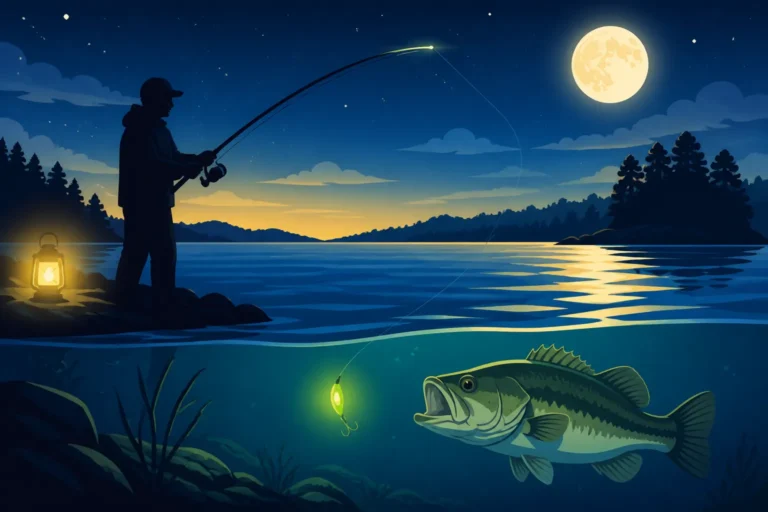
As the sun sets and temperatures drop, the Ohio River truly comes alive with catfishing action. Night fishing in summer is prime time for all three species, particularly channel cats and flatheads, which are primarily nocturnal feeders. Catfish will often move out of their deep daytime haunts and into shallower water, onto flats, or along rip-rap banks to actively feed under the cover of darkness. The lower light conditions give them an advantage over baitfish. Setting up multiple rods with different baits (cut bait for blues/channels, live bait for flatheads) along a promising stretch of bank or from an anchored boat can be very effective. Many anglers swear by How to Catch Catfish After Dark for their most memorable catches. The calm of the night, coupled with increased fish activity, makes for an exhilarating experience. Don't forget bug spray and headlamps! This is also a fantastic time for Summer Catfish Fishing on the Ohio River in Kentucky.
Fall: Aggressive Feeding Before Winter
Fall on the Ohio River, typically September through November, is arguably one of the best times of the year for trophy catfishing. As water temperatures begin to cool, catfish enter a "fall feed" mode, actively gorging themselves to build up fat reserves for the lean winter months.
This aggressive feeding period makes catfish more predictable and often easier to catch. Blue and channel catfish will be found actively roaming the river, often concentrating in areas where baitfish are abundant. The mouths of tributaries, major river bends, and anywhere baitfish are schooling become prime targets. Cut bait remains incredibly effective for blues, while channels will readily take a variety of offerings. Look for areas with a good current flow that funnel baitfish towards waiting catfish. Drifting long stretches of the main channel or anchoring near productive current seams can yield continuous action.
Flathead catfish also enter an aggressive feeding phase in the fall, consuming as much live bait as they can before winter. They will often remain in their preferred woody cover, but their willingness to strike live bait is significantly higher than in summer. As the water cools further, these fish may begin to stage in deeper areas, preparing for their winter dormancy. This transition period in late fall, when fish are still actively feeding but starting to move into deeper wintering holes, can be particularly productive for targeting larger specimens. Anglers often combine deeper fishing techniques with continued targeting of shallow-water structure in early fall, adapting as water temperatures continue to drop. This is your last best chance to really stack up those big catches before the cold sets in, making it a favorite time for many dedicated Ohio River catfish anglers.
Safety and Regulations for Ohio River Catfish Anglers
Fishing the Ohio River offers incredible rewards, but its size and commercial traffic demand a keen awareness of safety and regulations. Knowing the rules and prioritizing your well-being are non-negotiable for an enjoyable and legal fishing trip.
Navigating River Traffic and Hazards
The Ohio River is a busy waterway, serving as a vital commercial artery for barges and towboats, in addition to recreational boaters. Navigating this river requires constant vigilance and adherence to maritime rules. Barges, especially, have the right of way and create massive wakes that can be dangerous for smaller fishing boats.
Always maintain a safe distance from commercial vessels and their tow lines, which can extend far behind the towboat. When a barge passes, be prepared for significant turbulence and wakes that can easily swamp a small boat or knock unsecured gear overboard. Turn your boat into the wake at a slight angle to cut through it rather than taking it broadside. Having a marine radio is highly recommended to monitor channel traffic and communicate with commercial vessels. Using a GPS with up-to-date navigation charts will help you avoid hidden hazards like submerged rock piles, sandbars, and old structures that might not be visible from the surface. Always tell someone your float plan—where you're going and when you expect to return.
Beyond commercial traffic, the Ohio River has its own natural hazards. Strong currents, especially below dams or after heavy rains, can be treacherous. Be mindful of floating debris like logs and branches, which can damage your boat or propeller. Rapid changes in weather, from calm skies to sudden thunderstorms, are common. Always check the forecast before heading out and be prepared to seek shelter if conditions deteriorate. Having all your safety gear—life jackets, throwable flotation devices, fire extinguisher, first-aid kit, and signaling devices—readily accessible is not just a good idea, it's often legally required. These precautions ensure that your focus can remain on the fishing, rather than on potential dangers.
Understanding Kentucky's Catfish Limits and Rules
Before you even cast a line, it's absolutely crucial to understand the specific fishing regulations for catfish in Kentucky waters of the Ohio River. These rules are in place to manage the fishery sustainably and ensure everyone has a fair chance at a good catch. Failing to comply can lead to hefty fines and confiscation of gear.
For blue and channel catfish, Kentucky has a statewide daily creel limit of 15 fish in total, with only one fish allowed to be over 25 inches in length. This regulation is designed to protect larger, mature catfish which are essential for breeding healthy populations. Flathead catfish have a separate statewide daily creel limit of 5 fish, with no size limit. However, it's incredibly important to note that specific water bodies, including sections of the Ohio River, can have site-specific regulations that differ from the statewide rules. Always consult the most current Kentucky Department of Fish and Wildlife Resources (KDFWR) fishing guide or website before your trip. These guides are usually updated annually and contain all the necessary details. You can find more information about Kentucky Catfish Daily Limit and Trophy Fish Rule in their official publications.
Beyond daily limits, there are also rules regarding fishing methods. Trotlines and jug lines are common and effective methods for catfishing on the Ohio River, but they come with strict regulations regarding the number of lines, hooks per line, and mandatory tagging with the angler's name and address. For instance, on the Ohio River, each angler can operate up to 50 jugs, and each jug can have only one hook. Trotlines are also regulated for length and hook spacing. Always check these specific rules. Additionally, remember that a valid Kentucky fishing license is required for anyone 16 years of age or older. You can learn how to get one in our Kentucky Fishing License Guide. If you're fishing from a boat, ensure all boat registration and safety requirements are met. It's also vital to be aware of any reciprocal agreements (or lack thereof) with neighboring states if you cross into Ohio or Indiana waters, as their regulations might differ significantly. Ignorance of the law is never an excuse!
Importance of Life Jackets and Safety Equipment
When fishing on a powerful river like the Ohio, safety isn't just a suggestion—it's paramount. Having the correct and properly used safety equipment, especially life jackets, can literally be the difference between life and death.
Kentucky law mandates that all vessels must have at least one wearable U.S. Coast Guard-approved life jacket for each person on board. Furthermore, children under 12 years of age must wear a U.S. Coast Guard-approved life jacket while on the open deck of a moving vessel. While adults are not always required to wear them, it's highly recommended, especially when the boat is underway, when currents are strong, or when water temperatures are cold. Accidents happen quickly, and a life jacket is almost impossible to put on once you're in the water. Beyond the legal requirements, choose a life jacket that fits comfortably and allows for freedom of movement while fishing. Modern inflatable life jackets are a popular choice for active anglers, as they are less bulky. You can review the specifics on Life Jacket Rules for Boats in Kentucky.
Beyond life jackets, a comprehensive safety kit should always be on board. This includes a fully charged marine battery, a fire extinguisher (required for boats with enclosed engines or fuel tanks), a sound-producing device (whistle or horn), visual distress signals (flares or a distress flag), and a first-aid kit stocked for various minor injuries. Always carry plenty of fresh water, sunscreen, and appropriate clothing for changing weather conditions. A sharp knife, pliers, and a strong line cutter are also invaluable for dealing with tangled lines or emergency situations. If you're going out on the water, consider using a fishing charter service through FishingBooker, as reputable guides will always prioritize safety and come equipped with all the necessary gear and local expertise to navigate the Ohio River responsibly. These measures aren't just about compliance; they're about ensuring you and your companions return safely from your Ohio River catfishing adventure, ready to tell tales of your impressive catches.
Disclaimer
Fishing inherently involves risks, and conditions on the Ohio River can change rapidly. This guide provides general information and recommendations. Always exercise caution, prioritize safety, and consult the most current Kentucky Department of Fish and Wildlife Resources regulations before engaging in any fishing activities. Local knowledge and adherence to safety protocols are crucial for a safe and successful trip.