Where to Catch Bluegill on Lake Barkley
Finding those lively bluegill on Lake Barkley can sometimes feel like a treasure hunt, can't it? You know they're abundant in Kentucky's waters, but pinpointing their exact hideouts, especially on a massive lake like Barkley, can be incredibly frustrating. This comprehensive guide is here to cut through that guesswork, revealing exactly where to catch bluegill on Lake Barkley, along with the best times and techniques to make your next trip a success.
Understanding Bluegill Behavior on Lake Barkley
Before we dive into the specific hotspots, it's crucial to understand a bit about bluegill themselves. These panfish aren't just randomly swimming around; they have routines, preferred hangouts, and seasonal patterns that dictate where you'll find them. Lake Barkley, with its sprawling waters, diverse depths, and abundant cover, offers a variety of environments, making bluegill behavior quite predictable once you know what to look for.
Seasonal Movements and Depth Preferences
Bluegill are quite sensitive to water temperature, which heavily influences their movements throughout the year.
- Spring Fling (March-May): Ah, spring! This is when bluegill really start to wake up and move into shallower waters to feed and eventually spawn. As the water temperatures climb into the high 60s Fahrenheit, they'll congregate in protected coves, shallow flats, and along gradual banks. They’re looking for areas with plenty of sunlight to warm the water and lots of cover to build their saucer-shaped nests. Think about those calmer, sun-drenched areas where the water isn't too deep, usually in the 2 to 8-foot range. This is arguably the easiest time to target them from the bank or a boat. You might even find them so concentrated that a single cast can yield multiple fish.
- Summer Heat (June-August): When the Kentucky summer really kicks in and water temperatures soar, bluegill tend to seek refuge. While you'll still find some in shallower, shaded areas early and late in the day, the majority will move deeper. They'll gravitate towards cooler, more oxygenated water, often associated with deeper structures. This means looking for them suspended under boat docks, around submerged brush piles, deep weed lines, or even along the edges of creek channels in 8 to 15 feet of water, sometimes even deeper during the midday sun. They're still feeding, but you'll need to adjust your presentation to reach them.
- Autumn Chill (September-November): As fall arrives and water temperatures begin to drop, bluegill go through another transition. They'll often move from their deep summer haunts back towards shallower flats and creek channels, feeding heavily to bulk up for winter. This can be a fantastic time to fish, as they can be quite aggressive. You'll find them scattered around submerged timber, rock piles, and points, often in depths similar to late spring, around 5 to 12 feet. The bite might be less frantic than the spring spawn, but the fish can be larger and more concentrated in certain areas.
- Winter Slump (December-February): Winter on Lake Barkley can be tough for bluegill fishing, but not impossible. The fish become much less active and move to the deepest parts of the lake. They'll often be found near main lake points, deep creek channels, or in large, submerged brush piles, often suspending anywhere from 15 to 30 feet or more. The key is to fish very slowly and present smaller baits directly to them. While not the most popular time for bluegill, dedicated anglers can still find success by focusing on structure in the main lake basins.
Preferred Bluegill Habitats and Cover
Bluegill are highly structure-oriented fish, meaning they love to hang out around anything that offers cover, shade, and a potential ambush point for insects or small fry. On Lake Barkley, this translates to a variety of natural and man-made features.
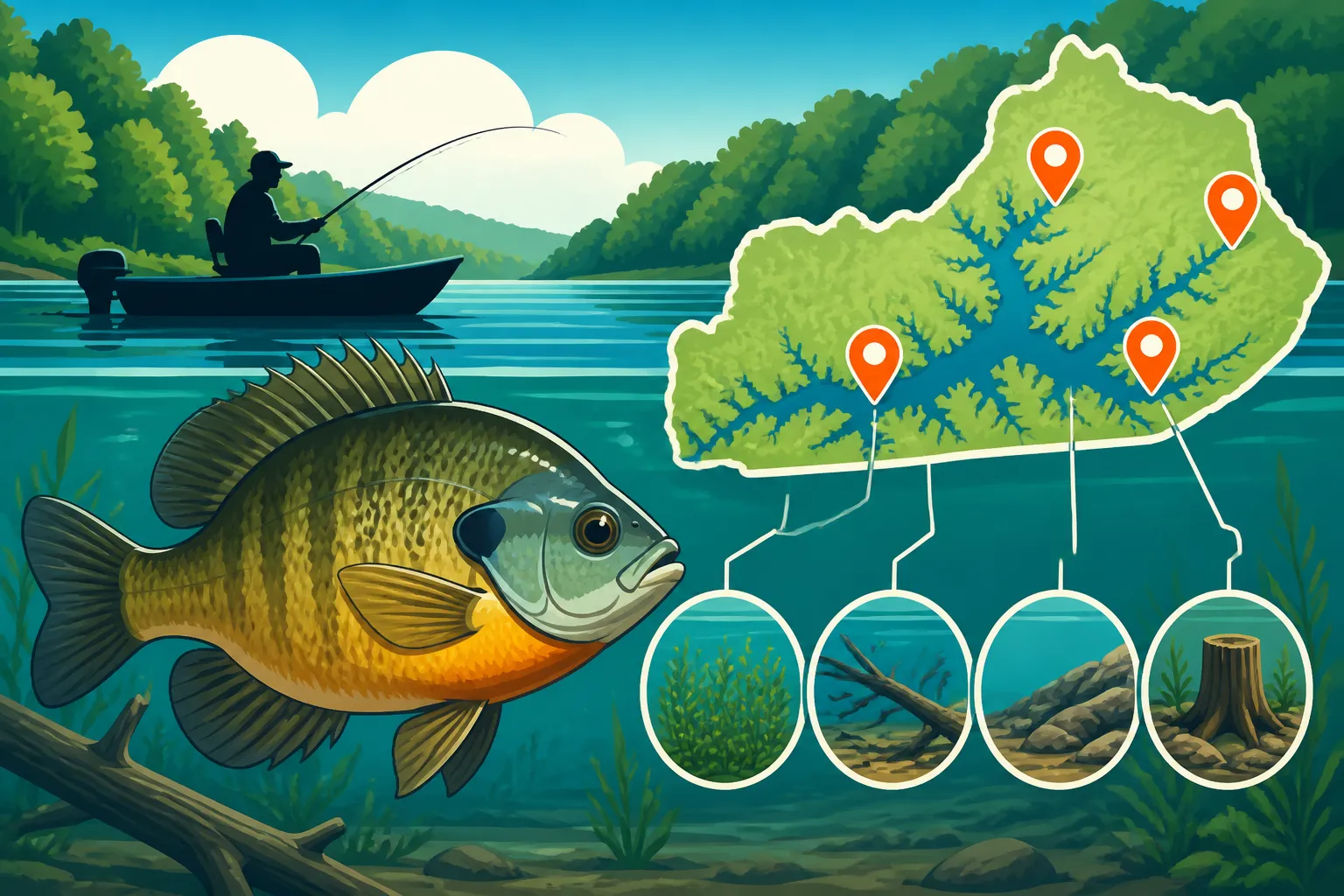
- Submerged Timber and Brush Piles: This is bluegill heaven. Lake Barkley has countless submerged trees, stumps, and brush piles, especially in the major creek arms and shallower coves. These provide excellent protection from predators and plenty of food. If you have a fish finder, look for these structures and any "arcs" or "dots" indicative of fish holding tight to them.
- Docks and Marinas: Man-made structures like boat docks, piers, and entire marina complexes are incredibly reliable bluegill magnets, especially during the warmer months. The docks provide shade, and the pilings often grow algae and attract insects, creating a mini ecosystem. You'll find them holding tight to the pilings, under the walkways, and around any moored boats.
- Lily Pads and Aquatic Vegetation: In shallower, protected bays and backwaters, extensive beds of lily pads and other aquatic vegetation offer prime bluegill habitat. These areas provide food, cover, and spawning grounds. Fishing the edges and pockets within these beds can be highly productive.
- Rock Beds and Rip-Rap: Rocky banks, especially those reinforced with rip-rap (large rocks), offer excellent cover and food sources. Crayfish and other invertebrates hide in the crevices, attracting bluegill. These areas are often found around bridge abutments, causeways, and shoreline erosion control projects.
- Gradual Banks and Flats: Especially during the spring spawn, bluegill will seek out shallow, sandy or gravelly flats in protected coves. These areas warm up quickly and are ideal for nest building.
Remember, bluegill are schooling fish. If you catch one, there are usually more nearby!
Top Spots for Bluegill on Lake Barkley
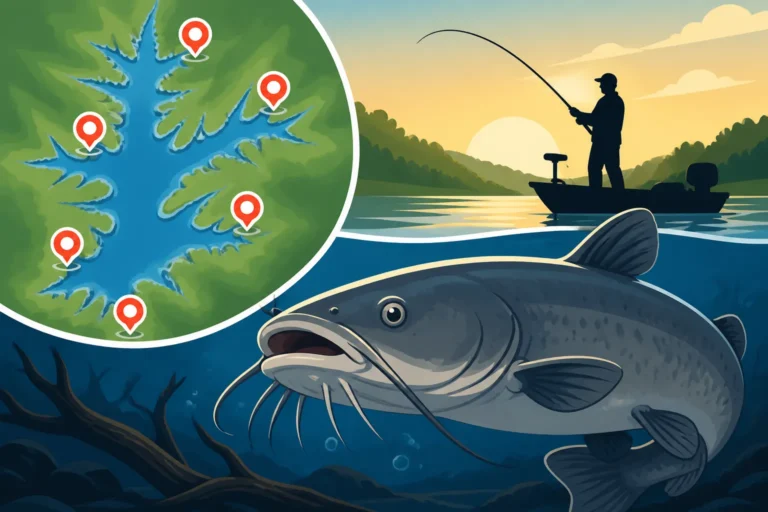
Lake Barkley is a massive impoundment, stretching across two states, but we're focusing on the Kentucky side for this guide. Its numerous creek arms, bays, and main lake areas offer fantastic bluegill opportunities. Knowing the general areas where these fish thrive can significantly improve your chances.
Major Creek Arms and Bays
The sprawling creek arms that feed into Lake Barkley are often the most productive bluegill grounds, particularly during the spring and fall transitions. These areas offer more protected waters, shallower zones, and abundant natural cover.
- Big Sandy Creek: This is a classic bluegill factory. Located on the eastern side of Lake Barkley, Big Sandy Creek boasts numerous shallow coves, extensive lily pad fields in its upper reaches, and plenty of submerged timber. During the spring spawn, focus on the shallowest, warmest coves. In summer, work the edges of the lily pads or probe deeper brush piles along the creek channel. You'll find good public access points here, making it a favorite for both boat and bank anglers.
- Blood River: Another fantastic choice, Blood River, on the western side of the lake, is known for its incredible crappie fishing but also holds a robust population of bluegill. Similar to Big Sandy, look for those protected, shallow bays and coves with abundant woody cover. The middle to upper sections of Blood River often have calmer waters, ideal for bluegill spawning beds.
- Little River: Further south, near Cadiz, the Little River arm is another prime location. It has a good mix of shallow flats, submerged wood, and some excellent dock structures, especially closer to marinas. The smaller coves off the main Little River channel can be exceptionally productive during the spawn.
- Eddy Creek: Located closer to Eddyville, Eddy Creek offers a blend of shallow and deeper water. The shallower bays here are great for spring bluegill, while the numerous boat docks and marinas provide year-round opportunities. It's a popular spot, so don't be surprised to see other anglers.
When exploring these creek arms, always look for visual cues like fallen trees, visible stumps, or patches of lily pads. Often, the best bluegill spots aren't hidden far from the beaten path.
Man-Made Structures and Accessible Shorelines
For those without a boat or who prefer easier access, man-made structures and public shorelines around Lake Barkley can be incredibly productive for bluegill.
- Lake Barkley State Resort Park Marina and Docks: The marina areas, like the one at Lake Barkley State Resort Park, are bluegill havens. The countless boat docks provide shade, structure, and a consistent food source. You can often fish right off the public piers or find secluded spots between docks (just be respectful of private property). A small jig or a cricket under a bobber fished around the dock pilings can yield excellent results.
- Bridge Abutments and Causeways: Bridges that cross Lake Barkley, like those on US-68, often have rip-rap along their embankments. This rocky cover attracts bluegill looking for food and shelter. These spots offer easy bank access and often hold fish in varying depths, depending on the time of year. Be mindful of traffic and casting angles when fishing near busy roads.
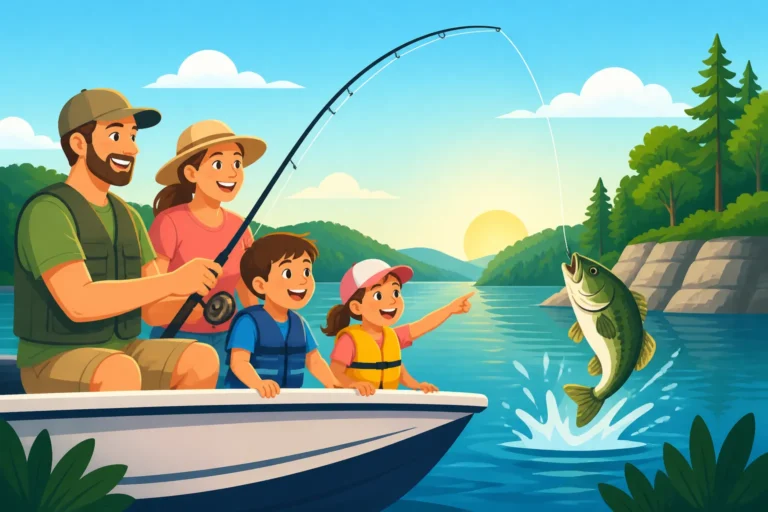
- Public Fishing Piers: While not as numerous as some other lakes, any designated public fishing piers on Lake Barkley should be on your radar. These are usually strategically placed near productive waters and offer safe, accessible spots for anglers of all ages. They're often fantastic places for kids to catch their first fish, making them a great option if you're looking for family-friendly fishing spots on Lake Barkley, Kentucky.
Remember that while these spots are accessible, they can also see heavy fishing pressure. Arriving early or fishing during off-peak times can give you an edge. For general guidance on fishing this area, you might find our comprehensive guide on Lake Barkley Fishing Guide for Kentucky Anglers helpful.
Best Times and Techniques for Catching Bluegill
Catching bluegill isn't usually complicated, but a few refinements in your timing and technique can vastly improve your success rate and lead to a more enjoyable experience.
Optimal Fishing Times on Lake Barkley
Just like bass and crappie, bluegill have their preferred feeding windows.
- Dawn and Dusk: These low-light periods are almost universally the best times to fish for bluegill, especially during warmer months. The fish move shallower to feed more aggressively, and the cooler temperatures are more comfortable for them. The hour right after sunrise and the hour before sunset are prime.
- Overcast Days: A cloudy day, especially one with a light drizzle, can extend the bluegill's feeding window throughout the day. The diffused light makes them feel less exposed, keeping them active in shallower water longer.
- Pre-Frontal Conditions: Just before a cold front moves through, fish often go on a feeding frenzy. The dropping barometric pressure signals a change, and bluegill will gorge themselves. Keep an eye on the weather forecast and try to hit the water before a significant weather change.
- Midday Shade: During bright, sunny summer days, bluegill will retreat to the shade. If you're fishing midday, focus exclusively on the deepest, shadiest parts of docks, under bridges, or deep into submerged brush piles.
It's not always about fishing harder; sometimes it's about fishing smarter by choosing the right time.
Effective Techniques for Consistent Catches
Bluegill aren't known for being shy, but a delicate approach can certainly make a difference, especially with larger, more wary fish.
- Bobber Fishing with Live Bait: This is the quintessential bluegill technique, and for good reason—it works! A small bobber (fixed or slip), a tiny split shot, and a small hook (#8 to #12) baited with a cricket or a small piece of worm is incredibly effective. Cast it near cover and let it sit. When that bobber dips, set the hook with a gentle flick of the wrist. This is perfect for when you're focusing on Bluegill Fishing Techniques for Kids.
- Small Jigs and Plastics: For a more active approach, small jigs (1/32 to 1/16 oz) tipped with tiny plastic grubs, tubes, or even just a piece of Berkley PowerBait Power Worm can be deadly. Fish these jigs under a bobber, slow-retrieve them along drop-offs, or vertical jig them over brush piles. Experiment with colors; chartreuse, white, and black are often good starting points.
- Fly Fishing: For the purists, fly fishing for bluegill is an absolute blast. A lightweight fly rod (2-4 weight) with small poppers, sponge spiders, or wet flies can be incredibly effective, especially in shallow, vegetated areas. The visual strike of a bluegill slurping a topwater fly is an unforgettable experience.
- "Tightlining" or Bottom Fishing: If bluegill are holding deeper or hugging the bottom, a simple tightline rig can work. This involves a small weight (split shot or tiny sinker) a foot or so above a small hook baited with a worm. Cast it out and let it sink to the bottom, slowly retrieving it or letting it sit. This is also a fantastic technique for Kentucky Crappie Daily Limit Rules and Catfish, as it presents the bait directly in their zone.
For more detailed rigging, you can refer to our guide on How to Rig a Bobber for Bluegill Fishing. The key is a light touch and paying attention to subtle bites.
Bait and Lure Choices for Hungry Bluegill
Bluegill are not overly picky eaters, but some offerings are more irresistible than others.
- Live Bait is King:
- Crickets: Hands down, one of the best bluegill baits, especially during summer. Their natural "chirp" sound might even attract fish.
- Redworms/Nightcrawlers: A classic. A small piece of a nightcrawler or a whole redworm threaded onto a small hook is almost guaranteed to get bites. They are great for Best Bait for Bluegill in Kentucky Ponds.
- Mealworms/Waxworms: These smaller larvae are excellent for bluegill and other panfish, especially when presented on tiny jigs or under a micro-bobber.
- Minnows (Small): While more commonly used for crappie, very small minnows can sometimes tempt larger bluegill, particularly in cooler water.
- Artificial Lures:
- Tiny Jigs: 1/32 to 1/16 oz jigs in various colors (chartreuse, white, black, pink) are essential. Tip them with small plastic bodies or Gulp! maggots for added scent and appeal.
- Small Spinnerbaits: Micro-spinnerbaits with a single small blade can be surprisingly effective for active bluegill, especially when retrieved slowly along weed lines.
- Soft Plastics: Tiny grubs, tubes, or even small creature baits designed for crappie can entice bluegill. The key is to keep them small – think 1 to 2 inches.
- Topwater Poppers/Flies: For fly anglers, or even spin anglers with ultralight gear and tiny poppers, surface action for bluegill is incredibly exciting.
When in doubt, start with live bait. It's often the most reliable way to get a bite from these eager panfish.
Essential Gear and Tips for a Successful Bluegill Trip
Getting ready for a bluegill trip to Lake Barkley doesn't require a huge investment in gear, but having the right tools can certainly make a difference. Plus, a few general tips can turn a good day into a great one.
Rods, Reels, and Line: Keeping it Light
For bluegill, less is definitely more when it comes to your setup. You want to feel every subtle nibble!
- Rods: An ultralight or light action spinning rod is ideal. Something in the 5 to 6.5-foot range with a fast or moderate-fast tip will give you the sensitivity to detect those gentle bites and enough backbone to handle a feisty bluegill. Fiberglass or graphite composite rods are perfect, as they offer a good blend of sensitivity and durability.
- Reels: Pair your ultralight rod with a small spinning reel (e.g., a 500 or 1000 size). These reels are lightweight and designed to handle light lines smoothly. The key is a smooth drag system, as even bluegill can put up a surprisingly good fight on ultralight gear.
- Line: This is critical. Use 2 to 6-pound test monofilament or fluorocarbon line. Monofilament is a popular choice due to its stretch and knot strength, while fluorocarbon offers less stretch and better abrasion resistance. Avoid heavy lines, as they can be more visible to the fish and dampen your feel. Braided line isn't typically necessary for bluegill, but if you do use it, tie on a short fluorocarbon leader for stealth.
This light setup allows you to enjoy the fight of even a small bluegill and maximize your bites. For beginners, you might want to check out some Easy Bluegill Fishing Tips for Beginners for more simple approaches.
Tackle Box Essentials and Accessories
Your bluegill tackle box should be streamlined and focused on small presentations.
- Hooks: A selection of small, sharp hooks is paramount. Sizes #8, #10, and #12 are usually perfect. Baitholder hooks (with small barbs on the shank to hold bait) or Aberdeen hooks (thin wire that straightens out to prevent snags) are good choices.
- Bobbers: Assorted small bobbers, both fixed and slip varieties, are a must. Fixed bobbers are great for shallow water, while slip bobbers allow you to fish deeper with an easy cast.
- Weights: Small split shots or tiny bullet weights are needed to get your bait down. Have a variety of sizes to adjust to current or wind conditions.
- Jigs: A selection of 1/32 to 1/16 oz lead-head jigs, preferably with a few in 1/64 oz for extremely light presentations, should be in various colors (chartreuse, white, black, pink). Don't forget tiny plastic trailers for them!
- Forceps/Pliers: Small forceps or needle-nose pliers are incredibly helpful for removing tiny hooks from fish, especially for lip-hooked bluegill.
- Small Cooler/Livewell: If you plan on keeping fish for a tasty meal, a small cooler with ice or a portable livewell is essential to keep your catch fresh.
- Measuring Tape/Scale: While bluegill don't have strict size limits in Kentucky (check Kentucky Fishing Regulations Explained for any specific site regulations), it's fun to measure and weigh your trophy bluegill!
General Tips for a Productive Bluegill Trip
Beyond the gear, these tips can enhance your overall experience and success.
- Stealth is Key: Bluegill can be surprisingly wary, especially in clear, shallow water. Approach your fishing spots quietly, minimize sudden movements, and avoid casting shadows over the water. A quiet electric trolling motor, if you're boating, is a huge asset.
- Chumming Can Help: In areas with little current, a small amount of chum (like crumbled bread, corn, or small pieces of worm) can attract bluegill to your fishing spot and keep them there. Just be mindful of local regulations on chumming.
- Move Around: If you're not getting bites after 15-20 minutes in one spot, don't be afraid to move! Bluegill are often concentrated, and sometimes a slight change in location, even just 20 feet, can put you right on top of a school.
- Check the Weather and Water Conditions: Before heading out, always check the weather forecast, including wind direction and speed. Also, check recent fishing reports for Lake Barkley, which might give you clues about water temperature and clarity.
- Consider a Guide or Local Expertise: If you're new to Lake Barkley, hiring a local fishing guide for a half-day trip can be an invaluable investment. Guides know the lake intimately and can quickly put you on fish, teaching you techniques specific to the area. You can often find reputable guides through platforms like FishingBooker, which lists local experts who know where to catch bluegill on Lake Barkley and other species.
- Explore Different Depths: Don't just fish shallow, especially outside of the spawn. Use a slip bobber or tightline rig to probe various depths until you find where the fish are holding.
- Respect the Resource: Always practice responsible angling. Take only what you need, handle fish gently if you're releasing them, and pack out all your trash.
- Licensing is a Must: Don't forget your fishing license! You can review the requirements in our Kentucky Fishing License Guide. Game wardens do patrol Lake Barkley, and getting caught without one can lead to fines.
| Season | Primary Location | Depth Range (feet) | Recommended Bait/Lure | Notes |
|---|---|---|---|---|
| Spring | Shallow bays, coves | 2-8 | Crickets, redworms, small jigs | Near spawning beds, visible cover. Excellent bank fishing. |
| Summer | Docks, brush piles, submerged timber | 5-15 | Crickets, worms, tiny spinnerbaits | Early morning/late evening bite, seek shade/structure. Boat access best. |
| Fall | Channel edges, deeper brush | 10-20 | Worms, small jigs, minnows | Follow transition, schooling behavior. Can be aggressive. |
| Winter | Deep creek channels, main lake structure | 20-30+ | Small jigs, vertical presentations | Slower bite, precise location key with electronics. |
Fishing for bluegill on Lake Barkley can be a wonderfully rewarding experience, whether you're a seasoned angler or introducing a child to the joys of fishing. By understanding their behavior, knowing where to look, and employing the right techniques, you'll be well on your way to a cooler full of delicious panfish. Just remember to use a platform like FishingBooker to help you find boat rentals or local guides if you're not bringing your own vessel, and they can even point you towards more specific Lake Barkley's Best Sauger Fishing Spots in Kentucky if you want to try for other species while you're there.
Disclaimer
The information provided in this guide is for general informational purposes only and is not intended as legal advice regarding fishing regulations. Fishing regulations, including licensing, bag limits, and size limits, can change frequently. Always consult the most current Kentucky Department of Fish and Wildlife Resources (KDFWR) regulations before your fishing trip to ensure compliance. Failure to do so may result in penalties.