Best Remote Fishing Coves on Lake Cumberland
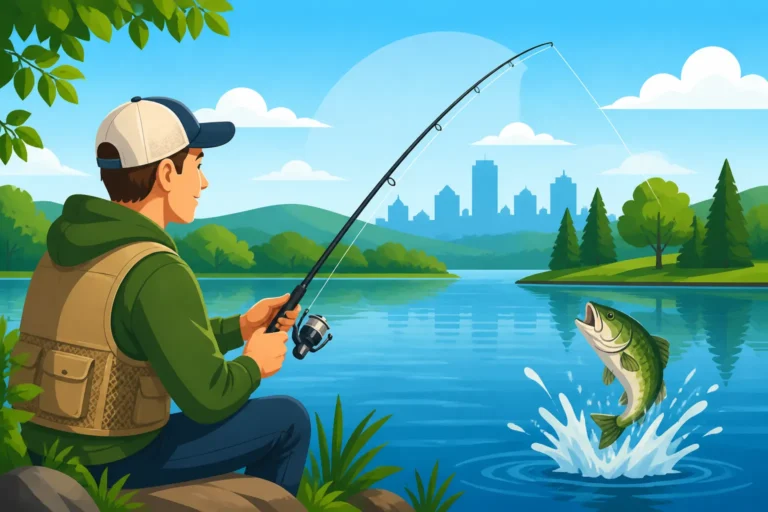
It's a common struggle for anglers: you head to a renowned spot like Lake Cumberland, eager for a peaceful day, only to find boat ramps bustling and prime fishing areas already occupied. The dream of solitude and untouched waters often feels out of reach when every prime point seems to have a boat on it. This guide is here to help you escape the crowds, uncovering the hidden gems and tranquil fishing coves on Lake Cumberland where you can truly connect with nature and, hopefully, some impressive fish.
The Allure of Lake Cumberland's Remote Fishing Coves
There’s a unique satisfaction that comes from finding a fishing spot where the only sounds are the gentle lapping of water against the hull and the chirping of cicadas from the shoreline. For many of us, the joy of fishing isn't just about the catch; it's about the escape, the tranquility, and the sense of discovery. Popular fishing destinations, while productive, can often feel more like a highway than a wilderness experience, especially during peak season or on weekends.
Escaping the Hustle and Bustle
Imagine pulling into a quiet cove, the morning mist still clinging to the water, and casting your line without the constant drone of jet skis or the wake of passing bass boats rocking your vessel. This isn't just a fantasy on Lake Cumberland; it's a reality if you know where to look. The frustrations of crowded docks, noisy recreational boaters, and fish that have seen every lure in the tackle box are very real for many anglers. These are the very conditions that lead fish to become "educated" – they learn to associate certain presentations or sounds with danger, making them harder to entice.
By venturing into more remote areas, you’re not just finding a quiet spot; you’re entering a different world. The solitude allows for a deeper connection with the environment. You might spot deer grazing on the bank, an eagle soaring overhead, or a blue heron patiently stalking its prey in the shallows. It’s an immersive experience that recharges the soul as much as it fills the livewell. The sense of peace allows for more focused fishing, without distractions, and often leads to a more rewarding day on the water.
Why Remote Spots Hold Bigger Fish
One of the most compelling reasons to seek out these hidden pockets is the potential for larger, less pressured fish. When a fish lives in an area that sees constant angling pressure, it quickly learns to avoid baits and lures. They become wary, finicky, and often move to deeper, more inaccessible waters during the day. This results in smaller catches or frustratingly slow days for anglers sticking to well-known areas.
In remote coves, however, fish haven't had the same amount of human interaction. They are often less cautious, more aggressive, and more likely to strike at a well-presented lure. These areas also tend to have more natural habitat – undisturbed weed beds, fallen timber, and rocky outcrops that provide ideal cover and ample forage. With less competition and more food, fish in these secluded havens have the opportunity to grow bigger, making that long journey worth every minute. It’s where you truly have a chance at that trophy catch that makes all the effort worthwhile, often without another angler in sight.
How to Pinpoint Your Hidden Gem
Lake Cumberland is an enormous body of water, boasting over 50,000 surface acres and an astonishing 1,255 miles of shoreline. This vastness, while initially daunting, is precisely what makes finding remote coves not just possible, but incredibly rewarding. You won't find these secret spots advertised, but with the right tools and a little know-how, you can become your own explorer.
Navigational Tools and Mapping Resources
Your best friends in this quest will be reliable navigational tools. Forget relying solely on memory or local rumors; invest in high-quality maps, both digital and, perhaps, a physical backup. Digital mapping applications like Navionics, C-MAP, or even the detailed satellite view on Google Maps are invaluable. These tools allow you to zoom in and identify specific features that scream "fish hideout." Look for subtle indentations in the shoreline, long tapering points, or areas where contour lines show a sudden drop-off near the bank. These signify changes in depth that fish often relate to.
When poring over these maps, pay close attention to creek channels that feed into the main lake, especially those with steep banks or submerged timber. These areas provide current, cover, and a steady supply of nutrients, making them magnets for baitfish and, consequently, game fish. You’re looking for those spots that are just far enough from the main lake channels or well-traveled routes to deter casual boaters. While not specifically for finding remote coves, services like FishingBooker can sometimes provide insights into less-frequented areas or connect you with local guides who might share some general knowledge about the lake's diverse geography. Don't be afraid to study the bathymetry – the underwater topography – to identify potential submerged islands, humps, or old roadbeds that could be holding fish in otherwise featureless coves.
Understanding Lake Cumberland's Geography
To truly unlock the remote potential of Lake Cumberland, you need to grasp its unique geography. The lake is fed by the Cumberland River and numerous smaller creeks, creating a complex network of main channels, long arms, and countless coves. The further you get from the major marinas, public launch points, and well-known landmarks, the higher your chances of finding solitude. Areas like those listed in Lake Cumberland Boat Ramps and Access Points in Kentucky are great for quick access, but they also tend to be the busiest. To find seclusion, you might need to launch at a less-used ramp or simply commit to a longer boat ride.
Focus your search on the upper reaches of the lake or deep within the lengthy creek arms like Indian Creek, Otter Creek, or Wolf Creek, particularly in the sections further inland. These areas are often shallower and more timbered, creating excellent habitat. Look for coves that are tucked away, perhaps requiring a winding path to reach by boat, or even those best accessed by smaller craft like kayaks. Speaking of kayaks, exploring these tight, secluded spots with a good fishing kayak can be an incredible experience, offering quiet access to waters larger boats simply can't reach.
Prime Remote Cove Characteristics and Target Species
Not all remote coves are created equal. Knowing what to look for in a promising spot can dramatically increase your chances of success. It’s not just about isolation; it’s about the features that attract and hold fish, creating a vibrant ecosystem away from the hustle and bustle.
Features of Productive Remote Coves
When you're scanning those maps or slowly navigating a new cove, keep an eye out for specific features. Productive remote coves often boast deep water access near shore. This allows fish to move quickly between shallow feeding areas and deeper, safer retreats. Look for dramatic contour changes, indicating ledges or drop-offs right against the bank. Another prime characteristic is the presence of submerged timber, rock piles, or brush. These structures provide essential cover for baitfish and ambush points for predatory game fish. Overhanging trees or large boulders that cast shade are also excellent indicators, as fish will often congregate in cooler, darker areas during sunny days.
Additionally, isolated creek mouths or springs feeding into a cove can be honey holes. These inflows often bring in nutrients and slightly cooler water, acting as natural attractants. You might also find old roadbeds, foundations, or even fence lines that were submerged when the lake was formed, providing unseen structure. These subtle changes in the bottom topography, often only visible on a good fish finder, are what truly make a remote cove a prime fishing spot. Consider how these natural elements combine to create a perfect habitat, providing food, shelter, and comfort for various species throughout the seasons.
What You Can Expect to Catch
The beauty of Lake Cumberland's remote coves is the diversity of fish species you can encounter. While you're escaping the crowds, you're not sacrificing the quality of the fishing.
- Largemouth and Smallmouth Bass: These are arguably the kings of Lake Cumberland's inshore fishing. In remote coves, largemouth bass will often be found near heavy cover like fallen trees, brush piles, and weed edges. They love to ambush prey from these hidden spots. Smallmouth bass, known for their fighting prowess, often prefer rockier bottoms, steep bluffs, and points within these coves. For targeting these fighters, knowing the best lures for big water bass fishing can be a game-changer. These less-pressured fish are often more willing to strike, making for exciting battles. To find out more about the overall bass fishery, check out Lake Cumberland: The State's Top Bass Fishing Destination.
- Crappie: Timbered coves, especially those with standing timber or brush piles in 10-20 feet of water, are prime crappie territory. They school up around structure, particularly during cooler months and as they move shallow for the spring spawn. Look for areas with a soft, muddy bottom if targeting crappie.
- Catfish: Deeper, muddier coves with slow-moving water or those connected to a creek channel can hold some impressive catfish. Both channel and blue catfish will cruise these areas looking for food. Setting up a trotline or jug line in a remote cove overnight can yield excellent results. For more specific advice, see Best Catfish Spots on Lake Cumberland.
- Walleye: While often associated with the main lake’s deeper humps and ledges, walleye will move into the cooler, deeper remote coves, especially during transitional seasons like spring and fall. They prefer rocky bottoms and clean water. If you’re serious about walleye, understanding where and how to target them on the main lake might be beneficial, as detailed in Best Walleye Fishing Spots on Lake Cumberland, Kentucky.
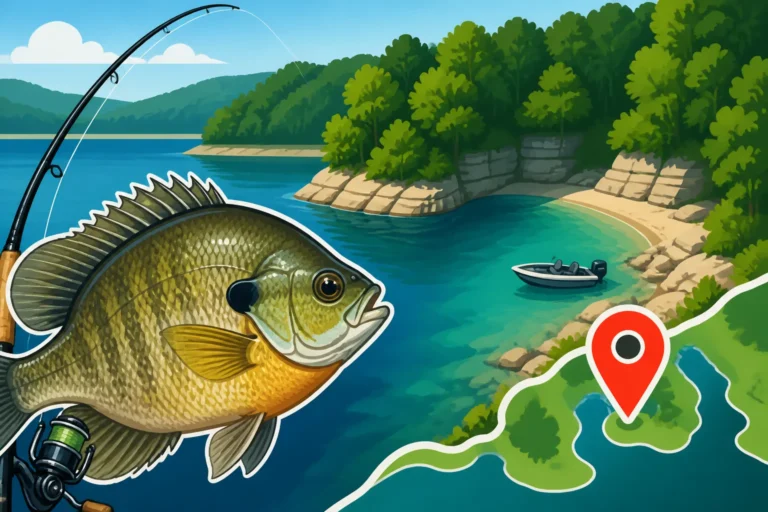
- Panfish (Bluegill, Redear Sunfish): Don't overlook the panfish! These smaller, feisty fighters are abundant in remote coves, especially around submerged brush, weed beds, and docks. They provide fantastic action, particularly for younger anglers or anyone looking for consistent bites. If you want to dive deeper into finding these smaller fish, our guide on Best Bream Fishing Coves on Lake Cumberland, Kentucky offers excellent tips.
- Trout: Lake Cumberland is renowned for its trout fishery, particularly rainbow and brown trout. While the main lake and specific cold-water discharge areas are the primary trout spots, as highlighted in Lake Cumberland's Best Trout Fishing Spots in Kentucky, very deep, cold remote coves might occasionally hold stray trout, especially if there's a cold spring feed. However, if trout are your main target, focus on the deeper, cooler sections of the main lake, particularly during the colder months when trout are more active. The Kentucky Department of Fish and Wildlife Resources actively stocks trout, and understanding What Trout Are Stocked at Lake Cumberland Each Season can help you predict their movements.
Here’s a quick overview of how different remote cove characteristics might influence your catch:
| Cove Type | Key Characteristics | Target Species | Access Challenge |
|---|---|---|---|
| Timbered Coves | Lots of standing or fallen timber, often muddy bottom | Crappie, Largemouth Bass, Catfish | Moderate |
| Rocky Bluff Coves | Steep rock walls, deep water access, shale slide | Smallmouth Bass, Walleye, Spotted Bass | Moderate |
| Creek Arm Coves | Mouths of feeder creeks, flatter, may have current | Largemouth Bass, Catfish, White Bass | Easy to Moderate |
| Isolated Points | Far from main lake traffic, often with drop-offs | Smallmouth Bass, Striped Bass, Walleye | Moderate to Hard |
Gear and Strategies for Remote Cove Success
Fishing remote coves isn’t just about getting there; it’s about being prepared and employing the right tactics to capitalize on these less-pressured environments. A little planning and the right mindset can turn a peaceful outing into a highly productive one.
Essential Gear for Off-the-Beaten-Path Angling
Your equipment choice can make a huge difference. Since you’ll likely be covering more water and potentially fishing in tighter, more structured areas, versatility and reliability are key.
- Boat Choice: While a traditional bass boat can get you to distant coves, smaller, more maneuverable vessels often shine in remote areas. A good fishing kayak is an excellent option for silently navigating tight spaces, shallow waters, and getting right up against steep banks. Check out our guide on the Best Kayak for Lake Cumberland Trout Fishing for ideas, many of which apply to bass and crappie fishing as well. Jon boats or smaller aluminum boats are also great for their shallow draft and durability, allowing access to spots bigger boats can't reach.
- Electronics: A reliable fish finder with GPS is absolutely crucial. In remote coves, submerged structure might not be visible from the surface. A good unit will help you identify hidden brush piles, rock formations, creek channels, and depth changes that hold fish. The GPS feature is invaluable for marking productive spots and navigating safely in unfamiliar territory. Many of the principles discussed in Fish Finders and Electronics for Kentucky Lake Fishing are directly applicable to Lake Cumberland.
- Rods & Reels: Think versatile. A couple of medium-heavy casting setups for throwing bigger bass lures like crankbaits and jigs, along with a medium-light or medium spinning rod for finesse presentations, crappie jigs, or smaller soft plastics, will cover most situations. Having a range allows you to adapt to whatever the fish are biting on. For a general overview, take a look at our article on Best Rods and Reels for Kentucky Fishing.
- Tackle: Pack a diverse tackle box. While you might have your go-to lures, fish in remote coves can be less finicky, allowing for more experimentation. Jigs, spinnerbaits, crankbaits, and a variety of soft plastics (worms, creature baits, swimbaits) are great for bass. Small hair jigs, tube jigs, and live minnows are essential for crappie. For catfish, bring a selection of circle hooks, weights, and some potent stink bait or cut bait. Remember, sometimes the simplest presentations are the most effective in undisturbed waters.
- Safety Gear and Supplies: When heading into remote areas, safety is paramount. Always let someone know your float plan – where you’re going and when you expect to return. Carry a fully charged phone, extra water, snacks, a first-aid kit, sun protection, and a paddle or extra battery if you're in a smaller boat. Being self-sufficient is key when help might be a long way off.
Techniques for Pressured-Less Fish
Even though fish in remote coves might be less pressured, approaching them with a smart strategy will yield better results.
- Stealth is Your Friend: Remote coves mean less background noise, so any unnatural sounds will stand out. Approach quietly, use your trolling motor sparingly and at low speeds, and avoid slamming tackle box lids or stomping around the boat. If you’re kayak fishing, your natural stealth is a huge advantage. The less disturbance you create, the more likely fish are to remain undisturbed and willing to bite.
- Target Structure Relentlessly: Every fallen tree, every rock pile, every patch of weeds could be holding fish. Cast to every piece of visible and submerged structure you can find. Remember, these are the fish's homes and ambush points. Make multiple casts from different angles to thoroughly work an area before moving on. Pay close attention to subtle changes in depth or bottom composition; a slight depression or a transition from rock to mud can be a productive zone.
- Vary Your Presentation: Don't get stuck in a rut. If one lure or retrieve speed isn't working, change it up. Try different colors, sizes, and actions. Sometimes a slow, methodical retrieve is what it takes; other times, an aggressive, erratic presentation will trigger a strike. Less pressured fish might strike more aggressively at a wider range of lures, but don’t assume they’ll hit anything. Experimentation is still key to figuring out the day's pattern.
- Patience and Persistence: Remote fishing might not offer a bite every cast, but when you do get a bite, it often means a quality fish. Take your time, thoroughly work promising areas, and trust your instincts. Don't be too quick to leave a cove if it looks good, even if the bites aren't immediate. The rewards of these hidden havens are often worth the wait. For those looking to shorten the learning curve or discover new techniques, especially in less-frequented areas, consider leveraging platforms like FishingBooker to connect with local guides. They can offer invaluable insights into these specific spots and the most effective tactics.
Disclaimer
The information provided in this guide is for general informational purposes only. Fishing conditions, regulations, and access points can change. Always consult the latest Kentucky Department of Fish and Wildlife Resources regulations and local authorities before planning your fishing trip to ensure compliance and safety. Remember to practice responsible angling, including proper catch and release techniques, to preserve these valuable fisheries for future generations.