Lake Cumberland State Park Fishing Access Points
Finding the perfect fishing spot at a big, beautiful destination like Lake Cumberland can feel like a daunting task, especially when you're hoping for easy access and good opportunities for a variety of species. So many questions crop up: Where can I put in my boat? Are there decent places to fish from the bank? And what about the kids? This comprehensive guide will walk you through the prime fishing access points within Lake Cumberland State Resort Park, ensuring you spend less time searching and more time reeling in that next big catch.
Understanding Lake Cumberland State Resort Park's Unique Fishing Appeal
Lake Cumberland isn't just any body of water; it's a colossal gem in Kentucky, renowned for its deep, clear waters and incredible fishing opportunities. And right at its heart, Lake Cumberland State Resort Park offers some of the most convenient and diverse access points for anglers of all skill levels. For many, the idea of fishing a massive lake can be intimidating, but the park acts as a friendly gateway, providing well-maintained facilities and a safe environment for your outdoor adventures. You're not just casting a line; you're immersing yourself in the natural beauty of the Kentucky landscape.
What makes this particular state park so special for fishing is its strategic location. Situated on the lake's southern shore near Jamestown, the park gives you a fantastic base to explore some of the best waters for bass, crappie, walleye, and especially trout. The Kentucky Department of Fish and Wildlife Resources actively manages the lake, stocking it regularly, especially with trout, making it a premier destination. Whether you're a seasoned angler chasing trophy fish or a family looking for a relaxing day of panfishing, the park's various access points cater to diverse preferences. Think of it as your personal fishing hub, with amenities close by that just make the whole experience smoother and more enjoyable. Knowing What Trout Are Stocked at Lake Cumberland Each Season can greatly influence where and how you plan your day, and the park often positions you perfectly for these opportunities.
Prime Shoreline and Bank Fishing Access Within the Park
One of the most common frustrations for anglers, especially those without a boat, is finding good, accessible spots to fish from the shore. At Lake Cumberland State Resort Park, this isn't nearly as big of a headache. The park offers several fantastic areas where you can comfortably set up your gear and enjoy the peace of bank fishing. These spots are often overlooked in favor of boat access, but they can be incredibly productive, especially during certain times of the year when fish move closer to the shallower areas.
Fishing Piers and Designated Bank Access
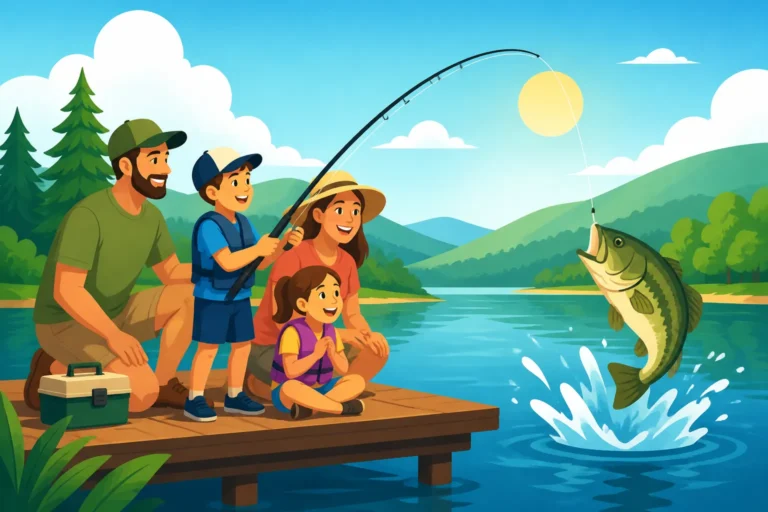
Perhaps the easiest and most user-friendly access points are the designated fishing piers. While not extensive, the park typically maintains areas that allow for direct access to the water without scrambling over rocks or thick brush. These piers are fantastic for families, seniors, or anyone looking for a stable, safe platform to cast from. They often extend into deeper water quickly, putting you right where the fish might be cruising. You'll find these areas are prime for catching panfish like bluegill and crappie, especially if you're using live bait or small jigs. It's a low-stress way to introduce kids to fishing, letting them get their hands on a rod without the complications of a boat. You might even want to check out some Beginner Bream Fishing Tips if you're bringing along new anglers.
Beyond the piers, there are numerous coves and stretches of shoreline within the park boundaries that provide ample bank fishing opportunities. Just be prepared to walk a bit and wear appropriate footwear, as not all areas are paved paths. Look for areas with less vegetation and a gradual slope into the water. These coves can be excellent for targeting largemouth and smallmouth bass, particularly during spring and fall when they feed in shallower waters. Always be mindful of park rules and private property lines, but generally, the public areas are well-marked and welcoming. For those who prefer the simplicity of shore fishing, the park definitely delivers.
Boat Ramp Access and Waterway Exploration
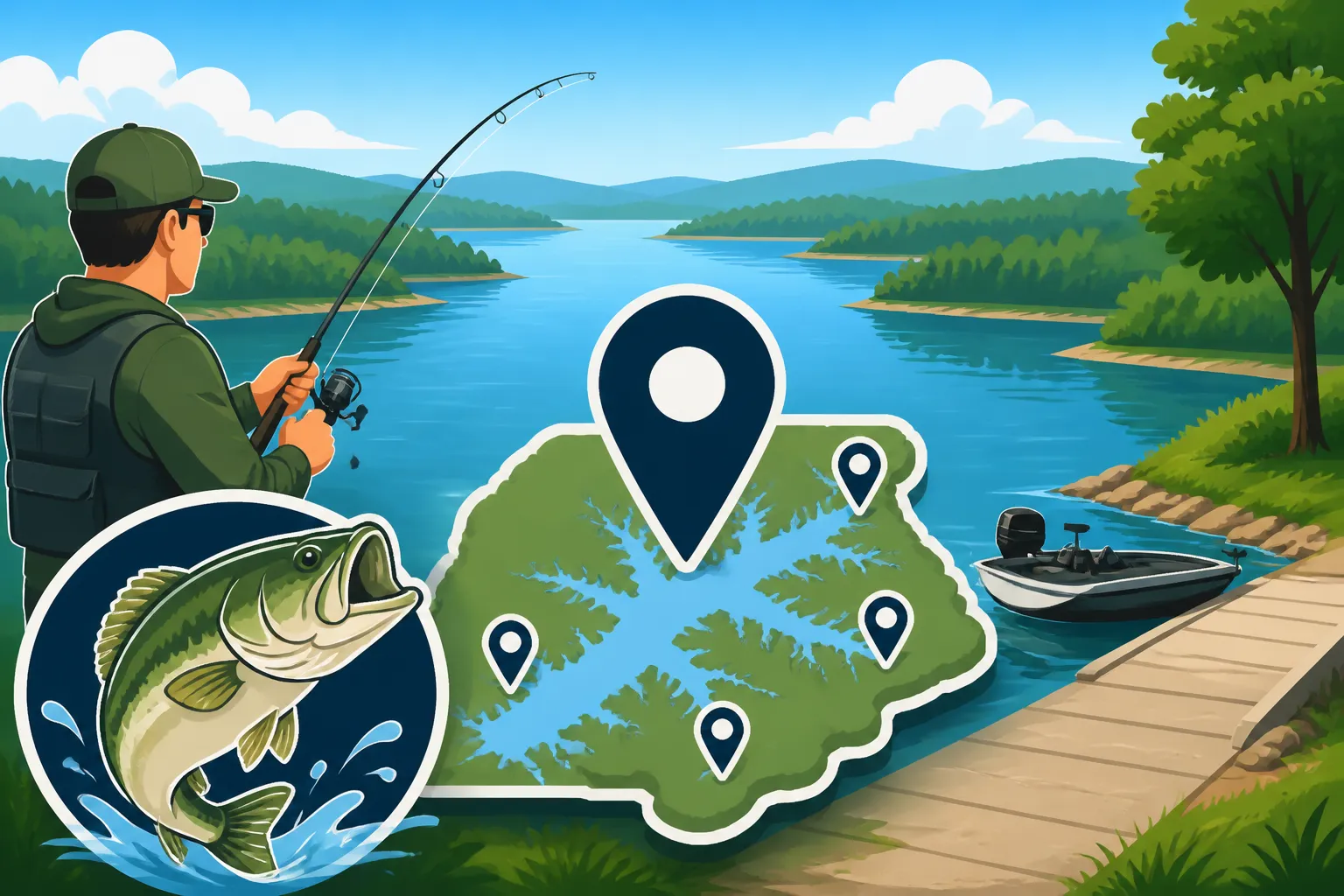
For many serious anglers, Lake Cumberland is a vast playground best explored by boat. The good news is that Lake Cumberland State Resort Park provides direct and convenient boat ramp access, making it incredibly easy to launch your vessel and head out into the main lake. This is a huge relief for boat owners who often grapple with crowded ramps or limited parking at other access points. The park's boat ramp facilities are designed to handle various boat sizes, from bass boats to pontoon boats, ensuring a smooth start to your day on the water.
Jamestown Marina's Convenient Location
While not directly inside the state park grounds, the nearby Jamestown Marina serves as a primary hub for boaters utilizing Lake Cumberland State Resort Park. It's so close and intertwined with the park experience that it's practically an extension of its access points. The marina offers multiple launch lanes, ample parking for trucks and trailers, and all the essential amenities you could need – fuel, bait, tackle shops, and even dining options. This means you can launch your boat, grab any last-minute supplies, and be on the water in minutes. From here, you have direct access to the main body of Lake Cumberland, opening up endless possibilities for fishing. This close proximity to essential services is a major plus, eliminating the need to drive far for supplies once you're already in the area. The sheer convenience makes it one of the Best Boat Ramps on Lake Cumberland for park visitors.
Once you're out on the water, the possibilities are vast. From the park's access points, you can quickly navigate to prime areas for targeting different species. For instance, the deep channels and bluff walls are fantastic for Where to Catch Walleye on Lake Cumberland or for searching out schools of striped bass. Coves and submerged structures are perfect for crappie and bass. If you're planning a multi-day trip, services like FishingBooker can help you find local guides who know these waters like the back of their hand, ensuring you maximize your time on the lake. They often pinpoint the best times and spots for Kentucky Fishing Seasons: What to Catch Each Month and can take all the guesswork out of it. Just remember, you'll need a valid Kentucky Fishing License Guide before you cast your first line, and often a Kentucky Trout Permit Guide if you're targeting those beautiful rainbows or browns.
| Access Point Type | Best For | Key Features | Potential Fish Species |
|---|---|---|---|
| Designated Piers | Families, Beginners, Seniors | Stable platform, easy access, often lights at night | Bluegill, Crappie, Catfish |
| Shoreline/Bank Access | Bass, Crappie, Catfish | Quiet coves, natural habitat, sometimes secluded | Largemouth Bass, Smallmouth Bass, Crappie, Catfish |
| Jamestown Marina Boat Ramp | All Boaters, serious anglers | Multiple launch lanes, ample parking, full services (bait, fuel) | All Lake Cumberland species (Bass, Crappie, Walleye, Trout, Catfish) |
Planning Your Fishing Trip from Lake Cumberland State Resort Park
A successful fishing trip involves more than just knowing where to cast your line; it's about preparation and understanding the local nuances. Leveraging Lake Cumberland State Resort Park as your base camp allows you to experience the best of Kentucky fishing with the added convenience of park amenities.
Essential Gear and Local Regulations
Before heading out, make sure you have the right gear. For bank fishing, a medium-light spinning rod with 6-8 lb test line is versatile enough for most panfish, bass, and even smaller catfish. If you're boat fishing and targeting bigger game like stripers or trophy catfish, you'll want heavier tackle. Always pack essential safety gear, especially if boating. And don't forget your fishing license! You can easily purchase a Kentucky Fishing License Guide online or at local retailers, and if you're specifically going after trout, remember to add that Kentucky Trout Permit Guide to your license. It’s a small extra step that makes a big difference.
Beyond licenses, it's crucial to be aware of Kentucky Fishing Regulations Explained, especially site-specific rules for Lake Cumberland. Size and creel limits can vary by species and sometimes even by lake, so a quick check of the current regulations before your trip is always a smart move. Ignorance of the law won't get you out of a ticket if a game warden happens to check your catch! This preparation helps ensure a smooth, legal, and enjoyable experience for everyone involved.
Making the Most of Park Amenities and Nearby Services
Lake Cumberland State Resort Park itself offers more than just fishing access. You'll find lodging options, restaurants, hiking trails, and even a miniature golf course, making it a truly Best Family-Friendly Fishing Spots on Lake Cumberland, Kentucky destination. This means if some members of your group aren't avid anglers, there's still plenty to keep them entertained. Being able to combine a fishing trip with other recreational activities is a major draw for many visitors.
Consider utilizing online platforms like FishingBooker if you're looking for an even more curated experience. A local fishing charter can take you directly to the hot spots, provide all the necessary gear, and share invaluable knowledge about Kentucky Bass Fishing: The April-May Peak Season or Winter Trout Fishing at Kentucky's Lake Cumberland. This can be particularly beneficial for non-residents or those who are new to the lake, as it cuts down on the learning curve and significantly increases your chances of a successful outing. Ultimately, whether you're going solo, with friends, or with family, Lake Cumberland State Resort Park provides a fantastic gateway to one of Kentucky's premier fishing lakes.
Disclaimer
Please remember that fishing conditions, regulations, and access point availability can change. Always consult the official Kentucky Department of Fish and Wildlife Resources website for the most current information before planning your trip. Stay safe on the water and always practice responsible angling.