Where to Catch Hybrid Striped Bass Below Kentucky Dams
There's a special kind of thrill that comes with chasing hard-fighting fish in powerful waters, and if you've ever cast a line below a Kentucky dam, you know exactly what I'm talking about. The incredible rush of water creates a unique ecosystem, a veritable buffet for predatory fish, but also a challenging environment for anglers. If you’ve been wondering where to find those feisty hybrid striped bass and how to tackle them in these formidable spots, you’ve come to the right place. This guide will take you through everything you need to know to successfully target hybrid stripers below Kentucky's dams.
Understanding Hybrid Striped Bass Behavior Below Kentucky Dams
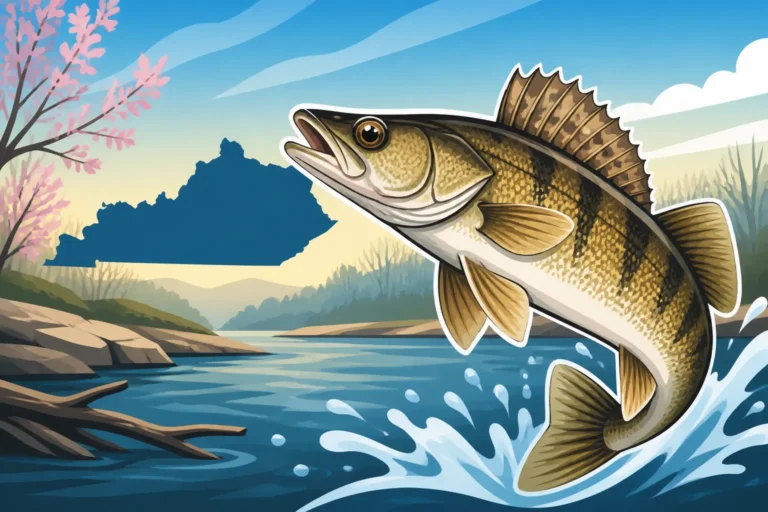
Hybrid striped bass, often called "wipers," are a cross between striped bass and white bass. They inherit the fighting spirit of the striper and the schooling tendencies of the white bass, making them an incredibly fun and rewarding species to target. Below dams, these fish thrive on the turbulent, nutrient-rich water.
Why Dams Are Hybrid Striper Magnets
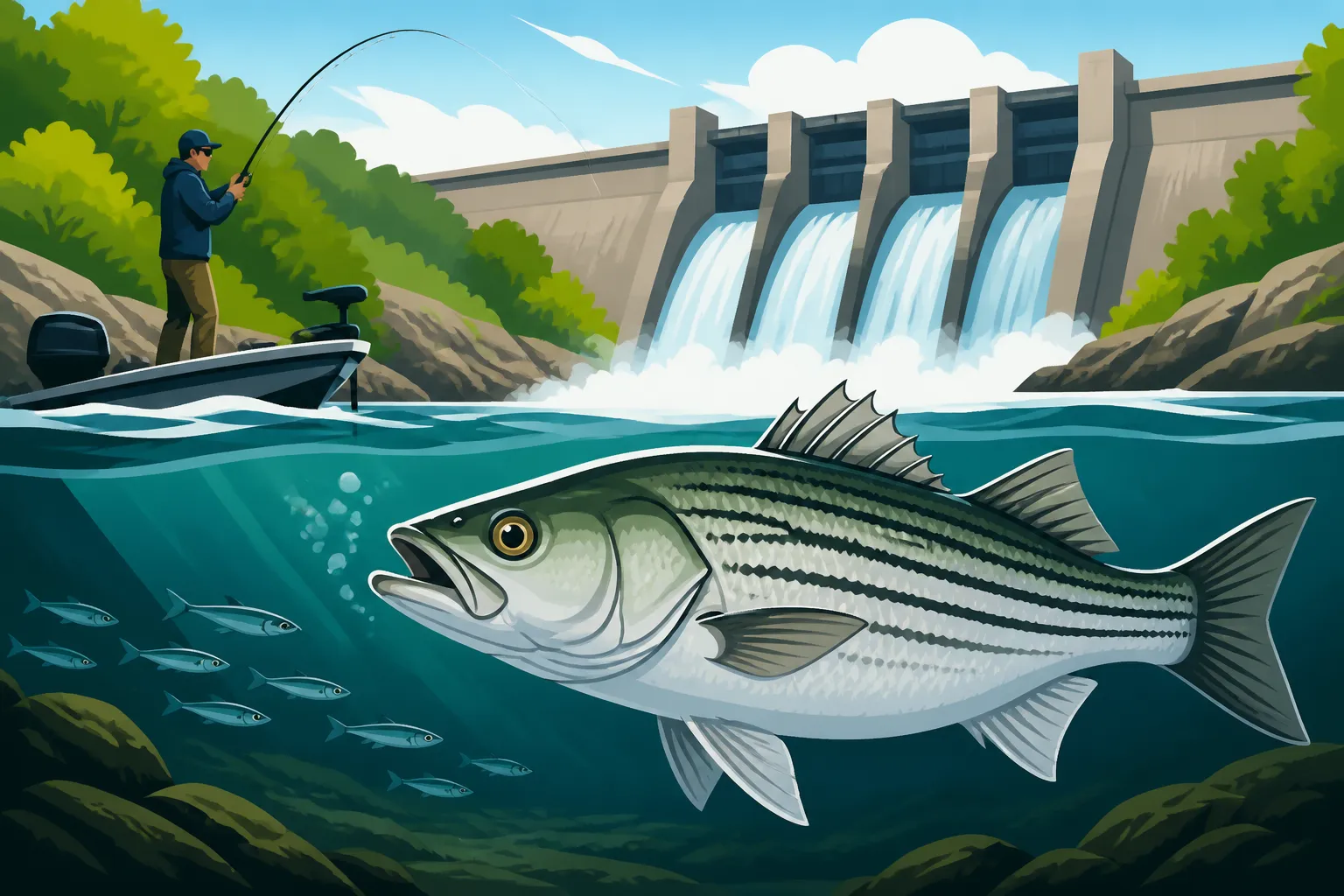
Think about it from a fish's perspective: a dam is essentially a giant food conveyor belt. When water is released through the dam, it creates a powerful current that disorients baitfish and other small forage, sweeping them downstream. Hybrid stripers, being opportunistic predators, congregate in these areas because it's like a drive-thru for their next meal. The churning water is also highly oxygenated, which is crucial for active, large fish. These strong currents also create current breaks, eddies, and seams where fish can expend less energy while still being perfectly positioned to ambush passing prey.
It’s not just about the food, though. Dams often lead to deeper, cooler water, which is preferred by these hybrids, especially during warmer months. The structure of the dam itself also provides cover and ambush points. Anglers who understand these dynamics know that fishing the tailwaters of a major dam isn't just about showing up; it's about reading the water, anticipating the fish's movements, and finding those sweet spots where they stack up. It’s a bit like a game of chess, anticipating your opponent's next move.
Seasonal Movements and Feeding Patterns
Hybrid stripers below dams aren't static; their behavior changes with the seasons and, crucially, with the dam's generation schedule. In spring, as water temperatures rise, hybrids become incredibly active, often chasing large schools of baitfish that move into the tailwaters. This is a fantastic time for aggressive lure presentations. As summer heats up, they'll often retreat to deeper, cooler, highly oxygenated water, making early morning or late evening fishing, or targeting periods of increased generation, particularly productive.
When fall arrives, and temperatures cool down again, the hybrids go on another feeding frenzy, bulking up for winter. This can be one of the most exciting times to fish, as they'll hit a variety of baits with fierce strikes. Even in winter, when many other species slow down, hybrids can still be caught below dams, especially during periods of power generation. The key is to pay attention to current flow; less flow usually means less activity, while heavy generation often equates to a hot bite as baitfish are churned up. Checking the dam's generation schedule beforehand, usually available online, can drastically improve your chances.
Top Kentucky Dams for Hybrid Striper Action
While many dams in Kentucky hold various species, a few spots are particularly renowned for their hybrid striped bass fishing, offering consistent action and the chance at a true trophy.
The Ohio River Locks and Dams
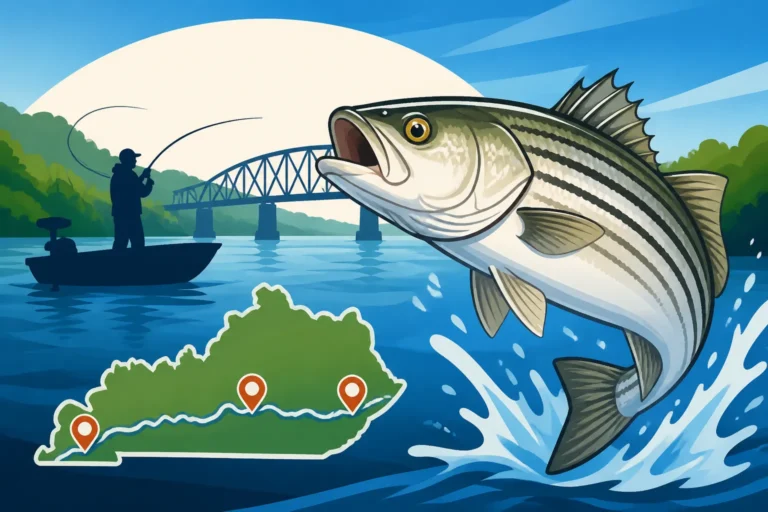
The Ohio River, forming Kentucky’s northern border, is a powerhouse for hybrid striped bass. Its series of locks and dams creates ideal habitat and feeding grounds. Anglers fishing the Ohio River often experience incredible action below structures like the McAlpine Locks and Dam near Louisville. Here, the river narrows, creating powerful currents that funnel baitfish right into the waiting mouths of hungry hybrids. You'll find anglers targeting them from boats just outside the restricted zones, or from the bank in designated access areas. The confluence of the Kentucky River with the Ohio River near Carrollton can also be a hotspot, as it combines the flow of two major waterways.
Further downstream, the John T. Myers Locks and Dam and the Smithland Locks and Dam, both accessible from Kentucky shores, are also highly productive. These areas often draw large schools of baitfish, attracting not only hybrids but also excellent numbers of catfish and sauger. It's not uncommon to catch multiple species in one outing when fishing these dynamic Ohio River stretches. If you're planning a trip to these spots, considering a guided trip through services like FishingBooker could provide valuable local insights into the best fishing locations and current conditions. Don't forget to check the Ohio Anglers Fishing in Kentucky Waters or Indiana and Illinois Anglers Fishing Kentucky Waters guidelines if you're coming from a neighboring state.
Tailwaters of Major Reservoirs
While the Ohio River is a primary focus, some of Kentucky's larger reservoirs also offer opportunities for hybrid striped bass in their tailwater sections, although these are often stocked rather than naturally occurring.
A notable example would be the tailwaters of Lake Barkley. While Lake Barkley itself is famous for its bass, crappie, and sauger, the strong currents below the dam, especially when water is being released into the Cumberland River, can attract hybrids along with stripers and white bass. Fishing below the Kentucky Dam on Kentucky Lake, which is adjacent to Lake Barkley, also has potential, particularly for those targeting a mix of hard-fighting species. However, for sheer numbers of hybrid stripers, the Ohio River dams tend to be more consistent.
It’s always a good idea to check local stocking reports and talk to bait shops or local guides about the specific dam you plan to visit. Different reservoir systems manage their fisheries differently, so what works for one might not be true for another. Many anglers who are serious about finding these powerful fish will often consult local experts or charter a trip to maximize their chances.
| Kentucky Dam Fishing Hotspots for Hybrid Striped Bass | River System | Primary Access (KY Side) | Key Features for Hybrids | Best Seasons |
|---|---|---|---|---|
| McAlpine Locks and Dam | Ohio River | Louisville | Strong current, diverse baitfish | Spring, Fall, Summer (early/late) |
| John T. Myers Locks and Dam | Ohio River | Union County | Deep holes, current seams | Spring, Fall |
| Smithland Locks and Dam | Ohio River | Livingston County | Large eddies, consistent flow | Spring, Fall, Winter (generation) |
| Kentucky Dam (Kentucky Lake) | Tennessee River | Grand Rivers | Nutrient-rich discharge, deep water | Spring, Fall |
Effective Techniques and Gear for Dam Fishing for Hybrid Stripers
Tackling hybrid stripers below dams requires specific strategies and robust gear to handle both the fish and the challenging environment. These fish hit hard and fight dirty, often using the current to their advantage, so you need to be prepared.
Go-To Baits and Lures
When fishing below dams, the name of the game is often mimicking the natural forage that gets flushed through. Live bait is frequently king here. Fresh-caught shad or herring, if legal to use and available, are incredibly effective. You can rig them on a Carolina rig or a three-way swivel rig to keep them in the strike zone, allowing the current to impart natural action. Cut bait, particularly chunks of fresh shad, can also be highly successful, especially for hybrids that are scavenging the bottom.
For artificial lures, heavy jigs are a staple. Lead-head jigs, often tipped with a soft plastic swimbait or grub in white, chartreuse, or natural baitfish colors, can be vertically jigged or cast into current seams. Spoons, like slab spoons or Kastmasters, are also excellent choices for imitating injured baitfish falling through the water column. They cast well, sink fast, and flash enticingly. Don't overlook large swimbaits, especially those with a strong thumping tail, which can be retrieved slowly or jigged through the current. For those looking to really dial in their technique, specific guides like How to Jig for Sauger in Deep Water can offer transferable skills, as many of the same principles apply.
Essential Rod, Reel, and Line Setup
You’re not going to win a tug-of-war with a powerful hybrid in a swift current with flimsy gear. A medium-heavy to heavy action spinning or baitcasting rod, typically 7 to 8 feet long, is highly recommended. This length provides enough leverage to fight strong fish and helps with longer casts. The rod needs a robust backbone to set hooks and turn the fish away from snags and the relentless current.
Pair your rod with a sturdy reel that has a smooth, powerful drag system. For spinning reels, a 4000 to 6000 size is appropriate. For baitcasters, something like a 300 or 400 series low-profile or round reel will provide the necessary line capacity and cranking power. Spool your reel with 20 to 40-pound braided line. Braid offers superior sensitivity and strength for its diameter, which is a huge advantage in current. However, always use a fluorocarbon leader, typically 15 to 25-pound test, tied with a strong knot like an Albright or FG knot. The leader provides invisibility, abrasion resistance against rocks and dam structure, and a bit of stretch that braid lacks. Having a reliable setup is paramount, as detailed in guides like Best Rods and Reels for Kentucky Fishing.
Positioning and Presentation Strategies
Finding the right spot below a dam is critical. Look for current seams, eddies, and any changes in depth or structure that might create a hiding spot or ambush point for hybrids. Often, they will sit just outside the main current, waiting for bait to be swept by. Casting your lure or bait upstream of these areas and allowing the current to carry it naturally into the strike zone is a highly effective presentation. This allows the bait to appear as natural as possible.
Vertical jigging directly below the boat, especially during periods of heavy generation when fish are concentrated, can also be very productive. Use your fish finder to locate schools of baitfish or larger marks that indicate hybrids, then drop your jig right on their heads. If fishing from the bank, identifying deeper pockets or outflow areas where the current slows down slightly can be key. Don't be afraid to experiment with retrieve speeds and jigging actions until you find what triggers a bite. Sometimes, a slow, subtle twitch is all it takes, while other times an aggressive rip-and-fall retrieve will be the ticket. When using services like FishingBooker, a local guide will often provide insights into these very specific, real-time tactics based on current conditions.
Navigating Safety and Regulations When Fishing Below Dams
Fishing below dams offers incredible opportunities, but it also comes with inherent risks and specific rules you absolutely must follow. Ignoring these can lead to serious danger or legal trouble.
Crucial Safety Precautions
The number one rule when fishing below dams is safety first. The currents can be incredibly powerful and unpredictable, changing rapidly with dam generation schedules. Always wear a U.S. Coast Guard-approved life jacket, even if you’re a strong swimmer. The sudden surge of water can knock you off your feet from the bank or destabilize a boat in an instant. Understanding Life Jacket Rules for Boats in Kentucky is not just a legal requirement, it's a lifesaver.
Be extremely mindful of restricted zones near the dam structure. These areas are marked by buoys, signs, or cables and are strictly off-limits for your safety. Crossing into these zones can put you in harm's way due to mechanical operations or dangerous hydraulics. Always keep an eye on the water level and current intensity. If you're on a boat, ensure your anchor system is robust and properly deployed, and consider having a secondary anchor for emergencies. Never boat directly in front of the spillways during heavy generation. It’s also wise to have a partner, especially when fishing from a boat, as two sets of eyes are always better than one in these dynamic environments.
Understanding Kentucky's Regulations
Before you even wet a line, make sure you understand and comply with Kentucky's fishing regulations. This starts with having a valid fishing license. You can find comprehensive information in the Kentucky Fishing License Guide or learn How to Get a Fishing License in Kentucky. Even during special events like the Kentucky Free Fishing Weekend Guide, bag limits and other regulations still apply.
Specific rules often govern fishing in dam tailwaters, including size and creel limits for hybrid striped bass. These can vary by body of water, so it's crucial to consult the current Kentucky Department of Fish and Wildlife Resources (KDFWR) fishing guide or website. For example, while the Statewide Bag and Size Limits by Fish Species provides general guidelines, there might be specific exceptions or additional rules for particular stretches of river below a dam. Always know your target species, its identification, and its legal limits. Fishing without a license or violating bag limits can lead to fines and penalties, as outlined in Penalties for Fishing Without a License in Kentucky. Being informed isn't just about avoiding trouble; it's about being a responsible angler who contributes to sustainable fisheries.
Disclaimer
The information provided in this guide is for general informational purposes only and is not intended as legal or professional advice. Fishing regulations, conditions, and safety guidelines can change frequently. Always consult the official Kentucky Department of Fish and Wildlife Resources (KDFWR) regulations and local authorities before engaging in any fishing activities. Adhere to all safety warnings and take appropriate precautions when fishing, especially near dams and powerful currents.