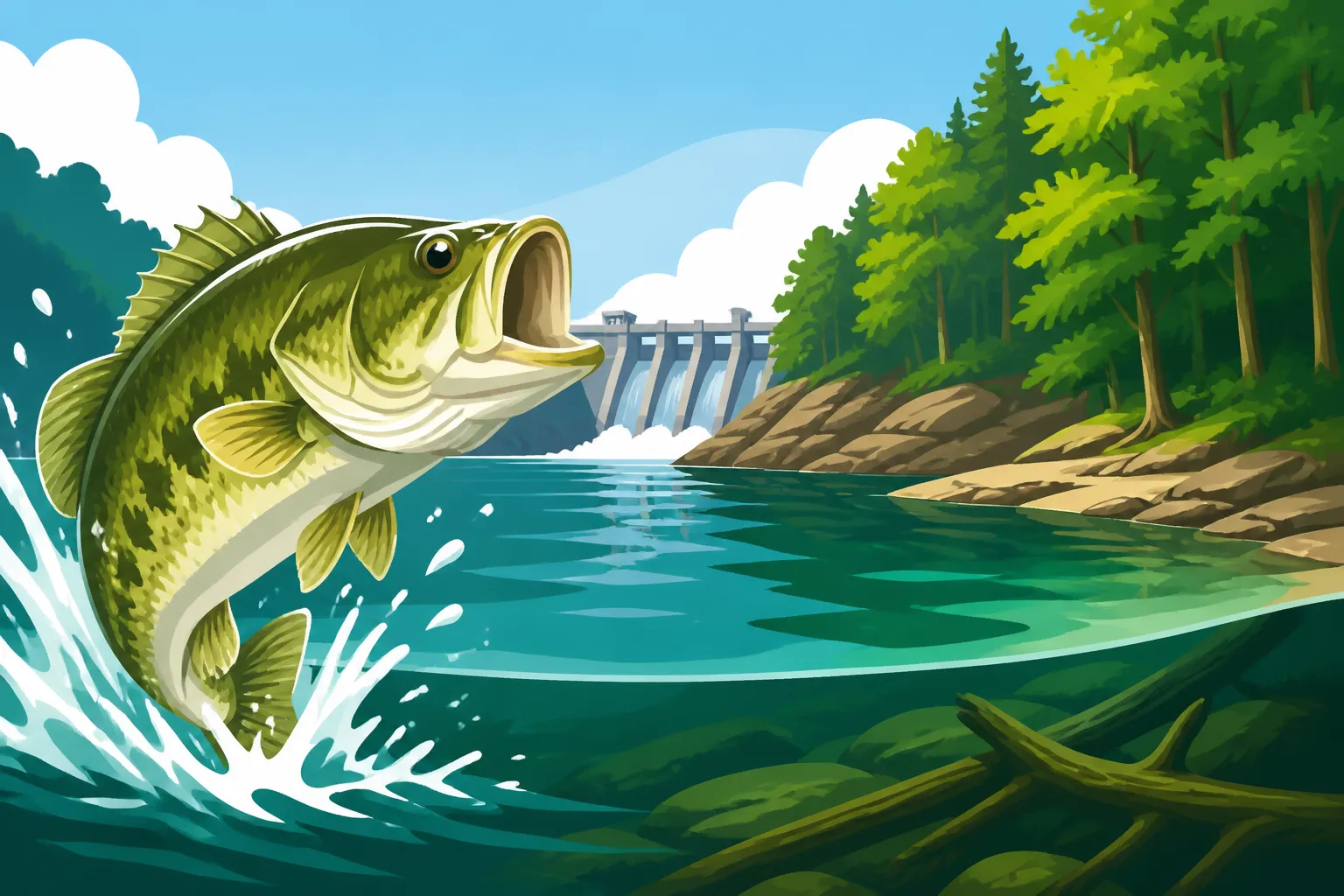
Cave Run Lake’s Best Bass Coves Near the Dam
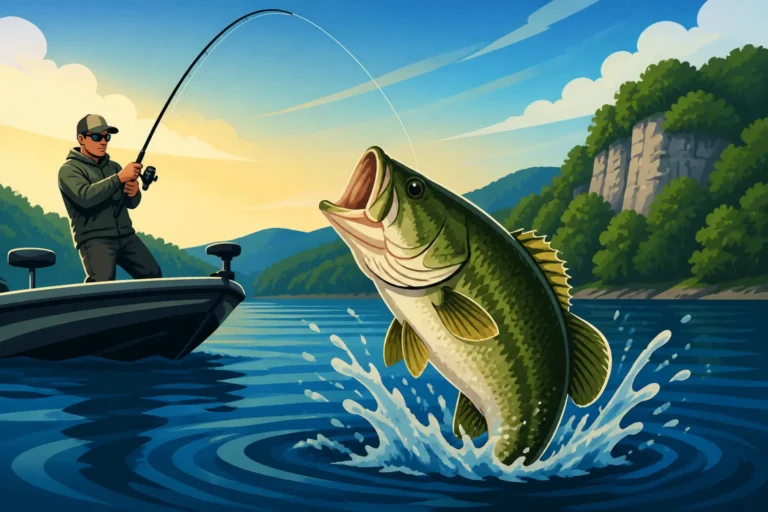
Finding those elusive lunker bass on a massive lake like Cave Run can feel like searching for a needle in a haystack, especially when you're targeting specific, high-potential areas. It's easy to get overwhelmed by the sheer size of the water. But don't worry, this guide is dedicated to breaking down the prime bass coves and structures located right near the dam on Cave Run Lake, giving you the insider knowledge to make your next trip a success.
Understanding the Unique Appeal of Cave Run Lake's Dam Area for Bass
The area around the dam on any large reservoir, and Cave Run Lake is no exception, is a magnet for bass. It’s not just a random happenstance; there are some very concrete reasons why you’ll often find some of the most consistent and often largest bass holding in these zones. Anglers who focus their efforts here often have a significant edge, especially when other parts of the lake are slow.
Why the Dam Area Attracts Bass
Think about it from a bass's perspective. The dam itself is an enormous, permanent piece of structure, creating a massive wall that funnels baitfish, concentrates current, and often provides access to the deepest water in the entire lake. This combination of factors creates a miniature ecosystem within the larger lake that is incredibly appealing to predatory fish.
Firstly, there's the depth and current. The immediate vicinity of the dam often features the deepest water, which is crucial for bass seeking stable temperatures and oxygen levels, especially during the extreme heat of summer or the bitter cold of winter. This deep water also acts as a highway for fish, allowing them to move vertically with ease. The discharge from the dam, even if minimal, can create subtle currents that activate baitfish, which in turn draws in hungry bass. These currents also bring suspended nutrients, making the area a consistent food source. It's a natural buffet line for anything with fins.
Secondly, baitfish congregation is a huge factor. Shad, alewife, and other forage fish often school up near the dam, drawn by the deeper water, plankton blooms, or just the sheer immensity of the structure offering shelter. When you have an abundance of food, the predators won't be far behind. Bass will stage themselves on nearby points, ledges, and humps, waiting for the perfect opportunity to ambush these unsuspecting schools. If you can locate the bait, you're usually not far from the bass.
Finally, the dam area is usually rich with diverse structures. Beyond the dam wall itself, you'll find rocky points, steep bluffs, submerged creek channels, old roadbeds, and often riprap (the large rocks used to protect the shoreline from erosion). Each of these elements provides cover, ambush points, and foraging opportunities for bass. The riprap, in particular, heats up quickly in spring, drawing baitfish and crawfish, and provides excellent habitat year-round. These varied structures allow bass to find comfortable lies no matter the conditions, making the dam area a consistently productive zone.
Seasonal Bass Movements Around the Dam
Understanding how bass utilize the dam area throughout the year is key to consistent success. Their behavior changes dramatically with water temperature and spawning cycles.
In spring, as water temperatures begin to rise, bass will start moving shallower, but they often stage on those deep points and ledges adjacent to the dam area before making their final push into spawning coves. Look for them on the sunny, riprap banks that absorb heat, or around submerged timber lines just outside the coves. This is a fantastic time for crankbaits and spinnerbaits, as the fish are actively feeding and moving. Early spring can see some fantastic action as the bass shake off winter sluggishness.
Summer fishing near the dam often means targeting deeper structure. As the sun beats down and surface waters warm, bass will retreat to cooler, oxygen-rich depths. Those deep channels, humps, and submerged timber lines that connect to the main lake basin near the dam become vital. They'll suspend over these deep spots, especially during midday, or hug tight to cover. Early mornings and late evenings might see them push shallower to feed, but for the bulk of the day, vertical jigging, deep-diving crankbaits, or drop shots can be incredibly effective. Consider booking a guided trip through platforms like FishingBooker to learn the best deep-water techniques from local experts during the tough summer months.
Fall brings a resurgence of activity, often mirroring the spring patterns but in reverse. As water temperatures cool, baitfish move into shallower coves and creek arms to feed, and the bass follow. The dam area, with its deep access, becomes a critical migration route. Bass will actively feed on ledges, points, and humps, trying to put on weight for the colder months. Topwater baits, spinnerbaits, and medium-diving crankbaits can be deadly during this time, especially during overcast days or low light conditions. You might find schools of actively feeding bass chasing shad, creating exciting surface boils.
Winter fishing around the dam is often a deep-water game. Bass will school up tightly in the deepest parts of the lake, often right on the main lake channel or deep ledges near the dam. They become much less active, preferring slow, subtle presentations. Jigs, spoons, and Alabama rigs fished slowly and methodically are often the ticket. Finding these winter schools can be challenging, but when you do, the rewards can be significant, as you often catch multiple fish from a single spot. The key is patience and precise boat control to stay on top of the fish.
Key Bass Coves and Structures Near the Dam on Cave Run Lake
Alright, let's get down to the nitty-gritty of where to actually focus your efforts. While I can't name every single hidden rock pile (some secrets gotta stay with the anglers who found them!), I can describe the types of coves and structures you should be looking for in the immediate vicinity of the Cave Run Lake dam. This area is generally characterized by clearer, deeper water compared to the upper reaches of the lake, making visibility and specific lure choices more critical.
Specific Coves and Their Characteristics
When you're looking at a map of Cave Run Lake near the dam, you'll notice several coves and pockets. Your goal is to identify those that offer a good blend of deep-water access, transition areas, and various types of cover.
One type of cove to prioritize is typically found on the eastern side of the lake, closer to the dam structure itself, where the shoreline often consists of steeper banks and rock bluffs. These coves usually have quick access to deep water, sometimes dropping off dramatically from the bank. Bass here might be holding tight to the bluff walls, especially during warmer months, or staging on rocky points that extend into the main channel. The deeper, clearer water in these coves is ideal for smallmouth bass, though largemouth will certainly use them too. Look for any irregularities in the bluff face, such as small ledges or rock slides, as these can hold fish.
Another productive type of cove often features a mix of rocky shoreline and submerged timber or brush piles. These are the transition zones, where a steeper bank might give way to a more gradual slope with woody cover. Bass love these areas because they offer both deep-water security and shallow-water foraging opportunities. Imagine a cove with a prominent rocky point leading into it, then a slightly flatter back section choked with standing timber or laydowns. These are goldmines. The timber provides excellent cover for ambush, and the rocky points are natural travel corridors. During the spring spawn, the shallower pockets within these coves, particularly those with gravel bottoms or sparse vegetation, can become active spawning grounds. For a deeper dive into bass behavior during this crucial time, check out our guide on Kentucky Bass Fishing: The April-May Peak Season.
Keep an eye out for coves with distinct creek channels running through them. Even if the creek is mostly submerged now, that old channel creates a natural highway and ambush point for bass. These channels often have subtle depth changes and harder bottoms, which bass prefer. Locate where these channels intersect with points or humps within the cove, and you've likely found a high-percentage spot. These areas are fantastic for targeting with a Carolina rig or a deep-diving crankbait, allowing you to effectively cover the bottom contours.
Targeting Structure within These Coves
Once you've identified a promising cove, it's time to break it down further and target the specific structures within it. This is where precision and patience pay off.
Riprap and Rocky Points: The riprap directly associated with the dam or any causeways leading to it is always worth fishing. These rocks warm up first in the spring, drawing in baitfish and crawfish, and provide excellent cover. Fish both the shallow and deeper edges of the riprap. In the coves themselves, look for any rocky points that jut out into the water. Bass will often position themselves on the windy side of these points, waiting for baitfish to be pushed by the current or wind. Crankbaits, jigs, and shaky heads are excellent choices for working these rocky areas.
Submerged Timber and Brush Piles: Cave Run Lake, like many reservoirs, has plenty of submerged timber, especially in creek arms and older low-lying areas. In the coves near the dam, you might find old standing timber, laydowns, or intentionally placed brush piles by anglers. These are classic bass magnets. Bass will hide within the branches, ambushing prey. Flipping and pitching jigs or Texas-rigged plastics into the thickest cover is a go-to strategy here. If the timber is sparse, a spinnerbait or a bladed jig can be effective for covering more water. Understanding Best Lures for Fall Bass Fishing can help you select the right presentation around this cover as the seasons change.
Ledges and Humps: These are underwater topographical features that create depth changes, and bass love them. A ledge is a sharp drop-off, while a hump is an elevated area on the lake bottom. Bass will often stage on the deeper side of a ledge or hold on top of a hump, especially in summer and winter. Graphing these areas with your fish finder is critical. Once you locate fish, vertical presentations like spoons, football jigs, or drop shots are highly effective. You can also use deep-diving crankbaits to run along the edges of these structures.
Old Roadbeds and Foundations: Sometimes, when a reservoir is flooded, old roadbeds, house foundations, or bridge remnants are left behind. These hard structures create fantastic bass habitat, offering unique cover and foraging opportunities. They might not be obvious on the surface, but a good fish finder will reveal them. Bass often relate to the edges of these structures or any depressions or bumps on them. Heavy jigs or creature baits worked slowly can entice bites from bass holding tight to these submerged relics.
When planning your trip, consider using a resource like FishingBooker to connect with local guides who specialize in Cave Run Lake. They often have years of experience locating these specific structures and understanding how bass react to them under different conditions, which can save you a lot of trial and error.
Best Techniques and Baits for Dam-Area Bass on Cave Run Lake
Fishing around the dam and its nearby coves on Cave Run Lake demands a versatile approach. The varied depths, structures, and seasonal changes mean you can't just stick to one technique. You've got to be ready to adapt, moving from deep presentations to shallower attacks based on what the bass are telling you.
Lures and Presentations for Deeper Water
When those bass decide to hunker down in the cooler, deeper confines near the dam, you'll need baits and techniques designed to get down to them and stay in the strike zone. This is often where patience and a good understanding of your electronics come into play.
Jigs (Football Jigs and Casting Jigs): These are absolute staples for deep-water bass. Football jigs, named for their football-shaped heads, are excellent for dragging along rocky bottoms, ledges, and humps. They prevent snagging better than round-head jigs and maintain bottom contact. Casting jigs, often with a weed guard, are perfect for pitching into submerged timber or brush piles in deeper coves. Pair them with a craw-imitating or creature bait trailer. The key is a slow, methodical retrieve with occasional hops or drags along the bottom. This mimics a crawfish scurrying or a baitfish poking around. For insights into selecting the right jig, you might find our guide on How to Jig for Bass in Cold Water particularly useful, as the principles often apply to deep-water presentations even outside of winter.
Deep-Diving Crankbaits: When bass are actively feeding on deeper ledges or schooling suspended over channels, a deep-diving crankbait can be incredibly effective. Choose models that can reach the desired depth and "dig" into the bottom, kicking up sediment and deflecting off cover. Colors that mimic shad or crawfish are usually productive. Retrieve them at a steady pace, allowing them to bounce off rocks or timber, which often triggers reaction strikes. This is especially good in the fall when bass are aggressively feeding on baitfish.
Spoons (Vertical Spoons and Casting Spoons): Spoons are classic deep-water lures, particularly in winter or when bass are schooled up tightly. A vertical spoon (like a jigging spoon) is dropped to the bottom and then jigged up and down, mimicking a dying baitfish. This can be deadly when you mark fish directly beneath your boat. Casting spoons (like flutter spoons) are cast out, allowed to sink, and then retrieved with a sweeping motion, creating a seductive flutter as they fall. These are great for covering open water over deep structure.
Drop Shots: The drop shot rig is a finesse technique that excels in clear, deep water when bass are finicky. It involves tying your hook directly to the main line, with a weight attached below the hook, allowing your bait to suspend at a precise depth above the bottom. This is fantastic for targeting bass holding slightly off the bottom on ledges or humps. Small worms, creature baits, or even tiny flukes on a drop shot can tempt even the most reluctant bass. The subtle action of the bait, even with minimal rod movement, is often irresistible.
Shallow Water Strategies in Dam Coves
Even near the dam, many coves will have shallower sections, especially in the backs or along more gradual points. These areas become prime targets during the spawn, post-spawn, and periods of active feeding.
Spinnerbaits and Bladed Jigs: When bass are active in shallower water, especially around submerged timber, brush, or grass lines, spinnerbaits and bladed jigs (like the ChatterBait) are excellent search baits. They create a lot of flash and vibration, calling fish in. Vary your retrieve speed and depth, bumping into cover whenever possible. White, chartreuse, and natural baitfish colors are popular choices. These are especially effective in stained water conditions or on overcast days.
Topwater Lures: There's nothing quite as exhilarating as a topwater strike! In the shallow coves, particularly during low light conditions (dawn, dusk) or on overcast days, topwater lures like poppers, walking baits (e.g., a Zara Spook), or prop baits can trigger explosive bites. Look for calm pockets of water near cover, cast your lure, and work it with an enticing "walk-the-dog" or popping retrieve. If you're planning a trip during the warmer months, knowing Topwater Lures for Early Morning Bass Fishing will significantly boost your success.
Texas Rigs and Weightless Plastics: For fishing around dense cover like laydowns, standing timber, or thick brush in shallow coves, the Texas rig is hard to beat. A bullet weight pegged above a worm hook, with the hook point embedded in a plastic worm or creature bait, makes it incredibly weedless. Flip or pitch these into heavy cover, let them sink, and work them slowly, feeling for any subtle ticks. Weightless plastics, like a Senko or a fluke, provide a more natural, slow fall that can be irresistible to bass, especially those that are wary. Cast them near cover and let them sink on a slack line.
Squarebill Crankbaits: For navigating shallow rocky banks, stump fields, or sparse timber within the dam-area coves, a squarebill crankbait is perfect. Its unique bill design allows it to deflect off cover without getting hung up, creating erratic movements that often trigger strikes. Fish them with a steady retrieve, making sure they frequently contact cover.
| Season | Primary Depth | Recommended Lures/Techniques | Key Areas |
|---|---|---|---|
| Spring | Shallow to Mid | Spinnerbaits, Squarebill Crankbaits, Jigs, Texas Rigs, Lipless Crankbaits | Riprap banks, shallow pockets within coves, rocky points, submerged timber |
| Summer | Mid to Deep | Deep-Diving Crankbaits, Jigs (Football), Drop Shots, Vertical Spoons, Carolina Rigs | Deep ledges, humps, creek channels, suspended fish over main channel |
| Fall | Mid to Shallow | Topwater (early/late), Spinnerbaits, Medium Crankbaits, Jigs, Bladed Jigs | Ledges, points entering coves, main lake channel bends, schooling baitfish |
| Winter | Deep | Jigs (Football), Vertical Spoons, Drop Shots, Alabama Rigs | Deepest channels, humps, tight schools on primary points |
Remember, versatility is your friend when fishing Cave Run Lake's dam area. Don't be afraid to experiment with different presentations and retrieves until you crack the code. You might also want to check out our comprehensive guide on Kentucky Fishing Seasons: What to Catch Each Month to further refine your strategy based on the specific time of year. And don't forget to review the Kentucky Fishing Regulations Explained before you hit the water, as limits can vary! For serious anglers looking to explore various fishing techniques, especially on larger bodies of water, checking out what's available through FishingBooker can provide access to specialized trips with guides who are masters of these methods.
Ultimately, the dam area of Cave Run Lake offers incredible potential for bass anglers who are willing to put in the time to understand its unique characteristics. The combination of deep water, current, baitfish concentration, and diverse structure makes it a high-percentage location year-round. So, gear up, study your maps, and get ready to catch some fantastic Kentucky bass!
Disclaimer
Fishing conditions and regulations in Kentucky can change. Always check the latest Kentucky Department of Fish and Wildlife Resources (KDFWR) regulations before you head out on the water. This guide is for informational purposes only and should not replace official KDFWR publications. Practice safe boating and fishing at all times.