What’s the Best Lake for Beginners to Fish Near Lexington?
Oh, the age-old question for anyone new to fishing, especially when you're starting out near a bustling city like Lexington! It can feel downright overwhelming trying to figure out where to even begin, with so many options, so many rules, and the fear of picking a spot that’s too challenging or simply not productive for a beginner. You just want a place that's accessible, relatively easy to navigate, and offers a good chance to actually catch some fish without needing a pro angler's setup. Well, friend, you've come to the right place, because this guide is all about helping you find that perfect, beginner-friendly fishing haven close to home.
Why Taylorsville Lake is a Gem for New Anglers Near Lexington
When you're looking for a spot to get your feet wet in the world of fishing, literally and figuratively, Taylorsville Lake consistently rises to the top of the list for anyone around Lexington. It's a fantastic choice for beginners for a multitude of reasons that go beyond just its proximity. Located in Spencer, Anderson, and Nelson counties, it's roughly a 45-minute to an hour drive from downtown Lexington, making it a very manageable day trip. But it's not just about the drive; it's what the lake itself offers that makes it so welcoming.
This lake is a true multi-species fishery, meaning you're not putting all your eggs in one basket trying to catch a specific, elusive fish. Taylorsville is absolutely brimming with largemouth bass, but it also has a thriving population of crappie, catfish, and various panfish like bluegill and redear sunfish. For a beginner, this diversity is huge because it increases your chances of getting a bite, no matter what technique you're trying or what bait you're using. There’s nothing more discouraging than fishing for hours and catching nothing, especially when you're just learning the ropes. Taylorsville helps combat that frustration by offering plenty of eager fish.
One of the biggest advantages of Taylorsville Lake is its excellent public access. The Taylorsville Lake State Park provides numerous amenities, including well-maintained boat ramps and plenty of bank fishing opportunities. You don't need a fancy bass boat to enjoy this lake; many areas are perfect for casting from shore or a public fishing pier. This is crucial for beginners who might not have a boat or are just starting with basic tackle. There are designated fishing areas, accessible trails, and often clearings that make it easy to find a spot without feeling crowded. Plus, the Kentucky Department of Fish and Wildlife Resources actively manages the fishery, ensuring healthy populations and consistent stocking programs, particularly for various panfish, which are ideal targets for beginners due to their aggressive bite and prevalence.
Accessible Shoreline and Family-Friendly Features
Taylorsville Lake isn't just about boat access; it shines for those who prefer to keep their feet on solid ground. The Taylorsville Lake State Park area offers ample opportunities for Taylorsville Lake State Park Shore Fishing Access. Imagine a calm morning, casting a simple worm and bobber rig from a grassy bank, or trying your luck from one of the designated fishing piers. This kind of setup drastically lowers the barrier to entry for new anglers. You don't need specialized casting skills or expensive electronics to find fish when they're cruising the shallow edges or congregating around submerged structure near the banks.
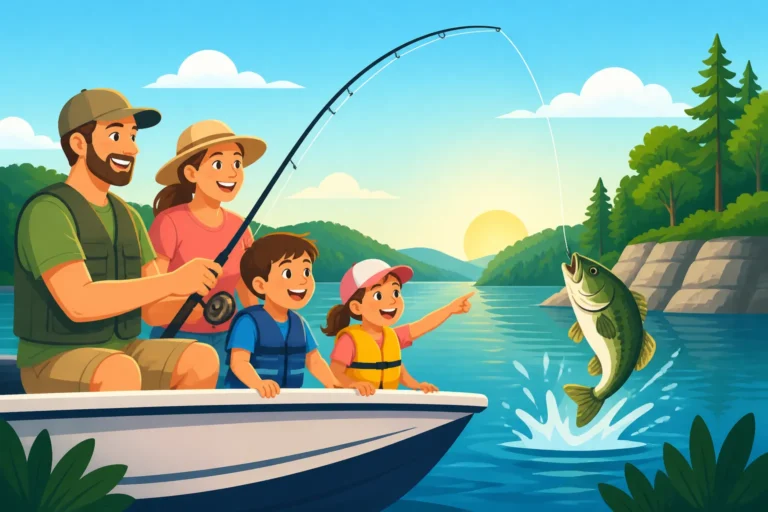
Beyond the ease of access, the park environment itself is incredibly family-friendly. If you're introducing kids to fishing, Taylorsville Lake State Park has picnic areas, playgrounds, and clean restrooms, making it a comfortable destination for the whole family. This takes a lot of the pressure off, allowing you to focus on teaching the basics and enjoying the experience rather than worrying about logistics. For instance, explaining What Age Can Kids Fish Without a License? becomes much simpler when you're in a relaxed environment where fun is the priority. There are even campsites if you want to turn your first fishing trip into an overnight adventure, really cementing those outdoor memories.
Diverse Fish Species for Constant Action
The sheer variety of fish in Taylorsville Lake is a massive plus for any beginner. You're not just limited to one type of fishing; you can try different approaches and still find success. Largemouth bass are plentiful, often found around the abundant submerged timber and weed beds. Crappie fishing is also incredibly popular, especially during their spawning season when they move into shallower waters. If you're focused on action over size, the panfish, like bluegill and redear sunfish, are almost always willing to bite, making them perfect for younger anglers or anyone just looking to feel that tug on the line.
And let's not forget the catfish! Channel catfish are abundant and can be caught using simple bottom-fishing techniques with common baits. This means you can arrive with a handful of worms or some chicken liver, and you’re pretty much guaranteed to find something willing to bite. This kind of consistent action builds confidence and excitement, which is exactly what a beginner needs to get hooked on fishing for life. You can spend an entire day rotating through different baits and techniques, learning what works and what doesn't, all within the same body of water, making it an excellent learning laboratory for any aspiring angler.
Getting Started: Essential Gear and Simple Techniques
Now that you know Taylorsville Lake is your spot, let’s talk about what you actually need to bring and how you can approach your first few casts without feeling overwhelmed. The beauty of beginner fishing is that you don’t need to break the bank on gear. Simplicity is your friend here. A basic spinning rod and reel combo, some line, a few hooks, sinkers, and bobbers will get you started. Focus on gear that's easy to handle and forgiving, allowing you to concentrate on the fundamentals of casting and retrieving.
For bait, natural options are often the most effective and least complicated. Live worms, crickets, or even small pieces of hot dogs or corn can be incredibly effective for panfish and catfish. If you want to try lures, a simple jig with a plastic grub or a small spinnerbait can work wonders for crappie and bass, without requiring advanced presentation skills. Don’t feel pressured to have a tackle box overflowing with hundreds of different lures; start with a few versatile options and learn how to use them effectively. Remember, the goal is to learn and have fun, not to win a tournament on your first outing.
The Right Rod and Reel for Easy Casting
When you're just starting, the most crucial piece of equipment is a reliable, easy-to-use rod and reel. A medium-light to medium action spinning rod, around 6 to 7 feet long, paired with a matching spinning reel, is an ideal Best Rod and Reel Combo for Beginners. This setup is versatile enough to handle everything from tiny bluegill to decent-sized bass and catfish, and it's much easier to cast accurately than a baitcasting setup, which can be frustrating for novices due to backlashes.
Load your reel with 6 to 10-pound monofilament line. Monofilament is forgiving, stretches a bit, and is easy to tie knots with, making it perfect for beginners. You want enough line to cast a decent distance but not so much that it becomes unmanageable. Focus on getting a smooth, controlled cast rather than trying to hurl your bait a mile. Practice in an open area before you get to the lake, and you’ll feel much more confident once you’re on the water.
Simple Rigs and Baits for Success
For most beginner scenarios on Taylorsville Lake, you really only need a couple of basic rigs. The classic bobber and worm setup is unbeatable for panfish and smaller catfish. Just slide a bobber onto your line, tie on a small hook (size 6 or 8 is good), pinch on a small split shot weight a few inches above the hook, and thread a live worm or cricket onto the hook. Cast it out, watch the bobber, and when it goes down, set the hook! It's a simple, visual, and highly effective way to catch fish. For those learning about Best Bait for Bluegill in Kentucky Ponds, worms are universally accepted.
For targeting larger fish like bass or crappie, a simple jig head (1/16 to 1/8 ounce) with a small plastic grub or tube bait is a fantastic option. You can cast it out and retrieve it slowly, letting it bounce along the bottom, or twitch it through submerged cover. If you prefer to fish on the bottom for catfish, a simple Carolina rig works wonders. This involves a slip sinker above a swivel, with a leader (about 12-24 inches) tied to a hook at the end. Put on some cut bait, a piece of hot dog, or even a specialized catfish bait, cast it out, and wait for the bite. These straightforward rigs minimize tangles and maximize your time fishing.
Planning Your First Fishing Trip to Taylorsville Lake
Okay, you’ve picked your lake, you've got your basic gear, now it's time to actually plan that first trip! A little preparation can go a long way in making your experience smooth and enjoyable. Beyond the tackle, there are a few other essentials you’ll want to have on hand, from understanding the local rules to ensuring you have all your licensing squared away. Don’t let bureaucracy scare you; it’s usually quite straightforward, especially with a bit of guidance.
Remember, the goal is to enjoy the process, learn something new, and hopefully, catch a few fish. Don’t put too much pressure on yourself to fill a cooler. Focus on the experience – the peace and quiet, the sound of the water, the thrill of a tug on your line, and the satisfaction of a successful cast. If you're feeling a bit overwhelmed, services like FishingBooker can help connect you with local guides on Taylorsville Lake who specialize in teaching beginners, offering a hands-on learning experience that can really boost your confidence.
Understanding Kentucky Fishing Licenses and Regulations
Before you even make your first cast, make sure you're legally prepared. Kentucky requires anyone 16 years of age or older to possess a valid fishing license. You can easily purchase a Kentucky Fishing License Guide online through the Kentucky Department of Fish and Wildlife Resources website, or at many local sporting goods stores like Walmart or other authorized vendors. For new anglers, a simple annual statewide fishing license is usually all you need, but you can also opt for a one-day license if you’re just trying it out.
It's also important to be aware of Kentucky Fishing Regulations Explained, including statewide and sometimes lake-specific size and daily limits for certain species. For instance, while most panfish have generous limits, bass and crappie often have specific length minimums or daily creel limits. You can find all this information in the Kentucky Fishing and Boating Guide, available online or wherever licenses are sold. A quick skim will prevent any accidental rule-breaking and ensure a responsible fishing trip. Don't worry, game wardens are generally understanding with new anglers, but it’s always best to be informed.
What Fish to Target and When
For a beginner at Taylorsville Lake, the easiest and most consistent targets will be panfish (bluegill, redear sunfish) and catfish. These species are almost always active, readily available near the banks, and eager to bite on simple baits. You can catch them throughout the day, though early morning and late evening often provide the best action. The warmer months, from late spring through early fall, are particularly good for these species.
Crappie fishing can be fantastic, especially during the spring spawn (typically April-May), when they move into shallow waters and can be caught jigging small plastics or using live minnows. Learning about Kentucky Crappie Fishing: Spring Spawn Run Guide can be a game-changer if you time it right. Largemouth bass are also abundant, and while they can be a bit more challenging, they're often cruising the shallow cover in spring and fall. For those looking for a fully equipped experience, you might even find charter options on platforms like FishingBooker that include all the necessary gear and expert advice for targeting specific species. Even if you plan to go solo, checking out what types of trips are offered by guides on FishingBooker can give you an idea of the target species and popular techniques for the lake.
Bringing the Essentials Beyond Tackle
Beyond your rod, reel, and tackle box, there are a few other items that will greatly improve your comfort and safety during your fishing trip to Taylorsville Lake.
- Sun Protection: Kentucky summers can be intense. Bring sunscreen, a wide-brimmed hat, and sunglasses to protect yourself from the sun's rays.
- Water and Snacks: Stay hydrated, especially on warm days. Pack plenty of water and some easy-to-eat snacks.
- First-Aid Kit: A small kit with essentials like band-aids, antiseptic wipes, and pain relievers is always a good idea, just in case of minor scrapes or hook pokes.
- Pliers/Forceps: These are invaluable for safely removing hooks from fish, protecting both your fingers and the fish.
- Small Cooler: If you plan on keeping any fish (always check Statewide Bag and Size Limits by Fish Species!), a small cooler with ice will keep your catch fresh.
- Chair: For bank fishing, a comfortable folding chair can make a world of difference.
- Trash Bag: Always practice "leave no trace" principles and pack out everything you pack in.
A simple checklist like this ensures you’re prepared for a comfortable day on the water, allowing you to focus on the joy of fishing.
Other Beginner-Friendly Fishing Options Near Lexington
While Taylorsville Lake is our top recommendation for its balanced offerings, it's certainly not the only game in town. Depending on what you're looking for – perhaps something even closer, smaller, or focused solely on panfish – there are other fantastic options around Lexington that are perfect for new anglers. Sometimes, a smaller, more intimate body of water can feel less intimidating and offer a quicker route to catching your first fish.
Remember, the "best" spot is ultimately the one where you feel most comfortable and have the most fun. Exploring different locations, even smaller ones, can give you a better feel for different types of fishing environments and what you enjoy most. For instance, you can sometimes read reviews from other beginners on FishingBooker who have fished with guides in the area, offering insights into the best times or specific spots. This can provide some valuable firsthand perspectives on various locations.
Guist Creek Lake: Closer and More Intimate
For a slightly more intimate experience and an even shorter drive from Lexington, Guist Creek Lake near Shelbyville is another excellent choice for beginners. It's smaller than Taylorsville, roughly 317 acres compared to Taylorsville's 3,050 acres, which can feel less overwhelming to navigate. Guist Creek also boasts healthy populations of largemouth bass, crappie, bluegill, and catfish. The lake has a public boat ramp and some decent bank access, though perhaps not as expansive as Taylorsville State Park.
What makes Guist Creek appealing is its manageable size and often less crowded waters, especially during weekdays. It's a great place to hone your casting skills and practice different retrieval techniques without feeling pressured. Plus, its proximity means you can squeeze in a quick fishing trip without dedicating an entire day to travel. For a purely beginner-focused day where you want to maximize bites from eager panfish, Guist Creek is a strong contender.
Local Ponds and Community Lakes
Don't overlook the smaller, often overlooked local ponds and community lakes scattered around the Lexington area. Places like Jacobson Park Lake, Veterans Park Lake, or even various city or county park ponds often receive regular stockings of channel catfish and trout by the Kentucky Department of Fish and Wildlife Resources, making them prime spots for beginners. These smaller waters are incredibly accessible, often right within city limits or a very short drive.
They typically feature easy bank access, picnic tables, and sometimes even paved walking trails around them. The fish in these ponds are often less pressured and more willing to bite, making them ideal for a quick, successful outing, especially with kids. While you might not catch a trophy-sized bass, you'll almost certainly get plenty of action from bluegill, sunfish, and stocked catfish. You'll still need a Kentucky Fishing License Requirements for Kids if they're 16 or older, but for younger ones, these spots are perfect for their very first catch. It’s also an ideal spot to practice Bank Fishing Techniques for Beginners without needing a boat or specialized gear.
Comparing Beginner-Friendly Lakes Near Lexington
To give you a clearer picture, here's a quick comparison of the top beginner-friendly fishing spots near Lexington:
| Feature | Taylorsville Lake | Guist Creek Lake | Local Ponds/Community Lakes |
|---|---|---|---|
| Drive from Lexington | ~45-60 minutes | ~30-45 minutes | ~10-25 minutes (within city/county parks) |
| Size | Large (3,050 acres) | Medium (317 acres) | Small (typically under 50 acres) |
| Primary Species | Bass, Crappie, Catfish, Bluegill, Redear Sunfish | Bass, Crappie, Catfish, Bluegill | Panfish, Catfish, Stocked Trout (seasonal) |
| Bank Access | Excellent (State Park, numerous spots) | Good (some designated areas, less expansive) | Excellent (paved paths, designated fishing areas) |
| Boating Access | Multiple public ramps, marinas | One main public ramp | Often limited to non-motorized/electric only |
| Crowd Levels | Can be busy on weekends, less so weekdays | Generally less crowded than Taylorsville | Varies, can be popular on weekends |
| Best For | Diverse experience, family outings, learning | Quicker trips, less intimidation, focused action | Introducing kids, quick bites, ultra-convenience |
No matter which spot you choose, remember that patience and enjoying the outdoors are key. Each cast is an opportunity to learn, and every bite is a little victory. Happy fishing, friend!
Disclaimer
Please note that fishing regulations, conditions, and fish populations can change. Always consult the official Kentucky Department of Fish and Wildlife Resources website for the most current rules and advisories before heading out on any fishing trip. This guide is for informational purposes only and does not constitute legal advice.