Where to Catch Bass on Barren River Lake
Trying to pinpoint where the bass are biting on a sprawling, diverse lake like Barren River Lake can feel like searching for a needle in a haystack. The lake's unique blend of deep channels, rocky banks, and expansive flats means bass patterns shift constantly with the seasons and even the daily weather. This guide is dedicated to cutting through that confusion, offering you a detailed roadmap to locating and landing largemouth and spotted bass across Barren River Lake's varied waters, no matter when you hit the water.
Understanding Barren River Lake's Bass Habitat
Barren River Lake, nestled in south-central Kentucky, is a truly remarkable fishery. It’s a U.S. Army Corps of Engineers impoundment known for its clear to moderately stained water, especially in the main lake, and its diverse underwater structure. Unlike some shallower, muddier reservoirs, Barren offers a mix of deep-water access, extensive rock formations, standing timber, and creek channels that create a complex but rewarding environment for bass. Understanding these habitats is the first step to consistently finding fish.
The Lay of the Land: Deep Channels and Submerged Structure
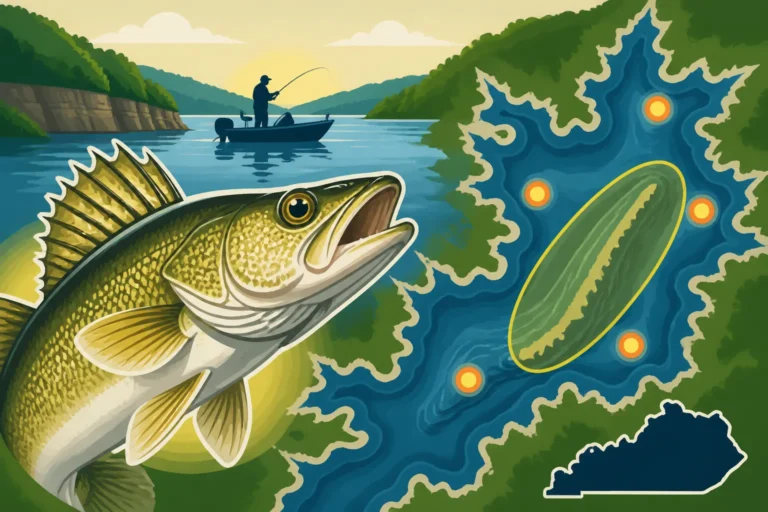
One of the most defining characteristics of Barren River Lake is its deep main lake channel and numerous submerged creek and river channels. These act as highways for bass, especially during seasonal migrations between shallow and deep water. You’ll often find largemouth and spotted bass holding on the edges of these channels, particularly where they intersect with points, humps, or old roadbeds. These underwater features, often invisible from the surface, are crucial holding areas. For instance, finding an old creek channel that winds through a flat, especially one with remnant timber or brush piles, can be a goldmine. Using modern electronics, like those you might explore finding options for on platforms like FishingBooker, becomes almost essential here to identify these subtle breaks and structures.
The lake also features a significant amount of standing timber, particularly in the upper reaches of the lake and some of the larger creek arms like Skaggs Creek or Peter Creek. This submerged wood offers excellent cover and ambush points for bass, providing shade in summer and thermal refuge in colder months. Don't overlook the deep-water timber when bass move off the banks. These areas can be incredibly productive, but they're also notorious for snagging lures, so come prepared with extra tackle and maybe some weedless rigging options.
Rocky Banks, Points, and Bluff Walls
While channels and timber are key, you can't talk about Barren River Lake bass without mentioning its extensive rocky shoreline, points, and bluff walls. These areas warm up quickly in the spring, drawing in baitfish and bass eager to feed and spawn. During the colder months, the rocks retain heat, providing a comfortable sanctuary. Long, tapering points that extend into the main lake or major creek arms are always prime targets. Bass will often position themselves on the sides or tips of these points, especially where there's a quick depth change.
Bluff walls, particularly those on the lower end of the lake, offer deep-water access immediately adjacent to cover. Spotted bass, in particular, love these vertical structures, using them to ambush baitfish that suspend along the face of the bluffs. These areas can be challenging to fish due to their depth, but they can hold massive schools of active bass. Understanding the nuances of fishing these unique structures is key to consistently catching fish here.
Seasonal Bass Strategies for Barren River Lake
Bass fishing on Barren River Lake isn't a "one-size-fits-all" endeavor. The patterns of largemouth and spotted bass change dramatically with the seasons, driven by water temperature, forage availability, and spawning cycles. Adapting your approach to the time of year is paramount for success.
Springtime: The Pre-Spawn and Spawn Frenzy
Ah, spring! This is arguably the most anticipated time for bass anglers on Barren River Lake, as the fish transition from their deep winter haunts to shallow spawning grounds. As the water temperature climbs from the mid-40s into the 50s and 60s, bass begin their move.
During the early pre-spawn, when water temperatures are still in the mid-40s to low 50s, focus on secondary points and creek channel bends leading into spawning flats. Bass will stage in these areas, feeding heavily before moving to the banks. Lipless crankbaits, jerkbaits, and Alabama rigs can be incredibly effective when fished around these staging areas. As temperatures push into the mid-50s, the bass get more aggressive and start to move onto flatter, rockier banks and gravel points in the main lake and larger creek arms. This is when shallow-running crankbaits, spinnerbaits, and jigs really shine.
The actual spawn usually occurs when water temperatures are consistently in the low to mid-60s. Look for bass on beds in protected coves, shallow pockets, and along the northern banks that receive more sunlight. These fish can be caught with soft plastics like creature baits, tubes, or finesse worms, often sight-fished. However, remember to practice responsible catch and release during the spawn to protect future generations of bass. The excitement of spring fishing is contagious, and if you’re planning a trip, consider checking out resources that detail the Kentucky Bass Fishing: The April-May Peak Season for broader context on statewide patterns.
Summer: Deep Water and Early Morning Bites
Summer on Barren River Lake means warmer water temperatures, which often push bass deeper during the day. Don't be fooled into thinking all the bass are gone from the shallows, though! Early morning and late evening can still provide excellent topwater action, especially around shady banks, docks, and submerged cover. Walking baits, poppers, and frogs fished over grass lines or around boat docks can produce explosive strikes at first light.
As the sun climbs high, most bass will retreat to deeper, cooler water. Target main lake points, humps, and ledges in 15-30 feet of water. Dropshot rigs, deep-diving crankbaits, football jigs, and Carolina rigs are your best friends here. Spotted bass, in particular, will often suspend over deep channels or around bait balls, making them harder to target but incredibly rewarding when you dial them in. Keep an eye on your fish finder for schools of baitfish and any arches lurking beneath them. Many anglers find success by following the thermocline, that subtle layer of cooler water, which can be a key depth zone during the hot summer months.
Fall: The Migration Back to the Shallows
Fall is a beautiful time to be on Barren River Lake, and for bass anglers, it's often a mirror image of spring, but in reverse. As water temperatures begin to cool, bass move from their deep summer haunts back towards the shallower creek arms and coves, following schools of shad and other baitfish. This can lead to some incredibly aggressive feeding binges.
Focus on the backs of creeks where baitfish are abundant. Spinnerbaits, chatterbaits, and lipless crankbaits are excellent choices for covering water and finding active fish. As fall progresses and water temperatures drop into the 50s, don't forget about jigs and soft plastics fished around rocky points and channel swings. You might also find bass relating to remaining shallow cover like fallen trees or isolated brush piles. For some specific lure advice, check out guides on Best Lures for Fall Bass Fishing, as many of those principles will apply directly to Barren. The key in fall is to "follow the bait" – find the schools of shad, and you'll find the bass close by.
Winter: Slow and Deep Presentations
Winter fishing on Barren River Lake can be challenging, but it can also produce some of the biggest bass of the year for patient anglers. Bass become sluggish in cold water, conserving energy, so slow and deliberate presentations are crucial.
Most bass will move to deep water, often congregating in large schools around main lake points, channel bends, and bluff walls. Look for areas with quick access to even deeper water, like a point that drops off into a 40-foot channel. Vertical jigging spoons, blade baits, and suspending jerkbaits fished extremely slowly can be deadly. Finesse techniques like dropshotting with small worms or soft jerkbaits are also highly effective, especially for spotted bass holding tight to structure. Don't be afraid to fish slowly, almost painstakingly, letting your bait sit in the strike zone for extended periods. Sometimes, the bite will be nothing more than a subtle "tick" on your line. Patience is truly a virtue when fishing for bass in the cold Kentucky winter.
Top Hotspots and Techniques for Barren River Lake Bass
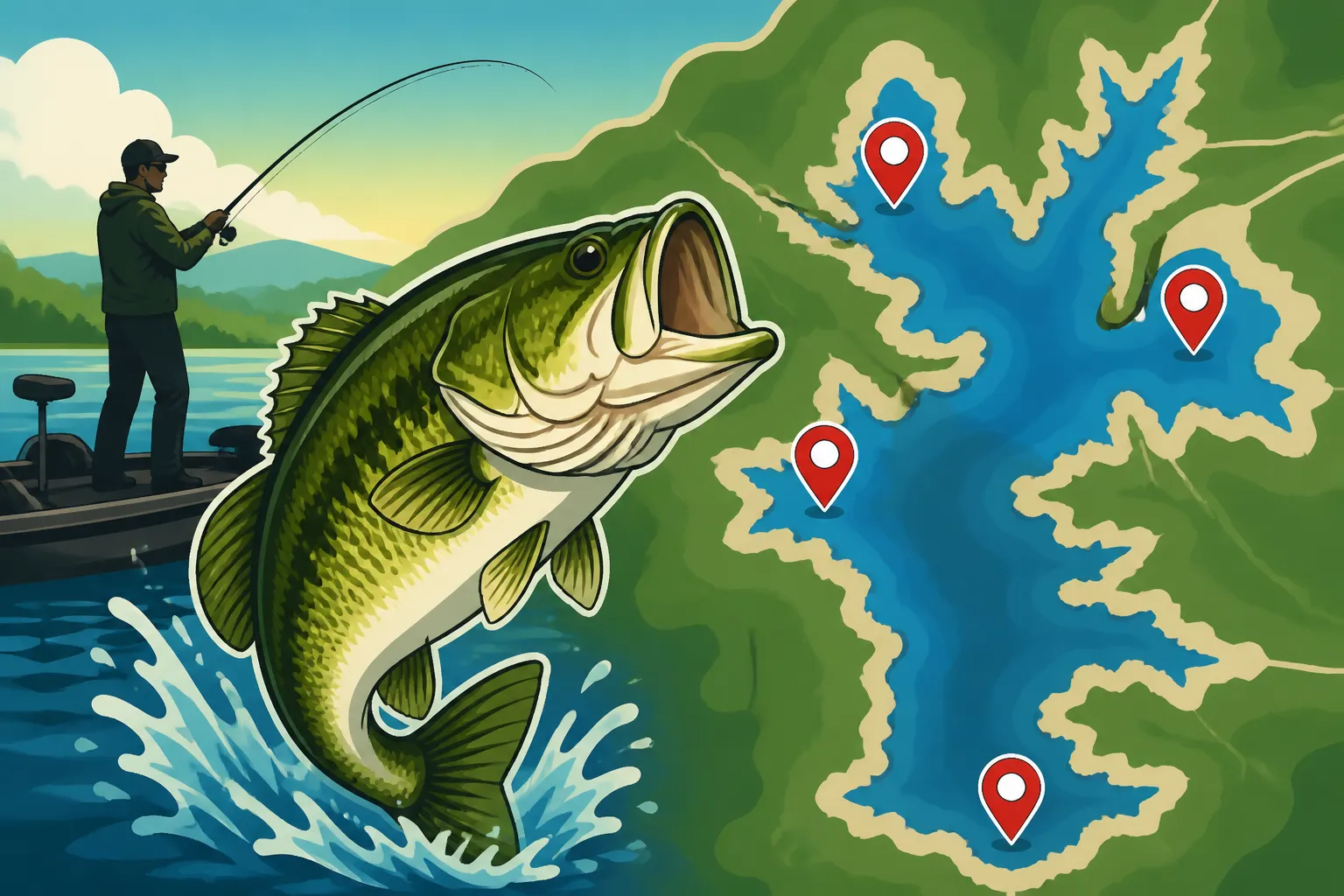
Barren River Lake is large, covering over 10,000 acres, so knowing some specific areas and the techniques that excel there can significantly improve your chances. While every angler has their secret spots, some areas consistently produce bass due to their unique features.
Productive Areas Around the Lake
- Skaggs Creek Arm: This is one of the lake's largest creek arms and a perennial favorite for bass anglers. It offers a great mix of shallow flats, standing timber, main channel bends, and secondary points. In spring, the shallower pockets in the back of Skaggs Creek can be excellent for spawning bass. In summer and fall, focus on the channel edges and submerged timber.
- Peter Creek Arm: Similar to Skaggs, Peter Creek provides diverse habitat. It tends to be a bit clearer on average, making it a great spot for finesse techniques. Look for bass relating to the rockier points and bluff-like banks here. The deeper sections can hold excellent spotted bass, especially during colder months.
- Main Lake Points and Humps near the Dam: The lower end of Barren River Lake, closer to the dam, generally features deeper, clearer water and more prominent rocky structures and bluff walls. Main lake points that drop off into the deep channel are key. These areas are fantastic for spotted bass and can hold trophy largemouth when they move deep. Electronics are vital here to map out the contours and find subtle humps or rock piles.
- Barren River Arm (Upper Lake): Moving further up the original Barren River channel, the lake becomes shallower and often more stained, especially after heavy rains. This area can be fantastic for largemouth bass, particularly in spring and fall. Look for standing timber, brush piles, and shallow weed lines (where present). Crankbaits, spinnerbaits, and Texas-rigged plastics shine in these shallower, woodier areas.
Effective Techniques and Lure Choices
Choosing the right technique and lure is often the difference between a good day and a great day on Barren River Lake. Here's a quick rundown:
| Season | Primary Bass Location | Recommended Lures / Techniques |
|---|---|---|
| Spring | Shallow flats, rocky points, protected coves, creek mouths | Lipless crankbaits, Jerkbaits, Spinnerbaits, Jigs, Soft Plastics (tubes, creature baits) |
| Summer | Deep main lake points, humps, ledges, channel edges (day); Shady banks, docks (dawn/dusk) | Deep-diving crankbaits, Dropshot rigs, Carolina rigs, Football jigs, Topwater (early/late) |
| Fall | Backs of creeks, channel swings, rocky points, shallow cover | Spinnerbaits, Chatterbaits, Lipless crankbaits, Squarebill crankbaits, Jigs, Soft Plastics |
| Winter | Deep main lake channels, bluff walls, steep rocky points | Vertical jigging spoons, Blade baits, Suspending jerkbaits, Dropshot rigs, Finesse jigs |
This table provides a general guide, but remember that bass can be finicky. Experiment with colors, retrieve speeds, and different presentations until you find what they want on any given day. Having a variety of rods and reels ready, like those discussed in Best Rods and Reels for Kentucky Fishing, will allow you to quickly switch techniques.
Practical Tips for a Successful Barren River Lake Bass Trip
Planning a fishing trip to a large body of water like Barren River Lake involves more than just knowing where the fish might be. Being prepared, understanding the rules, and knowing how to adapt can make all the difference.
Checking Regulations and Lake Conditions
Before you even launch your boat, always double-check the current Kentucky Department of Fish and Wildlife Resources (KDFWR) regulations for Barren River Lake. While there are statewide limits, specific lakes can have unique rules. For example, some lakes have slot limits or different minimum sizes for bass. Currently, the Kentucky Statewide Bass Limit: 12 Inches, 6 Fish a Day applies to most waters, but it’s always wise to verify. Ignorance of the rules is never an excuse, and game wardens are frequently patrolling these popular fishing spots.
Additionally, always check the current lake level and water clarity. Barren River Lake levels can fluctuate, especially during periods of heavy rain or drought, which significantly impacts where bass hold. High, muddy water will often push fish to shallower, clearer water or cover, while stable or falling levels might position them differently. Many local bait shops or online forums can provide real-time updates on conditions.
Essential Gear and Boat Access
For Barren River Lake, having a reliable boat is a huge asset, though bank fishing is also possible in certain areas. Make sure your boat and trailer are in good working order, and you have all the necessary safety equipment, including properly fitting life jackets for everyone on board. The lake has several excellent public boat ramps, including those at Barren River Lake State Resort Park and various Corps of Engineers access points. Familiarize yourself with the ramp locations before you go, especially if you're targeting a specific area of the lake.
Beyond your standard rods, reels, and tackle, consider bringing a good fish finder with GPS capabilities. This is invaluable for navigating the lake, finding submerged structure, and marking baitfish or bass schools. If you're planning on fishing deeper structures, ensure your fish finder has side imaging or down imaging capabilities to really understand what's beneath the surface. And don't forget the small things, like plenty of water, sunscreen, a hat, and a first-aid kit. A successful fishing trip is also a safe one.
Optimizing Your Fishing Times
Bass on Barren River Lake, like most places, are often most active during certain times of day. While you can catch fish all day, targeting peak windows can increase your success. Generally, dawn and dusk are prime times, especially during warmer months. The lower light conditions and cooler temperatures often spur bass into feeding frenzies. If you're wondering "Best Time of Day to Catch Bass", those low-light periods are almost always a safe bet.
However, don't discount midday, especially in spring and fall, or if you're fishing deep water in summer. Overcast days or days following a cold front can also present unique opportunities. After a cold front, bass often become lethargic and might move deeper or tight to cover, requiring slower, more precise presentations. A deeper dive into "How to Fish After a Cold Front" can provide insights into adapting your technique to these trickier conditions. Sometimes, it's about going when you can, but knowing how to adjust to those conditions is the mark of a seasoned angler. If you're looking for local insights or even to book a guided trip to maximize your time on the water, platforms like FishingBooker are a great resource for finding local experts who know Barren River Lake like the back of their hand.
Disclaimer
Please remember that fishing conditions, regulations, and fish behavior can change rapidly. Always consult the official Kentucky Department of Fish and Wildlife Resources (KDFWR) website for the most current rules and updates before heading out on your fishing adventure. This guide is for informational purposes only and does not constitute legal advice.