Is Herrington Lake Good for Bank Fishing?
Many anglers dream of easily casting a line from the bank, but Herrington Lake's notoriously deep, steep, and often privately-owned shorelines can make that dream feel like a real challenge. This guide will dive deep into the realities of bank fishing on Herrington Lake, helping you understand its unique quirks and uncover the best strategies, spots, and gear to successfully catch fish from its shores.
Understanding Herrington Lake's Unique Characteristics for Bank Anglers
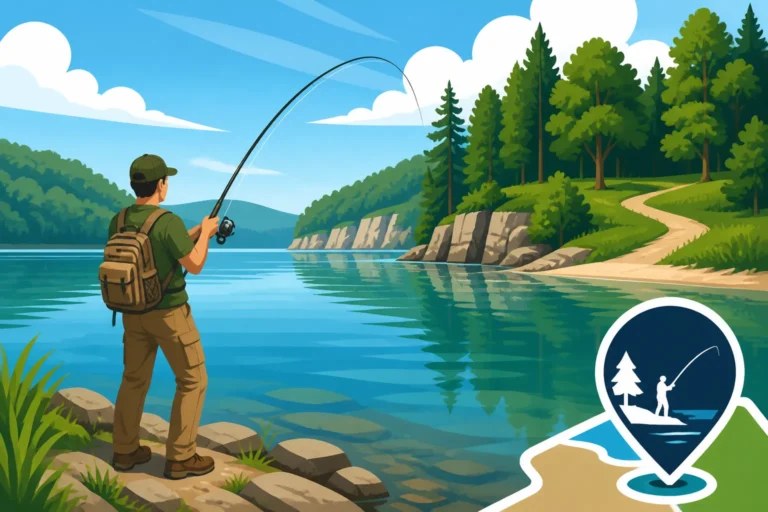
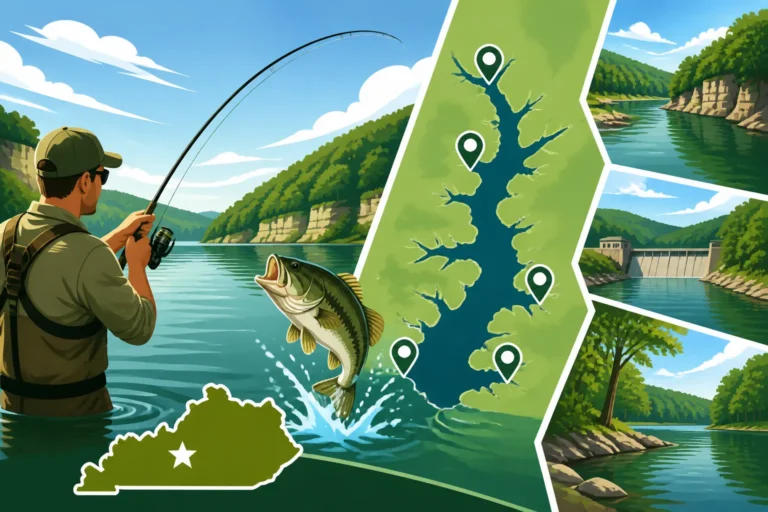
Herrington Lake is a stunning reservoir known for its incredible depth and steep, rocky bluffs. These features, while beautiful, present a unique set of challenges and opportunities for anyone hoping to fish from the bank. It's not like your average flat-shored pond, and going in with the right expectations is half the battle.
The Steep Shorelines and Deep Waters Challenge
Picture this: you've found a promising spot, only to realize getting down to the water's edge means navigating a slippery, rocky incline, or perhaps even a sheer drop-off. Herrington Lake was formed by damming the Dix River, and much of its original river gorge topography remains, creating incredibly dramatic, but often inaccessible, shorelines. This means that many areas are simply too steep or rugged to safely or effectively bank fish. You're not going to be strolling along miles of sandy beach looking for the perfect casting point here. The immediate drop-offs also mean that while the water gets deep fast, it can be tricky to cast effectively without snagging or struggling to retrieve fish from vertical structure. It's a stark contrast to shallower lakes where you can wade out or cast into gently sloping flats.
Even if you find a relatively flat spot to stand, the water quickly plunges to depths that can be intimidating. While deep water often holds big fish, presenting baits effectively from a fixed position on the bank requires different tactics than fishing from a boat that can position directly over structure or follow contours. You'll need to think about how your lure or bait gets down to those fish and how you'll manage your line against the steep drops. This is especially true when targeting species like bass or catfish that might be holding tight to submerged ledges or brush piles in deeper water. Knowing how to adapt your presentation for these conditions is crucial for success.
Public Access Points and Their Limitations
Unlike some other Kentucky lakes that boast numerous public access areas and extensive parkland, Herrington Lake is largely bordered by private property. This is probably the biggest hurdle for bank anglers. You can't just pull off any road and expect to find a place to fish without trespassing. Most of the shoreline is privately owned, making it crucial to identify legitimate public access points. These typically consist of designated state park areas, boat ramps, or specific road bridges that cross the lake. While these spots do exist, they are often limited in size and can get crowded, especially during peak fishing seasons or on weekends.
The limited number of public access points also means that the fishing pressure on these spots can be high. Fish in these areas might be warier, having seen countless baits and lures. It also restricts your ability to move around and "fish new water" if a spot isn't producing. You're often confined to a relatively small stretch of bank. It's not uncommon to find yourself shoulder-to-shoulder with other anglers, which can make for a less relaxing experience. Planning ahead and knowing exactly where you can legally access the water is paramount. If you're looking for solitude, Herrington Lake bank fishing might challenge that expectation, unless you venture out during off-peak times or manage to find a truly hidden gem, which often requires local knowledge.
Where to Find Your Footing: Best Bank Fishing Spots on Herrington Lake
Despite the challenges, Herrington Lake does offer some fantastic opportunities for bank anglers who know where to look. It's all about finding those specific spots where the terrain is manageable and public access is guaranteed. Let's explore some of the most reliable places to cast a line from shore.
State Park Access and Designated Areas
One of your best bets for reliable public access is within the confines of a state park or a designated recreation area. While Herrington Lake doesn't have a large state park directly on its shores with extensive bank access like some other Kentucky lakes, there are still key spots managed for public use. The most prominent example is the area around Dix River Dam. Here, you'll often find some limited bank access, particularly near the powerhouse outflow or certain designated fishing areas. These spots are usually well-maintained and clearly marked, ensuring you're fishing legally. However, they can be popular, so an early arrival might be beneficial. These areas are also often adjacent to deeper water, which can be great for a variety of species.
Another option might be smaller, local parks or boat ramp areas that, by their nature, provide some bank fishing opportunities. While the primary purpose of a boat ramp is for launching vessels, the adjacent shorelines or courtesy docks can sometimes provide a casting platform. Always be mindful of boat traffic and give right-of-way to those launching or retrieving boats. These spots can offer a surprising diversity of fish, from panfish near shallow weeds to bass and catfish cruising deeper ledges. For detailed information on specific access points and amenities, exploring resources like FishingBooker or the Kentucky Department of Fish and Wildlife Resources (KDFWR) website can provide valuable insights before you head out. These platforms often list public access points and can sometimes have reviews or tips from other anglers, giving you a better idea of what to expect on the ground.
Bridge Access Points and Roadside Pull-offs
Bridges that span parts of Herrington Lake can be absolute goldmines for bank anglers. Bridges often provide easily accessible, sturdy platforms from which to fish, and the structure of the bridge itself (pilings, shadows) often attracts fish. The deep water under and around bridges is also a natural holding area for many species, including bass, crappie, and catfish. The most well-known bridge on Herrington Lake is the Kennedy Bridge (KY-152 bridge) which crosses a significant arm of the lake. There are often pull-off areas or small parking spots nearby, allowing anglers to walk onto the bridge or fish from the banks immediately adjacent to the bridge structure. Remember, always be aware of traffic when fishing from or near a bridge, and ensure you're not obstructing any pathways or violating local ordinances.
Beyond major bridges, some smaller roads that skirt the lake's edge might have little pull-offs or public easements where you can safely access the water. These spots are often found through local knowledge or by simply driving around and looking for promising, safe, and legal access. These roadside spots can vary greatly in quality and accessibility; some might be perfect, others too steep or overgrown. It's a bit of a scavenger hunt, but the reward can be a less pressured fishing spot. Always look for "no trespassing" signs and respect private property. A good rule of thumb is, if you're not sure, don't fish there. Consulting a detailed map or even using satellite imagery before your trip can help you scout potential locations from the comfort of your home. Always check for current regulations, including the Kentucky Fishing Regulations Explained, to ensure you're compliant with any local rules specific to these access points.
Hidden Gems and Local Knowledge
While maps and official resources are helpful, some of the best bank fishing spots on Herrington Lake are often shared through word-of-mouth or discovered by persistent local anglers. These "hidden gems" might be small pockets of public land, forgotten easements, or even just areas where the shoreline naturally flattens out for a short stretch. Finding these spots usually involves a bit of exploration and asking around at local bait shops or community centers. Locals who've been fishing the lake for years often hold the keys to these less-pressured areas.
However, discretion is key with these spots. If you're fortunate enough to find one, treat it with respect and maintain its quiet charm. This also ties into being an ethical angler: always pack out what you pack in, and leave no trace. Sometimes, these hidden gems aren't about formal access points but more about identifying patterns in the terrain where bank fishing becomes feasible. For instance, areas where smaller creeks flow into the lake might create slightly less steep banks or deposition zones that are easier to navigate. Additionally, learning about the Herrington Lake Fishing Guide, Kentucky's Deep Water Bass Lake will give you a better understanding of the lake's contours and potential fish holding areas, even if you're restricted to the bank. Keep an eye out for any small public access signs or narrow footpaths that lead to the water's edge, but always verify legal access before you commit to fishing there.
Gear Up for Success: Essential Bank Fishing Tackle and Techniques for Herrington Lake
Bank fishing Herrington Lake successfully isn't just about finding the right spot; it's also about having the right tools and knowing how to use them. The unique environment of this deep, steep-sided lake demands specific considerations for your rod, reel, line, and bait choices.
Rods, Reels, and Line Choices for Herrington's Depths
Given the often steep and brushy banks, a longer fishing rod (7 to 9 feet) is highly recommended for Herrington Lake bank fishing. A longer rod allows for longer casts, helping you reach deeper water or cover that might be just out of reach with a shorter rod. It also provides better line control, crucial for steering fish away from snags and lifting them up the often steep bank. A medium-heavy to heavy power rod with a fast action will give you the backbone to handle larger fish, especially bass or catfish, and the sensitivity to detect subtle bites. For those focused on panfish, a medium-light or light action rod might be suitable, but still prioritize length.
Pair your rod with a sturdy spinning reel in the 3000-4000 series size, or a baitcasting reel if you're comfortable with one, spooled with a strong line. Due to the abundant snags (rocks, submerged trees) and potential for larger fish in Herrington's deep waters, a braided line of 20-30 pound test is an excellent choice. Braid offers superior strength, sensitivity, and abrasion resistance. You can then tie on a fluorocarbon leader (10-20 pound test) for stealth, as Herrington Lake can have very clear water. The no-stretch property of braid also helps with detecting bites and setting hooks in deep water, where monofilament's stretch can be a hindrance. Remember that even when bank fishing, you need robust gear to handle the lake's offerings. For specific recommendations, check out a guide on Best Rods and Reels for Kentucky Fishing which can help you narrow down your choices.
Baits and Lures That Work from Shore
When fishing from the bank on Herrington Lake, versatility in your bait and lure selection is key. You'll want options that can cover different depths and appeal to various species. For bass, jigs (like a football jig or a Texas-rigged jig) are fantastic because they can be fished slowly along the bottom, mimicking crawfish or baitfish, and are relatively snag-resistant. Crankbaits that dive deep can also be effective if you have enough open water to retrieve them without snagging immediately. Soft plastic worms and creature baits rigged weedless are another excellent choice, allowing you to probe brush piles and rock crevices.
For crappie, small jigs (1/16 to 1/8 ounce) fished under a slip bobber are highly effective, especially around bridge pilings or any submerged brush you can reach. Tipping these jigs with a minnow or a small crappie tube can increase your success. Catfish anglers will do well with bottom rigs using cut bait (like shad or skipjack), chicken livers, or various stink baits. Since you're often casting into deep water, ensure your weight is heavy enough to hold your bait on the bottom. Live bait, like shiners or worms, can also be incredibly effective for a variety of species. If you’re targeting specific species, exploring resources on Herrington Lake's Best Bass Fishing Coves in Kentucky or Where to Catch Catfish on Herrington Lake can give you insights into their preferred diets and locations, even when bank fishing.
Essential Bank Fishing Accessories for Comfort and Safety
Bank fishing, especially on a lake like Herrington, requires more than just a rod and reel. To ensure a comfortable and safe experience, a few key accessories are indispensable. First, a good backpack or tackle bag is vital for carrying your gear, snacks, and water, keeping your hands free for navigating uneven terrain. A small, portable cooler will keep your drinks and any caught fish fresh.
Safety gear is paramount. Sturdy, non-slip footwear with good ankle support is a must for traversing rocky and sometimes slippery banks. A first-aid kit should always be in your bag for minor cuts or scrapes. If you're fishing near busy roads or bridges, consider a bright vest for visibility. A pair of pliers or a multi-tool is essential for removing hooks and cutting line. Don't forget a pair of polarized sunglasses to reduce glare and help you see into the water, and a hat for sun protection. Finally, a small folding chair or cushion can make a long day of waiting much more enjoyable. Think about the terrain – you might even want a small anchor or rope if you find yourself on a steep incline and want to secure your bag or cooler to prevent it from sliding down. Having a robust Tackle Box Setup for Bass and Crappie will also ensure you have all the necessary components for your rigs on hand.
| Access Point Type | Pros | Cons | Target Species | Notes |
|---|---|---|---|---|
| State Park/Designated Areas | Legal, often maintained, some amenities | Can be crowded, limited space | Bass, Crappie, Catfish, Panfish | Arrive early, check for specific rules |
| Bridge Access Points | Structure attracts fish, good depth | Can be busy, safety with traffic | Bass, Crappie, Catfish, Sauger | Wear bright clothing, be aware of surroundings |
| Roadside Pull-offs (Scouted) | Less crowded, potential hidden gems | Limited, requires scouting, potential trespass issues | Varies greatly by spot | Always verify legal access, leave no trace |
Overcoming the Challenges and Maximizing Your Bank Fishing Experience
Bank fishing Herrington Lake might not be as straightforward as some other bodies of water, but with the right approach and mindset, it can be incredibly rewarding. It’s all about working with the lake's unique characteristics, rather than against them.
Timing Your Trip for Optimal Success
Just like any fishing adventure, timing is everything on Herrington Lake. For bank anglers, this can be even more crucial. Early mornings and late evenings, often referred to as "low light" periods, are generally the most productive times. During these hours, fish tend to move shallower to feed, making them more accessible from the bank. The reduced boat traffic also makes for a calmer, more pleasant experience. Overcast days can extend these prime feeding windows. Consider fishing during the spring and fall months, when water temperatures are moderate, and fish are more active and often closer to shore for spawning or feeding aggressively before winter. During the hot summer months, targeting deep-water species early or late in the day is crucial.
Conversely, avoid fishing during the middle of bright, sunny afternoons in summer, especially if boat traffic is heavy. The fish will likely retreat to deeper, cooler waters, making them much harder to reach from the bank. Wind can also be a factor; a light chop can be beneficial as it breaks up the water's surface, making your presence less noticeable to fish, but strong winds can make casting difficult and retrieve control nearly impossible. A full moon or new moon phase can sometimes influence fish activity, though this is often debated among anglers. Checking local weather forecasts and understanding How Weather Fronts Affect Fishing Times will definitely give you an edge.
Safety First: Navigating Herrington's Bank
Herrington Lake's steep and often rugged banks demand a strong emphasis on safety. As mentioned, appropriate footwear is non-negotiable. Watch your footing constantly, especially when moving over wet rocks or loose soil. Never try to climb down or up a bank that feels unstable or too steep. A fall could lead to serious injury. Consider bringing a sturdy walking stick or trekking poles for added stability when navigating particularly tricky sections of the shoreline. If you're fishing alone, always let someone know where you're going and when you expect to return. Mobile phone reception can be spotty in some remote areas, so don't rely solely on it for emergencies.
Beyond the terrain, be mindful of wildlife. Snakes, ticks, and other critters are part of the natural environment, so know what to look for and how to react. If you're fishing at night, a headlamp is essential for visibility, not just for baiting hooks but for seeing where you're stepping. Finally, respect water safety. Even from the bank, currents can be strong, especially near dams or creek mouths. Never enter the water if you're unsure of the depth or bottom conditions. A life jacket isn't just for boats; if you're fishing from a precarious spot where a fall into deep water is a real possibility, consider wearing one. This level of caution is just part of the deal when enjoying the natural beauty of Herrington Lake. For general safety information, you can always refer to the broader Kentucky Fishing Regulations Explained.
Respecting Private Property and Local Regulations
This point cannot be stressed enough: always respect private property boundaries on Herrington Lake. Most of the shoreline is privately owned, and trespassing is a serious offense. Look for "No Trespassing" signs, fences, or other indicators of private land. If you're unsure, it's always best to err on the side of caution and find another spot. Building positive relationships with landowners (if applicable and appropriate) or simply sticking to clearly public access points ensures that future opportunities for bank fishing remain open. Missteps in this area can lead to access being restricted for everyone.
Beyond property lines, be intimately familiar with all current Kentucky Fishing Regulations Explained. These regulations cover everything from daily creel limits and size restrictions for different species (like Kentucky Statewide Bass Limit: 12 Inches, 6 Fish a Day or Kentucky Crappie Daily Limit: 20 Fish Statewide) to legal baits and methods. Always verify site-specific regulations for Herrington Lake, as some areas may have unique rules. The KDFWR website is your go-to resource for the most up-to-date information. Carrying a copy of your Kentucky Fishing License Guide and the current regulations, either physically or digitally on your phone, is always a good practice. Leave no trace of your visit: pack out all trash, dispose of fishing line properly, and avoid damaging vegetation. By being responsible stewards of the resource, we can all continue to enjoy the challenging but rewarding experience of bank fishing on Herrington Lake.
Disclaimer
The information provided in this guide is for general informational purposes only and is subject to change. Always consult the official Kentucky Department of Fish and Wildlife Resources (KDFWR) website and local authorities for the most current regulations, licensing requirements, and safety guidelines before engaging in any fishing activities. Fishing conditions can vary, and personal safety should always be your top priority.