When Do Crappie Move Shallow in Kentucky
It's a common frustration for Kentucky anglers: you're itching to catch some crappie, but sometimes it feels like they've vanished into thin air. Knowing when these elusive fish decide to leave their deeper haunts and move into the shallows is the golden ticket to a successful fishing trip. This comprehensive guide will walk you through the precise timing and crucial factors that influence when crappie move shallow in Kentucky, helping you hit the water at just the right moment.
Understanding the Crappie's Seasonal Dance in Kentucky Waters
Crappie, both black and white, are fascinating fish with predictable seasonal movements, especially when it comes to their migration to shallow water. This isn't a random event; it's intricately tied to environmental cues, most notably water temperature. If you understand these cues, you’ll be far more successful in your pursuit. Many anglers often wonder, "When Does Crappie Spawning Start in Kentucky?" and the answer lies firmly in this shallow water migration.
The journey to the shallows isn't a sudden dash. It's a gradual progression, starting in late winter and continuing through spring, often peaking when the water reaches that sweet spot for reproduction. Think of it as a multi-stage event: the pre-spawn staging, the actual spawn, and then the post-spawn period. Each phase has its nuances, and understanding them is key to consistently finding crappie in shallower areas throughout the spring and early summer.
The Critical Role of Water Temperature for Shallow Crappie
When crappie move shallow in Kentucky, it's almost always a direct response to rising water temperatures. As the days lengthen and the sun warms the water, it signals to crappie that it's time to begin their spawning rituals. This is why a good water thermometer, easily found on Amazon, can be your best friend when crappie fishing. You can spend all day casting in the wrong depth, or you can check the water temperature and head straight to where the fish are holding.
Pre-Spawn Staging: The First Push Shallow
Before the actual spawning frenzy begins, crappie will make their first push towards shallower water. This usually happens when surface water temperatures consistently hit the upper 40s to low 50s Fahrenheit, typically around late February or early March in many Kentucky lakes. During this period, they're not quite ready to lay eggs, but they are actively feeding and bulking up for the energy-intensive spawning process.
You'll find them congregating in areas adjacent to their deeper wintering holes. These might be secondary points, channel swings, or the edges of flats where a quick drop-off provides easy access to deeper water if a cold front pushes through. Look for submerged brush piles, standing timber, or old dock pilings in 8-15 feet of water. They're still a bit wary, preferring areas where they can quickly retreat. This is a fantastic time for active fishing, as the fish are hungry. Jigging with small plastics or minnows around this cover can be incredibly effective. Consider looking into the "Best Crappie Jigs for Kentucky Waters" for some excellent options during this phase.
The Peak Crappie Spawn: When They Hit the Banks
This is the moment most crappie anglers eagerly await: when the fish move right up to the bank. The actual spawn is triggered when water temperatures warm further, usually into the mid-50s to low 60s Fahrenheit. For many parts of Kentucky, this glorious window typically falls in April and early May, though it can vary by a few weeks depending on the year's weather patterns and the specific lake. For a deeper dive into this timing, check out our guide on "Kentucky Crappie Spawn Timing by Water Temperature."
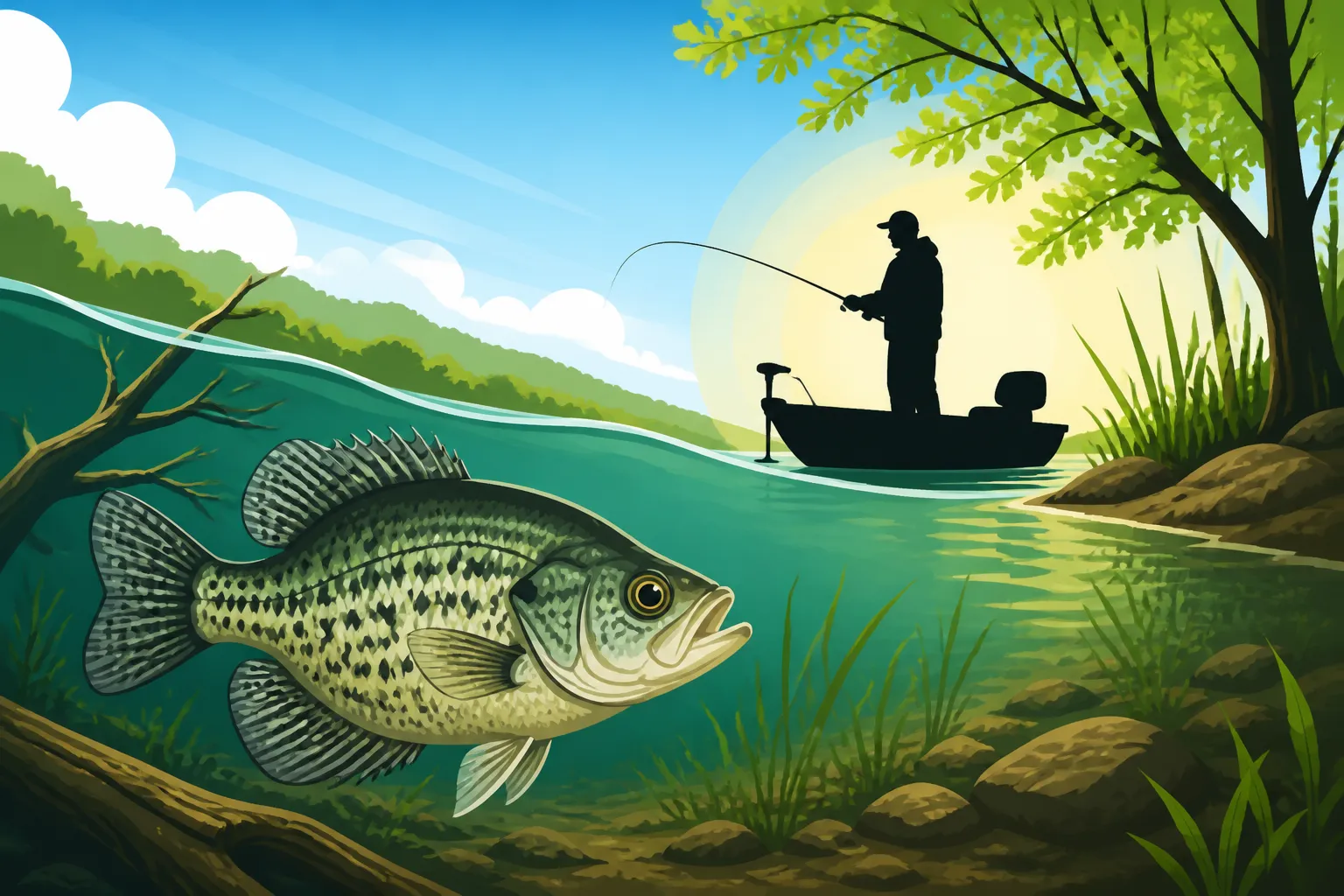
During the spawn, crappie are focused almost entirely on reproduction. They seek out very shallow water—sometimes less than a foot deep—to build their nests. They'll gravitate towards protected areas with plenty of submerged structure for their eggs to attach to and for fry to hide in. This includes:
- Woody Cover: Fallen trees, brush piles, old stumps, and flooded timber are prime locations.
- Rocky Banks: Areas with chunk rock or rip-rap can hold spawning crappie, especially black crappie.
- Vegetation: Submerged grass beds, lily pad stems, and cattails offer excellent cover.
- Docks and Marina Pilings: Man-made structures often create perfect spawning habitat.
When the crappie are actively spawning, they can be incredibly aggressive, guarding their nests from anything that gets too close. You can often see them with polarized sunglasses in clear water, making for exciting sight fishing opportunities. A simple slip bobber rig with a live minnow or a small jig fished directly into the cover can be deadly. Remember to respect daily limits, as "Kentucky Crappie Daily Limit Rules" are still in effect, even during peak spawn.
Here's a quick overview of crappie movement by water temperature:
| Water Temperature Range | Crappie Behavior | Typical Depth | Preferred Cover | Fishing Tips |
|---|---|---|---|---|
| 40-49°F | Pre-spawn staging, actively feeding but deeper | 15-25 ft | Main lake points, deep brush piles, channel edges | Slow jigging with minnows or small jigs; vertical presentations. |
| 50-54°F | Transitioning to shallower staging, increasing activity | 8-15 ft | Secondary points, creek channel bends, larger brush | Casting jigs or minnows; targeting submerged timber; searching for "Kentucky Lake Crappie Fishing: Best Time of Year". |
| 55-62°F | Peak Spawn, nesting and aggressive | 1-8 ft | Woody cover, docks, rock banks, submerged vegetation | Short casts, delicate presentations; live minnows, small jigs, spider rigging; look for visible nests. |
| 63-68°F | Post-spawn, recuperating and moving slightly deeper | 5-12 ft | Shade lines, secondary points, submerged brush | Focus on structure near deeper water, slightly larger baits; "How to Find Crappie in Deep Water in Summer" is next. |
| 69°F+ | Summer patterns, deeper and less concentrated | 15-30+ ft | Thermocline, deep brush, main lake structure | Vertical jigging, trolling, searching deep breaks. |
Post-Spawn Patterns: Still Accessible, But Different
After the intense period of spawning, crappie need a little R&R. This post-spawn phase usually starts when water temperatures climb into the mid-60s to low 70s. The fish will begin to move out of the very shallowest water, but they won't typically drop back into their deepest wintering holes right away. This is often the period when anglers miss the boat, thinking the crappie have completely disappeared.
During post-spawn, crappie tend to recuperate and feed in areas that offer a good balance of slightly deeper water, abundant forage, and shade. They'll often be found suspended around the edges of flats, along creek channel breaks, or near main lake points. You might find them relating to the same types of cover they used during pre-spawn, but perhaps a little deeper, say 5-12 feet. Overhanging trees, the shady side of boat docks, or larger submerged brush piles are excellent places to target.
The bite can be a bit more finicky now, as they're recovering from the rigors of spawning. You might need to experiment with different presentations, perhaps slowing down your retrieve or trying different jig colors. Don't be afraid to try slightly larger baits or experiment with small crankbaits that mimic baitfish. If you're fishing a lake like Barren River Lake, be mindful of specific regulations, as "Barren River Lake Crappie Size Limit in Kentucky" can sometimes have unique rules. The good news is that this phase can last a good while, giving you plenty of opportunities to catch a cooler full of fish before they move to their deeper summer patterns.
Factors Influencing Crappie Movement Beyond Temperature
While water temperature is undeniably the primary trigger, other factors can influence precisely when crappie move shallow and how long they stay there. Being aware of these can give you an edge and help you adjust your strategy on the fly.
Weather Patterns and Fronts
Kentucky weather can be notoriously fickle, especially in spring. A sudden cold front can significantly drop water temperatures, especially in shallow coves. When this happens, crappie often retreat to slightly deeper water, holding tighter to cover, or becoming less active. A warm, stable weather pattern, on the other hand, will encourage them to stay shallow and feed aggressively.
- Stable Warm Weather: Expect crappie to be more active and spread out in shallow cover.
- Cold Fronts: Fish will typically pull back to the nearest deep cover, becoming lethargic. Focus your efforts on the edges of channels or deeper brush where they can stage.
- Rain: Light, warm rain can actually improve fishing by increasing water flow and washing nutrients into the lake, stimulating baitfish and, in turn, crappie. Heavy, cold rains can muddy the water and drop temperatures, sending crappie deeper.
Paying attention to the forecast and understanding how a recent weather change might affect water temperature and clarity can help you predict crappie behavior.
Lake Characteristics and Depth
Not all Kentucky lakes are created equal when it comes to crappie fishing. The physical characteristics of a lake can influence the timing and duration of the shallow bite.
- Shallow vs. Deep Lakes: Shallower lakes like parts of Kentucky Lake tend to warm up faster, meaning crappie might move shallow earlier and have a more prolonged shallow bite. Deeper, cooler lakes might see a later and potentially shorter shallow water window.
- Water Clarity: In clear lakes, crappie might be more wary in super shallow water and prefer to hold slightly deeper or use denser cover for protection. In stained or muddy water, they'll often push right up to the bank, relying on the lack of visibility for safety.
- Forage Availability: Abundant baitfish in shallow areas will keep crappie there longer, even after the spawn. If the baitfish move deeper, the crappie will follow.
Understanding the specific nuances of your chosen fishing spot can significantly impact your success. For instance, the "Kentucky Crappie Fishing: Spring Spawn Run Guide" provides localized advice for different regions and bodies of water.
Time of Day and Moon Phase
Even within the prime shallow-water period, the time of day can make a difference. Early mornings and late evenings often provide the best bite in the shallows, especially on bright, sunny days, as the sun's intensity is lower, and crappie feel more comfortable roaming. On overcast days, they might stay shallow and active throughout the day.
While less scientifically proven for crappie than for some other species, some anglers swear by moon phases impacting fish activity. A full moon or new moon period is often thought to coincide with increased feeding or spawning activity, but consistent water temperature is still the dominant factor.
Maximizing Your Chances During the Shallow Crappie Bite
Knowing when crappie move shallow in Kentucky is only half the battle; knowing how to catch them is the other.
- Start Shallow, Work Deeper: When you hit a spot, always start by casting into the shallowest cover first. If you don't find fish there, gradually work your way to slightly deeper cover in the same area. This prevents you from spooking fish that might be holding right on the bank.
- Downsize Your Tackle: During the spawn, crappie can be very focused on their nests and might not chase larger baits. Small jigs (1/32 to 1/16 ounce) with tiny plastic bodies or live minnows are usually the ticket. Use light line (4-6 lb test) to allow for a natural presentation.
- Target Cover Meticulously: Crappie will be tucked tight into cover. Make precise casts that land your bait right next to or even slightly into the brush, dock piling, or lily pad stems. Give the bait time to fall slowly, as crappie often strike on the descent.
- Quiet Approach: When fishing shallow, any sudden noise or movement can send crappie scattering. Use a trolling motor at low speed, paddle quietly in a kayak, or approach bank fishing spots with stealth.
- Utilize Multiple Presentations: Don't be afraid to switch between a slip bobber rig, a tight-lined jig, or even a spider rigging setup for boat anglers. Sometimes a slight change in presentation makes all the difference. For those looking for deeper water strategies, especially after the spawn, guides like "How to Find Crappie in Deep Water in Summer" can be very helpful.
By understanding the seasonal shifts, the crucial role of water temperature, and refining your fishing techniques, you'll be well-equipped to intercept those crappie when they move shallow in Kentucky, leading to many more memorable days on the water.
Disclaimer
Fishing regulations, including license requirements, bag limits, and size restrictions, can change. Always consult the latest Kentucky Department of Fish and Wildlife Resources (KDFWR) guidelines before heading out on your fishing trip. This guide is for informational purposes only and does not replace official regulations.