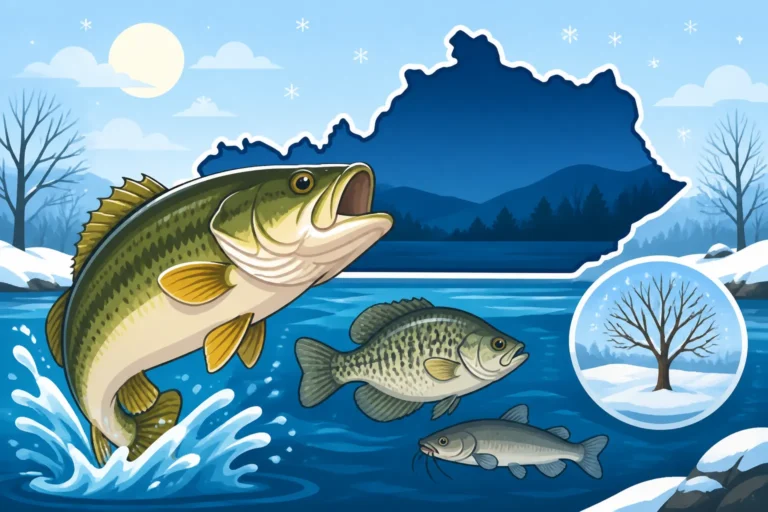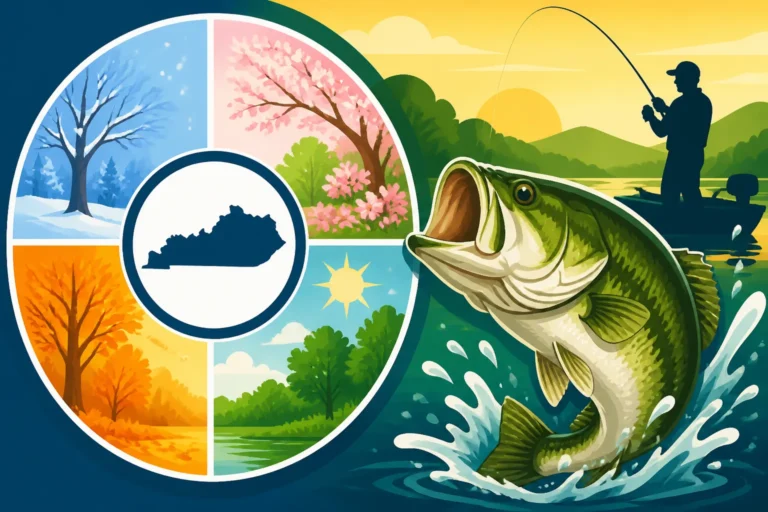
What Fish Are Biting in Kentucky in July
July in Kentucky can be a real challenge for anglers. The scorching summer sun heats up our beautiful lakes and rivers, sending many of our favorite fish species deep or making them lethargic. But don't despair! This comprehensive guide is here to unravel the mysteries of summer fishing, helping you understand what fish are actively biting in Kentucky during July and how to adjust your tactics for a successful and enjoyable trip on the water.
Navigating Kentucky's Summer Fishing Challenges in July
When the heat of summer truly sets in, especially here in Kentucky, the fishing scene undergoes a dramatic transformation. What worked in the spring might leave you scratching your head now. It's not just about the air temperature; it's about what's happening beneath the surface, and how that changes where the fish are and when they're willing to bite.
Understanding Water Temperature and Fish Behavior
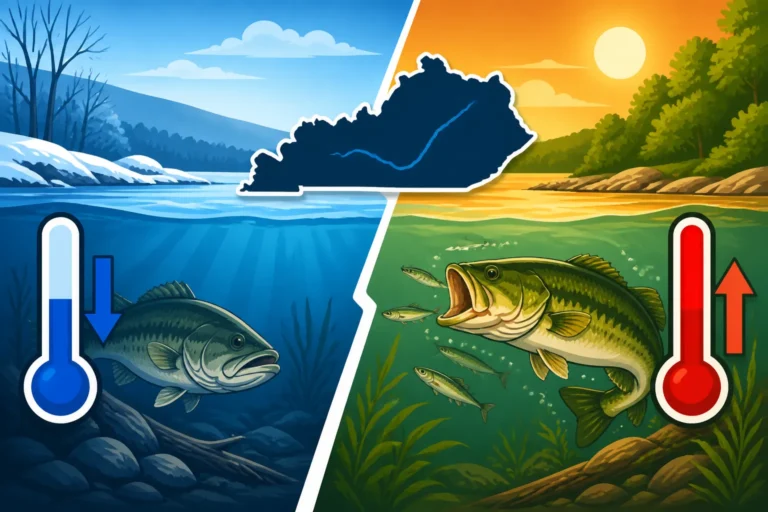
As July progresses, water temperatures across Kentucky's lakes and rivers climb significantly. Surface temperatures can easily hit the high 80s or even low 90s in shallower areas. This warmth has a profound effect on fish. Just like us seeking air conditioning, fish will actively look for cooler, more comfortable water.
One of the most crucial concepts to grasp is the "thermocline." In deeper lakes like Lake Cumberland or Herrington Lake, this is a distinct layer where the water temperature changes rapidly with depth. Above the thermocline, the water is warmer and often has lower oxygen levels due to decomposition. Below it, the water is cooler but might also become anoxic (lacking oxygen) at extreme depths. Many game fish will concentrate in or just above the thermocline, where they can find a comfortable temperature and sufficient oxygen.
Different species react to this summer heat in unique ways. Cold-water species, like certain trout, will seek out the deepest, coolest pockets, often near dam outflows or cold springs. Warm-water species, such as bass and crappie, will either move to deeper, structured areas or become much more active during the cooler parts of the day, typically dawn, dusk, and even into the night. They might also gravitate towards areas with cooler water, like the mouths of creeks or shaded sections of the lake where spring water seeps in. Understanding these shifts is absolutely key to finding success.
The Impact of Heat on Angler Strategy
The soaring temperatures of July don't just affect the fish; they heavily influence our strategy as anglers. Gone are the days of leisurely midday fishing for many species. Instead, successful July fishing often means embracing a new schedule and different tactics.
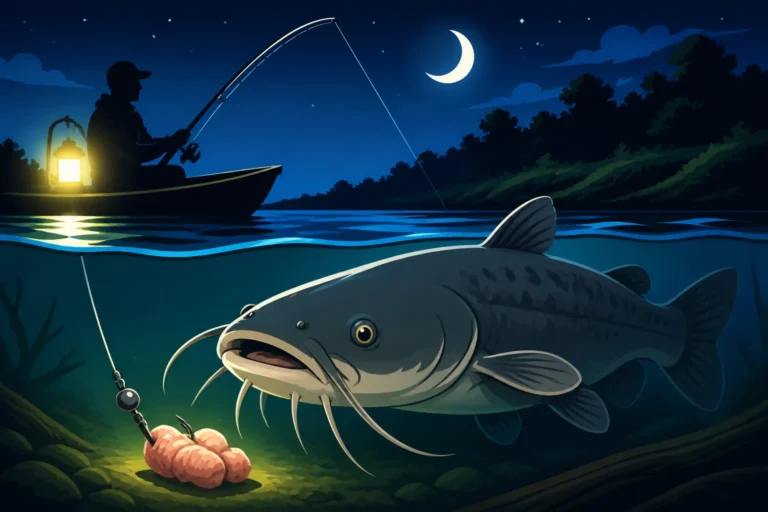
For many, this means a serious shift to early morning or late evening excursions. As the sun rises and beats down, surface waters warm quickly, often pushing fish deeper or into dense cover. By getting out on the water before dawn, you can take advantage of cooler water temperatures and active feeding periods as fish move up from their deeper holding areas. Similarly, the hours leading up to and after sunset can be incredibly productive. For some species, especially catfish, night fishing becomes the absolute prime time.
When the sun is high, you'll need to focus on fishing deeper structures. Think about targeting ledges, humps, creek channels, and submerged timber. These are the places where fish can find refuge from the heat and bright light. Understanding how to use your electronics, like a good fish finder, to locate these deeper structures and identify the thermocline will be a game-changer. Don't be afraid to experiment with different depths until you find where the fish are holding. And for your own well-being, remember to prioritize hydration and sun protection. Kentucky summers can be brutal, and a sunburn or heatstroke will quickly end your fishing day.
Top Fish Species Biting in Kentucky During July
While some fish get sluggish, others thrive or simply adjust their routines, making them prime targets for July anglers. Knowing which species are most likely to cooperate is half the battle.
Largemouth Bass
Ah, largemouth bass – Kentucky's most popular game fish. While the peak of bass fishing is often considered to be during the spring spawn, July still offers fantastic opportunities, you just have to know where to look. As water temperatures climb, these fish typically abandon shallow spawning beds and move to deeper, more stable environments.
In July, you'll find largemouth bass relating heavily to structure in deeper water. This includes submerged points, creek channel bends, humps, ledges, and deep brush piles. They'll also seek out areas with overhead shade, such as beneath docks, along steep banks with overhanging trees, or around bridge pilings. During the bright, hot midday hours, these fish will often be lethargic, conserving energy. However, they'll feed aggressively during low-light periods.
Effective techniques for July largemouth often involve getting your bait down deep. Deep-diving crankbaits that can reach depths of 10-20 feet or more are excellent for covering water along ledges and points. Heavy jigs, fished slowly along the bottom, can entice strikes from inactive fish hiding in brush. Texas rigs and Carolina rigs with soft plastic worms, creature baits, or lizards are also highly effective when fished around submerged timber and rock piles. For those willing to brave the dark, night fishing for bass can be incredibly productive. Topwater lures like buzzbaits and poppers, or bladed jigs like a Z-Man ChatterBait, can draw explosive strikes in the cooler night air, especially around docks with lights or shallow cover. You might find a good selection of these and other bass lures on Amazon before your next trip. To learn more about how bass behave during different seasons, you can check out our guide on Kentucky Bass Fishing: The April-May Peak Season, though July will certainly have its differences.
Catfish (Channel, Blue, Flathead)
If there's one family of fish that absolutely thrives in Kentucky's summer heat, it's catfish. Channel, blue, and flathead catfish are all incredibly active during July, making them a fantastic target for anglers, especially those who enjoy fishing into the evening and night.
Channel catfish are abundant throughout Kentucky's waters. They're opportunistic feeders and will readily bite during the day, but their activity often ramps up significantly at night. Blue catfish, known for their immense size, are often found in deeper river channels and large lake basins. Flathead catfish are ambush predators, preferring live bait and often hiding in heavy cover like log jams or rock crevices.
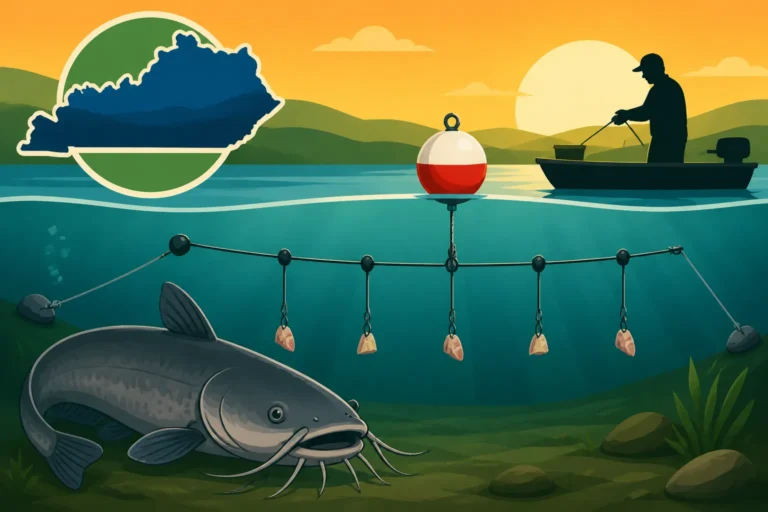
Bottom fishing is the name of the game for catfish. Using heavy tackle with a stout rod and a strong reel, you'll want to present your bait directly on the bottom. For channel catfish, cut bait (like shad or skipjack herring), chicken livers, nightcrawlers, and a variety of prepared stink baits are all highly effective. Blue catfish also love fresh cut bait, especially larger pieces of shad, herring, or even carp. Flathead catfish, being primarily piscivores, prefer live bait such as bluegill, sunfish, or small carp. Jug fishing or setting trotlines are popular and highly effective methods for targeting all three species, particularly on large bodies of water like the Ohio River or Kentucky Lake. These methods allow you to cover a lot of water and present multiple baits. Learn more about their habitats and how to catch them in our Kentucky Catfish Fishing: Ohio River and Kentucky Lake Guide. You can find a vast array of options for catfish bait and specialized rigs on platforms like Amazon that can be delivered right to your door.
Crappie
Crappie, both black and white varieties, are another popular target in July, but they require a bit more finesse than during their spring spawn. Once the water warms, crappie transition from their shallow spawning grounds to deeper, cooler water. They'll often suspend near submerged structures, searching for comfortable temperatures and baitfish.
In July, look for crappie to be holding in depths of 10 to 25 feet, or even deeper in very large reservoirs, often correlating with the thermocline. They'll relate tightly to cover such as standing timber, brush piles, submerged creek channels, and bridge pilings. The key is finding these deeper cover elements and presenting your bait precisely to them.
Vertical jigging is a highly effective technique. Using small jigs (1/16 to 1/8 ounce) tipped with a small minnow or a soft plastic grub, you can slowly lower your bait directly into the brush pile or timber where crappie are holding. Spider rigging, which involves slow-trolling multiple rods with minnows or jigs at varying depths, is another excellent strategy for covering water and locating schools of suspended crappie. Remember, crappie have delicate mouths, so a light touch is often best when setting the hook. Our guide on How to Find Crappie in Deep Water in Summer offers excellent insights into their summer habits.
Panfish (Bluegill, Redear Sunfish)
For a fun, relaxing day on the water, especially if you have kids or new anglers in tow, panfish like bluegill and redear sunfish are a fantastic July option. While their prolific spring spawning activity may have tapered off, these feisty little fish are still very active and willing to bite throughout the summer.
In July, panfish will still be found in many of the same areas they frequent in spring, but they'll often seek slightly deeper water or areas with more shade and cover. Look for them around lily pads, submerged aquatic vegetation, brush piles, docks, and overhanging trees that cast shade onto the water. They are constantly looking for small insects, crustaceans, and larvae to munch on.
The beauty of panfish fishing is its simplicity. A light spinning rod, a small hook (size 6 or 8), a split shot, and a bobber are often all you need. Live baits are king for panfish: crickets, worms, and small pieces of nightcrawler are irresistible. You can also have success with tiny jigs or spinners. Cast near cover and wait for that bobber to disappear! These fish are often found in large schools, so if you catch one, there are likely many more nearby. Our Best Bait for Bluegill in Kentucky Ponds article can give you more ideas for what to use.
White Bass and Hybrid Striped Bass
When July fishing calls for fast action and hard fights, look no further than white bass and their larger cousins, hybrid striped bass. These schooling predators are often found chasing baitfish in open water, providing exciting opportunities for anglers.
White bass typically form large schools and actively pursue schools of shad or other baitfish, especially during the cooler morning and evening hours. Hybrid striped bass, a cross between striped bass and white bass, grow much larger and offer an even more powerful fight. They also school and chase bait, often in deeper, open water on major reservoirs.
The key to catching these species in July is finding the baitfish. Keep an eye out for surface commotion – birds diving, baitfish jumping, or swirls on the water's surface are all indicators of feeding activity. Trolling with crankbaits or spoons can be effective for locating schools in open water. Once you find them, casting spoons (like a Kastmaster or Cotton Cordell Gay Blade), small crankbaits, or swimbaits into the schooling fish can result in multiple hook-ups. They often hit aggressively, providing a thrilling fight on light tackle. While white bass are common, hybrids are stocked in specific lakes. You might find some of the Best Spots to Catch Hybrid Striped Bass in our other guides.
Essential Gear and Strategies for July Fishing Success
Tackling Kentucky's July heat requires more than just knowing what fish are biting; it demands the right gear and a smart strategy. Don't let the summer sun intimidate you – with the right approach, you can still have incredible days on the water.
Recommended Baits and Lures for Summer
Your tackle box needs to reflect the summer shift. Live bait is almost always a safe bet in July, especially for panfish and catfish. Crickets, worms, and various cut baits (shad, skipjack) or live minnows are irresistible. For larger species like flathead catfish, live bluegill or sunfish are essential.
When it comes to artificial lures, the focus often moves to presentations that get deeper or work well in low light. For bass, think about:
- Deep-diving crankbaits: Brands like Strike King, Rapala, or Berkley offer excellent deep divers.
- Heavy jigs: Football jigs, casting jigs with craw-style trailers.
- Soft plastics: Large worms, creature baits, and swimbaits on Texas or Carolina rigs.
- Night fishing lures: Dark-colored topwaters, bladed jigs, and buzzbaits.
For crappie, small jigs (1/16 to 1/8 ounce) in chartreuse, white, or black are productive, especially when tipped with a minnow. For white bass and hybrids, spoons, inline spinners, and smaller crankbaits that mimic shad are excellent. You can find a vast array of options on platforms like Amazon to stock up on these summer essentials, ensuring you have the right tools for the job.
Techniques for Beating the Heat and Finding Fish
The most critical technique for July success is timing. As mentioned earlier, focusing your efforts on the cooler parts of the day – dawn, dusk, and night – will dramatically increase your chances. Early morning topwater bites for bass, or a late evening crappie bite as they move up in the water column, can be spectacular.
Night fishing is truly one of summer's best-kept secrets, especially for species like bass and catfish. Many fish become much more aggressive and move into shallower water under the cover of darkness. Specialized night fishing lights, often available on Amazon, can be a game-changer by attracting baitfish, which in turn draws in larger predators.
During the daytime, when the sun is at its peak, you absolutely need to focus on deep water structure. This means diligently working humps, ledges, creek channels, and the edges of submerged timber. Use your fish finder to identify these features and locate schools of fish. Investing in a good quality fish finder, which you can easily browse and purchase on Amazon, will make a world of difference in pinpointing these deeper holding areas. Don't be afraid to slow down your presentation, as fish can be less aggressive in the heat.
Safety and Comfort on the Water
Summer fishing in Kentucky can be intense, so your personal safety and comfort should always be a top priority. Hydration is paramount. Bring plenty of water and electrolyte-rich drinks to prevent dehydration. Pack more than you think you'll need.
Sun protection is also non-negotiable. Wear long-sleeved, lightweight, breathable shirts, a wide-brimmed hat, and quality polarized sunglasses. Apply sunscreen generously and reapply often, even on cloudy days. Don't forget the essentials like sunscreen, wide-brimmed hats, and polarized sunglasses—all readily available on Amazon.
Finally, always be aware of the weather. Summer in Kentucky is notorious for pop-up thunderstorms. These can develop quickly and bring dangerous lightning and strong winds. Check the forecast before you go, and if you see dark clouds building, err on the side of caution and head for shore. Always have a Safety Gear Checklist for Kentucky Boaters and ensure every person on your boat has a Life Jacket Requirements for Every Boat Occupant in Kentucky that fits them properly.
Prime Kentucky Lakes and Rivers for July Action
Kentucky is blessed with an abundance of fantastic fishing waters, and even in July, many of them offer incredible opportunities if you know where to go and what to target.
Major Reservoirs
Kentucky's large reservoirs truly shine in July, offering deep water and extensive structure for heat-dodging fish.
- Kentucky Lake and Lake Barkley: These twin lakes are legendary for their bass, crappie, and catfish fishing. In July, focus on their extensive creek channels, ledges, and submerged riverbeds. Both lakes have countless brush piles and standing timber that hold crappie and bass. The open water on these lakes can also be excellent for schooling white bass and hybrid stripers, especially near the main lake points and humps. To dive deeper, read our guides on Kentucky Lake: The State's Top Bass Fishing Destination and Lake Barkley Fishing Guide for Kentucky Anglers.
- Lake Cumberland: Known as Kentucky's deep-water gem, Lake Cumberland is an excellent choice for July. While some species will be deep, its sheer size and depth mean there's always a bite somewhere. Bass will relate to deep points and steep drop-offs. Lake Cumberland is also home to a fantastic walleye population that will be deep, and a year-round trout fishery in its cold depths, making it unique among Kentucky's large lakes. Learn more about this amazing fishery in Lake Cumberland: Kentucky's Best All-Around Fishing Lake.
- Other Large Reservoirs: Lakes like Dale Hollow (on the Kentucky/Tennessee border) and Rough River Lake also offer similar deep-water summer patterns for bass, crappie, and catfish.
The Mighty Ohio River
For those seeking a true summer challenge and the potential for monster fish, the Ohio River is a prime destination in July. While the river's current and commercial traffic can be intimidating, it's a phenomenal fishery, especially for catfish.
The Ohio River is a catfish paradise. Blue, channel, and flathead catfish thrive in its warm, nutrient-rich waters. In July, target deeper holes, current breaks behind islands or wing dams, and the mouths of tributaries where cooler water and baitfish might be present. Fishing at night can be especially productive, as the river's big cats become more active. Using heavy tackle and large cut bait or live bait is essential for tackling these powerful fish. While sauger are typically a cold-water species, some can still be found in the deeper, cooler sections below dams. Our guide to the Best Catfish Fishing Spots on Kentucky's Ohio River can help you pinpoint some hotspots.
Smaller Lakes and Rivers
Don't overlook Kentucky's numerous smaller lakes and rivers. They might not have the vast expanses of the major reservoirs, but they can offer excellent, more accessible fishing opportunities in July.
- Barren River Lake, Taylorsville Lake, Green River Lake: These mid-sized reservoirs provide excellent summer fishing for bass, crappie, and panfish. Similar to the larger lakes, fish will gravitate towards deeper cover and structure. Focus on creek channels, main lake points, and areas with standing timber. The shallower coves and feeder creeks might hold panfish in shaded areas. For more details on this productive lake, check out Barren River Lake Fishing Guide for Kentucky Anglers.
- Smaller Rivers and Creeks: For a different kind of July experience, explore Kentucky's smaller rivers and creeks. These flowing waters often stay slightly cooler than still lakes due to constant movement. Target smallmouth bass in rocky stretches and current breaks, or focus on panfish in quieter pools and eddies. Ultralight tackle and small inline spinners or live worms can be highly effective in these waters.
Kentucky July Fishing Snapshot
Here's a quick overview of what you can expect to catch in Kentucky during July, along with common tactics:
| Fish Species | Typical July Behavior | Primary Fishing Techniques | Recommended Baits/Lures |
|---|---|---|---|
| Largemouth Bass | Deeper structure (ledges, humps, creek channels, brush piles), shaded areas; most active at dawn/dusk/night. | Deep cranking, jigging, Texas/Carolina rigs, night fishing with topwater/bladed jigs. | Deep-diving crankbaits, heavy jigs, soft plastics (worms, creatures), buzzbaits, poppers. |
| Catfish (Channel, Blue, Flathead) | Highly active, especially at night. Channel cats are widespread; Blues/Flatheads prefer deep channels/cover. | Bottom fishing (stationary or drifting), jug fishing, trotlines. | Cut bait (shad, skipjack), chicken livers, nightcrawlers, live bluegill (for flatheads). |
| Crappie | Suspended over deep cover (timber, brush piles), often near the thermocline (10-25+ ft). | Vertical jigging, spider rigging. | Small jigs (1/16-1/8 oz) tipped with minnows or plastic grubs. |
| Panfish (Bluegill, Redear) | Active but seeking shade or slightly deeper water near cover (docks, lily pads, brush piles). | Bobber fishing, light jigging. | Crickets, worms, small pieces of nightcrawler, tiny jigs. |
| White Bass / Hybrid Striped Bass | Schooling and chasing baitfish in open water, often near main lake points or humps; active at dawn/dusk. | Trolling, casting into schooling fish, vertical jigging. | Spoons (Kastmasters), small crankbaits, swimbaits, inline spinners. |
Disclaimer
Fishing conditions and regulations in Kentucky can change. Always consult the latest Kentucky Department of Fish and Wildlife Resources (KDFWR) regulations before heading out. This guide provides general information and recommendations.