How to Fish Minnows for Crappie
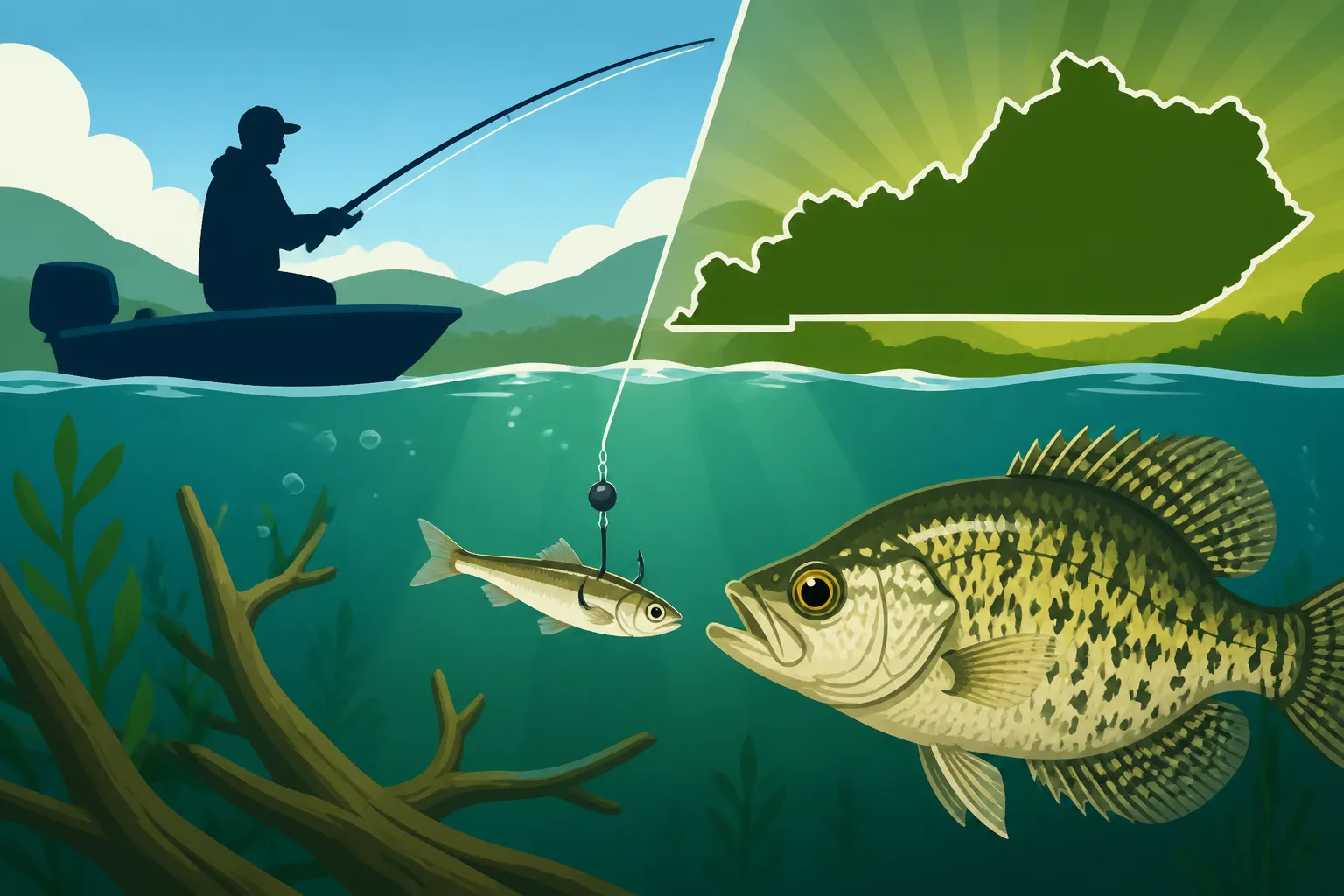
There’s nothing quite as frustrating as heading out to your favorite Kentucky lake, full of anticipation for a cooler full of crappie, only to find them completely unwilling to bite. You’ve thrown every jig, tried every color, and still, nothing. It’s enough to make you pull your hair out! But when the crappie get finicky, there’s one bait that almost always delivers: the humble minnow. This guide is going to walk you through everything you need to know about using minnows for crappie, from choosing the right ones to perfecting your presentation, ensuring you turn those frustrating days into memorable catches.
Why Minnows are Crappie Magnets
Minnows aren't just another bait; they're a crappie's natural prey. There's an instinctual draw to these little fish that artificial lures just can't always replicate. When crappie are less aggressive or pressured, a live minnow can be the absolute game-changer. It's about tapping into their primal feeding urges.
The Natural Appeal of Live Minnows
Imagine you're a crappie, hanging out in a brush pile, waiting for an easy meal. Suddenly, a wounded, darting minnow swims by. It’s not just the look; it's the subtle vibrations it sends through the water, the flash of its scales, and that undeniable scent of a real, struggling baitfish. Crappie are visual predators, but their lateral lines also pick up on those tiny movements, even in murky water or low light conditions. A live minnow offers a complete package that often outshines even the most realistic soft plastic. This is especially true when fish are in a neutral or negative mood, where they might shy away from something aggressively retrieved but can't resist a slow, natural presentation.
Scent, Movement, and Vulnerability
Artificial lures are amazing, don't get me wrong, but they often lack the authentic scent profile that a live minnow naturally emits. That smell travels through the water, drawing crappie in from a distance, especially in winter when their metabolism slows down, and they rely more on scent. Furthermore, a minnow’s natural, erratic swimming motions are almost impossible to replicate perfectly with a jig. That subtle twitch, the pause, the little bursts of speed – it all screams "vulnerable meal" to a hungry crappie. When crappie are hunkered down deep or hiding in thick cover, that combination of scent and natural movement makes all the difference in convincing them to strike. You're not just offering food; you're offering easy food.
Choosing and Caring for Your Minnows
The effectiveness of fishing with minnows heavily relies on the quality and liveliness of your bait. A healthy, active minnow is far more enticing to a crappie than a sluggish, dying one. Knowing what to look for and how to keep them kicking is crucial for a successful day on the water.
Types and Sizes of Minnows for Crappie
When you head to your local bait shop, you’ll typically find a few common types of minnows, often simply referred to as "crappie minnows" or "golden shiners." These are excellent choices. Fathead minnows are hardy and readily available, while rosies (a common colorful variant of fatheads) also work well. Golden shiners are larger and very active, often preferred for bigger crappie or when you want a more noticeable presentation.
For crappie, smaller minnows, usually in the 1 to 2-inch range, are generally best. Crappie have relatively small mouths, and they prefer a meal they can easily gulp down. If you're targeting truly slab crappie, you might go up to a 2.5-inch minnow, but rarely larger. Using a minnow that's too big will often result in missed bites, as the crappie will nip at it without fully committing to the hook.
Keeping Your Minnows Alive and Lively
Keeping minnows alive is an art form. First, you need a good minnow bucket. The traditional styrofoam bucket works in a pinch, but a quality insulated bucket with a battery-powered aerator is a game-changer. Brands like Frabill and Engel offer excellent options that will keep your minnows frisky for hours, even on a hot day. You can often find these reliable aerators and buckets on Amazon, ready for your next trip.
Here are some tips:
- Water Quality is Key: Use fresh, clean water. If you fill your bucket from a faucet, let the water sit for a few hours or use a dechlorinator to remove chlorine, which is lethal to minnows. Avoid overcrowding; too many minnows in too little water deplete oxygen quickly.
- Temperature Control: Minnows are sensitive to extreme temperature changes. Try to keep their water cool. On hot days, adding a frozen water bottle (not ice directly, as tap water ice can have chlorine) to the minnow bucket can help maintain a stable temperature.
- Aeration: An aerator is your best friend. It continuously pumps oxygen into the water, vital for keeping your minnows energetic.
- Change Water: If you're on a long trip, periodically changing a portion of the water with fresh, cool lake water (away from boat traffic) can refresh your bait.
Essential Gear for Minnow Fishing
While you can technically catch crappie with a minnow on just about any rod, having the right gear specifically tailored for this technique will drastically improve your success rate and make the whole experience much more enjoyable.
Rods, Reels, and Line
For minnow fishing, especially with lighter crappie, a sensitive setup is key.
- Rods: Look for a light to ultralight action spinning rod, typically 6 to 8 feet in length. The extra length helps with casting lighter rigs and absorbing the shock of a fighting fish on light line. A fast or moderate-fast tip is ideal, allowing you to feel even the most subtle taps. Brands like Ugly Stik offer durable, sensitive options that are perfect for crappie fishing.
- Reels: Pair your rod with a small, lightweight spinning reel (500 to 1000 series). Smooth drag is critical, as crappie have delicate mouths that can easily tear with too much pressure.
- Line: Stick to light monofilament or fluorocarbon line, usually 4 to 6-pound test. Monofilament has a bit of stretch, which can be forgiving with crappie, while fluorocarbon offers more sensitivity and is less visible underwater. Braided line can be used, but its lack of stretch can sometimes pull hooks free from soft crappie mouths, so you'd want to add a fluorocarbon leader.
Hooks, Bobbers, and Weights
These small components make a huge difference in your presentation.
- Hooks: Size 4 or 6 light-wire Aberdeen hooks are the gold standard for crappie minnows. Their thin wire allows for easy penetration and is less damaging to the minnow, keeping it alive longer. The long shank also makes it easier to remove the hook from a crappie's mouth.
- Bobbers: Depending on your technique, you might use a slip bobber or a fixed bobber. A fixed bobber is great for shallow water (under 6 feet) as it keeps your minnow at a consistent depth. For deeper water or when you need to cast further, a slip bobber is indispensable. It allows you to reel your rig up to the bobber for casting, then lets the line slide through to the desired depth once in the water. These are especially useful when you're targeting crappie suspended deep in the water column, perhaps during the hotter summer months or in winter. You can learn more about the versatile Slip Bobber Technique for Crappie Fishing.
- Weights: Split shot sinkers are perfect for adding just enough weight to get your minnow down without impeding its natural movement. Use the smallest weight possible to achieve the desired depth and maintain sensitivity. Typically, one or two small split shots, placed about 6-12 inches above the hook, will suffice.
Rigging Techniques for Success
The way you rig your minnow can profoundly impact its effectiveness. There are several tried-and-true methods, each with its own advantages depending on the fishing conditions and crappie behavior. Mastering these will give you a significant edge.
The Classic Slip Bobber Rig
This is arguably the most popular and versatile way to present a minnow for crappie. It's fantastic for targeting specific depths, whether crappie are suspended over brush piles or holding along ledges.
Step-by-Step:
- Bobber Stop: Start by sliding a small bobber stop onto your main line. This little piece of string or rubber determines the depth your minnow will suspend at.
- Bead: Next, slide a small bead onto the line. This prevents the bobber stop from pulling through the bobber.
- Slip Bobber: Thread your main line through the eye of a slip bobber. The line will "slip" through this bobber, allowing you to cast and then let the bait sink to the depth set by your bobber stop.
- Weight: Attach one or two small split shot sinkers about 6 to 12 inches above where your hook will be. This helps sink the minnow and keeps it in the strike zone.
- Hook: Tie on your size 4 or 6 Aberdeen hook. A palomar knot or improved clinch knot works well here.
- Hooking the Minnow: Gently hook the minnow through its upper lip, just behind the nostrils. This allows it to swim naturally and stay alive longer. Some anglers prefer to hook it just under the dorsal fin, which makes the minnow swim more erratically, simulating a wounded baitfish, but can reduce its lifespan.
Why it Works: The slip bobber allows you to fish at any depth, making it ideal for targeting crappie that might be holding deep in structure, like those found in Lake Cumberland, or when they are suspended in the middle of the water column. The bobber signals bites clearly, even when crappie are just lightly mouthing the bait. This setup is particularly effective when crappie are in deeper water or when you're trying to present a live bait without spooking them with a heavy weight.
Tightlining and Spider Rigging
When crappie are concentrated in schools, or you’re covering larger areas from a boat, tightlining or spider rigging with minnows can be incredibly effective. These methods involve multiple rods, increasing your chances of finding and catching fish.
Tightlining for Precise Presentations
Tightlining typically involves fishing a minnow straight down from the boat with minimal or no bobber, often using an electronic fish finder to pinpoint crappie.
Setup:
- Weight: A small drop shot weight or a bell sinker is tied to the very end of your line.
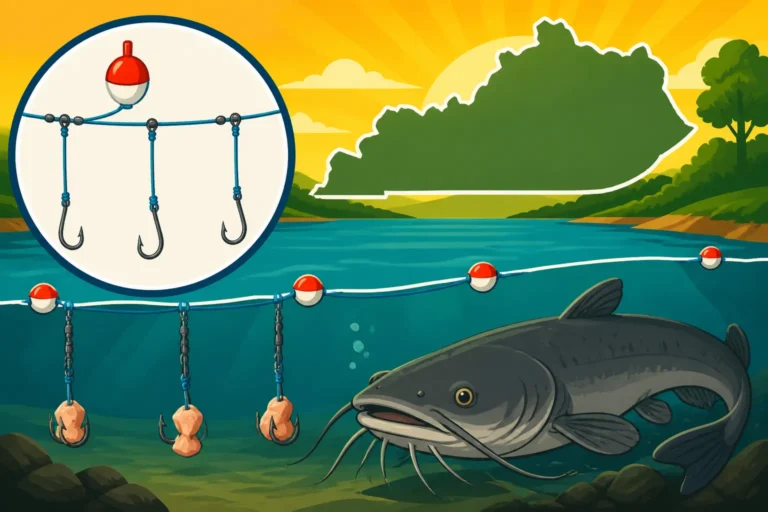
- Leader and Hook: A short leader (6-12 inches) with an Aberdeen hook is tied to the main line a foot or two above the weight using a dropper loop or a three-way swivel. You can even use multiple hooks if local regulations allow, spaced a foot or so apart, to present several minnows at different depths.
- Hooking the Minnow: Hook minnows through the lips.
How it's Used: Once you've located a school of crappie on your fish finder, you slowly lower your tightline rig directly into the school. The weight keeps your minnow at the exact depth where the fish are holding. This method requires a very sensitive rod and keen attention, as bites can be subtle. It's a fantastic technique for those suspended schools in open water or along deep channel swings.
Spider Rigging: The Crappie Hunter's Arsenal
Spider rigging takes tightlining to the next level, often using 4 to 8 (or more) rods extended out from the boat, covering a wide swath of water. This is a common sight on big crappie lakes like Kentucky Lake and Lake Barkley.
Setup:
- Each rod is set up similarly to a tightline rig, usually with a heavier sinker (1/2 to 1 ounce) to keep the lines vertical as the boat slowly moves.
- Special rod holder systems are mounted around the boat, creating an array of lines resembling a spider's legs.
How it's Used: The boat moves at a very slow troll (0.5 to 1.5 mph), typically with an electric trolling motor. This allows the angler to cover vast amounts of water, presenting minnows at various depths and locations simultaneously. When one rod gets a bite, it often indicates a school of crappie, allowing the angler to focus efforts in that area. This is a power fishing technique for crappie, especially effective for locating active fish over flats, creek channels, or submerged timber. If you're looking to dive deep into this technique, consider researching How to Spider Rig for Crappie.
| Rigging Method | Best For | Minnow Hooking Style | Typical Depth Range | Key Advantage |
|---|---|---|---|---|
| Slip Bobber | Suspended crappie, variable depths, casting | Lip or dorsal fin | 5-25+ feet | Highly versatile, precise depth control |
| Fixed Bobber | Shallow water, bank fishing | Lip | 1-6 feet | Simple, easy to monitor, effective for beginners |
| Tightlining | Pinpointing schools, vertical presentation | Lip | 10-40+ feet | Precise depth, subtle bite detection |
| Spider Rigging | Covering large areas, locating schools, slow troll | Lip (often multiple per line) | 5-30 feet | Maximizes coverage, finds active fish quickly |
Where and When to Fish Minnows for Crappie
Understanding where crappie will be and when they're most receptive to minnows is just as important as your rigging. Crappie movements are highly dependent on water temperature, time of year, and available cover.
Seasonal Crappie Behavior and Minnow Strategies
Crappie behavior changes dramatically throughout the year, and your minnow presentation should adapt accordingly.
- Spring (Pre-Spawn & Spawn): This is prime time! As water temperatures rise into the 50s and 60s Fahrenheit, crappie move from deep wintering holes to shallower spawning areas. They'll be found near submerged brush, stumps, weed beds, and docks. During the pre-spawn, they are actively feeding to bulk up for spawning. A slip bobber rig or a fixed bobber rig with a minnow fished slowly around cover is deadly. During the spawn itself, crappie are aggressive, defending their nests, and will readily hit minnows. Remember to check specific Kentucky Crappie Daily Limit Rules before you head out, as regulations can vary. You can also explore our full Kentucky Crappie Fishing: Spring Spawn Run Guide for more detailed tips.
- Summer: Once the spawn is over and water temperatures really heat up, crappie typically retreat to deeper, cooler water. They'll often suspend over creek channels, along sharp drops, or near deep brush piles and standing timber. This is where tightlining and spider rigging really shine, allowing you to present minnows at precise depths where the fish are holding. Look for crappie around structures on large lakes like Kentucky Lake or Lake Barkley.
- Fall: As water temperatures cool down in the autumn, crappie become more active again, often mimicking their spring patterns. They'll move shallower, feeding aggressively on baitfish to prepare for winter. Fish minnows around shallow cover, creek channel bends, and transitions from deep to shallow water. This can be a fantastic time for both bobber fishing and slow-trolling minnows.
- Winter: Winter crappie fishing can be tough but rewarding. Crappie typically gather in large schools in deep water, often near channel swings, deep timber, or bluff walls. Their metabolism slows, so they want an easy meal. Vertical jigging or tightlining a minnow very slowly and subtly right in their faces is the ticket. A sensitive rod is crucial to detect those faint winter bites. On lakes like Lake Cumberland, you might even encounter some fantastic winter trout fishing, but crappie are still a viable target.
Targeting Crappie in Different Structures
Crappie are structure-oriented fish, meaning they love to hide in or around objects in the water. Minnows excel in these scenarios because their natural movement can draw crappie out of cover without requiring aggressive lure action.
- Brush Piles and Submerged Timber: These are crappie magnets year-round. Use a slip bobber to suspend your minnow just above or on the edges of the brush. Be prepared for snags, but the payoff can be huge. The minnow's natural movements can tempt crappie hiding deep within the branches.
- Docks and Piers: Especially in spring and fall, docks and piers offer shade, cover, and often hold baitfish. Pitch a fixed or slip bobber rig with a minnow underneath and around these structures.
- Bridge Pilings: Bridge pilings in rivers and large reservoirs create current breaks and offer vertical cover, attracting crappie. Tightlining minnows around these pilings, especially on the down-current side, can be very effective.
- Creek Channels and Ledges: These are primary travel routes and holding areas for crappie, particularly in summer and winter. Use your fish finder to locate schools along these features and present minnows with tightlining or spider rigging.
- Shallow Weeds and Lily Pads: In warmer months, crappie will patrol the edges of these vegetation lines. A fixed bobber rig, casting a minnow just outside the dense cover, can draw strikes.
Remember, the goal is often to present the minnow as naturally as possible, letting its inherent appeal do most of the work. Sometimes, a slight twitch or slow retrieve can add to its allure, but often, just letting it drift or suspend is all it takes.
Mastering the Minnow Hook Set and Landing
Catching crappie on minnows isn't just about getting the bait in the water; it's about translating that subtle bite into a landed fish. Crappie have paper-thin mouths, earning them the nickname "paper mouths," so a delicate touch is crucial.
Detecting the Crappie Bite
When fishing with minnows under a bobber, a crappie bite can range from a violent disappearance of the float to a tiny, almost imperceptible twitch.
- The Vanishing Act: This is the easiest to detect. The bobber simply goes down, often quickly, indicating the crappie has fully committed to the minnow.
- The Slow Sink: Sometimes, the bobber will slowly, almost hesitantly, begin to sink. This often means a crappie has picked up the minnow and is swimming away with it.
- The Sideways Drift or Wiggle: The bobber might just move sideways without fully submerging, or it might just twitch slightly. This indicates the crappie is mouthing the minnow or carrying it off gently. Any unnatural movement of your bobber warrants investigation.
When tightlining or spider rigging, where you don't use a bobber, you'll be relying on the feel of the rod tip. A crappie bite might feel like a light tap, a subtle weight, or simply a "thump." It won't always be a hard pull. Pay attention to any deviation from the normal vibration or feel of your line and weight.
The Gentle Hook Set and Fight
This is where the "paper mouth" comes into play. A strong, sweeping bass-style hook set will often tear the hook right out of a crappie's mouth.
- Bobber Fishing: When you see a definitive bite (bobber goes down), don't immediately yank. Wait a second or two, allowing the crappie to fully ingest the minnow. Then, gently lift the rod tip with a smooth, upward motion. It’s more of a "sweeping" motion than a hard "snap."
- Tightlining: For tightlining, feeling that subtle tap or weight, make a small, firm, upward sweep of the rod. Again, avoid a violent snap.
- Fighting the Fish: Once hooked, keep steady pressure on the fish. Avoid pumping the rod too aggressively. Let your rod's flex and the reel's smooth drag do the work. If you try to horse a crappie in, especially a larger one, you risk pulling the hook. Use a net when possible for larger slabs, particularly in a boat, to avoid losing them boatside.
Maximizing Your Minnow Fishing Success
Even with the right gear and techniques, a few extra tips can make your minnow fishing outings even more productive. Think of these as fine-tuning your approach.
Experiment with Depth and Presentation
Crappie are notorious for being at a specific depth. If you’re not getting bites, don't be afraid to experiment.
- Adjust Depth: If using a bobber, change your bobber stop by a foot or two at a time. If tightlining, lower or raise your bait until you start getting bites. Crappie often suspend at the same level throughout a school, so once you find the depth, stick with it.
- Vary Retrieve: While a natural drift is often best, sometimes a very slow retrieve or a subtle lift and drop can trigger a strike. Imagine a minnow darting weakly – that’s the motion you want to mimic.
- Location, Location, Location: Move around. If a spot isn't producing after 15-20 minutes, try another brush pile, a different section of a dock, or another ledge. Crappie can be nomadic, especially when searching for bait. Identifying the Best Crappie Fishing Lakes in Kentucky and understanding their specific structures will always give you an advantage.
Combine Minnows with Jigs
Don't limit yourself to just one type of bait! A very popular and effective strategy is to combine a minnow with a small jig.
- Jighead and Minnow: Instead of a bare hook, thread your minnow onto a small jighead (1/32 to 1/16 ounce). This adds a bit of weight, color, and profile to your presentation while still offering the live bait appeal. You can still use this under a bobber or tightline it. This combination is especially effective when crappie are aggressive or when you want to subtly impart some action to the bait. For those who love experimenting, you might find more success with this approach than simply using a bare minnow or only How to Rig a Jig for Crappie Fishing.
- Tandem Rigs: Another approach is a tandem rig: a jig on the bottom and a minnow on a dropper loop above it. This allows you to present two different baits and see what the crappie prefer on any given day. It also creates a larger profile that can attract more attention.
Use Your Electronics
Modern fish finders are invaluable tools for minnow fishing.
- Locate Structure: Use your sonar to find submerged brush piles, timber, creek channels, and depth changes where crappie are likely to hold.
- Find Fish: Many fish finders, especially those with down imaging or side imaging, can clearly show you schools of crappie, as well as the baitfish they are feeding on. This takes the guesswork out of where to drop your minnow. Brands like Humminbird and Garmin offer excellent units that you can research on platforms like Amazon.
- Monitor Depth: Once you find fish, you can precisely drop your minnow rig to their exact depth, whether it’s with a bobber or tightlining. This is a huge advantage over blind casting.
Final Thoughts on Minnow Mastery
Fishing with minnows for crappie is a timeless technique, and for good reason. It’s effective, often outperforming artificial lures when the bite is tough, and it connects you to a more traditional, fundamental way of angling. The satisfaction of feeling that subtle crappie bite and bringing in a slab crappie on live bait is truly unmatched. Whether you’re a seasoned angler or just starting out, taking the time to master these minnow fishing techniques will undoubtedly lead to more successful and enjoyable crappie trips on Kentucky's beautiful waters.
Disclaimer
Fishing regulations, including license requirements, bag limits, and size restrictions, can change. Always consult the latest Kentucky Department of Fish and Wildlife Resources (KDFWR) regulations before your fishing trip. This guide is for informational purposes only and does not constitute legal advice.