How to Fly Fish for Stocked Trout
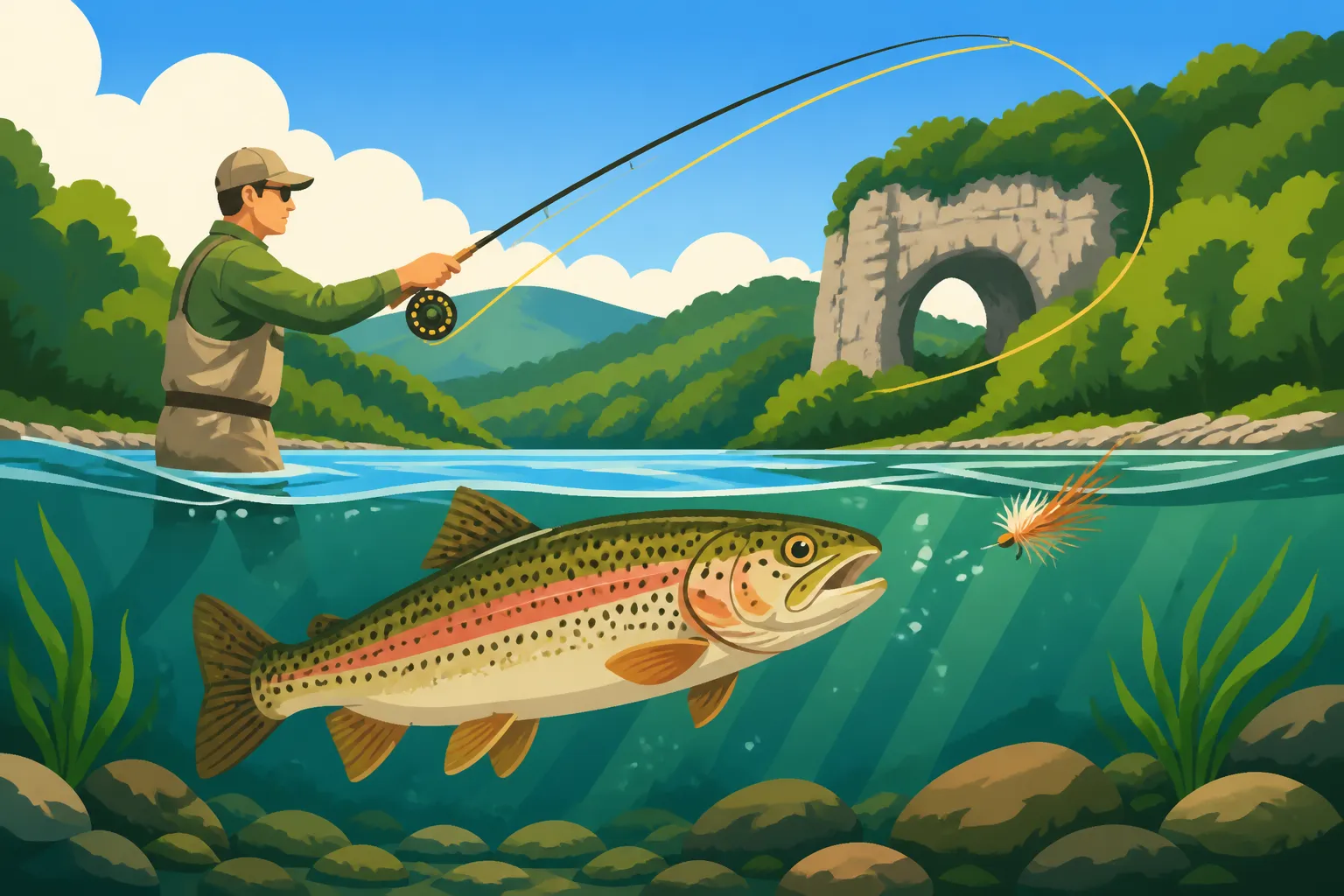
There’s a unique joy that comes from the rhythmic cast of a fly rod, the line singing through the air, and the anticipation of a trout rising to your offering. But let's be real, when you're specifically chasing stocked trout here in Kentucky, it can sometimes feel like you’re playing a different game entirely than pursuing their wild cousins. These fish have lived a pampered life in hatcheries, and their feeding habits and instincts might not always align with what you've read in classic fly-fishing books. This guide is all about helping you bridge that gap, giving you the practical know-how to successfully fly fish for those often-eager, sometimes finicky, stocked trout across our beautiful Bluegrass State.
Understanding Stocked Trout Behavior in Kentucky
It’s easy to assume a trout is a trout, but when you’re talking about stocked fish versus wild ones, there’s a world of difference in their upbringing, and consequently, their behavior. Knowing these nuances is your first step to consistent success on Kentucky's trout waters.
Why Stocked Trout Are Different
Think about it: most stocked trout in Kentucky have spent their entire lives in concrete raceways, fed a consistent diet of protein pellets. They haven't had to hunt for natural insects, dodge predators, or navigate complex river currents from birth. This hatchery upbringing leaves them with a few key characteristics that influence how we, as fly fishers, should approach them.
First, they're often less wary. Unlike a wild trout that's been avoiding eagles, otters, and persistent anglers for years, a newly stocked trout might be a bit disoriented and less skittish. This can be a double-edged sword; sometimes they'll aggressively hit almost anything that moves, other times they'll be in a state of shock, barely moving for days after release. Second, their diet is different. They're programmed to recognize and consume small, uniform pellets. While they will eventually adapt to natural forage, initially, they'll often respond well to flies that imitate these pellets, or simply look like an easy meal that requires little effort. Finally, they tend to school up. In a hatchery, they live in close quarters, and they often maintain this schooling behavior when first released, making it possible to find pockets of many fish in one area.
Common Stocking Locations and Their Impact on Behavior
Kentucky’s trout stocking program is diverse, placing fish in various water bodies, from serene lakes to rushing tailwaters and smaller streams. Where these trout are released significantly impacts how they behave and where you'll find them.
- Lakes and Ponds: Waters like those found in some state parks or smaller community lakes, are often stocked with trout for easy public access. In these still or slow-moving waters, stocked trout will typically cruise open water or hold around submerged structures like fallen trees, dock pilings, or weed lines. Their diet here might be more opportunistic, taking anything from small minnows to aquatic insects. You might find them suspended at certain depths where the water temperature is ideal. A good example is finding where What Trout Are Stocked at Lake Cumberland Each Season are holding.
- Tailwaters and Larger Rivers: The Cumberland River below Wolf Creek Dam, a prime example, is a tailwater fishery. Here, the current plays a massive role. Stocked trout in tailwaters quickly learn to face upstream, conserving energy while waiting for food to drift by. They’ll concentrate in current seams, behind obstacles, and in deeper holes. The constant flow brings a steady supply of aquatic insects, so matching the hatch or imitating common nymphs is often key.
- Small Streams: Many smaller streams, particularly in Eastern Kentucky, receive periodic trout stockings. In these more intimate settings, trout will often tuck into undercut banks, behind large rocks, or in the deepest pools. They might be more territorial than their lake-dwelling counterparts, but still relatively easy to fool, especially if you present a fly that looks like a convenient morsel. Understanding Kentucky Fishing Regulations Explained for specific stream sections is always crucial.
Essential Gear for Kentucky Stocked Trout Fly Fishing
Getting equipped for fly fishing doesn't have to be intimidating, especially for stocked trout. You don't always need the most expensive gear, but having the right tools for the job will make your experience much more enjoyable and successful.
Rods, Reels, and Lines
Choosing the right foundation for your fly fishing setup is paramount. For Kentucky's stocked trout, versatility is often key, as you might encounter anything from small streams to larger rivers and lakes.
- Rods: A good all-around fly rod for stocked trout in Kentucky would typically be in the 4-weight to 6-weight range, anywhere from 8 to 9 feet long.
- A 4-weight rod is perfect for smaller streams where delicate presentations are needed, and the fish aren't usually giants. It's a joy to cast and makes even smaller trout feel like a trophy.
- A 5-weight is often considered the most versatile "do-it-all" rod. It's light enough for small flies and delicate casts but has enough backbone to handle larger trout, deal with a bit of wind, and cast heavier nymph rigs or small streamers. If you're only buying one rod, a 5-weight is an excellent choice. You can find quality options on platforms like Amazon if a local fly shop isn't readily available, offering a good starting point for beginners.
- A 6-weight offers a bit more power, which can be beneficial on larger rivers or lakes, especially if you plan on casting larger flies, dealing with strong winds, or even trying your hand at throwing some smaller bass bugs. It's a solid choice if you anticipate encountering larger fish or needing more casting distance.
- Reels: Your fly reel primarily holds your line and provides drag when a fish runs. For stocked trout, a simple, single-action reel with a smooth, reliable drag system is usually sufficient. It doesn't need to be fancy; matching the reel's weight to your rod for balance is more important than its price tag. Many beginner combos include a perfectly adequate reel.
- Lines: A weight-forward (WF) floating line is the standard choice for most trout fishing scenarios. The weight-forward taper helps with casting distance and turning over your leader, while a floating line allows you to present dry flies on the surface and suspend nymphs with an indicator. For tailwater fishing where you might want to get flies deeper quickly, a sink-tip line or even a full sinking line can be invaluable, especially when targeting fish in faster currents or deeper pools.
Leaders, Tippet, and Indicators
These are the crucial, often overlooked, components that connect your fly line to your fly and help with presentation.
- Leaders: A tapered leader is essential. It's a piece of monofilament or fluorocarbon that gradually tapers from a thick butt section (which connects to your fly line) down to a thinner tip (where your tippet is tied). This taper helps to transfer energy from your fly line, allowing your fly to land softly and naturally. For most stocked trout situations, a 7.5-foot or 9-foot tapered leader in 3X to 5X is a good starting point. On particularly clear, calm days or for very wary fish, you might go even lighter.
- Tippet: Tippet is the final, thinnest section of line that you tie to the end of your leader, and then your fly to the tippet. The great thing about tippet is that it allows you to change flies frequently without shortening your tapered leader. It also helps to achieve a more delicate presentation and is less visible to the fish. Carry spools of tippet in various sizes (e.g., 4X, 5X, 6X) so you can match the conditions and fly size. Fluorocarbon tippet is often preferred, especially for nymphing, because it sinks faster and is nearly invisible underwater.
- Indicators: Also known as strike indicators or bobbers in conventional fishing, these small floats attach to your leader and help you detect subtle takes when nymphing. They also allow you to control the depth of your nymphs. There are many types, from simple yarn indicators to small plastic buoyant balls. Choose one that's easy to see, doesn't put too much hinge in your leader, and can be easily adjusted for depth. A lot of seasoned anglers often carry an assortment to match varying conditions.
Waders, Boots, and Safety Gear
Staying comfortable and safe on the water is just as important as the fishing itself. Kentucky's diverse waters mean you'll likely be wading in various conditions.
- Waders and Boots: Chest waders are highly recommended, especially for colder months or when you need to navigate deeper sections of rivers or lakes. Neoprene waders are warmer but less breathable, while breathable waders are great for warmer weather. Wading boots, worn over your waders, provide crucial traction on slippery rocks and riverbeds. Felt soles offer excellent grip on algae-covered rocks, but rubber soles are more versatile, especially if you also hike to your spots, and are often preferred as they prevent the spread of aquatic invasives.
- Safety Gear: Never underestimate the power of moving water, even in seemingly calm streams. A wading belt, worn snugly around your waders, is a must-have safety item; it prevents your waders from filling with water if you take a spill, giving you precious seconds to recover. A wading staff can provide extra balance and help you probe unknown depths. And of course, always inform someone of your fishing plans and expected return time. Additionally, consider having a small first-aid kit readily accessible, especially if venturing into more remote areas.
Top Flies and Presentation Techniques for Stocked Trout
Now for the fun part: what to tie on and how to make it irresistible to those Kentucky stocked trout! Remember, they're often conditioned to easy meals, so presentation is key.
Go-To Fly Patterns
While a huge fly box isn't always necessary, having a selection of reliable patterns that imitate common food sources or hatchery pellets will serve you well. Many of these can be found at local fly shops, or conveniently through retailers like Amazon, especially for starting out.
- Nymphs: These are incredibly effective, as most trout feed sub-surface.
- Pheasant Tail Nymphs: A classic for a reason, imitating a wide range of mayfly nymphs. Sizes #12-18 are good to carry.
- Hare's Ear Nymphs: Another versatile pattern, mimicking various aquatic insects. Sizes #12-18.
- Prince Nymphs: A flashier pattern that often triggers aggressive strikes, especially in off-color water. Sizes #10-16.
- Squirmy Wormy/Worms: These soft, wiggly patterns, often in red, pink, or chartreuse, can be deadly for recently stocked trout who seem to mistake them for hatchery food or just an easy protein snack. Sizes #10-16.
- Egg Patterns: Trout, especially freshly stocked ones, are often conditioned to eat anything round and colorful. Orange, pink, or chartreuse egg patterns can be highly effective. Sizes #12-18.
- Wet Flies: These are fished just below the surface and often imitate emerging insects or drowned terrestrials. They can be very effective in slower currents or when trout are looking up but not quite breaking the surface.
- Soft Hackles (e.g., Partrigde and Orange): Simple, classic patterns that are incredibly versatile. Sizes #12-16.
- Dry Flies: While stocked trout might not always key in on specific hatches, having a few general attractor patterns can work, especially during warmer months or an unexpected hatch.
- Elk Hair Caddis: A buoyant, buggy pattern that imitates caddisflies. Sizes #12-18.
- Parachute Adams: A great all-around mayfly imitation that rides well in the water. Sizes #14-20.
- Griffith's Gnat: A tiny, bushy fly that can imitate midges or clusters of small insects. Sizes #18-22.
- Streamers: These flies imitate baitfish, leeches, or larger aquatic insects. They can provoke aggressive predatory strikes from larger stocked trout.
- Woolly Bugger: Arguably the most versatile fly ever invented. Black, olive, or brown in sizes #6-12 should be in every fly box.
- Conehead/Beadhead Streamers: Adding a bit of weight helps these flies sink quickly and gives them an enticing jigging action. Think about smaller patterns in white, olive, or black.
Nymphing and Indicator Fishing
Nymphing is by far the most productive way to catch stocked trout, especially in rivers and streams, simply because trout spend the vast majority of their time feeding subsurface.
- Setting Up Your Rig: The most common setup is a tapered leader, with a piece of tippet attached. Then, you'll attach your strike indicator about 1.5 to 2 times the depth of the water you're fishing above your first nymph. You can fish a single nymph, or use a "dropper" rig, where you tie a second, lighter piece of tippet (usually 10-18 inches) from the bend of your first fly to a second nymph. This allows you to present two different flies at slightly different depths or imitate two different insect species.
- The Drift: The goal is a "dead drift" – meaning your flies are drifting at the same speed as the current, without drag. Cast upstream, allowing your flies and indicator to land softly. As the indicator drifts downstream, mend your line (pick up slack and reposition your fly line upstream without moving your indicator or flies) to eliminate drag. Watch your indicator like a hawk; any hesitation, twitch, or sudden movement could signal a take. Set the hook with a quick, upward sweep of your rod. For those looking to refine their nymphing game, checking out some specialized How to Fly Fish for Stocked Trout techniques can make a big difference.
Stripping Streamers and Wet Flies
Sometimes, a more active presentation is what stocked trout are looking for, especially if they're feeling a bit more aggressive or hungry.
- Streamer Tactics: Cast your streamer across or slightly downstream, let it sink to the desired depth, and then retrieve it with a series of short, erratic strips, mimicking a fleeing baitfish. Vary your retrieve speed and pauses until you find what triggers a strike. This can be particularly effective in deeper pools, along undercut banks, or near structure where trout might be hiding.
- Wet Fly Swings: Cast your wet fly across the current and let it swing downstream in an arc. As the fly swings, it will rise slightly in the water column, imitating an emerging insect. This "swing" can be deadly, especially towards the end of the drift. You can also add subtle twitches or pauses during the swing to make the fly more enticing.
Dry Fly Tactics
While not always the primary method for stocked trout, don't rule out dry flies completely. On warmer days, or during a sparse hatch, a dry fly can offer some of the most exciting visual strikes in fly fishing.
- Reading the Water for Rises: Look for trout actively rising to the surface, creating rings or dimples in the water. This indicates they are feeding on insects on or just below the surface.
- Matching the Hatch (or General Attractor): If you see specific insects on the water, try to match their size, shape, and color with your dry fly. If no specific hatch is obvious, a general attractor pattern like an Elk Hair Caddis or Parachute Adams can often fool opportunistic feeders.
- Delicate Presentation: Cast your dry fly upstream and slightly across, aiming for a soft landing with minimal splash. Allow it to dead drift over the rising fish. Avoid drag at all costs, as a dry fly dragging unnaturally will almost always be refused. If the fish don't take on the first drift, try adjusting your cast or mend to get a perfect, drag-free presentation.
| Fly Category | Common Patterns | Primary Use | Ideal Conditions (Stocked Trout) |
|---|---|---|---|
| Nymphs | Pheasant Tail, Hare's Ear, Prince | Imitate aquatic insect larvae, often fished subsurface with an indicator. | Year-round, especially effective in colder water or when no surface activity. |
| Worms/Eggs | Squirmy Wormy, Glo Bug Egg | Imitate hatchery food, worms, or fish eggs; highly effective for recently stocked fish. | Often deadly immediately after stocking or in high-pressure areas. |
| Streamers | Woolly Bugger, Sculpin Imitations | Imitate baitfish or leeches; stripped aggressively. | Larger trout, off-color water, or when fish are aggressive. |
| Wet Flies | Soft Hackles, March Brown Spider | Imitate emerging insects or drowned insects; fished just below the surface. | When fish are looking slightly up but not breaking the surface. |
| Dry Flies | Elk Hair Caddis, Parachute Adams | Imitate adult insects on the surface. | During active hatches, warmer months, or opportunistic feeding. |
Finding and Approaching Stocked Trout Waters in Kentucky
Knowing your gear and flies is one thing, but knowing where to find these fish and how to approach them without spooking them is equally vital for a successful day on the water.
Identifying Prime Holding Lies
Stocked trout, while less wary, still seek out comfortable and advantageous positions in the water, especially as they acclimate. Understanding where they hold will save you a lot of aimless casting.
- Current Seams: In rivers and tailwaters, current seams where faster water meets slower water are prime feeding lanes. Trout will sit in the slower water, expending less energy, while waiting for food to drift by in the faster current. Look for these seams around large rocks, fallen logs, or distinct changes in riverbed depth.
- Eddies and Backwaters: Areas of slack water behind obstacles or in calmer backwaters can be holding zones. These spots offer refuge from strong currents and can collect food. They are often good places to try slower retrieves with streamers or wet flies.
- Deeper Pools: Trout, especially larger ones, feel secure in deeper water, and it often provides cooler temperatures in warmer months. Look for the tailouts of pools (where the water begins to speed up again) and the heads of pools (where faster water enters).
- Submerged Structure: Any kind of cover, be it submerged logs, rock piles, or even dense aquatic vegetation, offers trout protection from predators and a place to ambush food. Present your flies close to these structures, but be prepared for snags!
- Tailwater Specifics: On major tailwaters like the Cumberland River, the discharge from the dam creates unique hydraulics. Trout will stack up in specific depth contours, especially where current slows, or around features like bedrock shelves and riffle edges. Keeping an eye on the generation schedule is also key, as changes in water flow will shift where fish are holding. For an idea of where to fish, consider exploring our guide on Kentucky's Lake Cumberland Trout Season Explained.
Stealth and Presentation
Even stocked trout can be put down by a clumsy approach or poor presentation. You might not need to crawl on your belly, but a thoughtful approach will definitely increase your hook-ups.
- Approach from Downstream: Whenever possible, approach your fishing spot from downstream, casting upstream. Trout naturally face into the current, so approaching from behind minimizes your visibility. It also ensures that any disturbance you create (like stirring up silt) drifts away from the fish, not towards them.
- Quiet Movement: Avoid stomping along the bank or splashing loudly in the water. Heavy vibrations can travel through the water and alert fish to your presence.
- Casting Angles: Try to cast across or slightly upstream, allowing your fly to drift naturally into the strike zone. Avoid casting directly over fish, as your line landing on their heads can spook them.
- False Casting: Limit your false casts over the water. While they help load the rod, they also create a lot of movement and shadows that can alert fish. Try to make your presentation cast count.
Understanding the Kentucky Trout Stocking Schedule
Kentucky's Department of Fish and Wildlife Resources (KDFWR) manages an active trout stocking program. Knowing when and where fish are stocked can be a huge advantage.
- KDFWR Website: The KDFWR website is your best friend here. They typically publish a detailed Kentucky Trout Stocking Schedule Explained, often broken down by month and specific water body. Checking this schedule before you plan a trip is essential. It will tell you not only when fish are released but often where within a given body of water.
- Freshly Stocked vs. Acclimated Fish: Immediately after stocking, fish might be disoriented but very catchable, often hitting almost anything. As days and weeks pass, they become more acclimated, spread out, and might become pickier, responding better to more natural presentations and patterns. This is when your nymphing skills and presentation finesse really come into play.
- Permit Requirements: Don't forget, in addition to your Kentucky Fishing License Guide, you'll need a trout permit to legally fish for and harvest trout in Kentucky's waters. Make sure to check the specific rules regarding the How to Add a Trout Permit to Your Kentucky Fishing License before you head out.
Good luck on the water, fellow angler! May your line be tight and your net be full.
Disclaimer
This article is for general informational purposes only and does not constitute professional advice. Laws, prices and regulations vary by location and change over time. Consult a qualified professional for guidance on your specific situation.