How to Catch Bluegill With a Cane Pole
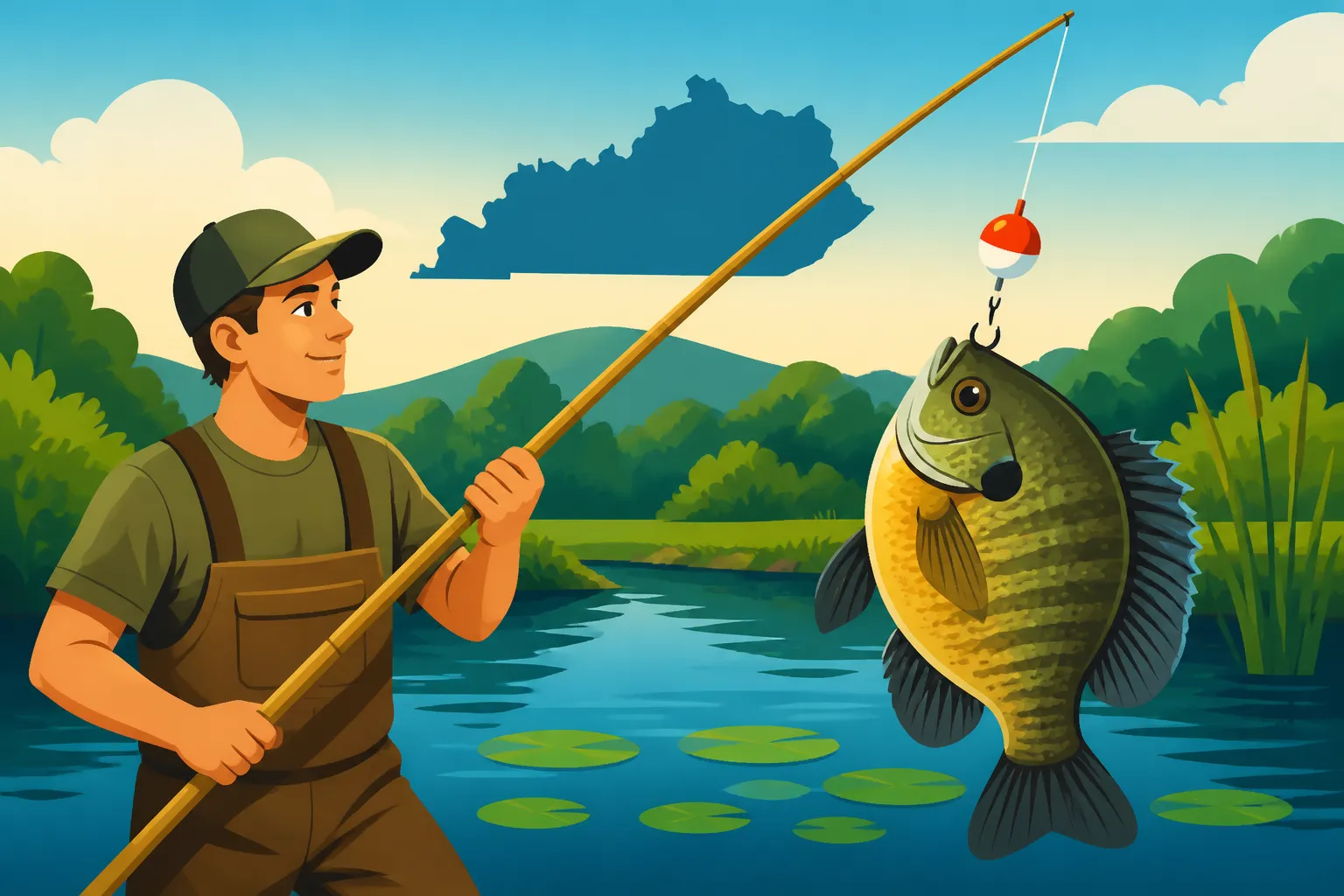
Many anglers, especially those just starting out or looking for a return to simple pleasures, often feel overwhelmed by the sheer amount of specialized gear out there. There's a common misconception that you need a boatload of expensive equipment, high-tech electronics, and complex lures to enjoy a successful day on the water. But when it comes to catching one of Kentucky's most prolific and enjoyable fish – the bluegill – you don't need all that fancy equipment. This guide will walk you through the time-honored, incredibly effective, and wonderfully simple method of catching bluegill with nothing more than a cane pole, bringing joy back to your fishing experience and proving that sometimes, less truly is more.
The Enduring Appeal of Cane Pole Fishing for Bluegill
There's something profoundly satisfying about cane pole fishing. It's a method that connects us to generations of anglers who found peace and provision by the water's edge, long before carbon fiber rods and GPS units became commonplace. For bluegill, a fish known for its eagerness to bite and its presence in easily accessible waters, the cane pole is not just a nostalgic choice; it's a highly effective tool.
The Charm of Simplicity: Back to Basics
In a world increasingly driven by complexity and technology, cane pole fishing offers a refreshing return to simplicity. You don't need to worry about casting distances, reel drag settings, or complex retrieves. The beauty of a cane pole lies in its straightforward nature: a long, flexible pole, a line, a bobber, a weight, and a hook. That's it. This minimalist approach allows you to focus on the pure act of fishing – feeling the subtle tugs, observing the bobber dance, and enjoying the natural surroundings. For many, it's not just about catching fish; it's about the peaceful connection to nature, the gentle sway of the pole, and the quiet anticipation that makes the experience so rewarding. It strips away all the potential distractions and puts you right there, in the moment, with the fish.
Effectiveness for Panfish: Why it Just Works
Bluegill, often affectionately called "bream" or "sunfish" in Kentucky, are not shy predators. They are opportunistic feeders that congregate in tight schools, especially around structure and cover in shallow water. Their aggressive nature and tendency to peck at baits make them a perfect target for a cane pole. The directness of the cane pole allows for precise bait placement into small pockets of water or right next to submerged logs where bluegill are hiding. There's no slack line to worry about, and the immediate feedback you get from a fish biting is unmistakable. The simplicity means fewer moving parts to break or malfunction, making it incredibly reliable. Whether you're dropping a live worm into a lily pad field or gently dapping a small jig near a dock, the cane pole gives you unparalleled control for this type of close-quarters fishing.
Perfect for Beginners and Kids: An Easy Start
If you're looking to introduce someone to the joys of fishing, especially a child, the cane pole is hands down the best starting point. The learning curve is almost non-existent. There's no complicated casting to master, no buttons to push at the right moment. Just hold the pole, drop the bait, and wait. This immediate accessibility prevents frustration and quickly leads to success, building confidence and a lifelong love for the sport. Imagine the delight on a child's face when they feel that first tug and reel in their own bluegill – it's a memory that sticks forever. For an adult new to fishing, it removes the intimidation factor that often comes with modern gear. It’s an easy, low-cost way to get on the water and start catching fish, proving that a successful fishing trip doesn't require a significant financial investment. If you're looking for more guidance for young anglers, check out our guide on Kid-Friendly Fish to Catch in Kentucky.
Setting Up Your Perfect Bluegill Cane Pole Rig
Getting your cane pole ready for bluegill action is incredibly simple, but there are a few tips that can make a big difference in your success. Think of it like a carefully orchestrated dance between simplicity and effectiveness. You want a setup that's robust enough to handle feisty bluegill but subtle enough not to spook them.
Choosing Your Cane Pole: Length and Material
While traditionally made from bamboo, modern cane poles (often called "crappie poles" or "telescopic poles") are typically made from fiberglass or graphite composites. These materials offer more durability, flexibility, and a lighter weight, making them easier to handle for extended periods. When choosing a length, something in the 10- to 16-foot range is generally ideal for bluegill.
- Shorter Poles (10-12 feet): Great for bank fishing in tight spots, around overhanging brush, or from smaller boats like johnboats or kayaks. They offer more control and are easier for kids to manage.
- Longer Poles (14-16 feet): Excellent for reaching out to deeper pockets from the bank, extending over lily pads, or fishing from a pier. They allow you to cover more water without moving your position too much.
You can often find good quality, affordable options on platforms like Amazon, making it easy to get started without breaking the bank. Consider the specific type of water you'll be fishing most often. If it's small farm ponds with lots of bank access, a shorter pole might be perfect. If you're on a larger lake fishing around docks, a longer pole could be beneficial.
Rigging Your Line: Knots and Length
Once you have your pole, the rigging is next. This is where the magic truly happens. You’ll want to use a light fishing line, typically 4 to 6-pound test monofilament. Monofilament is a good choice because it's affordable, has some stretch (which helps cushion against sudden tugs), and is relatively easy to tie knots with.
The most common way to attach your line is to simply tie a loop at one end and slip-knot it onto the tip of your cane pole. Make sure the knot is secure but can still be removed if you need to replace your line. As for line length, a good rule of thumb is to have your fishing line about the same length as your pole, or maybe a foot or two longer. This allows you to easily swing your bait out and drop it gently into your desired spot without needing to cast vigorously. If your line is too short, you won't be able to reach your target. If it's too long, it becomes unwieldy and harder to control, especially when trying to land a fish. For more on tying secure knots, check out our guide on How to Tie a Fishing Knot for Beginners.
Hook, Bobber, and Weight: The Perfect Trio
These three components are the heart of your cane pole rig. Each plays a crucial role in presenting your bait effectively to the bluegill.
- Hooks: For bluegill, small hooks are key. A size 8 or 10 Aberdeen or "gold hook" is often ideal. Aberdeen hooks are thin-wired, which makes them less noticeable to the fish and easier to remove from their mouths. Bluegill have small mouths, so a tiny hook is essential for a good hookset.
- Bobbers: Your bobber acts as a visual strike indicator and helps keep your bait at the desired depth. For cane pole fishing, a small, sensitive bobber is best. A 1-inch or 1.5-inch round bobber, or a small quill/pencil bobber, works wonders. The goal is for the bobber to float upright and respond quickly to even the slightest nibble. Avoid large, bulky bobbers that create too much resistance for a bluegill to pull under. For a deeper dive into bobber techniques, read How to Rig a Bobber for Bluegill Fishing.
- Weights (Split-Shot): Just enough weight to get your bait down to where the bluegill are and to keep your bobber properly balanced. A single, small split-shot weight (size BB or #7) crimped a few inches above your hook is usually sufficient. You want your bait to sink naturally, not plummet. Too much weight will make your presentation unnatural and can make the bobber difficult to read.
Here's a quick reference for common cane pole rig components:
| Component | Recommended Size/Type | Purpose |
|---|---|---|
| Cane Pole | 10-16 feet, Fiberglass/Graphite | Length and flexibility for bait placement |
| Fishing Line | 4-6 lb Monofilament | Light, affordable, and with some stretch |
| Hook | Size 8 or 10 Aberdeen/Gold | Small for bluegill's mouth, easy penetration |
| Bobber | 1-1.5 inch Round/Pencil | Strike indicator, depth control |
| Split-Shot | BB or #7 | Helps bait sink, balances bobber |
Best Baits for Bluegill: Natural and Artificial
Bluegill aren't particularly finicky, which is another reason they're so fun to catch. They'll readily hit a variety of baits, both natural and artificial.
- Live Bait: This is often the most effective.
- Worms (Red Wigglers, Nightcrawlers): The undisputed king of bluegill baits. A small piece of red wiggler is usually all you need, threading it onto the hook so the point is exposed. Nightcrawlers can be cut into smaller sections.
- Crickets/Grasshoppers: Fantastic warm-weather baits. Bluegill love to hit these on the surface or just below.
- Grubs/Mealworms: Smaller, cleaner baits that are excellent for smaller bluegill.
- Minnows (tiny): While more often associated with crappie, very small minnows can attract larger bluegill.
- Artificial Baits:
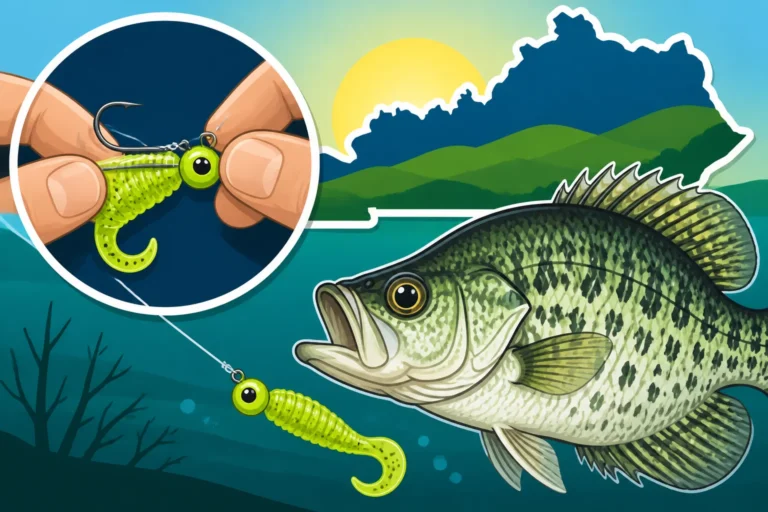
- Micro Jigs: Tiny jigs (1/64 to 1/32 ounce) tipped with a small plastic grub or tube bait. Chartreuse, white, or black are often good colors. These are excellent when bluegill are a bit more aggressive.
- Tiny Spoons: Small, flashy spoons can sometimes entice bluegill, especially if they are feeding on small baitfish.
- Flies: If you're feeling a bit more adventurous, tiny poppers or wet flies can be deadly on bluegill.
You can pick up a selection of small hooks, bobbers, split shot, and even some artificial grubs from your local tackle shop or an online retailer like Amazon. For a comprehensive look at what bluegill crave, take a peek at our article on Best Bait for Bluegill in Kentucky Ponds. Remember, presentation is key; a natural, subtle drift of your bait will almost always outperform a clunky, splashy drop.
Where to Find Those Eager Bluegill with Your Cane Pole
Bluegill are abundant across Kentucky, inhabiting nearly every pond, lake, and slow-moving river section. The key to consistent success with a cane pole is knowing where to look. They are structure-loving fish and often predictable in their locations, especially in shallower waters that are perfect for cane pole access.
Targeting Shallow Water Structures
Bluegill feel most secure and find their food in areas that offer protection and cover. This makes shallow water structures absolute magnets for them. When you're fishing with a cane pole, you have the advantage of being able to carefully approach and precisely drop your bait into these tight spots.
Think about areas like:
- Docks and Piers: The shaded areas under docks, the pilings themselves, and any submerged brush or debris around them are prime bluegill real estate. These structures provide cover from predators and relief from direct sunlight.
- Lily Pad Fields and Weeds: Thick aquatic vegetation offers both cover and a food source (insects, small crustaceans). Look for pockets or edges within these fields where you can drop your bait.
- Submerged Logs and Brush Piles: Any fallen timber or intentionally placed brush piles create excellent hiding spots. Bluegill will often school tightly around these.
- Overhanging Trees and Bushes: These provide shade and often drop insects or other edibles into the water, creating a natural feeding station. Fish the areas directly beneath the branches.
- Rocky Shorelines: Rocks can hold heat, grow algae that attract insects, and offer crevices for small fish to hide.
When you approach these areas, do so quietly. Bluegill can be easily spooked by sudden movements or heavy footsteps on the bank or dock. A gentle approach will allow you to present your bait more naturally and increase your chances of a bite. Our guide to Best Bank Fishing Spots for Beginners often highlights locations perfect for this type of focused, structure-oriented fishing.
Reading the Water: Identifying Bluegill Beds
One of the most exciting times to target bluegill with a cane pole is during their spawning season, typically from late spring through summer, when water temperatures are consistently warm. During this time, male bluegill create "beds" – circular, cleared-out depressions on the bottom, usually in shallow, sandy, or gravelly areas. They guard these beds aggressively, making them easy targets.
To spot bluegill beds:
- Look for Circular Patches: From a higher vantage point on the bank or dock, scan shallow areas for clusters of light-colored, circular spots on the bottom. These are the beds.
- Watch for Movement: You'll often see the bluegill themselves, especially the males, actively fanning their fins to keep the beds clean or chasing off intruders.
- Concentrate on Sunny, Protected Coves: These areas warm up faster and offer calm water, ideal for spawning.
Once you locate a bed, you can often catch multiple bluegill from the same area. Just be mindful not to overfish these crucial spawning grounds, ensuring future generations of bluegill for everyone to enjoy. For more detailed information on their spawning habits, check out our piece on How to Find Bluegill Beds in Spring.
Seasonal Movements: Where Bluegill Go
While bluegill are primarily shallow-water dwellers, their exact locations can shift with the seasons and even the time of day.
- Spring: As the water warms, bluegill move into very shallow water to spawn. They'll be found in protected coves, along sun-exposed banks, and around newly submerged vegetation. This is often the easiest time to find and catch them from the bank with a cane pole.
- Summer: They'll remain relatively shallow, especially in the mornings and evenings when temperatures are cooler. During the heat of the day, they might retreat to deeper shade under docks, thick lily pads, or brush piles. Look for them concentrated around these forms of cover.
- Fall: As water temperatures begin to cool, bluegill might move slightly deeper but will still be associated with structure. They'll often feed aggressively to fatten up for winter. Focus on the edges of weed lines and deeper portions of coves.
- Winter: Bluegill become much less active and move to deeper water, often suspending over structure like brush piles or submerged creek channels. While challenging, they can still be caught with a cane pole by carefully plumbing deeper spots, though this is less common for typical cane pole outings.
Understanding these subtle shifts will help you adjust your approach and find the bluegill, no matter the time of year. A general guide like Easy Bluegill Fishing Tips for Beginners can provide additional insights that complement cane pole strategies.
Mastering the Art of Cane Pole Presentation and the Strike
The beauty of cane pole fishing is in its simplicity, but there's an "art" to it that, once mastered, will significantly increase your catch rate. It's about being subtle, patient, and reactive. No complex casts here, just pure, direct engagement with the fish.
The Gentle Approach: Casting and Placement
With a cane pole, you're not "casting" in the traditional sense of throwing a line far out. Instead, you're dapping or swinging your bait into position. The goal is to make as little disturbance as possible.
- Swing, Don't Throw: Hold the pole up, letting your baited hook and bobber hang a few feet below the tip. Gently swing the pole forward, allowing the momentum to carry your bait out. As the bait reaches your target, slowly lower the tip of the pole to let the bait descend softly into the water.
- Target with Precision: Use the length of your pole to place your bait exactly where you want it – right next to a dock piling, on the edge of a lily pad, or into a small opening in a brush pile. This precision is a major advantage of cane pole fishing. You want your bait to land softly, mimicking a natural food item falling into the water, not a splashy cannonball that scares everything away.
- Multiple Drops: Don't be afraid to try multiple spots around a piece of structure. Bluegill often group up in specific pockets. If one spot doesn't produce, move your bait a foot or two and try again. Sometimes just a slight repositioning is all it takes to find the fish.
Remember, bluegill are often found in thick cover. Being able to slip your bait into tight quarters without getting snagged is a skill that develops with practice.
Depth Control and Bobber Watching
Controlling the depth of your bait is crucial, and your bobber is your best friend for this. Bluegill typically feed off the bottom or suspend just above it.
- Start Shallow, Go Deeper: If you're fishing in 3-4 feet of water, start by setting your bobber so your bait is about 1.5 to 2 feet deep. If you don't get bites, slowly adjust your bobber to let your bait sink another 6-12 inches until you find the fish's preferred depth. Sometimes bluegill are holding right off the bottom; other times, they might be shallower, especially if there's an abundance of insect activity near the surface or suspended within the water column.
- Bobber Sensitivity: Pay close attention to your bobber. It's your window into what's happening below the surface. A bluegill bite can range from a subtle dip or wiggle to a full-on disappearance of the bobber.
- Subtle Dips: Sometimes a bluegill will just "test" the bait. The bobber might wiggle slightly, twitch, or dip just an inch or two before resurfacing. These are often indications that a fish is interested.
- Full Submersion: When the bobber quickly goes completely under the water, that's your cue! This is the most common and satisfying bluegill strike.
- Horizontal Movement: Occasionally, a bluegill will pick up the bait and swim sideways, causing the bobber to move across the surface rather than dive.
Don't wait too long after a definite strike. Bluegill will often swallow a bait quickly, so a swift but gentle hookset is usually best. More general tips for anglers are always helpful, and you might find useful nuggets in Bluegill Fishing Tips for Beginners.
Setting the Hook and Landing Your Catch
Once you see that bobber disappear or make a clear move, it's time to set the hook!
- Gentle Lift, Not a Jerk: Because you're using light line and small hooks, and bluegill have relatively soft mouths, a gentle, upward lift of the cane pole is usually all that's needed to set the hook. A hard, violent jerk can tear the hook out of the fish's mouth, snap your line, or even break your pole tip.
- Swing 'Em In: With a cane pole, you're not "reeling" in the fish. Instead, you'll use the flexibility of the pole to gently lift and swing the bluegill out of the water and towards you. For smaller bluegill, a smooth, controlled arc will bring them right to hand. For larger fish or if you're fishing from a high bank, you might need to walk back a step or two to gently slide the fish onto the bank.
- Handle with Care: Bluegill are delicate fish. Handle them gently, especially if you plan on releasing them. Use wet hands to minimize damage to their protective slime coat. Remove the hook carefully, and if the hook is deeply swallowed, consider cutting the line or using a de-hooker to minimize harm.
Landing a bluegill with a cane pole is an incredibly visceral experience. You feel every wiggle and fight directly through the pole, making each catch satisfying. Many of Kentucky's serene waters, like those found in Best Ponds for Bluegill Fishing in Kentucky, are ideal for this type of hands-on, engaging fishing. Whether you're filling a stringer for a fish fry or simply enjoying the tug on the line, cane pole fishing for bluegill offers an accessible and joyful angling experience for everyone.
Disclaimer
This article is for general informational purposes only and does not constitute professional advice. Laws, prices and regulations vary by location and change over time. Consult a qualified professional for guidance on your specific situation.