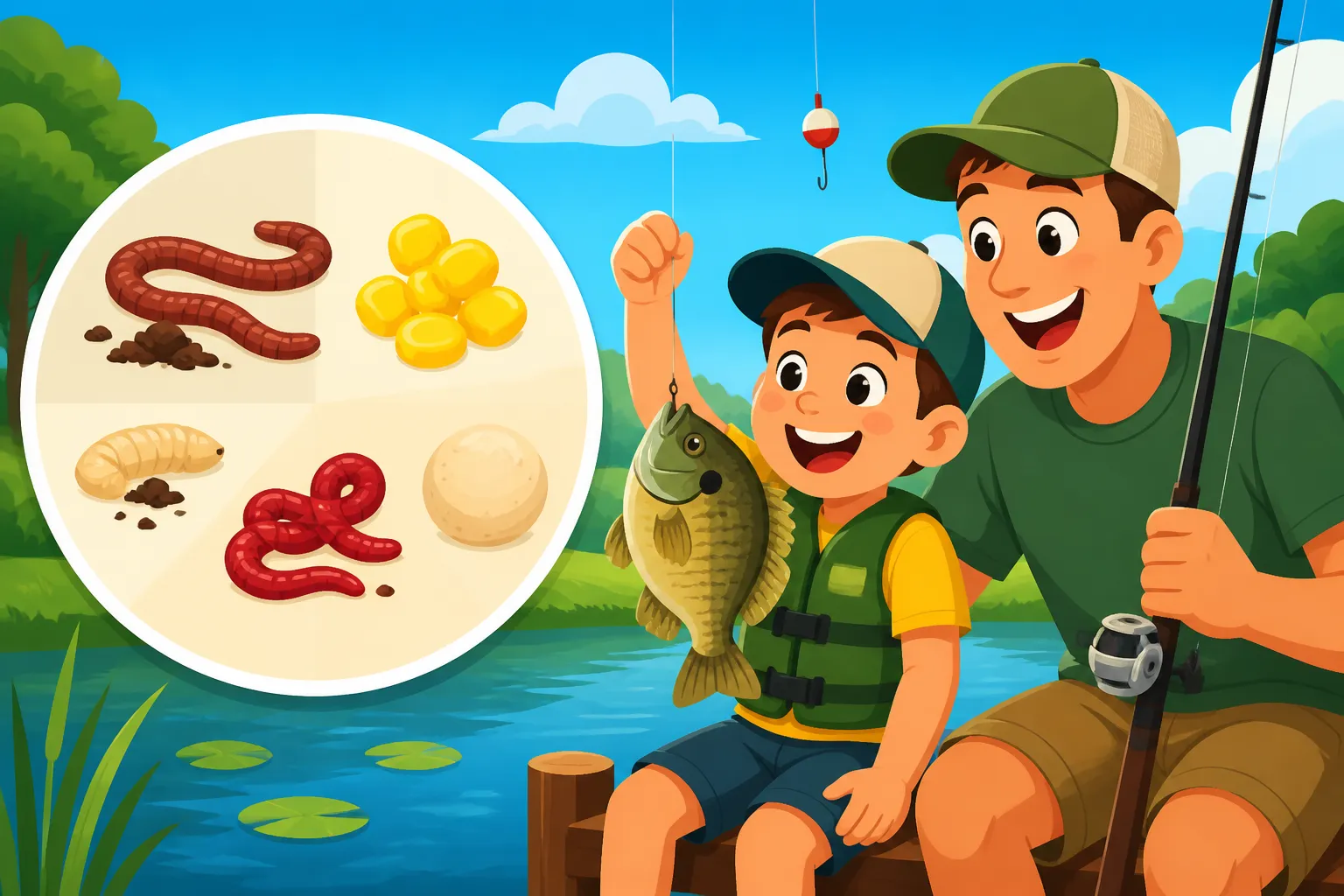
Best Bait for Bream Fishing With Kids
There's nothing quite like the joy of watching a child reel in their very first fish, that pure excitement lighting up their face. But let's be honest, getting kids interested in fishing, and keeping them engaged, can be a real challenge if the fish aren't biting. This guide is all about setting you up for success, focusing on the absolute best baits for bream fishing in Kentucky, ensuring those little anglers have a fantastic, fish-catching experience.
Why Bream Are the Perfect Target for Kids
When you're introducing a youngster to the world of angling, you want action, and you want it relatively quickly. That's where bream come in. "Bream" is a common term here in Kentucky for several species of sunfish, including bluegill, redear sunfish, and green sunfish. These little fighters are abundant, relatively easy to catch, and provide consistent bites, which is crucial for maintaining a child's short attention span.
Think about it: a kid might lose interest quickly if they're casting for a trophy bass that takes hours to find. But with bream, you can often find a school and have almost non-stop action, even if the fish aren't huge. The tug on the line, the bobber dipping, the simple act of reeling in a feisty bluegill – these are the moments that create lasting memories and cultivate a lifelong love for fishing. They're also quite beautiful fish with vibrant colors, which adds to the excitement when they're pulled from the water. For more insights on these delightful fish, check out our guide on Bluegill Fishing Tips for Beginners.
Abundance and Accessibility
One of the greatest things about bream in Kentucky is just how widespread they are. You'll find them in almost every lake, pond, and slow-moving creek across the state. This means you don't have to travel to some remote, secret spot to find them. Local park ponds, smaller reservoirs, and even calmer sections of larger lakes like Lake Cumberland or Taylorsville Lake are often teeming with bream. This accessibility makes spontaneous fishing trips with kids much easier to plan and execute, reducing travel time and increasing actual fishing time.
They tend to hang out in relatively shallow, calmer waters, often near some sort of cover like lily pads, submerged logs, or docks. These are also ideal spots for bank fishing, meaning you don't necessarily need a boat to get into the action. Just a couple of poles, a tackle box, and a bucket of bait are often all you need for a successful outing.
A Feisty Fight for Their Size
Don't let their small stature fool you; bream put up a surprisingly strong fight for their size. A 6-inch bluegill can feel like a monster on an ultralight rod, and that's precisely what makes them so exciting for kids. They pull, they dive, and they challenge young anglers to keep the line tight and reel steadily. This teaches them basic angling skills without the frustration of trying to land a much larger, more powerful fish right off the bat. The sheer number of bites and catches also helps build confidence, making each outing a positive reinforcement of their budding fishing prowess.
Top Natural Baits for Bream Fishing
When it comes to bream, Mother Nature often provides the best options. Natural baits are usually irresistible to bream because they are part of their everyday diet. They are also incredibly easy for kids to handle and put on a hook (with a little help, of course!).
The Humble Worm
Ah, the classic worm! There's a reason worms have been the go-to bait for generations of anglers, especially when fishing for panfish. Bream absolutely love them. Nightcrawlers, red wigglers, or even garden worms are all excellent choices. Red wigglers, in particular, are fantastic because they're smaller, more active, and their natural scent seems to drive bream wild.
When fishing with kids, you don't need a huge chunk of a nightcrawler. A small piece, maybe an inch or two long, is perfect. Thread it onto a small hook (size 8 or 10 is ideal) so the hook point is exposed. You want it to look natural and wriggly. If the worm is too big, the bream will peck at it without getting the hook in its mouth. You can often buy these at any bait shop, but if you're feeling adventurous, digging them up in the backyard with the kids adds another layer of fun to the experience! Our guide on Best Bait for Bluegill in Kentucky Ponds delves deeper into why worms are so effective.
Crickets: The Jumping Delight
If you've ever fished for bream, you know crickets are pure magic. The way they kick and wiggle in the water is simply irresistible to a hungry bluegill. Crickets can be a little trickier to get onto the hook than a worm, but the payoff is often worth it. They're lively, they stay on the hook well, and bream seem to zero in on them like a heat-seeking missile.
You can buy crickets by the dozen at most bait shops, and some even come in handy little disposable containers, perfect for a quick trip. Hook them gently through the collar, just behind the head, making sure the hook is exposed. This allows them to wiggle naturally and increases your chances of a solid hookset. While they might jump around a bit when you're trying to bait the hook, the excitement when a bream immediately grabs it usually makes kids forget any initial squeamishness.
Grubs and Mealworms: Tiny Powerhouses
Wax worms, mealworms, and other small grubs are another fantastic natural bait, especially if you're fishing in colder water or looking for a more subtle presentation. These tiny morsels are packed with protein and are a natural food source for bream. They're also less messy than worms and often easier to handle for smaller hands.
You can find these at most tackle shops, usually in small containers with wood shavings to keep them fresh. Hook them through one end, allowing the rest of the grub to dangle freely. Their small size makes them perfect for the tiny mouths of bream, ensuring a better hook-up ratio. A small container of wax worms can last for several trips and is easy to store in your cooler.
Best Artificial Baits for Bream Fishing
While natural baits are often king for bream, don't overlook artificial options, especially as kids gain a little experience and want to try something different. Artificial baits can be less messy, last longer, and sometimes trigger a bite when natural baits aren't working.
Small Jigs and Micro Spinners
Tiny jigs, often called "micro jigs," are incredibly effective for bream. These are usually 1/32 or 1/64 ounce and come in a variety of colors, often adorned with a small plastic body (grub, tube, or curly tail). Bright colors like chartreuse, pink, and white are often very successful. The key is to use a slow, steady retrieve or to gently twitch them under a small bobber.
Micro spinners, like those made by brands such as Panther Martin or Mepps (and you can often find great value packs on Amazon), are also fantastic. Their small, flashing blades mimic tiny baitfish or insects, attracting bream from a distance. Again, a slow, steady retrieve is all it takes. These artificial baits are excellent for teaching kids how to cast and retrieve, adding another skill to their repertoire. For tips on how to effectively present these, check out our guide on How to Rig a Jig for Crappie Fishing, which shares similar jigging principles applicable to bream.
Tiny Soft Plastics
Beyond pre-rigged jigs, small soft plastic baits can be deadly. Think tiny tubes, creature baits, or curly-tail grubs, usually no more than an inch or two long. Rig these on a small jig head (1/32 or 1/64 ounce) or even under a tiny bobber. The subtle action of the plastic in the water can entice hesitant bream.
One of the benefits of soft plastics is their durability; one bait can often catch multiple fish before needing to be replaced. They're also incredibly clean to use compared to live bait, which can be a big plus when fishing with younger children who might not enjoy handling worms. Look for them in bait shops or browse the extensive selection on Amazon for various colors and styles.
Essential Gear and Techniques for Kid-Friendly Bream Fishing
Having the right bait is a huge part of the equation, but pairing it with the right gear and techniques makes all the difference, especially when fishing with kids. Simplicity and ease of use are paramount.
Simple Rigging for Little Hands
For bream fishing with kids, simplicity is your best friend. A basic slip-bobber rig is hard to beat.
Here’s a common setup:
- Fishing Line: Start with light line, about 4-6 pound test. This is strong enough for bream but thin enough to allow for good casting distance and a natural presentation.
- Bobber Stop: Slide a small bobber stop onto the line. This allows you to adjust the depth of your bait easily.
- Bead: Follow with a small plastic bead, which protects the knot of your bobber.
- Slip Bobber: Next, thread on a small slip bobber. These are great because they slide up the line during the cast, allowing for longer casts, and then slide down to your desired depth once the rig is in the water.
- Small Weight: Add a small split-shot sinker about 6-12 inches above the hook. Just enough weight to cast easily and get your bait down.
- Small Hook: Tie on a small, sharp hook (size 8 or 10 is perfect for bream).
For a step-by-step guide, you can refer to How to Rig a Bobber for Bluegill Fishing. This setup makes it easy for kids to see the bite, as the bobber will dance and dip when a fish investigates the bait.
Rods and Reels Designed for Kids
While any old rod and reel can work, a lightweight, easy-to-use combo specifically designed for kids makes a huge difference. Spincast reels (the ones with the button you press to cast) are ideal for beginners because they minimize tangles and are intuitive to operate. A rod around 4 to 5 feet long with a flexible tip will make even a small bream feel like a prize fight. You can find many excellent starter combos on Amazon that come pre-spooled with line. Having a Best Rod and Reel Combo for Beginners makes a significant impact on their enjoyment and success.
Patience and Positive Reinforcement
Let's be real, fishing with kids isn't always about catching the biggest fish. It's about the experience. Be patient. Tangles will happen. Casts will go awry. Fish will be lost. The key is to make it fun. Celebrate every little success, from a good cast to a nibble on the line. Bring plenty of snacks, drinks, and sunscreen. Tell stories, play games, and take breaks. If the fish aren't biting, explore the shoreline for interesting rocks or bugs. The goal is to instill a love for the outdoors, not just the act of fishing. Sometimes, simply knowing Easy Bluegill Fishing Tips for Beginners can boost morale.
Maximizing the Fun Factor: Beyond the Bait
A great fishing trip with kids involves more than just selecting the perfect bait. It's about creating an enjoyable, comfortable, and memorable experience that encourages them to want to go again.
Choosing the Right Spot
Selecting a good location is just as important as the bait you choose. Look for spots with easy bank access, calm water, and some natural cover like lily pads or docks where bream love to hide. Public fishing lakes and ponds, often found in state parks or local recreation areas, are usually well-maintained and stocked, offering ample opportunities for success. For specific ideas, consider checking out resources like Best Ponds for Bluegill Fishing in Kentucky or guides to larger, family-friendly destinations like Best Family-Friendly Fishing Spots on Lake Cumberland, Kentucky or Best Family-Friendly Fishing Spots on Taylorsville Lake, Kentucky. These spots often have amenities like restrooms and picnic areas, making the outing more comfortable for the whole family.
Safety First and Foremost
When you're out on the water, whether from the bank or a boat, safety is always the top priority, especially with children.
- Life Jackets: If you're on a boat, make sure everyone, especially children, is wearing a properly fitted, Coast Guard-approved life jacket. Even near the bank, if children are close to the water, it's wise to have them wear one.
- Sun Protection: Sunscreen, hats, and sunglasses are non-negotiable. The sun reflects off the water, intensifying its effects.
- Hook Safety: Teach kids how to handle hooks carefully. Always keep extra hooks and lures out of reach until needed. Consider using barbless hooks for easy removal and less harm to both fish and fingers.
- First Aid: Always have a basic first-aid kit on hand for minor cuts, scrapes, or hook pokes.
- Hydration and Snacks: Keep kids hydrated with plenty of water and bring along their favorite snacks. Happy, well-fed kids are much more likely to have a good time.
Teaching Responsibility and Respect
Fishing is a fantastic way to teach kids about environmental stewardship and respect for nature. Talk to them about catch-and-release, especially for smaller fish, and the importance of only keeping what you plan to eat. Teach them to properly dispose of all trash, including old fishing line, to keep our beautiful Kentucky waters clean. Explain why we need to purchase a fishing license (and that kids might not always need one depending on their age, but adults almost always do – you can learn more from our Do Kids Need a Fishing License in Kentucky? article) to help fund conservation efforts. These lessons will last far longer than any fish they catch.
Table: Comparing Popular Bream Baits for Kids
| Bait Type | Ease for Kids (Handling/Hooking) | Effectiveness for Bream | Messiness Level | Cost (per trip) | Best Use Case |
|---|---|---|---|---|---|
| Red Wigglers | Easy | Excellent | Medium | Low | All-around, consistent bites, any water temperature. |
| Crickets | Medium (can be jumpy) | Excellent | Low | Low to Medium | Warmer water, active fish, enticing visual appeal. |
| Wax Worms | Easy | Very Good | Low | Low | Colder water, subtle presentation, very clean. |
| Small Jigs | Easy (once rigged) | Good to Excellent | Very Low | Medium (reusable) | Active kids, teaching retrieve, less mess, reusable. |
| Micro Spinners | Easy (once rigged) | Good | Very Low | Medium (reusable) | Covering water, attracting attention, reusable. |
Conclusion: Making Memories, One Bream at a Time
Ultimately, the best bait for bream fishing with kids isn't just about what fish bite on; it's about what makes the experience enjoyable, successful, and easy for everyone involved. Natural baits like worms, crickets, and wax worms are perennial favorites for their irresistible appeal to bream and ease of use. As your young anglers gain confidence, introducing small jigs and spinners can open up a whole new world of artificial bait fishing.
Remember, the goal is to create lasting memories, share your love for the outdoors, and celebrate every small victory on the water. With the right bait, a simple setup, and a good dose of patience, you'll be well on your way to making your next family fishing trip in Kentucky an unforgettable adventure, full of happy kids and plenty of feisty bream.
Disclaimer
This article is for general informational purposes only and does not constitute professional advice. Laws, prices and regulations vary by location and change over time. Consult a qualified professional for guidance on your specific situation.