What Is the Best Time of Day to Fish Kentucky Lake in Summer
Oh, the Kentucky Lake summer. It's a truly stunning body of water, but let's be honest, fishing it in the blistering heat of July or August can feel like you're fighting an uphill battle. The fish seem to vanish, the sun bakes you, and you start wondering if they all moved to a secret, cooler spot. But don't despair! Understanding the best time of day to fish Kentucky Lake in summer is absolutely crucial to turning those frustrating, unproductive trips into successful, memorable ones. This guide is all about helping you crack the code on summer patterns so you can hook into some fantastic fish.
The Early Bird Gets the Worm: Dawn to Mid-Morning on Kentucky Lake
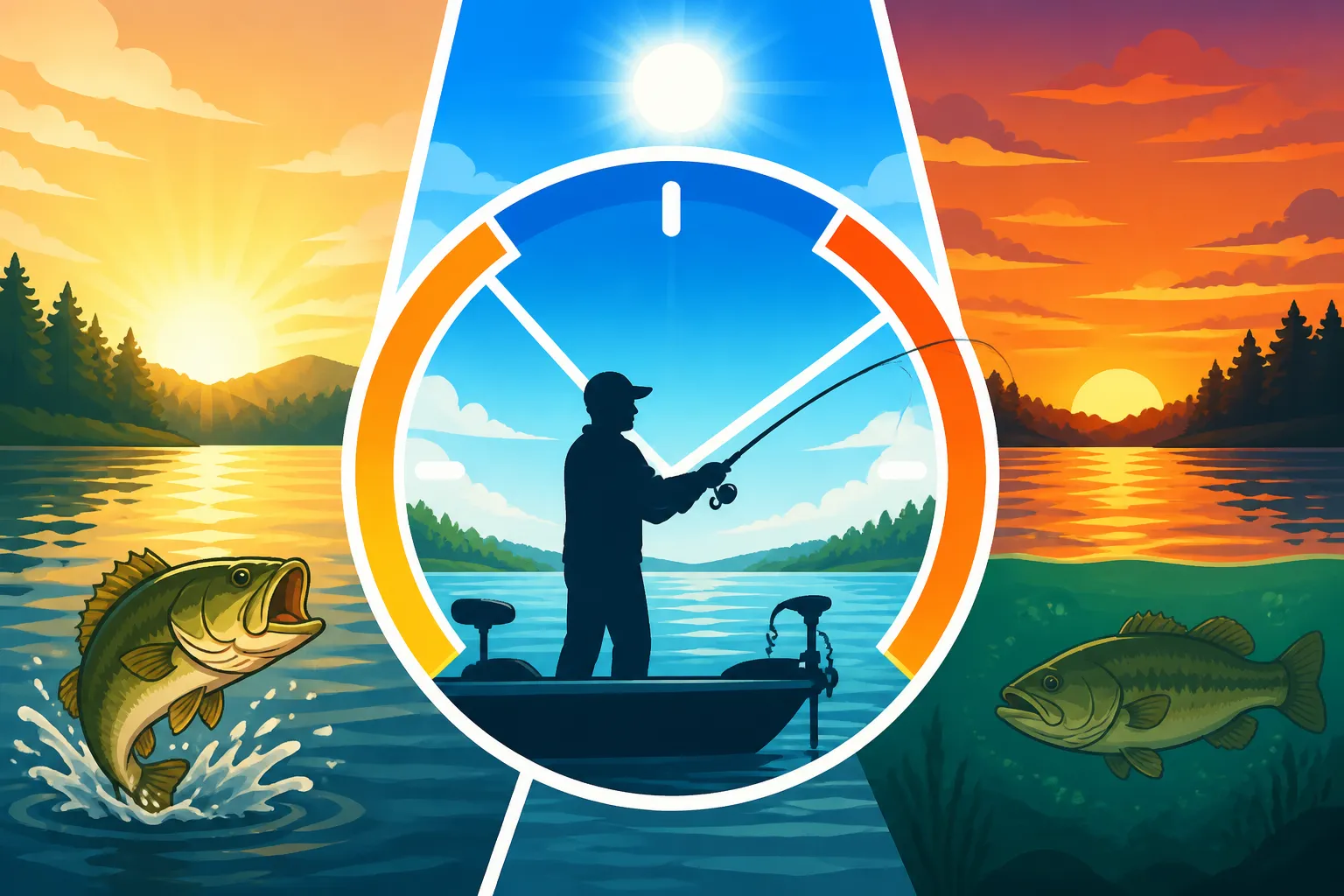
When the summer sun starts to peek over the horizon on Kentucky Lake, painting the sky with those incredible oranges and pinks, that's your cue. This isn't just about enjoying the sunrise; it's about hitting the water when the fish are most active. The hours right around dawn and extending into mid-morning are often the most productive, and for very good reason.
Why the Early Bird Gets the Fish
Think about it from a fish's perspective. After a long night, those cooler pre-dawn temperatures are a welcome relief. The water surface is often calmer, and the lower light levels give predatory fish like largemouth bass and crappie a distinct advantage when ambushing baitfish. They’ve been hiding in deeper, cooler water or tucked away in dense cover overnight, and as soon as the sun's oppressive heat begins to wane from the surface, they start to move.
For bass, especially, this means they're likely to push up into shallower areas, around points, humps, and submerged timber, looking for an easy meal. You'll often find them feeding aggressively before the sun climbs high enough to drive them back to the depths. This is prime time for topwater action – imagine a big bass blowing up on your frog or popper as the mist still hangs on the water. It’s exhilarating! Crappie will also be more inclined to suspend higher in the water column or congregate around brush piles and docks in slightly shallower water, making them more accessible before the heat pushes them down. Don't overlook the catfish, either; while they're often thought of as night feeders, they'll still be active in the cooler morning water, especially if there's good current or fresh oxygen near creek channels.
Gear and Techniques for the Morning Rush
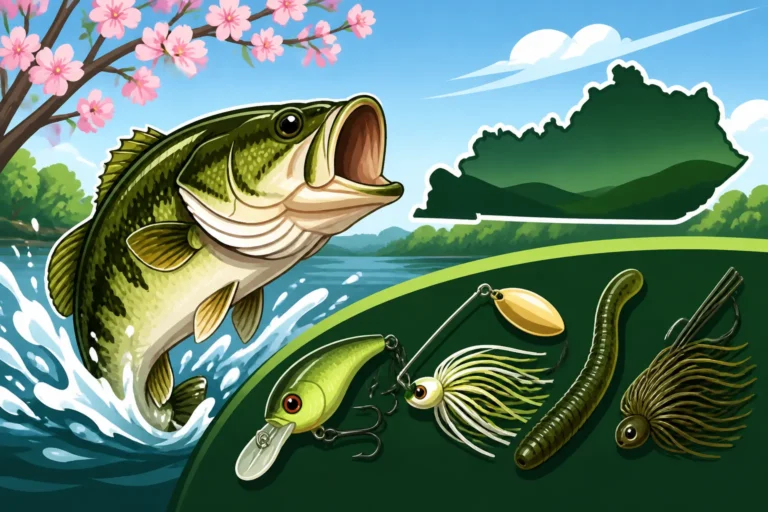
To make the most of these precious morning hours, you'll want to have your gear ready to go. For bass, topwater lures like frogs, poppers, and walking baits are fantastic choices in low light and calm conditions. As the sun gets a little higher but before it gets too hot, consider switching to spinnerbaits, chatterbaits, or shallow-running crankbaits. For targeting those active crappie, small jigs (1/16 to 1/8 oz) fished under a slip bobber or slow-trolled around brush piles can be incredibly effective. Minnows are also a classic, never-fail bait for crappie. If you’re chasing catfish, traditional bottom rigs with cut bait, stink bait, or nightcrawlers will always do the trick.
Many experienced anglers on Kentucky Lake will be out there before the sun is even visible, launching their boats while it’s still dark. They know that these first few hours are gold. You'll want to focus your efforts on areas with good cover like fallen trees, weed lines, and docks, as well as main lake points and creek channel swings where baitfish are likely to congregate. Sometimes, having a good fish finder can really make a difference in locating those deeper schools of baitfish and the predators lurking nearby, even in the morning. When it comes to Best Tackle for Big Lake Bass Fishing, having a versatile setup that allows you to quickly switch between topwater and subsurface presentations is key during these dynamic morning hours.
Navigating the Midday Challenges: Late Morning to Late Afternoon
Alright, let's talk about the elephant in the room: the midday on Kentucky Lake in summer. It's hot. Really hot. The sun is beating down, the water temperature can climb, and suddenly, that fantastic morning bite seems like a distant memory. This is where a lot of anglers pack it in, assuming the fish have completely shut down. While it's true that the bite often slows considerably, it doesn't mean the fish aren't biting at all. You just need to drastically change your approach.
The Dog Days Dilemma
The "dog days of summer" are a real thing, and they certainly apply to fishing. When the sun is high and bright, and the surface water warms significantly, most game fish will retreat to cooler, deeper water or seek out dense, shaded cover. This is a survival mechanism. They become less active, their metabolism slows down, and they're far less likely to chase a fast-moving bait. Trying to throw a topwater lure in the middle of a bright, sunny afternoon is usually a recipe for frustration.
This is where many anglers get discouraged. They keep fishing the same shallow spots that were productive in the morning, only to find nothing. The key frustration here is the perceived "disappearance" of the fish, but they haven't vanished – they've just moved. The challenge lies in pinpointing their new locations and presenting baits in a way that appeals to their more lethargic, heat-induced state.
Deep Water and Shade Strategies
When the sun is relentless, you need to go deep or find shade. For bass, this means looking for offshore humps, ledges, creek channels, and the deepest parts of boat docks or submerged timber. These fish will often suspend over or near structure in 15-30 feet of water, or even deeper. Using a good fish finder is almost non-negotiable here; it helps you locate those hidden structures and the schools of fish holding tight to them. Vertical jigging spoons, drop shot rigs, and deep-diving crankbaits become your best friends. These presentations allow you to get your lure down to the fish efficiently and tempt them with a slower, more subtle offering.
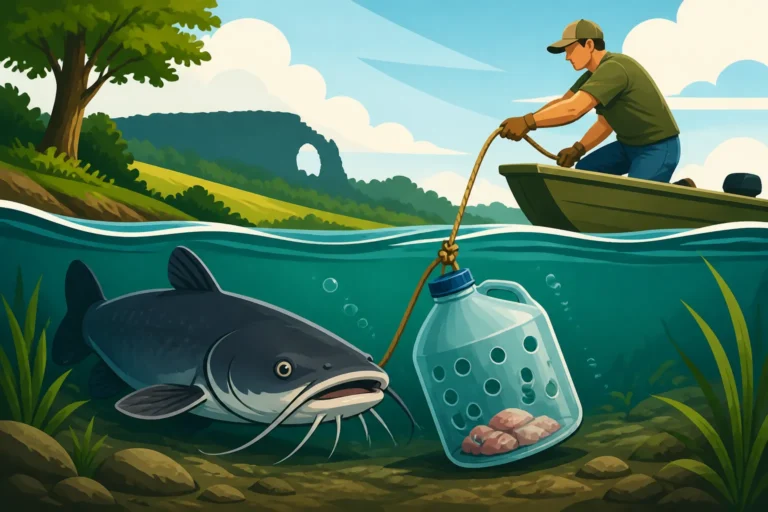
For crappie, they'll often stack up on deep brush piles, stake beds, or under large boat docks, seeking refuge from the sun. Look for them in depths of 10-25 feet. A small jig tipped with a minnow, slowly lowered to their depth, can be irresistible. Catfish, particularly blue and channel catfish, are a bit more tolerant of the heat and can still be found deeper in creek channels, around mussel beds, or where there's current. Setting up trotlines or jug lines can be effective during these hours if you're not actively rod-and-reeling.
One often-overlooked strategy is fishing extreme shade. This could be under large bridges, deep under overhanging trees (if you can get to them), or the shadiest sides of boat docks. Even a few degrees difference in water temperature or a break from the direct sunlight can make a small pocket of fish much more active than their sun-baked counterparts. You'll need to be precise with your casts and often work slower, letting your bait sit in the strike zone longer. When considering When Do Kentucky Bass Move to Deeper Water in Summer, remember that this migration is often triggered by rising water temperatures and intense sunlight, making midday a prime time to target these deeper haunts.
The Evening & Night Shift: Late Afternoon to Darkness
As the sun begins its descent and the air temperature starts to drop, Kentucky Lake undergoes another transformation. The late afternoon, twilight hours, and especially the night can offer some of the most exciting and productive fishing opportunities of the summer. Don't make the mistake of heading home just because the sun is going down; the real action might just be starting!
Twilight Transitions and Feeding Frenzies
The period from late afternoon until just after sunset is a "power hour" on Kentucky Lake. As the intense sun fades, the water surface begins to cool, and baitfish start to move more freely from their midday hiding spots. This signals to predators that it's time to feed again. Bass, crappie, and even catfish become much more active, often moving back into shallower water, points, and flats where they were feeding during the early morning.
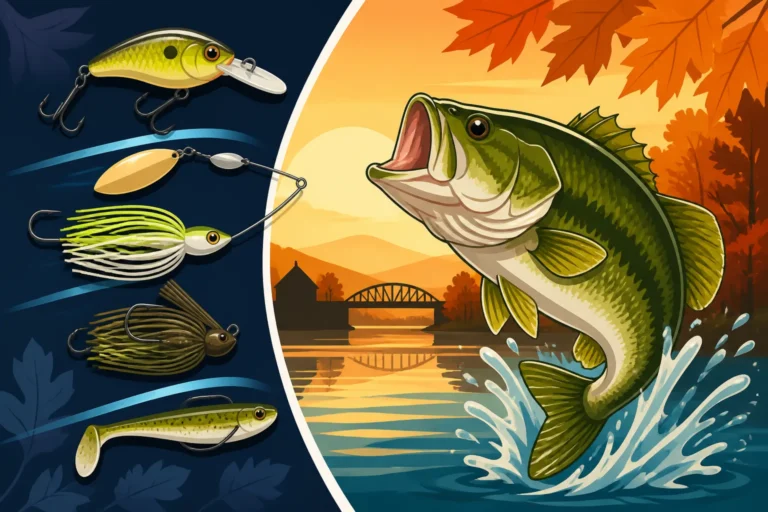
This transition period is fantastic for targeting active bass with spinnerbaits, chatterbaits, and even some topwater lures again, especially in stained water or on overcast evenings. Crappie will often rise in the water column and aggressively hit jigs or minnows fished around lighted docks or submerged cover. It's a prime time for a true feeding frenzy as fish try to get their fill before complete darkness sets in. It’s during these crucial moments that having the right lure, like those listed in Best Lures for Largemouth Bass on Big Water, can make all the difference, providing the action and vibration needed to trigger strikes.
Embracing the Darkness: Night Fishing on Kentucky Lake
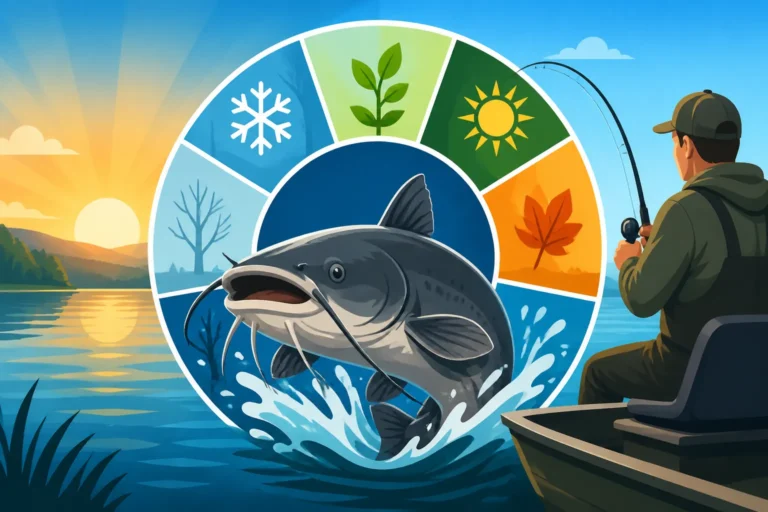
For many anglers, the idea of night fishing can be a little intimidating, but on Kentucky Lake in summer, it's often the absolute best time to fish. The lake quiets down significantly, boat traffic dwindles, and the water temperatures are at their coolest. This is when some of the biggest fish come out to play, especially the monster catfish that Kentucky Lake is known for.
Night fishing allows fish to feed with confidence, unbothered by glaring sunlight or constant boat noise. For bass, dark-colored jigs, large worms, and oversized spinnerbaits are incredibly effective. Target docks with lights, main lake points, and brush piles. The lights from docks attract baitfish, which in turn attract predators. For crappie, fishing under dock lights or with submersible crappie lights is a game-changer. These lights attract plankton, which draws in minnows, and then the crappie move in for an easy meal. Many anglers who fish at night for crappie will set up multiple poles with small jigs and minnows, often finding fast action.
And then there's catfish. What Time of Year Is Best for Night Catfishing on Kentucky Lake points to summer nights as truly prime time. Blue, channel, and flathead catfish become incredibly active. Using heavy-duty gear and baiting with cut bait, chicken livers, or live bluegill can lead to some incredible catches. Look for them in deep holes, along river channels, and near any structure that provides current or ambush points. If you're new to this, checking out Night Fishing Tips for Beginners can give you a solid head start. Don't forget to stock up on essentials like headlamps, glow sticks for your rods, and bug spray (which you can easily find on Amazon) before you head out into the dark!
Here's a quick comparison of the best times to fish Kentucky Lake during summer:
| Time of Day | Water Temperature (Approx.) | Fish Activity Level | Best Target Species | Recommended Baits/Lures | Key Strategy | Pros | Cons |
|---|---|---|---|---|---|---|---|
| Dawn to Mid-Morning | Coolest | High | Bass, Crappie, Catfish | Topwater, Spinnerbaits, Jigs, Minnows, Cut Bait | Target shallow cover, points, creek mouths | High activity, good topwater bite, less heat | Short window, can be crowded |
| Midday | Warmest | Low to Moderate | Catfish, Deep Bass, Crappie | Deep Crankbaits, Drop Shot, Jigs, Spoons, Stink Bait | Target deep structure, extreme shade, offshore ledges | Less competition, potential for large deep fish | Slow bite, intense heat, requires specialized gear/techniques |
| Late Afternoon | Cooling | Moderate to High | Bass, Crappie, Catfish | Spinnerbaits, Jigs, Worms, Crankbaits | Transition zones, docks, main lake points | Increasing activity, good for varied techniques, cooler | Can still be warm initially, boat traffic picking up |
| Night | Coolest | High | Catfish, Crappie, Bass | Large Worms, Jigs, Minnows, Cut Bait, Frogs | Lighted docks, river channels, deep holes | Very high activity, trophy potential, cool & quiet | Requires specialized lighting, less visibility, potential for bugs |
Summer Nuances for Kentucky Lake Anglers
Fishing Kentucky Lake in the summer isn't just about showing up at the right time; it's also about understanding the subtle environmental cues that dictate fish behavior. The immense size of this reservoir, stretching over 160,000 acres, means conditions can vary, but some general principles always apply.
Understanding Summer Water Temperatures
Kentucky Lake's summer water temperatures are a huge factor in fish behavior. The surface temps can easily climb into the mid-80s or even low 90s during prolonged heatwaves. This warming creates a thermocline, a layer in the water where the temperature changes rapidly. Fish, especially bass and crappie, will often congregate just above or within this thermocline, seeking cooler, oxygen-rich water. This depth might be 15-25 feet, but it can vary by day and by location on the lake.
Knowing how to read your fish finder to identify the thermocline is a powerful tool. If you're consistently marking fish at a certain depth, and that depth corresponds to where the thermocline is, you've found a key pattern. Sometimes, anglers even use specialized thermometers to check water temperatures at different depths, helping them fine-tune their approach. Many essential tools like these, from advanced fish finders to simple water thermometers, can be purchased conveniently on Amazon. Remember that cooler pockets of water might also form near creek inlets or where deeper springs feed into the lake, creating prime ambush points for fish. Checking Kentucky Fishing Seasons: What to Catch Each Month will give you a broader understanding of how these temperature changes influence the bite throughout the year.
Baitfish Movement and Feeding Patterns
The movement of baitfish – primarily shad and various minnow species – is another critical element in summer fishing success. Where the bait goes, the predators follow. In summer, baitfish tend to school up more tightly and will often seek out cooler, deeper water during the day, just like the game fish. However, they will push shallower and disperse more widely during low light periods, like dawn and dusk, or throughout the night.
Keep an eye out for schooling baitfish on your electronics, or watch for surface activity like "nervous water" or birds diving, which indicates bait being pushed to the surface by feeding fish. If you find large schools of shad in a creek channel or suspending over a deep hump, you can bet there are bass, crappie, or catfish close by. Matching the hatch – using lures that mimic the size and color of the local baitfish – becomes incredibly important. This might mean smaller crankbaits, finesse worms, or clear/silver colored jigs. Understanding these patterns, even comparing them to other species like those mentioned in Kentucky Crappie Fishing: Spring Spawn Run Guide, helps you adapt your tactics for maximum success. Don't be afraid to experiment with different lure sizes and colors until you find what the fish are keying in on!
Disclaimer
Fishing conditions can vary greatly, and while this guide provides general advice for fishing Kentucky Lake in the summer, individual results are not guaranteed. Always check local Kentucky Department of Fish and Wildlife Resources regulations before fishing, and prioritize safety on the water.