Best Lures for Early Spring Fishing
That chill in the air and the slight rise in water temperatures can be a real tease for Kentucky anglers in early spring. You're eager to get out there, but those fish are often sluggish, making lure selection feel like a guessing game that costs you precious fishing time. This guide is here to cut through the confusion and help you confidently pick the best lures to entice those early spring bites in Kentucky waters.
Understanding Early Spring Conditions in Kentucky
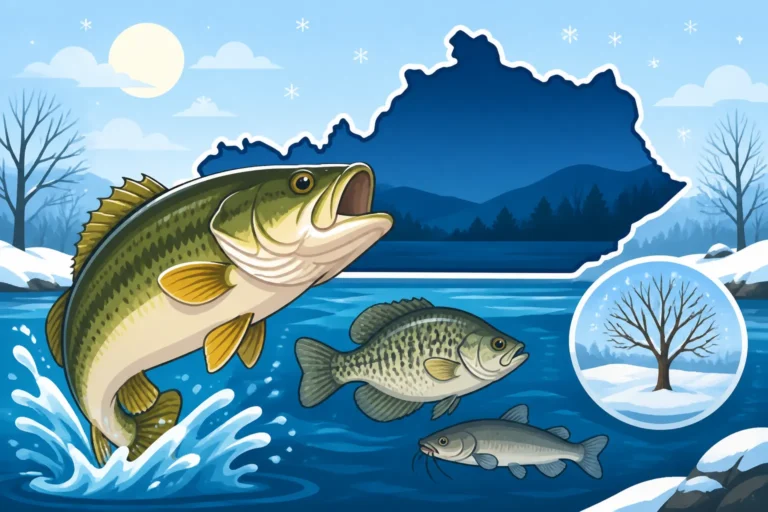
Early spring in Kentucky isn't just a calendar date; it's a period of transition where the water is still shaking off winter's cold grip, but the fish are slowly starting to think about activity. This unique window demands a different approach than the frenzied feeding of summer or the deep-water comfort of winter. If you don't understand what's happening beneath the surface, you'll be casting in vain, wondering why nothing is biting.
Water Temperature and Fish Behavior
The biggest factor influencing early spring fishing success is undoubtedly water temperature. After months of cold, fish metabolism is still pretty slow. They're not as inclined to chase down fast-moving baits, and their strike zones are significantly smaller. Think of it like waking up from a long nap on a cold morning – you're probably not going to sprint to the kitchen for breakfast. Fish are much the same.
In Kentucky, our lakes and rivers gradually warm up, often starting in the shallow bays and along sun-drenched banks. Even a few degrees can make a world of difference. When the water is still below 50 degrees Fahrenheit, fish like bass, crappie, and sauger are often grouped up in deeper wintering areas or slowly moving towards shallower staging points. As the water creeps into the low 50s, they become a bit more active, making short movements to feed. This is why targeting those transition zones, where shallow water starts to drop into deeper channels, can be so effective. Understanding these subtle shifts is crucial, and you can learn more about what to expect each month in our guide to Kentucky Fishing Seasons: What to Catch Each Month.
Key Environmental Factors
Beyond temperature, several other environmental factors play a huge role in early spring lure selection and presentation. Water clarity, for instance, can vary wildly. Heavy spring rains can turn entire lakes into chocolate milk, while calm periods might leave pockets of crystal-clear water. In murky conditions, vibration and contrast become your best friends, helping fish locate your lure even if they can't see it well. Conversely, clear water often calls for more natural colors and subtle presentations.
Current, especially in rivers or below dams, is another factor. Moving water can concentrate baitfish and game fish, but it also means you need heavier lures to get down to them. The Ohio River, for example, is famous for its sauger runs, and the current demands specific jigging techniques. Don't forget about wind either! A consistent breeze can push warmer surface water and baitfish into certain areas, creating productive zones that were barren just hours before. Keeping an eye on these factors, whether you're fishing a sprawling reservoir like Kentucky Lake or a smaller river, will inform not just what lure you tie on, but how you present it.
Top Lure Categories for Early Spring Success
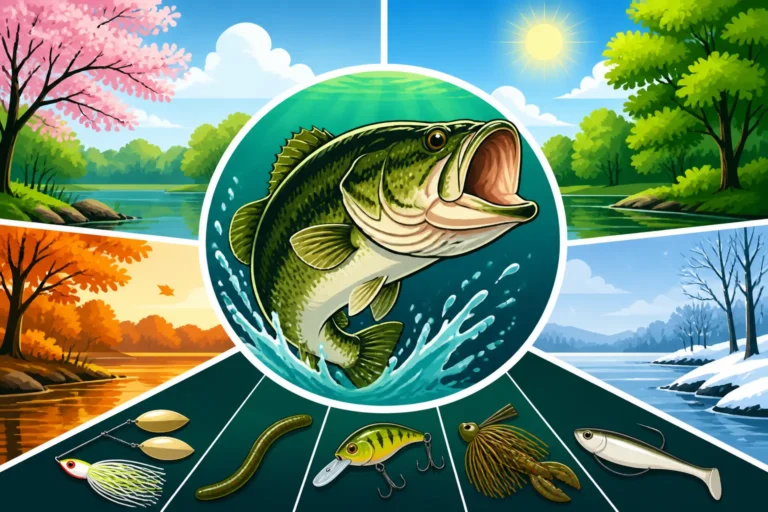
When those early spring mornings are still crisp and the water is chilly, you need lures that speak to a fish's primal instincts rather than triggering an aggressive chase. Forget about high-speed retrieves and flashy presentations for now; patience and subtlety are your strongest allies. Many of these foundational lures can be found in various sizes and colors on Amazon, allowing you to stock up for different scenarios.
Slow-Moving Baits for Cold Water Bass
For largemouth and smallmouth bass in Kentucky, the early spring usually means a slow game. They're not going to expend a lot of energy, so your lures shouldn't demand it from them either.
- Jigs (Football, Finesse): A good old jig is an absolute workhorse in cold water. Football jigs, with their wider heads, are excellent for crawling along rocky bottoms, mimicking crawfish. Finesse jigs, smaller and more subtle, excel when fish are pressured or lethargic. The key is a slow, deliberate presentation. Cast it out, let it sink to the bottom, and then just drag it slowly with your rod tip, pausing frequently. Think of it as a bottom-dwelling creature barely moving. Adding a small soft plastic trailer can enhance the action. Our guide on How to Jig for Bass in Cold Water offers even more depth on this technique.
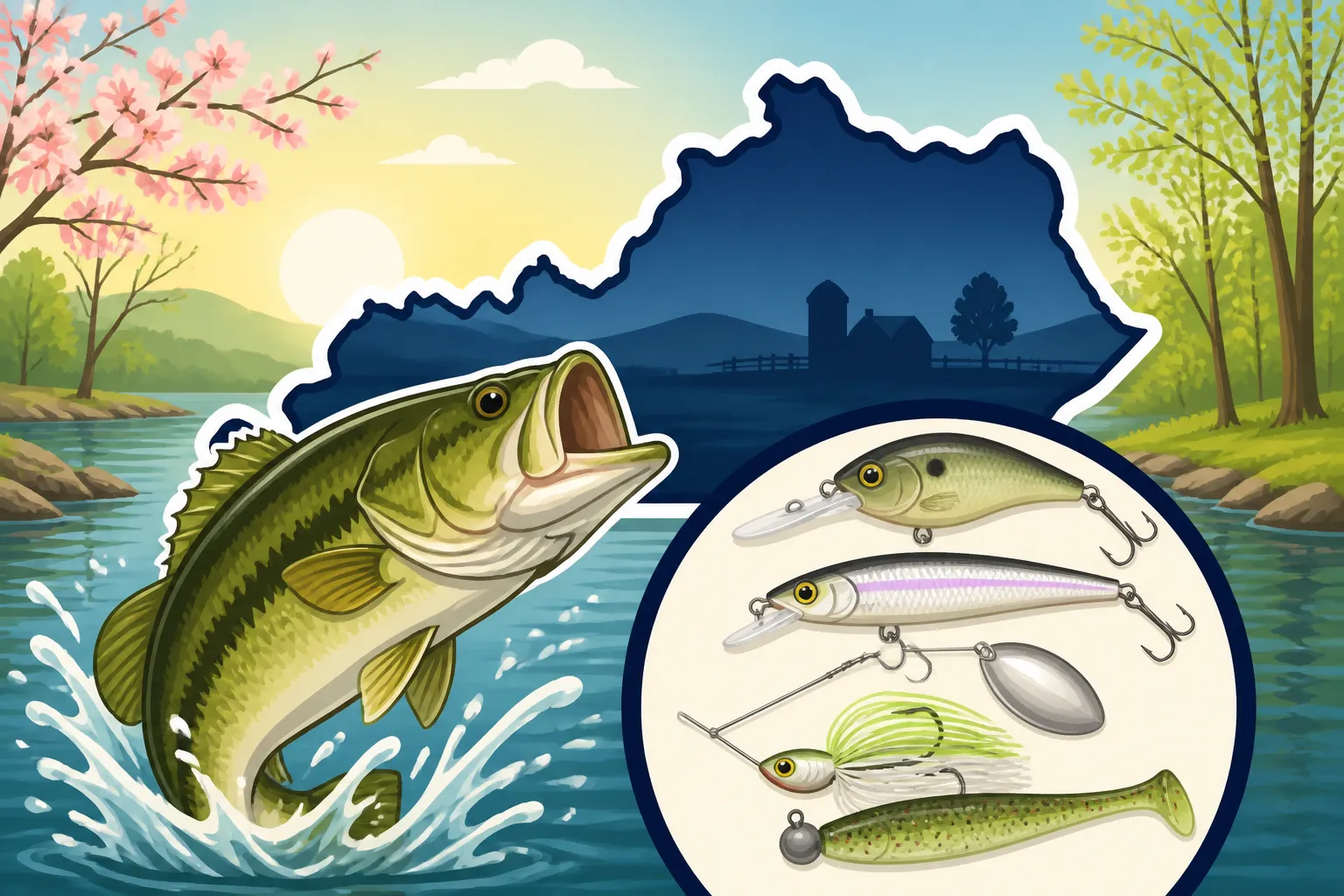
- Suspending Jerkbaits: These lures are truly magical in cold water because they can sit right in the fish's face without moving. A suspending jerkbait, like the popular Rapala Shadow Rap or the classic Lucky Craft Pointer, sinks to a certain depth and then just hangs there when you pause your retrieve. The retrieve is usually a twitch-twitch-pause, with the pause often lasting 5-15 seconds, sometimes even longer! That extended pause in the strike zone is what triggers strikes from otherwise unwilling bass. They can't resist a vulnerable baitfish just hovering there.
- Blade Baits/Vibration Jigs: When the water has a bit more stain or you need to cover water to find scattered fish, blade baits (like the Damiki Vault or Sebile Vibrato) and bladed jigs (often called "ChatterBaits" after the original brand) are fantastic. These lures emit a strong vibration that fish can feel from a distance. You can yo-yo a blade bait vertically over structure or slowly retrieve a bladed jig near cover. The vibration and flash are often enough to draw strikes even from lethargic fish. They work wonders when bass are staged in slightly deeper pockets or channels.
Crappie and Panfish Favorites
Crappie and other panfish are also starting to get active in early spring, often grouping up before the full spawn. These fish are usually targeted with smaller, more delicate presentations.
- Small Jigs (Tube, Hair, Grub): Micro jigs are the bread and butter for early spring crappie. Think 1/32 to 1/16 ounce jigs tipped with small plastic tubes, hair jigs, or tiny grub bodies. White, chartreuse, black/chartreuse, or pink are often killer colors. The trick is to present them slowly, either under a slip bobber or by slowly swimming them near brush piles, submerged timber, or bridge pilings. A very subtle twitch of the rod tip can impart just enough action. Our article on How to Set Up a Crappie Jig Pole can give you more details on rigging.
- Minnow Imitations: While artificials are great, sometimes live minnows are just too hard to beat for crappie in cold water. Rig them on a small hook under a bobber, letting them swim naturally near cover. If you prefer artificials, soft plastic minnow imitators fished slowly on a jig head can be very effective. The key is realism and a very slow, subtle movement to mimic a struggling baitfish.
Sauger and Walleye Cold Water Specialists
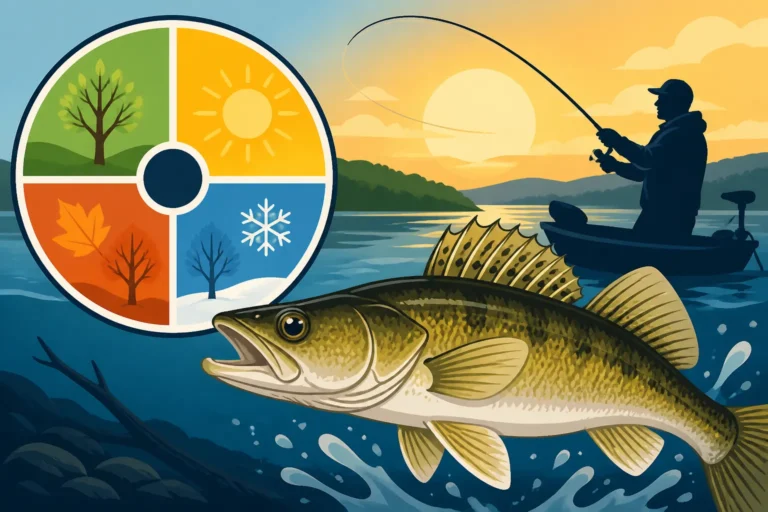
Kentucky's rivers and large reservoirs, especially Lake Barkley and the Ohio River, are home to excellent sauger and walleye fishing in early spring. These fish are often found deeper and closer to current.
- Vertical Jigs: For sauger and walleye, especially below dams or in deep river channels, vertical jigging is paramount. Heavy lead-head jigs tipped with plastic grubs, minnows, or even a piece of cut bait, are dropped straight down and worked with short, sharp lifts and drops. The goal is to keep the lure in the strike zone, often right on the bottom. The strong current necessitates heavier jigs to maintain bottom contact. You can find a good selection of these heavy jigs for deep-water presentations on Amazon.
- Blade Baits: Again, blade baits prove their worth. Dropped to the bottom and quickly ripped up a few feet before being allowed to fall back on a semi-slack line, they mimic a dying baitfish, triggering aggressive strikes from sauger and walleye. This technique is particularly deadly in areas with strong current or deep holes. For specific techniques, check out Best Lures for Sauger Fishing Below Dams.
- Crankbaits (Diving): Smaller, deep-diving crankbaits can also be effective for sauger and walleye when they're positioned on humps or ledges. Look for models that can reach the depth where the fish are holding, and retrieve them slowly, allowing them to occasionally tick the bottom.
Presentation and Color Considerations
Choosing the right lure is only half the battle; how you present it and the color you select can make or break your early spring fishing trip in Kentucky. These details matter immensely when fish are still lethargic.
Slow and Steady Wins the Race
This isn't just a cliché for early spring fishing; it's a cardinal rule. Fish in cold water simply don't have the energy or the inclination to chase down a bait. They want an easy meal. This means:
- Slower Retrieves: Whether you're reeling in a spinnerbait, a jig, or a crankbait, slow down your retrieve significantly. Imagine a baitfish barely swimming.
- Longer Pauses: Especially with jerkbaits and jigs, those pauses are critical. Let a jerkbait hang for what feels like an eternity. Let a jig sit on the bottom for several seconds before moving it again. Often, the strike comes on the pause, when the lure is doing absolutely nothing.
- Less Aggressive Rod Twitches: Instead of sharp, violent jerks, use subtle twitches and lifts of the rod tip. You want to impart just enough action to make the lure enticing without appearing overly aggressive or difficult to catch. Patience is a virtue, and your rod tip should reflect that.
Color Theory for Different Conditions
Lure color isn't just about what looks good to you; it's about what the fish can see and what signals it sends. In early spring, this can be particularly nuanced.
- Natural Colors for Clear Water: When the water is clear, especially in lakes like Herrington Lake or parts of Lake Cumberland, fish rely heavily on their eyesight. Opt for natural baitfish patterns like silver, white, shad, or subtle greens and browns. These mimic the forage they're used to seeing. Too much flash or unnatural color can spook them.
- Bright/Dark Colors for Stained/Murky Water: If spring rains have muddied up the water, you need colors that stand out. Chartreuse, orange, bright greens, and even black can create a strong silhouette or reflect enough light to be seen. Often, a combination, like black and blue or chartreuse and white, works well. The goal is contrast. You can find an incredible array of different colored soft plastics and jigs on Amazon to match any water condition you encounter.
- Accent Colors: Sometimes, just a touch of bright color can make a difference. A chartreuse tail on a black and blue jig, a red hook, or an orange belly on a jerkbait can provide that subtle flash that triggers a strike without being overwhelming.
Matching the Hatch (or Lack Thereof)
While fish are lethargic, they still have an appetite. Knowing what their primary forage is in Kentucky waters can give you a significant advantage. Shad, various types of minnows, and crawfish are common food sources.
- Shad Imitations: Many of Kentucky's major lakes, including Kentucky Lake and Lake Barkley, have abundant shad populations. Lures mimicking shad in profile and color (silvers, whites, light blues) are often effective, especially crankbaits, jerkbaits, and swimbaits.
- Crawfish Patterns: Crawfish are a staple for bass in many Kentucky lakes. Jigs and creature baits in brown, green pumpkin, and black/blue combinations imitate these crustaceans perfectly. Remember to fish them slowly along the bottom, where crawfish live.
- Generic Minnows: Small, slender soft plastics or hard baits that resemble generic minnows work well for crappie, sauger, and even smaller bass. These are versatile and often productive when you're not sure what the fish are feeding on specifically. Our guide on Seasonal Bait Choices for Bass Fishing delves deeper into bait selection throughout the year.
Specific Lure Recommendations by Species (Kentucky Focus)
Let's dial in on some specific lure types that really shine for Kentucky's most popular game fish during those tricky early spring days. Knowing what works for each species can make your time on the water much more productive.
Bass Lures for the Bluegrass State
Kentucky offers fantastic bass fishing, and early spring is when these bigmouths start to stir. While the bite might be tough, the rewards can be huge, as some of the biggest bass are caught during this transition period.
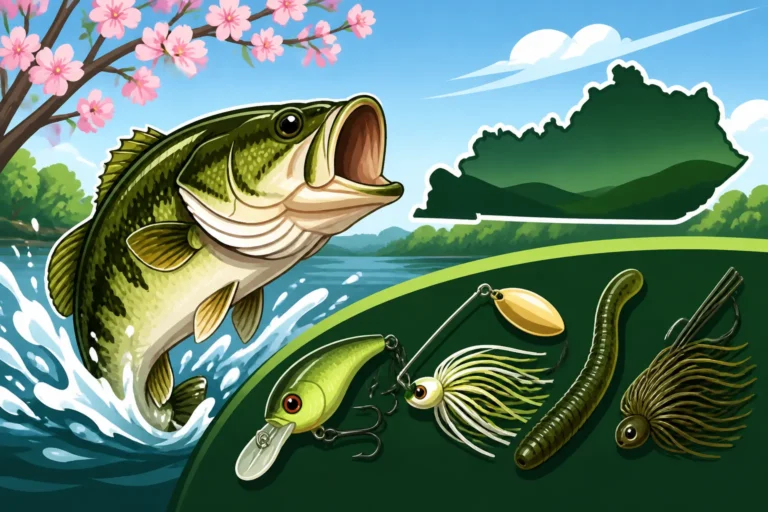
- Spinnerbaits (Slow-Rolled): A spinnerbait, particularly a double-willow leaf or Colorado blade combination, retrieved very slowly (often called "slow-rolling") can be deadly. The flash and vibration can draw strikes in stained water, and the slow movement makes it an easy target. Focus on retrieving them just above submerged cover or along creek channel edges. This technique is excellent for when bass are staging in slightly deeper water before moving to their shallow spawning grounds. You can find a variety of blade configurations and colors on Amazon. Learn more about How to Fish a Spinnerbait for Bass.
- Bladed Jigs (ChatterBaits): As mentioned earlier, bladed jigs offer a unique vibration that can be irresistible. A slow, steady retrieve near points, creek channel swings, or even just along open banks where bass might be sunning themselves can produce big strikes. Pair them with a matching soft plastic trailer for added bulk and action.
- Lipless Crankbaits: These lures are fantastic for covering water and finding active bass, especially if there's a slight warming trend. Cast them out, let them sink to the desired depth (often bumping the bottom), and then reel them in with a steady retrieve, occasionally snapping the rod tip to clear any grass or trigger a reaction strike. Their loud rattle can be a major advantage in murky water.
- Suspending Jerkbaits: We can't talk about early spring bass without reiterating the power of suspending jerkbaits. These are paramount, especially in clearer lakes like Dale Hollow or parts of Lake Cumberland. Work them with a cadence of short snaps and long pauses. The more lethargic the fish, the longer the pause. This technique is often key to getting a bite when bass are still in their winter-to-spring transition zones. Our article on Kentucky Bass Fishing: The April-May Peak Season elaborates on these patterns.
Crappie Lures for Kentucky's Waters
Crappie are a beloved panfish in Kentucky, and early spring is prime time before they fully commit to their shallow spawning rituals. Lakes like Lake Barkley and Kentucky Lake are renowned crappie fisheries.
- Small Jigs (1/32 to 1/16 oz): These are your primary weapon. Tipped with soft plastic tubes, grubs, or small minnow imitators, they can be fished in multiple ways.
- Under a Bobber: A fixed or slip bobber allows you to suspend your jig at a precise depth over brush piles, submerged timber, or even stake beds. A slight twitch of the rod tip can give the jig a tantalizing action.
- Slow Retrieve: Simply cast and retrieve very slowly, letting the jig swim naturally. This works well along shallow breaks or the edges of deeper channels where crappie are staging.
- Spider Rigging: For boat anglers, spider rigging (using multiple long rods to present baits at different depths and distances) is highly effective for covering water and finding crappie. This is especially true on expansive lakes where crappie might be scattered.
- Hair Jigs: Often overlooked, hair jigs (bucktail or marabou) offer a subtle, natural breathing action in the water that soft plastics can't replicate. They are excellent in cold, clear water where crappie might be finicky.
- Live Minnows: Don't underestimate the power of a lively minnow on a small hook, fished under a bobber or on a tight line. Sometimes, the natural movement of a live bait is the only thing that will tempt a cold-water crappie. For more specific tactics, delve into our Kentucky Crappie Fishing: Spring Spawn Run Guide.
Sauger Lures for Ohio River and Reservoirs
Sauger are a fantastic cold-water game fish, and early spring often marks some of the best fishing opportunities, particularly in the Ohio River and large reservoirs with good current.
- Vertical Jigs with Plastics/Minnows: This is the most consistent method for sauger. Use a 1/4 to 1/2 ounce jig head (or heavier in strong current) tipped with a soft plastic grub (chartreuse, white, or orange are popular) or a live minnow. Drop it to the bottom, then lift it 6-12 inches and let it fall back, keeping tension as it drops. Most strikes will occur on the fall. Focus on deep channels, current seams, and eddy lines.
- Blade Baits: As discussed, blade baits are sauger magnets. The vertical jigging retrieve creates a strong vibration that sauger can't ignore, even in murky river water. Experiment with different colors, but chrome, gold, and firetiger patterns are often effective.
- Small Crankbaits (Trolling/Casting): In some areas, particularly large slackwater pools or deeper reservoir sections like Lake Barkley, trolling small, deep-diving crankbaits can be effective for sauger. Look for lures that run 10-20 feet deep, in shad or firetiger patterns. When casting, target rocky points or rip-rap banks. For specific strategies on Cold-Water Sauger Fishing at Kentucky's Lake Barkley, check out our detailed guide.
No matter your target species in Kentucky, remember that early spring fishing is about patience, precise lure selection, and thoughtful presentation. Don't be afraid to experiment with retrieve speeds and colors until you crack the code for that particular day and location.
| Lure Type | Target Species | Best Conditions | Key Presentation Tips |
|---|---|---|---|
| Suspending Jerkbait | Largemouth, Smallmouth Bass | Clear to lightly stained water, 45-55°F | Twitch-twitch-long pause (5-15 seconds), erratic action. |
| Finesse Jig | Largemouth, Smallmouth Bass | Clear to stained water, 40-55°F, rocky bottoms, cover | Slow drag, subtle hops, long pauses on the bottom. |
| Bladed Jig | Largemouth, Smallmouth Bass, Pike | Stained to muddy water, 45-60°F, grass, cover | Slow, steady retrieve; occasional snaps near cover. |
| Small Tube/Grub Jig | Crappie, Panfish | Clear to stained water, 40-55°F, brush piles, docks | Slow retrieve under bobber or tight line, subtle twitches. |
| Blade Bait | Sauger, Walleye, Bass | Stained to clear water, 38-50°F, deep water, current | Vertical jigging, yo-yo retrieve near bottom. |
| Slow-Rolled Spinnerbait | Largemouth, Smallmouth Bass | Stained water, 45-60°F, moderate cover | Very slow retrieve, just above bottom or through cover. |
Disclaimer
This article is for general informational purposes only and does not constitute professional advice. Laws, prices and regulations vary by location and change over time. Consult a qualified professional for guidance on your specific situation.