How to Choose Lure Color for Clear Water
There’s nothing quite like standing on the banks of a beautiful Kentucky lake or river, peering into crystal clear water, and knowing the fish are there, but feeling utterly stumped on what lure color to tie on. It’s a common frustration, especially when every ripple and submerged log feels like a spotlight. Many anglers grab their trusty chartreuse or fire-tiger, only to find the fish are finicky. This guide is here to help you unlock the secrets of lure color selection in clear water, giving you the confidence to make the right choice and reel in that trophy catch.
Understanding Clear Water Dynamics
Fishing in clear water presents a unique set of challenges and opportunities. Unlike murky or stained water where fish might rely more on vibration and scent, in clear water, visual cues become paramount. This means your lure's color, profile, and action are under intense scrutiny from wary fish. Ignoring these dynamics can lead to a long, frustrating day on the water.
Light Penetration and Visibility
In clear water, sunlight penetrates much deeper, illuminating everything down below. This increased light means fish have excellent visibility, making them more prone to spooking if your presentation isn't just right. Think about a bright, sunny day on Lake Cumberland; you can often see the bottom in surprisingly deep areas. Fish in these conditions are usually more cautious and observant. Your lure color needs to either mimic natural prey flawlessly or provide just enough subtle contrast to be noticed without being alarming. Flashy, unnatural colors that might work wonders in stained water can often send fish darting for cover in clear conditions.
The angle of the sun also plays a huge role. Early morning or late evening, when the sun is low, offers different light conditions than midday. Overcast days, even with clear water, will have diffused light. Understanding how light interacts with your chosen color at different depths and times of day is key. A pearl white, for instance, might shimmer beautifully near the surface on a sunny day, but appear duller deeper down or on a cloudy afternoon.
Water Clarity Levels
"Clear water" isn't a single, uniform condition. It exists on a spectrum. You might have gin-clear spring-fed streams where you can count the scales on a fish from ten feet away, or slightly tinted clear water in a reservoir after a long dry spell. For instance, some sections of Kentucky Lake can get quite clear in drier periods. These nuances matter. The clearer the water, the more natural and subtle your choices should generally be. As clarity slightly decreases, allowing a bit more tint or turbidity, you might be able to get away with slightly bolder, yet still natural, choices.
It's helpful to observe the baitfish in the water. Are they silvery, like shad? Or more olive and brown, like certain minnows? Matching the hatch, not just in size and profile, but in color, is incredibly effective. Sometimes, a tiny bit of haze in the water, even if it's still considered "clear," can actually make a subtle flash more appealing, as it helps cut through that slight diffusion.
General Principles for Lure Color in Clear Water
When you're faced with clear water, the golden rule is often to "go natural." However, "natural" can mean different things depending on the situation. It's not just about blending in; sometimes it's about subtle distinction.
Mimicking Natural Prey
The primary strategy for clear water is to choose colors that closely resemble the forage fish or insects in the area. This is where observation comes in handy. If you see schools of silvery shad flicking near the surface, then a pearl, chrome, or silver lure is a fantastic starting point. Think about those clear, cold waters where trout thrive, like sections of Lake Cumberland or specific trout streams. Here, patterns that mimic small minnows, crayfish, or even aquatic insects in natural browns, greens, and grays are often deadly.
Consider the time of year and what local baitfish are doing. Are they spawning? Are they congregating? A subtle, realistic pattern that imitates a stressed or vulnerable baitfish can be incredibly effective. Sometimes, the most natural look is achieved with soft plastics in shades of green pumpkin, watermelon, or basic black and blue, especially when imitating crayfish or bottom-dwelling creatures. Even a slight translucent quality in the plastic can enhance the realism, allowing light to pass through it just like it would a real fish.
Subtle Contrast and Flash
While blending in is important, sometimes a little contrast is needed to grab attention without alarming the fish. This is where subtle flashes or hints of different colors come into play. A lure that is mostly natural but has a touch of chartreuse on the tail, or a faint shimmer of blue or purple, can often be the difference. This contrast allows the fish to see the lure from a distance, but when it gets closer, the primary, natural color keeps it convinced.
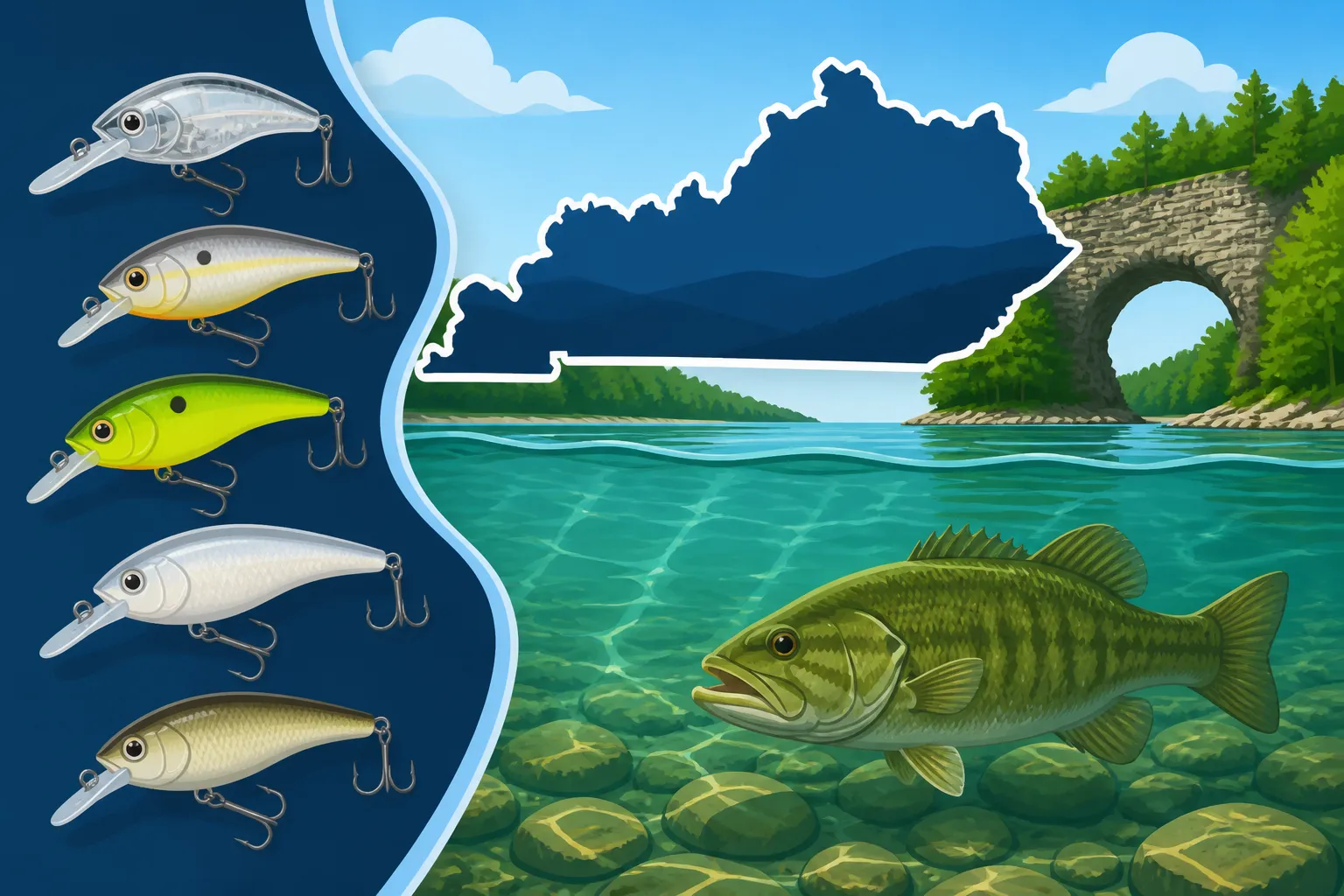
Chrome or silver lures with a blue or black back can be excellent for mimicking shad in bright sunlight. The chrome reflects light, creating flash, while the dark back provides a silhouette from below, giving the fish a good target. Gold can also be a good choice, especially in slightly tannic or tea-stained clear water, as it mimics the natural golden hue of some baitfish or crayfish. The key is subtle. We’re not talking about neon green or bright orange here, unless there's a very specific reason (like imitating a highly aggressive, territorial fish, which is rare in clear water).
Translucence and Matte Finishes
In extremely clear and sunny conditions, sometimes less is more. Lures with translucent bodies, especially soft plastics, can be incredibly effective. These lures allow light to pass through them, creating a more ethereal, ghost-like appearance that can fool even the wariest fish. They don't cast a harsh shadow or present an overly bold profile, making them perfect for highly pressured waters.
On the flip side, matte finishes can also be beneficial, particularly for topwater or shallow presentations. A duller, non-reflective finish might be less likely to spook fish than a high-gloss, flashy one under direct sunlight. Think about a frog lure in a matted green or brown – it blends in perfectly with lily pads or vegetation, looking completely natural. These low-glare options can be found on Amazon with a quick search.
Specific Color Choices for Different Scenarios
Let's get down to the brass tacks of specific colors and when to use them. While "natural" is a broad term, certain colors tend to excel in clear water under different conditions and for different species.
Sunny Days: Silvers, Whites, and Light Greens
When the sun is beaming down and the water is crystal clear, you want colors that either blend perfectly or offer a realistic, subtle flash.
- Silver/Chrome: These are fantastic for mimicking shad or other silvery baitfish. The reflective qualities of chrome or silver will flash brightly under direct sunlight, acting like scales catching the light. Pair them with a blue or black back for added realism. These are often prime choices for open-water retrieves or when targeting schooling fish. You might find success with these for Kentucky Lake's Largemouth Bass Fishery Explained during bright conditions.
- White/Pearl: White, especially pearl white, can be incredibly effective. It's often associated with baitfish and can look very natural. It provides a good contrast without being overly aggressive. White spinnerbaits, jerkbaits, or swimbaits can be highly productive.
- Light Green/Watermelon: These natural green hues, often with flecks of black or red, are superb for soft plastics. They mimic the coloration of many types of baitfish, crayfish, and even some aquatic vegetation. Think about a watermelon seed colored worm or jig – it’s subtle, realistic, and highly versatile. For Best Bass Lures for Spring Fishing, these are often go-to options.
Overcast Days & Low Light: Darker Naturals and Translucents
When the sky is gray, or you're fishing at dawn or dusk, the light levels change dramatically, even in clear water.
- Green Pumpkin/Brown: These earthy tones are perfect for mimicking crayfish, bottom-dwelling gobies, or other forage that lives near cover. On overcast days, the subdued light makes these colors appear even more natural. They provide a solid silhouette against the lighter sky from a fish's perspective. These are excellent for jigs, creature baits, or Texas-rigged worms.
- Black and Blue: While a bolder choice, black and blue can be incredibly effective in low light, even in clear water. The dark colors create a strong silhouette, making the lure easier for fish to detect against a muted sky or in deeper, dimmer water. This combination also tends to be a fantastic choice for mimicking crayfish in cooler water.
- Translucent/Ghost Colors: In low light conditions, especially if the water is gin-clear, a completely translucent lure can be deadly. It's almost invisible until the fish is right on top of it, creating a surprise attack opportunity. These are often soft plastic worms, flukes, or swimbaits.
Targeting Specific Species and Forage
The "natural" look varies greatly depending on what fish you're targeting and what they're eating.
- Bass: Largemouth and smallmouth bass in clear Kentucky waters often key in on shad, crayfish, or smaller panfish.
- Shad Imitations: Silvers, whites, and light blues (like a ghost shad or pro blue) in jerkbaits, crankbaits, or swimbaits are excellent. For Best Lures for Largemouth Bass on Big Water, these are often paramount.
- Crayfish Patterns: Green pumpkin, brown, and natural orange or red hues in jigs or creature baits are highly effective.
- Sunfish/Bluegill: Green, blue, and chartreuse patterns (usually subtle or as accents) in squarebill crankbaits or swimbaits can work well, especially around shallow cover.
- Crappie: Crappie often feed on small minnows and insects.
- Minnow Imitations: Pearl, silver, white, and subtle shad patterns in small jigs or soft plastic minnows. Pink and chartreuse, when used as an accent or in very small quantities, can also trigger bites, especially if there's any hint of stain in the water. For more specific insights, check out Best Crappie Jig Colors for Stained Water to see the contrast.
- Insect/Invertebrate Patterns: Small jigs in black, brown, or olive, sometimes with a sparkle.
- Trout: In the colder, clearer waters where trout reside, their diet is diverse.
- Insect Patterns: Tiny spinners, flies, or micro-jigs in natural browns, greens, and blacks, mimicking nymphs or smaller aquatic insects.
- Minnow Patterns: Small silver or gold spinners and spoons. For more detailed information on baits, consider Best Bait for Trout Fishing in Streams. Also, colors like the subtle, iridescent hues you'd find in a bluegill imitation can be effective for larger trout. If you're targeting specific species, like rainbow trout, then looking at specific lures discussed in Best Lures for Rainbow Trout Fishing can be very beneficial.
Other Factors Beyond Color
While color is crucial, it's just one piece of the puzzle in clear water. Fish are observing everything, and a perfect color choice can be undermined by a poor presentation.
Lure Size and Profile
In clear water, fish have a clearer view of your lure’s size and shape. Often, going smaller and more streamlined can be more productive, especially when fish are pressured or the forage is small. A downsized bait looks less intimidating and more like a vulnerable, easy meal. If the baitfish are tiny, using a large, bulky lure, even in a natural color, will look out of place. Conversely, if there are larger gizzard shad in the area, a larger profile might be necessary.
Consider the profile from different angles. Does your lure look like a baitfish from the side? A crayfish from above? A realistic profile, matched to the actual size of the prey, is critical. Sometimes, a very thin, translucent worm or a tiny jig can fool wary fish that ignore larger, more prominent offerings. You might browse various options for specific sizes on Amazon before your next trip.
Lure Action and Movement
The way your lure moves through the water is just as important, if not more so, than its color, especially in clear conditions. A natural, erratic, or subtle action that mimics a struggling baitfish or a foraging creature is key. Overly aggressive or unnatural movements can immediately signal danger to perceptive fish.
- Subtle Action: Slow-rolling a swimbait, gentle twitching a jerkbait, or slowly dragging a jig can often be more effective than fast, erratic retrieves.
- Erratic but Natural: Sometimes, a sudden dart or pause, followed by a slow glide, can imitate a wounded baitfish perfectly. This is often seen with jerkbaits or a Drop Shot Rig Technique for Bass Fishing where the bait hovers naturally.
- Mimicking Forage: If you're imitating a bottom-dwelling crayfish, a slow hop-and-drag across the bottom is more realistic than a fast retrieve. If you're imitating a fleeing shad, a quick, straight retrieve might be the ticket. Learning How to Fish a Spinnerbait for Bass effectively involves understanding its action in different retrieve speeds.
Retrieve Speed and Presentation
Your retrieve speed directly impacts the lure's action and how natural it appears. In clear water, slowing down is often the most critical adjustment you can make. It gives the fish more time to inspect the lure, and a slower-moving target often appears more vulnerable. This doesn't mean always slow, but be prepared to dial it back significantly compared to fishing in stained water.
Presentation also involves your approach. Casting long distances to avoid spooking fish, using lighter line to minimize visibility, and making precise casts to cover are all part of the equation. If you're fishing a specific piece of cover, like a submerged brush pile or rock formation, ensure your lure lands softly and presents naturally without splashing or creating excessive disturbance. Remember that in clear water, every mistake in your presentation is magnified.
| Water Clarity Level | Light Conditions | Primary Lure Colors Suggested | Secondary/Accent Colors | Example Lure Types |
|---|---|---|---|---|
| Gin Clear | Sunny | Silver, Pearl White, Light Green (Watermelon) | Blue, Black (backs), Translucent | Jerkbaits, Swimbaits, Drop Shots, Finesse Jigs |
| Gin Clear | Overcast/Low Light | Green Pumpkin, Brown, Translucent, Black/Blue | Subtle Pearl, Silver | Jigs, Worms, Creature Baits, Spinnerbaits (dark) |
| Slightly Tinted Clear | Sunny | Chrome/Blue, White, Chartreuse (subtle accent) | Gold, Light Orange, Flashy Silver | Crankbaits, Spinnerbaits, Jerkbaits, Spoons |
| Slightly Tinted Clear | Overcast/Low Light | Black/Blue, Dark Green, Junebug (dark purple) | Red, Orange (claws/tails) | Jigs, Buzzbaits, Worms, Creature Baits |
Conclusion: Adaptability is Key
Ultimately, choosing the right lure color for clear water fishing in Kentucky is less about finding a magic bullet and more about understanding the environmental conditions and the behavior of the fish. Always start with natural colors that mimic the local forage. Pay close attention to light levels, water clarity, and what the fish are actually feeding on. Don't be afraid to experiment with subtle variations, a touch of flash, or different levels of translucence.
Remember to consider other factors like lure size, profile, and action. Sometimes, a slight change in retrieve speed or a more finessed presentation will make all the difference, even with the "wrong" color. The most successful anglers are those who are observant, adaptable, and willing to change tactics when something isn't working. Keep your tackle box stocked with a range of natural colors, and you’ll be well on your way to mastering clear water fishing. If you're planning your trips around the calendar, it helps to know Kentucky Fishing Seasons: What to Catch Each Month to anticipate forage patterns and adjust your color choices accordingly.
Disclaimer
This article is for general informational purposes only and does not constitute professional advice. Laws, prices and regulations vary by location and change over time. Consult a qualified professional for guidance on your specific situation.