What Can You Catch During Kentucky’s Free Fishing Weekend
For many folks, the idea of taking the family fishing sounds wonderful, but then the hassle of getting a license, understanding all the regulations, and just figuring out what you can even hope to catch can quickly become overwhelming. Thankfully, Kentucky's Free Fishing Weekend offers a fantastic reprieve from the license requirements, giving everyone a chance to cast a line. This comprehensive guide will walk you through exactly what fish species are typically biting during this special time and how to maximize your chances of a memorable catch.
Understanding Kentucky's Free Fishing Weekend
First things first, let's clear up exactly what this weekend entails. It's a fantastic initiative by the Kentucky Department of Fish and Wildlife Resources (KDFWR) designed to encourage people of all ages to experience the joy of fishing without the barrier of purchasing a license. However, there are a few important nuances to keep in mind, because while the license requirement is waived, other rules still apply.
Who Can Participate and When
Kentucky's Free Fishing Weekend is usually held on the first full weekend of June each year. For instance, the dates for 2026 are June 6-7, making it a perfect early summer activity. The beauty of this weekend is that it truly is for everyone. Whether you're a Kentucky resident or just visiting from out of state, anyone can fish Kentucky's public waters without a fishing license. This is a huge boon for families, especially those with young kids who might be trying fishing for the very first time. It removes the financial hurdle and the administrative steps of figuring out a Kentucky Fishing License Guide or the specifics of Kentucky Fishing License Requirements for Kids. You can simply grab your gear and head out!
But here's the crucial part: while the license is waived, all other fishing regulations remain in effect. This includes statewide and lake-specific size and daily creel limits for various fish species. It's not a free-for-all, so you'll still need to be aware of rules like Kentucky Statewide Bass Size and Daily Limit Rules or Kentucky Crappie Daily Limit Rules. Ignoring these can still lead to fines, even on a free weekend. So, before you head out, do a quick check on the KDFWR website for the specific lake or river you plan to visit, just to be safe.
Why the Free Fishing Weekend is So Important
This special weekend isn't just about saving a few bucks; it's about fostering a connection to the outdoors and introducing new anglers to a rewarding pastime. Many seasoned anglers remember their first fish, and often, it happened on a simple, low-pressure outing. By making fishing accessible, the KDFWR hopes to inspire a new generation of conservationists and outdoor enthusiasts. It's an opportunity for parents and grandparents to pass on traditions, teaching patience, observation, and respect for nature. It's also a chance for folks who maybe fished as kids but drifted away from it to rediscover the peace and excitement of the sport without feeling like they need to invest a lot of time or money upfront.
Think about it: you don't need to worry about the complexities of a Kentucky Fishing License Costs and Types or remembering to How to Renew Your Kentucky Fishing License Online. You just get to focus on the pure fun of it. It's a chance to dip your toes in the water, literally and figuratively, and see if fishing is for you without any long-term commitment. Plus, it's a fantastic excuse to spend quality time outdoors, exploring some of Kentucky's beautiful lakes, rivers, and ponds.
Prime Targets: What Fish Are Biting During the Free Fishing Weekend?
Alright, let's get to the fun part: what can you actually expect to catch? The Free Fishing Weekend typically lands in early June, which is a fantastic time for a variety of species across Kentucky. The water temperatures are usually warm enough to activate most fish, but not yet so hot that everything has retreated to deep, cool waters. This makes for some active fishing, especially in shallower areas.
Abundant Panfish: Bluegill and Sunfish
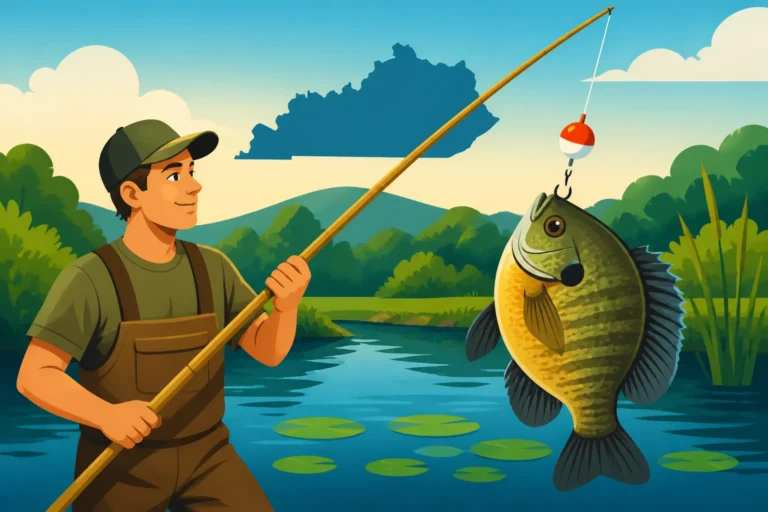
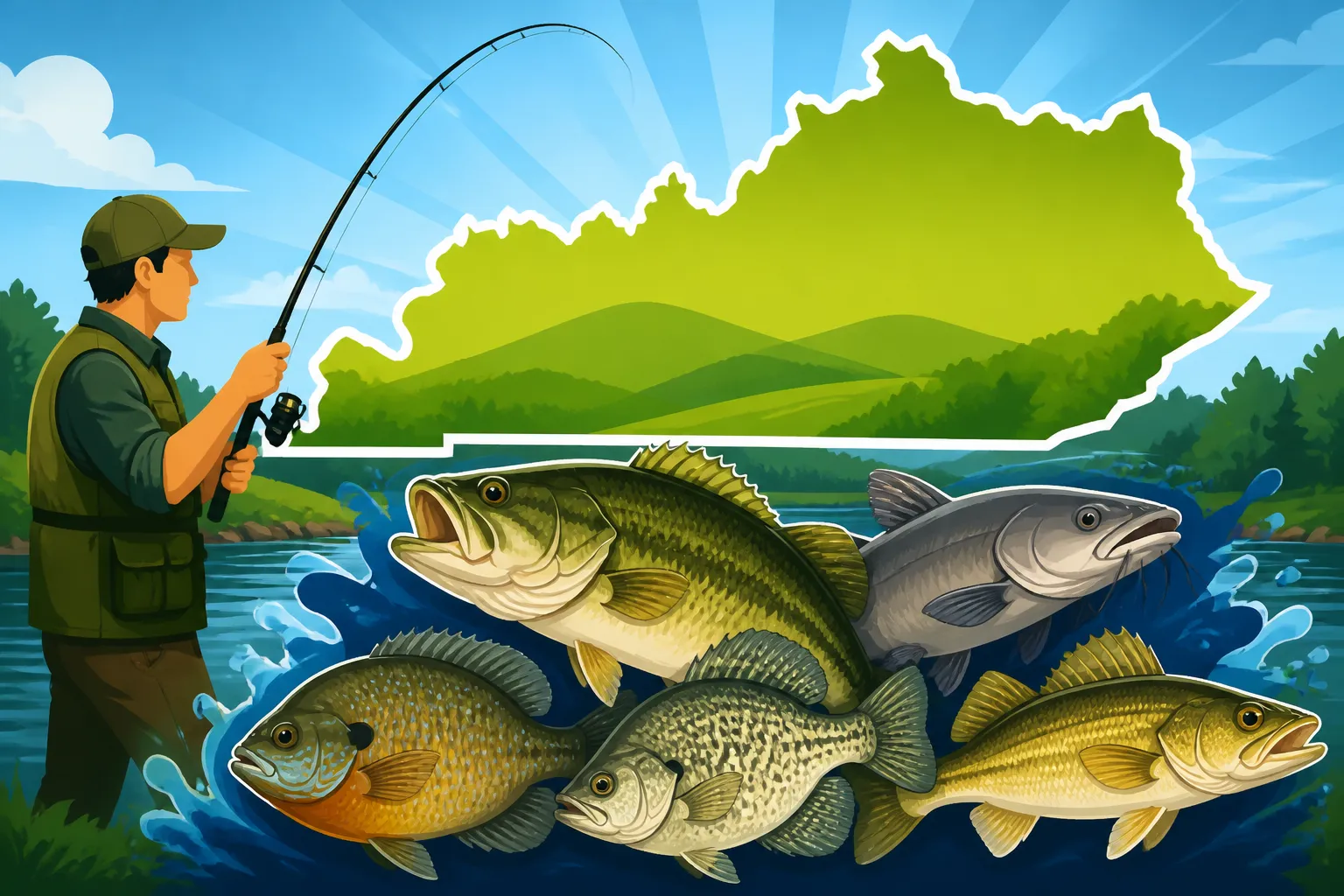
If you're aiming for consistent action, especially with kids or new anglers, panfish are your absolute best bet. This category primarily includes bluegill and various sunfish species like redear sunfish (often called shellcrackers), green sunfish, and longears. These fish are prolific, found in nearly every body of water in Kentucky, and are usually very eager to bite.
In early June, bluegill and other sunfish are often found in relatively shallow water, especially around weed beds, submerged structures, lily pads, and shaded areas. They're often in the midst of their spawning cycle or post-spawn, making them aggressive and easy to locate. You'll find them in public ponds, small lakes, and the shallows of larger reservoirs like Lake Barkley or Lake Cumberland. The best part? Their bites are usually unmistakable, and they put up a surprisingly feisty fight on ultralight tackle. For a family outing, a bucket of worms and a few bobbers can lead to a ton of excitement and a memorable stringer of fish. You can find simple, ready-to-go ultralight fishing combos on Amazon, which makes getting started incredibly easy. These smaller species are excellent table fare, too, perfect for a fresh fish fry!
Popular Game Fish: Largemouth Bass and Crappie
While panfish offer consistent action, many anglers are hoping to tangle with something a bit bigger. Early June can be a prime time for both largemouth bass and crappie, though you might need to adjust your tactics slightly compared to the spring spawn.
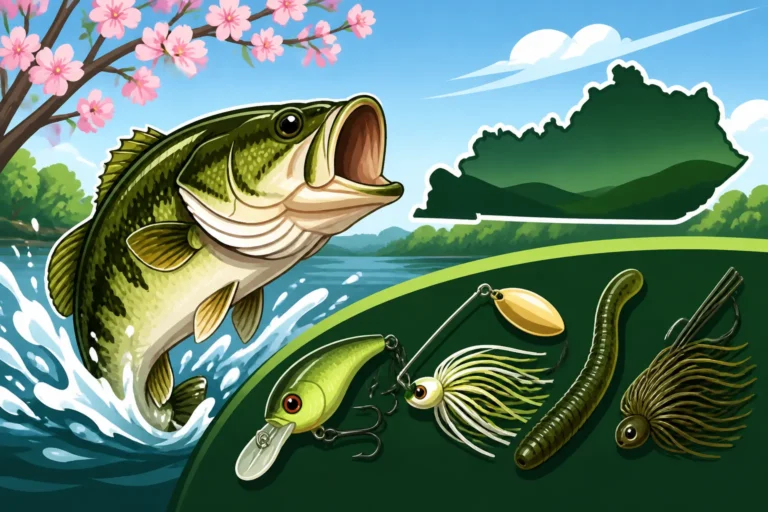
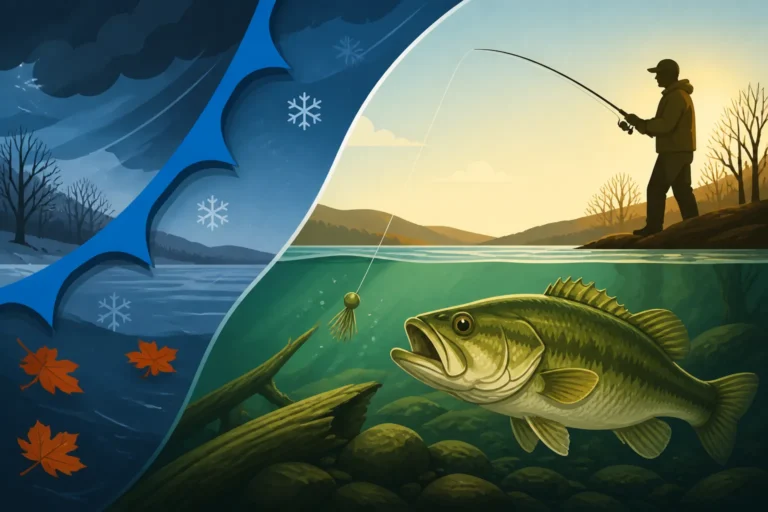
Largemouth bass will have mostly finished their spawning activities by early June and will be transitioning into their summer patterns. This means they'll be actively feeding and can be found relating to cover like submerged brush, fallen trees, docks, and weed lines in shallower to mid-depth waters, especially during early mornings and late evenings. On larger lakes like Kentucky Lake, you might find them moving towards deeper ledges and offshore structure as the day heats up, but there will still be plenty accessible from the bank. For tips on targeting them, you might want to review Largemouth Bass Fishing in Kentucky: The Complete Guide. They'll readily strike artificial lures such as spinnerbaits, crankbaits, and soft plastics, but don't underestimate live bait like minnows or worms, especially for beginners.
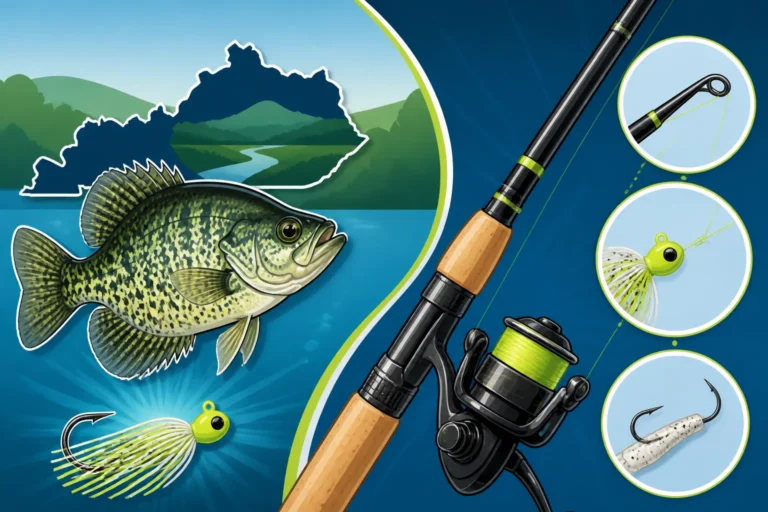
Crappie, both black and white, will also be transitioning from their shallow spawning grounds to deeper cover. They often congregate around submerged brush piles, standing timber, and bridge pilings in 8-20 feet of water. While the frenzied shallow bite of April and May might be over, crappie are still very catchable. Vertically jigging small jigs (1/16 to 1/8 oz) or fishing minnows under a slip bobber near structure can be highly effective. If you're wondering more about these speckled beauties, check out our Crappie Fishing in Kentucky: Black and White Crappie Guide. For those targeting crappie specifically, picking up a specialized crappie jig kit from Amazon can give you a great variety of colors and sizes.
Bottom Dwellers: Channel Catfish
For anglers looking for a strong pull and delicious fillets, channel catfish are an excellent target during the Free Fishing Weekend. Early June sees these whiskered warriors becoming very active as water temperatures rise. They are opportunistic feeders and can be found in a wide variety of habitats, from slow-moving rivers to large reservoirs and even smaller ponds.
Channel catfish love current breaks in rivers, deeper holes in lakes, and areas with access to cover like riprap or logjams. They are notorious for biting on a diverse menu of baits. Stink baits, cut baits (like shad or chicken livers), and even good old nightcrawlers are all highly effective. Fishing on the bottom with a simple slip-sinker rig is a tried-and-true method. Night fishing can be particularly productive for catfish, but you can certainly catch them during the day as well. If you're planning a catfishing adventure, learning more about Catfish Species in Kentucky: Channel, Blue, Flathead and White will definitely give you an edge. They're strong fighters and, like panfish, offer an excellent meal, making them a fantastic target for a fun and rewarding Free Fishing Weekend experience.
Other Possibilities: White Bass and Hybrids
Depending on the specific water body and conditions, you might also encounter white bass or hybrid striped bass. White bass are schooling fish that often chase baitfish near the surface, especially during early morning or late evening. They put up a fantastic fight and are a blast to catch on light tackle. Hybrids are similar but grow much larger and are typically found in bigger reservoirs where they are stocked. If you see birds diving or baitfish schooling on the surface, cast a small spoon, inline spinner, or topwater lure into the fray – you might just hook into a schooling white bass!
Here’s a quick overview of what you might catch and how, especially if you're new to fishing:
| Fish Species | Typical Location (Early June) | Best Beginner Baits/Lures | Notes |
|---|---|---|---|
| Bluegill/Sunfish | Shallow, around weeds, docks, submerged brush, shaded areas | Worms, crickets, small artificial grubs/jigs | Most reliable for consistent bites, great for kids. |
| Largemouth Bass | Around cover (docks, laydowns, weed lines), points, coves | Worms (live/plastic), spinnerbaits, small crankbaits | Active feeders, good fight. Best early morning/late evening. |
| Crappie | Deeper brush piles, standing timber, bridge pilings (8-20 ft) | Minnows, small jigs (1/16 to 1/8 oz) | Might require a boat or specific bank access to deeper spots. |
| Channel Catfish | River current breaks, deep holes, channel edges, brushy banks | Cut bait, chicken livers, stink bait, nightcrawlers | Strong fighters, often active day and night. Easy to fish from the bank. |
| White Bass | Open water, chasing baitfish (look for surface activity), river runs | Small spoons, inline spinners, white jigs | Schooling fish, can provide fast action when located. |
Tactics and Gear for a Successful Free Fishing Weekend
Having the right — or at least adequate — gear makes all the difference, especially when you're trying to make fishing enjoyable for everyone. You don't need a boatload of expensive equipment, particularly for the Free Fishing Weekend. The emphasis should be on simplicity and effectiveness.
Simple Setups: Rods, Reels, and Line
For most of the species you’ll encounter during Kentucky’s Free Fishing Weekend, a basic spinning rod and reel combo is perfect. A light to medium-light action rod, around 6 to 7 feet long, paired with a small spinning reel spooled with 6-10 pound monofilament line, will serve you well. This setup is versatile enough for panfish, bass, and catfish, and it’s easy for beginners and kids to handle. You can find excellent, affordable combos at most sporting goods stores or even on Amazon. They often come pre-spooled with line, which is a huge convenience!
Don't overthink the tackle box. A few essentials are far better than a cluttered mess. You'll want an assortment of hooks (sizes 6-1 for panfish and smaller catfish, larger 2/0-4/0 for bigger catfish), some split-shot weights, and a few bobbers (both clip-on and slip bobbers can be useful). For lures, a handful of small inline spinners, a few colorful crappie jigs, and some plastic worms or grubs will cover most situations. Remember, the goal is fun, not setting a new state record, so keep it straightforward. For more beginner-friendly advice, check out Bank Fishing Techniques for Beginners.
Best Baits for Consistent Action
When it comes to bait, especially for the Free Fishing Weekend, live bait is king for getting consistent bites.
- Worms: The undisputed champion. Nightcrawlers or red wigglers are irresistible to bluegill, sunfish, and even smaller bass and channel catfish. They're cheap, easy to find, and simple to rig on a hook under a bobber.
- Minnows: Excellent for crappie, white bass, and bass. You can fish them live under a bobber or on a small jig head.
- Chicken Livers/Stink Bait: If you're serious about catching channel catfish, these are highly effective. They have a strong scent that catfish can't resist. Just be warned, they can be a bit messy!
- Crickets: Another fantastic option for panfish, especially in clearer waters where they might be a bit pickier.
Don't forget to bring a small cooler to keep your live bait fresh, especially if you're out on a warm June day. A well-hydrated worm or minnow is a lively bait!
Ideal Spots for Free Fishing Weekend Success
Since the Free Fishing Weekend encourages widespread participation, think about accessible locations that cater to bank fishing or easy boat access.
- Community Ponds & State Park Lakes: Many Kentucky state parks, like Barren River Lake State Resort Park or Lake Cumberland State Resort Park, have fishing piers or designated bank access areas that are perfect for families. These waters are often stocked and managed for easy public access. You can find a detailed list by looking up Best State Park Fishing Spots in Kentucky.
- Small Public Lakes & Reservoirs: Lakes like Taylorsville Lake, Green River Lake, or Cave Run Lake offer plenty of bank access, boat ramps, and productive coves where you can target multiple species.
- River Access Points: Slower-moving sections of rivers like the Ohio River or the lower Kentucky River, especially around boat ramps or parks, can offer opportunities for catfish and panfish. Remember to check local regulations as river fishing can sometimes be more complex.
- Private Ponds: While these don't require a license any day of the year (with permission from the landowner), they are often teeming with fish and offer a peaceful setting for a family outing.
When scouting a spot, look for areas with cover (docks, fallen trees, lily pads), shaded banks, or areas with a gentle slope into the water. These are usually prime locations for fish to hide and feed.
Making the Most of Your Free Fishing Adventure
The Free Fishing Weekend is more than just about catching fish; it’s about the experience, making memories, and hopefully sparking a lifelong love for the outdoors. With a little planning and the right mindset, you can ensure a successful and enjoyable outing for everyone involved.
Planning a Family-Friendly Outing
When fishing with family, especially kids, remember that their attention spans might be shorter than yours. Keep the trips relatively brief, perhaps a few hours in the morning or late afternoon when fishing is often best. Pack plenty of snacks, drinks, sunscreen, and insect repellent. A comfortable folding chair, a small tackle box for each child (even if it just holds worms and a bobber), and a dedicated focus on their enjoyment will make a huge difference. Celebrate every bite, even if the fish gets away!
Consider setting up a "fishing station" with a cooler, comfortable seating, and easy access to bait and tackle. Let the kids help bait their hooks (if they're comfortable) or cast their lines. Teach them how to properly hold a fish, and if you plan to keep any, explain the process respectfully. This weekend is a fantastic opportunity for an introduction to Kentucky Free Fishing Weekend Family Trip Planning. And remember, patience is key – yours and theirs! Sometimes the biggest catches are the laughs and conversations shared by the water's edge.
Essential Gear Beyond Rod and Reel
While we talked about the basic rod and reel, a few other items can significantly enhance your experience:
- Sun Protection: Kentucky summers can be brutal. Hats, sunglasses, and high-SPF sunscreen are non-negotiable. You can find excellent fishing-specific hats and UV-protective clothing on Amazon.
- Pliers/Forceps: Essential for safely removing hooks, especially from smaller fish.
- Stringer or Cooler: If you plan to keep fish, a stringer to keep them alive in the water or a cooler with ice to keep them fresh is a must.
- First-Aid Kit: Minor cuts or scrapes are common.
- Small Net: Makes landing fish easier, especially with kids.
- Camera: To capture those precious memories and first catches!
Having these few extras can turn a good trip into a great one, preventing discomfort or minor issues from ruining the fun.
Respecting the Resource: Conservation Practices
Even though it's a "free" fishing weekend, our responsibility to conserve and respect Kentucky's natural resources doesn't take a break.
- Follow all regulations: As mentioned, bag and size limits still apply. Knowing Do Bag Limits Still Apply on Kentucky's Free Fishing Weekend? is crucial for staying within the law.
- Practice Catch and Release: If you're not planning to eat the fish, learn how to safely release them. Handle fish gently with wet hands, remove hooks quickly, and support their weight when returning them to the water.
- Leave No Trace: Pack out everything you pack in. Dispose of all trash, including fishing line, properly. Fishing line can be deadly to wildlife, so make sure none is left behind.
- Respect Other Anglers and Nature: Be mindful of others fishing nearby, keep noise levels down, and appreciate the peaceful surroundings.
By following these simple conservation practices, we ensure that the beauty and abundance of Kentucky's waters remain for future generations to enjoy, long after the Free Fishing Weekend has passed.
Disclaimer
Please remember that fishing regulations can change, and it is always your responsibility to check the most current rules and regulations published by the Kentucky Department of Fish and Wildlife Resources before heading out. This guide provides general information and should not be considered a substitute for official KDFWR regulations.