How Fish Behavior Changes From Summer to Fall
The shift from the dog days of summer to the crisp, colorful days of fall can throw a real curveball at even the most seasoned Kentucky angler. You've spent weeks, maybe months, perfecting your warm-weather strategies, only to hit the water in September and find your trusty spots suddenly barren. It's frustrating when what worked so well just weeks ago yields nothing. This guide will walk you through the fascinating changes in fish behavior as Kentucky's waters cool, helping you understand why those patterns shift and how to adapt your approach for fantastic fall fishing success.
Understanding the Seasonal Shift from Summer to Fall
As the calendar pages turn from August to September, a subtle yet profound transformation begins in Kentucky's lakes and rivers. It’s not just the leaves changing color; it’s a whole new world opening up for fish, and by extension, for us anglers. Ignoring these shifts is like trying to drive with one foot on the gas and one on the brake – you'll get nowhere fast.
The Warm Water Woes of Late Summer
Think about late summer in Kentucky. Those scorching August days, where the air hangs heavy and the water temperature climbs into the high 80s or even low 90s in shallower areas. For fish, especially species like bass, this can be a really stressful time. They’re cold-blooded creatures, so their metabolism is directly tied to the water temperature. When it’s super hot, they become lethargic, conserving energy and often retreating to the deepest, coolest, and most oxygenated parts of the lake. We've all experienced those slow summer days where you feel like you're practically spoon-feeding a bass, and it still ignores your offering. That's often a sign of this heat-induced stress.
Another critical factor is oxygen. Warm water holds less dissolved oxygen than cold water. In shallow coves or stagnant backwaters, this can create "dead zones" where fish simply can't survive comfortably. They might suspend near the thermocline – that invisible boundary where warm surface water meets cooler, deeper water – searching for that sweet spot of comfort and sustenance. Forage might be abundant in summer, but finding it in those comfort zones becomes key. So, while there are always some fish willing to bite, the widespread, aggressive feeding we dream of often takes a backseat until things start to change.
The Cooling Catalyst: Autumn's First Chill
Then come those glorious first hints of autumn. Maybe it’s a string of nights where the thermometer dips into the 50s, or perhaps even a cool front pushes through. This is the catalyst. As the air temperatures drop, the surface water begins to cool down. This cooling effect, coupled with shorter daylight hours, signals to the fish that winter is coming. It's a biological alarm clock going off, telling them to start preparing.
This initial cooling doesn't immediately send them into a frenzy, but it kickstarts their metabolism. They start to feel more comfortable moving around, venturing out of those deep-water refuges they’ve called home all summer. The thermocline, which was so pronounced in summer, begins to break down as the entire water column gradually mixes and cools. This mixing replenishes oxygen levels throughout the lake, opening up a wider range of habitats for fish. Suddenly, areas that were too warm or oxygen-deprived in summer become viable feeding grounds. This is when you can feel a palpable shift on the water, almost like the lake itself is waking up.
Key Behavioral Changes You'll Notice on the Water
Once the fall transition truly begins, fish behavior undergoes some dramatic shifts that every angler needs to understand. It's like they've read a new script, and if you're still using the summer playbook, you'll be left scratching your head.
From Deep Hideouts to Active Feeding Zones
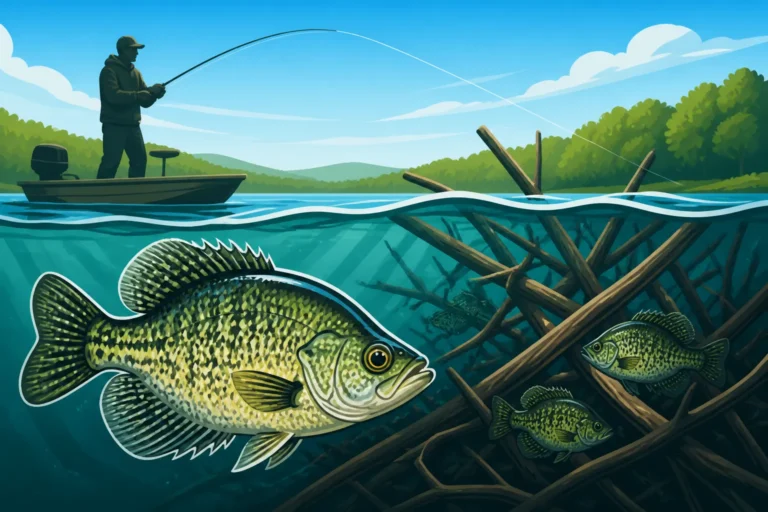
One of the most noticeable changes is where you'll find the fish. All summer long, many game fish like bass, crappie, and even some catfish species might have been hunkered down in deeper water, seeking refuge from the heat. They might have been suspended over deep creek channels, hiding in the cooler water of a main lake hump, or tucked away under dense offshore brush piles. As the water cools, this changes significantly.
They begin to migrate from these deep-water sanctuaries towards shallower, more accessible feeding areas. This means points, humps, ledges, and especially creek channels that lead into coves. They're not just moving to any shallow water, though; they're following the baitfish. You'll often find them congregating in areas where they can ambush prey, like the edges of grass beds, submerged timber, or rocky shorelines. Instead of painstakingly trying to find them suspended in 30 feet of water, you might find them actively cruising a flat in 5-10 feet. It's a shift from survival mode to active hunting mode, and it makes them much more accessible to anglers, whether you're fishing from a boat or Bank Fishing Techniques for Beginners.
The Fall Feeding Frenzy: Why Fish Get Aggressive
This is perhaps the most exciting aspect of fall fishing in Kentucky: the famed "fall feeding frenzy." As mentioned, the cooling water kickstarts their metabolism, but there's a deeper biological drive at play. Fish know that winter is coming, and with it, much colder water, slower metabolism, and potentially scarcer food. They need to pack on calories to sustain themselves through the lean months. It's an instinctual push to gorge themselves.
This means fish become much more aggressive and less picky than they were in the summer. They'll chase down baits, often striking with a ferocity that's absent during the warmer months. This increased activity isn't just about survival; it's about opportunity. The baitfish are also on the move, often schooling up in massive congregations, making them easy targets. Imagine a grocery store suddenly putting everything on sale – you'd stock up, right? That's what fish are doing. This heightened aggression makes for some truly memorable days on the water, where multiple hook-ups and fast action are not uncommon.
Baitfish Migration and Predatory Pursuit
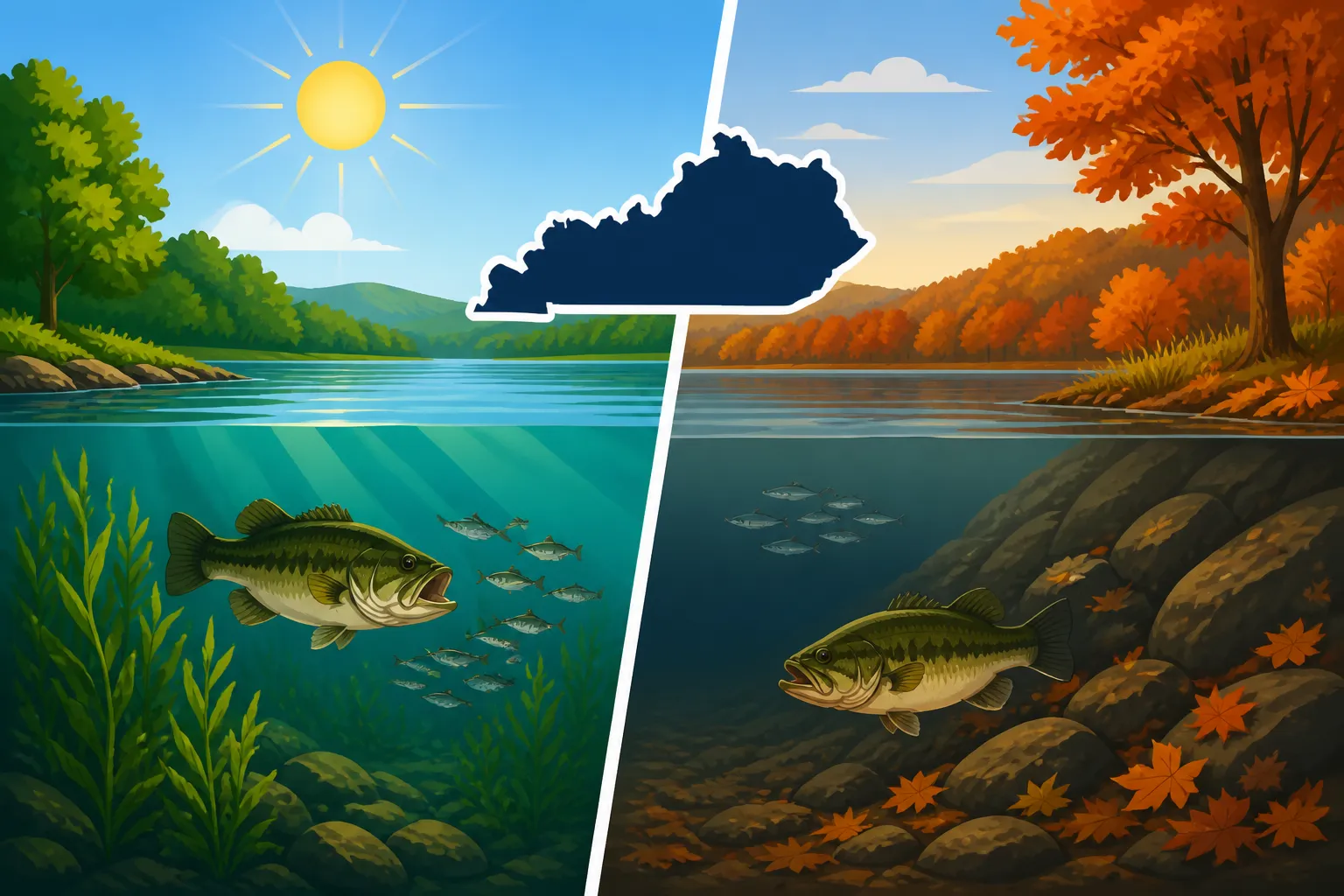
The driving force behind much of this fall fish behavior is the movement of baitfish. Threadfin shad, gizzard shad, various minnows, and other forage species are also sensitive to water temperature and light levels. As the days shorten and water cools, they begin to school up more tightly and move into creeks and coves, often seeking warmer, shallower water or specific types of cover. Predator fish, being opportunistic hunters, follow them. It's a classic predator-prey relationship playing out on a grand scale.
You'll often witness this phenomenon firsthand. Imagine being out on Kentucky Lake or Lake Barkley and seeing massive schools of shad dimpling the surface, sometimes even jumping out of the water in a desperate attempt to escape. Below them, you'll often find hungry bass, crappie, or even striped bass relentlessly pushing them to the surface. This can lead to incredible topwater blow-ups and frenzied action. Knowing that "where there are baitfish, there are game fish" becomes your mantra in the fall. Keep an eye out for bird activity, too – diving seagulls or herons often indicate baitfish activity below, which means bigger fish aren't far behind.
Adjusting Your Strategy: Lures, Locations, and Techniques
Understanding why fish change their behavior is only half the battle. The real fun comes in adjusting your game plan to capitalize on these new patterns. If you keep throwing the same lures in the same spots you did in July, you're going to have a frustrating time.
Locating Fish in the Fall Transition
Finding fish in the fall often revolves around "following the food." As discussed, baitfish are on the move, often schooling up and heading into tributary arms, coves, and shallower creek channels. Your first step should be to identify these baitfish concentrations. Look for them on your fish finder, observe surface activity, and pay attention to bird behavior.
Once you've located bait, you can start targeting the structure around it. Fish will position themselves to ambush these schools. Think about points that extend into the main lake or into a creek arm, humps, ledges, and submerged cover like brush piles or old stump fields. Rocky shorelines and bluff ends can also hold heat-absorbing properties that attract bait and, consequently, predators. Don't be afraid to fish shallower than you did in summer, especially in the mornings and evenings. As the water continues to cool further into fall, fish might start to congregate in deeper creek bends or river channels, especially near vertical cover like standing timber. Best Fishing Spots for Beginners in Kentucky often have accessible points and coves where this transition is evident.
Lure and Bait Choices for Autumn Angling
With fish often more aggressive and chasing bait, reaction baits become incredibly effective in the fall. Think about lures that imitate fleeing or injured baitfish.
- Crankbaits: Medium-diving and deep-diving crankbaits in shad patterns can be deadly, especially when fished along creek channel edges, points, and ledges. Vary your retrieve to mimic erratic baitfish.
- Spinnerbaits and Bladed Jigs: These are excellent for covering water quickly and drawing strikes from aggressive fish around submerged cover or grass lines. White, chartreuse, and silver are classic fall colors.
- Topwater Lures: When baitfish are pushed to the surface, especially early mornings or late evenings, topwater lures like poppers, walking baits, and buzzbaits can produce explosive strikes.
- Soft Plastics and Jigs: Don't abandon your plastics entirely. While fish are aggressive, sometimes a slower, more subtle presentation is still required, especially as water gets colder or on high-pressure days. Jigs, Texas-rigged worms, and swimbaits can still entice bites. For crappie, small jigs tipped with minnows or soft plastics are hard to beat around brush piles or vertical structure. Best Crappie Jigs for Kentucky Waters can be easily found on platforms like Amazon, offering a huge selection for every water condition. For catfish, natural baits like cut bait, chicken livers, or nightcrawlers fished on the bottom in deeper holes will remain consistent producers. You can often find great deals on bulk bait supplies and specialized rigs on Amazon, making it convenient to stock up for your fall excursions.
Adapting Techniques for Cooler Water
The retrieval speed and presentation of your lures are just as important as the lure choice itself. In early fall, with fish in that aggressive feeding frenzy, faster retrieves and more erratic actions can be highly effective. You want to trigger that predatory instinct. Think about burning a spinnerbait or cranking a crankbait quickly, then pausing for a reaction strike.
However, as fall progresses and the water temperatures continue to drop into the 60s and then 50s, fish metabolism will start to slow down again, albeit not to the extreme lethargy of mid-winter. Your retrieve might need to slow down to match. Consider vertical jigging techniques for suspended fish over deep water, or a slow roll with a spinnerbait along a bottom contour. For bass, a slow-moving jig or a shaky head can be very productive. For crappie, a patient tightlining technique with minnows or jigs around brush piles becomes more effective. Fan-casting to cover wide areas, then slowing down your presentation once you locate fish, is a smart strategy. Don't be afraid to experiment with different depths and speeds until you find what the fish are responding to on a given day.
Species-Specific Fall Fishing Tips for Kentucky
While the general principles of fall fishing apply across the board, different species will exhibit unique behaviors and respond to specific tactics. Knowing these nuances can significantly improve your catch rate.
Fall Bass Fishing in Kentucky (Largemouth & Smallmouth)
Kentucky offers incredible bass fishing opportunities in the fall, particularly for largemouth and smallmouth bass. As the water cools, both species become highly active feeders. Largemouth bass will often gravitate towards the backs of creeks and coves, following schools of shad. They'll relate to submerged timber, grass lines, and channel swings. Look for them cruising shallower flats during low light conditions or suspending on creek channel edges during brighter periods. The "fall turnover," when the surface water cools to match deeper water and the entire water column mixes, can briefly disperse fish, but once it settles, the bite can be fantastic.
Smallmouth bass, often found in clearer, rockier lakes like Lake Cumberland or in river systems, will also ramp up their feeding. They'll often school up on main lake points, rocky ledges, and humps. Deep-diving crankbaits, jigging spoons, football jigs, and suspending jerkbaits are all excellent choices for smallmouth in the fall. Keep an eye on those river bends and current breaks for active smallmouth populations. They're often grouped up, so if you catch one, there are likely more around! For specific bait choices, checking out Best Lures for Fall Bass Fishing can give you a great head start.
Crappie and Panfish in Autumn
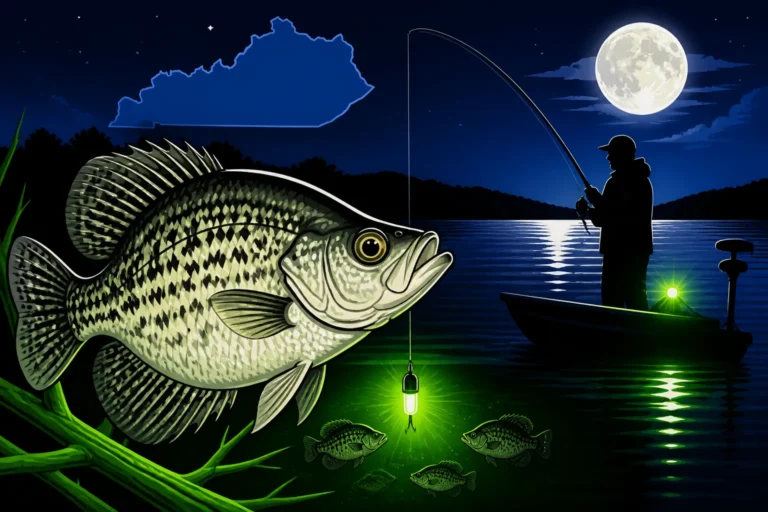
Crappie fishing in the fall can be absolutely phenomenal. As baitfish move shallow into creeks and coves, crappie are right there with them. They'll often be found relating to brush piles, standing timber, docks, and even channel swings within these shallower areas. Early fall might see them higher in the water column, actively chasing shad. As the water gets colder, they'll often hold tighter to structure, sometimes suspending in dense schools around cover.
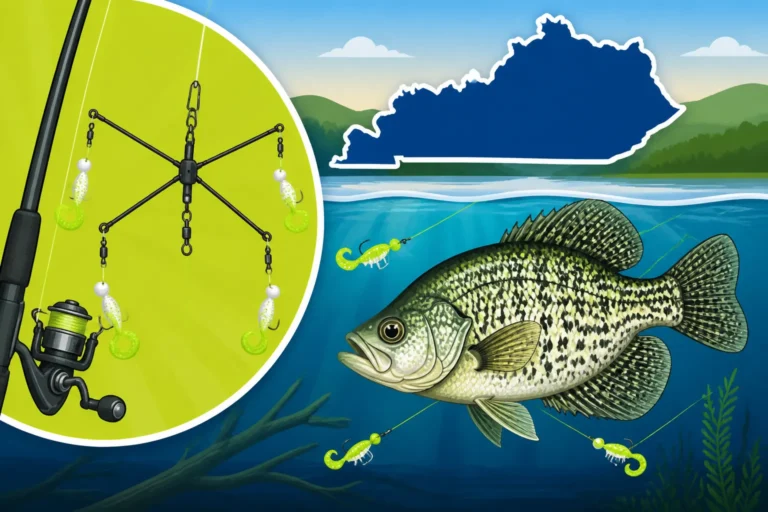
Small jigs, often tipped with a minnow, are the go-to for fall crappie. You can vertical jig them over structure, or cast them out and slowly retrieve. Spider rigging – using multiple rods with different baits and depths – can also be very effective for covering water and finding active schools. Don't overlook submerged timber or bridge pilings in deeper water, especially on cooler days. Panfish like bluegill and redear sunfish also feed aggressively in the fall, often found around the same types of shallow cover as crappie. Tiny jigs, worms, or crickets under a bobber can lead to non-stop action, making it a perfect time for a family outing.
Catfish in the Cooler Months
Catfish, especially big blue catfish and channel catfish, remain active well into the fall in Kentucky. The cooling water actually invigorates them, and they too participate in the pre-winter feeding binge. On big bodies of water like the Ohio River or Kentucky Lake, you'll often find them congregating in deeper holes, channel edges, and around significant current breaks.
For channel catfish, cut bait, chicken livers, and stink baits remain effective. For trophy blue catfish, fresh cut bait (shad, skipjack herring) fished on the bottom in deep river bends or main lake channels is a proven tactic. Flathead catfish, while still catchable, tend to become a bit more sluggish as the water cools, often retreating to deep cover. However, a live bluegill or other panfish presented near their haunts can still draw a strike. If you're looking to upgrade your catfish rig or explore new specialized baits, checking out the fishing sections on Amazon can reveal a wide array of options, from heavy-duty rods to specialized circle hooks.
Remember, the key to success in fall fishing is observation and adaptability. Don't be afraid to try new spots, new lures, and new techniques. The fish are there, they're hungry, and they're waiting for you to figure them out!
Summer vs. Fall Fish Behavior & Angling Adjustments
To help you quickly grasp the major differences, here's a table summarizing the key changes you'll encounter on the water:
| Feature | Late Summer Behavior | Early to Mid-Fall Behavior | Angling Adjustment |
|---|---|---|---|
| Water Temperature | High (80s-90s), pronounced thermocline | Cooling (70s-50s), thermocline breaks down | Fish move from deep to shallow; seek cooler, oxygenated water in summer, follow bait in fall |
| Metabolism | Slow, lethargic, conserving energy | Increased, aggressive, pre-winter feeding frenzy | Slower, precise presentations in summer; faster, reaction baits in fall |
| Location | Deep, often suspended, near thermocline or cool springs | Shifting to shallower creeks, coves, points, and ledges | Focus on deep structure/thermocline in summer; target baitfish concentrations & ambush points in fall |
| Baitfish Activity | Can be dispersed or deep; less visible | Schooling heavily, migrating shallow, often surface-active | Look for surface activity, bird concentrations, and use electronics to find bait schools |
| Lure/Bait Preference | Finesse presentations, live bait, deep-diving lures | Reaction baits (crankbaits, spinnerbaits, topwater), fresh cut bait | Match lure size/color to prevalent baitfish; use aggressive retrieves early, slow down as water cools |
| Best Time to Fish | Early morning, late evening, night | Throughout the day, especially low light periods still good | Consistent bite during daylight hours, can be productive all day in fall vs. very limited windows in summer |
| Aggression Level | Low, often finicky, short bite windows | High, willing to chase and strike, longer bite windows | Capitalize on aggressive strikes; cover water more quickly |
Disclaimer
This article is for general informational purposes only and does not constitute professional advice. Laws, prices and regulations vary by location and change over time. Consult a qualified professional for guidance on your specific situation.