Largemouth Bass Fishing in Kentucky: The Complete Guide
There's nothing quite like the thrill of a largemouth bass exploding on a topwater lure at dawn, or feeling that tell-tale thump as a jig gets inhaled deep in the weeds. For many anglers in Kentucky, chasing these powerful, aggressive fish isn't just a hobby; it's a way of life, a passion passed down through generations. But if you've ever spent a frustrating day on the water, casting your heart out only to come up empty-handed, you know how challenging these green monsters can be. This guide is dedicated to helping you unlock the secrets of largemouth bass fishing in Kentucky, transforming those slow days into memorable ones with a heavy livewell.
Understanding Kentucky's Largemouth Bass
The largemouth bass (Micropterus salmoides) is easily the most popular game fish in Kentucky, and for good reason. They are plentiful, grow to impressive sizes, and fight with a ferocity that few other freshwater species can match. But to consistently catch them, you first need to understand them – what they look like, where they live, and what drives their behavior throughout the year.
Identifying Largemouth Bass in Kentucky Waters
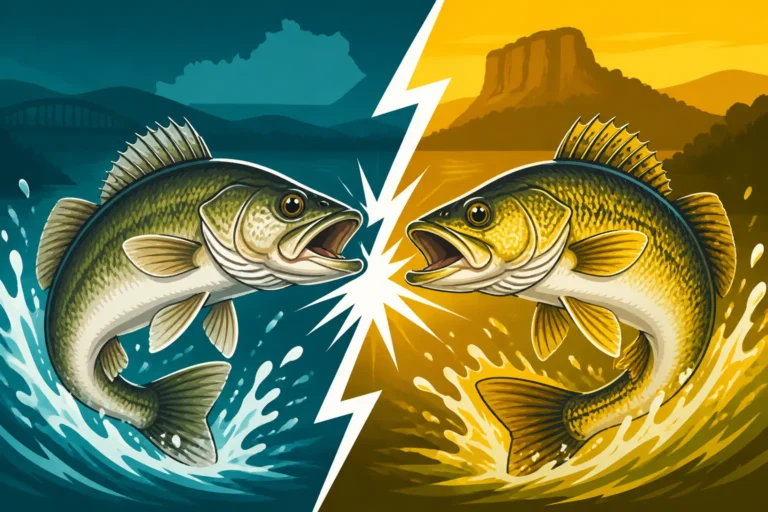
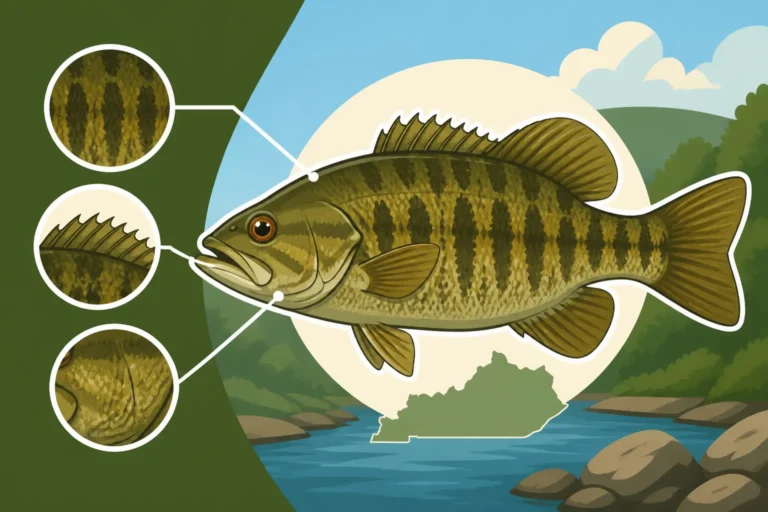
When you pull a bass out of the water, it's pretty exciting, but sometimes it can be tricky to tell if you've landed a largemouth, smallmouth, or even a spotted bass, especially if they're smaller. The key features of a largemouth are generally quite clear once you know what to look for. The easiest way is to look at the jawline: the upper jaw (maxilla) extends well past the back of the eye when its mouth is closed. This is a dead giveaway.
Another distinctive trait is the dark, lateral band that runs horizontally along the largemouth's body from the gill plate to the tail. While it might be broken or faded in some fish, it's usually quite prominent. They also tend to have a deeper, more robust body shape compared to the sleeker smallmouth, and their dorsal fins are almost completely separated. Knowing these features will not only help you identify your catch but also understand their habits better, as each species often prefers slightly different environments. For a visual comparison, check out our guide on How to Identify a Largemouth Bass.
Common Largemouth Bass Habitats in Kentucky
Largemouth bass are creatures of structure and cover. They love places where they can ambush prey, hide from predators, and find comfortable water temperatures. In Kentucky's diverse waterways, this means a wide variety of potential homes. Think about a fallen tree extending into a lake: it provides shade, submerged branches for hiding, and often attracts baitfish, making it a prime bass hangout.
Other common habitats include dense weed beds, lily pads, submerged timber, rock piles, sudden drop-offs, and even man-made structures like boat docks, bridge pilings, and riprap along dam faces. These spots offer refuge and hunting grounds. Bass will relate to these features differently depending on the season, time of day, and water conditions. For instance, on a bright summer day, you'll often find them tucked deep under docks or in the densest part of a weed bed, seeking shade and cooler water. Understanding these preferences is the first step to putting your lure in the right place.
Top Kentucky Lakes and Rivers for Largemouth Bass
Kentucky boasts an incredible array of fishing opportunities, and when it comes to largemouth bass, some bodies of water truly stand out as world-class destinations. These lakes offer not only the chance to catch a lot of fish but also the possibility of landing that trophy-sized bucketmouth you've always dreamed of.
Kentucky Lake and Lake Barkley
When you talk about largemouth bass fishing in Kentucky, Kentucky Lake: The State's Top Bass Fishing Destination is almost always the first name that comes up, often mentioned in the same breath as its twin, Lake Barkley. These two massive reservoirs, connected by a canal, offer an immense amount of diverse bass habitat, from sprawling shallow flats covered in hydrilla and milfoil to deep river channels lined with standing timber. Anglers flock here from all over the country to experience their legendary bass fisheries.
During the spring, the bass move into the shallow spawning flats, making them accessible to a wide range of techniques. In summer, they transition to offshore ledges and deeper cover, often congregating in large schools. The sheer size and productivity of these lakes mean that even on a slow day, you're always just one cast away from a giant. Boat ramps are plentiful, and the sheer volume of fish means that whether you're a seasoned pro or a beginner, you have a solid chance at success.
Lake Cumberland and Other Key Spots
While Kentucky Lake and Lake Barkley often steal the spotlight, Kentucky is home to many other fantastic largemouth bass lakes that deserve your attention. Lake Cumberland: Kentucky's Best All-Around Fishing Lake, for example, is famous for its monstrous smallmouth bass, but don't sleep on its largemouth population. While generally found in different areas than its smallmouth cousins, the largemouth here grow large and fat, often relating to the lake's abundant standing timber and steep rocky banks. It's a challenging lake to fish due to its immense depth and clear water, but the rewards can be truly spectacular.
Beyond these giants, lakes like Barren River Lake, Taylorsville Lake, and Green River Lake offer excellent largemouth fishing, each with its own unique character. Barren River Lake, with its combination of rocky banks and shallow flats, is known for producing consistent numbers of quality bass. Taylorsville Lake, close to Louisville, offers excellent fishing around its abundant timber and creek channels. Green River Lake is another gem, often producing big fish from its standing timber and hydrilla beds. Don't overlook these fantastic options when planning your next bass adventure.
Seasonal Strategies for Largemouth Bass in Kentucky
Largemouth bass are highly adaptable, but their behavior is heavily dictated by water temperature and the changing seasons. Understanding these shifts is crucial for putting together a successful fishing plan, whether you're targeting them in the warming waters of spring or the chilling depths of winter.
Spring Pre-Spawn and Spawn
Spring in Kentucky is a magical time for bass anglers, marked by the Kentucky Bass Fishing: The April-May Peak Season. As water temperatures begin to climb into the 50s and 60s Fahrenheit, largemouth bass start their migration from deeper wintering holes to shallower spawning areas. This "pre-spawn" period is often when the biggest bass are caught, as they feed aggressively to build energy for the rigors of spawning. You'll find them cruising points, creek channel bends, and secondary humps, looking for easy meals.
Once the water hits the mid-60s, typically from mid-April through May, the spawn kicks into high gear. Bass move onto shallow flats, often in protected coves, to fan out their beds. Males guard the nests, and females move on and off the beds. While it's tempting to target bedding fish, many anglers prefer to focus on the pre-spawn fish that are still actively feeding, or the post-spawn females that are recouping their energy. Jerkbaits, spinnerbaits, and shallow crankbaits are fantastic for pre-spawn, while soft plastics like Senkos and creature baits fished slowly are effective during the spawn itself.
Summer Post-Spawn and Deep Water
As Kentucky's summer heat sets in and water temperatures soar into the 70s and 80s, largemouth bass transition into their summer patterns. Post-spawn females, after a brief recovery, become incredibly active again, often moving to deeper, cooler water. You'll find them relating to offshore structure like ledges, humps, and deep timber, especially in major reservoirs like Kentucky Lake. They'll also seek shade under boat docks, overhanging trees, and dense mats of vegetation.
During the daytime, especially under a bright sun, these fish can be challenging to catch, often requiring deep-diving crankbaits, heavy jigs, or drop shot rigs presented slowly. However, summer also offers incredible night fishing opportunities. As the sun sets and temperatures drop, bass often move shallower to feed under the cover of darkness. Topwater lures, large dark-colored spinnerbaits, and slow-rolled jigs can be incredibly effective during these cooler evening hours. It's a fantastic time to avoid the heat and enjoy a different kind of bass fishing adventure.
Fall Feeding Frenzy
Autumn brings a welcome change of pace for Kentucky's largemouth bass, marked by cooling water temperatures and a renewed sense of urgency to feed. Like their spring counterparts, fall bass are preparing for the lean winter months, gorging themselves on baitfish. This can make for some incredibly exciting and productive fishing. As temperatures drop from the 70s into the 60s, bass will often push baitfish into the backs of creeks and coves, creating explosive feeding frenzies.
You'll find them transitioning from their deep summer haunts back to shallower to mid-depth areas, often relating to points, channel swings, and the remaining green vegetation. Search baits like crankbaits, spinnerbaits, and swimbaits are excellent for covering water and locating active schools. Once you find them, you can often switch to a jig or a soft plastic to pick off additional fish. Don't be afraid to experiment with different depths and retrieve speeds, as bass can be found from the surface down to 20 feet or more, depending on the day.
Winter Slow and Deep
Winter bass fishing in Kentucky can be the toughest, but also one of the most rewarding for dedicated anglers. As water temperatures dip into the 40s and low 50s, largemouth bass become much more lethargic. Their metabolism slows down, and they're less willing to chase fast-moving baits. They typically seek out stable, deeper water, often congregating in large schools around creek channels, main lake points, and deep timber. Think about the quiet depths of Lake Cumberland or the Ohio River in winter; bass will hunker down in predictable spots.
This is the time for slow presentations and finesse techniques. Jigging spoons, blade baits, and slow-rolled football jigs are excellent choices. A shaky head or a Ned Rig can also entice a cold, finicky bass. The key is patience and precision. Electronics become invaluable in winter, helping you locate schools of inactive fish. While the bites may be fewer and far between, the fish you do catch are often some of the biggest and healthiest of the year, making the cold hands and quiet days well worth the effort.
Essential Lures and Baits for Kentucky Largemouth Bass
The world of bass fishing lures is vast and sometimes overwhelming, but having a core selection of proven performers is key to success on Kentucky waters. Each lure type is designed to excel in specific conditions and elicit different reactions from bass.
Soft Plastics: Worms, Jigs, and Creature Baits
Soft plastics are arguably the most versatile and consistently effective lures for largemouth bass, especially when the bite is tough or you're fishing in heavy cover. A simple plastic worm, rigged Texas-style, can be fished almost anywhere without snagging, making it perfect for flipping into dense weed beds or around submerged timber. Brands like Zoom and Strike King offer a dizzying array of shapes, sizes, and colors, many of which can be found readily on Amazon. Creature baits, mimicking crawfish or other critters, are fantastic for punching through matted vegetation or fishing on a Carolina rig.
Jigs, whether dressed with silicone skirts or tied with hair, are another indispensable soft plastic presentation. Paired with a creature bait or chunk-style trailer, a jig is a phenomenal big-bass catcher, especially when flipped or pitched into heavy cover. The retrieve is usually a lift-and-drop, mimicking a crawfish scurrying along the bottom. The beauty of soft plastics lies in their ability to be fished slowly and deliberately, allowing a hesitant bass plenty of time to inspect and eventually strike.
Crankbaits and Spinnerbaits
When you need to cover a lot of water quickly or elicit a reaction strike, crankbaits and spinnerbaits are your go-to options. Crankbaits are designed to dive to specific depths, allowing you to effectively target bass at various levels in the water column. Shallow-diving models are great for fishing over submerged grass or around shallow wood, while deep-diving crankbaits can plumb the depths of offshore ledges where summer bass congregate. The erratic wobble and vibration of a crankbait often trigger aggressive strikes from active fish.
Spinnerbaits, with their flashing blades and pulsating skirts, are workhorses for covering water, especially in stained or murky conditions. The vibration and flash are excellent for attracting bass in low visibility. They are also highly weedless, making them perfect for burning through grass beds or around standing timber. Different blade configurations (Colorado, Willow Leaf, Indiana) create varying amounts of flash and vibration, allowing you to tailor your presentation to the conditions. Many anglers swear by Best Bass Lures for Spring Fishing, and spinnerbaits are definitely on that list.
Topwater Lures and Jerkbaits
For sheer excitement, nothing beats a topwater strike. When a largemouth bass explodes on a bait floating on the surface, it's an unforgettable experience. Topwater lures, such as poppers, walking baits (like a Zara Spook), and prop baits, are most effective during low-light conditions – dawn, dusk, or on cloudy days – and when bass are active near the surface, often during the spring and fall. The key to successful topwater fishing is patience and a varied retrieve, mimicking an injured baitfish or a frog struggling across the water.
Jerkbaits, on the other hand, are designed to suspend or slowly sink in the water column and are typically fished with a "rip, rip, pause" retrieve. This erratic action, followed by a tantalizing pause, often triggers strikes from fish that are wary of faster-moving baits. They are particularly effective in clear water and during cooler months, when bass are less aggressive. Brands like Rapala and Lucky Craft make excellent jerkbaits that are often crucial additions to a serious bass angler's tackle box, easily purchased from retailers like Amazon.
Effective Techniques and Rigging for Largemouth Bass
Knowing what lure to use is only half the battle; knowing how to present it effectively is the other. Mastering different techniques and rigging methods will make you a much more versatile and successful largemouth bass angler.
Texas Rig and Carolina Rig
The Texas Rig is perhaps the most fundamental soft plastic rigging method, renowned for its weedless presentation. It involves threading a bullet-shaped weight onto your line, followed by a bead (optional, but creates sound), then tying on a worm hook. The plastic worm or creature bait is then threaded onto the hook, with the hook point embedded back into the plastic's body, making it virtually snag-proof. This allows you to punch through thick vegetation, drag over rocky bottoms, or flip into dense brush without constantly getting hung up. It's incredibly versatile for fishing anywhere from a few inches to 30 feet deep, making it a staple for anyone fishing Kentucky's diverse lakes.
The Carolina Rig, while also using a weight and soft plastic, is designed for covering open water and presenting your bait a foot or two off the bottom. It consists of a heavy sliding weight (often an egg sinker or a specialized Carolina Rig weight), followed by a bead, then a swivel. From the swivel, you tie a leader (typically 18-36 inches long) to your hook, to which you rig your soft plastic bait weedless. This setup allows the weight to drag along the bottom, kicking up sediment, while the bait floats and dances enticingly behind it. It's fantastic for fishing points, humps, and ledges, often triggering strikes from bass that are reluctant to hit a bait directly on the bottom.
Flipping, Pitching, and Skipping
These are precision casting techniques aimed at delivering your lure into tight, heavy cover where big bass often hide. Flipping involves using a long rod and short line, swinging the bait gently into a target with minimal splash. It's perfect for dense reeds, lily pads, or thick brush. Pitching is similar but uses a slightly longer cast, often a pendulum motion, to place the bait silently under overhanging trees or into small openings in vegetation. Both techniques demand a specialized heavy-action rod and a baitcasting reel spooled with strong braided line to pull fish out of the nastiest cover.
Skipping is an advanced technique that allows you to propel a jig or soft plastic under docks, overhanging trees, or other low-clearance cover, much like skipping a stone across water. It requires a specific cast and often a lure with a flat bottom or minimal protrusions. This skill is invaluable on lakes like Kentucky Lake or Herrington Lake, which are lined with hundreds of boat docks, providing prime ambush points for largemouth bass. Mastering these techniques will open up a whole new world of bass fishing opportunities, allowing you to reach fish that others can't.
Drop Shot and Ned Rig
When the bite gets tough, or you're faced with clear water and pressured fish, finesse techniques like the Drop Shot and Ned Rig can be absolute game-changers. The Drop Shot rig involves tying a hook directly to your main line (often using a Palomar knot or a specialized drop shot knot) and then tying a weight to the tag end of the line, typically 6-18 inches below the hook. This allows your soft plastic bait (often a small worm or creature bait) to suspend horizontally off the bottom, directly in the strike zone, while the weight maintains contact with the bottom. It's incredibly effective for vertical fishing, detecting subtle bites, and targeting suspended fish, especially in deeper, clear water.
The Ned Rig, popularized by Midwest finesse anglers, is another deadly finesse presentation. It uses a small, mushroom-head jig (often 1/16 to 1/8 ounce) paired with a short, buoyant soft plastic worm (often 2-3 inches long). The buoyant plastic stands straight up off the bottom, mimicking a small foraging baitfish or crawfish. It's designed for subtle, slow retrieves, often just dragging or shaking it along the bottom. The Ned Rig is incredibly effective for highly pressured fish, cold water conditions, or when bass are feeding on small forage. While it might seem counter-intuitive to use such a small bait for largemouth, its effectiveness is undeniable, especially on tough days.
Gear Up: Rods, Reels, and Lines for Bass Anglers
Having the right equipment can make a significant difference in your bass fishing success. Just like a carpenter has different tools for different jobs, a serious bass angler needs a diverse selection of rods, reels, and lines to match various techniques and conditions.
Rods: Actions, Powers, and Lengths
Choosing the right fishing rod for largemouth bass involves understanding its "action" and "power." Rod action describes where the rod bends when pressure is applied, ranging from "fast" (bends mostly at the tip) to "slow" (bends through the entire blank). Fast action rods offer more sensitivity and quick hooksets, ideal for jigs and Texas rigs. Moderate or slow action rods bend further down, providing more give, which is better for treble-hooked baits like crankbaits, helping to keep fish pinned.
Rod power refers to the rod's lifting strength – from ultralight to heavy. For largemouth bass, you'll typically use medium-heavy to heavy power rods for most applications, especially when fishing around cover. A medium-power rod might be preferred for lighter crankbaits or topwaters. Length also plays a role; longer rods (7' to 7'6") offer greater casting distance and leverage, while shorter rods (6'6" to 6'10") provide more accuracy for flipping and pitching. Many reputable brands offer excellent rods for specific bass techniques, and you can find a huge selection of Best Fishing Rods for Largemouth Bass on Amazon, making it easy to build your arsenal.
Reels: Baitcasters vs. Spinning Reels
The choice between a baitcasting reel and a spinning reel largely depends on the lure you're throwing and the technique you're employing. Baitcasting reels are the workhorses for most bass anglers, especially when using heavier lures, thicker lines, and when casting for accuracy into tight cover. They offer superior power and control, making them ideal for jigs, Texas rigs, crankbaits, and spinnerbaits. Different gear ratios on baitcasters determine your retrieve speed; a lower ratio (e.g., 6.4:1) is good for crankbaits, while a higher ratio (e.g., 7.1:1 or 8.1:1) is better for quickly taking up slack with jigs and soft plastics.
Spinning reels, on the other hand, excel at casting lighter lures and are often preferred for finesse techniques like the Drop Shot or Ned Rig. They are much easier to cast for beginners and are less prone to "backlashing" compared to baitcasters. While they might not have the raw power for muscling a giant bass out of heavy cover, they offer precision and a smooth drag system, making them indispensable for certain situations. It's wise to have both types of reels in your setup, as each has its distinct advantages. Regular maintenance is key for both, ensuring smooth operation and longevity.
Line Choices: Monofilament, Fluorocarbon, and Braid
Your fishing line is the critical link between you and the fish, and choosing the right type is paramount. Each type of line has distinct properties that make it suitable for different situations. Monofilament (mono) is a traditional choice, known for its stretch, affordability, and ease of casting. The stretch acts as a shock absorber, which can be beneficial for treble-hooked baits. However, it's less sensitive and has more memory than other lines.
Fluorocarbon (fluoro) is virtually invisible underwater, making it ideal for clear water and finicky fish. It has less stretch than mono, offering increased sensitivity, and sinks, which can be an advantage with certain lures. However, it can be stiffer and more prone to memory. Braided line (braid) offers incredible strength-to-diameter ratio, zero stretch (maximum sensitivity), and excellent castability. It's perfect for fishing heavy cover where you need to muscle fish out, or for topwater baits where you want no stretch for instant hooksets. However, it's highly visible, so many anglers will tie a fluorocarbon leader to their braid. Understanding these differences and carrying spools of each will greatly enhance your adaptability on the water.
Advanced Tips and Tournament Considerations
Once you've mastered the basics, taking your largemouth bass fishing to the next level involves refining your approach, particularly when it comes to understanding the water and competing in tournaments.
Reading the Water and Interpreting Electronics
The most consistent bass anglers aren't just good at casting; they're masters at "reading the water." This means looking for subtle clues that indicate where bass might be holding. This could be anything from changes in water color, current breaks, surface baitfish activity, or even the type of bank you're fishing. For instance, a shallow, muddy bank might hold fish early in the spring, while a steep, rocky bank might be better in the fall. Observing your surroundings and understanding how factors like wind, sun, and cover influence bass behavior is crucial.
Modern fish finders and marine electronics have revolutionized this aspect of fishing. Devices from brands like Humminbird or Lowrance (widely available on Amazon) provide incredible detail about underwater structure, cover, and even individual fish. Understanding how to interpret sonar, side imaging, and down imaging views can help you locate hidden ledges, brush piles, and schools of baitfish that you would never see otherwise. Many anglers spend hours studying contour maps, like those available through LakeMaster or Navionics, to identify potential hotspots before they even launch their boat. Combining keen observation with advanced electronics is a powerful combination for finding and catching more largemouth bass.
Tournament Angler Strategies
For those looking to take their passion to a competitive level, tournament bass fishing in Kentucky is an exciting but demanding pursuit. Success in tournaments requires a blend of skill, strategy, and adaptability. Pre-fishing, scouting a lake days or weeks before the event, is essential for locating potential fishing spots and understanding current fish patterns. However, conditions can change rapidly, so the ability to adapt on the fly is paramount. You might have a plan going in, but if the fish aren't biting where you expect, you need to quickly pivot to a new area or technique.
Another critical aspect of tournament fishing is keeping your catch alive and healthy. Most bass tournaments are catch-and-release events, and fish care is often a factor in scoring. Proper handling, a well-maintained livewell with aeration and fresh water, and quick weigh-ins are crucial for minimizing stress on the fish. You also need to be acutely aware of Tournament Angler License Rules and Requirements and other specific regulations that might apply to competitive events. The pressure of competition, combined with the nuances of bass behavior, makes tournament fishing a thrilling challenge for dedicated anglers.
Conservation and Regulations
As passionate as we are about catching largemouth bass, it's equally important to be responsible stewards of Kentucky's fisheries. Understanding and adhering to regulations, as well as practicing proper catch and release, ensures that future generations can enjoy the same incredible fishing we do.
Kentucky Largemouth Bass Regulations
To legally fish for largemouth bass in Kentucky, you absolutely need a valid fishing license. This is a non-negotiable step before you even think about wetting a line in public waters. You can find comprehensive information in our Kentucky Fishing License Guide or learn How to Get a Fishing License in Kentucky. Once you have your license, you need to be aware of the specific rules governing largemouth bass. The Kentucky Department of Fish and Wildlife Resources (KDFWR) sets statewide size and daily creel (bag) limits to manage fish populations.
For example, the Kentucky Statewide Bass Size and Daily Limit Rules typically stipulate a 12-inch minimum size limit and a daily creel limit of six bass. However, it's absolutely critical to remember that many lakes have site-specific regulations that differ from the statewide rules. Lake Barkley, for instance, has a 15-inch minimum size limit for bass, stricter than the statewide regulation. Always double-check the KDFWR's current fishing guide for the specific body of water you plan to fish, as these regulations can change. Ignorance of the law is no excuse, and wardens regularly check for compliance, so make sure you're always in the know.
Catch and Release Practices
While keeping a few bass for a fish fry is certainly one of the joys of fishing, practicing catch and release is vital for sustaining healthy largemouth bass populations, especially when dealing with larger, older fish that are key breeders. Minimizing stress on the fish and ensuring their survival after release should be a priority for every angler.
When you catch a bass, handle it gently with wet hands, supporting its body. Avoid gripping it by the lower jaw horizontally if it's a very large fish, as this can damage its jaw. Remove hooks quickly and carefully; barbless hooks or de-barbed hooks can make this process easier. If a fish has swallowed a hook deep, cut the line as close to the hook as possible rather than trying to rip it out. Release the fish back into the water gently, allowing it to swim off under its own power. If it's sluggish, hold it upright and move it back and forth gently to push water over its gills until it regains strength. These simple practices go a long way in ensuring Kentucky's largemouth bass fisheries remain robust for years to come.
Largemouth Bass Lures and Techniques At-A-Glance
| Lure Type | Best Conditions | Ideal Depth Range | Key Techniques | Target Areas |
|---|---|---|---|---|
| Soft Plastics | Versatile; tough bite, heavy cover, clear water | Shallow to Deep | Texas Rig, Carolina Rig, Jigging, Drop Shot, Ned Rig | Weed beds, brush piles, docks, rock piles, ledges |
| Crankbaits | Covering water, active fish, stained water | Shallow to Deep | Fast retrieve, erratic retrieve, deflecting off cover | Points, humps, ledges, creek channels, riprap |
| Spinnerbaits | Stained water, wind, cover, reaction bites | Shallow to Mid | Steady retrieve, slow roll, bumping cover | Grass lines, standing timber, shallow flats |
| Topwater | Low light (dawn/dusk), calm water, active fish | Surface | Walk-the-dog, popping, stop-and-go | Over grass, shallow coves, around docks |
| Jerkbaits | Clear water, cooler temps, suspended fish | Mid-water column | Rip, rip, pause; twitch and pause | Main lake points, creek bends, open water |
Disclaimer
This article is for general informational purposes only and does not constitute professional advice. Laws, prices and regulations vary by location and change over time. Consult a qualified professional for guidance on your specific situation.