Redear Sunfish Fishing Tips for Kentucky Anglers
It’s easy to get caught up in the pursuit of trophy bass or monster catfish here in Kentucky, often overlooking some of the most enjoyable and plentiful fish swimming in our waters. But if you’ve ever felt the pure joy of a feisty tug on a light line, you know there’s something special about targeting panfish. This guide is all about one particular gem: the redear sunfish, often affectionately called a 'shellcracker.' We'll dive deep into everything you need to know to find and catch these scrappy fighters right here in the Bluegrass State.
Understanding Redear Sunfish
Before we even cast a line, let's get to know our target a little better. Redear sunfish are a fantastic species, offering a great fight and delicious table fare. They might not be the biggest fish in the lake, but what they lack in size, they make up for in spirit and accessibility.
Physical Characteristics
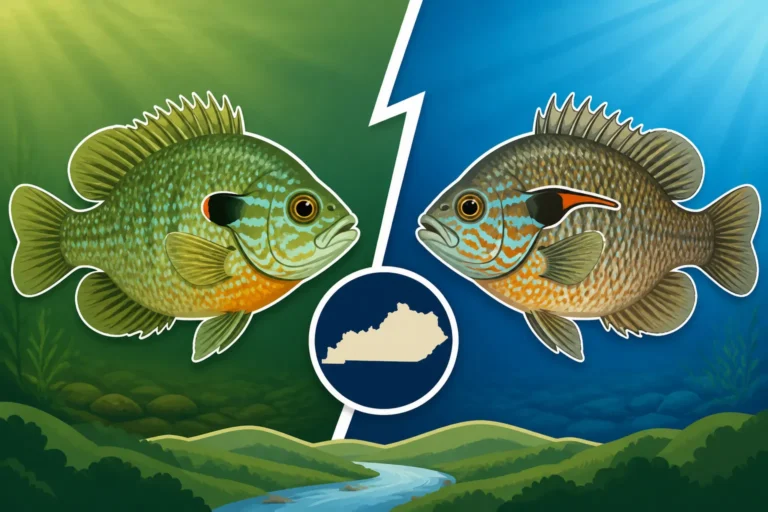
Redear sunfish are part of the sunfish family, and they share some common traits with their cousins like bluegill and other bream. They typically have a deep, compressed body, meaning they're taller than they are thick. Their coloration can vary quite a bit depending on the water clarity and bottom composition of their habitat, but generally, you'll see olive green or yellowish sides with scattered dark spots. The most distinctive feature, and the one that gives them their name, is the prominent red or orange spot on the operculum (gill cover) flap. This spot is usually brighter and more pronounced in males.
They have relatively small mouths, which is a good clue for bait selection, and a somewhat pointed snout. While they don't grow as large as some other species, a big redear can still reach impressive sizes for a sunfish, sometimes pushing over a pound and measuring a foot long. Catching one of those is a real thrill on light tackle!
Diet and Behavior
Redear sunfish are unique among many sunfish species because of their specialized diet. Unlike bluegill, which are more opportunistic feeders, redears have pharyngeal teeth – crushing plates in their throats – that allow them to munch on hard-shelled prey. This is where their famous nickname comes from! Their primary diet consists of snails, mussels, and other aquatic invertebrates. They'll often root around on the bottom, sifting through debris and vegetation to find these tasty morsels.
This dietary preference dictates their behavior quite a bit. You won't typically find them suspended high in the water column chasing insects like some other panfish. Instead, they prefer to stay closer to the bottom, especially in areas with abundant shell beds. They are also known for being a bit pickier than bluegill, which means you might need a little more finesse to entice a bite. They're generally active during the day, particularly during warmer months, and can be found schooling up during the spawn.
Why "Shellcracker"?
The nickname "shellcracker" is practically synonymous with redear sunfish, and for good reason! As mentioned, their powerful pharyngeal teeth allow them to literally crush the shells of snails, clams, and other mollusks. This incredible adaptation helps them access a food source that many other fish can't, giving them a distinct advantage in certain ecosystems.
When you're fishing for them, understanding this diet is key. It immediately tells you that baits resembling their natural food source, or baits presented near the bottom where these mollusks live, will be most effective. It also hints at the type of habitat they prefer – areas with firm bottoms, often with some vegetation, where snails and other invertebrates thrive. Redear Sunfish: Why Anglers Call It a Shellcracker delves deeper into this fascinating characteristic. It's a testament to how specialized and intriguing these smaller game fish truly are.
Where to Find Redear Sunfish in Kentucky
Kentucky is blessed with an abundance of lakes, ponds, and slow-moving rivers that make prime habitat for redear sunfish. Knowing where to look is half the battle, and it often comes down to understanding their preferences for cover, depth, and forage.
Preferred Habitats
Redear sunfish really love clear, calm waters with plenty of vegetation and firm, sandy, or shell-laden bottoms. Think about areas with lily pads, submerged weed beds, or even fallen timber and brush piles. These types of cover provide both protection from predators and prime foraging grounds for snails and other invertebrates. They also appreciate warmer water, so during the peak of summer, you might find them in slightly deeper pockets, but they're never too far from structure.
Unlike some other sunfish that might hang out near riprap or bare banks, redears are often creatures of the submerged landscape. They'll be on the edges of channels, points, or humps where they can find those crunchy snacks. Look for subtle changes in bottom contour that might concentrate food or offer a comfortable resting spot.
Kentucky Hotspots
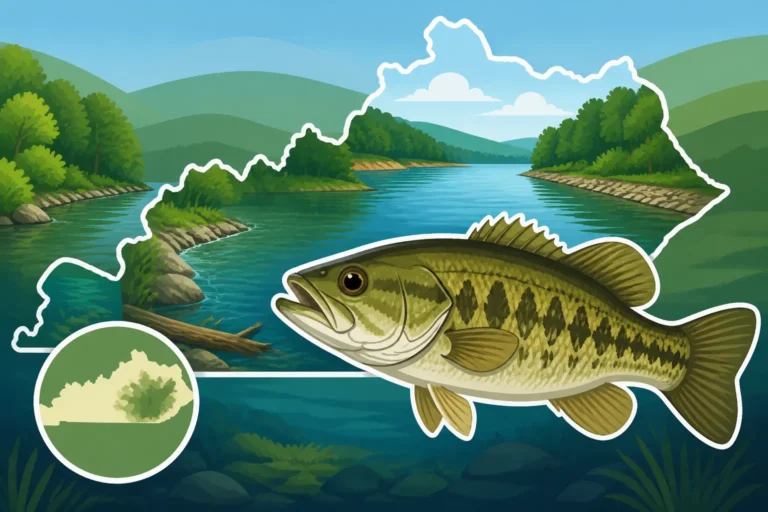
While redear sunfish can be found in many Kentucky waters, some lakes are particularly known for their thriving populations. Reservoirs like Barren River Lake, Green River Lake, and Taylorsville Lake often hold good numbers of redear, especially in their shallower, more protected coves and arms. Farm ponds across the state can also be goldmines for hefty shellcrackers if they're managed well and have good water quality.
When planning your trip, think about locations that have extensive shallow flats with aquatic vegetation, especially near channels or deeper water access. These are the sweet spots where redear like to hang out and feed. Don't be afraid to try some of the smaller, lesser-known public lakes or even ask local bait shops for their insights – they often know the specific honey holes.
Reading the Water
Becoming a successful redear angler, or any angler for that matter, means learning to "read the water." This isn't just about finding clear water, it's about interpreting what the water and its surroundings tell you about what might be beneath the surface. For redear, look for signs of healthy aquatic plant life. If you see lily pads, cattails, or patches of submerged weeds near the surface, there's a good chance there's even more beneath.
Also, pay attention to the bottom. If the water is clear enough, you might even spot areas that look like "shell beds" – patches of darker, disturbed bottom where mollusks are abundant. These are prime redear feeding zones. Use your electronics if you have them to identify changes in bottom hardness or depth contours, looking for those subtle humps or depressions where snails might accumulate. Wind-blown banks can sometimes concentrate food, but redears often prefer calmer, more protected areas, especially during the spawn.
Best Baits and Lures for Redear
When it comes to tempting redear sunfish, you'll quickly realize they have a few favorites, and sometimes, a little finesse goes a long way. Their diet of hard-shelled creatures gives us some strong clues for what to present.
Live Bait Favorites
There's no denying it: live bait is often king when it comes to redear. Their natural diet makes them particularly susceptible to offerings that mimic what they eat.
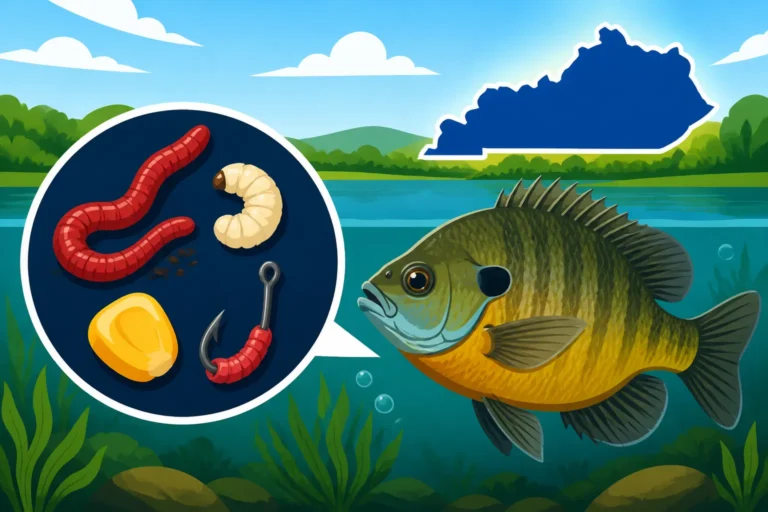
- Worms (Redworms, Nightcrawlers): These are a classic for a reason. Redears absolutely love worms. Redworms are smaller and often preferred, but a piece of a nightcrawler can work wonders. The scent and wriggling action are irresistible.
- Crickets: Another fantastic option, especially during the warmer months when crickets are abundant. Their natural appeal to many panfish extends to redear, and they offer a different texture and scent profile.
- Small Leeches: While not as commonly used as worms or crickets, small leeches can be highly effective. They are tough, stay on the hook well, and have a unique movement that can trigger a bite when other baits fail.
- Mealworms/Waxworms: These larvae are great alternatives if you can't find worms or crickets. They're easy to keep, relatively inexpensive, and their soft bodies are attractive to redear.
The key with live bait is to use small hooks (size 8 or 10 is often perfect) and just enough bait to cover the hook. A huge glob of worm might be too much for their smaller mouths.
Artificial Temptations
While live bait often reigns supreme, there are times when artificial lures can be just as effective, especially if you're looking to cover more water or prefer not to deal with live bait.
- Small Jigs (1/32 to 1/16 ounce): These are your go-to artificials. Tiny jigs tipped with a small plastic grub, tube, or even a piece of Berkley PowerBait (or similar scented soft plastic) can be deadly. Colors like chartreuse, white, black, and natural browns and greens are often productive.
- Micro Spoons: Very small casting spoons, particularly those with a bit of flash, can attract attention. They mimic small baitfish or invertebrates and can be effective when jigged slowly near the bottom.
- Tiny Spinners: Lures like a Johnson Beetle Spin or similar micro-spinners can also entice a strike. The flash and vibration can trigger aggressive bites, especially if the redear are slightly more active.
- Flies: If you're a fly angler, small nymphs, wet flies, and even some very small poppers or dry flies can work, particularly during insect hatches or when redear are feeding near the surface in shallow water, though this is less common for their preferred diet.
Remember to retrieve artificials slowly, often with pauses and twitches, to keep them in the strike zone and give the redear time to react. You might even find a great variety of these on Amazon if your local tackle shop has limited options.
Scent and Attraction
Redear sunfish, like many fish, rely heavily on their sense of smell and taste to locate food. This is particularly true since they often root around in murky bottoms. Incorporating scent into your bait presentation can significantly increase your success rate.
When using live bait, its natural scent is often enough. However, you can enhance it by adding commercially available fish attractants to your worms or jigs. Many anglers swear by garlic or anise-scented sprays or gels. When using artificial lures, consider tipping your jig with a small piece of worm or a Berkley PowerBait Power Grub for added scent and texture. These scented soft plastics can turn a hesitant bite into a committed one, especially on tougher days. The goal is to make your offering as appealing and realistic as possible, tapping into their instinct to find food on the bottom.
Top Techniques for Redear Sunfish Fishing
Fishing for redear isn't overly complicated, but a few tried-and-true techniques will definitely put more fish in your cooler. Remember their preference for bottom-dwelling snacks, and you'll be on the right track.
Bobber Rigging
This is probably the most popular and often most effective method for panfish, and redear are no exception. It's especially great for beginners or fishing with kids because it's visual and easy to understand.
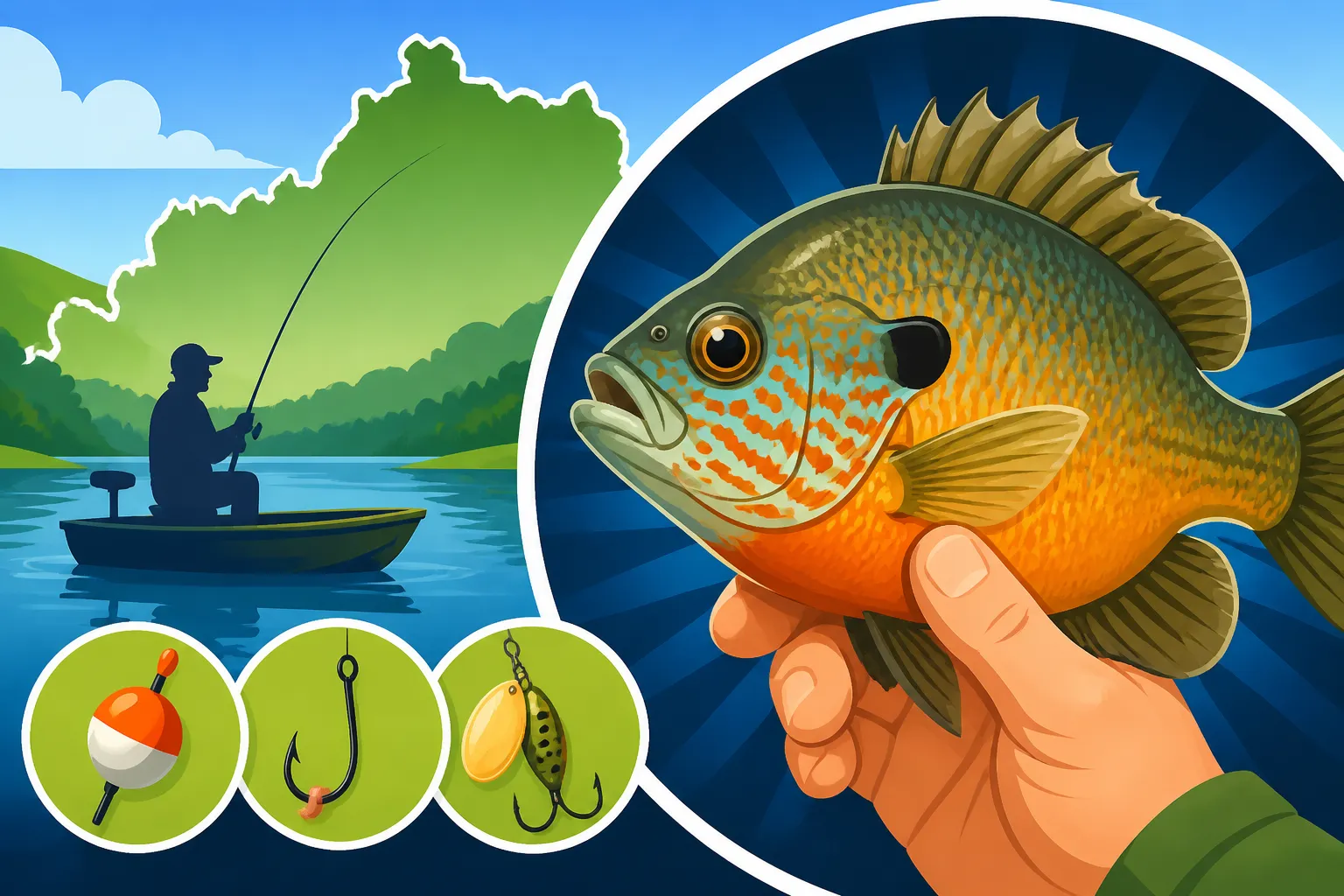
- Setup: You'll want a small bobber, preferably a slip bobber if you're fishing deeper than your rod length. A small split shot or two (just enough to get your bait down) should be placed a few inches above your hook. Use a small, sharp hook, like a size 8 or 10, and tip it with your preferred live bait.
- Presentation: Set your bobber stop so that your bait is just off the bottom, or even lightly touching it. Redears are often found very close to the bottom. Cast your rig near structure (weed lines, brush piles, submerged timber) and let it sit. Watch the bobber carefully; redear bites can sometimes be subtle, a slight twitch or a slow drag under the surface.
- Advantages: Bobber fishing allows you to present your bait at a precise depth and keep it there. It's also very relaxing and visual, which is perfect for a leisurely day on the water. It's a fantastic way to introduce new anglers to the sport.
Bottom Bouncing
Since redears are shellcrackers that forage on the bottom, a direct bottom presentation is often incredibly effective. This technique puts your bait right where they're looking for food.
- Setup: A simple Carolina rig or a split shot rig works wonderfully. For a Carolina rig, slide a small egg sinker (1/8 to 1/4 ounce) onto your main line, then tie on a barrel swivel. To the other end of the swivel, tie a fluorocarbon leader (6-12 inches) and then your small hook. For a split shot rig, simply pinch a few small split shot weights directly onto your line a foot or so above your hook.
- Presentation: Cast your rig out and let it sink to the bottom. Slowly reel in, just enough to feel your weight ticking along the bottom. You can pause frequently, allowing the bait to sit still, which often entices a strike. If you feel a "tick" or a subtle pull, set the hook!
- Advantages: This method allows you to explore different depths along the bottom and can be very effective in deeper water or when redear are scattered. It also gives a more natural presentation of bottom-dwelling prey. For more advanced bottom fishing for panfish, you might check out Bottom Fishing Techniques for Channel Catfish for concepts that can be adapted.
Sight Fishing in Clear Water
If you're lucky enough to be fishing in clear water, especially during the spring spawn, sight fishing for redear can be an incredibly exciting and rewarding technique.
- Setup: This requires a bit more stealth. Light line (4-pound test fluorocarbon is ideal), a small hook, and minimal weight are key. Often, just the weight of the bait is enough. Polarized sunglasses are absolutely essential to cut the glare and see into the water.
- Presentation: Slowly approach shallow areas, especially coves and flats where spawning beds might be (these look like clean, circular depressions on the bottom). Scan the water for individual redear or groups of them. Once you spot one, cast your bait a few feet beyond it and slowly retrieve it into the fish's field of vision. A subtle twitch or a slow crawl can make all the difference.
- Advantages: Sight fishing is thrilling because you're actively hunting for fish. It allows for precise bait placement and lets you see the fish's reaction to your offering. It's a skill that improves with practice and can be incredibly rewarding, especially when targeting those larger shellcrackers that might be guarding a bed.
Essential Gear for Redear Anglers
You don't need a boatload of expensive equipment to catch redear sunfish, but having the right light tackle will make your experience much more enjoyable and successful. It’s all about balance and sensitivity.
Rod and Reel Setup
For redear, lighter is almost always better. It allows for greater sensitivity, makes even a small fish feel like a giant, and is simply more fun.
- Rods: Look for an ultra-light or light action spinning rod, typically between 5 and 7 feet long. The flexible tip will allow you to detect those subtle bites and prevent you from ripping the small hook out of the fish's mouth. A fast action tip will still give you enough backbone to set the hook effectively. Graphite rods are excellent for sensitivity.
- Reels: Pair your rod with a small spinning reel, size 1000 or 2000. These reels are lightweight, balance well with ultra-light rods, and have a smooth drag system that's crucial when a surprisingly feisty redear makes a run. You can find a huge selection of ultra-light rods and reels on Amazon, ensuring you get something well-matched.
- Line: Spool your reel with 4- to 6-pound test monofilament or fluorocarbon line. Monofilament is more forgiving due to its stretch, which can prevent break-offs on hooksets. Fluorocarbon is less visible underwater and more sensitive, which can be an advantage in clear water or with finicky bites. Braided line isn't typically necessary for redear and its lack of stretch can sometimes cause problems with smaller hooks. For a great starting point, check out Best Rod and Reel Combo for Beginners.
Terminal Tackle
This is the business end of your fishing setup, and precision here pays off.
- Hooks: Small, sharp hooks are paramount. Sizes 8, 10, or even 12 are generally ideal. Aberdeen hooks are popular for panfish because their thin wire makes them less visible and easier to remove from a fish's mouth. Ensure your hooks are always sharp!
- Weights: You'll mostly be using small split shot weights (sizes BB to 3/0) or small egg sinkers (1/8 to 1/4 ounce) for bottom bouncing rigs. The goal is to use just enough weight to get your bait down to the desired depth without hindering the natural presentation.
- Bobbers: Small, sensitive bobbers are best. A fixed bobber is fine for shallow water, but a slip bobber rig is superior for fishing deeper water, as it allows you to cast easily without a long leader dangling.
- Swivels: Small barrel swivels can be useful to prevent line twist, especially if you're using live bait that spins.
- Leaders: While not always necessary, a short section of 2-4 pound test fluorocarbon leader can be beneficial in clear water to make your presentation more stealthy.
- Tackle Box: A well-organized tackle box with small compartments for your hooks, weights, and bobbers is a lifesaver. Keep it tidy so you can quickly tie on the right rig. For panfish, Best Tackle Box Setup by Species can offer more insights into organizing your gear effectively.
Kayak or Boat Gear
While you can certainly catch plenty of redear from the bank, having a kayak or small boat opens up many more possibilities, allowing you to reach prime spots that shore anglers can't.
- Kayak/Canoe: A stable fishing kayak or canoe is excellent for quietly navigating shallow coves, weed beds, and areas with submerged timber. Their stealth allows you to approach fish without spooking them. Make sure to have a comfortable seat and adequate storage for your gear.
- Small Jon Boat/Bass Buster: These smaller powerboats offer more space for gear and stability, making them suitable for larger lakes or when fishing with a partner. They can get you to spots faster and provide a comfortable platform for casting.
- Trolling Motor: If you're using a boat, a small electric trolling motor is invaluable for precise boat control, especially when navigating around structure or holding over a school of fish. It allows for quiet movement without disturbing the water.
- Anchor: A small anchor or even a shallow-water anchor system is essential for holding your position, especially in windy conditions or when you find a productive spot you want to thoroughly fish.
- Paddle/Push Pole: Even with a trolling motor, a paddle or push pole is great for navigating very shallow water or when you want to move with absolute minimal disturbance.
Remember to always prioritize safety when on the water. Bring appropriate Life Jacket Rules for Boats in Kentucky and let someone know your float plan.
Seasonal Considerations for Redear Fishing
Like all fish, redear sunfish change their behavior and location throughout the year based on water temperature, food availability, and spawning instincts. Understanding these seasonal shifts is crucial for consistent success.
Spring Spawn Fever
Spring is arguably the best time to target redear sunfish, particularly during their spawning period. This is when they move into shallow water, become highly concentrated, and are often very aggressive.
- Timing: The redear spawn typically occurs when water temperatures consistently reach the upper 60s to low 70s Fahrenheit. This can vary by region in Kentucky, but often falls between late April and early June. You can look up general Kentucky Fishing Seasons: What to Catch Each Month to get an idea for timing.
- Location: Look for shallow, protected coves and flats, especially those with firm, sandy, or shell-laden bottoms, and some aquatic vegetation. They'll create "beds" – circular depressions on the bottom – similar to bluegill, but often in slightly deeper water (3-6 feet) than bluegill.
- Techniques: Sight fishing (if the water is clear), bobber fishing with worms or crickets suspended just above the beds, or slowly dragging a small jig tipped with bait across the bottom are all highly effective. The fish are often aggressive as they guard their eggs.
Summer Deep Dives
Once the spawn is over and water temperatures really start to climb in the summer, redear sunfish will typically move to deeper, cooler water. They won't abandon structure entirely, but you'll need to adjust your approach.
- Location: During summer, redears will often seek out deeper weed lines, submerged brush piles, creek channels, and humps where they can find cooler water and still access their invertebrate diet. Depths of 8-15 feet or more are common.
- Techniques: Bottom bouncing with a Carolina rig or a split shot rig becomes very effective. Focus on presenting your live bait (worms or small leeches) directly on the bottom in these deeper structures. Vertical jigging small jigs tipped with scent can also entice strikes from fish schooled up in deeper cover. A fish finder can be invaluable for locating these deeper structures and schools of fish.
- Considerations: Early morning and late evening can still produce bites in shallower water as temperatures are cooler, but during the heat of the day, you'll want to target those deeper haunts.
Fall Feeding Frenzy
As water temperatures begin to cool in the fall, redear sunfish will often experience a secondary feeding frenzy, stocking up on calories for the approaching winter.
- Location: Redears will start to move back into shallower areas, though perhaps not as shallow as during the spawn. Look for them on the edges of weed beds, submerged points, and around brush piles in depths of 5-10 feet. They'll be actively foraging.
- Techniques: Both bobber fishing and bottom bouncing remain strong choices. You might find them more willing to chase a slow-retrieved small spinner or jig during this time as they are actively feeding. The fish are often well-conditioned and put up a great fight.
- Considerations: Fall can be a less crowded time to fish, and the pleasant weather makes for an enjoyable outing. The key is to find the transition zones where fish are moving between their summer deep-water haunts and shallower feeding grounds.
Table: Popular Redear Sunfish Baits Compared
To help you choose the best bait for your next redear fishing adventure, here's a quick comparison of some popular options:
| Bait Type | Best Use Case | Pros | Cons | Presentation Tips |
|---|---|---|---|---|
| Redworms | All seasons, especially during spawning | Natural scent, universally loved by panfish | Can be delicate, easily stolen by small bites | Small piece on a size 8-10 hook, just covering the tip |
| Nightcrawlers | Versatile, good for slightly larger redear | Readily available, tougher than redworms | Can be too large, might require cutting | Cut into 1/2-inch pieces, on a size 6-8 hook |
| Crickets | Warm months, active fish | Great natural movement, irresistible to panfish | Can jump off hook, harder to keep alive | Single cricket hooked lightly through the collar |
| Mealworms | Versatile, easy to store | Durable, good scent, easy to hook | Less natural movement than worms/crickets | 1-2 mealworms on a small jig or hook |
| Waxworms | Cooler water, picky fish | Very soft, easy for fish to swallow | Less durable, can melt in extreme heat | Single waxworm on a small jig or hook |
| Small Jigs | Active fish, covering water, scent additives | Versatile with plastics, good for probing cover | Requires active retrieve, less natural scent | Tip with small plastic grub or scented plastic, slow jig |
Final Thoughts on Redear Sunfish
Redear sunfish are truly a hidden gem in Kentucky's fishing scene. They offer a fantastic opportunity for anglers of all skill levels to enjoy a day on the water, whether you're chasing a limit for a fish fry or introducing a youngster to the joys of fishing. Their feisty nature on light tackle, coupled with their unique "shellcracker" diet, makes them an engaging and rewarding species to target.
Don't let their smaller size fool you; these fish provide plenty of action and teach valuable lessons in finesse fishing. The next time you're planning a trip, remember the humble, yet mighty, redear sunfish. With the right approach to habitat, bait, and technique, you'll be cracking shells and reeling in smiles in no time. So grab your ultra-light gear, a handful of worms, and head out to a quiet cove – you might just discover your new favorite species to target.
Disclaimer
This article is for general informational purposes only and does not constitute professional advice. Laws, prices and regulations vary by location and change over time. Consult a qualified professional for guidance on your specific situation.