Do Largemouth Bass and Smallmouth Bass Share the Same Waters in Kentucky?
It's a question many Kentucky anglers ponder, especially when they're out on the water wondering why they're catching one type of bass and not the other, or hoping to hook into both. Trying to understand if Largemouth and Smallmouth bass share the same fishing grounds can save you a lot of time and frustration, and this guide is here to shed some light on their cohabitation habits in our beautiful Kentucky waters.
Understanding Their Preferred Neighborhoods
When we talk about Largemouth and Smallmouth bass, it's easy to lump them together as just "bass," but these two fantastic game fish actually have some pretty distinct preferences when it comes to where they like to hang out. Knowing these preferences is the first step to understanding if, and how, they might share the same waters.
Largemouth Bass: The Cover Lovers
Our beloved Largemouth bass are generally homebodies. They're what we call "structure-oriented" fish, meaning they absolutely love to be near some kind of cover. Think about it: sunken trees, thick weed beds, lily pads, old docks, brush piles, rocky shorelines with plenty of nooks and crannies. They thrive in warmer, shallower water with less current. If you're fishing a quiet cove on Kentucky Lake: The State's Top Bass Fishing Destination or working the edges of a slow-moving river, you're squarely in Largemouth territory. They are ambush predators, and all that cover provides perfect places for them to hide and spring out at unsuspecting prey. Their coloration, often darker green with a distinct lateral line, helps them blend right into those vegetated environments. They really make themselves at home in places where they can feel secure and have a ready supply of forage like baitfish and crawfish.
Smallmouth Bass: The Rock and Current Dwellers
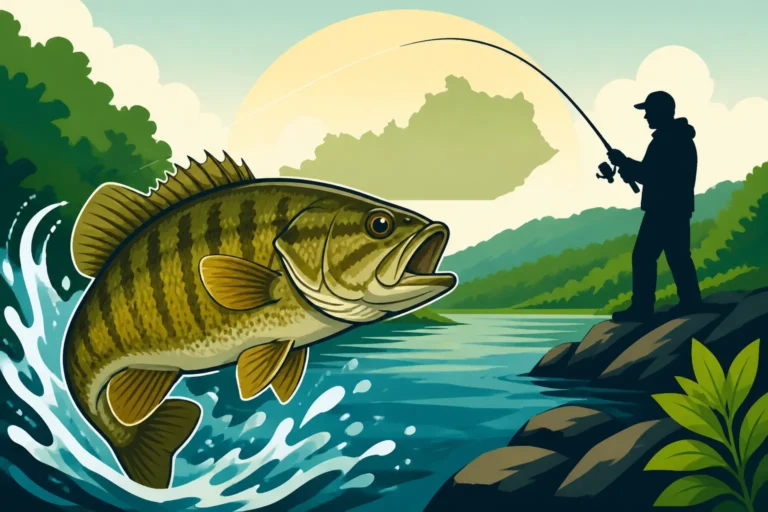
Now, Smallmouth bass, on the other hand, are a different breed entirely. They're often nicknamed "bronze backs" or "brown bass" because of their distinctive coloring, and they tend to prefer cooler, clearer water with more current. You'll find them gravitating towards rocky bottoms, gravel flats, steep drop-offs, and swift-moving river sections. Think about the clear, deeper waters of Lake Cumberland: Kentucky's Best All-Around Fishing Lake or the rocky stretches of the Cumberland River. They don't typically seek out thick vegetation like Largemouth do; instead, they use rocks and current breaks to their advantage, often ambushing prey that's being swept past them. Their body shape is a bit more streamlined, built for fighting current, and their smaller mouth (compared to a Largemouth) is perfect for sucking up crawfish and smaller baitfish from rocky crevices. They're true fighters, and that powerful tail is a testament to their life in moving water.
Where Their Worlds Intersect: Shared Habitats
So, with these distinct preferences, do Largemouth and Smallmouth bass actually share the same waters in Kentucky? The answer is a resounding yes, but it's not always in the same exact spot at the same time. Their worlds intersect in fascinating ways, often in transition zones where habitat types blend, or due to seasonal movements.
Transition Zones: The Overlap Areas
The most common places you'll find both Largemouth and Smallmouth bass are in what we call "transition zones." These are areas where one preferred habitat gradually gives way to another. Imagine a large reservoir like Lake Cumberland, which is famous for both species. You might find Largemouth in the shallower, stump-filled coves and along the vegetated banks, while Smallmouth dominate the main lake points, rocky bluffs, and deeper humps. But what about the rocky points leading into a creek arm, or the upstream sections of a river that transition from slow, pool-like areas to faster, rockier runs? These are prime examples of transition zones where the habitat offers enough of what both species like to draw them in. A submerged rock pile at the mouth of a weed-choked bay, for instance, could hold both. One might be on the weed line, the other tucked into the rocks. It’s all about finding those subtle shifts in structure and depth.
Seasonal Movements and Forage Pursuits
Another key factor in shared waters is seasonality. Fish don't stay in one place all year, especially when water temperatures change or food sources move.
In spring, as waters warm, both species might push into shallower areas to spawn, potentially bringing them into closer proximity than during other times of the year. You might find a Largemouth guarding a nest in a shallow stump field while a Smallmouth is cruising a nearby gravel flat getting ready to do the same.
During the summer, while Largemouth might burrow deeper into dense cover to escape the heat, Smallmouth might retreat to cooler, deeper main lake points or river ledges where current still provides oxygen and food. However, early morning or late evening feeding frenzies could bring them both into similar depth ranges to chase schools of baitfish. Best Time of Day to Catch Bass is often when both are most active.
Then, in the fall, as baitfish scatter and both species feed heavily before winter, they might congregate in larger schools, sometimes even mixing, as they pursue these forage opportunities. They are opportunistic predators, and if there's an abundance of shad or other baitfish in a particular area, you bet both bass species will be there.
Spotting the Differences: Largemouth vs. Smallmouth
Even when they're in the same general area, you'll want to be able to tell them apart, not just for identification but also because their behavior, fighting style, and even regulations can differ. Knowing How to Identify a Largemouth Bass Vs a Smallmouth Bass is crucial.
Physical Characteristics
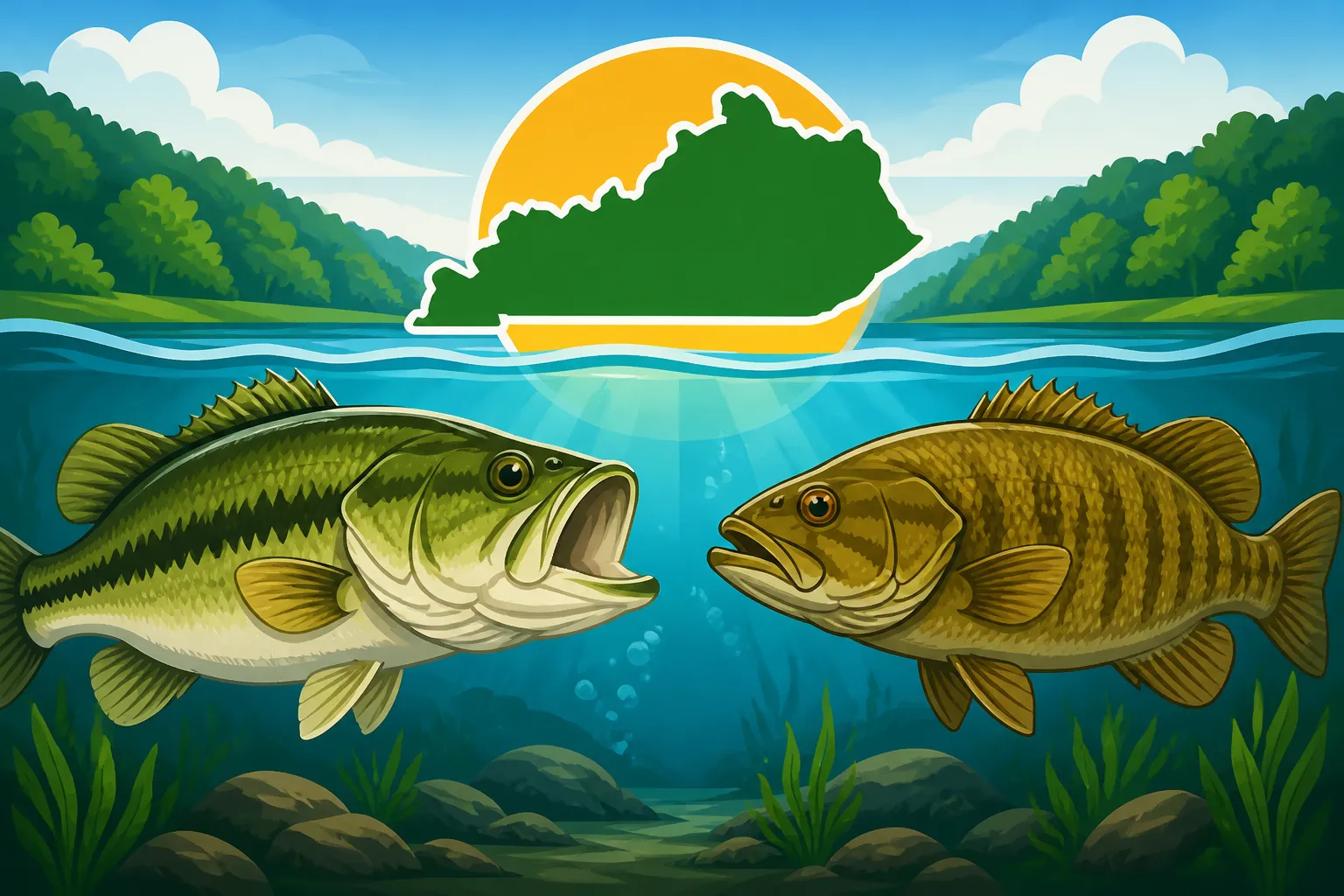
The easiest way to tell them apart is by their mouth. A Largemouth's jaw extends past its eye when closed, while a Smallmouth's jaw typically doesn't. Largemouth usually have a distinct dark lateral line running down their side, whereas Smallmouth often have vertical bars or splotches, giving them a more mottled appearance. Their coloration also tends to differ, with Largemouth leaning towards green and Smallmouth more often brown or bronze.
| Feature | Largemouth Bass | Smallmouth Bass |
|---|---|---|
| Jaw Extends Past Eye | Yes | No (typically only to the middle of the eye) |
| Dorsal Fin | Deep notch, almost two separate fins | Shallow notch, appearing as one continuous fin |
| Coloration | Dark green back, lighter belly, distinct lateral line | Brown to bronze, vertical bars or splotches, cream belly |
| Preferred Habitat | Weeds, stumps, docks, shallow, warm, slow current | Rocks, gravel, ledges, cool, clear, moderate current |
| Body Shape | Robust, often thicker-bodied | More streamlined, powerful tail |
Behavioral Differences on the Line
Once you hook one, you'll often know which species you've got. Largemouth are known for their explosive, head-shaking jumps and often dive into cover. They fight hard but tend to stay closer to where they were hooked. Smallmouth, however, are renowned for their relentless, drag-peeling runs and acrobatic leaps. They often make long, powerful surges, trying to get away from the boat or angler. They're a true challenge, and that's why many anglers specifically target them.
Strategies for Targeting Both Species
Since these bass can coexist, especially in Kentucky's diverse fisheries, it's wise to have a strategy if you want a chance at catching both. You don't always need entirely different gear, but a thoughtful approach helps.
Versatile Lures and Techniques
When fishing in those overlap zones, you'll want to choose lures and techniques that appeal to both species. Here are a few reliable options:
- Spinnerbaits: These are fantastic for covering water quickly and can draw strikes from both Largemouth in cover and Smallmouth relating to rocky areas. A good chartreuse and white spinnerbait is always a solid choice.
- Jigs: Flipping and pitching jigs into cover is classic Largemouth fishing, but dragging a football jig along a rocky bottom is deadly for Smallmouth. Carrying a few different styles and weights is smart. You can find a huge variety of jigs on Amazon to suit various conditions.
- Crankbaits: Medium-diving crankbaits that mimic shad or crawfish can be incredibly effective. Cast them along transition lines where weeds meet rocks, or parallel to rocky banks. They can entice aggressive strikes from either species. If you're looking for a specific depth range, check out the options on Amazon.
- Soft Plastics: Texas rigs, Carolina rigs, and drop shot rigs with worms, creature baits, or tubes are excellent. A subtle presentation with a soft plastic can coax a bite from a wary fish, regardless of species. For a wide selection of colors and sizes, Amazon is a great resource.
The key is to pay attention to your retrieve speed and depth. If you're getting bites from one species consistently, you can fine-tune your approach, but these versatile options give you a fighting chance at both. You can read up more on specific lures in articles like Best Bass Lures for Spring Fishing.
Reading the Water for Clues
Even in waters where both bass species live, certain features will always favor one over the other. Become a detective on the water, looking for the tell-tale signs:
- Look for Cover vs. Structure: If you see dense lily pads, submerged timber, or thick stands of hydrilla, chances are you're in prime Largemouth territory. If you're on a deep, clear lake with rocky points, bluffs, and gravel bottoms, you're looking at Smallmouth heaven.
- Current Matters: In rivers, areas with strong current or significant eddies will be Smallmouth hotspots. Slack water, backwaters, and slow-moving pools are more likely to hold Largemouth.
- Water Clarity: Generally, Smallmouth prefer clearer water, while Largemouth can tolerate, and even thrive in, stained or slightly murky conditions.
- Forage Base: Both species will follow their food. If you see schools of shad in open water, both bass could be nearby. If you're picking up a lot of crawfish on your retrieve, you're likely in Smallmouth country.
By understanding these nuances, you can quickly adjust your location and technique to maximize your chances, whether you're explicitly targeting Largemouth Bass Fishing in Kentucky: The Complete Guide or Smallmouth Bass Fishing in Kentucky: The Complete Guide.
Key Kentucky Waters Where Bass Coexist
Kentucky is blessed with incredible fishing opportunities, and many of our most popular lakes and rivers offer a chance to catch both Largemouth and Smallmouth bass. Here are a couple of prime examples:
Lake Cumberland: A Mecca for Both
Without a doubt, Lake Cumberland is one of Kentucky's premier bass fisheries, and it's famous for its incredible Smallmouth population, especially in the clear, rocky main lake areas. However, don't sleep on the Largemouth here! The lake's many creek arms and shallower coves, particularly in the upper sections where there's more timber and stained water, offer excellent Largemouth habitat. Anglers often fish the main lake points and bluffs for Smallmouth in the mornings, then run back into a creek arm to target Largemouth in the afternoon. It’s a fantastic example of both species thriving in different parts of the same vast body of water.
Kentucky River: Riverine Overlap
The Kentucky River, winding its way through the state, is another prime example where both Largemouth and Smallmouth bass can be found. The river features stretches of slow-moving pools, abundant with laydowns, logs, and undercut banks – perfect for Largemouth. Then, you'll encounter rockier riffles, swift currents, and gravel bars, which are classic Smallmouth haunts. Anglers floating or fishing from the bank can often switch between targeting one species and then the other simply by moving to a different section of the river that offers the preferred habitat. Always be aware of Kentucky Statewide Bass Size and Daily Limit Rules, as they can vary.
When you're planning your next fishing adventure, especially if you're hoping for a mixed bag, definitely consider these waters. Being prepared with a versatile tackle box, perhaps stocked with options you bought on Amazon, and a keen eye for different types of bass habitat, will certainly increase your odds. Knowing that Largemouth and Smallmouth bass do indeed share Kentucky's waters, even if in their own preferred corners, is the first step to unlocking some incredible multi-species bass fishing trips!
Disclaimer
This article is for general informational purposes only and does not constitute professional advice. Laws, prices and regulations vary by location and change over time. Consult a qualified professional for guidance on your specific situation.