Best Fish Finders for Bank Fishing
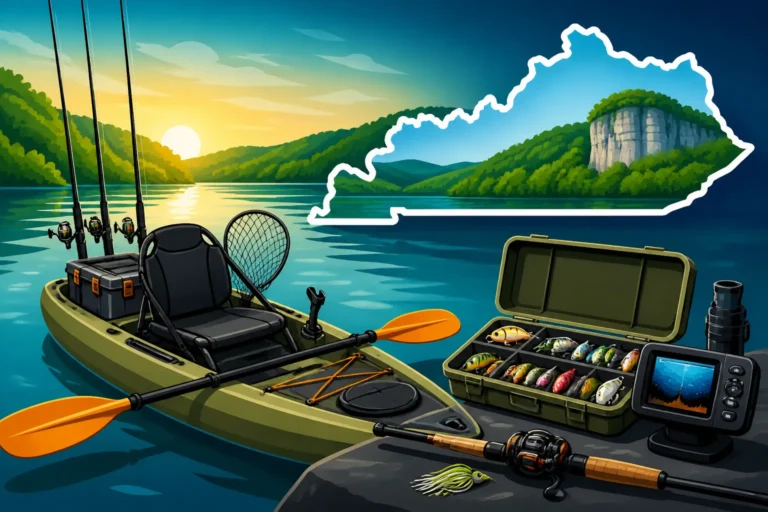
Oh, the age-old frustration of bank fishing! You stand there, rod in hand, staring at what looks like perfectly good water, but you're just not sure what's actually under the surface. It’s tough when you can’t see the hidden drop-offs, the submerged timber, or where the fish are actually hanging out. This guide is all about bridging that gap, showing you how a fish finder can transform your bank fishing experience in Kentucky, revealing the underwater secrets that can lead to more successful days on the water.
Why Bank Anglers Need a Fish Finder: It's Not Just for Boats Anymore!
For years, it felt like fish finders were exclusively for boat anglers, those lucky folks cruising around with big screens and fancy transducers. But let's be real, a lot of us love the simplicity and accessibility of bank fishing. We're out there, enjoying the peace, maybe with a cooler and a folding chair, soaking in the Kentucky scenery. The problem is, when you're limited to casting from shore, you're also limited by what you can see. A fish finder changes that game entirely, putting valuable subsurface information right in your hands.
Overcoming Bank Fishing Limitations
Think about it: when you're bank fishing, your primary tools are your eyes, your gut, and perhaps some local knowledge about a specific creek bend or a visible brush pile. You're guessing at depths, hoping fish are cruising by, and often casting blindly into what appears to be prime territory. It's a bit like trying to navigate a dark room without a flashlight. You might bump into something eventually, but it's far less efficient than if you could see. This guesswork can be incredibly frustrating, especially when you know the fish are there but you just can't seem to find their hideouts.
A fish finder essentially gives you that flashlight. It cuts through the murk and shows you the hidden world beneath the surface. Suddenly, that seemingly featureless stretch of bank might reveal a subtle drop-off where bass are ambushing baitfish, or a rocky ledge that crappie are using for cover. It takes the guesswork out of the equation and replaces it with tangible data, helping you focus your efforts on areas with the highest potential. It empowers you, the bank angler, with information previously reserved for those with expensive boats, making your time on the water more productive and, let’s be honest, a lot more fun.
Identifying Fish-Holding Structure from Shore
Fish, much like us, appreciate a good home. They don't just hang out randomly; they seek structure, cover, and areas that provide food and safety. From the bank, you can spot visible cover like lily pads, fallen trees, or boat docks. But what about the stuff you can't see? That's where a fish finder truly shines. It can unveil submerged humps, deep-water creek channels winding through a flat, hidden rock piles, or even individual stumps. These are all prime locations where fish congregate, waiting for an easy meal or seeking refuge from predators.
Imagine you're fishing a point on Lake Barkley, a common bank fishing spot. Without a fish finder, you might just cast straight out. With one, you could discover a dramatic drop-off just 20 feet from shore, falling from 8 feet to 20 feet, and suddenly you know exactly where to position your lure to entice those deeper sauger or crappie. Or maybe you're exploring a new stretch of the Kentucky River. Your fish finder might reveal a current seam with a subtle depth change and some scattered debris – a perfect ambush point for a hungry catfish. Knowing where these fish-holding structures are gives you an immense advantage, helping you decide not just where to cast, but how to present your bait effectively. It's about working smarter, not just harder, from the bank.
Types of Fish Finders Perfect for Bank Fishing
The world of fish finders has evolved so much, and thankfully, manufacturers have recognized that not everyone owns a boat. There are now fantastic options specifically designed with the bank angler in mind, offering portability and ease of use without sacrificing crucial information.
Castable Fish Finders: Portability and Ease of Use
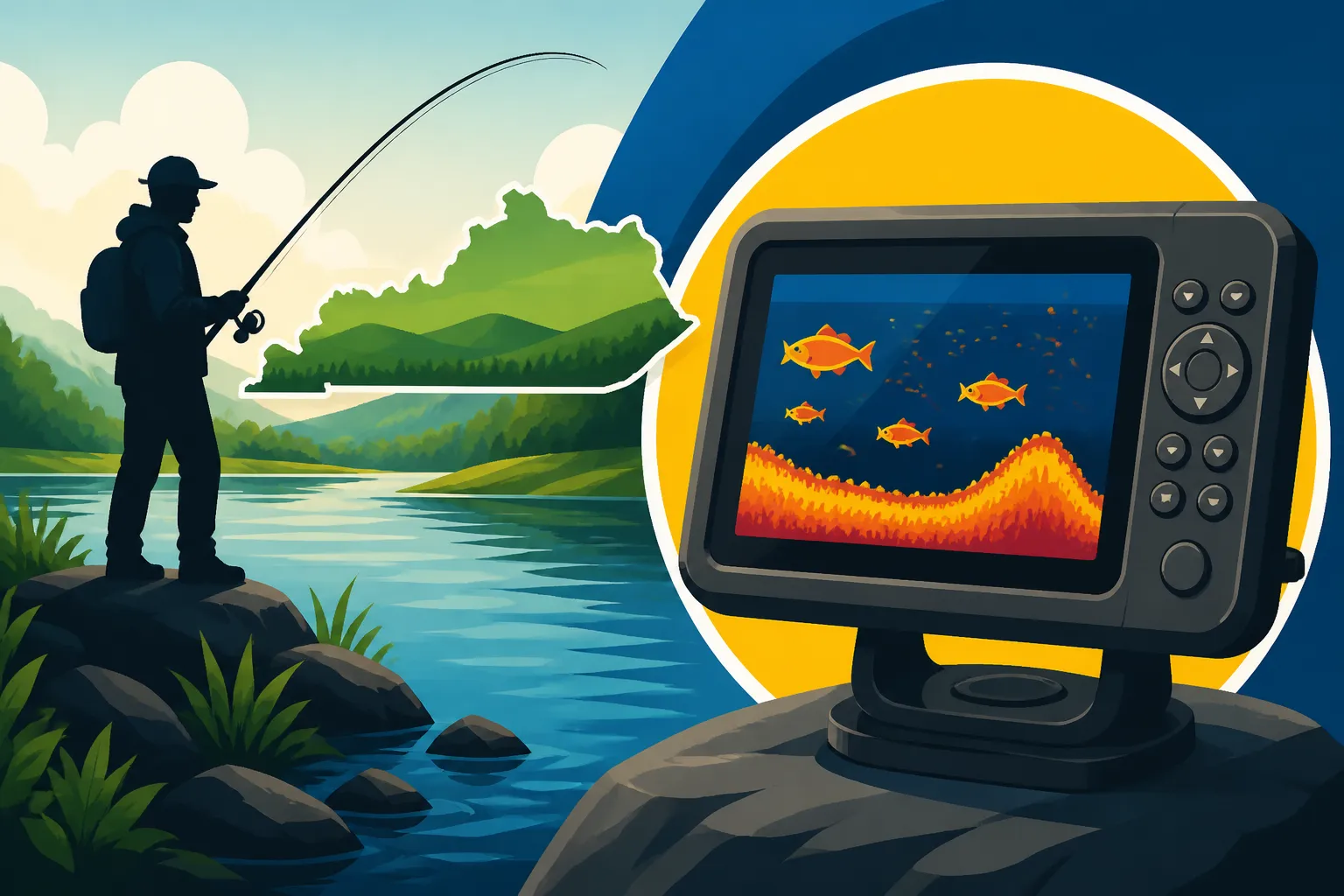
These are, without a doubt, the most revolutionary option for bank anglers. Castable fish finders are exactly what they sound like: small, spherical, or egg-shaped devices that you tie onto your fishing line and cast out with your rod. Once in the water, they float, activate their sonar, and transmit data wirelessly (usually via Bluetooth or Wi-Fi) to an app on your smartphone or tablet. Think of popular models like the Deeper Smart Sonar or the Humminbird FishSmart series. You launch it, let it drift, or slowly reel it back in, and your phone screen lights up with depth contours, water temperature, fish arches, and even bottom structure. It's like having a little submarine drone doing your scouting for you!
The pros here are huge: incredible portability (they fit in a tackle box or even your pocket), no need for complex rigging or batteries beyond your phone, and the ability to survey vast areas from a single casting position. You can literally cast it across a cove to check out a distant weed line or a submerged stump you wouldn't otherwise reach. However, there are some cons. You're reliant on your smartphone's battery life, and sometimes the wireless connection can be spotty at extreme ranges or in busy Wi-Fi environments. Still, for sheer convenience and the ability to explore water you could never access before, these devices are a game-changer for the bank angler. You can often find a good selection of these on Amazon or at your local Bass Pro Shops.
Portable Mountable Units: For the Dedicated Shore Angler
If you're a serious bank angler who often sets up camp for a few hours or even a full day, a portable mountable unit might be a better fit. These are essentially miniaturized versions of boat fish finders, featuring their own dedicated screens and transducers. Instead of casting the transducer, you'd typically mount it on a small tripod, a specialized bank fishing cart, or even clamp it to a sturdy piece of bankside structure, allowing the transducer to sit just under the water's surface. Brands like Lowrance and Humminbird offer compact units that run on small rechargeable batteries (often 12V), providing a crisp, continuous display of the underwater world.
The big advantage here is the dedicated screen. You don't have to worry about draining your phone's battery, and these screens are often brighter and easier to read in direct sunlight than a phone. They also tend to offer more advanced sonar features, such as down imaging or side imaging, giving you a clearer, photographic-like view of structure and fish. While less "cast-and-go" than the castable units, they offer a more robust and continuous stream of data for the angler who's settled into a spot. They do require a bit more setup – carrying the unit, the transducer, and the battery – but for the added detail and reliability, many dedicated bank anglers find them well worth the effort.
Ice Fishing Flashers: Great for Winter Bank Fishing Too!
Okay, hear me out on this one. While primarily designed for ice fishing, a traditional flasher unit can be an incredibly effective tool for certain types of bank fishing, especially in deeper water or during colder months when fish are less active. Flashers, like those made by Vexilar or Marcum, provide a real-time, circular display of what's directly beneath the transducer. They don't draw fish arches; instead, they show lines of varying thickness and color that represent your lure, fish, and the bottom.
To use one for bank fishing, you'd set it up similarly to a portable mountable unit, with the transducer suspended vertically in the water close to shore. The beauty of a flasher is its instantaneous feedback. If you're jigging vertically from a dock, a pier, or a steep bank on Lake Cumberland for winter trout, you'll see your lure, and any fish that approach it, in real time. It's incredibly precise for targeting individual fish or working tight to specific structures. The downside is that they are designed for vertical presentation, so they won't help you scout wide areas like a castable unit. However, for sheer real-time fish detection in a concentrated spot, particularly when using a vertical jigging technique, a flasher is a fantastic, often overlooked, bank fishing tool.
Key Features to Look for in a Bank Fishing Fish Finder
Choosing the right fish finder for bank fishing isn't just about picking the first one you see. You need to consider how it fits into your specific angling style and the types of water you typically fish in Kentucky. Here are some critical features to evaluate.
Battery Life and Charging Options
When you're out on the bank, especially exploring more remote areas like a secluded cove on Green River Lake, access to power outlets is probably non-existent. That makes battery life paramount. For castable units, you're usually relying on an internal rechargeable battery that needs to last for your entire fishing session. Look for models that boast 6-8 hours or more of continuous use. It's also a smart move to carry a portable power bank, the kind you charge your phone with, as many castable units can be topped up via USB on the go. Nothing is worse than getting to a hot spot and having your tech die on you.
For portable mountable units with their own screens, they typically run on a 12V sealed lead-acid battery or a lighter lithium-ion alternative. The capacity of this battery will directly impact your run time. Consider how long you usually fish and choose a battery that can handle it, with some extra juice to spare. Having easy charging options at home, like a simple wall charger, is also a convenience you'll appreciate after a long day of fishing.
Connectivity and Display
This feature splits into two main camps for bank fishing: those that connect to your smartphone and those with dedicated screens. Castable units rely entirely on your phone's display and its Bluetooth or Wi-Fi connection. This means your phone needs to be charged and the app needs to be reliable. Some anglers love the convenience of using a device they already carry; others find it drains their phone too quickly or struggles with glare on bright days. If you go this route, consider a waterproof phone case and perhaps a glare-reducing screen protector.
Dedicated units, on the other hand, come with their own screens. These are often brighter, more rugged, and specifically designed for outdoor readability. They also typically offer more detailed sonar views. However, they add another piece of equipment to carry. When evaluating, think about screen size – bigger is often better for detail, but less portable. Also, consider the interface: is it easy to navigate with wet hands? Is the display intuitive? Whether you're peering at your phone or a dedicated screen, clear, readable information is key to making good decisions on the water.
Sonar Technology and Depth Capabilities
Not all sonar is created equal, and for bank fishing, understanding the basics can make a big difference. Most entry-level fish finders use traditional 2D sonar, which is great for showing fish arches and general depth. However, many modern units, even portable ones, now offer CHIRP sonar. CHIRP (Compressed High-Intensity Radiated Pulse) sends a range of frequencies, providing much clearer target separation and more detailed images of fish and structure. This means you can often distinguish between individual fish in a school or clearly see a bass hiding within a brush pile.
Depth capability is also crucial, especially if you're fishing larger Kentucky reservoirs like Lake Cumberland or Kentucky Lake, where drop-offs can plunge quickly. Make sure the unit you choose can read to the maximum depth you anticipate fishing. Most portable units will handle 100-200 feet easily, which is more than sufficient for most bank fishing scenarios. Another aspect to consider is the transducer's cone angle. A wider cone covers more area but provides less detail in deep water, while a narrower cone offers more detail directly beneath, which can be useful when you're targeting a specific piece of structure from a fixed position.
Here's a quick comparison of some types of fish finders suitable for bank fishing:
| Feature | Castable Fish Finder | Portable Mountable Unit | Ice Fishing Flasher (for bank) |
|---|---|---|---|
| Connectivity | Bluetooth/Wi-Fi to Smartphone | Dedicated Screen, Self-contained | Dedicated Screen, Self-contained |
| Power Source | Internal Rechargeable Battery (USB charged) | External 12V Battery (Rechargeable) | Internal Rechargeable Battery |
| Portability | Excellent (Pocket-sized, casts with rod) | Good (Requires carrying unit, transducer, battery) | Good (Requires carrying unit, transducer, battery) |
| Display | Smartphone Screen (App-based) | Dedicated Color Screen (Often larger, brighter) | Dedicated Circular Flasher Display (Real-time, color) |
| Sonar Views | 2D, sometimes DownScan (App dependent) | 2D, DownScan, SideScan (Model dependent) | Real-time 2D (Vertical presentation) |
| Best Use | Scouting wide areas, general fish/structure finding | Detailed analysis of specific spots, longer sessions | Vertical jigging, precise fish targeting in deep water |
| Setup Time | Minimal (Connect to phone, cast) | Moderate (Mount transducer, connect power) | Moderate (Suspend transducer, connect power) |
| Brands to Look | Deeper, Humminbird FishSmart, Lowrance FishHunter | Humminbird PiranhaMax, Lowrance Hook Reveal | Vexilar, Marcum |
Practical Tips for Using Your Fish Finder from the Bank in Kentucky
Having a fish finder is one thing; using it effectively from the bank to actually catch more fish is another. It's not a magic button, but it's a powerful tool that, when combined with your angling know-how, can dramatically improve your success.
Pre-Scouting and Planning
Before you even head out to your favorite Kentucky fishing spot, whether it's the Ohio River or a local farm pond, you can use your fish finder in conjunction with mapping tools to get a lay of the land – or, rather, the water. Many fishing apps for castable units allow you to create and save bathymetric maps of the areas you've scanned. You can also consult online satellite imagery and topographic maps to identify potential areas of interest like old creek channels, points, or sudden depth changes. This pre-scouting helps you pinpoint where you want to focus your casts once you arrive.
For instance, if you're planning a trip to Taylorsville Lake, you might look at a map and identify a prominent point. When you get there, use your castable fish finder to scan around that point. You might discover a steep drop-off on one side, or a submerged hum that wasn't visible from shore. That information immediately tells you where the fish might be staging and where you should concentrate your efforts. It saves you from wasted casts and helps you form a solid game plan even before you make your first presentation. Remember to also check the Kentucky Fishing Regulations Explained for any site-specific rules before you go!
Effective Deployment and Interpretation
Once you're on the bank, deploying your fish finder effectively is key. For castable units, cast them out and let them drift, or slowly reel them in while watching your smartphone screen. Try casting in a fan pattern to cover a wider area, looking for changes in depth, distinct fish arches, or prominent underwater structure. Pay attention to how quickly the depth changes – a rapid drop-off is often a great holding spot. If you identify a promising area, make a mental note or mark it on your phone's GPS feature so you can accurately cast your lure there.
With portable mountable units or flashers, the deployment is more about finding a stable position where the transducer can be suspended vertically in the water without too much interference from weeds or current. Interpret what you see: solid, distinct arches or colored bands usually indicate fish. Learning How to Read Water for Fish Location is a skill that complements your fish finder perfectly; the device tells you what's under the surface, while your water reading skills help you understand why fish might be there and how to approach them. The goal is not just to see fish, but to understand their environment and behavior based on the data the fish finder provides.
Combining Tech with Traditional Angling Skills
It’s easy to get caught up in the high-tech gadgets, but remember, a fish finder is a tool, not a replacement for good old-fashioned angling skills. It enhances your abilities, but you still need to know how to present your bait, understand fish behavior, and react to conditions. For example, your fish finder might show a school of crappie holding at 15 feet near a brush pile, but it won't tell you what color jig they prefer or how aggressive they are. That's where your knowledge of Best Rods for Bank Fishing Crappie and Best Tackle Box Setup for Bass and Crappie comes in.
Think of it this way: the fish finder tells you where the fish are, and sometimes how deep they are. Your angling skills dictate how you're going to catch them. Use the information from your fish finder to guide your lure selection, retrieve speed, and depth adjustments. If you see fish tightly schooled on the bottom, a slow-moving jig might be perfect. If they're suspended higher, a crankbait or a float rig could be the ticket. By combining the precise data from your fish finder with your experience and intuition, you'll become a much more efficient and successful bank angler, turning those mysterious waters into productive fishing grounds. And don't forget, planning ahead for longer trips means Choosing the Right Fishing License Length for a Weekend Trip.
Disclaimer
This article is for general informational purposes only and does not constitute professional advice. Laws, prices and regulations vary by location and change over time. Consult a qualified professional for guidance on your specific situation.