Best Spots for Float Fishing on Rivers Near Bowling Green
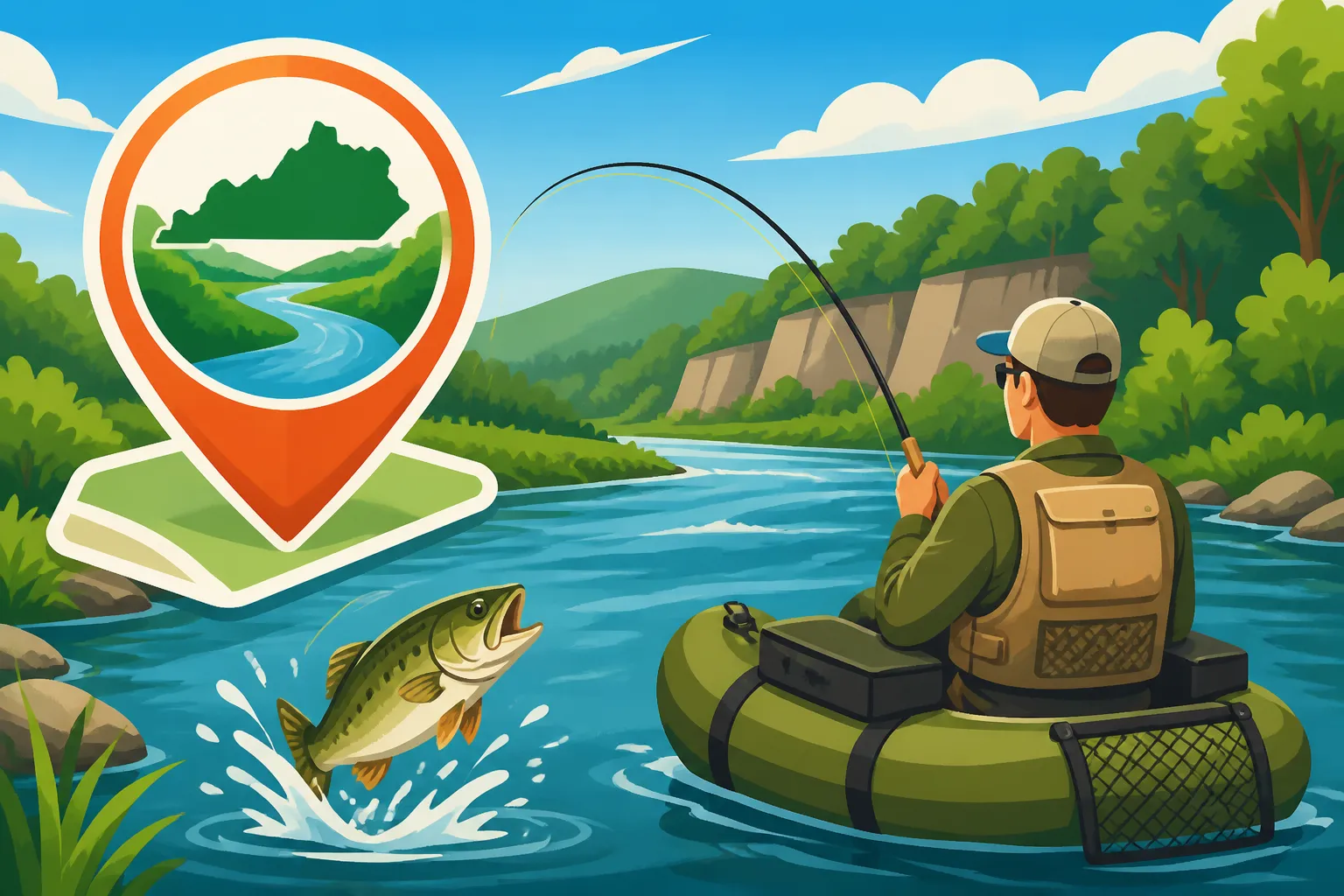
There’s something truly special about disconnecting from the bank, pushing off into the gentle current, and letting a Kentucky river carry you along as you cast your line. For many anglers near Bowling Green, the dream of a peaceful float fishing trip is strong, but figuring out where to go and how to approach these dynamic waterways can feel overwhelming. This comprehensive guide will illuminate the best spots for float fishing on rivers near Bowling Green, giving you the confidence to plan your next memorable adventure on the water.
The Undeniable Appeal of Float Fishing Near Bowling Green
Float fishing offers a completely different experience from traditional bank fishing or even fishing from a stationary boat. It’s a dynamic, ever-changing environment where every bend in the river brings new possibilities and new challenges. For those in and around Bowling Green, the rivers present a fantastic opportunity to explore lesser-known stretches and access prime fishing grounds that might otherwise be unreachable.
The Unique Joy of Drifting Kentucky's Rivers
Imagine the tranquility: the gentle lapping of water against your vessel, the rustle of leaves along the bank, and the subtle splash of your lure hitting a promising pocket of water. Float fishing is an immersive experience that connects you deeply with nature. You're not just fishing; you're exploring, letting the river guide your journey. This method allows you to cover vast stretches of water efficiently, presenting your bait or lure to untouched fish populations that rarely see human presence. It’s a fantastic way to escape the crowds often found at more popular, easily accessible spots, offering a true sense of wilderness even relatively close to town. Plus, the constant change of scenery keeps things exciting, making every float trip a unique story waiting to be told.
Beyond the Big Lakes: Discovering Hidden Gems
While Kentucky is famous for its massive reservoirs like Kentucky Lake, Lake Barkley, and Lake Cumberland, the rivers and their tributaries around Bowling Green offer a distinctly different, equally rewarding experience. These aren't the expansive, windswept waters where powerful bass boats dominate. Instead, you'll find more intimate settings, narrower channels, and a more diverse ecosystem. Think of it as uncovering the state's hidden fishing treasures. These river systems are often teeming with different species, from hard-fighting smallmouth and largemouth bass to a variety of catfish and panfish. What makes them truly special is their dynamic nature – the currents, submerged timber, and varying depths create endless opportunities for ambush predators, making float fishing a highly effective strategy to target them. Plus, you’re not just chasing fish; you’re witnessing the untouched beauty of Kentucky's riparian corridors, a view few get to see.
Prime Rivers for Float Fishing Around Bowling Green
The Bowling Green area is blessed with several fantastic river systems that are ideal for float fishing. Each offers its own character, challenges, and rewards, making it worth exploring them all to find your personal favorite.
The Mighty Green River: A Float Fishing Paradise
The Green River is arguably one of Kentucky's most renowned float fishing destinations, and a significant portion of it flows within easy reach of Bowling Green. This river is famous for its diverse fishery, holding everything from trophy smallmouth and largemouth bass to robust populations of various catfish species. The river's character changes along its length, offering everything from swift runs and rocky shoals to slow, deep pools.
For a truly immersive experience, many anglers opt for multi-day floats, camping on sandbars or designated riverside spots. Popular float sections include stretches near Mammoth Cave National Park, though it’s crucial to understand park regulations if you're floating through those areas. Upstream from Brownsville and downstream towards Rochester, you'll find plenty of public access points and put-in/take-out spots. The Green River offers incredible structure, with downed trees, rock formations, and gravel bars creating perfect ambush points for fish. For more detailed information on specific areas, check out our guide on Green River Lake Fishing Guide and Best Spots. Anglers floating the Green River often report catching a mix of species, making it an exciting challenge to adapt your techniques as you drift.
Barren River Lake and Its Tributaries: Unexpected Floats
While Barren River Lake itself is a large reservoir, the river system upstream and downstream of the lake, particularly the Barren River and its smaller feeder creeks, can provide excellent float fishing opportunities. The Barren River above the lake offers a more natural, riverine environment before it widens into the main impoundment. Here, you'll find good chances for smallmouth bass, spotted bass, and various panfish.
Below the Barren River Lake dam, the Barren River regains some of its river characteristics, although often with a more consistent flow controlled by the dam. This section can be fantastic for smallmouth, spotted bass, and even some surprising catches as fish migrate from the main lake. For those seeking a quieter experience, exploring the smaller, navigable tributaries that feed the Barren River and its lake can yield rewarding results. These smaller waters often require a lighter touch, perhaps a kayak or canoe, but they can be teeming with less pressured fish. Our guide, Barren River Lake Fishing Guide for Kentucky Anglers, offers a deeper dive into the overall fishery, which can help inform your float trip planning on its feeder streams. When planning a float on these tributaries, always check water levels and ensure sufficient flow for your chosen craft.
Lesser-Known Creeks and Streams
Beyond the major rivers, the Bowling Green area is crisscrossed by numerous smaller creeks and streams that, when water levels are right, can be absolute gems for float fishing. Think of Drakes Creek, Gasper River, or Big Barren Creek. These waters typically require smaller, more agile vessels like kayaks or canoes. They are often shallower, with more twists and turns, making for an adventurous and intimate fishing experience.
These smaller waterways are perfect for targeting panfish and smaller bass species, and they can be incredibly productive, especially during the spring and fall when fish are more active in shallower water. The key to successfully floating these streams is timing; you need enough rainfall to ensure adequate water levels, but not so much that the current becomes dangerous or the water too muddy. Local knowledge or a quick call to a bait shop in Bowling Green can often provide up-to-the-minute conditions. Access might involve scouting public bridges or asking for permission from landowners, so always be respectful and prepared. The reward for this effort can be fantastic, unpressured fishing in some truly beautiful, overlooked landscapes.
Essential Gear and Techniques for a Successful Float
To make the most of your float fishing adventure near Bowling Green, having the right gear and understanding effective techniques is crucial. It’s a blend of preparedness and adaptability that will lead to a successful day on the water.
Choosing Your Vessel: Kayaks, Canoes, and Jon Boats
The type of vessel you choose will significantly impact your float fishing experience, directly influencing your access, comfort, and fishing style.
- Kayaks: For many, fishing kayaks are the ideal choice for float trips on Kentucky's rivers. They are lightweight, highly maneuverable, and can navigate shallower waters, allowing you to access sections that larger boats simply can't reach. Modern fishing kayaks often come equipped with comfortable seats, rod holders, and storage, making them well-suited for a full day or even multi-day excursion. Their stealthiness also allows you to approach fish without spooking them. If you're considering a kayak, our guide on Best Fishing Kayaks for Kentucky Lakes and Rivers can provide excellent recommendations.
- Canoes: Canoes offer more cargo capacity than kayaks, making them a great option if you plan on bringing extra gear, coolers, or another angler. They are stable and relatively easy to paddle, though they may require two people for efficient navigation, especially in currents. They excel on slower-moving rivers and are perfect for a relaxed float where you want to cover ground and carry plenty of supplies.
- Jon Boats: While less common for true "float" fishing (where you're actively drifting without a motor), smaller jon boats can be used effectively on wider, slower river sections or for upstream motors and downstream floats. They offer stability and can handle more gear, but their draft might limit access to very shallow stretches. They are also less stealthy than kayaks or canoes. If you do opt for a jon boat, make sure it's sized appropriately for the river you intend to float and always have a reliable motor for navigating back upstream or against current.
Regardless of your choice, ensure your vessel is equipped with all necessary safety gear, including PFDs (personal flotation devices) for everyone on board, as detailed in Kentucky's life jacket rules.
Rods, Reels, and Line: Matching Your Tackle to the Target
Your tackle setup should be versatile enough to handle the variety of fish you might encounter in Kentucky's rivers while float fishing.
- Rods: For general river float fishing, a medium-light to medium power spinning rod, typically 6'6" to 7' long, is an excellent all-around choice. This length provides good casting distance and accuracy, which is essential for hitting specific pockets of water. The medium power offers enough backbone to handle a good-sized bass or catfish, while still being sensitive enough to detect subtle bites from panfish. For those specifically targeting larger species like the Catfish Species in Kentucky: Channel, Blue, Flathead and White, a slightly heavier, longer rod might be beneficial.
- Reels: A reliable spinning reel in the 2000-3000 size range will pair perfectly with your chosen rod. Look for smooth drag, which is critical when fighting fish in current or near submerged cover.
- Line: A good quality monofilament line, around 8-10 lb test, is a versatile choice for river fishing. It offers good knot strength and shock absorption, which is helpful when fish make sudden runs. For clear water or if you're experiencing finicky bites, consider a fluorocarbon leader. Braided line (15-20 lb test) can also be a great option for its sensitivity and strength, especially when fishing around heavy cover, but you'll likely want to tie on a fluorocarbon leader for stealth. Our guide on Best Rods and Reels for Kentucky Fishing offers more in-depth advice on selecting your gear.
Baits and Lures: What the Locals Are Using
The beauty of river fishing is the wide array of effective baits and lures. What works best often depends on the species you're targeting and the specific conditions of the day.
- For Bass (Largemouth, Smallmouth, Spotted):
- Soft Plastics: Wacky-rigged worms, Senko-style baits, creature baits, and small finesse jigs are deadly on river bass. They imitate natural forage and can be worked slowly through current seams and around structure.
- Crankbaits: Small to medium-sized shallow-diving crankbaits in natural colors (crawfish, shad patterns) are excellent for covering water and triggering reaction strikes, especially in rocky sections or around submerged wood.
- Spinnerbaits/Chatterbaits: These are great for covering water and fishing through lighter cover. Their flash and vibration can draw fish from a distance.
- Topwater: On calm mornings or evenings, poppers, walking baits, and buzzbaits can provide explosive strikes from aggressive bass. Our Largemouth Bass Fishing in Kentucky: The Complete Guide offers extensive lure recommendations.
- For Catfish:
- Live Bait: Live minnows, shiners, or bluegill are fantastic for flathead catfish.
- Cut Bait: Shad, skipjack, or even pieces of hot dog are excellent for channel and blue catfish.
- Stink Baits: Prepared "stink" baits or chicken livers are classic choices for channel cats.
- For Panfish (Bluegill, Crappie, Sunfish):
- Small Jigs: Tiny jigs tipped with a grub or a piece of Berkley PowerBait are incredibly effective.
- Live Bait: Crickets, worms, and small minnows fished under a bobber are always reliable.
- Small Spinners: Mepps or Rooster Tail spinners in small sizes can entice a strike. Learn more about these species in our Panfish and Sunfish Species Found in Kentucky article.
When float fishing, try to cast ahead of your drift into promising areas, allowing your bait or lure to drift naturally with the current as you approach. Experiment with different retrieves and presentations until you find what the fish are biting on that day. Sometimes a subtle flutter is key, other times a more aggressive twitch or steady retrieve will do the trick.
Here's a quick reference for common float fishing targets and recommendations:
| River Section Type | Target Species | Recommended Baits/Lures | Notes |
|---|---|---|---|
| Swift Runs/Riffles | Smallmouth Bass, Spotted Bass, Rock Bass | Small Crankbaits, Spinners, Tube Jigs | Cast upstream, retrieve as it drifts downstream. |
| Deep Pools/Bends | Largemouth Bass, Catfish, Crappie | Worms (wacky-rigged), Jigs, Live/Cut Bait, Soft Plastics | Focus on structure like downed trees, undercut banks. |
| Slack Water/Eddies | Largemouth Bass, Panfish, Channel Catfish | Topwater, Spinnerbaits, Crickets, Worms | Great for ambush predators. Fish the edges of current. |
| Rocky Bottoms | Smallmouth Bass, Spotted Bass, Sauger | Finesse Jigs, Small Grubs, Crawfish Imitations | Crawfish are a primary food source in rocky areas. |
| Woody Cover/Laydowns | Largemouth Bass, Flathead Catfish, Crappie | Jig & Pig, Creature Baits, Live Bait | Pitch or flip into cover. Expect aggressive strikes. |
Planning Your Float Fishing Adventure Near Bowling Green
A successful float fishing trip involves more than just knowing where to cast. Thoughtful planning regarding timing, access, and safety is paramount to a memorable and hassle-free experience.
Best Seasons and Times for Float Fishing
Kentucky's rivers offer float fishing opportunities throughout much of the year, but some seasons are undeniably better than others, depending on your target species.
- Spring (March-May): This is often considered prime time. As water temperatures rise, fish become very active. Bass move to shallower areas for spawning, making them more accessible. Crappie also stage for their spawn, and catfish begin to stir after the winter lull. Water levels are typically good due to spring rains, but be mindful of strong currents and muddy water after heavy downpours. Early spring often sees excellent action on minnows and jigs for crappie, while later in spring, bass will readily hit a variety of lures.
- Summer (June-August): Float fishing in summer can be productive, especially during early mornings or late evenings when fish are most active in cooler water. Midday heat can make fishing tougher, driving fish to deeper pools or shady cover. Target catfish throughout the day, and look for bass to feed during low-light hours. Summer storms can bring sudden rises in water levels, so keep an eye on forecasts. Bring plenty of water and sun protection!
- Fall (September-November): Another fantastic season! As temperatures cool, fish often go on a feeding frenzy, bulking up for winter. Bass are aggressive, chasing baitfish, and catfish remain active. Fall colors along the riverbanks add to the scenic beauty. Water levels can vary; sometimes they are low, requiring more careful navigation, but often a good rain will bring them up perfectly. This is a great time to throw crankbaits and spinnerbaits for actively feeding bass.
- Winter (December-February): While challenging, winter float fishing can yield some trophy catches, especially for species like sauger (where present) or large catfish in deep holes. The key is to fish slowly and precisely with vertical presentations. Be prepared for cold weather with appropriate layering and safety gear. Many anglers prefer to stick to warmer months, but for the hardy, winter can be surprisingly rewarding.
Always check local weather forecasts and river gauges (often available through NOAA or the USGS) before heading out, as river conditions can change rapidly.
Access Points and Shuttle Logistics
One of the unique challenges of float fishing is managing your put-in and take-out points. You'll need a way to transport your vehicle from the launch point to your destination downriver.
- Public Access: Many state and county parks, wildlife management areas (WMAs), and local municipalities maintain public boat ramps or designated canoe/kayak launches on the Green River and Barren River. These are typically well-marked and provide ample parking. A quick online search for "Green River public access points" or "Barren River canoe launch" will usually point you in the right direction. Some private outfitters also offer access for a small fee.
- Shuttle Services: For longer floats, particularly on the Green River, you might find local outfitters that offer shuttle services. They will transport your vehicle from your launch point to your intended take-out point, allowing you to enjoy your float without worrying about transportation logistics at the end. These services are invaluable, especially if you're traveling solo or with a group where everyone wants to be on the water. Many fishing guides or charter services listed on platforms like FishingBooker often assist with these logistics or provide guided float trips themselves.
- DIY Shuttle: If no commercial shuttle is available, you'll need two vehicles. Drop one vehicle at your take-out point, then drive the other to your put-in. At the end of your float, you retrieve your first vehicle and then go back for the second. This requires a bit more coordination but is a common practice among float anglers. Always park legally and securely, especially when leaving a vehicle unattended for hours.
Remember to have your Kentucky Fishing License Guide in hand, as well as any other necessary permits, and always respect private property when choosing your access points.
Safety First: Navigating Kentucky's Rivers
River environments can be unpredictable, so prioritizing safety is non-negotiable for any float fishing trip.
- Life Jackets: This is non-negotiable. Everyone in your vessel, regardless of swimming ability, should wear a Coast Guard-approved life jacket. In Kentucky, children under 12 are required to wear a life jacket at all times while on a boat in motion. Strong currents, submerged obstacles, or unexpected capsizes can happen quickly.
- Know Your River: Research the section of the river you plan to float. Are there any known rapids, dams, or portages? What are the typical water levels and current speeds? Online maps, guidebooks, and conversations with local anglers (or even a check with a service like FishingBooker that lists local guides) can provide invaluable insights.
- File a Float Plan: Let someone know your exact float plan: where you're putting in, where you're taking out, your estimated duration, and who is with you. Stick to this plan as closely as possible.
- Weather Awareness: Be aware of the weather forecast before and during your trip. Sudden thunderstorms can cause flash flooding, dangerous lightning, and rapid changes in river conditions.
- Hydration and Supplies: Bring plenty of water, snacks, sunscreen, insect repellent, and a basic first-aid kit. Pack your electronics (phone, GPS) in waterproof bags.
- Respect the Wildlife and Environment: Pack out everything you pack in. Leave no trace. Be mindful of wildlife and give them space. This preserves the beautiful environment for everyone.
- Game Warden Checks: Be prepared for potential checks by Kentucky game wardens. They ensure everyone is fishing legally and safely. Always have your Kentucky Fishing License Guide and any trout permits or other endorsements readily available. Understanding Kentucky Fishing Regulations Explained will ensure you’re always compliant.
Float fishing offers some of the most rewarding and serene angling experiences available near Bowling Green. With careful planning, the right gear, and a strong commitment to safety, you're sure to create lasting memories on Kentucky's beautiful rivers.
Disclaimer
The information provided in this guide is for general informational purposes only and is not intended as legal or professional advice. Fishing regulations, license requirements, and river conditions can change frequently. Always consult the most current regulations from the Kentucky Department of Fish and Wildlife Resources and check local weather and water conditions before planning any fishing trip. Safety should always be your top priority on the water.