How to Adjust Your Technique After a Storm
Kentucky anglers learn how barometric pressure drops, water temperature shifts, and muddy clarity changes alter fish behavior after storms.
Match the method to the moment.
Seasonal patterns, proven tactics, rigging and presentation basics, bait choices, and how to adapt as conditions change.
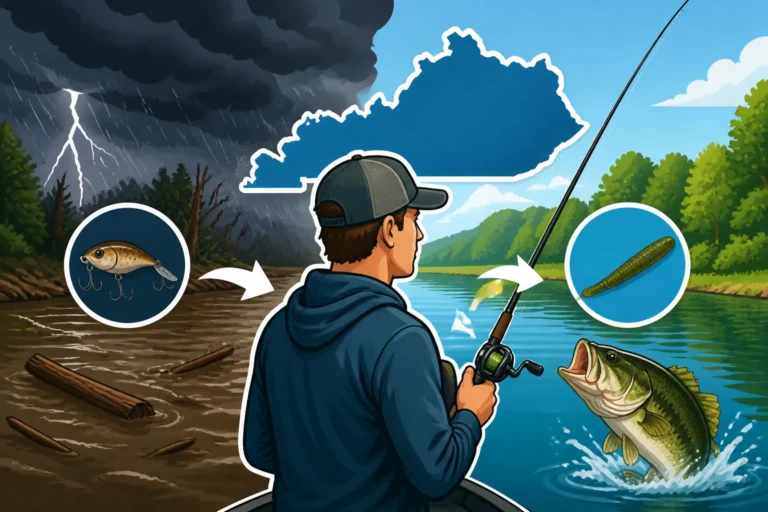
Kentucky anglers learn how barometric pressure drops, water temperature shifts, and muddy clarity changes alter fish behavior after storms.
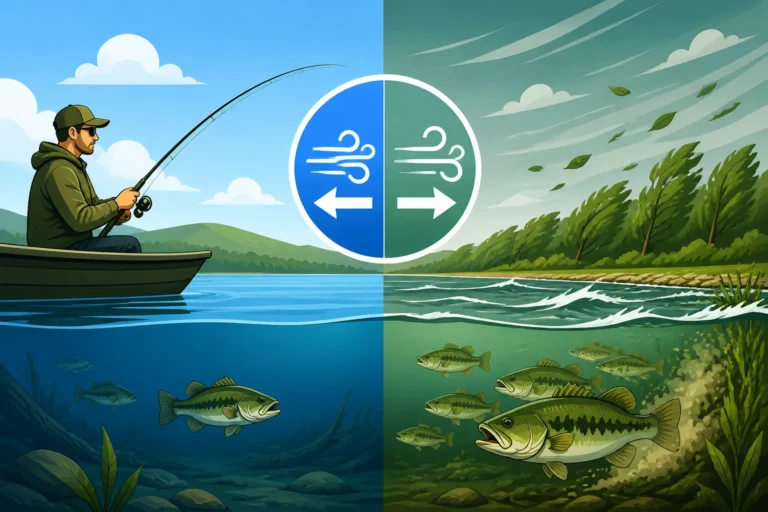
Wind direction and lake currents affect bass feeding patterns, water temperature, oxygen levels, and fish locations in Kentucky.
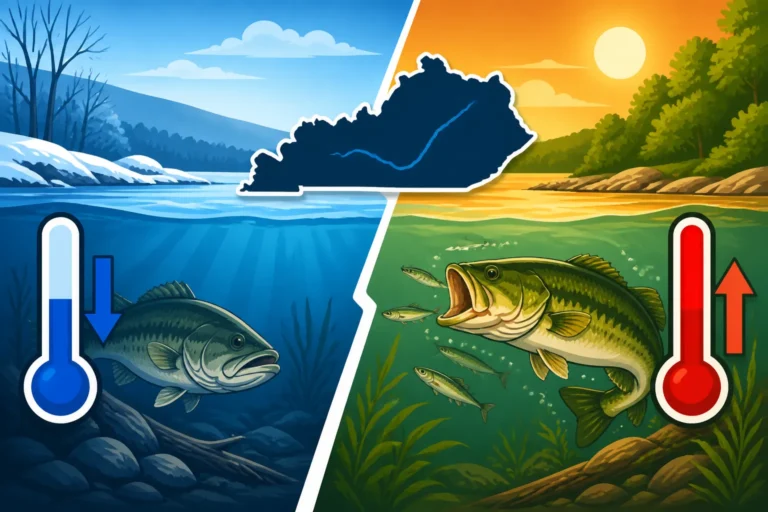
Falling water temperatures and autumn lake turnover alter fish behavior, scattering bass and crappie into uniform water layers.
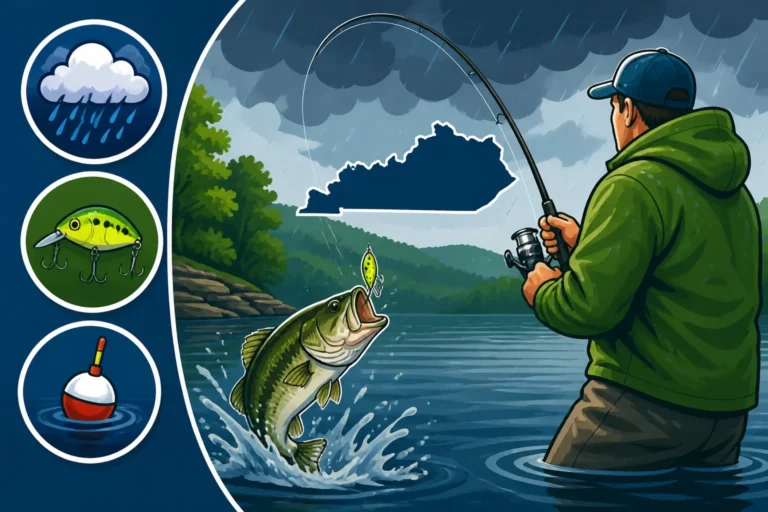
Kentucky fishing techniques for rainy days explain how increased oxygen and washed insects improve bass and crappie bites.
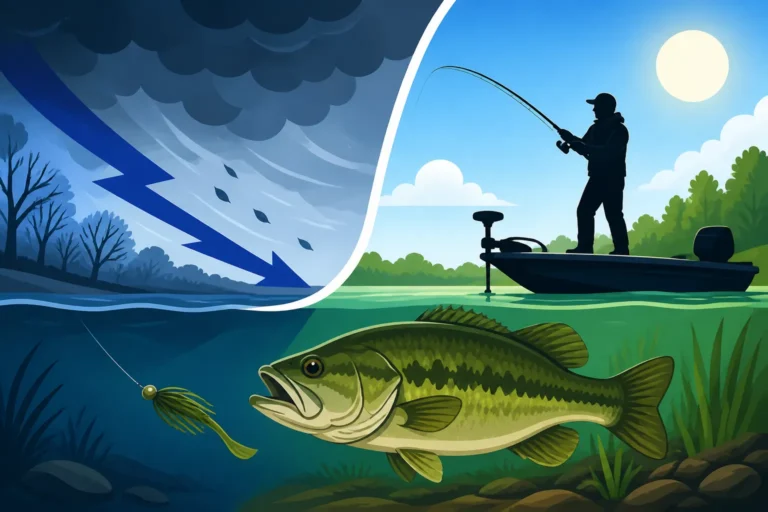
Cold front fishing tactics help anglers adapt to high barometric pressure and catch sluggish bass and crappie in Kentucky.
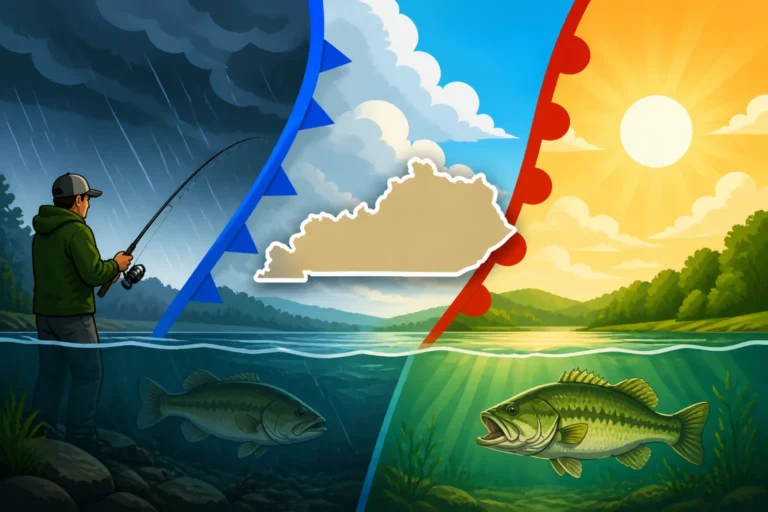
Weather fronts and barometric pressure drops alter fish feeding times on Kentucky lakes, affecting bass behavior and local catch success.

Morning and evening fishing in Kentucky lakes and rivers, comparing light levels, water temperatures, and species behavior.
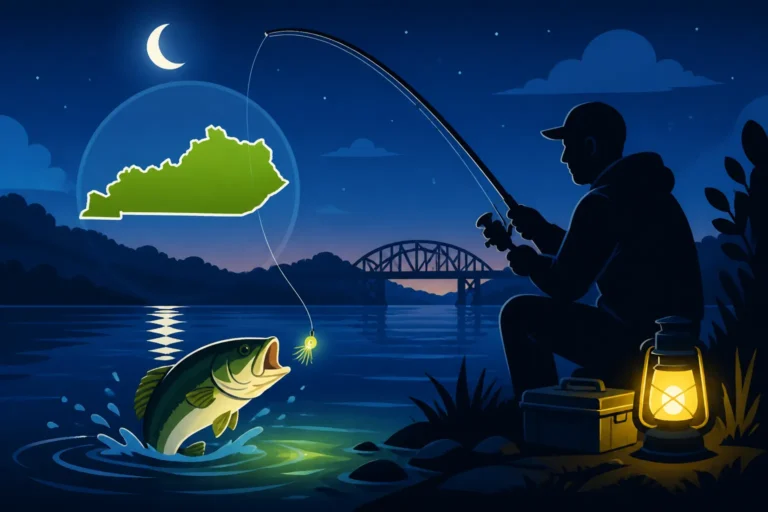
Night fishing on Kentucky lakes and rivers helps anglers target nocturnal catfish and bass while escaping the summer heat.
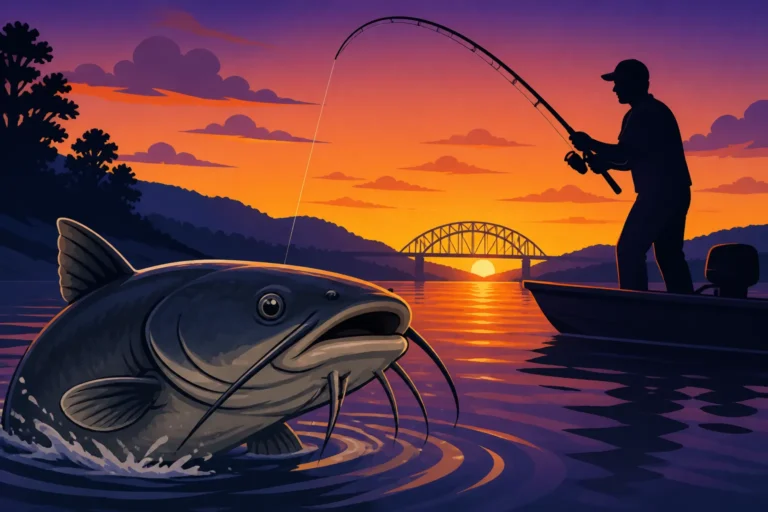
Catfish behavior shifts at dusk in Kentucky lakes, driving channel, blue, and flathead species into shallow foraging grounds to feed.
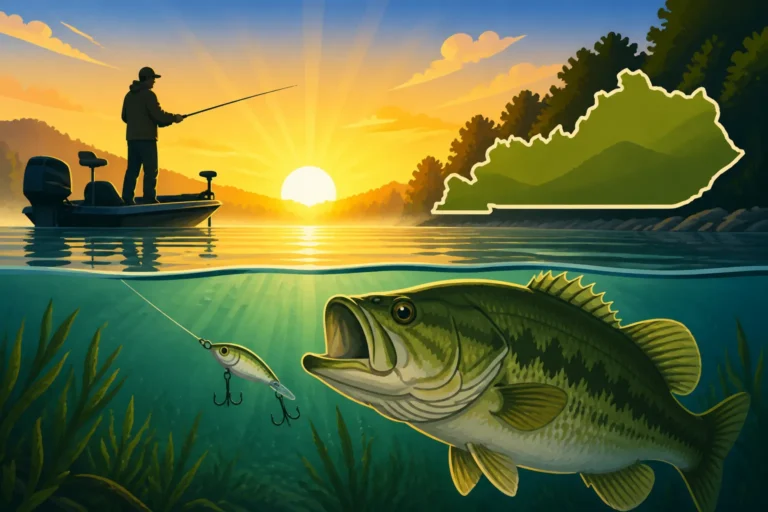
Kentucky bass fishing at dawn provides visual advantages and cooler water temperatures that trigger active predator feeding.