How to Fish a Plastic Worm for Bass
Ever feel like everyone else is catching bass on plastic worms, but yours just aren't cutting it? You've got the worms, you've got the hooks, but getting that enticing, fish-catching action can feel like a mystery. Don't worry, you're not alone! Many anglers find the subtle art of fishing a plastic worm a bit daunting at first. This comprehensive guide is here to unravel that mystery, taking you step-by-step through the techniques that will have Kentucky bass inhaling your plastic offerings.
The Allure of the Plastic Worm for Kentucky Bass
Plastic worms are arguably one of the most productive bass lures ever invented. Their versatility, realistic look, and subtle action make them irresistible to both largemouth and smallmouth bass across Kentucky's diverse waters. But what exactly makes them so effective, and with so many options out there, how do you choose the right one?
Why Bass Can't Resist a Plastic Worm
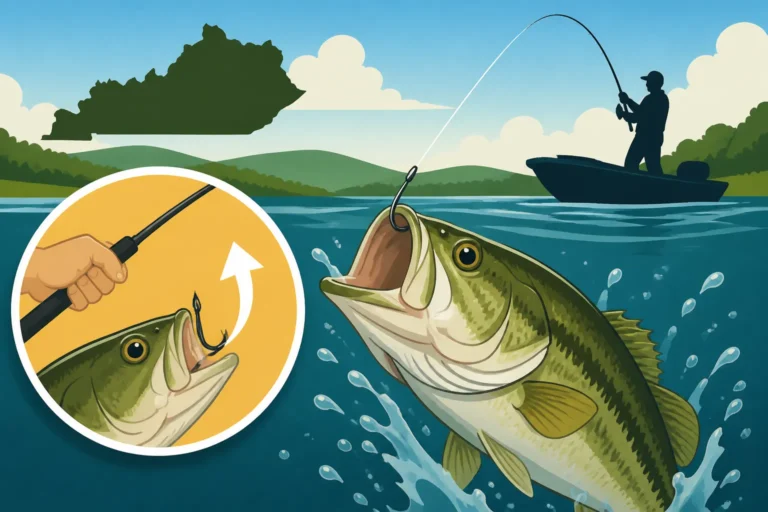
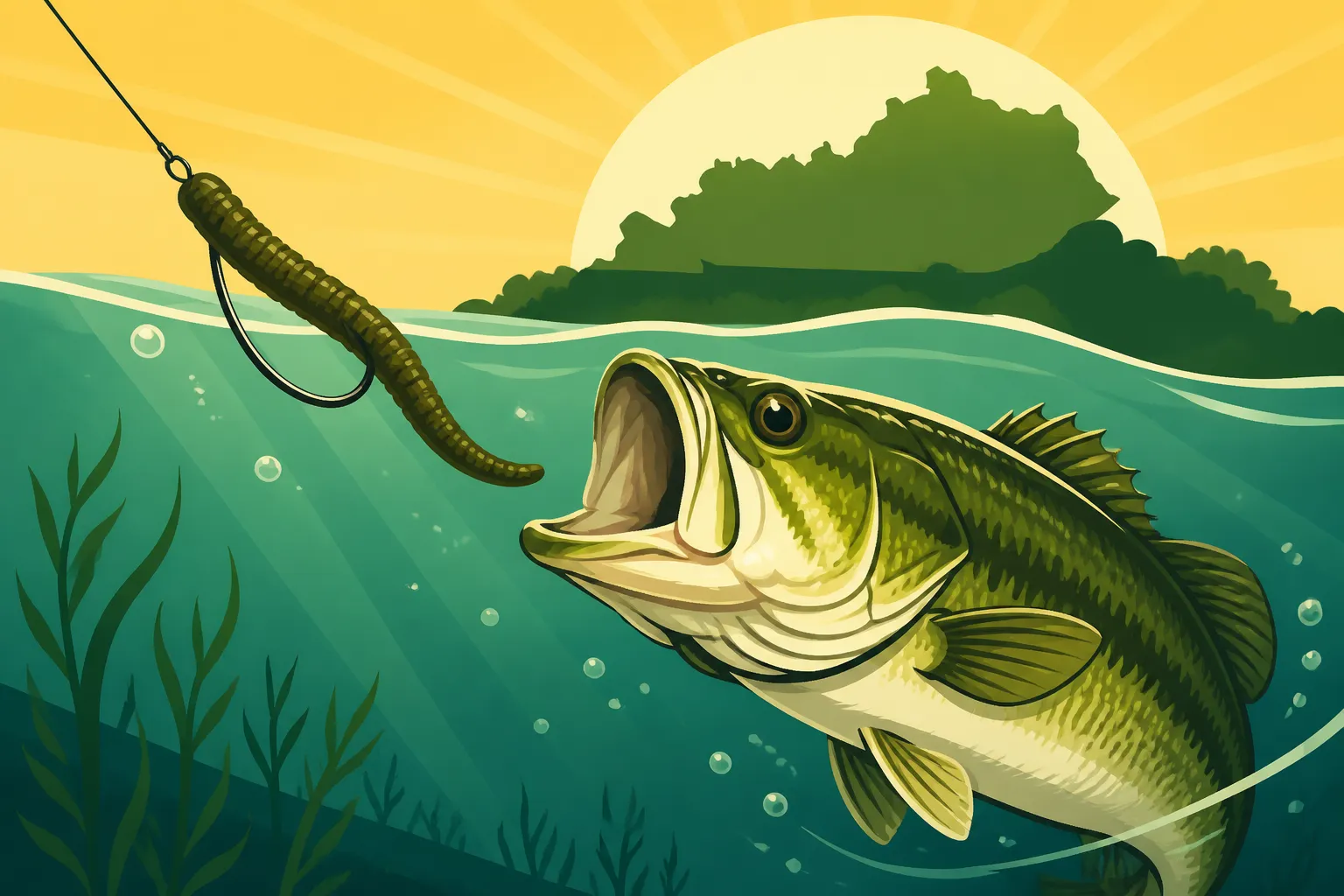
Bass are predatory fish, and they're constantly looking for an easy meal. Plastic worms mimic a variety of natural prey items, from actual worms to leeches, small snakes, or even juvenile baitfish, depending on their design and how they're rigged. Their soft texture feels natural in a bass's mouth, which means the fish often hold onto them longer than they would a harder lure, giving you more time to set the hook. This natural feel is a huge advantage, especially when bass are finicky or heavily pressured.
Consider a hot summer day on a clear lake like Herrington Lake. Bass might be suspended under docks or buried deep in submerged brush piles, unwilling to chase a fast-moving crankbait. A weightless, slowly sinking plastic worm, however, can be presented right in their strike zone with minimal disturbance, enticing a bite from even the most lethargic fish. It's about triggering that instinctual feeding response without overwhelming them.
Common Types of Plastic Worms and When to Use Them
The world of plastic worms is vast, but understanding a few basic categories will cover most of your bases. Each type offers a different action and is suited for specific conditions.
- Straight-Tail Worms: These are your classic, no-frills worms. They have a subtle, natural undulation in the water, making them excellent for clear water, highly pressured fish, or when a very delicate presentation is required. Sizes usually range from 4 to 10 inches. They shine when rigged weightless, on a Wacky Rig, or on a Neko Rig, providing that irresistible shimmy.
- Ribbon-Tail Worms: Characterized by a long, curled tail that creates a lot of action with minimal movement. This makes them fantastic for stained or murky water where bass rely more on vibration, or when you want to create a more aggressive presentation. They're often 6 to 12 inches long and are a go-to for Texas Rigging, especially around heavier cover like thick grass beds or flooded timber.
- Paddle-Tail Worms (or Swim Worms): These worms have a flattened, paddle-like tail that thumps and vibrates as it moves through the water. They are designed to be retrieved steadily, mimicking a swimming baitfish. Great for covering water quickly or when bass are actively chasing prey. They work well on a weighted swimbait hook or Texas Rigged with a lighter weight for a more horizontal presentation. You'll often find these in lengths from 4 to 7 inches.
- Finesse Worms: These are typically smaller, thinner straight-tail worms, often between 4 and 6 inches. They are the epitome of subtle presentation, designed for tough bites, clear water, or cold front conditions. Ideal for drop-shotting, Wacky Rigging, or light Texas Rigging. When the bite is slow on Kentucky Lake, a finesse worm might be the only thing that gets a strike.
Choosing the right worm often comes down to water clarity, bass activity, and the type of cover you're fishing. Having a variety of colors, from natural greens and browns to brighter chartreuse and junebug, is also essential.
Gearing Up: The Right Tackle for Plastic Worms
Just like a chef needs the right knives, an angler needs the right tools to effectively fish plastic worms. Having the proper rod, reel, line, hooks, and weights can make a monumental difference in your ability to detect strikes, present your lure naturally, and ultimately, land more bass.
Rods, Reels, and Line: Matching Your Setup
Your rod and reel setup needs to provide sensitivity, power, and the right balance for casting and working these often-lightweight lures.
- Rods: For most plastic worm applications, a medium-heavy to heavy power spinning or casting rod with a fast or extra-fast action is ideal. The fast action means the rod bends mostly in the tip, allowing for excellent sensitivity to detect subtle bites and quick, powerful hooksets. A medium-heavy rod is a great all-around choice for many worm techniques, while a heavy rod might be preferred for flipping and pitching heavier Texas Rigs into dense cover. If you're focusing on finesse techniques like the Wacky Rig or Neko Rig, a medium power, fast action spinning rod often provides superior sensitivity. You can learn more about choosing the right rod in this guide on Best Rod Action and Power for Bass Fishing.
- Reels: For casting setups, a baitcasting reel with a gear ratio between 6.3:1 and 7.3:1 is versatile, allowing for both slow retrieves and quick line pickup. For spinning setups, a 2500-3000 size reel is perfect, offering good line capacity and a smooth drag system.
- Line: This is crucial for sensitivity.
- Fluorocarbon: My personal favorite for most worm fishing. It's nearly invisible underwater, has very low stretch for excellent sensitivity, and sinks, which helps your worm get to the bottom faster and stay there. I typically use 10-17 lb test for casting setups and 6-10 lb test for spinning.
- Braided Line: Offers incredible strength and zero stretch, making it super sensitive. However, it's highly visible. I often use 30-50 lb braid as a main line with a fluorocarbon leader (10-20 lb) for fishing heavy cover, as the braid cuts through weeds well.
- Monofilament: While less sensitive and more visible than fluorocarbon, it floats and has stretch, which can be useful for certain presentations like weightless worms or topwater applications, though less common for traditional worm fishing.
When stocking up on your fishing line and other essentials, consider checking out the wide selection available on Amazon.
Hooks and Weights: The Crucial Connection
The right hook and weight are vital for proper presentation and solid hooksets.
- Hooks:
- Offset Worm Hooks (EWG or Extra Wide Gap): These are the most common for Texas Rigging. The offset bend and wide gap allow the worm to be rigged weedless while still providing plenty of bite for the hook point to penetrate a bass's mouth. Sizes from 3/0 to 5/0 are standard, depending on worm size.
- Straight Shank Worm Hooks: Offer a more direct hookset and are often preferred by pros for Texas Rigging in open water or lighter cover. Sizes 3/0 to 5/0.
- Wacky Rig Hooks: Small, light wire hooks (often size 1 to 1/0) specifically designed for Wacky Rigging. Many have a weedguard to prevent snags.
- Neko Hooks: Similar to wacky hooks, but often with a sharper bend or a small weight integrated into the shank for the Neko Rig.
- Weights:
- Bullet Weights (Slip Sinkers): The staple for Texas Rigging. They're tapered to slide through cover and allow the worm to move more naturally. Tungsten weights are more dense and sensitive than lead, allowing you to use a smaller weight for the same drop rate, and feel more of what's happening on the bottom. Sizes typically range from 1/8 oz to 1 oz or more, depending on depth and cover.
- Egg Sinkers: Primarily used for Carolina Rigs, these round weights slide freely on the main line. Sizes from 1/2 oz to 1 oz are common.
- Nail Weights: Small, cylindrical weights inserted directly into the head or tail of a worm for Neko Rigging or adding subtle weight to a Wacky Rig.
Always match your hook size to your worm and your weight to the depth and cover you're fishing. A general rule: use the lightest weight possible that still allows you to feel the bottom and maintain control of your lure.
Essential Rigging Techniques for Maximum Success
Understanding how to rig your plastic worm correctly is perhaps the most critical step. Each rigging method serves a different purpose, excelling in specific fishing scenarios. Mastering these will significantly expand your versatility on the water.
The Versatile Texas Rig: Your Go-To for Cover
The Texas Rig is by far the most popular and versatile way to fish a plastic worm, especially when dealing with cover. It's incredibly weedless, making it perfect for fishing grass, brush piles, submerged timber, and rocks without constantly getting snagged. If you're interested in refining this technique, check out our guide on How to Rig a Texas Rig for Bass Fishing.
- How to Rig It:
- Start by threading the point of an offset worm hook into the very tip of your plastic worm, about a quarter to half an inch.
- Push the hook through, then bring it out and slide the worm up the shank until the eye of the hook is buried in the worm's head.
- Rotate the hook so the point is facing the worm's body.
- Measure where the hook bend naturally aligns with the worm, then gently push the hook point into the body of the worm.
- Make sure the hook point is just barely embedded in the worm's body, making it "skin-hooked" or weedless.
- Slide a bullet weight onto your main line before tying on the hook. You can leave the weight free-sliding or peg it in place with a toothpick or stopper for heavier cover.
- When to Use It: The Texas Rig excels in areas with heavy vegetation like lily pads or hydrilla on Kentucky Lake, laydowns along the Kentucky River, or brush piles in Lake Barkley. It allows you to punch through dense cover that other lures would snag on.
- Presentation: Cast your Texas Rig to your target, let it sink to the bottom, then work it slowly. Lift your rod tip to pull the weight and worm forward, then let it fall back on a semi-slack line. Most bites occur on the fall.
The Deeper Carolina Rig: Covering Water Effectively
The Carolina Rig is designed for fishing deeper water and covering expansive areas quickly. It presents the worm a foot or two behind a heavier weight, allowing for a very natural, almost weightless presentation of the worm itself, even when the main weight is bumping along the bottom.
- How to Rig It:
- Slide an egg sinker (usually 1/2 oz to 1 oz) onto your main line.
- Add a small bead (glass or plastic) after the weight. This protects your knot and creates an enticing "clacking" sound against the weight.
- Tie on a swivel.
- To the other end of the swivel, tie a leader of fluorocarbon line, typically 18 to 36 inches long (longer for clearer water, shorter for murky).
- Tie your offset worm hook to the end of the leader and rig your plastic worm Texas-style.
- When to Use It: This rig is fantastic for fishing deep humps, points, and channel swings, especially on larger reservoirs like Lake Cumberland or Kentucky Lake. It's excellent for finding bass schooled up offshore or when they're scattered across a flat.
- Presentation: Cast it out, let it sink, then slowly drag the weight along the bottom with long sweeps of your rod. The bead and weight will kick up sediment, attracting curious bass, while your worm dances enticingly behind it. Pay close attention to your line for subtle taps.
The Subtle Wacky Rig: Finesse for Finicky Bass
The Wacky Rig is the king of finesse. It involves hooking a straight-tail worm directly through its middle, allowing both ends to wiggle seductively as it falls through the water. This rig has a unique, irresistible action that triggers strikes from even the most cautious bass.
- How to Rig It:
- Take a straight-tail worm (like a Yamamoto Senko).
- Hook it directly through the middle, perpendicular to the hook shank. For added durability and to prevent the worm from tearing off easily, you can use a small O-ring around the middle of the worm and hook through the O-ring.
- You can fish it weightless or add a tiny nail weight to one end for a faster fall or to control the angle of the fall.
- When to Use It: Ideal for clear water, around docks, fallen trees, seawalls, or any shallow cover where bass might be holding. It's deadly in calm conditions and for bass that are just not committing to other lures. You can catch some truly impressive bass with a Wacky Rig in spring and fall on lakes across Kentucky.
- Presentation: Cast it out, let it sink on a completely slack line. The magic happens on the fall as both ends of the worm shimmy. Watch your line closely for any twitch or movement – that's often a bite. Once it hits bottom, give it a few gentle twitches, let it sit, then reel in and cast again.
The Modern Neko Rig: A New Twist on Finesse
The Neko Rig is a refined version of the Wacky Rig, offering a slightly different action that can be incredibly effective, especially when bass have seen a lot of Wacky Rigs. It’s essentially a weighted Wacky Rig that falls head-first with a very subtle tail shimmy.
- How to Rig It:
- Insert a small nail weight into one end of a straight-tail worm.
- Hook the worm through its middle (or slightly off-center towards the weighted end) with a Neko hook or a Wacky Rig hook.
- You can use an O-ring for durability, just like with the Wacky Rig.
- When to Use It: Great for pitching to specific targets like dock posts, stumps, or rock piles. The head-first fall gets the worm down quickly, and the subtle tail action can draw strikes from reluctant bass. It excels in deeper water than a traditional weightless Wacky Rig and can be fantastic on places like Lake Cumberland when bass are holding near structure.
- Presentation: Cast to your target, let it sink on a semi-slack line. The weighted end will pull it down, creating a subtle action. Once on the bottom, gently drag or twitch the worm, letting it pause between movements. The worm will stand up on its weighted head, mimicking a feeding creature, then fall back down.
| Rigging Technique | Primary Use Case | Advantages | Disadvantages | Best Worm Types |
|---|---|---|---|---|
| Texas Rig | Heavy Cover, Vegetation | Highly weedless, versatile, good hooksets | Can be less natural on the fall than other rigs | Ribbon-tail, Straight-tail |
| Carolina Rig | Deep Water, Covering Flats | Covers large areas, natural bait presentation | Can be cumbersome to cast, requires specific gear | Ribbon-tail, Straight-tail |
| Wacky Rig | Shallow Finesse, Finicky Bass | Irresistible shimmy on the fall, very natural | Prone to snags, worms tear easily (use O-rings) | Straight-tail, Senko |
| Neko Rig | Deeper Finesse, Specific Targets | Head-first fall, subtle tail action, durable | Requires nail weights, can be slow to fish | Straight-tail, Finesse |
Presenting Your Plastic Worm: The Art of the Retrieve
Once your worm is rigged, the real art begins: bringing it to life in the water. This isn't about speed or flash; it's about subtle movements, patience, and feeling for that elusive bass bite.
Understanding the Bass Bite: Feel and Sight
Detecting a bite on a plastic worm can be incredibly subtle. Unlike a hard-hitting crankbait strike, a bass often just "picks up" a worm, or it might feel like your line just got heavy.
- The "Tick": The classic bite is a distinct "tick" or "thump" felt through your rod. This usually means a bass has inhaled the worm.
- The "Weightless" Feeling: Sometimes, your line will just go slack, or your worm will suddenly feel "weightless." This can happen if a bass swims directly towards you after picking up the bait.
- Line Movement: Often, the most reliable indicator is seeing your line move. Watch for any twitch, jump, or slow, steady pull of your line where it enters the water. If your line suddenly goes sideways, set the hook!
- Visual Strike: In clear water, you might actually see the bass take the worm. This is often the case when fishing a weightless Wacky Rig near the surface.
Learning to differentiate between a bite and the worm dragging over a stick or rock comes with practice. The more time you spend feeling your worm on the bottom, the better you'll become at recognizing what a bite truly feels like.
Working Your Worm: Slow and Deliberate
Patience is a virtue when fishing plastic worms. Most techniques involve a slow, deliberate retrieve, allowing the worm to spend maximum time in the strike zone and tempting hesitant bass.
- Lift and Drop: This is the bread and butter for Texas and Carolina Rigs. After your cast, let the worm sink to the bottom. Lift your rod tip slowly from about 9 o'clock to 11 or 12 o'clock, pulling the weight and worm forward. Then, slowly drop your rod tip back down, letting the worm fall on a semi-slack line. Most bites happen as the worm falls. Reel up the slack, and repeat.
- Dragging: Especially effective with the Carolina Rig, a slow, steady drag along the bottom can entice bites. Just sweep your rod horizontally, reeling in the slack as you go, and let the worm's leader dance behind the main weight.
- Twitching and Pausing: For Wacky and Neko Rigs, a gentle twitch of the rod tip, followed by a long pause, is key. Let the worm sink, give it a subtle twitch, let it fall again, and repeat. This erratic, wounded action is incredibly effective.
- Bottom Bouncing: When fishing rocky bottom or ledges, try gently "bouncing" your weight off the structure. This creates disturbance and can trigger a reaction strike.
Remember, every situation is different. Experiment with retrieve speeds, twitch intensity, and pause durations until you find what the bass are responding to on a given day. Sometimes the slowest retrieve imaginable is the one that gets bit.
Kentucky Waters: Applying Plastic Worm Techniques Locally
Kentucky offers an incredible variety of fishing environments, from vast reservoirs to winding rivers and countless smaller ponds. Knowing how to adapt your plastic worm techniques to these local conditions will significantly boost your success.
Targeting Specific Kentucky Lakes and Rivers
Understanding the unique characteristics of different Kentucky waterways can help you choose the best plastic worm strategies.
- Kentucky Lake and Lake Barkley: These massive reservoirs are prime spots for largemouth bass. Early spring, when bass are moving to spawning flats, is an excellent time for weightless Texas Rigs and Wacky Rigs in shallow coves and around emerging grass. As summer progresses and bass move deeper, Carolina Rigs become deadly on offshore humps, ledges, and channel swings. Look for schools of bass with your fish finder and present a deep-water Texas or Carolina Rig. If you're heading to Lake Barkley, our detailed Lake Barkley Fishing Guide for Kentucky Anglers offers more specific advice.
- Lake Cumberland: Known for its deep, clear water and rocky structure, Lake Cumberland is a fantastic smallmouth bass fishery, though largemouth are abundant too. Finesse worms on a Neko Rig or a light Texas Rig are excellent choices here, especially around main lake points, bluff walls, and submerged timber. The clarity demands a natural presentation, so stick to natural worm colors like green pumpkin, watermelon, or brown. For specific bass strategies, our guide on Best Bass Fishing Spots on Kentucky Lake can provide insights applicable to other large, clear lakes.
- Herrington Lake: As Kentucky's deepest lake, Herrington often holds bass in deep-water haunts. Carolina Rigs and weighted Texas Rigs are essential for targeting bass on deep ledges, brush piles, and rock outcroppings. The lake's steep banks also lend themselves well to pitching Wacky and Neko rigs to cover like laydowns and dock posts in shallower areas.
- Ohio River and smaller rivers: River bass, particularly smallmouth, often hold tight to current breaks, rock piles, and submerged wood. A Texas Rigged ribbon-tail worm worked slowly along current seams or pitched behind boulders can be incredibly effective. Look for eddies and slack water pockets where bass can ambush prey without fighting the main current.
Remember to always check for Kentucky Statewide Bass Size and Daily Limit Rules before you hit the water, as some lakes might have specific regulations.
Seasonal Strategies for Plastic Worms in Kentucky
Bass behavior changes drastically with the seasons, and so should your plastic worm approach.
- Spring (March – May): This is prime time for bass fishing in Kentucky, as highlighted in our guide Kentucky Bass Fishing: The April-May Peak Season. As water temperatures rise into the 50s and 60s, bass move shallow to spawn. Weightless Texas Rigs and Wacky Rigs are deadly around spawning beds, shallow cover, and transition areas. Focus on coves, pockets, and sunny banks that warm up quickly.
- Summer (June – August): With warming water, many bass move to deeper, cooler water. This is when Carolina Rigs and heavier Texas Rigs shine on offshore structures like humps, ledges, and deep brush piles. Fish early mornings, late evenings, or even at night for the most active bite. You can find useful information on Best Time of Day to Catch Bass for warmer months.
- Fall (September – November): Bass follow baitfish back to shallower water as temperatures drop. Texas Rigs worked around fallen leaves, rock transitions, and main lake points where baitfish are abundant can be very productive. The bite can be aggressive as bass feed heavily before winter.
- Winter (December – February): The bite slows down significantly, and bass become lethargic. Focus on deep creek channels, main lake points, and areas with warm water discharge. A very slow, subtle presentation with a finesse worm on a Neko Rig or a light Texas Rig fished agonizingly slowly can still entice strikes. Be mindful of How Weather Fronts Affect Fishing Times, especially during the colder months when sharp temperature drops can shut down the bite.
No matter the season or location, patience and a willingness to experiment are your best friends when fishing plastic worms. They are a timeless, effective lure, and with a little practice, you'll be catching Kentucky bass with confidence.
Disclaimer
Fishing regulations, license requirements, and local rules can change. Always consult the most current Kentucky Department of Fish and Wildlife Resources (KDFWR) regulations before heading out on the water. This guide is for informational purposes only and should not replace official KDFWR resources.