How Big Do Bluegill Get in Kentucky?
It's a common question for anglers across Kentucky: just how big do bluegill really get around here? You've heard the stories, seen the photos, but often when you're out on the water, you're catching panfish that are good for a meal, but not quite trophy material. This guide is here to unravel the mystery, diving deep into what defines a big bluegill in the Bluegrass State, where to find them, and how you can boost your chances of landing one of those true slab 'gills that make for legendary fishing tales.
The Quest for a Big Bluegill: Setting Your Expectations in Kentucky
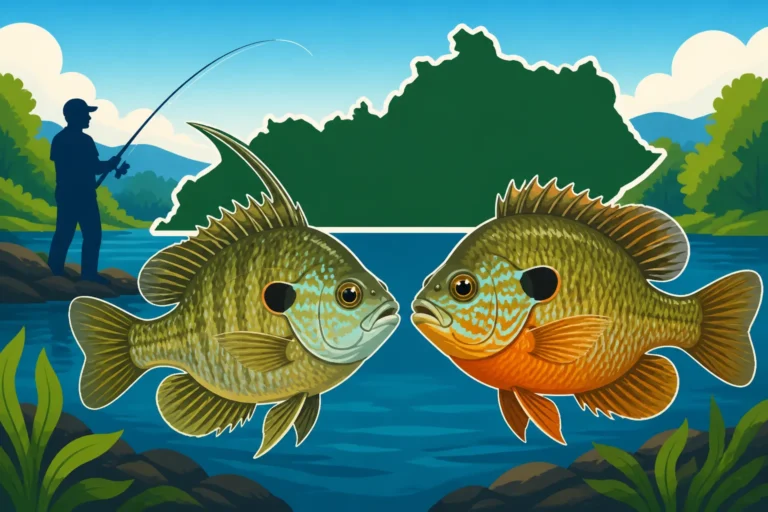
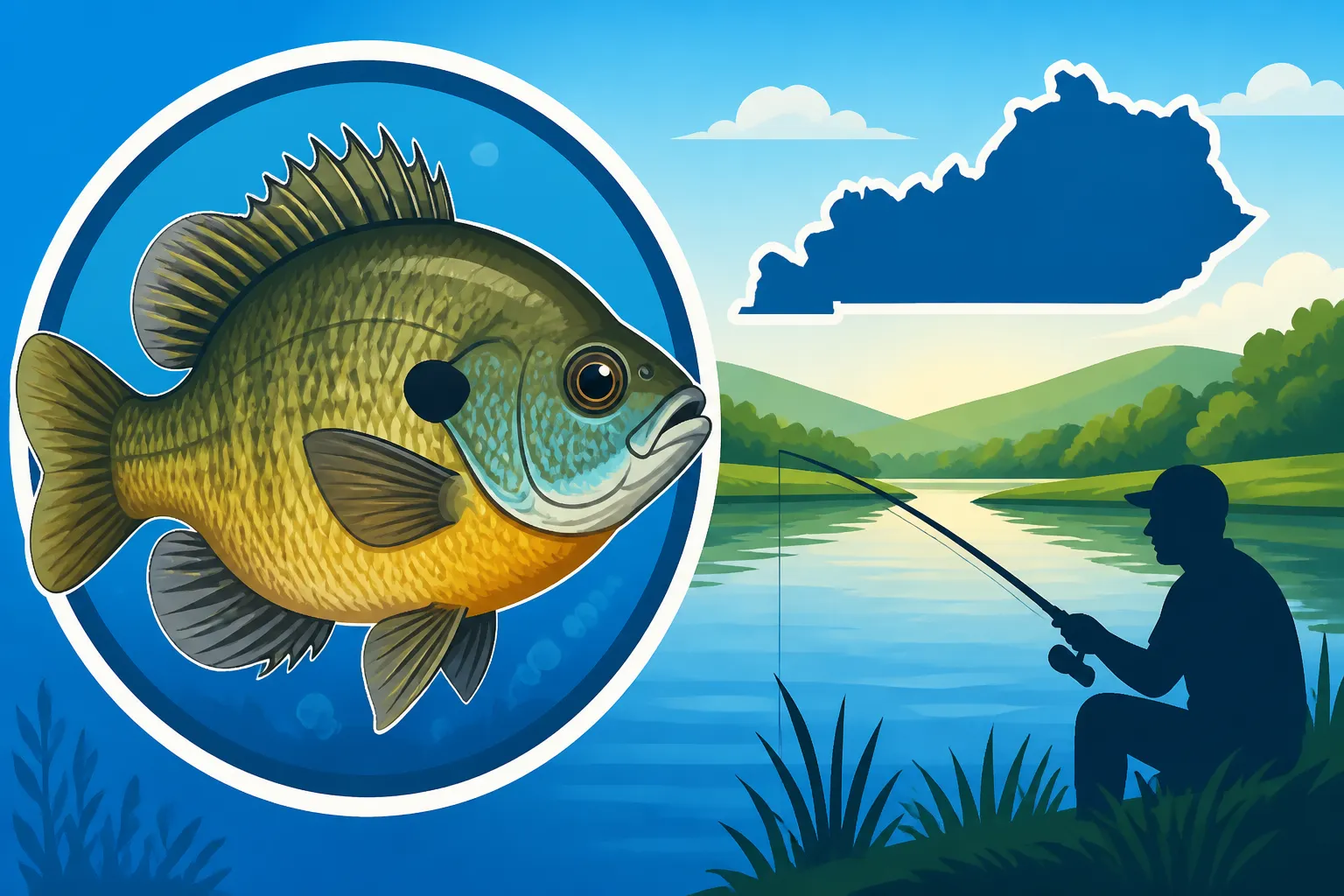
Let's be honest, for most of us, a "big" bluegill is anything that fills the palm of your hand and puts a decent bend in a light rod. But what constitutes a truly large bluegill, the kind that might make you momentarily wonder if you've hooked a bass? In Kentucky, bluegill generally range from 4 to 8 inches in length, and anything over 8 inches starts to get interesting. A 9 or 10-inch bluegill is considered a fantastic catch, a real "slab," and anything beyond that is truly exceptional.
The state record bluegill is an impressive testament to how big these fish can get. While most anglers won't approach that behemoth size, it serves as a wonderful reminder of the potential lurking in our waters. These larger fish are often older, wiser, and have benefited from prime growing conditions. They’re not just bigger; they often have a deeper body, broader shoulders, and a more pronounced "hump" on their back, making them feel like a much heavier fish than their length might suggest. Chasing these bigger bluegill adds an exciting challenge to what is already one of the most beloved and accessible forms of fishing.
For many, bluegill fishing is an entry point into the sport, often enjoyed by families and kids. The sheer abundance and willingness to bite make them a perfect target for beginners. But as anglers gain experience, the thrill often shifts from simply catching fish to targeting larger, more elusive specimens. This pursuit changes your approach, your gear, and even the spots you choose to fish. It transforms a casual outing into a more deliberate hunt for those special, larger bluegill that represent the pinnacle of panfishing.
What Makes a Kentucky Bluegill a "Lunker"?
Several factors converge to create the perfect conditions for bluegill to grow to impressive sizes in Kentucky. It's not just luck; it's a combination of habitat, food, genetics, and how those waters are managed. Understanding these elements can significantly improve your chances of finding those trophy 'gills.
Ideal Habitat and Water Quality
Just like us, bluegill thrive in environments that offer comfort and security. For bluegill, this means plenty of cover—think submerged logs, brush piles, lily pads, docks, and rocky ledges. This cover provides protection from predators like bass and muskies, giving them a safe haven to grow. It also attracts insects and smaller baitfish, which form a crucial part of their diet. Water clarity plays a role too; bluegill often prefer moderately clear to slightly stained waters where they can easily spot food but still have enough turbidity for camouflage.
Oxygen levels, water temperature, and overall water quality are also critical. Lakes and ponds with stable, healthy ecosystems, characterized by good water circulation and minimal pollution, are much more likely to produce larger fish. Fluctuations in these conditions can stress fish, impacting their growth rates. A bluegill that spends its life in clean, well-oxygenated water with abundant food and cover is simply going to have a better chance at reaching a substantial size. This is why you often find the biggest bluegill in some of Kentucky's larger, well-established reservoirs or exceptionally managed private ponds.
Abundant Food Sources
You are what you eat, and for a bluegill looking to hit double-digit inches, a consistent and rich food supply is paramount. Bluegill are opportunistic feeders, starting their lives by munching on zooplankton, then moving on to insects (both aquatic and terrestrial), small crustaceans, and even tiny minnows as they grow larger. In lakes and ponds with a thriving insect population, healthy weed beds, and a good balance of other fish species, bluegill have a veritable buffet at their fins.
Consider a body of water with ample invertebrate life, like mayfly larvae, dragonfly nymphs, and various aquatic worms. These provide a constant protein source. If the lake also supports populations of smaller baitfish that bluegill can prey on, it's like adding an extra growth hormone to their diet. Lakes that receive regular fertilization or have natural nutrient influx can sometimes boost plankton and insect populations, indirectly benefiting the bluegill. However, an overabundance of nutrients can lead to algal blooms and oxygen depletion, which can be detrimental. It's all about balance in these intricate aquatic ecosystems.
Genetics and Fishing Pressure
The genetic makeup of a bluegill population also influences its growth potential. Some strains of bluegill simply grow larger and faster than others. Fisheries management often considers stocking specific bluegill strains known for their robust growth, especially in private ponds, to enhance the chances of producing bigger fish. This genetic predisposition combined with ideal environmental conditions is the magic formula for true lunkers.
Fishing pressure is another significant, often overlooked, factor. In heavily fished public waters, smaller bluegill are often removed before they have a chance to grow to their full potential. While catch-and-release is a growing practice, many anglers keep bluegill for eating, and removing too many small fish can actually improve the average size of the remaining population by reducing competition for food. Conversely, if all fish are kept, the average size might never increase. Lightly fished waters, particularly those with difficult access or well-managed private ponds, tend to hold a higher percentage of larger, older bluegill that have evaded hooks for years. This is part of the allure of seeking out less-trafficked spots or those Best Remote and Less-Crowded Fishing Spots in the State.
| Bluegill Size Category | Typical Length (inches) | Typical Weight (ounces) | Characteristics | Common Locations |
|---|---|---|---|---|
| Small Fry | 2-4 | < 1 | Abundant, baitfish size | Any pond/lake |
| Pan-Sized | 5-7 | 2-5 | Good for eating, common | Most public waters |
| Slab/Good Keeper | 8-9 | 6-10 | Solid fighter, nice fillets | Managed lakes, less pressured spots |
| Trophy/Lunker | 10+ | 12+ (up to 2 lbs) | Rare, deep bodied, memorable catch | Prime habitats, private ponds |
Where to Dip Your Line for Larger Bluegill in Kentucky
So, where do you find these elusive giants? While bluegill are ubiquitous across Kentucky, certain types of water bodies and specific locations offer a better shot at hooking a slab. It often comes down to looking beyond the most obvious, heavily fished spots.
Large Public Reservoirs and State Parks
Kentucky's major reservoirs like Kentucky Lake, Lake Barkley, Lake Cumberland, and Taylorsville Lake are prime candidates for producing bigger bluegill. These vast bodies of water offer diverse habitats, deep water, and often complex ecosystems that support healthy bluegill populations. Look for areas with standing timber, large brush piles, deep docks, or rocky points that drop off quickly into deeper water. These larger lakes can hold a greater diversity of forage, giving bluegill the nutrition they need to grow.
State parks across Kentucky also often feature well-managed lakes and ponds that can be excellent for bluegill. Many of these waters are regularly stocked and have regulations designed to foster healthy fish populations. They also tend to have good public access, including piers and bank fishing spots, making them convenient for a family outing but also offering opportunities for more serious anglers to explore. If you're looking for specific guidance, resources like Best State Park Fishing Spots in Kentucky can point you in the right direction. The key is to explore the less-obvious coves and structure within these larger systems, using mapping tools or a good fish finder to pinpoint underwater features.
Secluded Coves, Backwaters, and Private Ponds
Often, the biggest bluegill are found in places that aren't immediately apparent. Secluded coves and backwater areas of rivers, especially those with plenty of submerged trees, lily pads, or other dense cover, can be honey holes. These spots are typically harder to reach, perhaps requiring a small boat or a long walk, which naturally reduces fishing pressure. The reduced disturbance allows bluegill to grow undisturbed, focusing on feeding and reproduction without constant harassment from anglers.
Private ponds, if you have access to them, are often the absolute best places to find truly monstrous bluegill. Owners who understand pond management can create ideal conditions: controlling vegetation, introducing forage fish, managing predator populations, and regulating harvest. A well-managed private pond can consistently produce bluegill that far exceed the average size found in public waters. They can be incredibly productive, sometimes yielding several generations of impressive fish. For those without private access, exploring less-known public ponds or seeking permission for farm ponds can be a rewarding endeavor. Sometimes, you just need to know Best Ponds for Bluegill Fishing in Kentucky to get started.
Techniques and Tackle: Targeting Kentucky's Monster 'Gills
Catching a truly big bluegill isn't always about brute force; it's often about finesse, presentation, and understanding their behavior. While bluegill are generally eager biters, the larger ones tend to be a bit more cautious.
Light Tackle and Stealth
When targeting larger bluegill, lighter tackle is your friend. A lightweight rod, preferably an ultralight spinning rod (4-6 feet long) paired with a small spinning reel spooled with 2-4 pound test monofilament or fluorocarbon line, is ideal. This setup allows for maximum sensitivity, letting you feel the subtle taps of a cautious bluegill, and provides an exhilarating fight from even a modest fish. It also casts small, lightweight baits more effectively and provides a natural presentation. Remember, these larger bluegill are often older and wiser, and they've likely seen a few hooks in their day.
Stealth is also crucial. Approach your chosen fishing spot quietly, especially if you're targeting shallow water or visible cover. Avoid casting shadows over the water, and try to keep your boat or body movements to a minimum. Loud noises or heavy footsteps on a bank can spook larger fish, sending them darting into cover. Sometimes, a quiet paddle in a kayak allows you to access prime spots without disturbing the fish.
Bait and Lure Selection for Big Bluegill
While small worms, crickets, and mealworms will always catch bluegill, targeting bigger ones sometimes requires slightly larger or more enticing offerings. Live bait like red wigglers, small nightcrawlers (pinched in half), or crickets are consistently effective. Some anglers swear by small grasshoppers in late summer. For artificials, tiny jigs are deadly. Think 1/64 to 1/32 ounce jigs tipped with a small plastic grub, tube, or even a piece of Berkley PowerBait or Gulp! bait. Colors like chartreuse, white, black, or natural insect patterns often work wonders. Experiment with jigging techniques; sometimes a slow, subtle twitch is all it takes.
Another excellent tactic is using a small spinnerbait or Beetle Spin. These lures create flash and vibration, attracting attention from more aggressive, larger bluegill. When bluegill are actively feeding, especially around schooling baitfish, these lures can be incredibly effective. Make sure your hooks are sharp; larger bluegill have tougher mouths, and a good hookset is essential. You can find a fantastic selection of suitable tackle and baits on Amazon, often with reviews from other panfish enthusiasts. For beginners, getting your tackle box set up right is key, and resources like Best Tackle Box Setup by Species can offer great advice.
Presentation and Depth
Presentation is everything. Whether you're using live bait under a bobber or jigging an artificial lure, making it look natural is paramount. For bobber fishing, a slip bobber rig allows you to easily adjust your fishing depth, which is vital. Bluegill will often suspend at specific depths, especially around submerged structures. Don't be afraid to fish deeper than you might initially think; larger bluegill often prefer the cooler, more stable conditions found a few feet down, especially during warmer months. How to Rig a Bobber for Bluegill Fishing can provide a good starting point for your setup.
When bluegill are on their spawning beds in spring, they move into shallow water, becoming easier to locate. However, even then, the bigger males guarding the beds can be particular. Often, a slow, patient presentation near the bed will entice a strike. During other seasons, locating submerged cover, weed lines, or transitions from shallow to deep water is key. Use your electronics or even simply drift along, paying attention to any bites, to pinpoint where the fish are holding. For those just starting out, Easy Bluegill Fishing Tips for Beginners provides excellent foundational knowledge.
Disclaimer
This article is for general informational purposes only and does not constitute professional advice. Laws, prices and regulations vary by location and change over time. Consult a qualified professional for guidance on your specific situation.