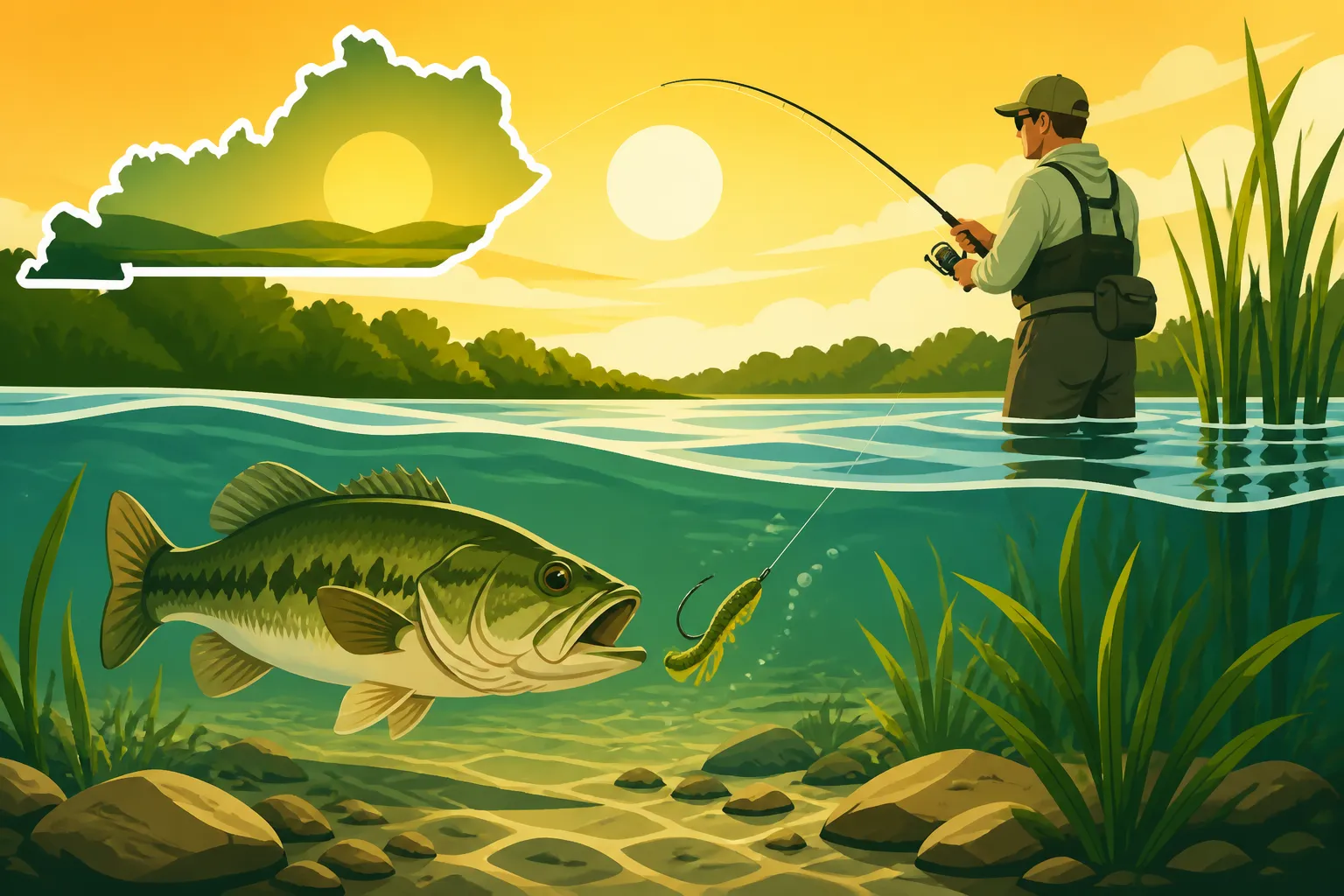
How to Fish Shallow Water in Late Summer
Late summer shallow water fishing can feel like a riddle wrapped in an enigma, especially here in Kentucky. The scorching sun beats down, the water often feels like bathwater, and those lively fish you found cruising the banks in spring seem to have vanished into thin air. It’s enough to make even the most seasoned angler want to pack it in and wait for cooler weather. But don't give up hope just yet! This guide is all about helping you crack the code, revealing the secrets to successfully finding and catching fish in those challenging late summer shallows.
Understanding the Late Summer Shallow Water Challenge
Fishing shallow water in late summer, particularly in Kentucky's sprawling lakes and slow-moving rivers, presents a unique set of obstacles. It's not the same game as the spring spawn or the cooler fall bite. The fish are there, but their behavior and preferred hangouts shift dramatically. Ignoring these changes is a surefire way to come back with an empty livewell and a deflated spirit.
Why Shallow Water Gets Tough in Late Summer
The primary culprit is the heat. As the dog days of summer drag on, water temperatures climb steadily. This isn't just uncomfortable for us; it significantly impacts fish metabolism and oxygen levels. Warmer water holds less dissolved oxygen, forcing many species to seek out areas where they can breathe easier. These often include deeper, cooler zones, or areas with more current or shade. Shallow flats that were bustling with activity in April might now be barren, or only hold fish during specific, cooler parts of the day.
Another factor is forage. While some baitfish and insects are still present in the shallows, the overall abundance might decrease as smaller organisms also feel the heat stress. Fish become more selective, and sometimes less aggressive, conserving energy in the warm water. They're also often warier in clear, bright conditions, making a stealthy approach absolutely crucial. It’s a completely different situation than Kentucky Bass Fishing: The April-May Peak Season.
Where Fish Relocate in the Shallows
Despite the heat, some fish do stick around in shallow water, and others will visit these zones under certain conditions. The trick is knowing what they're looking for. Primarily, they're seeking refuge. This means shade, cooler water sources, or dense cover that offers both protection and potential ambush points. Think about what a fish needs to survive and thrive: food, cover, and comfortable water.
In late summer, these needs narrow down the prime shallow water locations. Docks, lily pad fields, thick weed lines, cypress trees, laydowns, and shaded creek channels become hotspots. Anywhere a current brings fresh, oxygenated water, like around culverts, dam discharges, or river bends, can also draw fish shallow. Even deep points that extend into shallow flats can be productive, offering fish a quick retreat to cooler water if they decide to push up to feed. Understanding these natural refuges is key to adapting your strategy from earlier in the year, when fish might have been more spread out.
Essential Gear and Bait for Late Summer Shallows
When tackling late summer shallow water, your gear choices become even more critical. You're often dealing with specific conditions – thick cover, clear water, and wary fish – that demand specialized approaches. Having the right tools for the job can make all the difference between a frustrating day and a successful outing.
Rods, Reels, and Line for Precision and Power
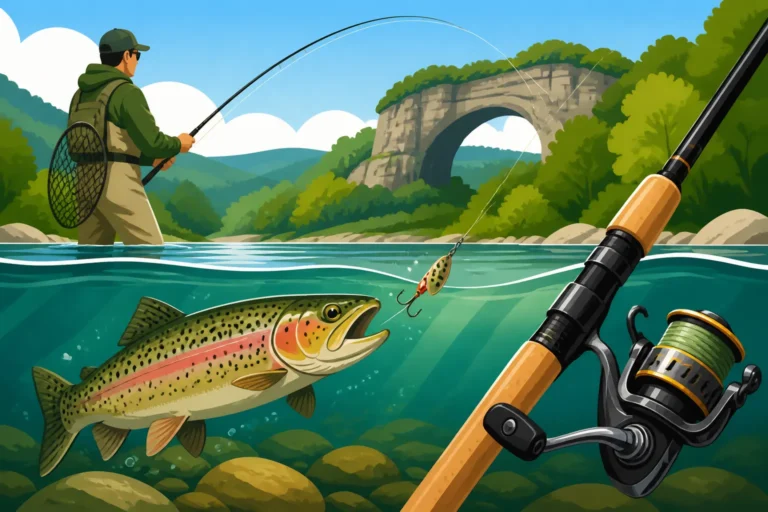
For targeting fish in heavy shallow cover, a medium-heavy to heavy action rod is often your best friend. This provides the backbone needed to pull fish out of dense weeds or around submerged timber before they can bury themselves. A fast or extra-fast tip allows for precise casting into tight spots, which is vital when accuracy counts. Pair this with a baitcasting reel that has a good gear ratio (around 7.1:1 or higher) for quick line pickup, especially after a strike in close quarters.
When it comes to line, braided line is a popular choice for its incredible strength, lack of stretch, and abrasion resistance. A 30-50 pound test braid can cut through weeds and withstand the abuse of fishing around logs and rocks. However, in very clear water or for particularly wary fish, you might consider a fluorocarbon leader (10-20 pound test) tied to your braid for invisibility, as fish can be quite line-shy in late summer. For specific line types, you can find a wide selection of high-quality braids and fluorocarbon on Amazon. Don't forget to check out Best Rods and Reels for Kentucky Fishing for more general advice.
Go-To Baits and Lures for Challenging Conditions
Late summer shallow water fishing calls for baits that can penetrate cover, mimic common forage, and entice less aggressive fish. Here are some of the most effective options:
- Soft Plastics: These are incredibly versatile. Texas-rigged worms, creature baits, and senkos can be pitched or flipped into the densest cover. Their weedless nature and subtle fall are perfect for enticing fish hiding in lily pads or brush piles. Green pumpkin, black, and junebug are classic colors that work well in many Kentucky waters. Consider a weight size that allows for a slow, natural fall but still gets through the vegetation.
- Topwater Lures: On cloudy days, during low light conditions (dawn, dusk), or after a summer rain, topwater baits can be explosive. Frogs, poppers, and walking baits are excellent for drawing aggressive strikes from fish holding tight to surface cover like lily pads or matted grass. The key is to work them slowly and erratically, mimicking a struggling prey item.
- Jigs: Flipping and pitching jigs (especially with a weed guard) with soft plastic trailers are deadly around docks, laydowns, and submerged brush. The heavy profile and quick drop can provoke a reaction strike. Black and blue, or green pumpkin with a brown trailer, are always solid choices.
- Spinnerbaits and Bladed Jigs: While not always ideal for the thickest cover, a compact spinnerbait or bladed jig (like a ChatterBait) can be effective along the edges of weed lines or through sparser vegetation, especially if there's a little chop on the water or some stained water. The flash and vibration can draw fish from a distance.
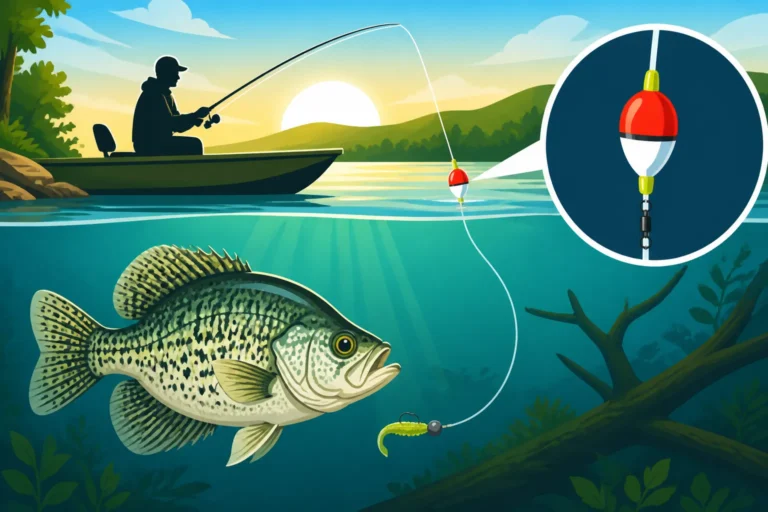
- Natural Bait: Don't underestimate the power of live bait, especially for species like catfish or even panfish. Crickets, worms, or small minnows fished under a bobber can be incredibly effective in calm, shallow coves where fish are leisurely feeding. For catfish, Best Baits for Summer Catfish Fishing might be helpful.
It's wise to have a selection of these on hand, varying in size and color. You never know exactly what the fish will be in the mood for. You can easily stock up on a variety of these baits and tackle on Amazon before your next trip.
Proven Techniques for Targeting Shallow Water Fish
Success in late summer shallows isn't just about what you use, but how you use it. Your approach, presentation, and even your timing can drastically affect your catch rate. It's a game of stealth, patience, and adapting to the fish's mood.
Stealthy Approach and Accurate Casting
Fish in shallow, clear, warm water are often extremely skittish. A heavy foot on the boat deck, an abrupt paddle stroke, or even a sudden shadow can send them scattering. Approach your fishing spots slowly and quietly, whether you're in a boat, kayak, or on foot. Make long, accurate casts to avoid spooking fish that might be closer than you think. If you're using a boat, try to position yourself so you can cast to cover without being directly on top of it. Kayak anglers have a natural advantage here, as they can glide silently into tight spaces.
Accurate casting is paramount. You need to be able to drop your lure into small pockets in lily pads, under dock pilings, or right next to a submerged log. Practice pitching and flipping if you're not already proficient, as these techniques allow for quiet, precise presentations in heavy cover. Remember, a good cast that lands softly in the right spot can be the difference between a bite and no bite.
Slow and Deliberate Presentations
Unlike power fishing in cooler waters, late summer shallow water often demands a slower, more deliberate presentation. Fish aren't always willing to chase down a fast-moving lure. They might be sluggish due to the heat, or simply less inclined to expend energy. Work your soft plastics slowly, letting them sink into cover, then gently twitching them. When using topwater, resist the urge to retrieve too quickly; long pauses between twitches can often trigger a strike from a hesitant fish.
Consider the retrieve speed for other lures as well. Spinnerbaits might need to be reeled just fast enough to keep the blades turning, rather than burned across the surface. Bladed jigs can be slow-rolled or "pumped" through cover. The goal is to make your bait look like an easy meal that's not trying to escape quickly. Experiment with different speeds and pauses until you find what the fish respond to. This can be quite different from what you might do during Best Lures for Early Spring Fishing.
Understanding Optimal Timing
The time of day can make a massive difference in late summer shallow water. During the hottest parts of the day, from late morning to late afternoon, many fish retreat to deeper, cooler water or seek the densest shade. Your best windows of opportunity are often during the low-light hours: early morning, late evening, and sometimes even at night.
- Sunrise to Mid-Morning: As the sun rises and temperatures are still relatively cool, many fish will push into the shallows to feed before the heat becomes too intense. This is prime time for topwater action or working the edges of cover.
- Late Afternoon to Sunset: As the sun begins to set, the water starts to cool slightly, and fish may move back into shallow feeding grounds. This can be another excellent topwater or soft plastic window.
- Night Fishing: For species like catfish, and even some bass, night fishing in the shallows can be incredibly productive. The water is at its coolest, and fish feel safer feeding under the cloak of darkness. You'll often find them cruising shallow flats and points.
Monitoring weather patterns can also help. A cloudy day, a passing summer shower, or a light breeze creating a chop on the water can all temporarily improve shallow water fishing conditions by offering more shade or breaking up the surface. Best Time of Day to Catch Bass has more general tips on timing.
Spotting Productive Shallow Water Areas
The key to consistently catching fish in late summer shallows is learning to identify the most promising spots. It’s not just about finding shallow water; it’s about finding productive shallow water. This involves understanding what fish are seeking and knowing how to interpret the subtle clues the environment provides.
The Importance of Shade and Cover
In late summer, shade is like gold to a fish. It provides a cooler sanctuary from the sun's intense rays and often offers an ambush point for unsuspecting prey. Look for natural and man-made structures that cast significant shadows:
- Docks and Piers: These are fantastic shallow water cover. Fish will hold underneath, especially those with solid tops or deep pilings. Cast your lures as far under the dock as possible, letting them sink slowly.
- Overhanging Trees and Bushes: Shoreline vegetation that drapes over the water creates excellent shade. Fish will often sit right on the edge of the shade line, ready to dart out for a meal.
- Lily Pads and Matted Grass: These dense mats not only provide shade but also trap cooler water underneath and create a perfect hiding spot for baitfish and predators. Punching through these mats with a heavy Texas rig or walking a frog across them can be highly effective.
- Cypress Trees and Stumps: Common in many Kentucky lakes, these offer both shade and structure. Pitching a jig or soft plastic right up against the trunk or stump can trigger a strike.
- Bridge Pilings: Bridges, especially those spanning shallower creeks or coves, cast long shadows and disrupt current, creating prime holding areas.
The denser the cover and the darker the shade, the more likely you are to find fish there during the heat of the day.
Current Breaks and Oxygenated Water
While many shallow areas can become stagnant and oxygen-depleted in late summer, spots with consistent current are a different story. Moving water brings fresh oxygen and often pushes food past waiting fish. Look for:
- Creek Mouths and Inflows: Even small creeks or ditches flowing into a main lake or river can provide a cooler, more oxygenated plume of water that attracts fish.
- River Bends and Eddies: On rivers like the Ohio or Kentucky River, current breaks behind rocks, logs, or in deep bends create slack water where fish can rest and ambush. This is particularly good for species like catfish and sauger. Summer Catfish Fishing on the Ohio River in Kentucky offers more on this.
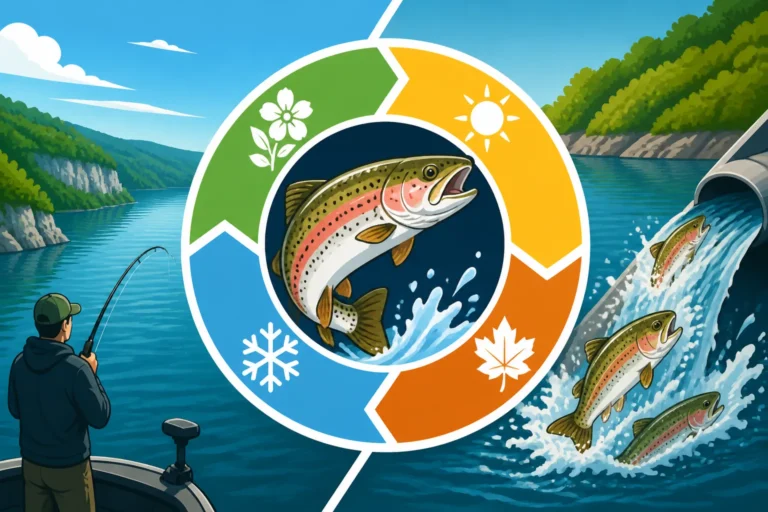
- Dam Tailwaters and Discharges: Below dams, the churning water is highly oxygenated and often cooler due to release from deeper parts of the reservoir. While not strictly "shallow," these areas often have accessible shallow banks where fish will congregate.
- Wind-Blown Banks: A consistent wind pushing across a shallow flat can create a mild current and ripple on the surface, which oxygenates the water and positions baitfish. This can be an unexpected late-summer hotspot.
Table: Late Summer Shallow Water Hotspots & Techniques
| Hotspot Type | Ideal Species | Preferred Baits/Lures | Key Technique | Time of Day Recommendation |
|---|---|---|---|---|
| Dense Lily Pads/Mats | Largemouth Bass, Pike | Frogs, Heavy Texas Rigs, Punch Jigs | Punching, Walking, Flipping | Early Morning, Late Evening |
| Deep Docks/Piers | Largemouth/Smallmouth Bass, Crappie | Jigs, Senkos, Drop Shots | Skipping, Pitching, Slow Fall | All Day (especially shaded) |
| Overhanging Trees/Brush | Bass, Panfish, Catfish | Weightless Worms, Spinnerbaits, Crickets | Precise Casting, Gentle Drops | Low Light, Shaded Areas |
| Current Breaks/Inflows | Catfish, Bass, Sauger | Jigs, Cranks (small), Live Bait, Soft Plastics | Fan Casting, Bottom Bouncing | Anytime, especially during flow |
| Shaded Rock Piles/Bluffs | Smallmouth Bass, Walleye | Tubes, Jigs, Jerkbaits (slow) | Dragging, Bouncing, Slow Retrieve | Low Light, Cooler Hours |
Identifying Subtle Structure and Contour Changes
Even in seemingly featureless shallow flats, subtle changes in bottom composition or depth can hold fish. These are often overlooked but incredibly productive areas.
- Submerged Humps and Ridges: A slight rise in the bottom, even just a foot or two, can concentrate baitfish and attract predators. Use your electronics or even a long cast with a crankbait to feel for these changes.
- Transition Zones: The line where a gravel bottom meets mud, or where sand transitions to rock, can be a magnet for fish. These changes often indicate different food sources and cover.
- Old Creek Channels: Many reservoirs have old creek beds that wind through shallow flats. Even a slight depression in the bottom of these channels can serve as a highway for fish moving in and out of the shallows, or a place for them to hold during the day.
- Isolated Cover: A single stump, a small patch of grass, or an old tire in an otherwise open shallow area can be a goldmine. These isolated pieces of cover act as focal points for fish seeking refuge or an ambush point. Keep an eye out for anything that breaks up the monotony of a shallow flat; it often attracts a resident fish or two.
Fishing these challenging late summer shallows demands patience and a keen eye for detail, but the rewards of figuring out the pattern can be incredibly satisfying. Don't be afraid to experiment with different techniques and baits, and remember that even in the toughest conditions, there are always fish to be caught!
Disclaimer
This article is for general informational purposes only and does not constitute professional advice. Laws, prices and regulations vary by location and change over time. Consult a qualified professional for guidance on your specific situation.